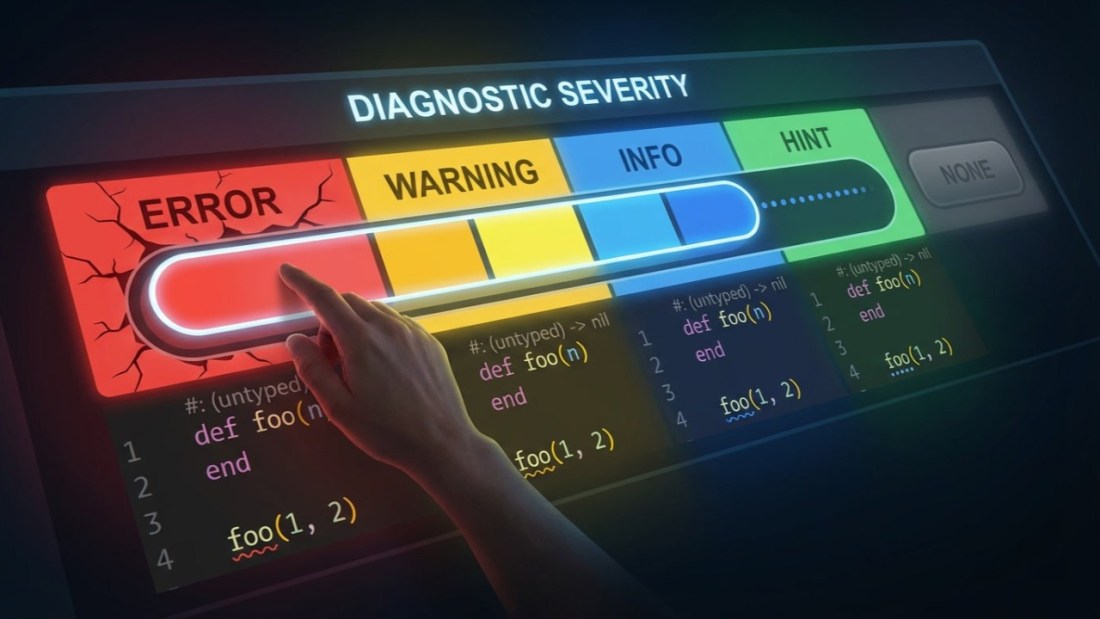
Understanding TypeProf: Design Goals, Limitations, and Effective Use in Ruby January 28, 2026 TypeProf is an official type inference tool for Ruby that has gained attention as part of the ecosystem surrounding RBS, Steep, and Sorbet. Despite this visibility, it is frequently misunderstood and often perceived as “not working” by first-time users. This article analyzes … Continue reading Understanding TypeProf: Design Goals, Limitations, and Effective Use in Ruby
Category: Services & Subscriptions
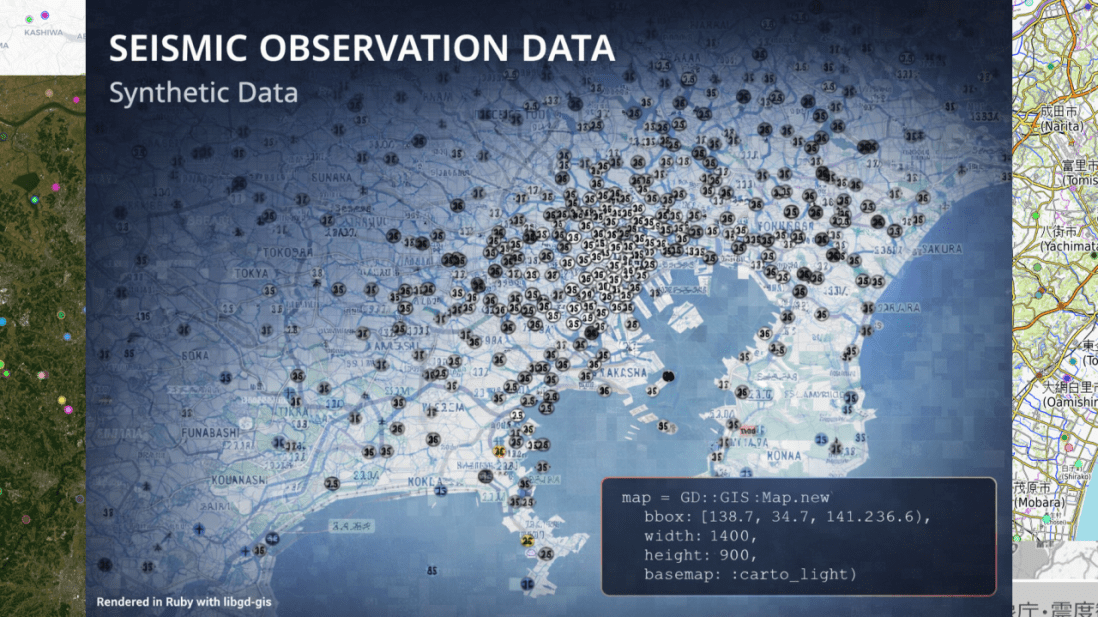
Ruby Rendering Seismic Observation Data
January 27, 2026 From Disaster Prevention to High-Performance Maps On December 26, 2025, I published an article titled “Ruby at the Front Line of Disaster Prevention.” It was inspired by a real, uncomfortable fact: Tokyo Gas uses Ruby to protect millions of people during earthquakes. Not in theory. Not as a prototype. In production. That … Continue reading Ruby Rendering Seismic Observation Data
libgd-gis: A Practical GIS Rendering Engine for Ruby
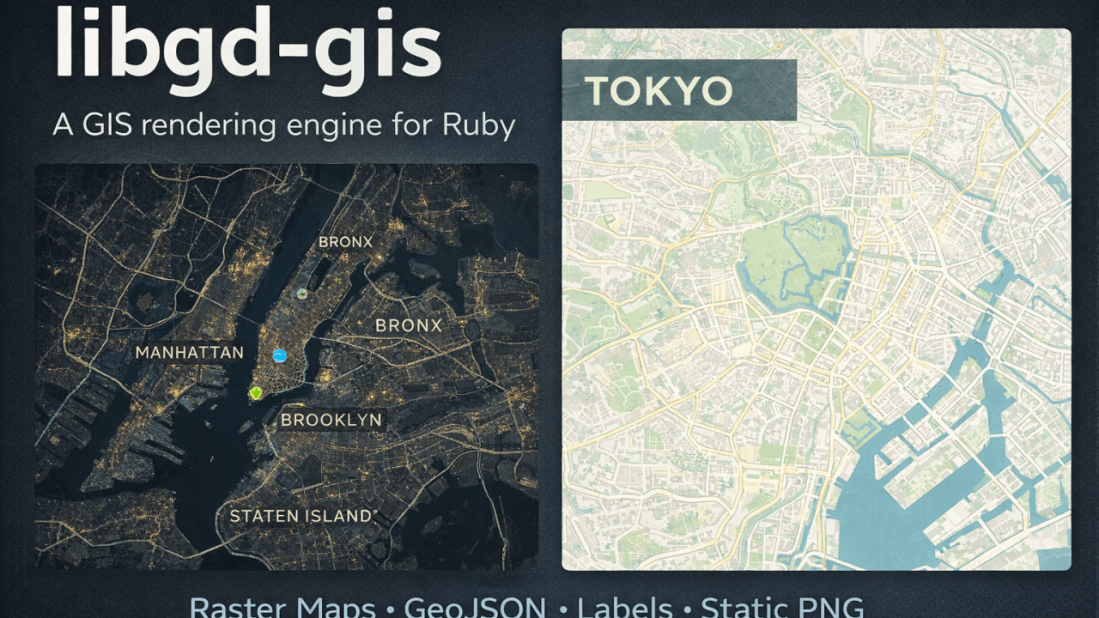
January 23, 2026 Raster maps, GeoJSON overlays, and real-world cartography — without leaving Ruby. Over the last months, I’ve been working on libgd-gis, a GIS rendering engine built on top of libgd and designed specifically for Ruby developers who need static map generation without relying on browser-based toolchains or heavyweight GIS stacks. This article walks … Continue reading libgd-gis: A Practical GIS Rendering Engine for Ruby
Imprint: Signed, Expiring Image Rendering with Dynamic Watermarks in Ruby
January 21, 2026 Distributing images securely is a recurring challenge in modern web applications. Whether for previews, confidential documents, or paid content, developers often need to ensure that images are not reused, hotlinked, or accessed indefinitely. Imprint is a Ruby gem that addresses this problem by providing signed, time-limited image rendering with dynamic watermarks, allowing … Continue reading Imprint: Signed, Expiring Image Rendering with Dynamic Watermarks in Ruby
Now Ruby GIS Rendering: Stabilizing the libgd-gis Rendering API
Stabilizing the libgd-gis Rendering API January 19, 2026 This article documents the current state of libgd-gis following a significant internal update: the stabilization and freeze of its core rendering API. The update consolidates the project’s primary responsibilities—static GIS rendering, layered composition, and post-render image manipulation—into a stable and documented surface. Alongside this milestone, comprehensive documentation … Continue reading Now Ruby GIS Rendering: Stabilizing the libgd-gis Rendering API
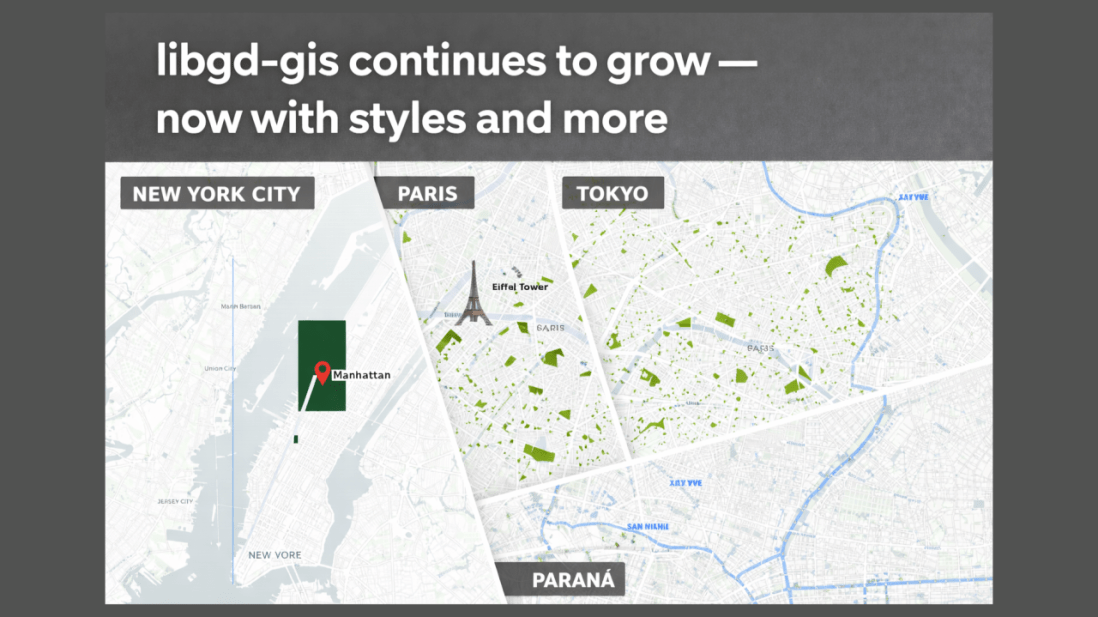
libgd-gis continues to grow — now with styles and more
January 12, 2026 Real-world cartography in pure Ruby RubyStackNews — January 2026 From geometry to cities Until recently, libgd-gis could render raw GeoJSON. Now it renders cities. Over the last development cycle, libgd-gis evolved from a low-level geometry renderer into a style-aware, layered GIS engine capable of producing publication-quality maps — directly from Ruby. With … Continue reading libgd-gis continues to grow — now with styles and more
Ruby Can Draw Cities Now
January 9, 2026 How I built a pure-Ruby GIS engine that renders Paris, Tokyo, New York, and more Most people don’t think of Ruby when they think about maps, GIS, or visual computing. If you want to draw a real city, the standard stack usually looks like: QGIS PostGIS Mapnik Mapbox or a heavy JavaScript … Continue reading Ruby Can Draw Cities Now
Some fresh Ruby GIS gossip
January 8, 2026 I’ve been quietly working on two Ruby libraries that are starting to click together in a really interesting way: libgd-gis — the GIS brain: maps, basemaps, lines, polygons ruby-libgd — the raster engine: pixels, alpha, image scaling, compositing Over the last days I added: lines, polygons and basemap switching to libgd-gis (0.1.3) … Continue reading Some fresh Ruby GIS gossip
Ruby Can Create Images Again
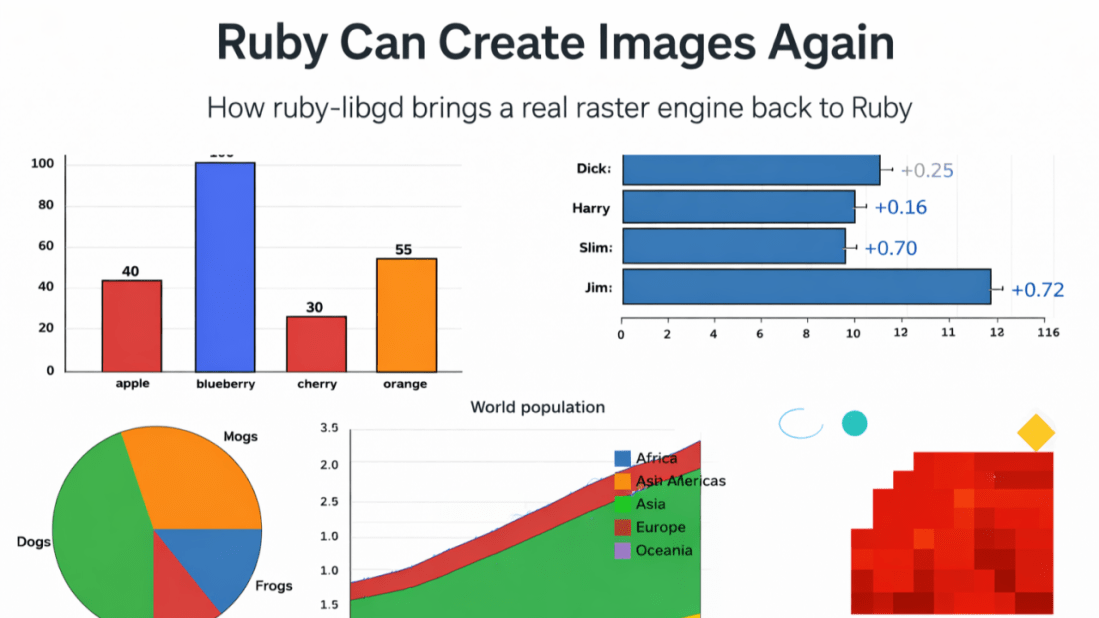
January 5, 2026 How ruby-libgd brings a real raster engine back to Ruby For many years, Ruby quietly lost something fundamental: The ability to generate images natively, fast, and with full control. Yes, RMagick and MiniMagick exist. But they depend on external binaries, are slow, fragile in production, and unsuitable for things like: map tile … Continue reading Ruby Can Create Images Again
Rebuilding Ruby’s Image Processing Layer: Why ruby-libgd Matters for GIS and the Future of Ruby
Ruby on Rails Developer | Ruby, Backend January 2, 2026 In late 2025, during a RubyConf presentation about disaster-response systems, an uncomfortable truth was stated publicly: Generating map tiles and images on the server is difficult in Ruby. RMagick and MiniMagick were too slow. ruby-gd is used, but it is poorly maintained. This was not … Continue reading Rebuilding Ruby’s Image Processing Layer: Why ruby-libgd Matters for GIS and the Future of Ruby