To facilitate the large-scale regeneration of the world’s grasslands and the livelihoods of their inhabitants, through Holistic Management.
What began as the Savory Institute has evolved over the years into an ecosystem of interconnected programs and initiatives, all sharing the DNA of Holistic Management and working to regenerate our global grasslands.
We periodically post career opportunities for those looking to join our team. Click below to explore open opportunities at the Savory Institute.
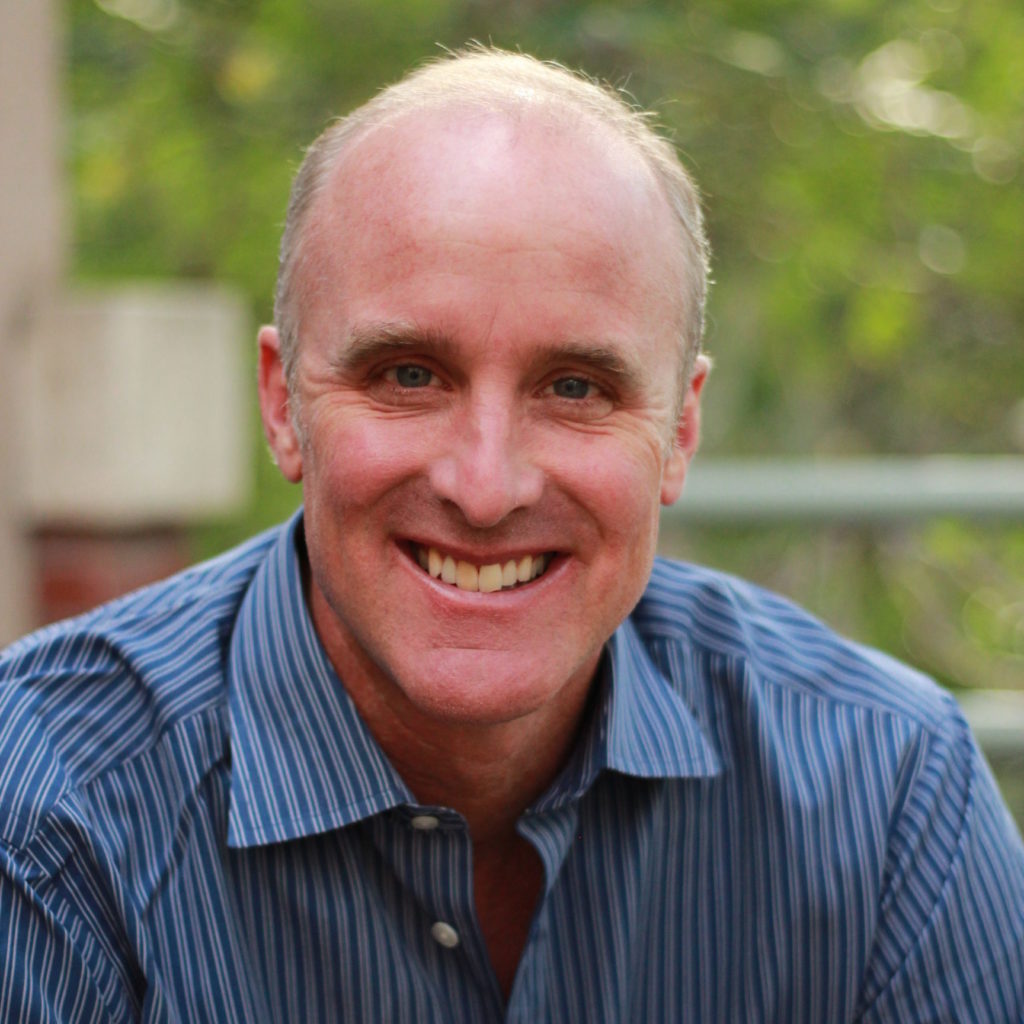
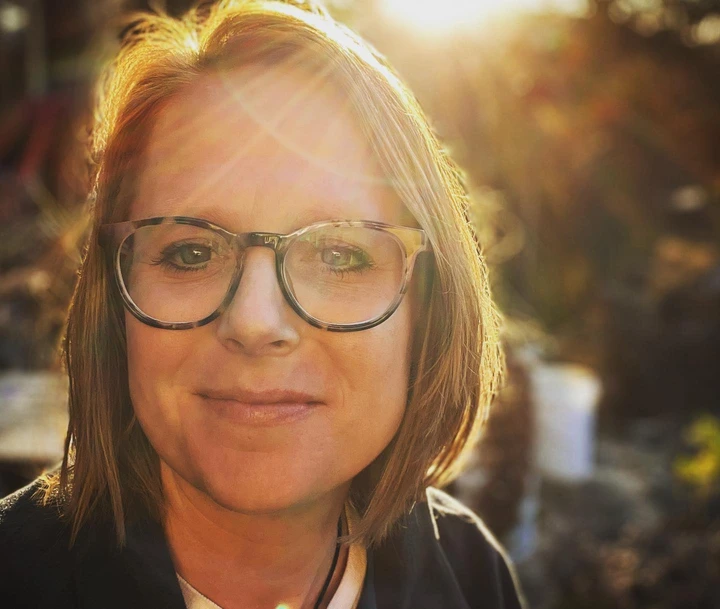
Jason offers a unique combination of visionary insight and grounded skill. He is a versatile leader with a proven career focus on inspiring the conditions for peak performance. Jason brings 30+ years’ experience in organizational leadership, strategic planning, business development, and financial analysis. He possesses strong acumen in frameworks and methodologies that empower organizations to move consciously from conceptualization to implementation. Jason’s experience spans multiple industries and organizations ranging from pure startup to multinational corporations and nonprofits. His current endeavors focus on building more regenerative lives, organizations and communities.
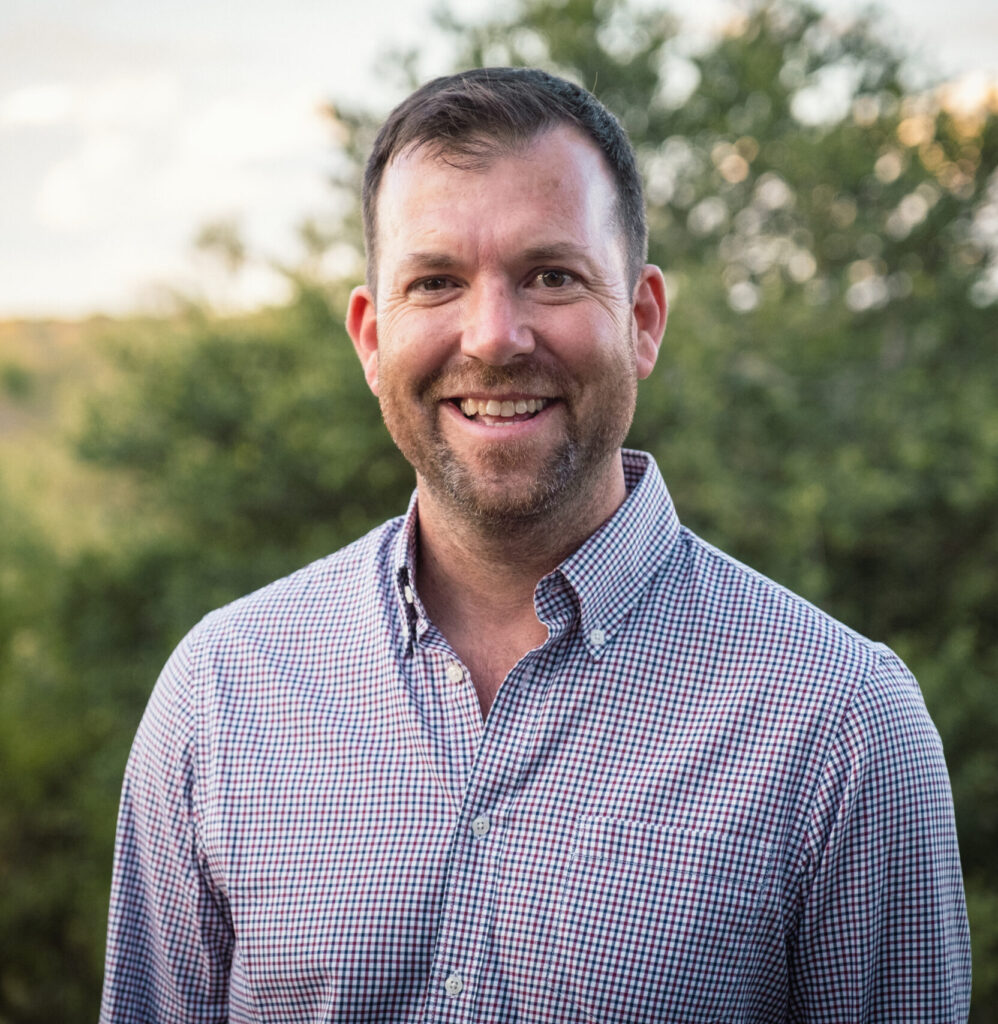
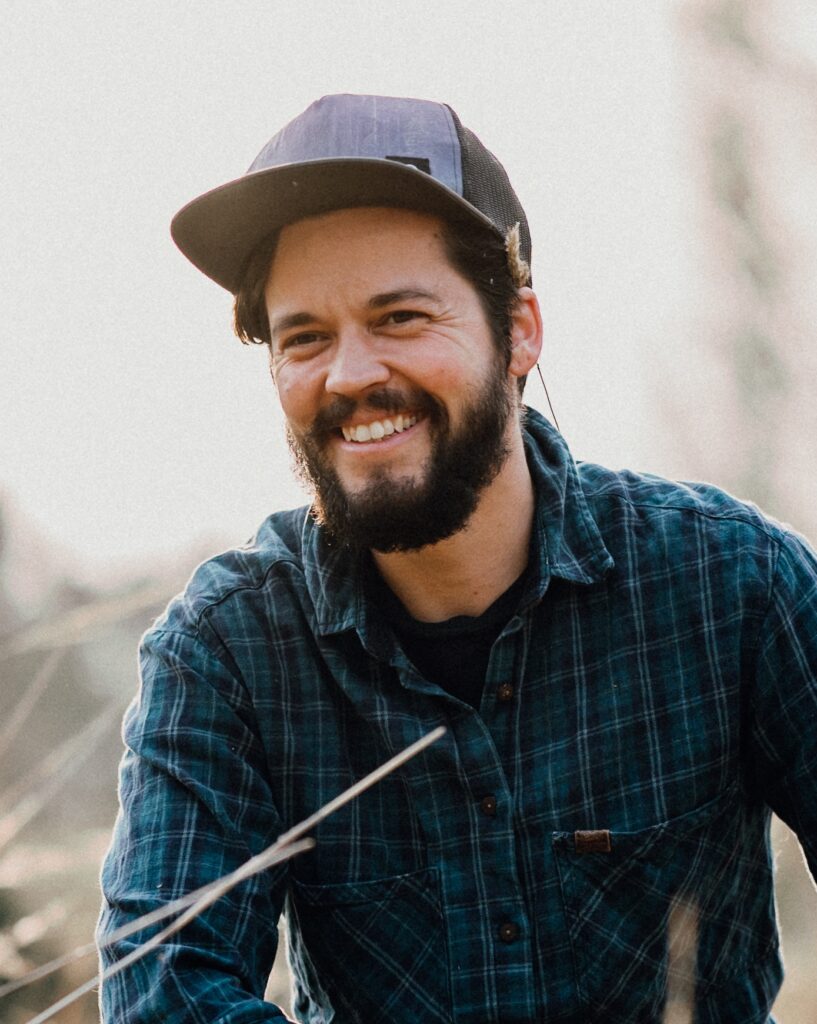
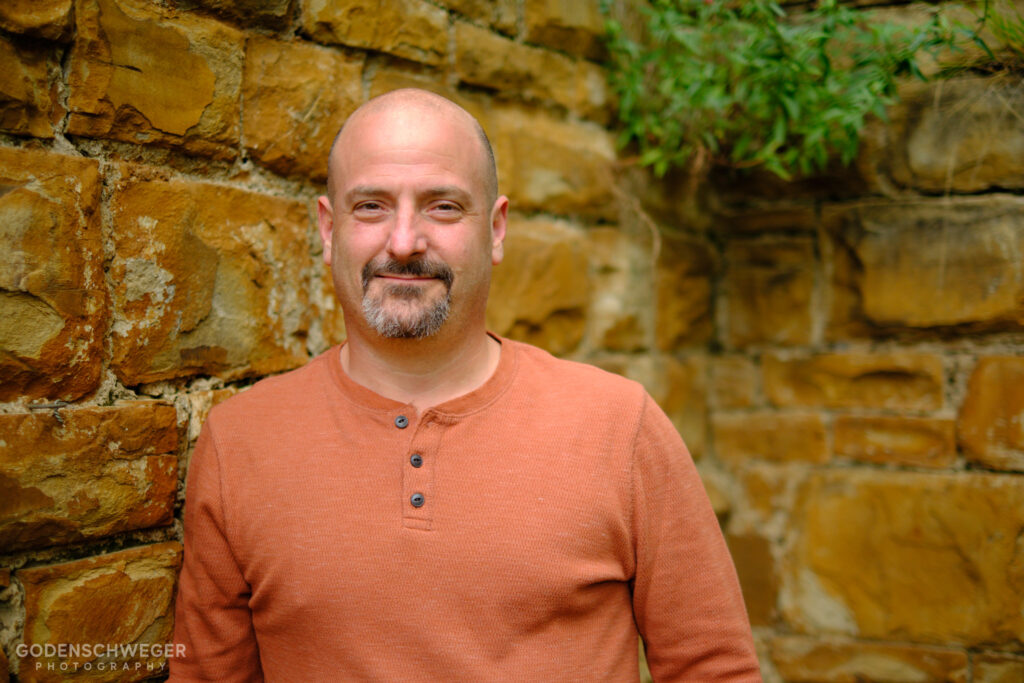
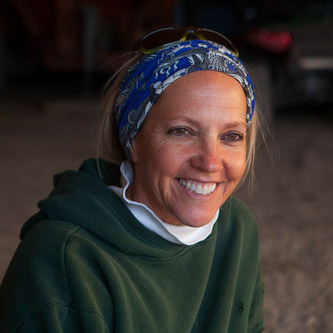
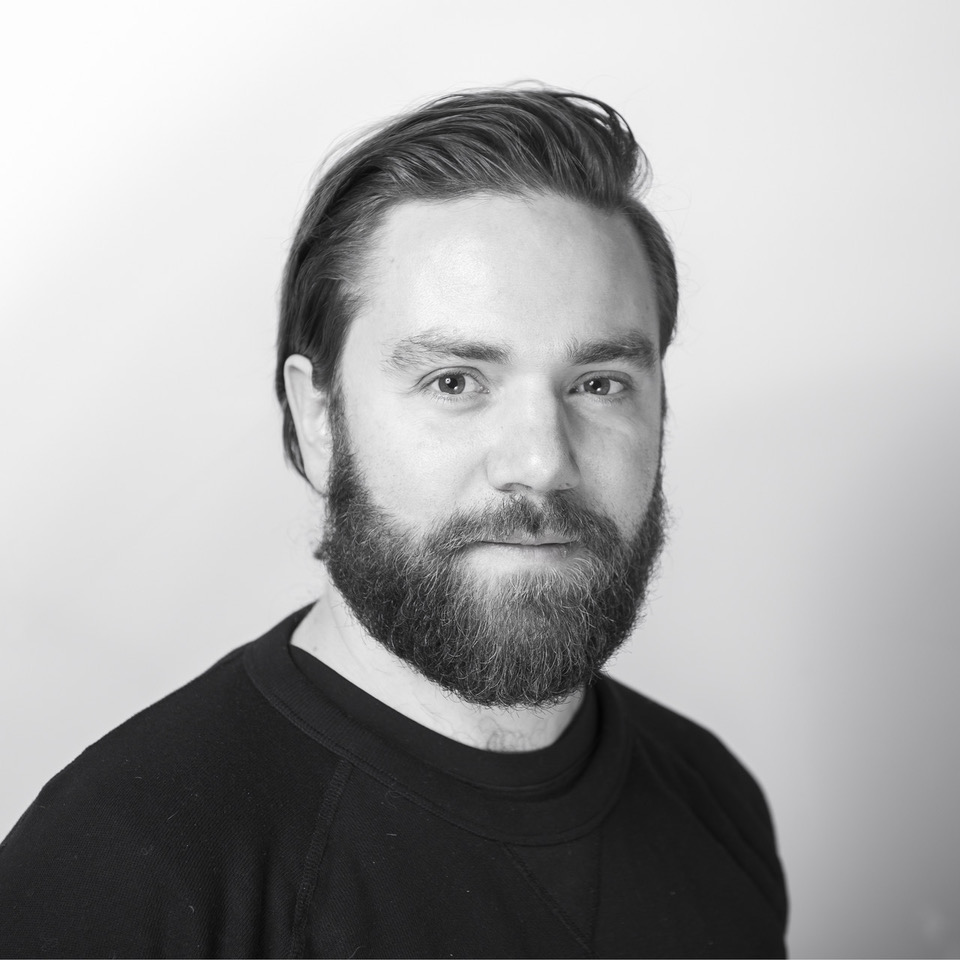
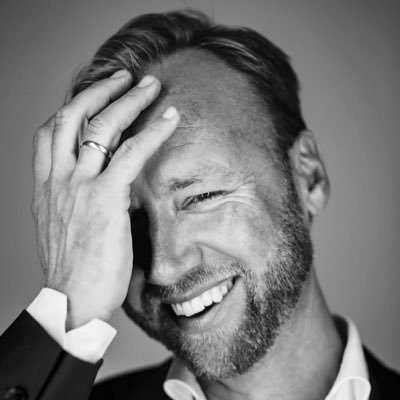
As Director of Development & Communications for the Savory Institute, Bobby manages marketing, strategic communications, online giving strategy, and donor relationships. A reformed biomedical engineer turned systems thinker, his work explores the intersectionality of personal and planetary health, the patterns and relationships that underpin their emergence, and the ways in which we can distill the complexities of these issues to new audiences.
His 2020 TEDx talk, “It’s Not the Cow, It’s the How”, has been widely received by audiences around the world for synthesizing the complexities of proper grassland management into a simple and accessible call-to-action.
Originally from the Washington, D.C. area, he worked for 7 years as a lead scientific reviewer for the US Food & Drug Administration. While designing clinical trials and evaluating the safety and effectiveness of cardiovascular devices, he honed his skills analyzing and critiquing scientific studies of biological systems. This evolved into studies on nutrition, movement, and regenerative agriculture, and ultimately an awareness that the mechanistic thinking of his biomedical background needed to evolve into a whole systems approach.
Never one to pass up an outdoor experience, Bobby was previously a skydiving instructor and an elite-level ultramarathon runner. He and his family now live in Denver, Colorado – perfectly situated between the Rocky Mountains and shortgrass prairie.
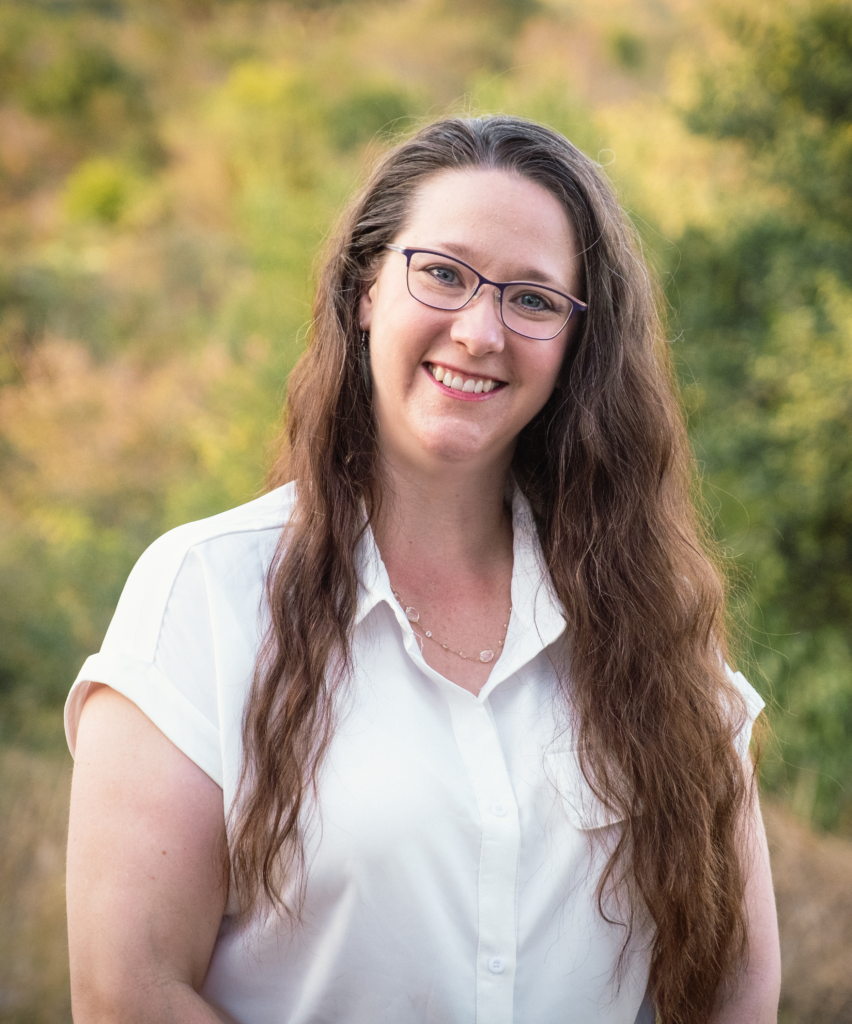
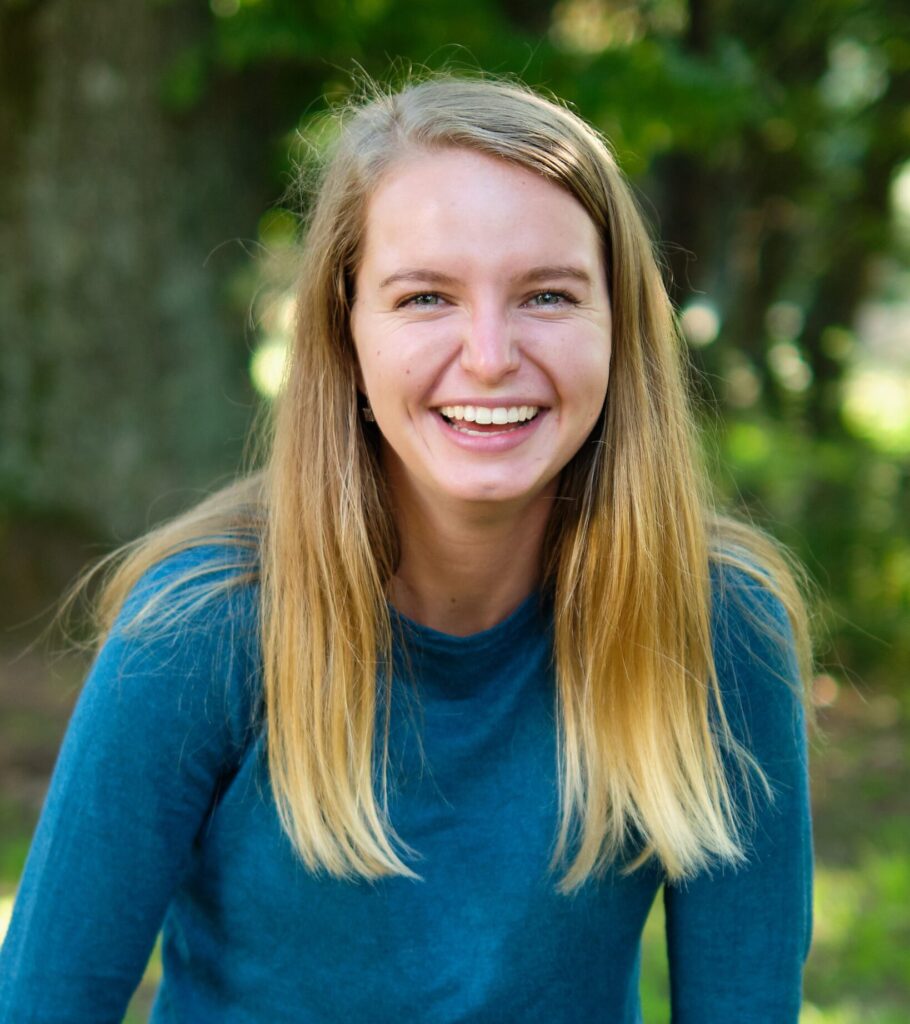
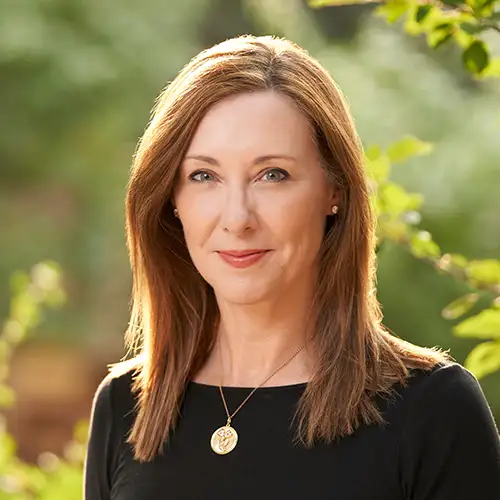
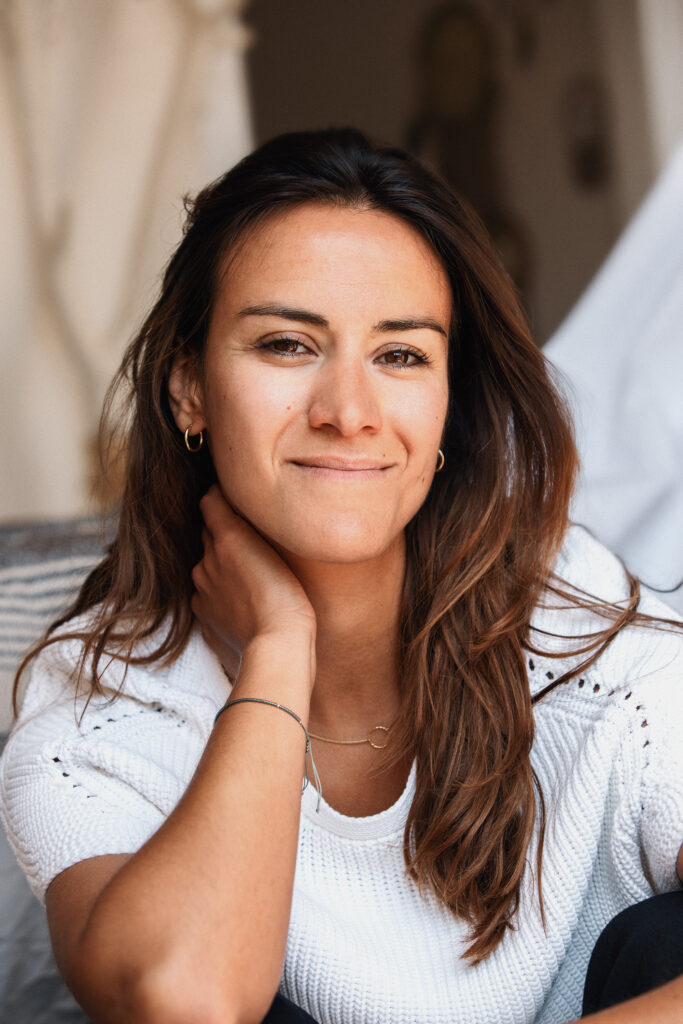
Kelsey Kerston is the main point of contact for the Ecological Outcome Verification (EOV) program, including ongoing verification services and protocol evolution, pilot projects, and EOV training and onboarding.
Raised in rural Northern California, Kelsey has had a lifetime love for rural communities and natural systems. She holds a Bachelor’s degree in Agriculture Business with a minor in Environmental Studies. In addition to first hand experience managing commercial poultry, livestock, orchard and row crop operations, Kelsey has travelled extensively to learn from holistic managers and Hubs around the world. She joins the team as a trained Accredited Professional with the Savory Institute.
Prior to her work at SI, she honed a background of certification management, including oversight of the organic livestock and grass-fed certification programs for North America’s largest organic certifier.
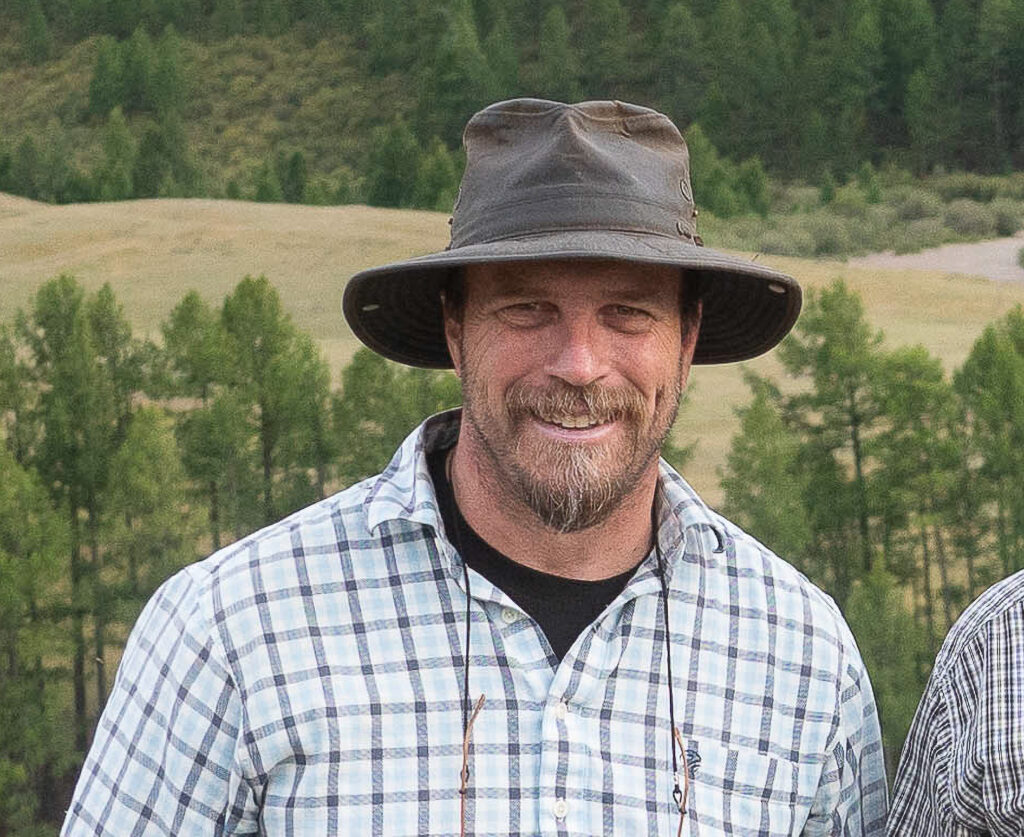
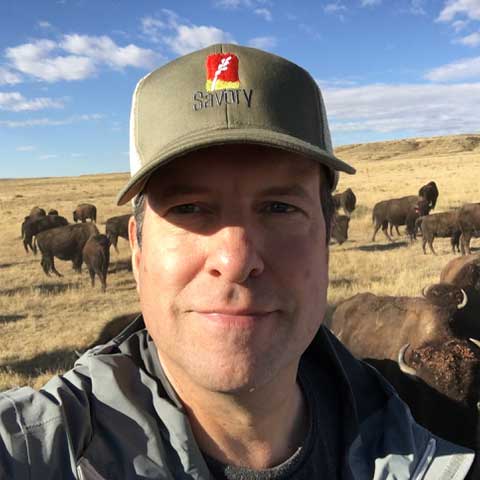
Nicholas (Nick) is Director of Global Projects for Savory’s large-scale projects team and oversees operations, implementation, and multinational capacity-building initiatives.
He brings to the role over 20 years experience having lived and worked on 5 continents in a wide range of professional contexts, including international development aid, the private sector and intergovernmental agencies.
Before joining the Savory Institute, he was an International Consultant for the UN Food and Agriculture Organisation as a Rangeland Management and Project Design Expert, primarily focused on projects in Central and Sub-Saharan África, Eastern Europe and Central Asia.
Today, he is based in Extremadura, Spain where he runs a small olive and sheep farm in his spare time.
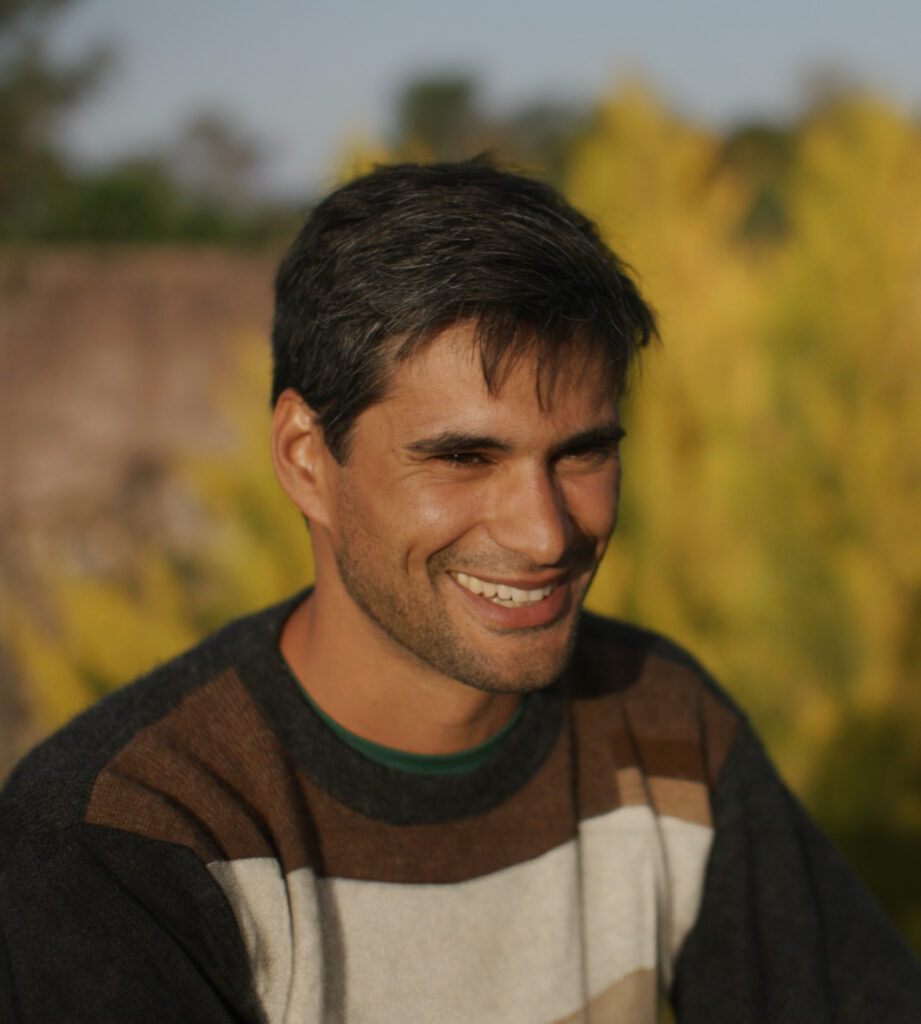
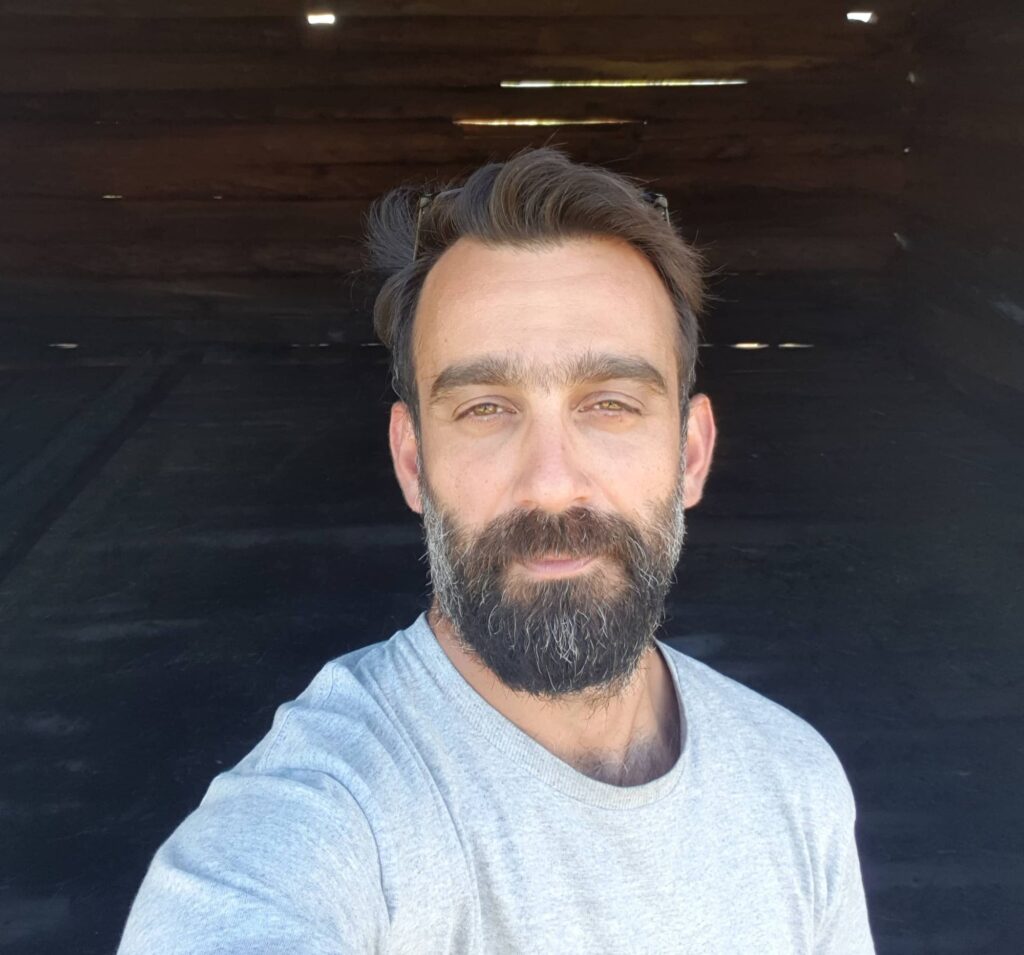
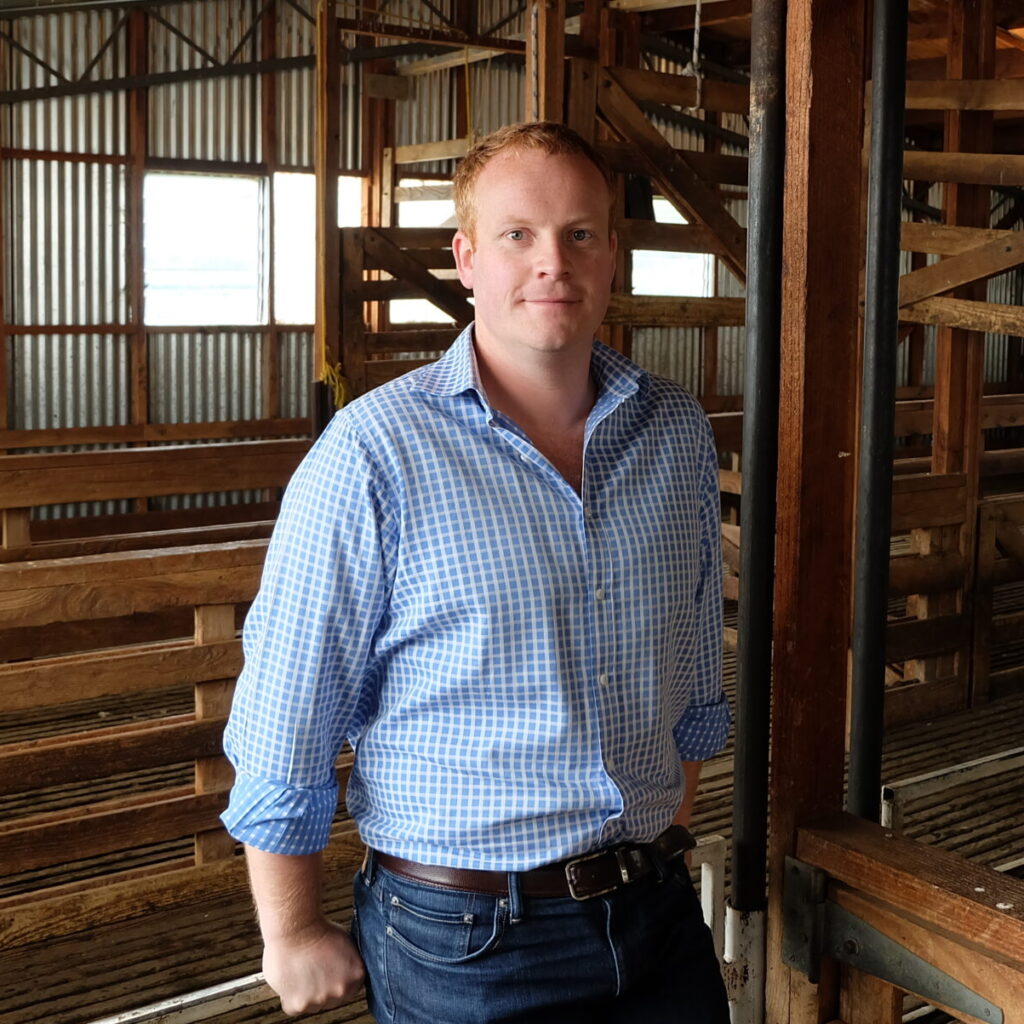
Simon works both as the EOV Platform Technical Lead and as a member of Savory’s large-scale projects implementation team.
With a degree in Farm Management, 27+ years of hands-on experience in managing large sheep, cattle and deer stations, in both Argentina and New Zealand, his 4+ years of experience in Holistic Management consulting in Italy and in Egypt and extensive lifelong travelling around the world both by land and by sea allow him a unique insight into the diverse ecoregions, different production systems and unique cultural landscapes.
He is well-versed in technology, computer systems and GIS systems providing the capacity to lead and adapt the current data platform to the ever-changing requirements of a growing organization.
You can normally find Simon in Northern Italy together with his wife and three daughters unless he is away in the field on a Savory project doing EOV Monitoring or HM Training.
Katie is a technology and operations leader with a background in building and delivering tools and processes across a spectrum of organizations, including global enterprises, startups, and nonprofits. While her career started in the industrial sector implementing systems for GE Power & Water, the bulk of her career has been with organizations within the food sector. This includes time as the Technology Director at a meal kit company focused on delivering food from small, sustainable farmers and more recently as the Operations Director at an Atlanta nonprofit working in the food recovery and hunger relief sector.
Katie serves as the Director of Operations for the Savory Institute, where she works to create processes and systems for the organization and its related entities. This includes improving and implementing technology solutions as well as implementing processes that allow information and human capital to flow and connect more efficiently. Katie is motivated by the opportunity to create the enabling infrastructure that allows Savory and its Network to operate at its highest potential.
Katie is a graduate of the Georgia Institute of Technology where she received her Bachelor’s degree in Information Technology & Business and her Masters degree in Sustainability. Katie lives in Atlanta, GA (USA) with her partner Justin and their dog Chattahoochee.
Luke brings more than a decade of experience building and managing scientific programs at the intersection of biology, biotechnology, and systems innovation. Prior to joining Savory, he directed research operations and industry partnerships for bioscience organizations, where he specialized in developing standardized protocols, data systems, and collaborative frameworks that bridge scientific research and applied fieldwork.
As Director of Ecological Outcome Verification (EOV), Luke leads the continued growth and innovation of Savory Institute’s ecological monitoring and verification program. His work focuses on strengthening scientific rigor, data integrity, and practical usability across the global Savory Network while positioning EOV as the industry leader for measuring and verifying regeneration at scale.
With an education in ecology, marine biology, and evolutionary biology from the University of Colorado and an MBA focused on international business and partnerships, Luke combines a deep understanding of living systems with a systems-level approach to organizational leadership. His work is guided by a passion for measurable ecological impact and a belief in the power of collaboration to drive regeneration from the ground up.
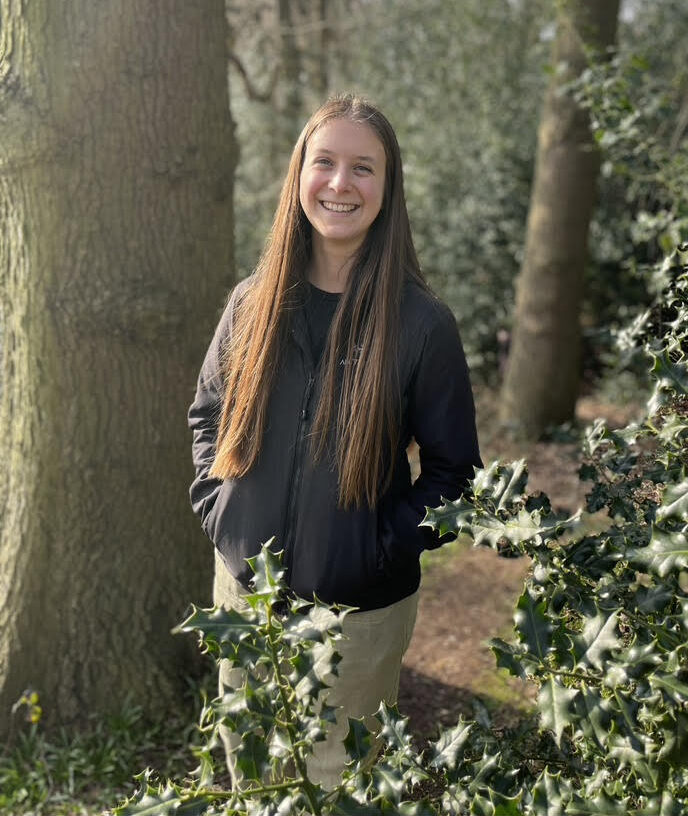
Reared from the forested soils of Pennsylvania’s Amish Country, Jackie has always had a deep connection to the plants and ecology surrounding her. Jackie lived in Oregon for the past 20 years and is now in Southern Oregon, on the border of California where she stewards land with her friends and family focusing on the integration of grazing, forestry, and fire management. Jackie’s journey in regenerative agriculture began in 2013 when she was teaching ecological monitoring (described as science and math in the field) for a local Expeditionary Learning middle school located in Bend.
A lifelong learner, Jackie focuses on developing the skills and knowledge that would bring herself and others closer to the land. Jackie has spent most of her life working with people in the natural world and in 2015 earned a Bachelor of Science in Adventure Leadership Education. In 2017, she earned her Permaculture Design Certificate through OSU, and in 2019, became an Accredited Professional Educator with the Savory Institute. Jackie is currently accredited as a Savory Field Professional.
Through a lifetime of outdoor experience, Jackie brings fresh eyes to landscapes and repairing our relationships with the Ecosystem. A founding member of the UVE hub, Jackie developed a thriving Ecological Outcome Verification (EOV™) program. In 2022 Jackie began providing EOV support to Hubs and monitors around the globe and in 2024 began her role providing Quality Assurance for EOV.
As an accredited EOV Master Verifier, she finds herself in the privileged position of traveling the Pacific and Intermountain West of the US training aspiring EOV Monitors and Hub Verifiers, visiting with land stewards of every kind, and monitoring a vast range of landscapes and Ecoregions. Growing relationships, whole-hearted empathy, and deep care for Land and People are at the core of her work. Jackie meets all land stewards where they are, at any stage in their regenerative journey, and works to inspire holistic decisions at the soil surface.
Leon loves to work with people on asking the right questions and solving challenges with a holistic mindset, systemic view, and new narratives. For Leon, regeneration is all about building relationships with the land and the people – to find new grounds together.
Leon is a Savory Accredited Field Professional in Holistic Management and an EOV Hub Verifier with an intensive background in process management, workflows, innovation management and creative problem solving. He worked as consultant and coach for companies and teams until he fell in love with regeneration in 2019 and focuses his work since then on land and people.
Next to his home hub in Germany, he is active as a coach and monitor in various European regions to support farmers and farm teams in building healthy and sustainable lives – when he is not putting up fences or doing other farm work himself.
He is originally from Germany, but travels most of the year EU-wide to work with and on different land bases. From the mountains in the south of France, the grasslands of Hungary, the northern landscape in Sweden, to the variously non-brittle fields of Germany, he is exploring ecoregions and observing the different expressions of the ecosystem.
Leon loves bison, hiking, and surrounding himself with diversity and new-ness.
He tries to live his life in beta.
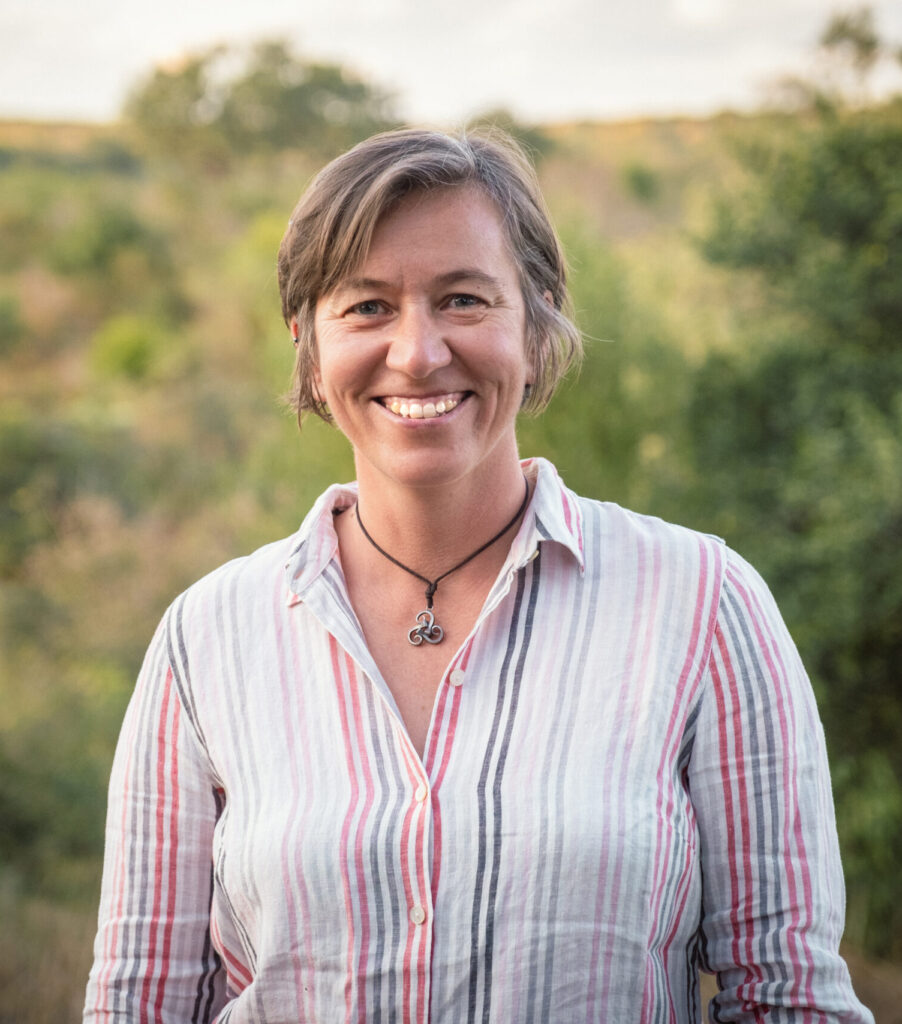
Michal co-leads TruQuest, the Savory Hub in South Africa, and is responsible for coordinating EOV, training monitors, and quality assurance in Africa.
Born and raised in Johannesburg, Michal experienced a significant lifestyle change as a teen when her family moved from the city to a remote farm in the Eastern Cape. Motivated by a strong desire to learn, this environment was ideal for Michal. With the freedom to design her educational path, she explored various interests. She gained valuable skills in photography, graphic design, pasture-raised chicken farming, bookkeeping, meat processing, and home vegetable production.
Her exposure to regenerative agriculture began in 2013 with the start of TruQuest. In the early days of the hub, she visited a farm that had been holistically managed for 30+ years. Seeing the outstanding condition of the land and livestock, she left with a deep desire to learn more about this management approach.
Michal’s journey into regenerative agriculture and land health led her to become an accredited Savory Field Professional and Professional Educator. In 2019, she further enhanced her skills by training in the USA to qualify as a Hub Verifier. With seven EOV monitoring seasons under her belt, Michal has gained extensive experience rolling out EOV on the African continent across eight ecoregions, demonstrating her expertise and commitment to the field.
With a camera around her neck, a handful of grass seeds, and her two Irish setters lolloping beside her, Michal is happiest striding through the veld, looking for signs of soil regeneration and training her gun dogs.
Ramiro is a fourth-generation farmer from south-central Uruguay, as well as an EOV Verifier and accredited Holistic Management educator with Pampa Oriental. Alongside his parents and sisters, he manages livestock operations involving cattle and sheep, primarily on the native grasslands of the pampas, known for being some of the most biodiverse grasslands in the world.
He is a passionate learner and observer of soil-plant-animal relationships, as well as the flora and fauna of the pampas. Ramiro is dedicated to understanding the land through biological indicators.
In recent years, his engagement with farmers through the adoption of Holistic Management has been a significant driving force. An eternal learner driven by curiosity, Ramiro seeks nature-based solutions to restore the lost connections between our communities and Mother Nature.
Pablo Gregorini is Professor of Livestock Production at Lincoln University, Director of the Lincoln University Pastoral Livestock Production Lab, and Head of the Lincoln University Centre of Excellence for Designing Future Productive Landscapes. Internationally, he chairs the International Scientific Advisory Committee for the Symposium of Nutrition of Herbivores, and serve in the International Scientific Committee for farm systems design. His research focus is on nutrition, foraging ecology and grazing management of ruminants in different grasslands and rangelands of the world, as well as how phytochemistry and culture once linked the palates of humans and herbivores with soil, plants and landscapes.
Hannah Gosnell is a Professor of Geography at Oregon State University who studies agricultural landscape change, collaborative conservation, climate change, and environmental governance in the context of rural working landscapes. Her research focuses on the human dimensions of rangeland management from a social-ecological systems perspective. She is particularly interested in the social, cultural, and psychological aspects of the transition to regenerative agriculture and the implications for landowners’ capacity to adapt to social, economic and environmental change. Hannah earned her MA and PhD in Geography from the University of Colorado, Boulder and a BA from Brown University.
Dr. Isabella Maciel serves as a Regenerative Systems Research Manager at Noble Research Institute in Ardmore, Oklahoma. Dr. Maciel serves as co-Director of the Noble hosted $19.2M funded research project entitled, “Metrics, Management, and Monitoring: An Investigation of Pasture and Rangeland Soil Health and its Drivers”. Her research focus has been on building a sustainable meat production system. Her goal as a researcher is to continue looking for solutions to produce sustainable meat, improve livestock production and provide high-quality food for the growing population. Researching alternatives to increase production in a sustainable manner, in addition to preserving the environment may, in the future, contribute to reducing hunger in the world.
Dr. Kris Nichols is a leader in the movement to regenerate soils for healthy soil, crops, food, people and a planet. She is currently the founder and principal scientist of KRIS Systems Education & Consultation and Research Director with MyLand Company Inc. She is a Soil Microbiologist with over 25 years of research experience studying arbuscular mycorrhizal (AM) fungi. Kris builds upon a soil health foundation to identify biological methods for agricultural production and tools and practices to reduce pest issues, soil erosion, fossil fuel use, and greenhouse gas emissions. Throughout her career, she has given over 250 invited presentations to a wide variety of audiences, authored or co-authored more than 25 peer-reviewed publications, been cited or interviewed for more than 50 magazine or newspaper articles, highlighted in five books, and has numerous videos on-line. Dr. Nichols was the Chief Scientist at Rodale Institute for over three years. Prior to joining Rodale Institute, Dr. Nichols was a Research (Soil) Microbiologist with the USDA, Agricultural Research Service (ARS) in North Dakota for 11 years and a Biological Laboratory Technician with ARS in Beltsville, MD for 3 years. Kris received Bachelor of Science degrees in Plant Biology and in Genetics and Cell Biology from the University of Minnesota in 1995, a Master’s degree in Environmental Microbiology from West Virginia University in 1999, and a Ph.D. in Soil Science from the University of Maryland in 2003. Kris grew up on a 640-acre grain farm in SW Minnesota which is still managed by her father, Jim Nichols who was a former State Senator and Commissioner of Agriculture.
Tre’ Cates, Founding Partner of nRhythm, has over 25 years of senior-level experience as an executive and consultant in a variety of industries on six continents and 35+ countries. He has worked directly with senior executives at many Fortune 1000 organizations in addition to multi-stakeholder cross-sector projects that involve government, communities, industry and NGOs. His industry experience is very diverse from the development of non-profit community organizations, a publicly-traded technology company, to a multi-national organization working in 20+ countries. One of his companies was recognized twice as one of the fastest growing companies in the US on the INC 500 list. He has won several top individual awards in the state of Colorado including Entrepreneur of Distinction in Boulder, CO and two-time semi-finalist of Colorado’s Ernst & Young Entrepreneur of the Year.
With the creation of nRhythm, Tre’ focused his attention on the development of a methodology and approach that brings more life to organizations and institutions. He was pivotal in the development of the underlying framework and process used to support an institution’s journey to a regenerative management and operational paradigm. Since its inception, nRhythm has provided educational and operational support to thousands of individuals and organizations who are interested in the exploration of regenerative approaches.
He is active in his community by serving on the board of several companies including multiple non-profits. Tré has a BA in Philosophy from Ouachita Baptist University and a MA in Theology from Southwestern seminary. He has been married for over 30 years and has two sons (28 & 26).
Taylor Collins is Co-Founder at Force of Nature, a regeneratively sourced meat company based in Austin, TX and land steward at ROAM Ranch.
Taylor’s roots run deep in the natural food community. Previously, as Co-Founder of EPIC Provisions, Taylor spent much of the last decade studying regenerative agriculture at ranches all over the world. Through this education, Force of Nature was founded with the intention to accelerate the creation of a global regenerative supply network. Force of Nature works in partnership with land stewards, ranchers, and farmers committed to creating a positive return on the planet.
Currently Taylor spends the majority of his time on ROAM Ranch, a 900 acre multi-species regenerative ecosystem in which soil-building practices are integrated into every aspect of land management. In nature’s image, the promotion of biodiversity is a key feature of the ranch, and for this reason, Taylor and his family raise bison, ducks, chickens, turkeys, geese, and intentionally creates habitat for both native and migratory species to co-create on this landscape.
As a living demonstration to the potential of regenerative land management, ROAM Ranch hosts thousands of guests from all over the country annually. With a focus on connecting consumers to the land on which we depend, ROAM Ranch and Force of Nature hope to amplify regenerative practices within the next generation of land stewards as well as those currently managing land conventionally. When not wrangling bison, Taylor enjoys spending time outdoors with his family, trail running, cycling, and planting trees.
Born in 1985, Istanbul. Hands-on working for “Age of Regeneration” since early 20’s. Co-founded Anatolian Grasslands in Turkey, one of the first global hubs of Savory Institute. Social entrepreneur (Ashoka Fellow since 2017), international consultant & trainer as Savory Master Field Professional for UN/FAO and other clients in over 10 countries so far in Europe, Middle East, North America and Asia. Co-founder of SafiMera, Turkey’s first regenerative & 100% grassfed brand. Also running various projects in Europe on my Swedish company.
Residing in Sweden & Turkey.
Seth Itzkan is Co-founder and Codirector of Soil4Climate. He is an environmental futurist investigating innovative means of land management that offer hope for reversing global warming. He is a TEDx speaker on restoring grasslands and with planned grazing. He has consulted for The Boston Foundation, the Massachusetts Technology Collaborative and the US Bureau of the Census. He is a graduate of Tufts University, College of Engineering and the Studies of the Future Program at University of Houston-Clear Lake. His private consultancy is Planet-TECH Associates.
L. Hunter Lovins is President of Natural Capitalism Solutions. NCS helps companies, communities and countries implement more regenerative practices profitably.
A professor of sustainable business management at Bard MBA, and Fordham University, Hunter teaches entrepreneuring and coaches social enterprises around the world. A Managing Partner of NOW Partners, she is also Chief Impact Officer of Change Finance, an impact investing firm. A board member of Aquion and several non-profits, she has worked in energy, regenerative agriculture, climate policy, sustainable development and resilience for 55 years.
A consultant to industries including International Finance Corporation, Unilever, Walmart, the United Nations and Royal Dutch Shell, as well as sustainability champions Interface, Patagonia and Clif Bar, Hunter has briefed heads of state, the UN, and the US Congress, leaders of the numerous local governments, the Pentagon, and officials in 30 countries.
Author of 16 books, including the recently released A Finer Future: Creating an Economy in Service to Life, which won a Nautilus Award, Hunter has won dozens of awards, including the European Sustainability Pioneer award, and the Right Livelihood Award. Time Magazine recognized her as a Millennium Hero for the Planet, and Newsweek called her the Green Business Icon.
For decades, Woody has been innovating at the nexus of venture capital, philanthropy and impact investing. He originated and/or played a pivotal role in the development of a number of conceptual frameworks and organizations, including: mission-related investing, patient capital, B. Corporations, community development venture capital, slow money and nurture capital.
He is former chairman and CEO of Investors’ Circle, one of the oldest angel networks in the U.S., facilitating the flow of more than $275 million to hundreds of sustainability-minded early-stage companies. In the 1990s, he was treasurer of the Jessie Smith Noyes Foundation, where he pioneered mission-related investing, and founding chairman of the Community Development Venture Capital Alliance. In the 1980s, he was a principal at Prince Ventures, a healthcare venture capital fund. Utne Reader named him one of “25 Visionaries Who Are Changing Your World.”
He is the author of four books: Inquiries into the Nature of Slow Money: Investing as if Food, Farms and Fertility Mattered (Chelsea Green, 2008), SOIL: Notes Toward the Theory and Practice of Nurture Capital (Slow Money Institute, 2017), AHA!: Fake Trillions, Real Billions, Beetcoin and the Great American Do-Over (Slow Money Institute, 2021) and A Call To Farms: Some Thoughts on Food, Money and Nonviolence in Honor of Wendell Berry (Slow Money Institute, 2022). He graduated Magna Cum Laude from Amherst College in 1973.
Lee is an assistant teaching professor with the Environmental Studies Department at the University of Colorado Boulder. Recent scholarly work includes a community-based research project with Boulder Food Rescue on participatory food access, and an ethnographic study of network leadership with the Savory Global Network. Recent applied work includes co-leading education and community engagement programs in Costa Rica, Brazil, Spain, and Israel, as well as developing peace-building dialogue initiatives. Lee is passionate about exploring the power of collective storytelling to empower multicultural collaborations, social-ecological systems change, and working to shape new models for transformative learning.
Felipe Urioste is a Uruguayan agronomist and livestock producer with extensive international experience across South America, North America, Europe, Australia, and New Zealand. His work spans regenerative grazing systems, global supply-chain development, producer engagement, and impact-driven market transformation.
He graduated from the Faculty of Agronomy at the University of the Republic in Uruguay. Early in his career, driven by a strong interest in livestock systems and a desire to learn from diverse production contexts, Felipe lived and worked in New Zealand on dairy farms across different regions, gaining hands-on experience with varied grazing, animal health, and farm management practices. He later worked in Australia on sheep operations, further deepening his understanding of extensive grazing systems and wool production.
After returning to Uruguay and completing his degree, Felipe worked as a livestock trader at a leading rural services company and later at one of the country’s largest livestock exporting firms. In these roles, he developed deep expertise in livestock production systems, supplementation strategies, export logistics, and international trade. He was also responsible for coordinating foreign delegations and advising on large-scale livestock shipments, including live-export vessels carrying an average of 20,000 head of cattle.
In early 2020, Felipe joined the Savory Institute as Regional Representative for Latin America, where he focused on supporting the global Savory Network of Hubs, strengthening regional operations, and driving business development across multiple countries.
Since then, his work has expanded globally, collaborating closely with producers, Savory Hubs, brands, and supply-chain partners across the United States, Europe, Latin America, and Oceania. Felipe has been actively involved in building regenerative supply chains for beef, wool, leather, and dairy, supporting brand partnerships, program design, verification frameworks, and market access for producers operating under regenerative management.
Today, as CEO of Land to Market, Felipe focuses on strengthening the global Savory Institute Network, scaling regenerative supply chains, advancing data-driven impact verification, and supporting brands and partners in sourcing verified regenerative raw materials across diverse landscapes and regions.
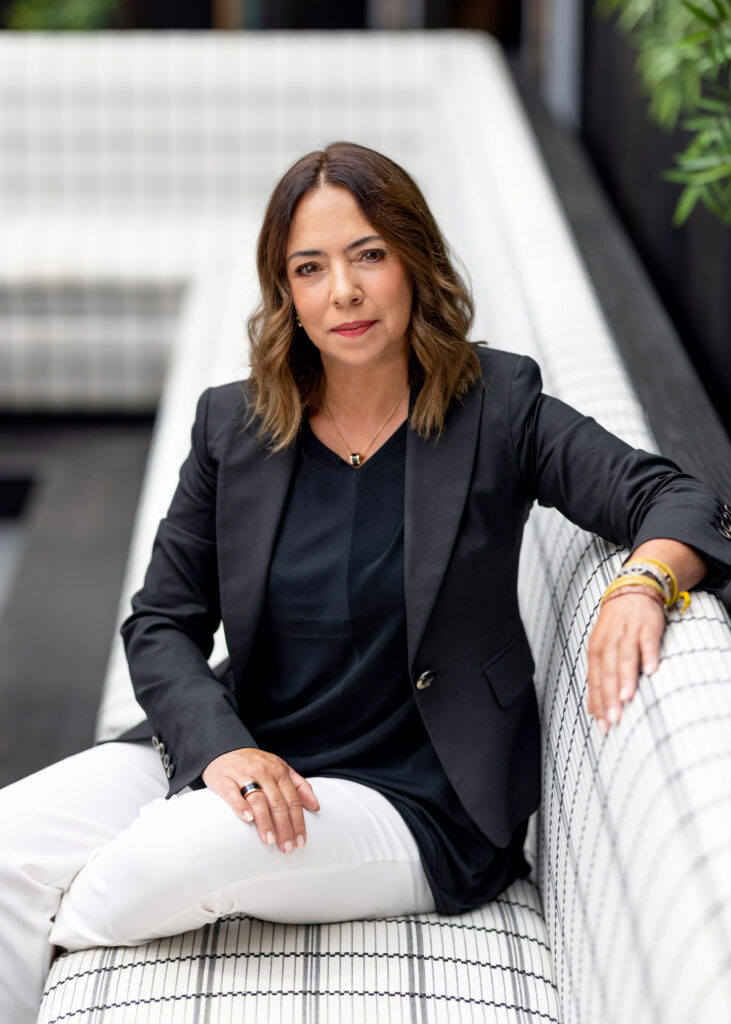
Monica is a supply chain engineer with 25 years global experience in producer to retailer logistics. She has held senior roles in Australian Wine, Wheat and Workwear industries.
She and her partner run a goat farm in Cobargo NSW using Holistic Management principles. Most recently Monica co-founded a local farm equipment library. Monica brings a strong collaborative instinct, and is an innovator with experience opening up new commercial opportunities.
Carolina Fernández-Jansink is an experienced living business strategist and biomimic who supports companies and their leaders as they transition their business models towards regeneration, greater resilience and an enhanced capacity to thrive. Founder of Cascading Nature and co-founder of DearWise.Earth and Emerging Ecorenaissance, and life-centered strategist at Biomimicry3.8, she offers nature-based strategies and models to organizations, including Fortune 100 companies and beautiful NGO´s in The Americas and Europe. She is Certified in Biomimicry Thinking, and Systems Thinking, and is an ESG, System Change Investing and Regenerative Finance expert. Originally from Monterrey, México, together with her family, she is now part of the Line Creek Watershed, located in the Appalachian Piedmont Forest, USA.
Helen is a recognised nature and biodiversity expert, delivering pioneering and impact led climate and nature focused solutions for our clients. Formerly the Head of Sustainable Sourcing Innovation at the French company Kering, Helen advised luxury brands on best practices in sustainability. Prior to this, Helen worked with Wildlife Conservation Society (WCS) for over a decade on conservation strategy. Early in her career, she worked as a senior consultant to companies on building out environmental health and safety programs to encompass broader sustainability issues. In October 2019, Helen took a year-long sabbatical as a Fellow and Senior Advisor for Resilient Supply Chains at Conservation International, developing new approaches for business to address climate and biodiversity challenges. Helen has a PhD in Zoology from the Australian National University and is on the Boards of non-profit organizations including Textile Exchange, Wildlife Friendly Enterprise Network and the International Union for the Conservation of Nature US. She is also on the advisory boards of the GEF Planet Gold Program and Alante Capital. Helen contributes to the business and biodiversity work of the World Economic Forum as an advisor and member of the Global Futures Council.
Katy is best known for her work as a seasoned practitioner of human-centered design/equity-based design with 12 years leading co-creation with dozens of cross-cultural teams- across all sectors. Her current energy is being poured into emergent facilitation and strategy which harnesses her grit to support individuals and teams to make shifts in their ways of working so they can move towards equity and justice on small and large scales. Her unique way ensures that agency and voice are given back to everyone in the room all while shepherding honesty to be at the center of whatever comes next. That has proven powerful strategic impacts that transform culture and leadership even the most mechanical moving levels. Katy is a playfully provocative educator and is constantly in practice to embody what she teaches. She co-designed the DSIL Course from it’s beginning and has led the DSIL Global company to form in new ways for the last 6 years. From foster youth, to waitress, to social worker, to Rotary Peace Fellow, to graduate from the Clinton Graduate School to Berkeley Certified Executive Coach, and trained in a myriad of other theories and practices, she is constantly curious about how things really work and who decides they are.
Sarah has spent nearly 20 years working at the intersection of agri-food systems and investment, with a focus on connecting key stakeholders to the information, networks, and capital they need to be successful. She is committed to advancing food systems transformation toward health and regeneration.
After nearly a decade in commodity agriculture and traditional agriculture investment, Sarah spent 7 years working closely with regenerative farmers and ranchers in her role leading the development and execution of educational experiences at Acres USA. In 2018, she also founded Regenerative Food Systems Investment (RFSI) to address a lack of attention, awareness, and capital being given to investment opportunities in regenerative agriculture and food. Today she continues to serve as RFSI’s Managing Director.
Before joining Acres USA in late 2016, Sarah spent a decade in agricultural consulting, research, and media, where she played a key role in the development of successful brands, including Women in Agribusiness, and served as Editor-in-Chief of Global AgInvesting Media. Sarah holds an M.S. in Agriculture and Resource Economics and an M.S. in International Agricultural Development from University of California, Davis.
When she’s not working, you can find Sarah running, hiking, coaching youth sports, or playing ball with her family.
Søren Stig is a Danish entrepreneur and impact investor. Søren is the co-founder of Home.Earth, a social enterprise that is building a global community of practice for regeneration. Søren also has co-founded Katapult Foundation, Avokaado, Lifeline Robotics, Future Food Institute, Human Hotel, GRIM, Nordic Impact Investing Academy, and Nordic Legal Tech.
Søren has a background in law and has been working in the legal tech industry since 2019. Søren is also a founding member of The Correspondent, an international news platform.
Søren Stig has an Executive MBA from IMD Business School, as well as Investments and Securities from Angel Program by Danish Business Angels. Søren also has a Board Leadership – Business-Owning Foundations from CBS Executive. Additionally, they have a SU Incubator in Exponential Impact & Technologies from SingularityU HQ, and a Program for Executive Development (PED) from IMD Business School. Furthermore, they have an Executive Programme in Logistics from The Ohio State University Fisher College of Business. Finally, they have a High School/Secondary Diplomas and Certificates from Castle High School, and Ellekær Skolen.


Your donation gives hope, growing the global network of regenerative farmers and ranchers.
On average, every $30 gift regenerates 100 acres through the Savory Global Network.
We respect your privacy and will never spam or sell your information.
You can unsubscribe at any time.