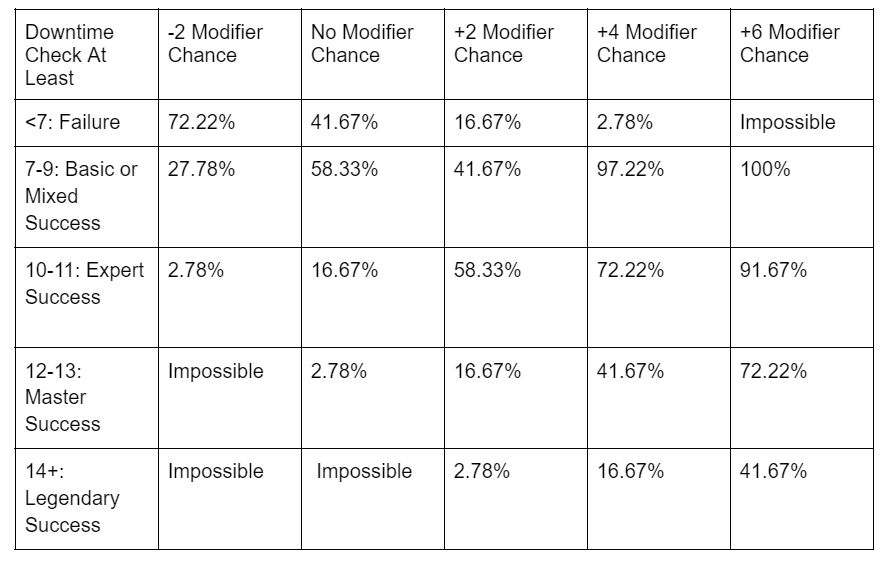
Enough with the 2d6 encounter table, now dawns the age of the d12 unified table. The dice bell curve leads to an overabundance of middle of the road critters. I want to see more wizards and dragons and shit! 2.78% is way too low to see these cool guys on the end of the table, let’s up that to 8.3%. I don’t care about some sense of naturalism you get from a bell curve, I get 3-4 hours once a week to run this game and don’t have enough random encounters in my life to not have the awesome ones show up more often. We’re only here on this planet for so long!
Most games have too much rolling of things that aren’t a d12- the unloved and exiled aristocrat of the dice bag if you’re not playing a Barbarian in 5e. It sits scalloped and perfect in the hand, wobbling and coming to rest after the ideal amount of roll on the table. So I just got the books for Dolmenwood and I love them. It’s likely the best sandbox RPG campaign I’ve ever read. But look at all these Encounter steps! That’s a lot of dice to roll of different kinds not even counting the initial 1d6 roll to see if there is an encounter. Rolls, rolls, rolls.
Too many dice rolls with too many dice that aren’t his Royal 1d12ness. Lame! These don’t get me rolling the d12 more, my main drive in life when I wake up in the morning to cradle its glorious geometry as it whispers in my ear. Sometimes I want to play a faithful game of classic D&D and sometimes I NEED THE DODECAHEDRON in my veins FAST. Let’s switch it up, oops all d12s style.
Chance of encounter, 1-2 on a 1d12. Surprise? You’re surprised on a 1, they’re surprised on a 12, two separate rolls for surprise on different sides with a non-result of both surprised is utter decadence. What encounter is it? You’ve got 12 critters to run into. Want something more common? Get rid of another entry and have the encounter trigger on 2 numbers now. It would actually be nice to have different dice to differentiate between the sizes of groups found- but we won’t because I’m sick in the head and the only cure is more d12! 1d12 giants, 1d12 wizards, 1d12 merchants, 1d12 lightning wolves. Want more? 3d12 plague cursed goblins! Make it work! Encounter distance just put a bunch of pre-written distances on the table- do some legwork for yourself and anyone else who runs your stuff. Reaction? You guessed it! Cause it’s on a 2d6 I’ll stretch out “Uncertain, Wary” to 5-8 and bump everything above it up to fill the 1 result with “Attacks.” This keeps “Uncertain, Wary” at a still 33.32% likelihood 44.38% of all Reaction results is way too much, give the other reactions a turn to play. Sure a bit more immediate fighting but also more immediate “Eager, friendly” rolls! I love making stinky friends in the dungeon. Behavior is a sweet addition for more encounter variety (The Dark of Hot Springs Island also has a great table for this) but we just get 12 now, that’s plenty- though a 5% chance of defecating will be genuinely missed. The things I do for you, my sweet polyhedral prince. Don’t have space on the table but roll Morale on a d12 instead as well, I can’t think of a great reason for that but I’m in too deep now to quit or consider benefits of other dice. Call the d12 “The Encounter Die…” and present it with a flourish and tone filled with wary danger when you take it out of the sack- in time your table will regard the die with proper awe.
Example Region:
While you’re at it give your players a whole sack of 1d12 pipebombs to chuck at things too- they’ll have so much fun tossing those swingy bad boys into a room of fleshy opponents. They’ll curse at a 1 and lose their absolute shit at a 12 pulping a barracks of innocent guardsmen in one roll. They might all blow themselves up when the sack holder gets lit on fire accidentally and this is good and honorable fun too.
Rolling a d12 makes you smarter, luckier, a better lover. You hear those distant bells chiming? The clock is striking (d) twelve, and it tolls for thee.
I thought I would write whatever I wanted after my Grandma died.
It’s not that she was judgemental, she was one of the most kind and welcoming people in my life and I really wish she was still here with us. She loved reading what I wrote and hearing what was going on in my life. But she was from another era and I didn’t want to disappoint her, even as an adult so I’d hold some things back. It’s only after she was gone I realized that I had been really fucking silly, self censoring and robbing myself of an even better relationship. This will also be about RPG’s at some point.
No surprise, it turns out I still haven’t written about or done everything I’ve wanted.
While I’ve grown since, I’ve found myself holding back on sharing ideas or feelings because of the hypothetical reaction of a cast of strangers in the street, relatives, good friends, paying fans, or faceless online critics. I’m sure a bunch of you can relate to the feeling of trying to cover up the messy reality of your truest self.
Ever since I can remember there’s always been the barely audible question in the back of mind- “What if you’re not enough?”. In middle school I once wore a baggy fake black leather jacket most days for a year because someone asked me to dance at a school social when I was wearing it. I formed a cargo cult of one around that jacket, thinking that it was somehow my magic ticket to fitting in.
I’m mostly proud of the life I’ve gone on to live so far since then, the person I’ve been, and the art I’ve made- but there’s more work to do to evict that whispered part that cringes, so the part that is cringe can be free. I bet it’ll make my books better too.
In my final year of college I told a friend for the first time that I was into guys and girls. He was so fucking unbothered, chill, and unsurprised while I was stressridden leading up to to it. I expected and almost wanted him to recognize the revelation’s enormity. To be shocked and say “No way! You?”. As if I seemed like the most normal passing motherfucker in the room. People can tell when you’re hiding something behind a cardboard cutout of some vision of who you think they want you to be. The reason people like you and your stuff is precisely because you’re not good at wearing the mask and the gooey, weird, humanity leaks out on the floor.
There’s a funny dynamic in indie RPG’s online. There’s a spectrum of how personal people are in their internet interaction ranging from presenting a sanitized all business promotional front to posting passionately to strangers about the specific dimensions of their struggles with mental illness. The first group is completely reasonable and I don’t know if the Internet is always the best venue for sharing (like this), but I do value the second group’s undeniable, messy, humanity. In a time where we’re being pushed to be more mechanical with our jagged corners smoothed, that’s important.
I’ve realized the part of me that’s uncomfortable with seeing people being weird and vulnerable is not because I think they’re weak, overdramatic, or lame but because I cringe at the thought of putting myself in the same situation, and the people I imagine judging, reacting, or commenting. The people who are the most critical and cynical of authentic efforts are often insecure themselves.
Barring some extreme circumstances- these imagined or real people’s opinions just don’t matter. Their sensation of cringe, or distaste is a reflection of whatever shit they’ve got in their own heads. I realized that I envy those that put it all out there, fail, and push again to their limits. I’ve gotten into a furrow of not pushing against my limits, my fears, and my artistic insecurities lately.
After all it took a bunch of work and growth to get here- why not take it easy? For me I feel like if I’m not working to expand the bounds of my comfort zone in life and art, I get stagnant and the looser shifting boundary zone begins to harden and calcify, like plaque you haven’t brushed off a tooth for too long. I’m going to make more difficult choices and conversations.
What this means for my RPG work in general is that I want to get more specific and personal to my interests- I’ve begun to catch the disease of thinking a bit about the marketability/business angle and tweaking even the earliest fun daydreaming stages when I’m writing a new project and it’s dangerous to let that grow untreated.
I’m so lucky to be able to work on something I enjoy doing (even when some days suck) and it would be such a shame to slowly optimize the joy and messiness away. There’s a lot of pressure out there for folks to try to monetize hobbies and interests that are genuine and happily unprofessional. When what you love is also what pays the bills, it’s sorta like going into business with a really close friend- you’ve got to set up some pretty tight boundaries to not grow to dislike each other and kill that spark that got you started.
There’s a lot of less invasive ways I can improve the business logistics and marketing behind the work, but as much as possible I want the business to exist to let me keep living and make art possible, not the other way around. It might be impossible to be embedded under capitalism and live and make art without compromises- but it’s worth trying to make less of them, if only for my own mental wellness.
I’m fortunate that I’m a single guy living somewhere relatively cheap with public healthcare and have been lucky with the level of reception to my past stuff so I can afford to take more risks and still be able to make the rent. As long as I can, I’ll keep throwing my guts at the wall for things to stick in a way that the oracles find auspicious.
At the core, what I love most about role playing games at their best is the ability to help us take off our baggy jackets and cardboard cutouts and the other junk we’re weighed down with for a few hours and agree to be real with each other while playing make believe. It’s a venue that gives permission to gather around the table to share our weird and embrace other’s odd edges, to better connect past the walls of our solitary skull castles. It’s great when I’m running a game for friends. It also makes me so happy when I hear about distant groups of people I’ve never met playing something I worked on, knowing that some part of me connected with them and helped share a fun evening of community together.
There’s a shitload of definitions of art but I think it’s the stuff that helps us break open cracks in those outer masks that get put on us, to connect to each other, and provide shared experience.
Careless People by Sarah Wynn-Williams is a recent behind the scenes view of her time as a former high ranking Facebook employee. While discussing her increasingly cold and inhuman coworkers she quotes John Updike that “Celebrity is a mask that eats into the face.”
Maybe society has always been that way, but the internet age has increasingly made brand management specialists of us all, glossy false fronts chewing away at the raw real meat underneath.
Ask the internal voices to shut up for a bit, the ones who hover around and critique you when you sit down to act honestly. Try to really accept these are bullshit insecurities and not objective revelations of capital T, truths. Make the scary thing. Touch the grass. Tell your real messy truths to each other.
Take off your masks while there’s still something left to eat.
The setting is the West Coast through the dark dreamlike mirror of 197X. Perhaps a decade prior, rifts ripped open to a hellish other realm of beings that feast on fear- they emerged with their forms shaped by the nightmares of humanity. Their awful flesh flowed into twisted imitations of the ghosts, aliens, cavemen, robots, glowing deep sea divers that haunted our collective subconsciousness, shaped by the fears of the area they arrived in.
Millions of people were slain but luckily these outside beings were not adapted to our dimensions. Within a year, most of them had sickened, fallen still, and dissolved like deep sea fish ripped from the depths to bloat and die in a foreign atmosphere. They were not built for this world. Some hardy specimens remained in the deep wilderness. The damage had been done and the survivor society had splintered into enclaves, the larger cities transformed into well lit fortress towns as economic and communication networks broke down. Now the roads have been rebuilt and a trickle of commerce and travel resumed. The cities yearn to grow once more and span the earth and yoke it to their ambitions as they once did.
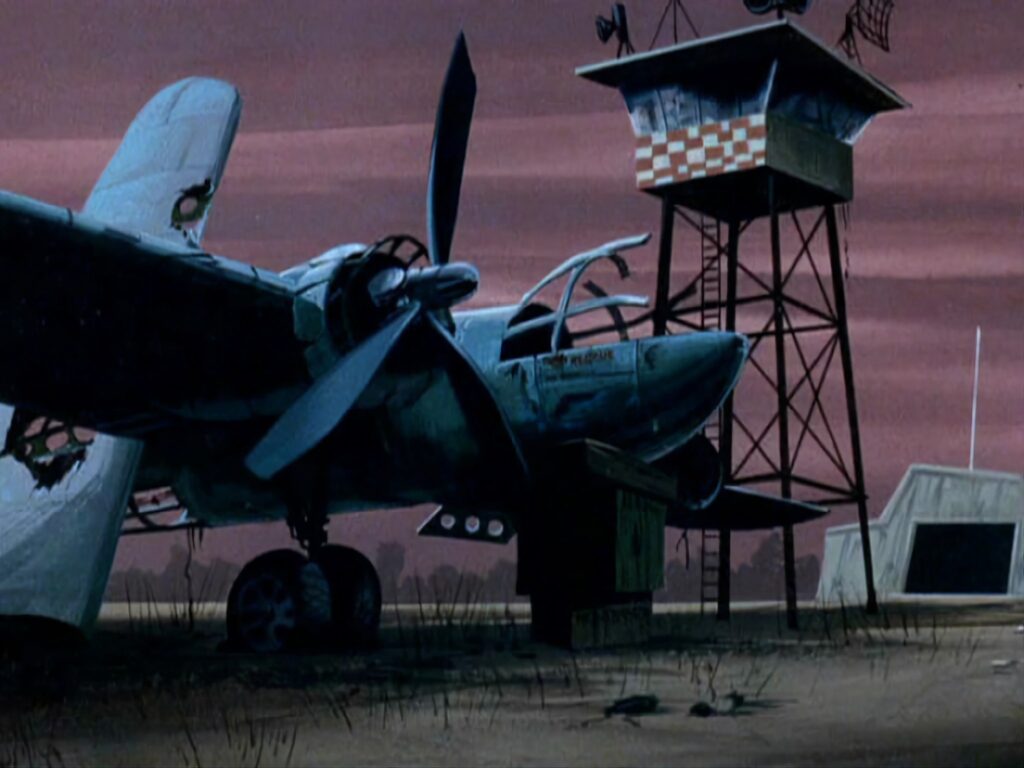
Outside of these enclaves of the coastal elite- there is a world left behind. Isolated farmhouses,overgrown wilderness lodges, long closed military airfields, shuttered beach boardwalks, and abandoned amusement parks too numerous to count. The detritus of a once great civilization. Haunting these ruins aren’t even ghosts but the shoddy imitators of them, sad- lonely people grown to hate everyone else and seeking their salvation through the use of terror to drive away the very community who could help them. Regardless of gender everyone just calls them The Old Men.
The lonely souls that masquerade as horrors, covering themselves in seaweed and latex, paint and rubber- are filled to the brim with restless spirits of those marooned nightmare beings. They are no longer men but flesh sheets draped over a horde of demon ghosts from the outer dark nearly bursting from their ripe pallid skin. They claim they want riches and real estate but these plots are doomed delusions. After driving their last neighbors away, they are consumed by these alien ghosts, hollow creatures made puppets in the darkness of their solitude.
They are possessed of a base cunning. An aura of innocence surrounds them, they intuitively know the fears and suspicions of the people they know well . Someone from their settlement just tends to overlook and see past the tired look in their eye, the stain of blood on their shirt, the human tooth fallen out of a splintered crate. No interrogation in their human form could break them. Only when they have donned their costume. the false flesh that shows the truth, can they be caught and exorcised. They cannot be easily killed but they can be caught and exorcised through successful capture and binding followed by ritual unmasking.
The forces of the law are distant and uncaring. They serve the metropole, the places where the game of musical chairs didn’t come to a stop and left everybody without a seat ushered to the doors. The sheriffs they post to these tiny borderlands towns are primarily corrupt, feebleminded, uncaring or all three. But now there is a new era of hope against the dark night of the soul. Many of the brutal warlords have been overthrown and citystate democracy has returned brimming with a fragile, idealistic optimism. The Gangs were created.
Filled with the well meaning, the restless, or those who are running from something The Gangs are wandering groups of young people provided with a running transit van to travel and sleep in and a stipend just sufficient to cover their food and gasoline costs. They leave the City for motives other than money. At their best they are beacons of light in a fallen world, bringing the fading light of reason and hope from the glowing city to the dark spots on the map. A variety of shining youth coming from places where there is reason, hip clothes, dependable electricity, and Scooby snacks. They may also be fools, the jury is still out.
Nobody ever comments on the talking dog. In a world with both real and fake supernatural events, this is mundane and known. Everybody takes a talking dog with speech disability for granted. There are many Scoobys, it is a breed- not an individual. They were created through genetic engineering and an intensive breeding effort by the scientists of the City. They possess human intelligence and a tremendous good soul. There are also twisted abominations called Scrappys turned rancid and hateful- seeking the destruction of their creators. I will not speak of them today.
A Scooby is a vessel for our sins. They are pure creatures, dogs born into sheltered existences where they want for nothing. We take them from these creches theyŕe raised in and they are assigned a Gang as a puppy. Then we throw them into hell.
Their innocent minds serve as monstrous bait for Gangs heading into the cursed hinterlands, the sweet smell of their terror. They are cowards, lost in mindless terror from the first spooky occurrence. They act as sacrificial lambs to the darkness, attracting the attention of the foul beasts that feed on the fears of humanity and drawing them out of hiding. They can’t resist the banquet of terror. The Scooby Snacks contain anti-anxiety medicine as a main component.
So if tracked down, snared in some contraption that can withstand their unnatural strength and unmasked, the Old Men are unerringly bound to confess and then curse their captor. These curses are minor ill omens but those who face the Old Men in enough numbers, over time find them bowing under the weight of their ill fortune. Vans run out of gas at unlikely times, ropes snap, sandwitches you could swear were packed vanish without a trace.
Some Gangs retire and break their fellowship to return to safe, comforting lives but for many the knowledge of mysteries out there to solve, people living in unreason and fear is too much for them to bear. For many, injustice anywhere while they yet draw breath is an unscratchable moral itch. They may try to reassemble the old gang, or if spurned by their former companions, cobble together a new patchwork crew, never equal to the power of the first. They get back on the road, hearing the call of the journey once more, unable to be still, they return to the busted motel, the castle, the leaking aquarium and they exorcise more Old Men and bear their curses.
Eventually the load of a hundred curses is too much for anyone. The City recommends that Gang members return and retire by 28 but have no means of enforcing this. Most return anyway, limping back to the gleaming town, scarred and shook from their bright burning lives in uneasy retirement, never fully at home in the stable and comfortable cage of the city away from the dangerous and wonderful freedom of the road, the feeling of waking up everyday and feeling that day they’ve made the world a slightly better place.
Those who wander, stay at a roadside stop as their Mystery Machines- be it bus, SUV, or moving van painted with the bright flowers of the old times, drive away for the last time. These forsaken investigators blow into one of the small towns and settlements barely holding on against the screaming wilderness at it’s gate and find a house, it’s not hard- there’s no shortage of extras these days. They either stop shaving and try to become one with the barren unloved places or they seek positions of authority and wear the fanciest clothes they can get in this podunk settlement to do their best to bring the city to the wilderness. Both roads lead to the same terminal spot.
They find the largest monument to that which came before, a decrepit sports stadium, a mothballed cinema, or the stone temples of yet older people who thought time would spare them too. They see this and they want it.They want the howling solitude to grow. To spread to encompass the all of the land they see. They understand that it’s people who ruin things. Nasty noisy, meddling, people. These aren’t the right people. If they could drive them off and start anew they could rebuild these temples to civilization and make them better, cleaner, bigger. With them at the top they could remake this emptied world as it once was, as it should be. They would bring the good people back and everything would be beautiful. This time, they’d do it right.
In their mad plots they fill walls with diagrams and thick manilla file folders with plans spiraling inwards on themselves. Too focused on their plots to do much else, they twist further into increasingly convoluted scheming knots to horrify and displace their community and achieve their goals. They all call themselves by some self made title, developer, scientist, entrepreneur, innovator but we know them for what they are- The Old Men. Whatever goal they claim to have is a veneer on the truth. Terror is the point.
` Each of them crafts a suit, sparing no effort on molded rubber, animatronics, or zipline installation for the deception. and begins terrorizing their hometown. They have a low cunning that serves them in hiding from the suspicion of their neighbors and even a curious Gang, following the increasingly loud whimpers of their Scooby’s bloodhound-like ability to detect sources of terror. They are vulnerable in their early stages, fumbling and clumsy in their schemes. But over time they grow in cunning and cruelty as their humanity is replaced with the tattered ghosts of the past horrors they’ve drawn to fill the husk of their body. With enough time and luck an Old Man can drive the folks from a village utterly and gain their solitude.
Sometimes a Gang will capture a particularly wily Old Man lasso a supposed creature in their inventive or accidentally placed traps and reach to rip a convincing green rubber mask off. The mask doesn’t budge. Sharp teeth dribbling foul saliva part in awful mocking unearthly laughter. It strains and breaks its bonds and looms before them. There is no trick, no pretense at humanity.
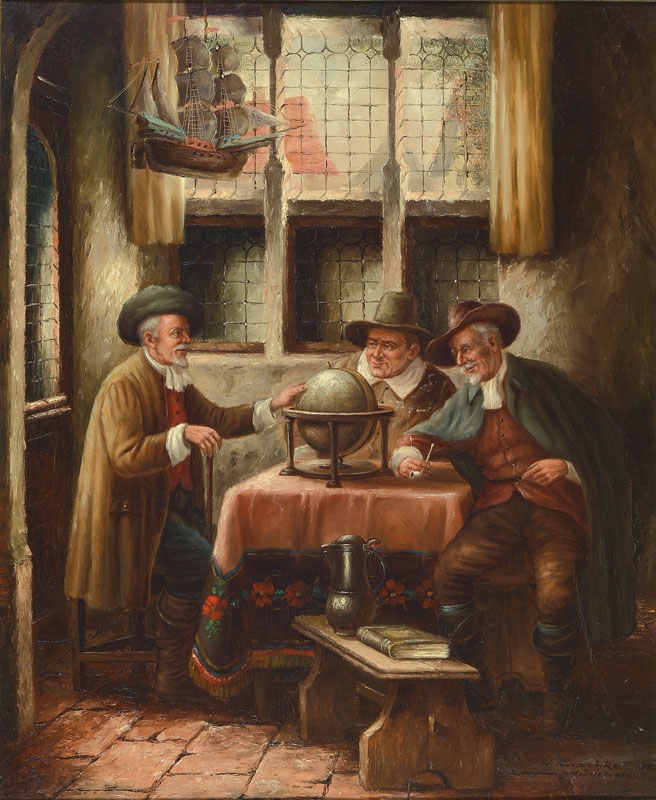
In picking a game setting the GM has to strike a balance between the familiar and the weird.
Too bog standard and expected and the game can be boring- but too weird and unexpected and the world the game takes place in is difficult for the players to grasp and have the context needed to make interesting choices. Running historically accurate-ish games can run into the roadbump of the players assumptions not lining up enough with the world presented and creating friction between themselves and what their characters would know.
Yet the difference between the player and their character can be bridged by throwing these grounded historically inspired figures into and environment of strangeness and of unknown rules, a fantastical or horrific realm that violates the PC’s understanding of reality in the same way that it does the players. Both are lost, marooned on unknown shores and player and character share their common humanity and confusion as castaways. A kinship is fostered between the two because the incomprehensible strangeness highlights the mundane and not so different elements of their world and our own.
The most classic example of this peanut butter and chocolate pairing is Call of Cthulhu. Lovecraft was writing works that were modern and set in the era of his readers at the time of publication. Delta Green offers a similar thrill of taking the all too well known world of the Players. But by far the most popular setting is the 1930s for modern players I think that the familiar but not too familiar aspect of the era is part of the appeal. The quirks and differences between our time and the setting are made insignificant à in comparison with the unknowable eldritch horrors that threaten the players.
I don’t know H.P Lovecraft would feel about his work being used to find the shared humanity and deep connection between people with wildly divergent backgrounds and cultures but it totally can have that effect. I enjoy when the character’s knowledge of how the world works largely can match the player’s ignorance. Sure the player can’t operate a telegram and the PC may have questionable beliefs about Italians but both are utterly unaware of with how to deal with a gibbering glob of plasm that sings with the gurgling symphony of a dozen sphincter mouths.
The opening to the Fallout game series almost always start with the player character emerging from an isolated vault or suffering from amnesia (a usually hacky premise that is used to great effect in New Vegas, the peak entry in the franchise). The more you can minimize non-diegetic lore dumping, the more immersive your game can be. I often will give a player information going, “Well your character would know this due to their background” While better then having them roll for every tiny little damn thing and not giving them information they’d obviously have, it’s not ideal. I’d like to minimize the amount I need to give players background info just because their characters already know it.
If it’s truly interesting, then it’s so much more fun to discover through gameplay. I could lecture my players on the Three Sister Kings of Jahnil or we could stumble upon the bloody and ceremonial battlefield in the midst of their annual Trial of The Three Fold Champions. People both remember and enjoy more from what they’re doing than what is lectured at them. Even an in character lecture is preferable because at least your players are involved in playing the game, and they can always shoot the insufferable exposition giver in the face and rummage through their pockets- most polite players are unwilling to get up and do this to the GM themselves in the middle of an omniscient lore dump.
Putting the weird in the historic game reduces the focus on explaining the historical to the being puppeting the character and allows for more immersive exposition that is happening to both the PC and Player. To be clear, I think following the logic to the natural conclusion and running games where the players play modern people from a similar society isn’t always my favorite either. There’s a certain contempt that comes with the overly known and being able to easily slot elements of the world into their understanding schemas can feel a bit pedestrian. When I’m running thing like Delta Green the shitty real and boring elements of our world can be a bit of a downer in a long form game, though I do love the crushing and banal darkness of the vibe offered when I’m in the mood.
The past offers a place where things are different but not too different. The past may be a foreign country but it’s citizens sweat, bleed, and cry the same as the people sitting at your gaming table. The oddities of historical settings can overwhelm all but the most dedicated to your era special interest players if they get a firehose of factoids and contradictions of their understanding of the shared base reality. So the addition of elements of the supernatural or bizarre to the game allow the players to feel like co-conspirators with their character, investigating freaky shit that both start in ignorance of instead of the phantom off their own character constantly reminding them how ignorant of the world they are in spite off what they should know. Lore should be loadbearing and impact gameplay in some small way to be worth the breath to deliver it at the table.
The stuff people care most about is the info they had a hand in gather gathering, the joy of knowing more through their own efforts. Immersion is about reducing the friction the game offers between the players getting info to have context to make interesting choices, that have impact on the world. The fantasy of role playing games is closest to this for me. Getting into character is the magic trick, the truly miraculous feeling when folks at the table suspend belief to the extent that they can treat the game as a place with it’s own internal logic of cause and effect, an other realm we have summoned and at least for a few hours, live inside this private universe together. I think that’s what people talk about when they talk about flow, it’s being present in what you’re doing. The more of your mind is in- present in what you’re doing the more REAL it is. Anything that reminds the players they’re just sitting around a table making mouth sounds staring at graph paper detracts from this.
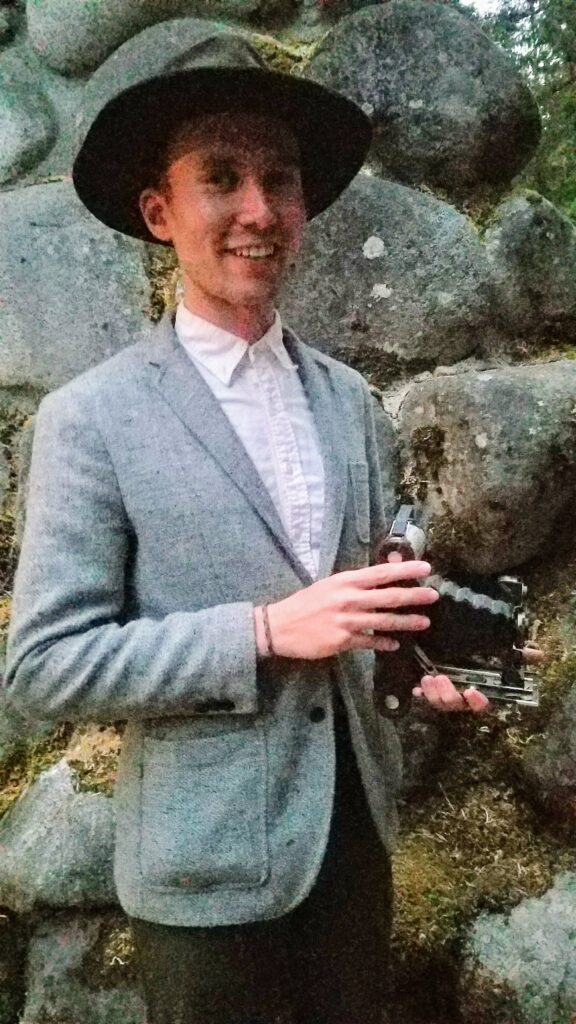
Verisimilitude is a beautiful world, the quality of seeming real. I heard it best defined a few years back talking to a coworker at Mt. Rainier National Park that had a background in doing costumed interpretation for living history. I was researching running a pop-up interpretive program outside a popular trail parking lot where I portrayed a 1920’s park concessionaire photographer with period postcards on display talking about what their era was like would go on to have mixed results. Some people really engaged with the program and enjoyed the feeling of time travel talking to me. However without adequate signage and out of my ranger uniform, lots of people assumed I was some kind of deranged modern photo hustler instead of a government employee pretending to be a historical deranged photo hustler. This is the only time in my life I’ve had an anxious parent grab their child’s hand and forcibly yank them away from me while studiously avoiding eye contact.
Anyways my coworker told me that the reenactor doesn’t need to know every single thing about the era. They don’t need to have every single button of a costume be period appropriate and sourced from grave robbing them from the moldering bodies they once adorned- the interpreter just needs to create a sense of verisimilitude, for it to feel as if it could be real. You put in the work to do an honest effort to portray the subject, the time and texture of the place they stood in and if it feels truth-ish people will meet you in the middle.
We want to believe. In magicians, in ghosts, in heaven, in aliens, and that the man in a three piece suit bowler hat, and pocket watch is somehow risen from across the years to tell a bunch of tourists in a national park about his log cabin. So if you want to take your players to medieval France, the colonial Philippines, the Persian Empire, or your neighborhood in the 90’s you have to do an honest effort to represent it. The research can be endless and in depth and should continue only as long as you’re having fun and think you can do some justice to imparting the feeling of the setting and then throw in some dragons or aliens to taste.
Take that joy and interest you feel and let lightning strike the dry facts and animate them into a twitching shambling imitation of the past. Your patchwork abomination will never be a true representation of the past, but if you squint in the right light, he’ll look right-ish enough for your players to believe in this stitched together simulacrum.
Don’t let the pursuit of perfection stop you from gaming, your misbegotten bastard of a pseudo-historical setting will be real enough for your table if you make them want to believe.
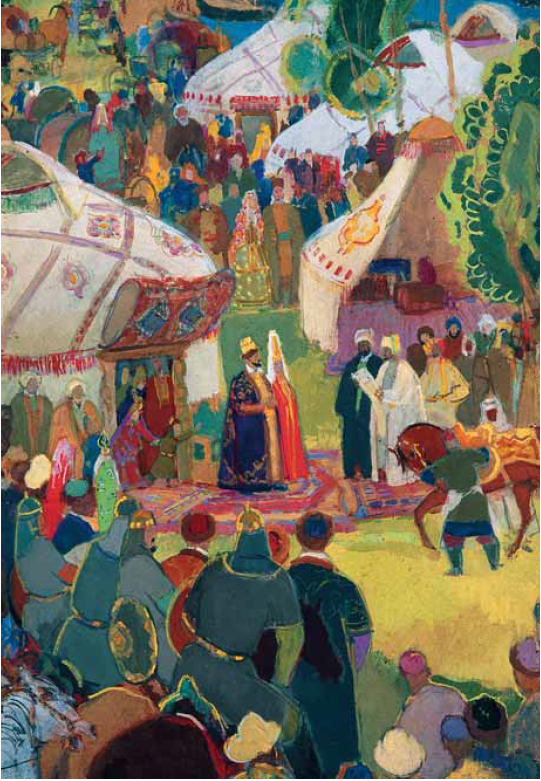
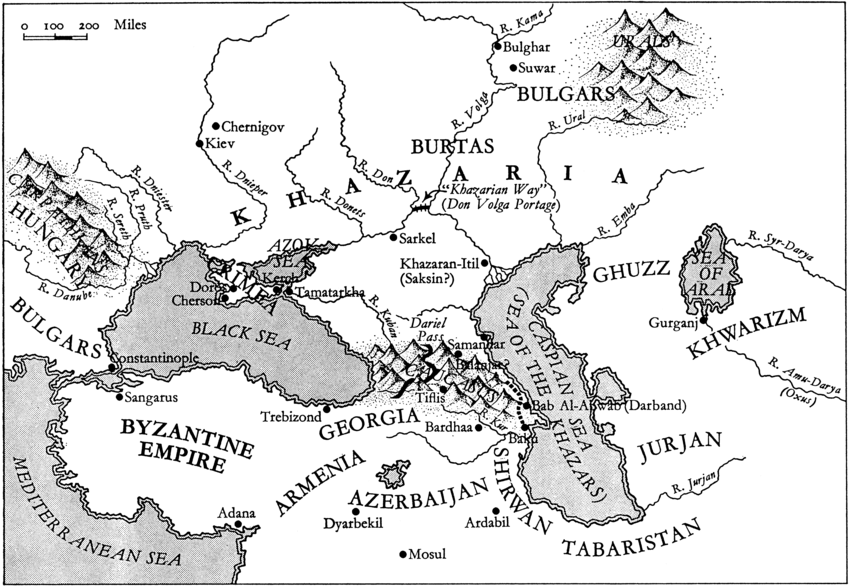
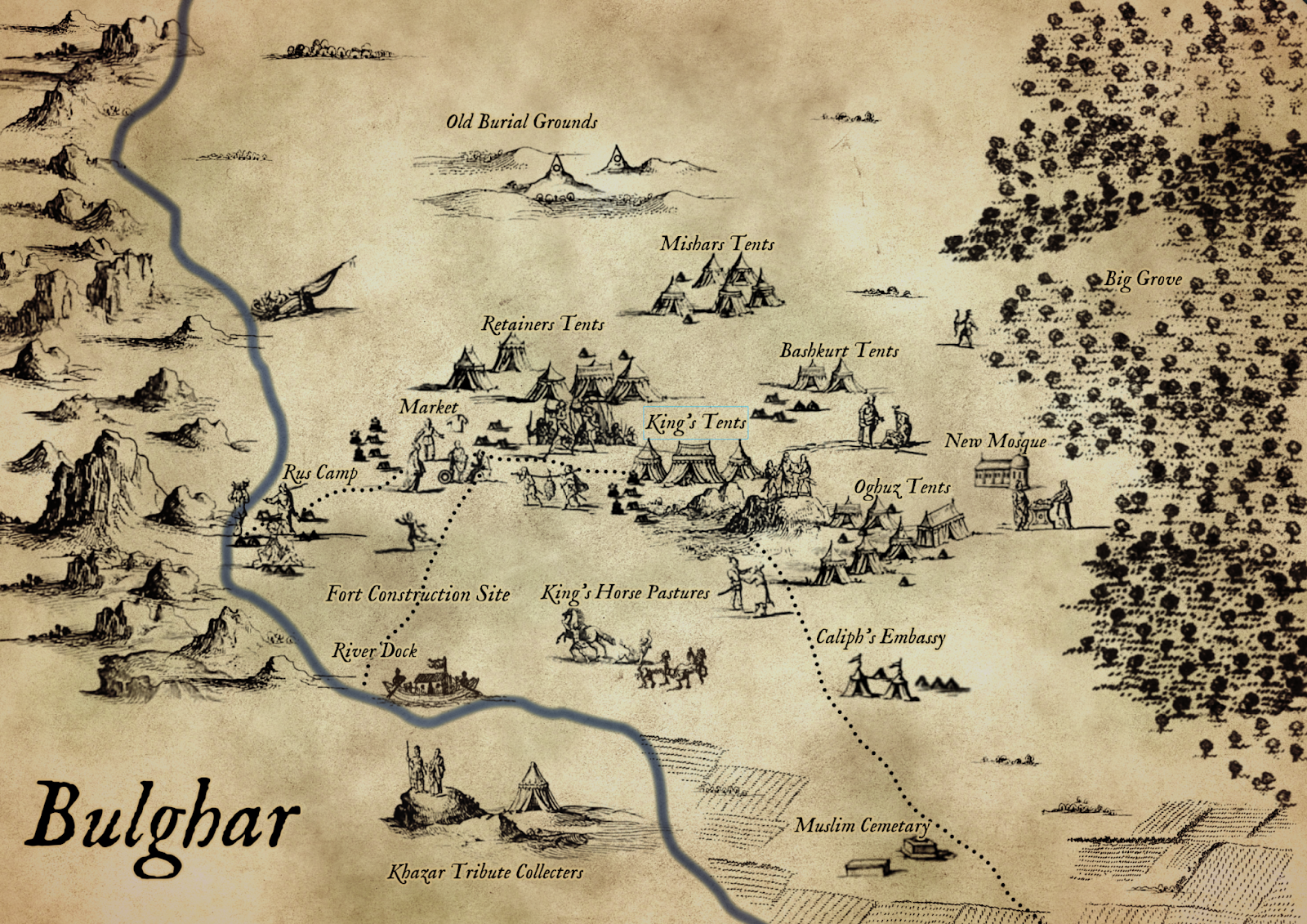
Apparently this is the year of the beta release. I ran a campaign using Mothership house rules I called Beyond Iskander’s Gate for 6 sessions that I canceled due to scheduling issues. But 10th century Central Asia is so rad and deeply underhyped as a setting for fiction and gaming and learning about the workings of Volga Bulgars, Khazaria, the Abbasid Caliphate, The Byzantine Empire, The Rus (Vikings make everything cooler) and their relations with each other kept me interested for months. Shifting frontiers between societies make some of the best RPG historical settings. Cultural variety and political instability are the bread and butter for a party of ambitious misfits with questionable ethics looking for adventure. Adding some paranormal events to the mix is even more fun.
My favorite source for this campaign was “Penguin Classics Ibn Fadlān and the Land of Darkness: Arab Travellers in the Far North” is the most gameable primary source. This review from False Machine really showcases the crazy inspirational value for the RPG enjoyer.
Campaign Overview
The year is 923. The Islamic world thrives in an age of science, law, and cosmopolitan splendor, though the Abbasid Caliphate’s political power wanes beneath the gilt surface.
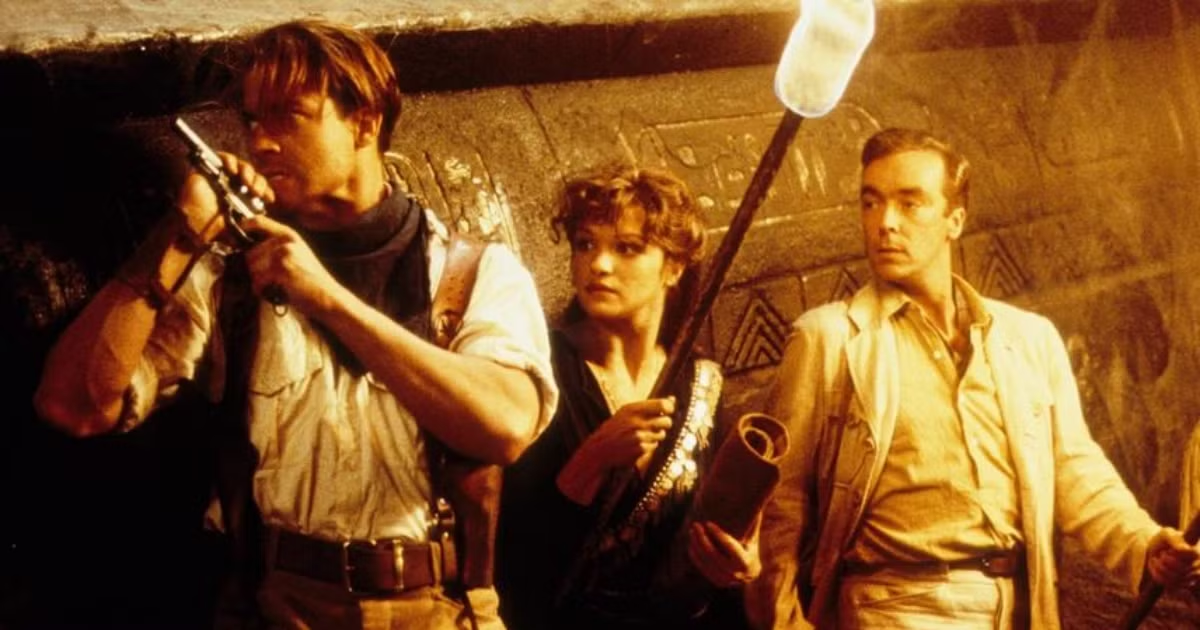
You are members of the Ikhwān Al-Ṣafā, the Brethren of Purity—a secret order of scholars from Baghdad, devoted to uncovering the universal truth through every field of knowledge, including the occult.
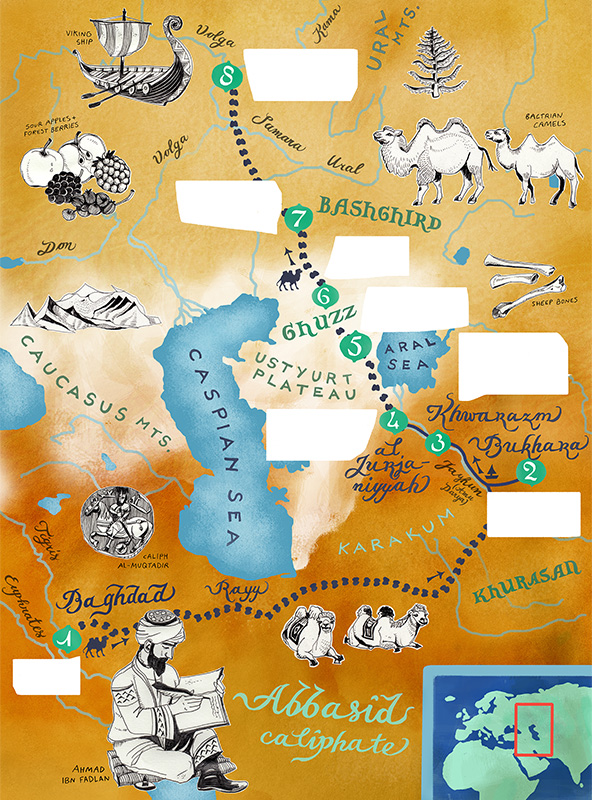
Your mission: Investigate the truth of a mysterious letter from Ibn Fadlan, a member of the order and the caliph’s ambassador to the Volga Bulgars, where he describes the bones of a giant in the northern woods. You’ve just arrived at the great Persian city of Bukhara after months of travel and have months left before your caravan will arrive in the recently converted land of the seminomadic Bulgars, where the riches of the fur and slave trade have grown their influence in the region.
Some learned scholars in Baghdad claim these lands lie beyond the Iron Gates built by Iskander the Great, said to hold back the forsaken barbarian tribes of Gog and Magog until the Day of Judgment.
Beyond Iskander’s Gate Character Creationfor Mothership
Turn from the sleep of negligence and the slumber of ignorance, for the world is a house of delusion and tribulations. -from the Ikhwan al-Safa, or Encyclopedia of the Brethren of Purity
“The most merciful thing in the world, I think, is the inability of the human mind to correlate all its contents. We live on a placid island of ignorance in the midst of black seas of the infinity, and it was not meant that we should voyage far.”
― H. P. Lovecraft
Roll Stats: Strength, Speed, Intellect, and Combat at 2d10+20 each.
Roll Saves: Sanity, Fear, Body at 2d10+20 each.
You have 2 Wounds with 1d10+10 Health each.
Choose a Background (Class) from the list or create one.
Write down the Skills from your Background and their bonus percentage to your rolls using them.
Roll on the party relationships table to figure out your character’s relationship with the character of the player sitting to your right, write it down. Reroll if either of you want.
You start with 100 silver dirhams each, a brass medallion with a dove on it, and 5 pieces of personal equipment you could get in 923 AD Baghdad. Your caravan has enough food. Everyone speaks Arabic.
Pilot (+30%) Navigate (+20%) Swim (+20%) Foreign Lands (+10%) Melee Weapons (+10%) Language- Pick One (+10%)
Create Your Own?
1 Master Skill +30, Two Expert Skills +20, Two Trained Skills +10,
Skills List
Alchemy Ride Mathematics Foreign Lands Siege Weapons Art (x)- Poetry, Music, etc History Survival Athletics Medicine Bureaucracy Melee Weapons Swim
Military Tactics Craft (x)- Blacksmithing, Weaving etc Navigate Language (x)- Greek, Persian, Latin, Turkic, Slav, Rus, Hebrew, Chinese +10% is basic, +20% conversational, +30% fluent. Criminal Occult Construction Disguise Pilot Ranged Weapons Natural World Religion
Any skill can be known at a Master level +30, Expert level +20, or Trained level +10.
Party Relationship Types 1d5 Table (Inspired by Fiasco)
Everyone goes around table to roll to determine their relationship with player’s character to the right.
Type of Relationship
Family
Romance
Society
Crime
Friendship
1. Family
1. Siblings. Blood or Foster 2. Parent and Bastard 3. Cousins 4. Parent and Child 5. Uncle/aunt and nephew/niece
2. Romance
Spouses, loveless
Forbidden lovers
Divorced spouses
Rivals for the same heart
Spouses, committed
3. Society
Rival palace courtiers
Poet and patron
Slave and master
Teacher and student
Foreigners
4. Crime- Banu Sasan
Charlatan and Assistant
House breakers
Assasin and former target
Former Brigands
Opium dealer and habitual user
5. Friendship
Wine drinking buddies
Comrades in arms from the war
Childhood friends
Met on the Haj
Friendly rivals in all things
Some Entries from the Real Journal of Ibn Fadlan
A giant Tikīn told me that in the king’s lands there was a man of extraordinary size. When I arrived in that country, I asked the king about him.
‘Yes, he was living in our country,’ he told me, ‘but he is dead. He was not one of our people, nor was he an ordinary man. His story is as follows. One day some merchants set out in the direction of the Itil River as they were in the habit of doing. The river was in flood and had broken its banks. A day had scarcely passed when a group of these merchants came to me and said: ‘“O king, we have seen a man swimming on the waters a man of such a kind that if he belonged to a people dwelling near us there would be no place for us in these lands, but we would have to emigrate.”
‘I set out on horseback with them and reached the river. I found myself face to face with the man. I saw that judging by the length of my own forearm, he was twelve cubits tall. He had a head the size of the biggest cooking pot there ever was, a nose more than a span long, huge eyes, and fingers each more than a span in length. His appearance frightened me and I had the same feeling of terror as the others. We began to speak to him, but he did not speak to us and only stared. I had him taken to my residence and I wrote to the people of Wīsū, who live three months’ distance from us, to ask for information about him. They wrote to me, informing me that this man was one of the people of Gog and Magog.
Gog and Magog ‘They live three full months from us. They are naked, and the sea forms a barrier between us, for they live on the other shore. They couple together like beasts. God, All-high and All- powerful, causes a fish to come out of the sea for them each day. One of them comes with a knife and cuts off a piece sufficient for himself and his family. If he takes more than he needs, his belly aches and so do the bellies of his family and sometimes he even dies, with all his family. When they have taken what they need, the fish turns round and dives back into the sea. They do this every day. Between us and them, there is the sea on one side and they are enclosed by mountains on the others. The Barrier also separates them from the gate by which they leave. When God, All-high and All-powerful, wants to unleash them on civilized lands, He causes the Barrier to open and the level of the sea to drop and the fish to vanish.’ I questioned the king further about this man and he told me:
‘He stayed with me for a time, but no child could look at him without dropping dead and no pregnant women without miscarrying. If he took hold of a man, his hands squeezed him until he killed him. When I realized that, I had him hung from a high tree until he died. If you want to see his bones and his head, I will go along with you and show them to you.’ ‘I would like very much to see them,’ I answered.
He rode with me into a great forest filled with immense trees and shoved me towards a tree under which had fallen his bones and head. I saw his head. It was like a great beehive. His ribs were like the stalk of a date cluster and the bones of his legs and arms were enormous too. I was astonished at the sight. Then I went away.
Some Entries from the Imagined Journal of Ibn Fadlan (Recovered by the Player Investigators In-Game)
Departure from Bulghar
I hired a crew of Rus, strong men well-versed in rivercraft, to take us down the Atil in their longship. Though pagans, they were skilled and reliable. We sailed toward the forest of the Samara Bend, drawn by the rumors of giants who still remain there by the bones of the one the king had brought me to see. The Rus disbelieved these rumors but have taken my coin to carry myself and Bars the Slav downriver. It is good and proper to seek to learn more about such wonders of Creation so that one may further increase their appreciation of the world and help others do so. The Atil was calm and cold, its waters guided us steadily toward the South for three day’s journey. It is in the land of the Burtas, a tribe opposed to the Bulghars and also subjects of the Khazars.
The Samara Bend and A Sighting
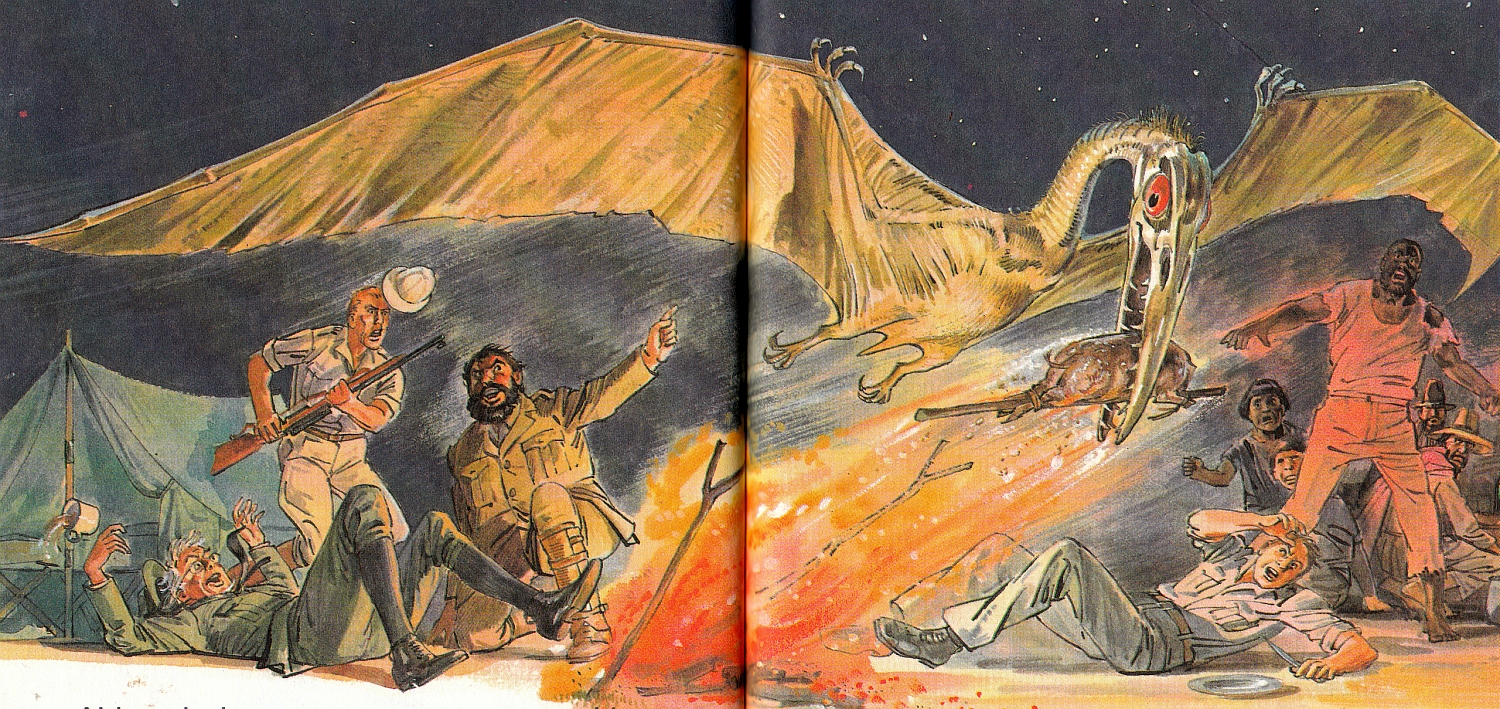
After arriving, we climbed the hills over the Samara Bend, our party reached a dense forest where the trees grew tall and close, their branches entwined. Many birds and animals dwell here but I am told no fur bearing animals live there and the land is rocky and hard so the Burtas do not often visit. As we ventured deeper into the forest, we heard a low thudding in the distance as the beating of a great drum. The sound grew, and with it, the earth seemed to tremble. We halted, peering through the thick undergrowth towards a wide trail, there we beheld the giants.
The four giants stood thrice the height of the tallest Rus, their limbs thick and heavy, their skin the color of stone.They wore no clothes to cover their nakedness, both their men and women. Their hair hung in matted locks about their shoulders. They seemed to possess great strength but little in the way of reason. Their faces were broad and heavy, with features like boulders.
One of the giants turned its head towards us but did not see. We took this as a sign and departed, careful to avoid making any sound. We did not stop until we had returned to our beached ship, giving thanks to Allah for our escape. I have been told that these are the people of Gog and Magog by the Bulghars. Bars said the Rus named them “jotun” and pressed upon us to leave as they think them eaters of man as the Bulghars do. I reminded them of the half payment of silver still awaiting them on my return and they relented
The Ritual
Bars and I disembarked with caution, leaving the longship along the shore. The Rus remained behind, their faces pale with fear, unwilling to follow into the dense forest. With Bars leading the way, we climbed the hills, moving through thick underbrush and towering trees following the trail of the giants until we came upon a clearing.
Four giants stood before an outcropping around a small cave entrance where a landslide had fallen from the cliff. We watched from the brush as the giants conducted a strange ritual. They each carried a slain deer in two great hands with the same ease as a man holds a chicken. With care, they took the deer’s blood in their hands and each dripped it over glyphs carved into the stone around the cave’s entrance placing each before setting the remains aflame with loud shouts much like words but like no tongue known to me. We waited until the giants had finished their work and left down their trail before we approached the cave.
The Cave and the Giants’ Return
Bars agreed to stand outside to watch so that we would not be caught and trapped in the cave without escape. The entrance to the cave through the ash and remains was not wide enough to admit the giants, and beyond it lay a wide carved passage that led deep into the earth. I followed it, a torch flickering on the walls, revealing more of the lined shapes etched into the stone.
The passage opened into a vast domed chamber, hewn from the rock by hands larger than those of men. The air was thick with musty scent, and the walls were lined with enormous white stone vats. Curious, I pushed with strain to remove the stone lid of one. Each was filled with a dark, viscous fluid. I leaned over one of the vats to peer inside, and something cold and sharp leaped forth and bit into my flesh. I recoiled, only to see a pale, writhing worm burrowing beneath my skin. I tried to remove it, but it was too deep, its movement sickening me as it squirmed in my veins. I was overcome with dread.
Before I could gather my thoughts, Bars let out a shout of warning. The giants had returned. Their awful voices echoed with rage. I left the cave and we took flight as the giants closed behind us.They were upon our heels before we could reach the thick forest where they would be slow.
They caught Bars, and rended him in their hands as one smashes a grasshopper. A true friend, his life snuffed out in an instant. I was blessed to enter a thick stand of trees as another came for me, unable to pass quickly. I barely reached the longship as the giants began hurling logs and boulders at us. The Rus, seeing the danger, had pushed off from the shore with haste and I had to wade through water to reach the ship in time. One of their number was struck and killed by a rock of great size. The longship rocked violently but was not overturned. I could do nothing but collapse overcome by exhaustion. We returned north, each day bringing us further from this darkness by the light of Allah’s grace.
Inspirations:
Ibn Fadlan in the Lands of Darkness by Ibn Fadlan and assorted other writers The 13th Warrior directed by John McTiernan Eaters of the Dead by Michael Crichton Gentlemen of the Road by Michael Chabon The Jews of Khazaria by Kevin Alan Brook The Long Ships or Red Orm by Frans G. Bengtsson Ikhwan al-Safa, or Encyclopedia of the Brethren of Purity The Strain (Nocturna) by Chuck Hogan and Guillermo del Toro The Assassin’s Creed Video Game Series Against the Cult of the Reptile God by Douglas Niles Silent Legions by Kevin Crawford Armies of the Volga Bulgars Khanate of Kazan by Osprey Publishing Legacy of the Bieth by Allandaros Iron Gates Blog Series by Skerples, Against The Wicked City by Joseph Manola
P.S: Beware of Overprepping
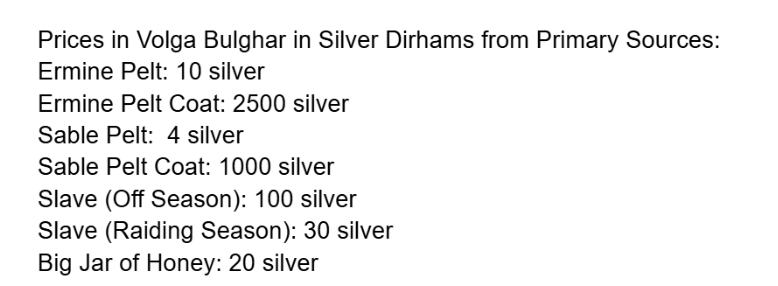
The problem with historical settings if you have a tendency to hyperfixate and overprep is that the well of lore you can draw from research is endless. It’s the same difficulty with running a game in a detailed preexisting setting like Star Wars or Tekumel x10000. If you’re a recovering overprepper like me you fall into old habits and your notes can start looking like this.
When you start researching primary sources to create an accurate price list for goods when you’re running a paranormal investigation style game without asking how your players experience will improve by being able to know the historically accurate relative worth of an ermine coat and a big jar of honey you may be in the throes of a hyperfixation and not prepping useful material for your next sessions adventures.
I need to get over my misplaced desire to do “historical justice” to representing the era and embrace the “good enough, let’s have some fun” vibe that good RPG historical settings can provide. Kevin Crawford, author of Stars Without Number and a bunch of related systems recommends a simple guiding principle for all RPG campaigns, but I’d say applies even more to historical campaign prep.
“Am I having fun? If you’re enjoying yourself, then you can keep building. We follow this hobby because it’s fun, and if you’re enjoying the process then you should let yourself have your indulgence. Am I going to need this for the next session? If what you’re creating is something you know you’re going to need for the next game session, then you should finish it. Don’t let this feeling of obligation extend to every detail, however; it can be easy to imagine situations where you’ll need to elaborate some NPC or organization or location, but if you respond to every such possibility you’ll never get away from the drawing board. If you’re not having fun and you don’t need it for your next game session, stop it. You’re going to exhaust yourself on minutiae and trivia and not have the energy to do the parts you really do need, or the vigor needed to actually run this for the group.”
How have I not posted here since October? I’ve been busy and am easily distracted and but part of the delay has been overthinking what it means to post a blog. I got some quality advice from the prolific Prismatic Wasteland to break out of the slump.
Ah yeah. This isn’t a published book or zine, this is just the first draft place for any neat idea I want to share with folks. The important thing is the practice of sharing, or writing something about what I care about or find neat in RPGs and life, not that every single thought needs to be well considered. I’m super guilty of waiting for some muse to come and only writing then. Sometimes you’re not inspired but turns out you get inspired more often by actually doing the thing. Routine and practice isn’t sexy or fun but it’s the way anything get done and bit by bit improves. Something mid is always better than a perfect nothing.
For this New Year I commit to giving you, reader, more middling quality and poorly edited blog posts. There will hopefully be some absolute bangers too. You should try the same!
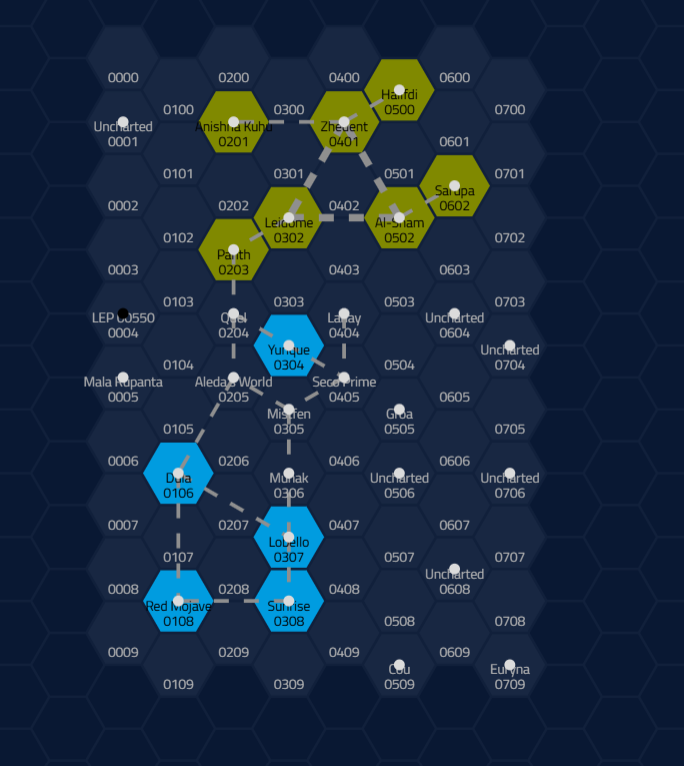
Anyways, I just started an in-person Traveller RPG campaign with some friends and I’ve been really enjoying it. The lifepath collaborative character building mini-game where you spend a session making characters was concerning because I’ve spent years trying to make getting into my games quicker, more accessible, and less complex to not scare off new players. But it was great! We went around the table and had everyone design a homeworld that I added to my sector map which gave them instant buy in to the setting and reduced my workload.
Then we went through each 4 year term around the table to each player and found how life treated. There was tragic mishaps, ridiculous fame, fortune, and betrayals as they aged (The fact characters can die in character creation in the original rules is hilarious and sets a fun tone, though we were playing Mongoose 2e Traveller where they only suffer mishaps). We’ll be starting the game with characters in their 40’s that have lived an eventful life and have the skills and existing contacts to prove it and are working on paying off an 11 million credit mortgage as one celebrity artist noble seeks to save her doomed world and a former successful pirate, and an ex-marine mob enforcer too good with lasers are deadset on revenge against Wesley the Rat who sold them both out during both their criminal days. It’s the most fun I’ve had in character creation. People dug it and didn’t find it too long either!
I think there’s a place for long form character creation when the complexity is itself fun and helps for a connections in a big campaign sandbox. This post on Rise Up Comus had me thinking about offering different modes of character creation in the same game. Replacement characters I’ll probably just have players use a quick generator for unless they want to play the lifepath minigame on their own or we both have an hour free to hang.
Ever feel like your players aren’t as deeply engaged in your game world as you’d like? Collaborate and build the setting together!
In my games I want players to know the background of the setting, have a general idea of what’s going on and how things work. It gives them context to make interesting choices and understand possible impacts. Knowledge is power. It increases their ability to act in the world by understanding its connections, helping them naturally immerse in its logic without constant non-diegetic lore dumps. One of the best ways to do this is to share your tools of world creation for the very first session.
The issue this addresses is that no matter how cool my lore is or how focused it is on encouraging interesting gameplay, players won’t be as into it as I am. The most engaging parts of the game are the parts a player directly interacts with or creates, through the act of playing the game.
In the past, I’ve made a series of detailed and but accessible intro briefing handout packets for multiple groups to try to give folks this information to help give context to the setting and have had at best 1-2 of the players really dig into it each time. It’s just not usually worth the time to invest to try to upload setting background into your players heads ahead of time.
As a player I also don’t usually enjoy reading a lot of lore that I may or may not be able to interact with. I can’t blame them, most of the times a GM has handed me a handout over a few pages to read before a game. I’ve felt at least some of it was extraneous to playing the game and interacting with the world.
Player’s don’t want to do homework for the game. Life is busy. The thing people care about most is their own actions and the results. That’s why all the RPG war stories that are the most memorable and fun stories people tell about games are about what their characters did in it and the impacts their crazy choices had. The longevity and viral spread of anecdotes like Tucker’s Kobolds, The Gazebo story, Sir Bearington, and other game tales isn’t just because they’re funny and digestible anecdotes, it’s because these speak to the promise of the game where players discover something by interacting with the GM’s world and something interesting happens as a consequence of their actions. The emergent and unplanned interactions between the two is where setting and character comes to life as more than dusty description but dynamic elements in an otherworld that can have a semi-magical feeling of existence to it.
When I’ve been cornered by a GM that wants to describe the setting of their world or a player talking about their character’s build and backstory without asking, it drains my life energy a bit. Even when I appreciate the passion they have for what they’re talking about, telling people about purely personal lore is like telling people about dreams or revelations from psychedelics, people generally don’t give a shit because by definition the specific texture and feeling of these experiences are deeply subjective and impossible for others to really relate to. Lore is a dead sterile thing until the person hearing about it gets to make interesting choices about how to interact with it through play.
Story games like Brindlewood Bay, Fiasco, and Microscope get around this by explicitly breaking open the GM’s toy box and giving worldshaping tools to all the players as they create the story of the game collaboratively throughout a session. The joys of creative power to shape the narrative is spread to all the players while encouraging improv and stopping a GM from railroading or burning out by doing days of background prep that may or may not actually be relevant to the game as everyone discovers what the reality of the world is through playing it. I really have a blast with these types of games but it’s not my preferred format.
I also appreciate the joy of secrets and discovery when playing in RPG’s, of getting surprised by something that feels like it was there independently of my or the weird stuff that happens from emergent properties of the world outside of what is narratively satisfying. As a player, if I get to enjoy the GM style thrills of creating the true identity of the murderer or the contents of this treasure chest I don’t get to enjoy the feeling of finding out from an external source and as a GM I can miss watching my players enjoyment as they discover something unexpected. I dig the feeling of being an explorer in an otherworld with its own kind of base reality. When I get to change the base reality too much in the player role, it can take me out of it a bit and remind me that we’re just playing a game and of course it’s all just made up. I like getting into the illusion of being in a realm with some kind of objective reality just like ours does, treating the fantastical situation my character is in as if it was real to them.
So how can we give players both the joys of setting narrative creation and the joys of discovery in a mysterious world? Let them make the game world with you in the first session! They get to enjoy helping create a setting that is personally interesting and engaging to them and then return to the more limited perspective of the player character. There are still secrets to discover, and events that occur throughout the length of the game. The difference from the traditional wholly GM created setting is that from the very first game without any extra reading or homework, your players are familiar, connected, and more deeply engaged with the background lore of the world because they made it. There’s several sweet games and blogs that have fun collaborative worldbuilding procedures and I’ve cobbled together my process from a few of them.
Blank sheet of paper or other writing surface, bigger is better. Pencils and erasers (or markers if you’re using a big whiteboard. You can also do this online on a shared whiteboard page through Discord, Microsoft Whiteboard, or your VTT of choice.)
Steps:
Go around the table with introductions and ask for something you enjoy about playing RPG’s. This is more for new groups to each other but it’s fun and useful to hear what your longtime friends specifically dig about gaming. The GM or a nominated player should make sure to take notes of everyones contributions throughout the process so there’s a record of the collabertive setting framework after this is done.
Explain the one sentence concept for the game as the GM. This is a good time to set the scope. Is this on a lost fantasy continent? A star sector around a black hole? An island chain after an apocalypse? An ancient underground megastrucure? Keep this super brief and open, this isn’t the time to have a bespoke premise you’re married to as it limits things too much or might not fit the setting that emerges from the end of the process. Note that you are also a Player and will contribute as well anytime the process has all the players add an element so don’t feel like this is the only place you’ll get creative input.
Using the Palate concept from Microscope by creating a list of elements players can Add or Ban. Each player says anything they want to Add or Ban from the setting. This gives some initial colors for the palate (yeeah!) that we’ll be painting the world with. Do a round of turns for everyone at the table twice. Generally Add things you want but think others wouldn’t expect in the setting and Ban things you don’t want but think others would expect in the setting. Players discuss their picks, everyone should dig the Adds and Bans that are here and have a consensus this is a fun list to play.
Each player adds one Truth of the Known World. These are simple statements of 1-2 sentences from each player that are absolutely true about the world and help define it. The GM asks some followup questions to the player and takes notes to have some inspiration fuel to expand on these later.
Go around the table 1x and each player outlines a Region. They draw a boundary shape around an area on the map and name it, which can be a political region or geographical terrain. Describe it in a few sentences.
Go around the table 2x and every player marks a Major Location on the map and names it each go round. This could be any type of interesting location to have in the world where some kind of adventure could happen. Give a few sentences describing the place. If players are stuck or GM wants to encourage specific varieties of areas they can have the players roll on a table to determine the type of area they’re detailing. For example, Beyond the Wall-Further Afield uses a 1d8 Table with 1. Major City, 2. Ancient Ruins, 3. Human Settlement, 4. Recent Ruins, 5. Inhuman Settlement, 6. Monsters’ Lair, 7. Source of Power, 8. Otherworld which I used this process before but any table of location types that fits the setting premise could work well.
Go around the table 2x and every player adds a detail to someone elses Major Location or embellish upon it each go round.
Go around the table 2x with every player drawing a connector like roads, tunnels, or rivers on the map between Regions or Major Locations.
Pick a Starting Location on the map from the existing Major Locations or decide to place another together.
Make an inset minimap or use another piece of paper for the Starting Location Map. Each player will place a Specific Place within the Starting Location depending on the Starting Location and describe it in a few sentences. A village, starport, bustling port city, slimy goblin cave network, or apocalypse vault will all have different types of Places.
If there’s still time in the session, build characters together. Why are they working together? Where are they from on the setting map? It’s best to do this after you’ve got the world made as it helps make the process easier by providing background for making characters that fit the setting that everyone around the table already knows.
12. Done!*
13. Not you GM! You still have to do whatever your preferred style of game prep is and flesh out the part of the setting the players will initially be starting at and directly interacting with. Don’t do the same level of more detailed prep outside of the Starting Location and places they’re likely to go to in the first session or two unless you’re having fun with the process and not feeling burnt out.
Collaborative Setting Creation Overview: Add or Ban Elements: Go around the table asking everyone for a pick, 2 per player Truths of The World: 1 per player Regions: 1 per player Important Locations: 2 per player Details to Important Locations: 2 per player on other players Locations Add Connecters Between Locations: 2 per player Game Starting Location: Players pick Specific Places at the Starting Location: 1 per player
Disclaimer: With brand new RPG players, if you have an inconsistent cast of players coming and going in an open table, or if available play time is tight and the game is limited to a few sessions. I would probably skip this as it will take up at least most of a session.
It’s a fun worldbuilding activity but still less fun than actively playing the game for most folks. For people there for a single game I think it’s important to get people actually playing the game within like 30 minutes of sitting down at the table (or screen). I’ve heard too many stories of people turned off from RPGs for years because they spent 4 hours planning a game or flipping through books to create characters together the first time they tried.
Bonus Sci Fi Tweak:
Just make the locations whole planets, defined with a couple sentences. Build it on a hex map if you’re running something like Traveller or Stars Without Number. Mothership works fine on a blank page with connecting jump lines and distances added as part of the process.
Example from Real Players: Land of Yorth
This is messy, partial, and has typos as it’s my actual hasty notes from recording player input and running a basic version of this process live. I’ve made changes to the premise and massive additions but this formed the core framework of a setting I’ve played with six different game groups over years of play and now use as my default home fantasy campaign setting. Thanks Dani, Rayne, and Alex for planting these seeds with me. A loose scribbled setting outline with player input like this can lead to years of fun.
Setting Truths:
We live in the shadow of a great civilization that has fallen, things used to be better.
There’s a great war happening in the distance
Dinosaurs and amphibians/large reptiles
There’s no widespread concrete proof of the specific nature of gods or their existence.
The Ancient’s grasp exceeded their reach and thus weird magic and strange critters.
Regions:
1. Land of Spikes and Pits. Exceptionally hostile, foilage struggles to growth. Ancient warzone, pools of toxic liquid. The Wasters are the only ones who know the ways. Undetonated minefield things. Killer machines that rip flesh off. Rust Red dirt.
2. The Weeping Swamp: Very hot, called weeping because trees leak and sap everywhere. Known for huge amphibians and slugs. Often very foggy.
3. The Drake Marches: It’s separated by a mountain range that scrape the sky and dragon warlords and their cultist followers always in combat. Like Siberia
4. The Fallow Fields. Ancient overgrown and untended vineyards and farms for miles. Agricultural autonoma still trying to do their jobs in the fields and often threatening. Feral overbred livestock. Vegetables that eat humans. A group that claims to be the heir to the Ancient Empire dwells among the fields in ancient buildings turned into fortifcation.
5. The Thorne Woods: Dinosaurs, brambles, ferns
Major Area
1. Lost City of Arkon. It is like a maze inside. The walls and the streets and the streets even move. It’s a former port city of the ancients. An ancient ship and it still guards the port to this day. Ghost ship or magical steam ship?
3. The Port of Spoota. City of glass trade and spices. Everyone walks giant bearded dragons. Walled city with nice oasis, water. Rich as hell, sick gems. Music and food in the streets. It is NICE. More hirarchy. All of their structures is glass, super strong glass in a variety of colors. Weapons made of very sharp hard glass. Independently invented, ubiquitous technology.
Accuracy 20: Right on! Bonus information
5. The Bronze Tower. Big Tower that goes up to the sky, linked to the ground by enormous chains. Dead settlement at the base. All sorts of remains and mutated former residents. Something is in it.
7. The Smoking Basin. Volcanic ruins of an ancient dwarven citadel.
9. The Three Sisters- Major waypoint with trade for Spoota. Goods travel through there, trading stronghold. Culturally made up of folks from distant lands. Anything goes! Seabeasts in the area. Densely populated one seedyish. Rocky crags. C.R.E.A.M. Legendary sea monster sleeps for many years before rising once more. Serpentine monster like an underwater dragon. Hasn’t risen in over a century.
11. The Absence of Wealth: Former enormous pit mine spanning over 10 miles, riddled with sinkholes, industrial machine. Tons of ancient tools, equipment and wierd, and iron. People living along the sides of the pit and inside some of the still former equipment.
12. Rocky Death- Kalodon the Unkillable, an enormous scarred t-rex. In the middle of the forest a huge cave filled with mini ecosystem lairs within.
14. Citadel of the Lizard Regent. Lizard society is genderless, bloodlines important. The clans have been recently unified under the Lizard Regent.
Starting Location
Arro’s Stand: Nobody knows who Arro is. An Arosi is someone from there.
Arro’s Rite: Rite of passage once a year to bring back a successful big hunt to the village.
The Village: Rocky, wastey, rabbits, agave, and edible big lichens. Occasional ambulatory vegetables.
Hell’s Kitchen: Out of an old tower ruin, exiles from another plane. Human attitude, currency, red demon person sized. Grumpy, I hate Mondays. Townsfolk, reacted with fear and now regard with nonchalance. Shazira, goes by Shaz.
Scrapyard and bits and bobs, run by one of the people from land and spikes and pits. Hand cranked macerators, accumulated. You pick through. Zakephron the gobliny, hairy scrapmaster.
Ancient Bathhouse- poorly maintained but still works, based on some hot springs. Quiet Old Lady, nobody knows her old age. Mama Gams.
Town Militia: Big spikey wall with crossbows, on top of steep mesa with windy single wide path going up, used to be a fortress.
Games don’t last forever. I really want them to but a perpetual game is an impossible goal by definition. So many cool things can emerge from a really long term game that strives towards that longevity but in my experience I haven’t been able to pull it off. Life happens. People move, schedules change. A gap between cancelled sessions goes too long and the game world grows fuzzy and forgotten. Or the players or GM gets bored with the type of campaign and wants to try something new.
I’ve designed a few sprawling sandbox campaigns with intrigue and hidden lore, 80% of which never get the chance to see the light of play. I know that this is impractical and against my own advice to focus on player facing lore, but it’s a guilty pleasure and I get lost in it. I’m also definitely not the only one who struggles with this problem of never satisfactorily finishing a campaign.
So if I acknowledge I am not going to get the years of play time needed to experience the emergent joys of a persistent forever campaign I can design a campaign that better fits my life as it is, not for an ideal version of it. A campaign where I can already see the end on the horizon when I ritually strangle the game to death on the appointed date. We can get to all the good stuff!
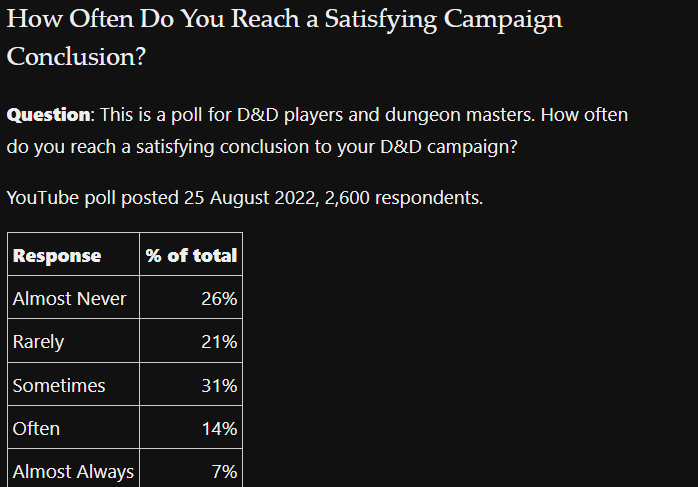
This is also less intimidating for new players. Signing up for a weekly event that has no end that may or may not be fun for them is a lot to commit to fit into a schedule. A campaign limited to just a couple specific months is a lot easier and lower pressure to plan on and fit into a busy life. The two campaigns that I managed to wrap up with a satisfying conclusion had less than 15 sessions and were planned to end by then. The feeling for both me and the players was sweet! Instead of abandoning the otherworld to gather dust frozen midway though we were able to get a fun sense of closure and enjoy the satisfaction you get from the feeling of completion as the game came to a definitive end.
Looking at my past games I’ve usually managed to play an average of like 13 sessions before the game ends. My record is ~23. I like to play weekly.
My current play goal is that my campaigns will be designed to end by 11 sessions. (+ or – 2). When designing a good limited run campaign I think there’s a few principles that are handy to keep in mind.
Nightmare Garden for The Shrike by Jantiff Illustration
1. Define the Campaign’s Dramatic Question
This question is the theme of the campaign, the central pole that everything revolves around. Unlike a more meandering picaresque campaign style, there is a clear question this campaign is about. Most sessions contains some adventure content that impacts the ultimate answer to that question. These are SMART questions (Specific, Measurable, Achievable, Relevant, and Time-Bound) that will be definitively answered by the last session of the campaign.
Examples Will the cult be able to complete its awful ritual? Who murdered Lenore? Can the marooned PC’s escape the cursed island? Will the adventurers be able to survive the dungeon and get enough loot to pay off their debts before they explode? Can the zombie plague be contained? Will the Vikings decide to go to war? Will the stolen Maltese Falcon be found in time? Will the alien invaders conquer the city? Can the bounty hunters hunt down John the Skinner? Who will win the mayoral election? Are robots sentient and will they get rights? Will the crew be able to heist the casino? Which warring party will gain the throne? Can the Dark Lord be defeated before the Equinox? Will the ragtag fleet survive long enough to find Earth?
2. The Player’s Actions Decide How the Campaign Question is Answered.
While more focused, this campaign format is not a railroad or a non-interactive movie. How the campaign’s dramactic question is answered is largely up to the actions of the player characters. The PC’s should be characters that have a goal and care about how the campaign question will be answered. I think it is of crucial importance that it is possible that they can fail in their goal of achieving a certain resolution to the campaign question.
This is, I think, one of the most important freedom’s in an RPG- the freedom to fail and see what interesting things happen from there.
An “If the Players Do Nothing” future timeline like the one in Deep Carbon Observatory which inspired the same section in Desert Moon of Karth is a handy way of having a default answer to the campaign question that you can tweak in response to player actions. Factions may also want to answer the questions in a specific way that may align or be opposed to the player’s interests. Using a dynamic faction system is another way to create an answer to the campaign question that surprises the GM too.
3. Start With a Possible Endgame in Mind
To wrap things up neatly there can be an awesome climatic event or location at the end that will hold the answer to the campaign’s main question, all the threads converging here at the final session. This climax or ultimate revelation or location might be soft gated by required information, allies, power, or items that can be acquired in other sessions adventures. I think it’s fun to write a sweet overdesigned set piece for an epic conclusion as long as the GM stays open to tweaking or even possibly throwing it out entirely and improvising if unpredictable player actions and campaign developments require it. Manufacturing the premise for a likely climactic scene where the question is answered can be cool as long as the way the climatic situation is resolved will be decided by what the players do and have done previously instead of having a prescripted outcome.
A crushing and specific defeat is a fine ending to a campaign, just as a resounding triumph. The important thing is that the question was answered in a definite way even if it’s something like “Now, we’ll never know.” or “Everything is doomed.” It’s fine if the players are able to skip a bit faster to the end through clever play. Since the resolution of the dramatic question is the purpose of the campaign the end is whenever the question is resolved by the players actions.
3. Connect Your Adventure Sites
I like to work in region based campaign design where several adventure sites are created in a specific constrained geographic region. In the excellent Silent Legions sandbox horror RPG, Kevin Crawford recommends starting with 9 adventure locations within your region (megadungeon, kingdom, city, wilderness, moon, whatever it is)- which seems like plenty for a limited run campaign. Each of these individual location adventures can be designed on a scale likely to be completed in a single session. This episodic format helps the campaign keep momentum towards and gives every session more variety than being filled with a single section of one location adventure.
The PC’s should always have enough information to keep them moving in an interesting direction. The players should know what the dramatic question of the campaign is by the very first session. Each adventure location has its own dramatic question (even if it’s as simple as a traditional “Can we loot this place and survive?”)
Most of the resolved answers to these questions draw the PC’s closer to answering the campaign’s question. In order to help make sure the PC’s have a lead they want to follow it’s good to offer at least 3 hooks (LINK three clue rule) that point to other adventure locations
That said, I like how there’s tons of X-Files episodes that are unrelated to the show’s central questions. The bendy hibernating guy who eats livers has nothing to do with the overarching alien conspiracy plot. But due to the limited run format of this campaign we need a higher ratio of campaign question related sessions to unrelated ones. Silent Legions recommends that 20% of adventure locations be unrelated to the central campaign premise. This seems like a nice number to give some variety to a focused campaign.
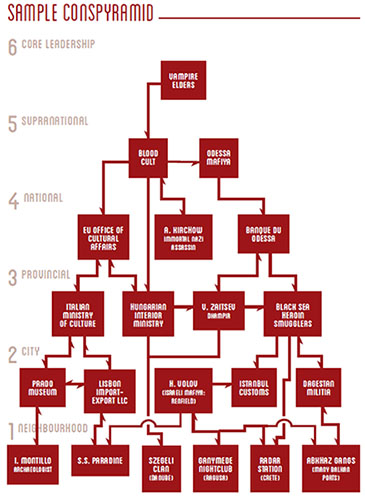
The Conspyramid diagram from Night’s Black Agents RPG is another handy tool that visualizes a campaign tracing the levels of a vampiric conspiracy as a sort of dungeon crawl towards the ultimate answer to the campaign’s dramatic question. I’ve focused some on investigation focused campaigns in this post but dungeon delving or wilderness exploration works with this same framework too. The party pursues their same goal of answering the campaign’s ultimate question “Can the PC’s find the lost Cloud Ship of The Weeping Autarch?” “Can the PC’s get to the inner sanctum of Badkill Dungeon and get the Doom Gem?”
\
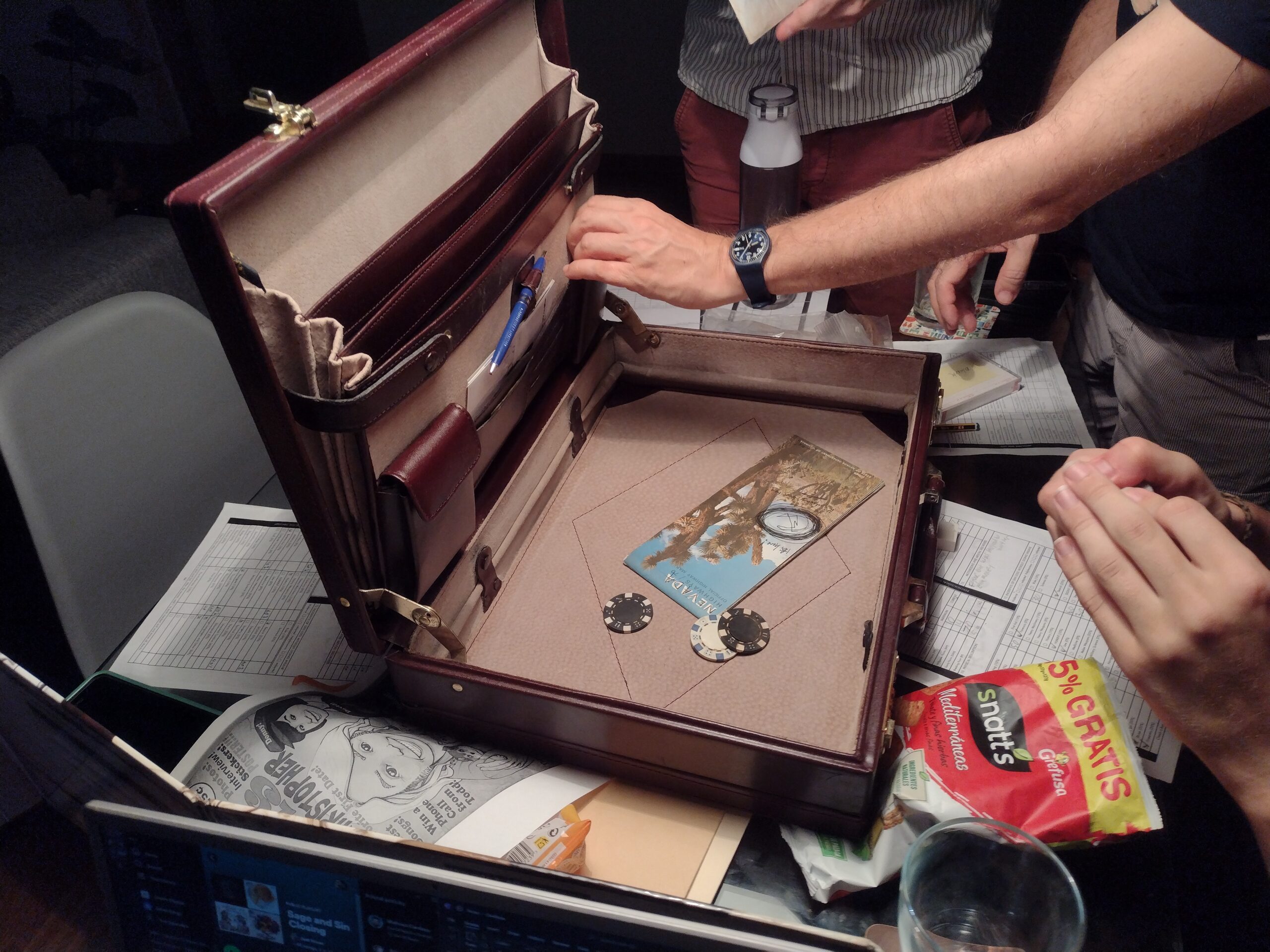
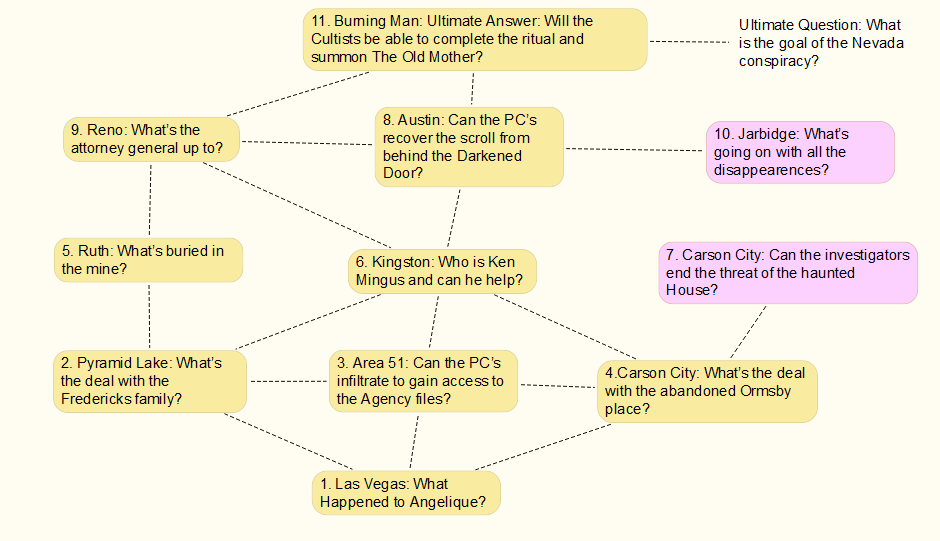
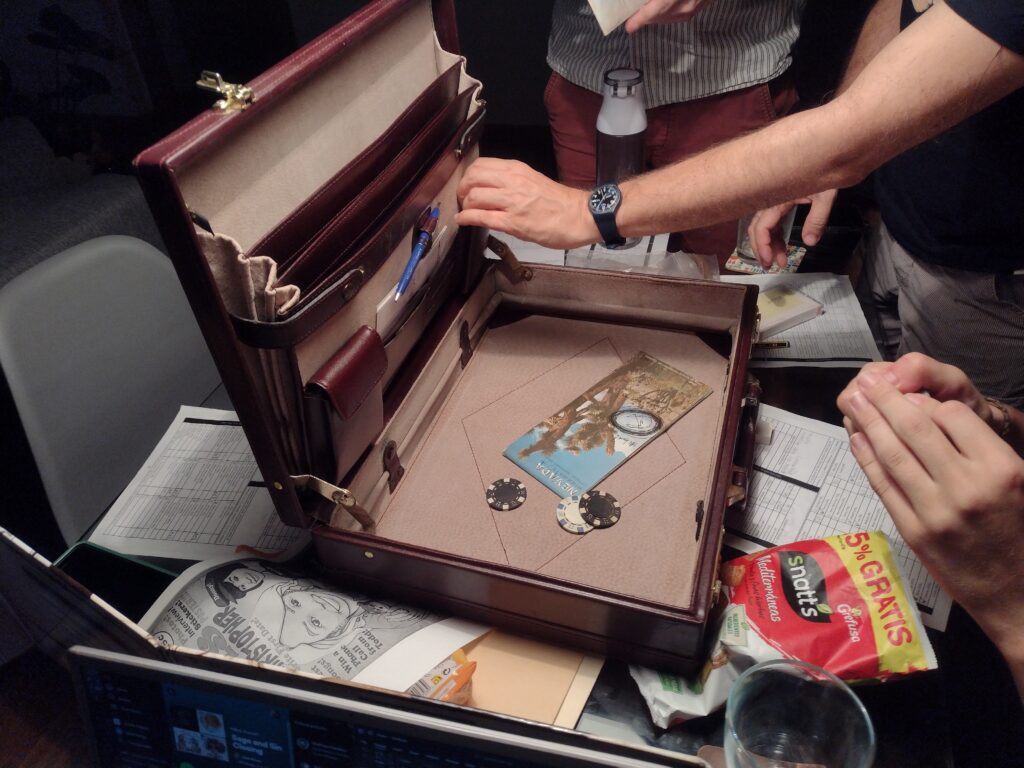
Here’s an example campaign adventure site map I just threw together based on some partial notes from the limited 11 session Delta Green Nevada investigation sandbox game I ran to completion along with a couple campaign question unrelated location sites for variety. The dotted lines represents hooks or clues leading to other sites. The entire map (a 1976 highway map absolutely scribbled with location annotations, spooky sketches, cryptic expressions and stored in a combo locked leather briefcase along with some other weird props.) was made available to players near the start of the campaign to give them more info to make adventure choices.
5. Leave Wiggle Room In The Number of Sessions.
Players are unpredictable and wily creatures and some things will be a lot quicker or take more time than you anticipate. If a particular adventure takes two sessions instead of one. While you are putting some gentle pressure it’s not worth turning into a demanding wagon driver, spurring your players on faster. Sometimes they’ll find things interesting. With a bit of wiggle room for slow sessions, or unexpected left turns that have you scrambling to expand on the campaign world.
Also conversely if they breeze past content you find interesting to move on towards the ultimate question, you don’t need to drag them back to check it out. Just like you shouldn’t force your players to explore every single room of a dungeon, they don’t need to interact with every adventure site in your campaign. The goal of the characters is working towards answering the campaign question to their liking. If they bypass a few adventures on their way that’s just reasonable. If you want to entice them to explore more adventure sites, one way is to include useful contents in them that could help them make sure the resolution to the campaign’s dramatic question is the one they want (Resources, information, power, etc.)
6. Still Wanting More? Renew for Season 2!
Blades in the Dark RPG recommends treating each campaign like a season of TV that ends after a dozen sessions or so. The main questions get resolved by the end of the season. This chunks a campaign into discrete segments that allow for multiple satisfying end points whenever the campaign draws to a close. To start again, build on the events of the previous season and introduce a new dramatic question for Season 2. Since you’re not beholden to squeezing profits out of a dead horse you don’t need to crank out 33 seasons of The Simpsons- you can quit renewing whenever you find you or the table is satisfied with what they’ve gotten out of the campaign and interested in something fresh.
The megadungeon has a creative call to it, this grand and imposing space mapped out for adventure, a beckoning otherworld to explore. People dig superlatives, the biggest, the tallest, the most dangerous, the most powerful, the deepest. But the challenge of making something epic in scope can swamp even the most dedicated GM.
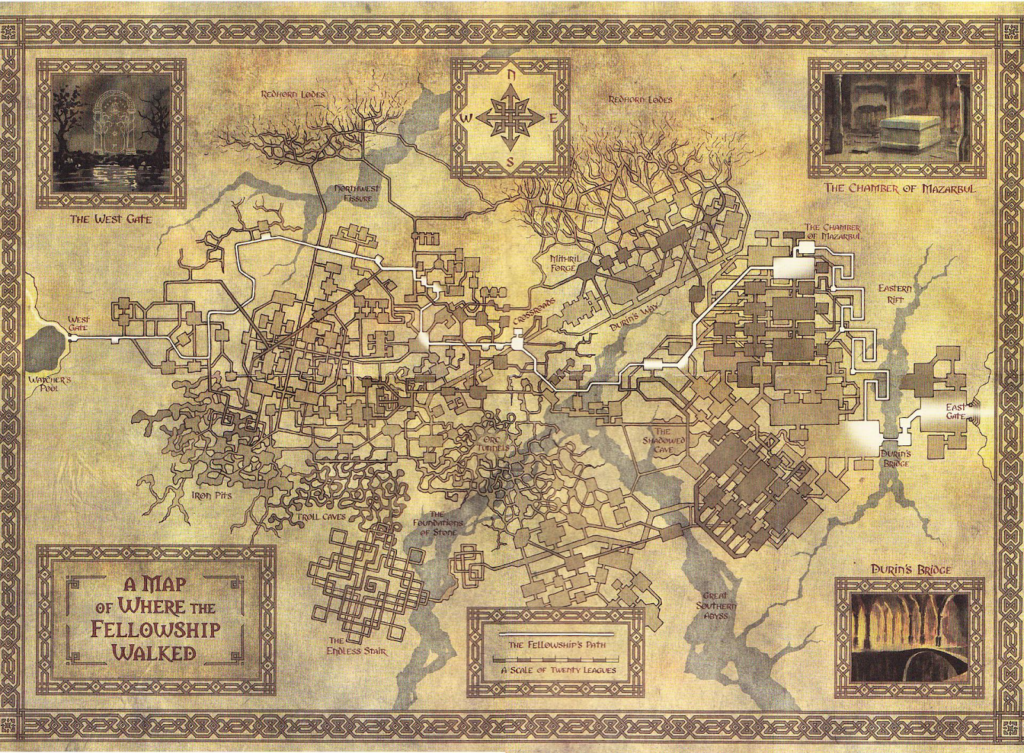
It’s very hard to make a truely big space mapped out to a dungeon level of detail, as scope increases the amount of work required to fill the space well increases exponentially. Even some of the largest megadungeons could fit into the footprint of a large mall you could explore in a half day (though a mall with the lights off and filled with monsters and traps would take longer to survey).
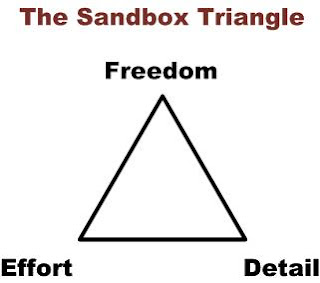
To oversimplify this excellent post on the sandbox triangle: High detail, high freedom, or lower effort. Pick two of these qualities for your megadungeon or sandbox design.
For example: If I wanted to make a gameable version of The Forbidden City at high detail, and a high freedom of navigation, I’d be looking at keying ~8000 rooms if I wanted to key the entire thing as a dungeon.
The biggest published megadungeon I know, Ardun Vul, is around 2000 rooms and just 500 yards at its widest. It’s huge, monumental for a dungeon- but compared to realworld spaces, it’s nothing special in scale. I usually don’t try to predict the future but I feel like it’s a safe bet that there will never be an 8,000 room megadungeon that’s better than Arden Vul (which almost buckles under the sheer scale of its contents as a convient GM reference work), though someone is welcome to take a couple decades of their creative life to prove me wrong.
Megadungeons and ruined cities (a sort of open air megadungeon, everything’s a dungeon) can be hard to pull off. My favorite solution is to keep the required effort manageable, player agency and navigational freedom high, and cut detail, reserving the bulk of creative description energy for the specific points of interest inside the megadungeon or lost city. Cut the time at the table spent playing and describing stuff in the middle, between the most interesting node areas of your megadungeon.
For running something like the Mines of Moria, instead of filling half a session with detailed literal miles of mostly vacant corridors, halls, and chambers maybe roll an encounter check or two and describe the miles of interstitial hallways and rooms between your detailed and keyed areas in a quick chunk of evocative description sorta like this:
“The passage twisted round a few turns, and then began to descend. It went steadily down for a long while before it became level once again. The air grew hot and stifling, but it was not foul, and at times they felt currents of cooler air upon their faces, issuing from half-guessed openings in the walls. There were many of these. In the pale ray of the wizard’s staff, Frodo caught glimpses of stairs and arches, and of other passages and tunnels, sloping up, or running steeply down, or opening blankly dark on either side. It was bewildering beyond hope of remembering.”
The Fellowship of The Ring
Having too many navigation decisions in interstitial areas is increasingly counterproductive as adventure site scale increases. RPG adventures can be chunked into different blocks of time and space, maybe a 10 minute exploration turn, a several hour watch in the wilderness or a six mile hex, maybe an entire week of downtime. These discrete chunks are boxes to fill with something interesting enough to note or interact with in the game. If most of these boxes are completely empty I think you either need more content or less boxes to fit the scale of the adventure.
You could break things up into abstract narratively significant scenes like a movie as a number of RPG’s do- but that’s not my preference. I like the feeling of specific time and space. But since we can’t narrate every second, we have to decide where to use the squishy CPU power in our skulls. So we skip and zoom in. A fully detailed and keyed dungeon works well up to a certain scale but in dealing with ruined cities and truely mega dungeons, a pointcrawl style between detailed keyed dungeon nodes offers my favorite balance of detail, freedom, and GM effort, as well as speed at the table.
My thinking on this is most in debt to John Arendnt’s work on The Black City project- which I still hope gets published in a complete form at some point. In one post on node based dungeons he notes:
“This node-based style feels EPIC, and supports vast underground complexes worthy of Moria. It lets you separate your major areas geographically and establish strong themes at each node. The dungeons and lairs are not so expansive that it’s exhausting to stock them. Putting more distance between lairs, factions, and other inhabitants of the dungeon enhances the verisimilitude. It’s much easier to manage dungeon dressing and similar details by starting with a small, strongly themed lair or mini-dungeon complex. And from a preparation perspective, it allows the referee to develop the mythic underworld in much smaller chunks – one mini dungeon at a time – instead of having to generate a sprawling 100-room complex. It combines most of the best aspects of the wilderness hex crawl and the graph-based dungeon into a seamless continuum.”
A great example of these types of node based dungeon map design are metro systems.
Each station on the DC Metro Map, is a point of interest, somewhere to the tunnels in between. Different colored routes offer varying paths with different encounters, routes. In your megadungeon/ruined city, these could be routes like “The Webwrought Path, The Worm Tunnels, The Trail of the Candlelit Pilgrims, or The Imperial Way” with associated perils, scenery, and encounters and inform the environment of the dungeon nodes along their path.
One issue with real metro maps is that they’re designed for practicality in transport and offer heaps of stops right next to each other to be most convenient for their ridership to access a large portion of the city. This isn’t exactly the right metaphor for how to design a sweet node based dungeon.
So in Granada there’s a tourist “train” that looks like this.
It runs in a route around the city in a repeating loop every day. People can buy a one way trip or an all day hop on hop off ticket around the city including a couple stops barred to any other vehicle traffic. On the hottest days in the summer it looks like a ship crammed full of damned souls with no AC.
The ticket price, route, and purposes of the train don’t meet the day to day needs of anyone living there and would be completely impractical for general transportation. It’s designed for managed discovery of neat places for tourists. It’s not trying to present a comprehensive entire city, but an impressionistic representation of the city, a road accessible highlight reel that tries to give a kinda feeling for what makes the place tick.
Video game towns like in Skyrim are similarly impressionistic, trying to give an idea of the city while making a much smaller version then would exist in reality. You could spend your time detailing every street, corner store, and fountain plaza but it wouldn’t be a good return on your time investment. Through the power of tabletop RPG creativity you can have a huge town of thousands or a, you just gloss over the majority of the area, apply a fuzzy lens. This area is abstracted through a pointcrawl.
Fantasy adventuring parties are a kind of tourist, outsiders in the area under time pressure, searching for the highlights. They’re not generally trying to find the routes and places in town that allow them the most convenient day to day mundane life. They’re skipping over 90% of the place to find the palaces, cathedrals, royal gardens, and tombs that hold the treasure they’re looking for in the brief visit available. Many players want to be transported somewhere, to travel and see wondrous vistas when they play in your role playing game world. So give them some cool shit to see and focus your creative energies on these hotspots and let them check out the ones that appeal! Hop on, hop off.
So metaphorical megadungeon metro systems are great. I also think it’s cool to put an actual subway in a dungeon. So many dungeons are the ruins of ancient advanced precursor civilizations why not put a magic or sci-fi podway in there. There’s something fantastical about this to me. As someone who grew up not too far from the middle of nowhere in Nevada, mass transit still feels a bit magical to me, in the same category as castles on peaks or dragons.
Pictured: Average Nevada Commute
Here’s an early draft diagram of the volcano megadungeon, the fallen keep of Cinderstrom I’ve been working on for too long. I used Scapple to make this and dig that program a lot for dungeon planning, but any type of flowchart software would work. There’s also this site which lets you make your own custom metro maps that fit the classic aesthetic and iconography if you’d like to make dungeons that way.
Who knows where the hell the pods go?! Smash some random buttons in a dead language and find out. Maybe one of the pods is sentient and challenges you to riddles and threatens to crash if you don’t come up with good ones. Huge variety of fun options for gameplay with a fantasy podway.
Downtime is sweet, it breaks the campaign into chunks, making time pass and allowing players to pursue personal goals that might not be interesting to the rest of the players to play out for an entire session but lead to interesting developments and more hooks into the world.
Time becomes a resource as torches burn low, and the increasing risk of dangerous and non lucrative wandering encounters increases. Time in wilderness exploration is also expended to discover interesting locations or reach a distant destination at the expense of rations and the risk of wandering encounters.
Downtime is available to do all sorts of useful and interesting things but is also limited. Using Downtime requires choosing what is important at the risk of random campaign events like natural disasters and the success of opposed faction machinations. Also with enough time, aging could cause a character to need to retire and an heir to be decided upon (I’ve thought about using seasonal downtime turns like Pendragon or Ars Magica uses but I prefer a little more granularity in a year of adventuring.).
I’m a big enjoyer of the Worlds Without Number RPG and using it for my current campaign. It’s not my go to for one shots or convention games due to a bit more mechanical complexity than Knave, Shadowdark, Cairn, or OSE but I’ve found that during an extended campaign WWN really sings for me. I’m running an open table sandbox in a dying earth desert city in the unstable wake of the king’s assassination where the players are effectively fantasy cyberpunks, taking missions for different scheming factions as freelancers.
WWN uses 2d6 rolls for skill checks as in the Traveller RPG, instead of the familiar d20 used for combat and saves in the game. This keeps combat swingy but makes experts very likely to succeed at things they’re good at. I don’t always like skill checks in game but when I do- the sharp curve of a 2d6 system is my favorite. You know what else uses 2d6 rolls? The excellent downtime rules from Downtime in Zyan and Errant!
Here’s the gist of how this system works in an excerpt from Downtime in Zyan:
This is also the same system used for many rolls in the Powered by the Apocalypse rule family of games for extra player familiarity if they’re coming from that background. Here’s how World’s Without Numbers skill system works.
Downtime in Zyan assumes the same -2 to +2 range of ability score modifiers to this roll as Worlds Without Number which makes the conversion even more seamless. This would be a really short blog post but the one factor to consider is the presence of skill points (up to another +4) in WWN increasing the maximum odds of success. I initially considered raising the base level difficulty but decided it was more fun for specialists to have the chance at greater success in their Downtime activities for their investment in the skill than to make even basic successes more unlikely for nonspecialists.
A Worlds Without Numbers Downtime System:
Roll 2d6 + Attribute + Relevant Skill
<7: Failure: There’s a complication and/or it doesn’t work. 7-9: Basic or Mixed Success: It works but there’s probably a complication. 10-11: Expert Success: It works! 12-13: Master Success: It works and an extra good thing! 14+: Legendary Success: It works and some really good stuff
Downtime Types
Inspired by the systems from Downtime in Zyan, Errant, and this blog post. More are possible pending player interest but I thought these were neat to me. The various new talent and martial training options from the Downtime Systems have been omitted as Worlds Without Number provides more mechanical advancement and character customization by default than B/X type games but I could see them fitting in the games too if focused in scope and potency.
Animal Training: Step Tracker Assassinations: Single Downtime Building Bonds: Step Tracker Building an Institution: Step Tracker Burglary: Single Downtime Create a Magic Item: Step Tracker Craft: Single Downtime Expeditions: Single Downtime Burglary: Single Downtime Pit Fighting: Single Downtime Proclamations: Single Downtime Investigation: Step Tracker Revelry: Single Downtime
Here’s some examples:
Investigation
The GM creates a tracker for the number of successes required. Each success reveals a portion of the information.
Number of Steps Needed:
Widespread Knowledge
Uncommon Knowledge
Esoteric Knowledge
Forgotten Knowledge
<7 Failure: Stumped, no progress is made on the research tracker this downtime. 7-9: Basic or Mixed Success: The research tracker advanced but the GM may decide the information found is misleading or wrong. They don’t let the PC know if they’ve done this or not 10-11: Expert Success: The research tracker advances 12-13: Master Success: The research tracker advances 2 steps. 14+: Legendary Success: The research tracker advances 3 steps.
Revelry
Drink, debauch, socialize, and be merry!
<7: Failure: Roll on the Revelry Complications Table! Gain a hostile contact. 7-9: Mixed Success: Gain 1 new contact. Roll on the Revelry Complications table. 10-11: Expert Success Gain 1 new contact or 2 new contacts and roll on the Revelry Complications table. 12-13: Master Success: Gain 1 new contact. Roll on the Revelry Boons table 14+: Legendary Success: Gain 1 legendary contact. Roll on the Revelry Boons Table.
Creating a Magic Item
Most Downtime activities are an open spectrum from Failure to Legendary Success . However, some like Magic Item Creation require greater success than Basic as a baseline requirement to achieve the goals. I’m using WWN’s provided rules as a baseline and its system of accepting flaws in a failed item creation roll to still produce the item without the time and cash being wasted is neat and I’ll stick with it.
Multiple Downtimes
Every time a mission based adventure is completed (or abandoned) the party gets Downtime. This Downtime period usually represents about a month before the next adventure in my game. If an adventure or mission takes longer, players get a bonus Downtime activity for every ~3 sessions of adventuring without a Downtime. This doesn’t make much sense from a diegetic standpoint but exists to not penalize the amount of Downtime received and keep it relevant in the game if particular adventures or missions can’t be easily compressed into 1-2 sessions. Further reading on this idea.