
Immersive fear in a minimalist forest setting
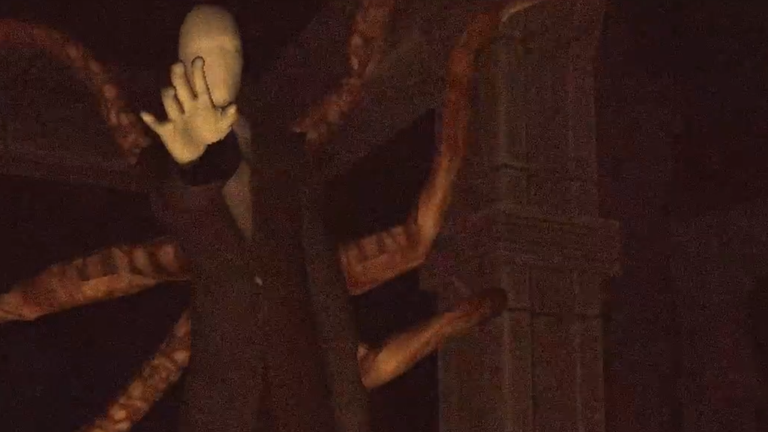
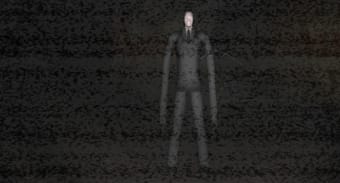
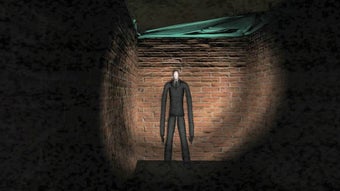
Slender: The Eight Pages by Parsec Productions delivers a haunting and minimalist take on psychological horror. Created by Mark J. Hadley under the alias AgentParsec, this indie title helped propel the Slender Man mythos into gaming culture. Players wander through a dark, fog-covered forest collecting eight scattered pages while avoiding the faceless figure pursuing them. The game’s simplicity is its strength, transforming limited visuals and audio cues into pure atmospheric dread.
How sound and design shape fear
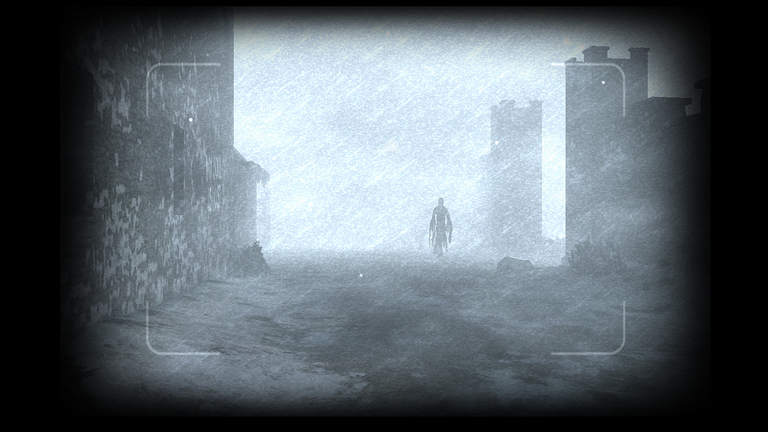
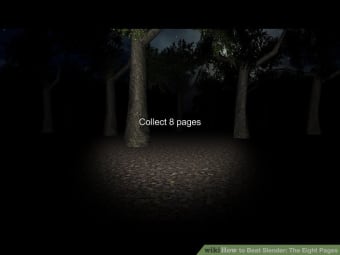
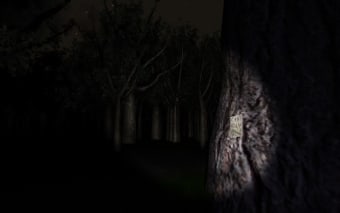
Slender: The Eight Pages thrives on tension rather than complexity. The dimly lit forest, thick fog, and narrow flashlight beam create an illusion of isolation that feels unnervingly real. The soundscape is stripped to essentials—rustling leaves, footsteps, and bursts of static that mark Slender Man’s proximity. This restraint builds an experience that’s psychologically terrifying without graphic imagery. Each sound heightens paranoia, encouraging players to move cautiously and trust their instincts.
A minimal structure that redefined horror
Slender: The Eight Pages uses a straightforward objective—collect all eight pages—but its execution keeps players gripped. The absence of combat leaves you defenseless, making every encounter with Slender Man feel unpredictable and personal. Page locations change each playthrough, adding replay value despite its brevity. While the visuals are basic and the mechanics sparse, their intentional simplicity laid groundwork for modern indie horror, inspiring numerous adaptations and sequels.
Final thoughts
Slender: The Eight Pages remains a masterclass in atmosphere-driven horror. Its blend of minimal graphics, tense pacing, and subtle sound design continues to influence small-scale horror games today. Though short and mechanically simple, its raw psychological impact endures, proving that fear doesn’t require realism or violence—only imagination and sound.

.jpg)




















.jpg)