
Trains in France: Tickets, Types, and Tips
France is country that embraces the train. There is a spiderweb-like network of rail lines across the country, that high-speed trains zoom along at over 200 mph (300 kmph).
Most airports are built outside of the city center, compared to train stations built in the heart of the city.
When you count the time required to get to the airport, check-in, boarding and disembarking and then getting you your destination, a high-speed train can actually save you time.
TGV Trains (High-speed train)
The crown jewel of French rail transport has to be the TGV (Train à Grande Vitesse). The network connects major cities across France at speeds of up to 320 km/h (200 mph).
Launched in 1981, these sleek, aerodynamic trains offer exceptional speed with decent comfort, making them a preferred choice for many travelers.
The TGV is like the Ferrari of trains, zooming between major cities at up to 320 km/h (200 mph). You can hop on one in Paris and be in Lyon in just over two hours. Prices vary but expect to pay around €50-150 for a one-way ticket.
There is usually a small food bar on board, the seats are comfy, and there is even Wi-Fi on some trains. If you are planning multiple train journeys around Europe, you may want to consider getting a rail pass such as:
- France Rail Pass for tourists
- Interrail Pass One Country
Tips for TGV trains
- Arrive early at the station to find the Quai from where your train is leaving.
- Make sure you have valid ID (passport, national ID card, etc.) along with a copy of your train ticket. There are often inspectors on board the train checking to see that you have paid the correct fare depending on railpass, student tickets, etc.
- Validate your train tickets at the machine before boarding.
- Place your luggage nearby in the luggage racks, where you have them within your line of vision. Don’t leave unattended luggage as thefts are sadly commonplace.
- Bring snacks as the on-board bar is sometimes closed. Choices on-board are also limited, so it is best to bring your own food.
- Check your train transfers and connections so that you know where to go.
- Keep an ear open for train strikes in France which may affect train schedules.

OUIGO Trains
The OUIGO is the budget brand of the TGV. These trains are cheaper but still just as speedy. They stop at less fancy stations outside city centres, but they get you where you need to go.
Introduced in 2013 by the French national railway company SNCF, OUIGO trains prioritize affordability by operating from low-cost stations and offering no-frills amenities.
Intercités
Intercités trains provide medium and long-distance services, linking regional hubs and smaller towns across France. Offering a balance between speed and accessibility, Intercités cater to passengers seeking a more leisurely journey or those traveling to destinations not served by high-speed lines.
They link up smaller towns with bigger ones, so you can explore more of France.
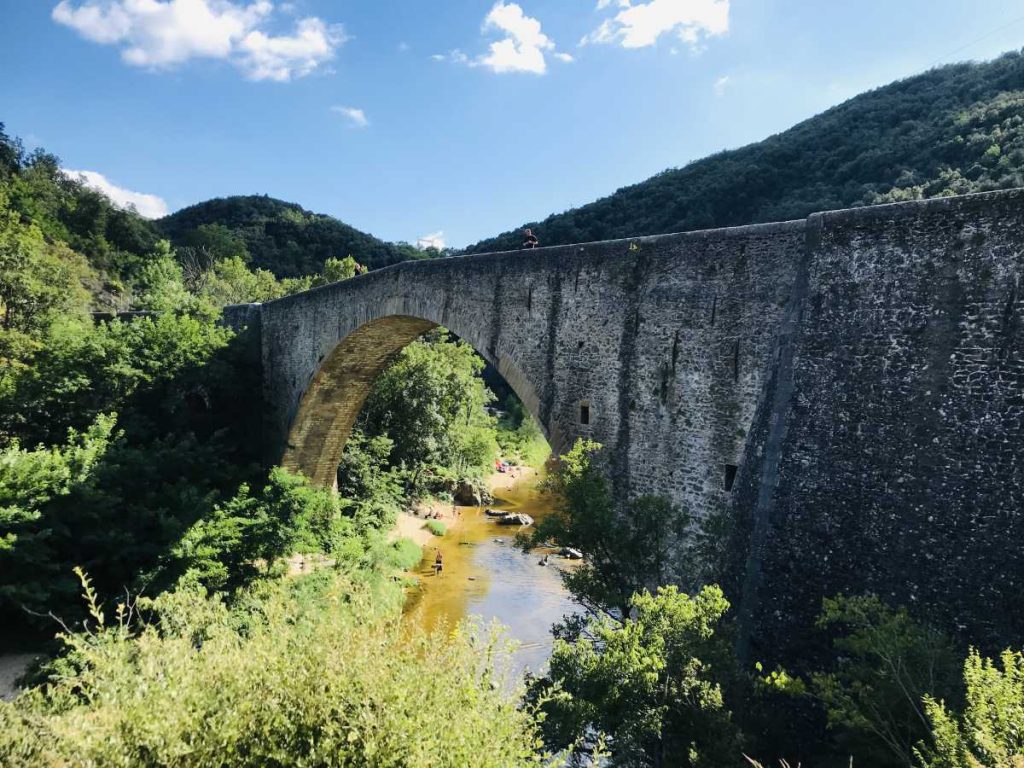
TER (Transport Express Regional)
For local commuting and short-distance travel within regions, TER trains offer cheaper and frequent service. Operating on an extensive network, TER connects rural areas and suburbs with city centers, for that commute in and out.
RER and local trains
In big cities like Paris, you will find RER trains. They mix suburban and city travel, making it easy to get around town.
Within metropolitan areas like Paris, the Réseau Express Régional (RER) combines suburban and city-center metro transport. For instance, to visit the Palace of Versailles from Paris by public transport, it is necessary to take an RER train.

Eurostar
Running at TGV-speeds, the Eurostar train is famous for crossing beneath the English Channel, connecting the UK with France and other Western European countries.
It links London with Paris, Brussels, Amsterdam, Lille, Rotterdam and other European cities. Since Brexit, customs controls have been put in place for the Eurostar, so you will need your passport or national ID card to travel.
Thalys
The Thalys is like Eurostar but for connections between France and Western European countries like Belgium, the Netherlands, and Germany.
Thalys operates high-speed trains connecting Paris with Brussels, Amsterdam, and Cologne. If you are planning multiple train journeys around Europe, you may want to consider getting a Eurail Global Pass (Multi-Country Pass).
Lyria
Catering specifically to travel between France and Switzerland, Lyria offers high-speed rail services connecting cities like Paris, Geneva, and Zurich. With the Alps in between, these trains offer some of the most picturesque scenery as you travel around the countryside.

AutoTrain
For those traveling with vehicles but who do not wish to drive, you may want to try the AutoTrain. AutoTrain enables passengers to transport cars and motorcycles along with them on designated trains.
This service allows travelers to explore France at a leisurely pace while enjoying the convenience of bringing their vehicles along shorter trips once you reach your destination.
Night trains
Embracing the romance of overnight travel, night trains are making a comeback across Europe. They offer a unique way to explore France and neighboring countries while maximizing daytime sightseeing.
From sleeper cabins to reclining seats, these nocturnal journeys are cheaper than paying for a hotel and offer comfort and convenience for travelers seeking to cover long distances without losing valuable daylight hours.
