AI took my jerb

Well, it wasn’t quite that simple, and over the next decade it rarely will be.

However, it sort of happened.

I was providing online corporate training through a company that had contracts with behemoths like Mercedes, Amazon and Google. And also smaller companies of many types: hydraulics, medical machinery, pharmaceuticals, varnish producers, etc.

It was a McJob, to be clear. I was working part-time as a private contractor and getting paid enough to pay the bills in a Third World country.

Then one day the money didn’t appear in my account, the company was unresponsive, yada yada yada, I resigned.

By a stroke of luck the company was bought out by a competitor and I got some of my backpay. We’ve been invited to re-sign with the new guys but they seem pretty bloody awful, the terms and pay will be worse, and I’ve got bigger fish to fry.

Okay, now let’s get to the juicy AI angle!

Read More

MysteryShopper.gov

Image

Back when the mighty northern glaciers were freshly melted, I had a casual job in retail. There were three main parts to my job – register, stocking shelves and moving boxes out the back. This list is in order from my least to most favourite.

I actually enjoyed moving boxes and getting sweaty. On register I was socially awkward, shy of my savage pimples under the glaring fluorescent tube lights, and I made mistakes.

Adding to this pressure was the possibility of receiving a Mystery Shopper. If you haven’t done retail, this is a person paid by the company to act like a shopper in order to ensure they are offered a basket if they are holding two or more items, are addressed by name if they use a credit card, that change is counted back, and of course that they get a big shit-eating grin from the poor spotty register monkey.

I never ended up getting a review from a mystery shopper but it was yet another source of terror for a timid young man.

Nevertheless, if you’ve ever had trouble at a shop or restaurant, you can see how mystery shoppers can be a good thing if properly deployed.

Today’s idea is a DOGE-like concept for mystery shoppers to analyze government services.

Town Hall mystery shopper

Read More

Bring the mountain to Mohammed

Self-driving cars are pretty much ready to be rolled out everywhere.

The main thing lagging isn’t the cars, which are good enough.

Rather, we need to change the roads to fit the cars.

This might sound nuts, but we’ve done it before.

Prior to the motorcar, roads were rough as. Mostly they were mud or compacted earth. When it rained they got muddy and when it didn’t they got dusty. Cobblestones in cities improved this a bit but were rattly.

Above all, roads were variable. There was no standard ‘road’.

People laughed their heads off at these newfangled cars trying to drive on these roads, getting stuck in ridges or bogged in mud that horses could gallop over with ease. Even if the motorcar could maintain forward momentum, horse-drawn carriages would often overtake them.

No doubt very clever personages at posh Edwardian parties proclaimed motorcars a flash in the pan.

Today, a road in Argentina looks a lot like a road in Mongolia. We have set designs, materials and street signs for city streets and main roads, highways and freeways.

Read More

Look on the bright side

Image

Some commentators love spreading doom and gloom about the coming demographic transition.

However, the aging population crisis will probably fizz just like the population bomb crisis did. Everything will work itself out, mostly.

No one talks about the likely positives of the coming Age of the Elderly. This article aims to correct that gap.

Read More

No panacea

Some fancy there are easy solutions to get us through the coming demographic transition: immigration and/or AI.

However, neither magically solves the economic problem of an aging population, regardless of how you may feel about them in other terms.

Immigration

Some people have a very simple view of immigration that goes like this: there are many people in poor countries and a lack of people in rich countries. The poor people go work in the rich countries for higher wages and Bob’s your uncle.

To understand why this isn’t a perfect solution (aside from cultural concerns), you need to simultaneously keep in mind a few moving parts.

Bottomless pit?

Read More

The need for cultural and genetic renewal

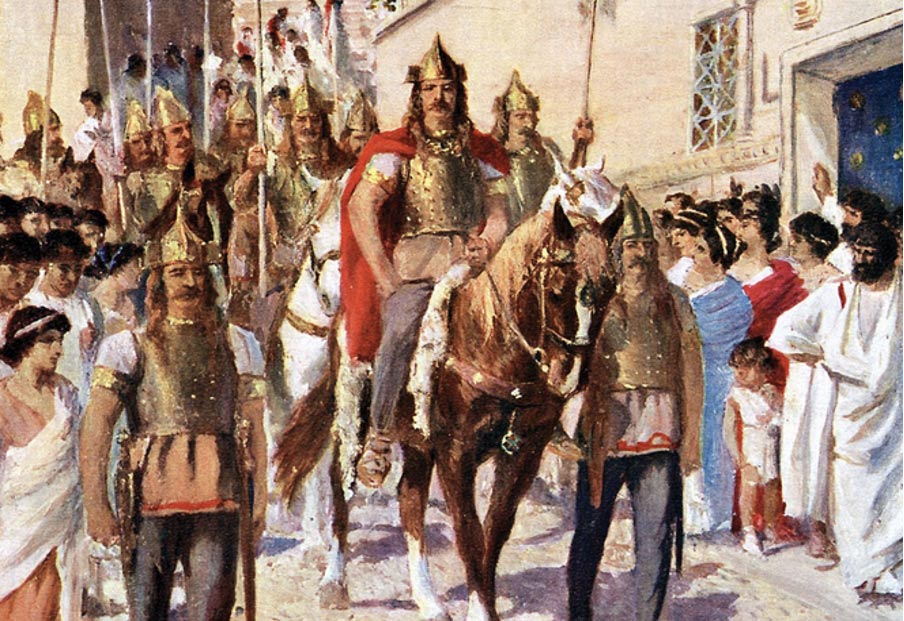
In the dying decades of the Roman Empire, the Visigoths rampaged through the countryside. Goths had previously been allowed to peacefully settle within the Empire because farmers and soldiers were desperately needed following recurrent epidemics and low birth rates. However, these immigrants had been required to surrender their arms at the border and live in small groups, not as internal nations under their own leaders. In fact, this resettlement was often part of a punishment following a lost war.

Once the Huns began to attack Gothic lands from the east, however, these rules went out the window. So many Goths poured across the frontier that no Roman force could prevent them, disarm them or separate them.

The subsequent arrogant and callous treatment of the barbarians was not a clever move as by this time they were one of the few effective fighting forces still available in the West and the Huns were looming on the horizon.

Alaric I tried to find a place for his Visigoths within the Roman Empire. At one point, during a siege, he made a pretty fair offer: forget about the gold. Make me head of the Roman Army, I’ll take my people north to settle along the Danube frontier and we’ll guard it for you.

At this point Rome had no army to speak of to protect the border and no better way of getting the Goths out of their hair. This was a Godsend.

Rome said no.

Read More

Your status in the New Normal

Picture
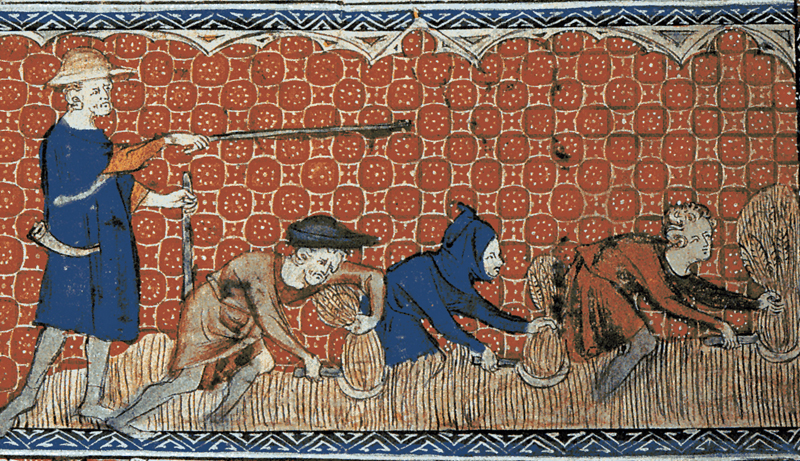
An estate manager and serfs, Medieval Europe.

By the late Roman period, landlords had become so wealthy and powerful that they refused to allow their workers to be recruited into the legions. Instead, they sought security from barbarian warlords.

Thus the feudal period began.

In the era of the Roman Republic, many farmers were yeoman with the rights and responsibilities of free men. They were gradually replaced by slaves conquered from foreign wars and the relative power and wealth of the aristocracy increased. By the end of the Empire, ordinary peasants had become serfs. They were forced to work for their lord and were not allowed to leave the manor. The average person never ventured more than ten kilometers or so from his village. A few managed to remake themselves by escaping to a town and learning a trade but most would not improve their station until the Black Death made labour scarce and workers in high demand.

The division of labour in society has changed several times since then and right now it is changing again.

It seems likely that instead of having a large middle class as in the post-war years, we will be divided into two new classes. These nascent castes have already begun to form and my reader probably knows which one he belongs to. It’s easy to make predictions about things that are already happening.

Case Study

At Amazon, machines are often the boss—hiring, rating and firing millions of people with little or no human oversight.

Read More

What country is doing well?

https://thumbs.dreamstime.com/b/team-multicultural-women-holding-thumbs-up-smiling-their-33042223.jpg
Source: see watermark

As our eyes roam for greener pastures, we may notice something odd.

We know the West is doing poorly right now, but what countries are doing well?

Some people point to Eastern Europe which has avoided mass migration and where national cultures are still strong, the streets are safe and Antifa don’t dare.

Read More

Blade Runner was optimistic

We are now far enough advanced that several futuristic books and films are set in the past.  1984 is long gone.  Back the Future‘s 2015 is in the rear view mirror, as is Blade Runner‘s 2019.  Nothing is as we had imagined.

Instead of hoverboards, we have arguments about whether men can use women’s change rooms.  Instead of venturing Off-world, we can’t even go to the park because we’re under lockdown.  Instead of replicants, Siri scolds us.  Everything is lame and dumb.

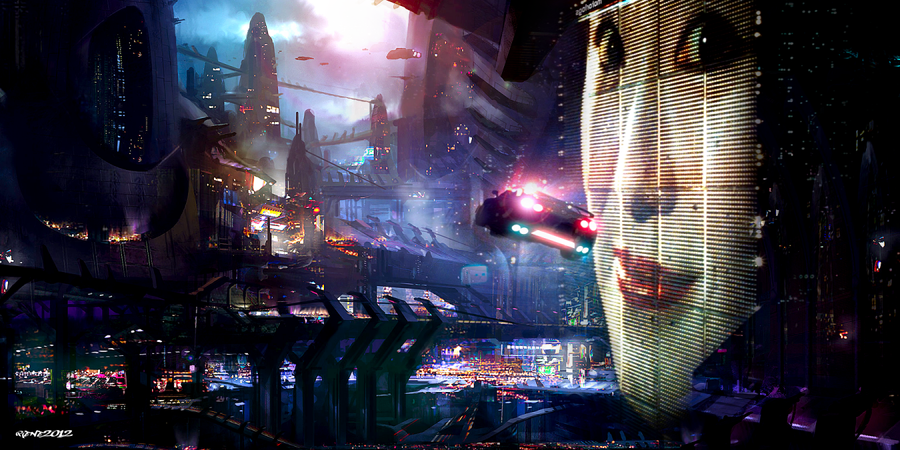
One thing we got completely wrong is architecture.  This is how Blade Runner imagined the world would look by now:

https://images-wixmp-ed30a86b8c4ca887773594c2.wixmp.com/f/3ac17be3-72eb-43fd-b2a1-e66191372ee7/d52x1iz-29aecee0-11d7-4497-ae48-8512a175d97b.png/v1/fill/w_900,h_450,q_75,strp/blade_runner___city_night_2_by_elclon-d52x1iz.png?token=eyJ0eXAiOiJKV1QiLCJhbGciOiJIUzI1NiJ9.eyJpc3MiOiJ1cm46YXBwOjdlMGQxODg5ODIyNjQzNzNhNWYwZDQxNWVhMGQyNmUwIiwic3ViIjoidXJuOmFwcDo3ZTBkMTg4OTgyMjY0MzczYTVmMGQ0MTVlYTBkMjZlMCIsImF1ZCI6WyJ1cm46c2VydmljZTppbWFnZS5vcGVyYXRpb25zIl0sIm9iaiI6W1t7InBhdGgiOiIvZi8zYWMxN2JlMy03MmViLTQzZmQtYjJhMS1lNjYxOTEzNzJlZTcvZDUyeDFpei0yOWFlY2VlMC0xMWQ3LTQ0OTctYWU0OC04NTEyYTE3NWQ5N2IucG5nIiwid2lkdGgiOiI8PTkwMCIsImhlaWdodCI6Ijw9NDUwIn1dXX0.-cLIjUudkh5we4rYm0kOp8cHBJ7tzqWhdByph71XTRY

https://sovietmen.wordpress.com/wp-content/uploads/2020/07/1d2b3-bladerunnerhd084.jpg Read More

Predicting the future

https://sqwabb.files.wordpress.com/2013/07/gunbuster-07.jpg

Predicting the future is a fool’s game, but everyone has to do it.  Whenever you decide where to invest your money, what job to take, where to live, who to marry or what menu item to choose, you’re making a prediction about the future that might be totally wrong.

Lesser people than us make great sport of examining old sci-fi predictions and seeing how way off they were.  Flying cars, interstellar travel, housekeeping robots and melting ice caps.  Haw bloody haw.

Clever folk like us ought to instead examine the more fruitful field of those predictions that turned out to be correct.  Here are a few:

– In Back to the Future, about the only thing they got right was Read More