
THE MENTIONABLES
“I think [The Mentionables Ministry] is fantastic... and much needed.”
“Love it!”
Read
Watch
Listen

“I think [The Mentionables Ministry] is fantastic... and much needed.”
“Love it!”

Read

Watch

Listen
On August 2nd, 2020, the Mentionables received this question from a follower:
How do active Christians, Christians who were active in defending the faith, witnessing, etc, who leave the faith impact your arguments for defending the faith?
On May 5th, the Mentionables received this question:
Well some other books, that should be in the Bible, book of Enoch, is not in the Bible, why is this or is it a means of hiding information from the average Christain, or is it not accurate enough?
Here are the answers from the team:
Pulpit and Pen has published an article called “You Can’t Observe the Lord’s Supper Over the Internet” , in which they basically plead with churches not to take Communion remotely. I would imagine they believe Christians ought to defy the “stay at home” order that our governments have enacted in order to try and flatten the curve and keep hospitals from getting overwhelmed. It’s not my intention here to discuss the “stay at home” orders. What I want to do is respond to P&P’s statements regarding why they believe we can’t take Communion remotely.
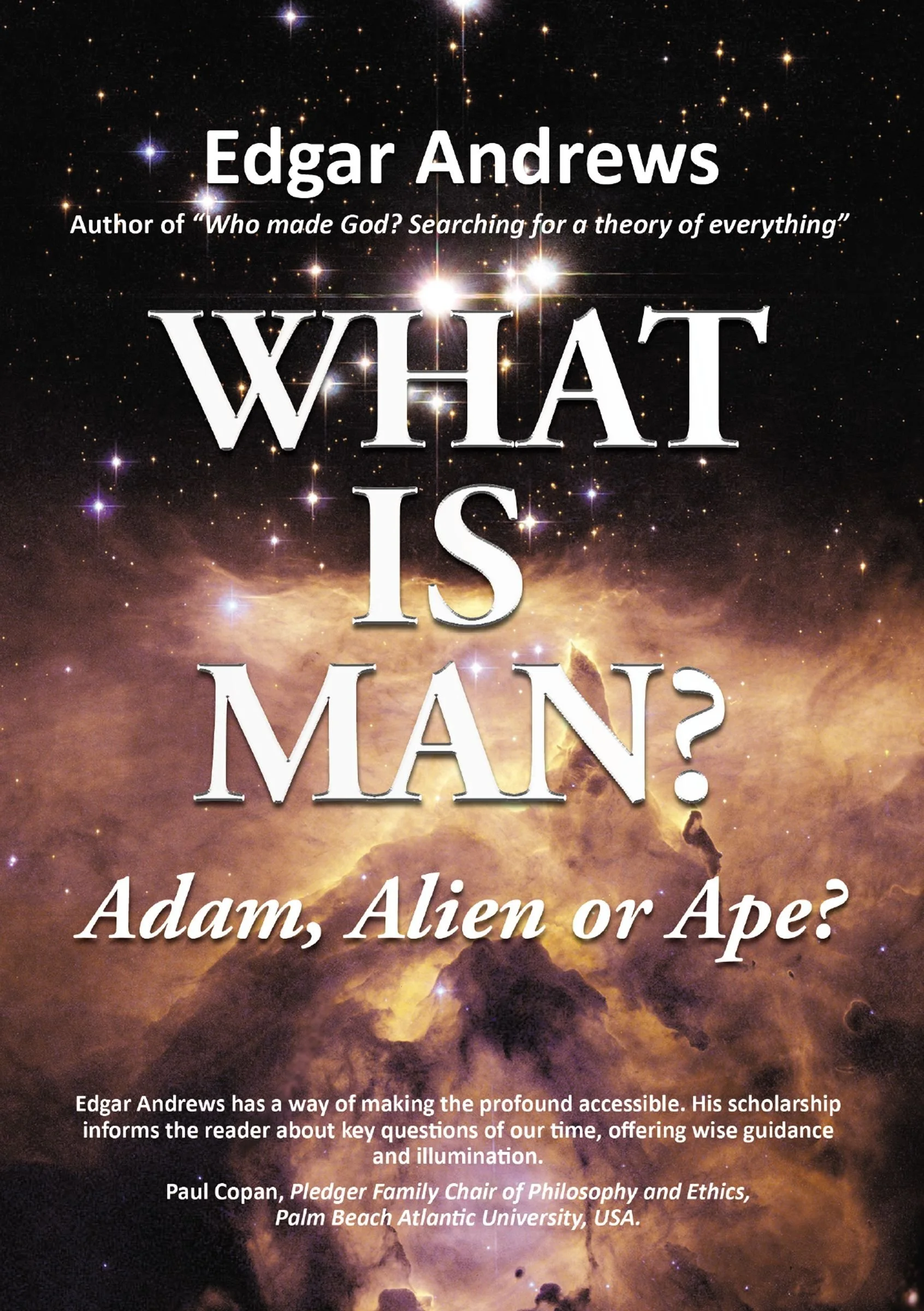
Edgar Andrews’ book, What is Man? Adam, Alien, or Ape? is a well-written book exploring the nature of man and his relationship to nature, the cosmos, and God. Andrews is a physicist who excels at writing accessibly so that laymen, as well as experts, can understand the concepts that he addresses. For concepts that are more technical, he will often use an analogy to help illustrate the concept. Andrews is pretty thorough in his examination, taking the assumptions of evolution, and even evolution, itself, to task with arguments that show the evidence for Darwinistic evolution is not as secure as evolutionists would have us believe. And he’s usually fair in his critiques, such as pointing out that although there have been many hoaxes for alleged “missing links” down throughout the years, this, itself, does not disprove the possibility that there are missing links to be found.
Unfortunately I do have more negatives to say than positives about the book, but I wanted to start out with the positives.
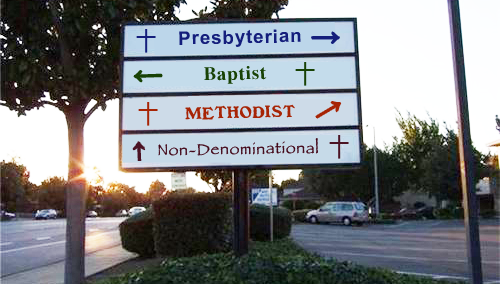
In debating with atheists, we have all heard something like this:
“Yeah but you Christians cant even agree on what it means to be a Christian? Why should I be your kind of Christian and not one of the other 40,000 denominations out there?”
This is a bad argument from the atheist for several reasons.
The Mentionables team members are diverse and talented. Their combination of talents and expertise make them a nexus of Apologetics skills. They can answer your questions directly, contribute articles to your publication, speak at your venue, hold debates and more.
Creator / Joel Furches
Theologian / Tyler Vela
Biblical Expert / Nick Peters
Cultural Specialist / Adam Coleman
Research / Caleb Johnston
Philosophy / Clinton Wilcox


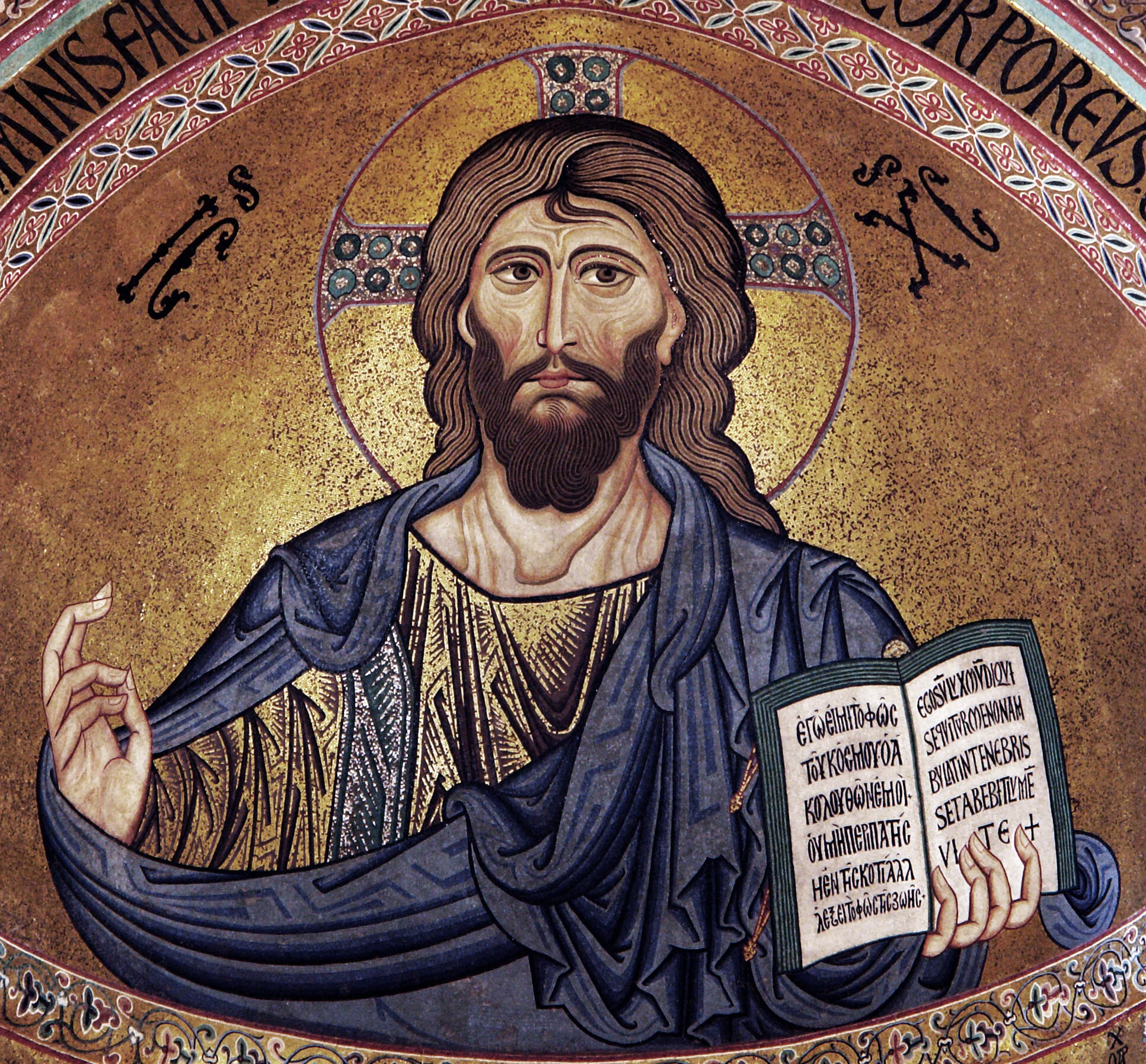




The question of hypocrisy is a visible and pertinent question. Instinctually, hypocrisy is very off-putting and unlikeable, and tends to be the sort of thing which destroys the credibility of the hypocrite. But it also raises several questions which are worth exploring.
First, of course, let us define “hypocrisy.” The essential principle of hypocrisy is when a person advocates for a particular value – sets a standard – and then does not abide by that value, or violates the standard they set.
It might also be the case that the person did not explicitly embrace the standard they violated, but belonged to a group which held that standard. In other words, an individual within a church may never openly say that adultery is wrong, but by virtue of association with that church, being unfaithful to his wife would still be hypocrisy, because he is acting outside of the boundaries imposed by that organization.
When one examines the concept of hypocrisy, there are two things involved…