




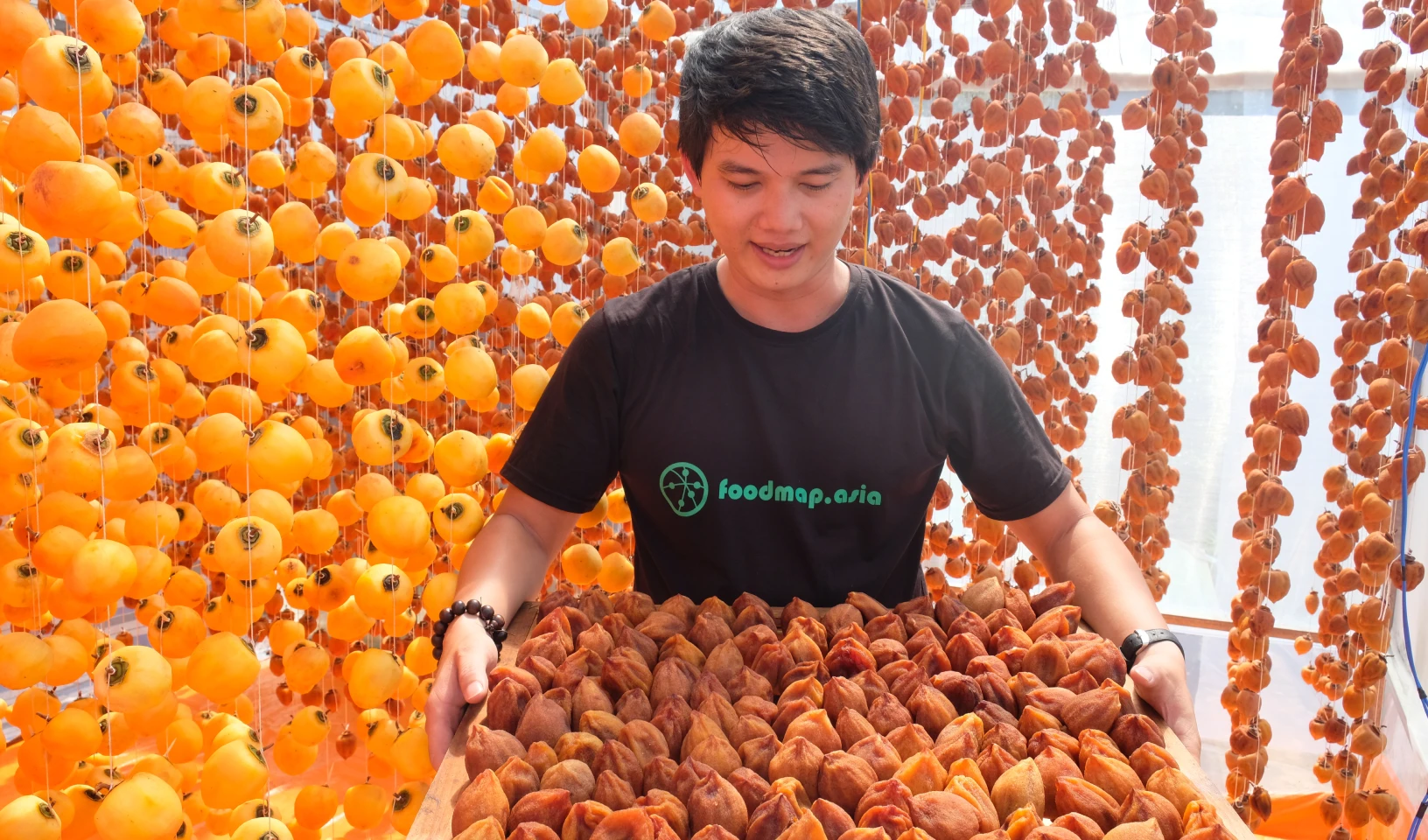
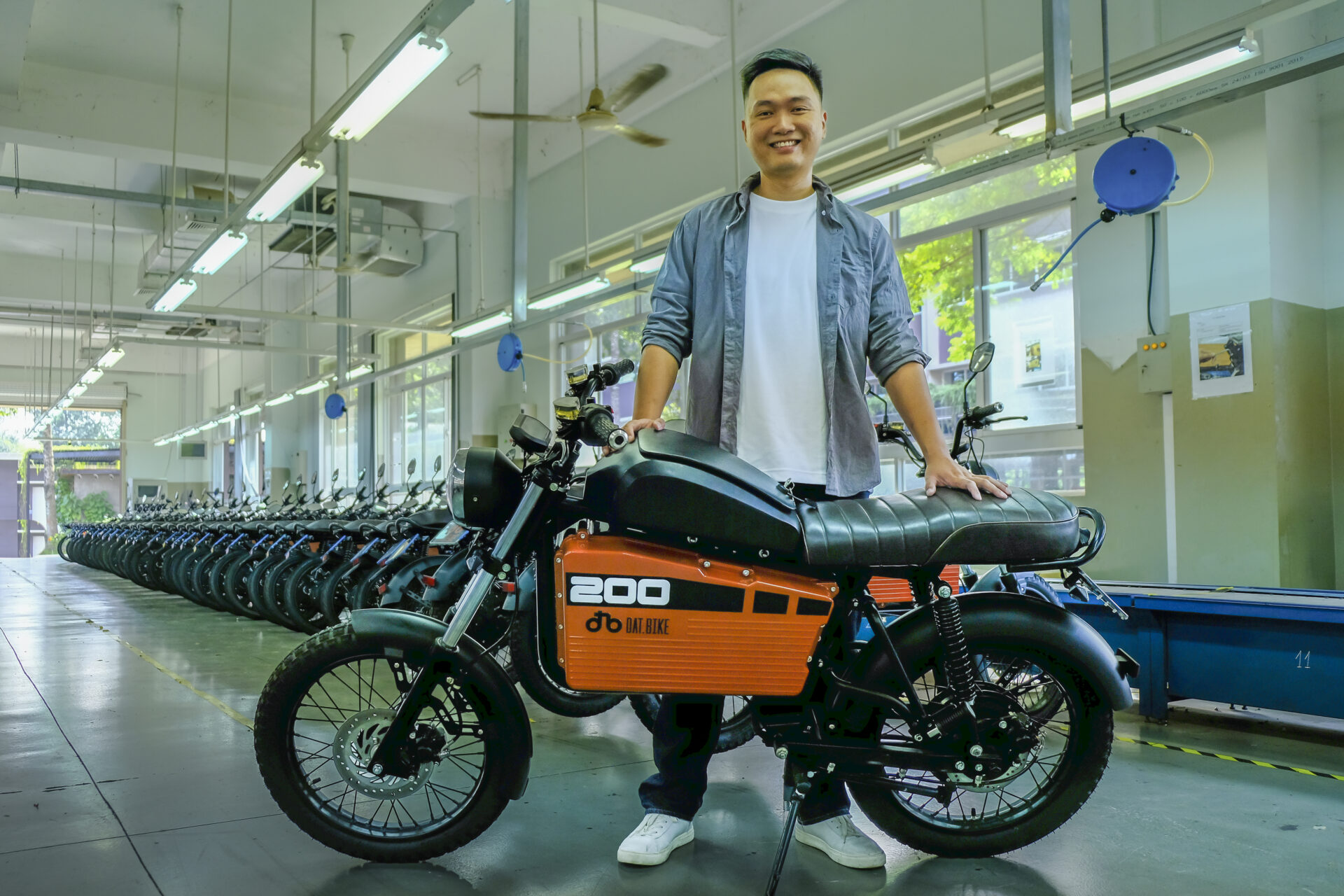

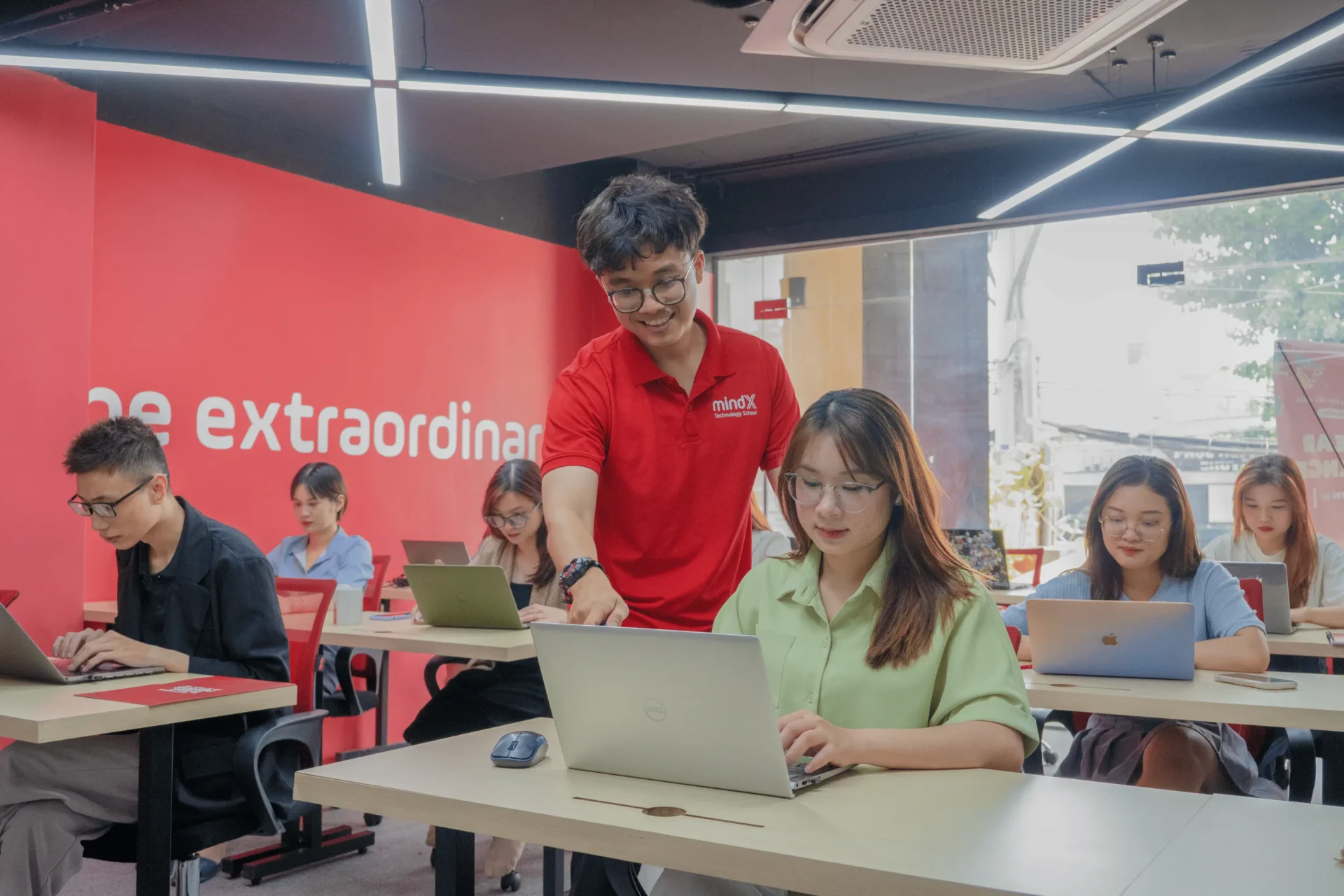


Providing family-owned stores direct access to manufacturers
- Partnered in 2017 for their Seed round
- Secured US$110M total to date, the largest-ever funding for a B2B platform in the Philippines
- Awarded VC Deal of the Year by SVCA in 2021



Solving Southeast Asia's affordable housing shortage
- Partnered in 2022 for their Series A round
- Secured US$80M in latest round, with a notable 3:1 debt-to-equity ratio
- Awarded VC Deal of the Year by SVCA in 2024


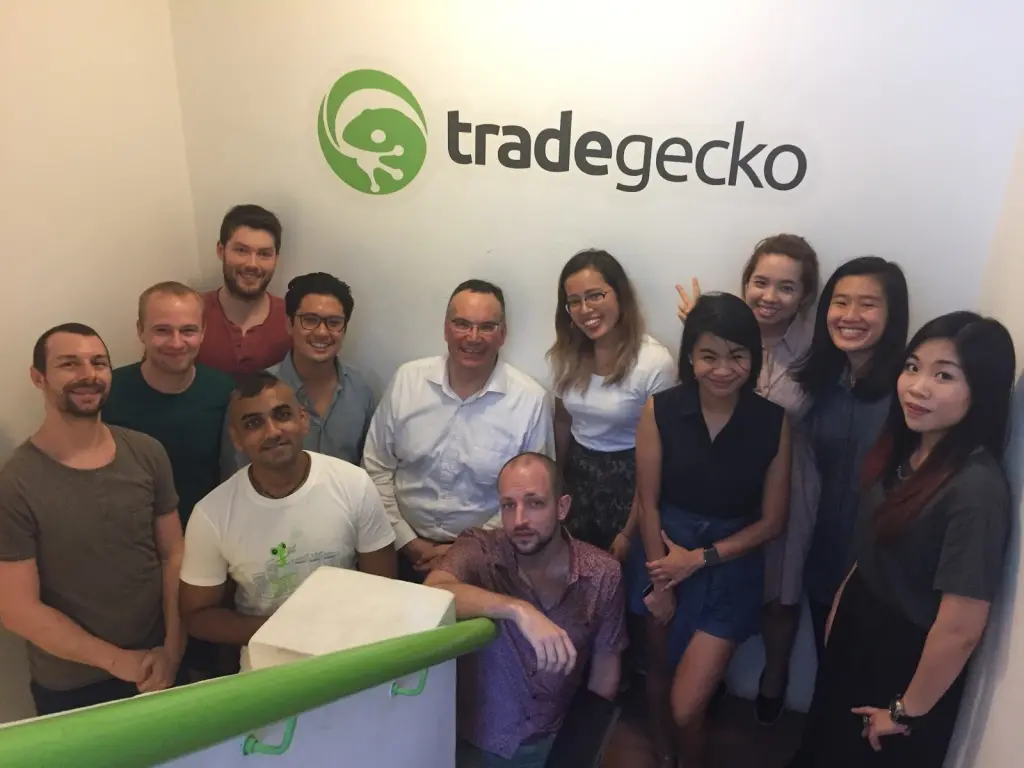
Empowering underserved wholesale and retail SMEs in sales & supply chains management
- Partnered in 2012 for their Seed round
- TradeGecko was acquired by Intuit in 2020 for US$80M, considered one of the largest exits in Singapore since the COVID-19 pandemic
- Awarded VC Exit of the Year by SVCA in 2021

Pioneered a reputable beauty e-commerce platform in Southeast Asia
- Partnered in 2012 for their Seed round
- Luxola was acquired by LVMH in 2015 and rebranded as Sephora Digital, becoming the French luxury group's e-commerce arm for Southeast Asia
- Awarded VC Exit of the Year by SVCA in 2016


Defending against financial crimes before they happen
- Partnered in 2015 for their Seed round
- Secured US$40M in Series B funding in 2022, bringing their total funding to US$55M
- Works with some of the world's largest banks and insurance companies, including Standard Chartered and HSBC—customers turned investors
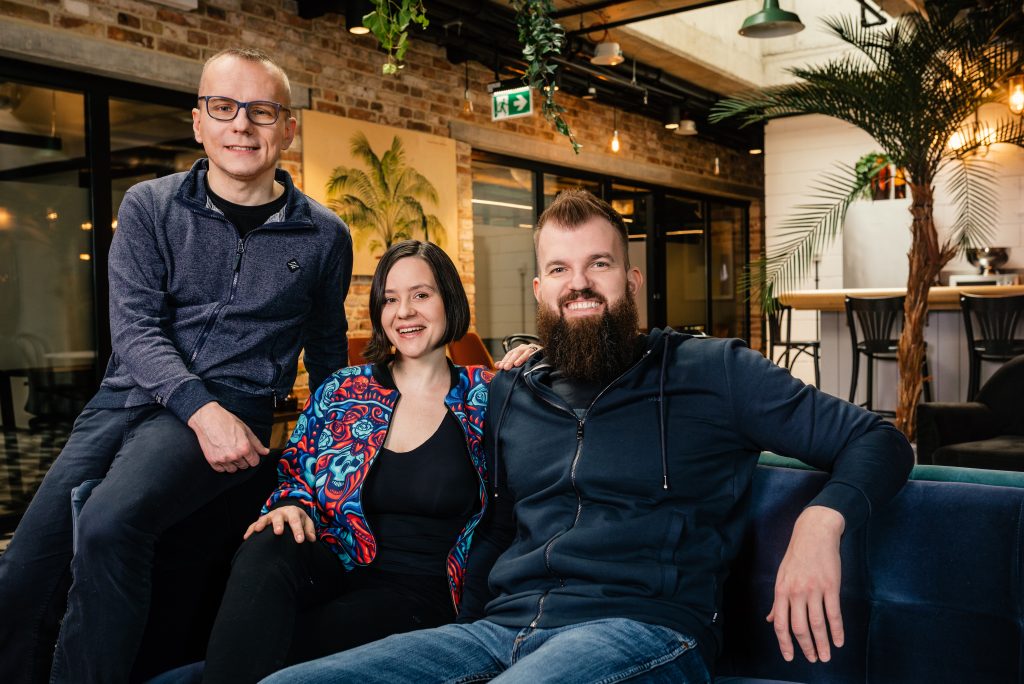

The world's first low-carbon, low-waste packaging system for premium spirits and wine
- Partnered in 2020 for their Seed round
- Closed US$10M in Series A funding in 2023
- Growing presence in 25 countries in Asia-Pacific, Europe, and the US, with partnerships with major spirits players, including Pernod Ricard and Diageo


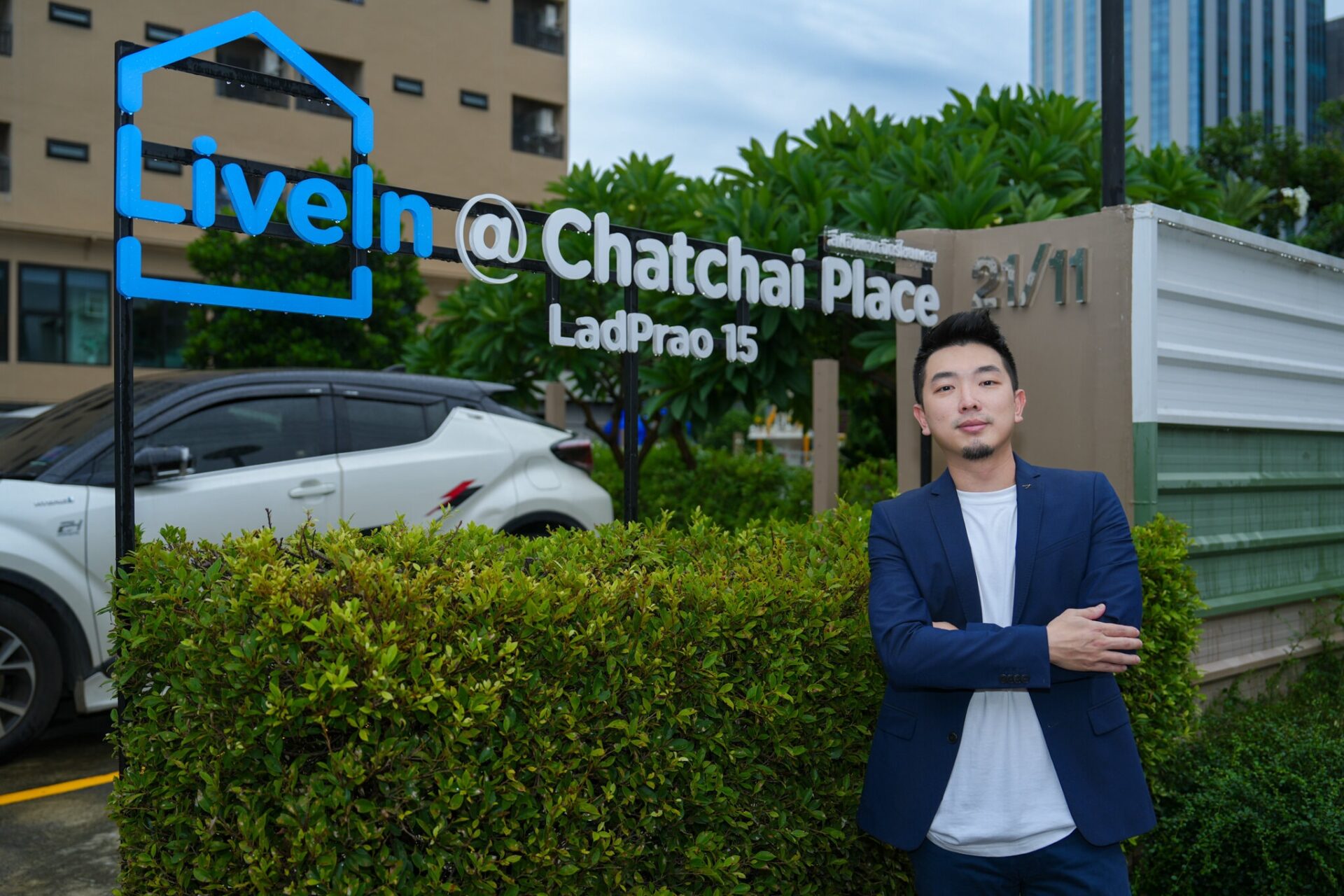
Transforming the long-stay co-living experience in Southeast Asia
- Partnered in 2018 for their Series A round
- Now the region's largest long-stay proptech with nearly 10K rooms
- Raised over US$8M pre-Series B in December 2023

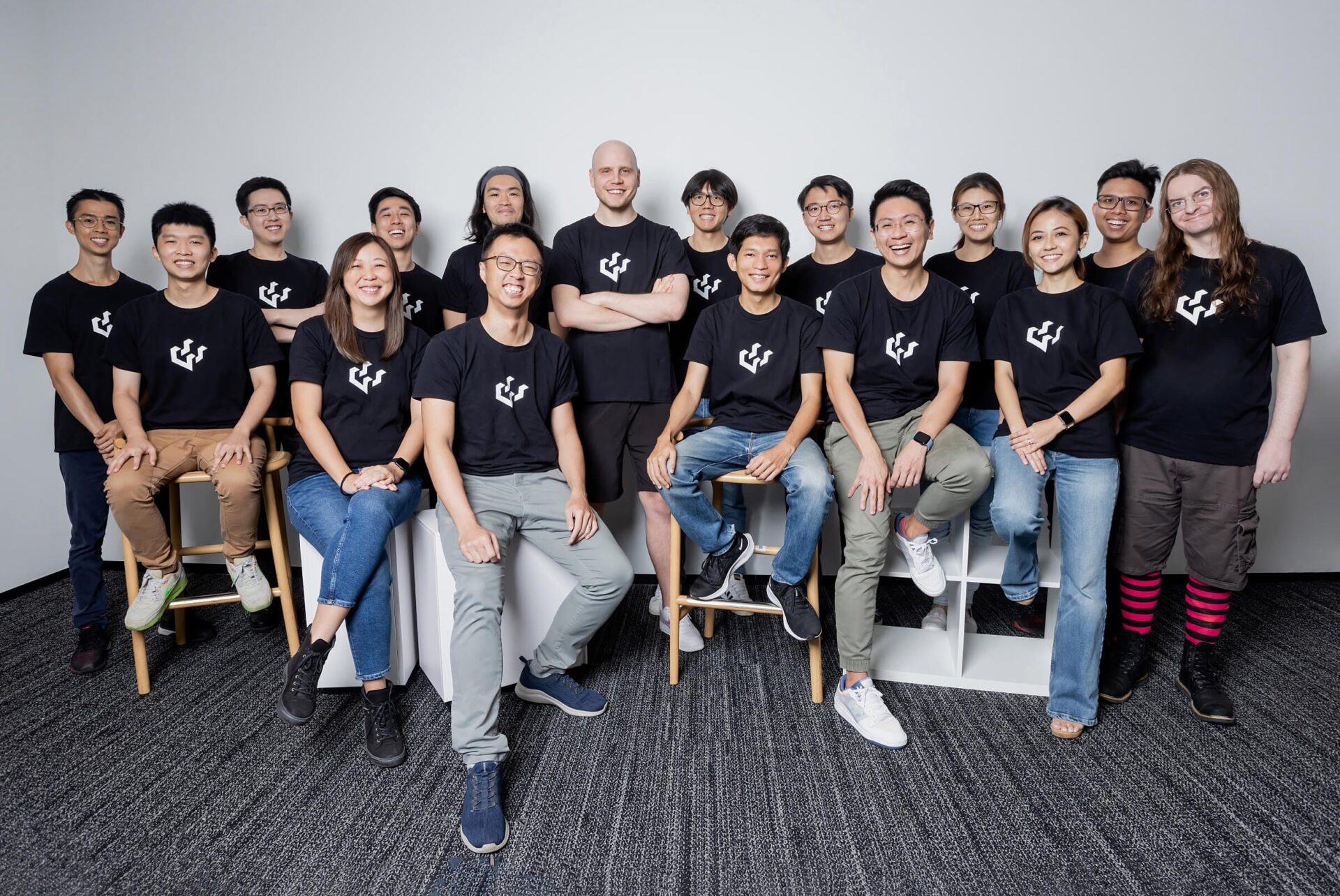
Protecting enterprises against cyber attacks with world-class offensive security expertise
- Partnered in 2021 for their Seed round
- Raised over US$10M in pre-Series A funding in 2022
- Partnered with leading cybersecurity providers in Europe and Asia-Pacific such as M.Tech, Ekco, and AZ

Powered hyper-personalised customer interactions for enterprises
- Partnered in 2015 for their Series A round
- Wavecell was acquired by US-based 8×8 for US$125M, making it one of the largest exits in Southeast Asia in 2019
- At the time of acquisition, Wavecell had 200 telecom partners and processed over 2 billion messages annually for 500+ enterprises


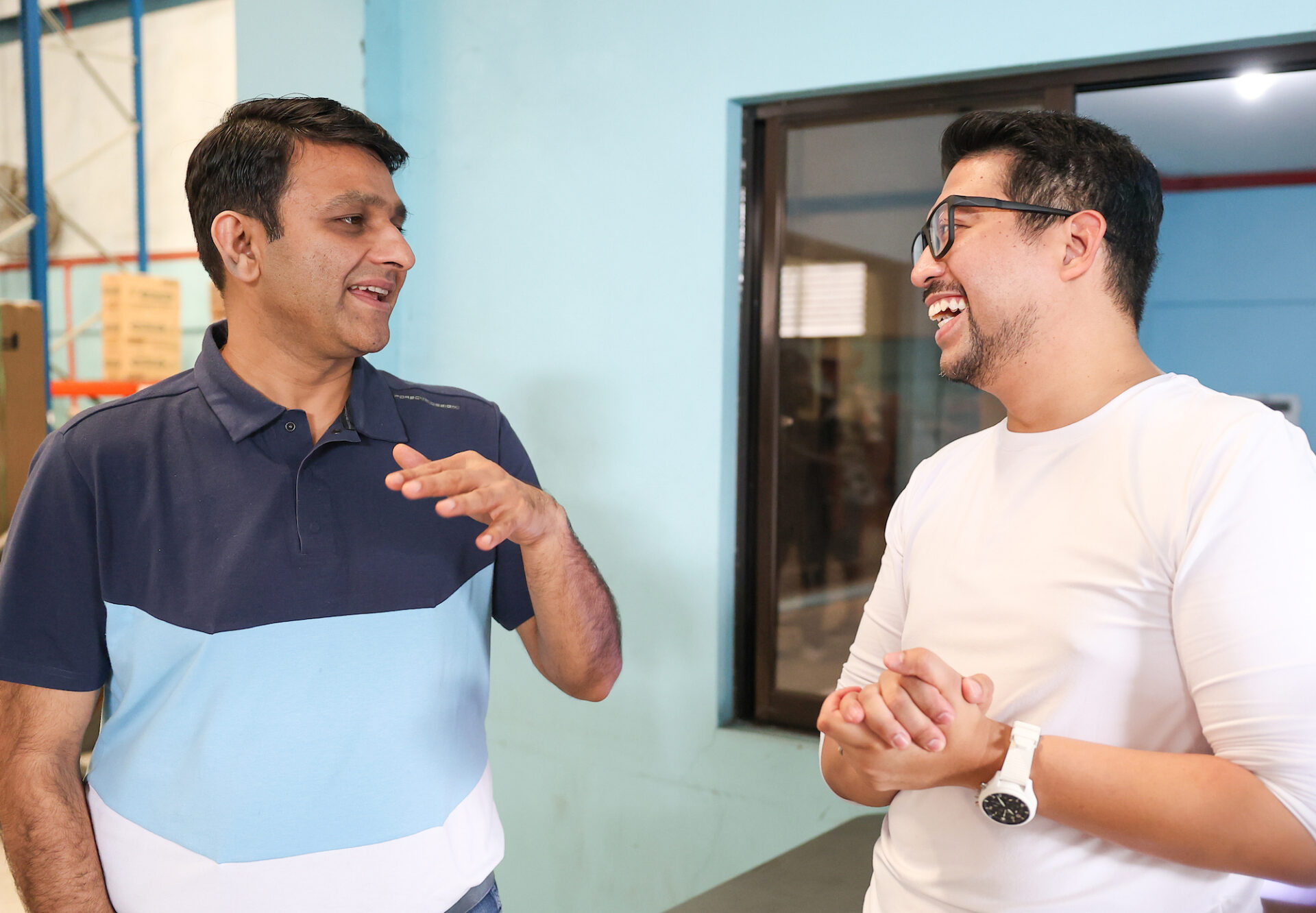




In a region where big hotel chains dominate online bookings, ZUZU Hospitality is arming independent properties with AI-powered tools and expertise to claim their rightful share of the market, driving impressive growth for thousands of local businesses.
Back in 2016, Vikram Malhi made a bold move. After 10 years at Expedia, where he had managed critical aspects of the company’s global operations, he decided to walk away. On paper, it didn’t make much sense. He had a thriving career, a big title, and the security of working at one of the world’s largest online travel companies. But something kept nagging at him: the glaring imbalance between big hotel chains and the thousands of small, independent hotels across Southeast Asia.
Under Jakarta’s sweltering sun, he hopped on a Gojek motorbike and crisscrossed the city, dropping by small hotels and talking with owners. He wanted to hear their struggles firsthand. Could a tech-driven solution help them attract more bookings? Could he help level the playing field?
The response was immediate. Owners didn’t just nod politely, they asked: “Do you have a contract I can sign?” At that point, he had no contract, no product, no company. Just an idea. Encouraged, he flew to Kuala Lumpur and repeated the experiment in Bukit Bintang, one of the city’s busiest tourist districts. Again, the answer was clear: the demand was real.
A few months later, Vikram launched ZUZU Hospitality Solutions: an innovative all-in-one tech platform centered on its proprietary, in-house revenue management software, designed specifically to empower independent hotels. The mission was straightforward: help small hotels boost revenue and compete with giants like Expedia, Booking.com, and global chains.
Today, ZUZU has become a trusted partner for more than 3,000 hotels across Southeast Asia, consistently lifting occupancy rates by 30-40% and helping owners capture a fairer share of online demand.
Why Independent Hotels
For Vikram, it’s not just a business opportunity – it’s personal. He’s drawn to the authenticity of independent hotels: mostly family-run properties where the owner might check you in themselves, recommend the best local street food, or share hidden gems you’d never find in a guidebook.
“My passion for independent hotels comes from the genuine care behind them. These owners aren’t just offering rooms; they’re sharing their neighbourhoods, their favourite spots, and the pride they have in their own community. And as the industry evolves, we need to protect that individuality — because a world where every hotel feels identical would take the soul out of travel.”
These hotels are also vital to local communities. They employ locals, preserve culture, and provide travelers with more meaningful stays. However, without digital tools, they risk being left behind in a world where bookings are increasingly made online.
One story illustrates ZUZU’s impact. In 2017, a modest 3-star hotel in Jakarta was stuck at 40% occupancy. With limited online presence, it simply couldn’t compete. After partnering with ZUZU, things changed quickly. By connecting them to more booking platforms, optimising their pricing, and streamlining their operations, ZUZU helped the hotel’s occupancy to surge to 90%. Revenue also jumped 70%.
For Vikram, stories like these are what fuel the mission.
A Fragmented Hotel Market
To understand the problem ZUZU is solving, let’s look at the numbers. Southeast Asia has around 75,000 hotels, and a staggering 90-95% of them are independents–small, often family-owned properties. But despite their dominance in numbers, they capture only a fraction of online booking revenue: 20-30%. The bulk still flows to chains.
The reason for this is chains have sophisticated tech and dedicated revenue and marketing teams. Independent hotels typically don’t. Many rely on manual systems or outdated software. They struggle with dynamic pricing, online visibility, and digital marketing. Without help, they remain invisible on booking platforms where algorithms favour well-resourced players.
Vikram first encountered this gap during his tenure at Expedia, where his passion for travel–sparked by years of travelling globally as a consultant across diverse industries (chocolate manufacturing to insurance) – collided with the realities of the market. “I thoroughly enjoy travel. Even today when I get on a plane, I’m super excited,” he says. Seeking a blend of tech and travel, he joined Expedia in the US in 2008, where he honed his skills managing global products, customer marketing initiatives, and eventually spearheading the company’s expansion into Asia in 2011. This included launching operations across Southeast Asia and India, and taking charge of the Asia P&L from a brand perspective.
It was in Southeast Asia that Vikram grappled with the intricacies of partnering with independent hotels, which consumed his final 3 years at Expedia. Chains were easy partners: tech-ready, well-staffed, and experienced in working with OTAs. By contrast, independent hotels had high staff turnover, limited digital literacy, and little infrastructure. Training them was a constant uphill battle, and eventually, Expedia couldn’t justify the investment.
But Vikram couldn’t shake the question: What if there was a way to give independent hotels the same tools as chains – without the overhead?
Building ZUZU
Vikram’s unique perspective, forged from OTA insider experience, revealed that while others saw the problem, few approached it with a focus on empowerment over branding.
“That’s how ZUZU started. We wanted to make sure that independent hotels could survive, compete, and get the best technology and service that the big chain hotels had.”
ZUZU’s model rests on 2 pillars:
- An intuitive all-in-one tech stack – centralising everything from reservations, pricing, revenue management, channel management, to reputation management and even payments. Instead of juggling multiple vendors that offer these services, hotels get one system that truly works.
- A service layer of expertise – ZUZU doesn’t just hand over software, it acts like a hotel’s outsourced revenue management team, guiding strategy and optimising performance.
The result: independent hotels quickly gain capabilities usually reserved for big brands. Moreover, ZUZU’s model doesn’t require heavy upfront investment. Unlike other hotel startups that required hotels to rebrand or renovate to join a network, ZUZU delivers value immediately. Hotels see their revenue rise within months, and since ZUZU takes a cut of bookings, incentives are perfectly aligned.
Why ZUZU Stands Out: Growing with Hoteliers
When Vikram started ZUZU, several other startups were chasing the same market. Companies like OYO and RedDoorz promised consistency through branding – standardising linens, room decor, and amenities. The approach became popular among investors, raising billions in funding and scaling quickly. But it also came with costs. Owners had to invest heavily into capex while inconsistent quality diluted trust among end-customers.
ZUZU chose a different path. “We don’t want to spend money…. on building a brand experience that may or may not be consistent,” Vikram explains. Instead, the focus is squarely on results – boosting hotel bookings, optimising pricing, and providing ROI (typically 40-50% online revenue increase within 3 to 6 months and 30-40% occupancy growth).
This capital-efficient model avoids splashy marketing and builds loyalty organically. And once revenue flows, ZUZU advises on targeted improvements, like enhancing review scores through data-driven insights, making conversations collaborative rather than prescriptive.
ZUZU’s defensibility comes from the nature of its market. Because the space is fragmented, bringing hotels on board takes personalised outreach – a slow, often tedious process that naturally keeps out fast-moving competitors. But once a hotel is integrated, ZUZU’s tech takes over critical functions that at that point, it becomes hard to imagine running without it, which drives strong retention. And what has started as a manual, hands-on effort has now scaled into a system that can easily handle 200 to 300 new hotel partners every month through automation.
As of August 2025, ZUZU has partnered with 3,000 independent hotels across Asia. Indonesia is the largest by hotel count, while Thailand generates the most revenue, thanks to high-value tourism in Bangkok and Phuket. The network also stretches into Malaysia, the Philippines, Vietnam, India, and Singapore. With 80 to 100 new hotels coming in each month, ZUZU expects to reach 3,200 hotels by year-end.
The numbers tell part of the story but ZUZU’s impact goes further. By helping independent hotels thrive, the company is supporting local jobs, strengthening local economies, and protecting cultural authenticity. That shows up not just in revenue growth, but in the survival of stories of hotels that weathered crises like the COVID pandemic with ZUZU by their side.
The Rollercoaster Years
One of the turning points for ZUZU was building its own tech. It started with the basics–its proprietary, in-house revenue management software and integrated with external channel management systems–and quickly leaned into automation. That shift freed teams from repetitive work and made scaling possible. At the same time, the company tightened its structure. Early on, people wore many hats, but within the first year and a half, ZUZU split roles more clearly–sales on one side, revenue management on the other. “Setting that structure early on and very quickly was the other piece that helped us scale up towards Series B,” Vikram recalls.

The challenges kept evolving. In the beginning, emotions ran high. “Every Friday or Monday I’d be like, oh, we’re not going to make it,” Vikram admits, looking back on the trial-and-error days when resources were thin. As growth picked up, the struggle shifted to hiring–finding the right people, aligned culturally, across very different markets. What worked in Thailand, where teams valued sensitivity, didn’t always resonate in India, where directness ruled.
Then came COVID-19, which nearly wiped everything out. With ZUZU’s model tied to bookings, revenue dropped 90% in just weeks. Borders shut, tourism froze, investor conversations evaporated. “It felt like survival was improbable,” Vikram says. But the team moved fast: cutting costs deeply, leaning into domestic travel, striking new partnerships, and strengthening infrastructure to weather the storm. They kept morale alive with virtual check-ins and small wins, while adapting constantly, launching promotions to spark demand and targeting hotels that lacked tech to stay afloat. Out of that crucible came resilience and unity. “At a leadership level, we all bonded a lot more through the emotional ups and downs, and we came out stronger.”
The grit paid off. By 2023, ZUZU not only survived but impressed its investors enough to close a Series B. In August 2025, it extended that round, raising US$5.9M from Wavemaker Growth, the Growth Fund of Wavemaker Partners; Velocity Ventures; Vulpes Ventures; and Latin Leap. The Wavemaker relationship runs deep, dating back to a US$2M Seed round in 2017, then Series A in 2019, and Series B in 2023.
As Shiv Choudhury, Founding Partner at Wavemaker Growth, puts it: “These hotels don’t have the technology and expertise that big chains have… ZUZU democratises access to top-notch technology and AI, helping them maximise revenue and grow occupancy rates. We’re excited to partner not just financially, but operationally–in go-to-market and organisational growth.”
Since then, ZUZU has doubled down on sharpening its sales motion, spotting high-value prospects, tightening conversions, and growing its teams. Profitability is now in focus. “Especially after this Series B Extension, within the next 6 to 9 months, we’ll be more strategic,” Vikram explains. “We want to refine sales efforts so we can increase our revenue per hotel.”
And Wavemaker’s impact goes far beyond capital, according to Vikram. They’ve been a sounding board since the early days—making introductions, sharing advice, and even sparking new ideas.
Conversations with Wavemaker Growth team led to experiments like “sales sprints” (grouping teams for focused market pushes, which boosted efficiency by 40%) and a freemium model (letting hotels try the tech immediately, already pulling in 10 sign-ups last month). Many of these ideas were born over casual dinners, where Wavemaker’s data-driven insights also helped refine operations. The relationship has been less about investor updates and more about co-creating growth.
Levelling the Playing Field for Independent Hotels
For Vikram, ZUZU is still only scratching the surface of Southeast Asia’s massive hospitality market. There’s plenty of untapped potential, and right now, the team is doubling down on two big frontiers.
The first is AI. ZUZU’s RevMate platform already taps into proprietary data from hotel partners to automate pricing and distribution, giving independents the kind of real-time insights they need to stay competitive when demand shifts. “We’re witnessing the most significant transformation in hospitality since the internet,” Vikram says. “AI is reshaping how demand is predicted and revenue is optimised.” This year’s investments reflect that–AI co-pilots that can generate instant reports for revenue managers, and tools that automatically respond to guest reviews. It’s all part of a broader trend: McKinsey estimates AI could unlock US$400 billion in value for the industry through smarter pricing, personalisation, and efficiency.
The second focus is ancillaries. These are the extras that major hotel chains rely on for 40 to 50% of their revenue, from airport transfers to dining and activities. Independent hotels often miss out here. ZUZU is building tools to close that gap, like QR codes in rooms for real-time promotions. Pilots are already live for pickups and e-SIMs, with more to come. The idea isn’t just to boost revenue but to turn each stay into a more complete guest experience.
Looking further ahead, Vikram sees opportunities in HR tools to help hotels manage staffing, procurement platforms to unlock bulk buying power, and financing options to fund upgrades. “There’s a lot we can solve for hotels over the long run,” he explains. “Our vision is to give independent hotel partners the same level of expertise and support that big chains enjoy.”

Here’s a hard truth: even in today’s high-tech world, many countries and communities still lack reliable access to basic needs like electricity, clean water, and safe housing.
A major reason is our rapidly dwindling resources, particularly rare earth minerals and metals. These materials are essential for building the infrastructure needed to bring essential services to underserved regions, and their scarcity is becoming a serious global concern.
While governments and mining companies are working to establish new mining facilities, the process takes years. One of the hardest and slowest parts is locating viable deposits, as these resources are buried deep underground. Mapping technology has advanced over the years but it’s still not fast or accurate enough to meet the world’s growing demands.
That’s starting to change. Atomionics, a deep tech company which raised US$12.7M in Pre-Series A funding recently, is on a mission to democratise access to the Earth’s hidden mineral resources. Founded in 2018 by Sahil Tapiawala (CEO) and Dr. Ravi Kumar (CTO), Atomionics is using breakthrough quantum gravimetry to map the Earth’s subsurface with a level of precision and speed previously unimaginable.
Lasers, Atoms, and the Big Idea
Before starting Atomionics, Sahil and Ravi were already knee-deep in advanced science. Sahil graduated with a double major in chemistry and electronics engineering, then worked on robotics and 3D printing, including metal printers for industrial repair. Though a first-time founder, he joined Entrepreneur First (EF), an incubator that helps deep tech entrepreneurs turn research into businesses.
Ravi, fascinated by lasers and light, earned a Master’s degree in photonics in India, later focusing on how to cool and trap atoms with lasers. This work took him to Ireland and Japan for his PhD in cold atom physics, and then to Singapore’s Centre for Quantum Technologies (CQT), for his post-doctoral research on quantum memory and cavity quantum electrodynamics. Like Sahil, he was a first-time founder, motivated to apply lab tech to real-world problems. The two met through a mutual friend.
“I was curious about lasers for a metal 3D printing idea because lasers are a key function for a metal 3D printer,” Sahil said. “Little did I know that Ravi would turn my interest towards a different direction.” Sahil was “nerd-sniped” by cold atom interferometry, describing it as “a step change in the trajectory of humanity… a new paradigm on how sensing happens.”
“For me, the question was always: why hasn’t this made it out of the lab?” Ravi said. “Why are we sitting on technology this impactful and not applying it to real-world problems?”
Atomionics has built quantum gravimeters, ultra-sensitive instruments that measure gravitational anomalies beneath the Earth’s surface. Combined with proprietary AI models, these readings are used to build 3D “X-rays” of the underground, revealing mineral deposits, geothermal energy, and even natural hydrogen.
At the core is cold atom interferometry, where lasers slow and trap atoms until they start displaying wave-like properties. These wave behaviours shift under gravity, and by measuring those changes, Atomionics detects the tiniest variations in gravitational pull, often caused by heavier materials like minerals. “Mineral-rich zones affect gravity differently than the surrounding soil. So we measure that difference to map what’s underground,” Ravi explained.
“It was clear this wasn’t just cool science, it had massive commercial and social potential,” Sahil said.
The End of Trial-and-Error Mining
The tech is especially urgent as the world faces a materials bottleneck in the green energy transition. Demand for copper, lithium, cobalt, and rare earths is skyrocketing. We’ll need as much copper in the next decade as in the last century, yet discoveries are very slow and expensive.
“90% of drilling today happens in the wrong place,” Sahil explains. “It’s still largely trial and error. That’s where we come in.”
With Atomionics, explorers can move from months-long, low-resolution and manually plotted surveys to high-density, real-time imaging.
“Think of it like going from an 8-bit screen to a 4K ultra-HD display,” Sahil said. “But instead of pixels, you’re seeing the planet’s crust.”
“Traditional surveys take months and generate one data point every 100 meters,” added Ravi. “Ours are faster, denser, and sharper. That’s the 10x improvement any new tech needs.”
Atomionics’ defensibility comes from proprietary quantum IP and AI on high-resolution data. The tech has scaled from lab prototypes to vans, and now drones for hard-to-reach sites. Long term, the vision is hundreds of drones or satellites mapping entire countries rapidly, building a live global resource map so explorers are not shooting in the dark. “No more wasted exploration. Just clarity,” Sahil said.
Scaling Up and Reaching Beyond Asia
Atomionics has completed pilots across Australia and the US, and is doing a pilot in India, with some of the world’s largest mining and energy companies. Several of these pilots have become repeat commercial engagements. However, the company set up its launchpad in none other than Singapore.
“Singapore is one of the most techno-optimistic countries, and because of this, it has become an important talent hub. People with very unique and niche talents move to Singapore, which allows us to build up from there,” said Sahil. “The second reason would be access to capital, as it has also become a well-known hub for venture capital.”
A lot of their customers’ headquarters are also located in the city-state despite having no local mines. “And from here, it’s easier to reach other target markets,” Sahil said.
Ravi also added that Singapore has become recognised as one of the leaders in the quantum technology sector. On top of that, the Singapore government understands that this is an important technological advancement that should be built in Singapore.
Atomionics’ gravimeters have been tested with Rio Tinto (mining) and Bridgeport (oil/gas) in Arizona and Australia, showing that delicate instruments once limited to ultra stable environments, can now operate in the harsh conditions of the Arizona desert and Australian outback. These trials proved that they can deliver data at higher resolution and in shorter timeframes than traditional methods, demonstrating real-world applications and solving industry-scale problems.
Additionally, these field tests have also played a major role in devising ways for Atomionics to improve their current design. Client feedback has been valuable for iterations. This is where the idea to build a gravimeter small enough to fit on a drone originated from, because there were locations inaccessible via vans.

The Pivot, The Push, The Proof
Atomionics’ journey could have gone very differently. Initially, Sahil and Ravi focused on underwater navigation–an idea that won them their first backing from Wavemaker Partners. But after many discussions with Wavemaker, they realised that the bigger opportunity was below the Earth’s surface or more accurately, in minerals that are critical to accelerate the transition towards clean energy. “Pivoting to resource exploration essentially changed the trajectory of the company,” Sahil said.
What they had planned to create was unconventional, not just in Asia but around the world. There wasn’t a Minimum Viable Product (MVP) they could use as a base for their gravimeter. “You can’t build an MVP for quantum sensors without funding,” Sahil noted. They needed investors who believed in the vision. “We had to figure out which was the right investor base for us. Thankfully, Wavemaker helped us with this from the get-go.” This allowed them to secure the resources they needed to create field-ready hardware.
However, even with capital, the team faced hurdles. Niche components were sourced from a handful of suppliers worldwide, so they had to build supply chains themselves, Ravi explained.
Next came the challenge of choosing the right customers to work with first. With only a limited number of gravimeters available, they had to be careful about who they partnered with. “There’s a curve, early adopters versus the early majority,” Sahil said. “We preferred partners who gave us great feedback because that helped us to build better.”
Scaling the team was another test. As new leaders managing a company of their own, they had to learn how to navigate aspects of expanding to other countries while maintaining the culture of the organisation and implementing new processes. “When it’s just five people, you can sit in a room and hash things out,” Sahil noted. “But when you’re 30, 50, or 100 across multiple countries, you need processes that preserve culture while supporting growth.“

Deep Tech, Deep Conviction
What’s kept Atomionics going? A shared conviction. Beneath those operational challenges they shared were deeply personal motivations.
Sahil grew up in Mumbai where blackouts were common. “It always bugged me–why should a city of millions live without power? Energy runs our world. That frustration has stayed with me,” he said. For Ravi, the driver was impatience. “So many breakthroughs sit in labs for decades. Why not outside? How long should we wait to put these tools to use?”
Sahil returns to the idea of sustainable energy abundance. “I don’t want my kids or anyone’s kids to grow up worrying about energy,” he said. “We’ve had scarcity for too long. If we map the planet, find what we need, and distribute it fairly, there’s no reason we can’t have enough for everyone.”
Ravi’s vision is equally expansive. “One day, every car, every plane, every building could have a quantum sensor,” he said. “For navigation, safety, and infrastructure. GPS-free. Earthquake prediction. Planet monitoring. We’re just scratching the surface.”
It’s also about building a deep tech ecosystem in Singapore. “We want to prove that globally scalable deep tech companies can be built here,” Sahil said. “Back in the 1960s, companies like Intel and HP turned employees into equity holders, and that gave birth to Silicon Valley. We need more places like that. Singapore could be one of them.”
Inside Atomionics, that vision translates into culture. “No challenge is too difficult. The pursuit of excellence and craftsmanship is one of humanity’s highest callings. And if we do this right, our team will walk away not just with knowledge, but with financial independence too,” Sahil said.
Atomionics is thankful for the support from Wavemaker. “They weren’t just a funder, they were a thought partner,” Sahil said. “From early questions around our product and market to pivoting from underwater navigation to mineral exploration, their guidance was crucial.”
“Other than that, as a first-time founder, I also really appreciate how Wavemaker keeps in touch with us regularly and helps us get through operational challenges,” added Ravi.
“When we first met Atomionics, they didn’t even have a prototype. All we had was a view of the vacuum chamber, optical and electronics systems that filled an entire room at CQT, and a bold idea to miniaturise it into something the size of a football that could precisely measure gravity, acceleration, and rotation,” said Joel Ang, Investment Principal at Wavemaker Partners. “We backed the founders for their vision and perseverance, and are proud to see the major strides made since. Together, we’re excited to keep pushing this breakthrough technology forward.”

What’s Next: A Map of Earth, then Mars
When asked about the ultimate vision, Sahil hopes Atomionics can map significant portions of the Earth’s crust to be able to harness its energy, minerals, and other resources more responsibly and abundantly.
To achieve this, Atomionics plans to scale up its fleet of drone-mounted gravimeters over the next few years, enabling faster and more precise surveys of vast, remote terrain.
Additionally, Atomionics believes and is confident that with a few tweaks and upgrades, they can revisit their initial concept of underwater exploration and conduct deep-sea mineral exploration.
“With a few hundred or a couple of thousand drones, you could map out an entire nation. And if we can take this to satellites, we can create a live, global map of Earth’s resources,” said Sahil.
Beyond mapping, Atomionics is also looking to create what Sahil dubs an AI geologist, an intelligence layer that uses data from scans to generate a high-resolution 3D map of the Earth’s subsurface. This model won’t just pinpoint existing mineral deposits but will also predict where the next ones are likely to be found, unlocking unprecedented foresight for global resource exploration.
In the next three to five years, their focus is clear: to deliver a virtually complete global map of critical minerals and help solve the supply crunch once and for all.
A key step towards this vision is their US$12.7 million Pre-Series A round announced in September 2025, led by Australia’s private investment firm Paspalis, with participation from BHP Ventures, IQT, Wavemaker Ventures, VU Venture Partners, SG Growth Capital, and Alex Turnbull, and others. This funding will accelerate resource exploration, where early deployments are already underway in the Northern Territory of Australia, and support Atomionics’ expansion into North America to serve both commercial and national security priorities.
Ravi looks further ahead at the underlying technology’s potential to transform entire industries. “Personally, I see Atomionics becoming the ones who provide others with the foundation of this technology that can then evolve to be used as tools to support other sectors in the future.”
Beyond that are much grander plans. Atomionics see the possibility of taking their gravimeters into orbit. With satellite-based gravimetry, the company could potentially scan other planets in space.
“We’re not stopping at Earth,” he said. “This same tech can help map the moon, Mars, and the other planets. We’re not just solving today’s problems, we’re laying the foundation for humanity’s next frontier.”

In 2014, Patrick Gentry realised his team was spending too much time in line. Twice a week, as Chief Innovation Officer at KMC Solutions, he watched them trek to four government agencies in the Philippines–BIR, Pag-IBIG, PhilHealth, and SSS–carrying stacks of payroll forms that they had painstakingly calculated by hand.
“It was insane,” Patrick recalls. “We were crunching numbers endlessly, only to stand in queues for hours to file them.”
As if that weren’t bad enough, he discovered that the Philippines had 36 unique overtime rates–permutations like night differentials on rest days that overlap with holidays. No global HR system had ever solved such complexity. To make payroll survivable, the team hacked together an internal payroll engine. It was meant to be a stopgap. But instead, it became the seed of something much bigger.
Together with his wife, Alex, Patrick transformed that payroll tool into Sprout Solutions, a Software-as-a-Service (SaaS) human capital ecosystem–combining compliance, payroll outsourcing, employee engagement, and AI-powered insights. What started as a fix for bureaucratic chaos has become a movement to reshape how companies across Southeast Asia manage, empower, and care for their people.
From Accidental Innovators to Mission-Driven Founders
Patrick often describes Sprout’s beginnings as “pulling on a loose thread.” Once he tugged at payroll inefficiencies, everything began to unravel: timekeeping, compliance, benefits, performance reviews–nothing worked as it should.
Patrick’s background hardly suggested he would end up in HR tech. He grew up in rural Oregon on a family farm, learning how to nurture growth with patience and persistence. After studying abroad, he landed in the Philippines, co-founding KMC Solutions, a serviced office provider. His CIO role gave him a front-row seat to the pain points of HR in a complex, regulation-heavy market.
Alex’s path was just as unexpected. A Manila native, she had built a career in publishing, rising to group publisher at Inquirer Hinge. Eventually, she pivoted to software development, where her product sensibilities meshed perfectly with Patrick’s drive to fix broken systems.
She initially got involved in Sprout while taking care of their then two-year-old son, offering design advice on dashboards. “Patrick was addressing this need that he and his then company were experiencing,” she recalls. “I had experience and expertise in user experience (UX) and product development. We wanted to see if other companies would benefit from what we were creating.”
The Gentrys weren’t HR veterans, but that may have been to their advantage. They weren’t beholden to legacy processes. They were natural problem-solvers who saw inefficiencies not as barriers but as invitations to innovate.
Their turning point came in 2017, when Sprout joined an accelerator programme in California. For 4 months, the couple lived and breathed startup discipline, pressure-testing their product and defining their north star: “To impact the life of every Filipino by improving business in the Philippines.”
That mission gave Sprout a meaningful purpose. The goal was no longer just fixing payroll but creating ripple effects: companies operating more efficiently, employees feeling supported, and families thriving as a result. “We were in Sprout for the long haul, to do something big and meaningful. This is a tool whereby we can have an impact, like the kind of data that can drive solutions that allow companies to take better care of their employees,” Patrick says. “We do see our software having that ripple effect: if businesses can take better care of their employees, then employees can take better care of their families.”
Why HR in the Philippines Is Unlike Anywhere Else
To understand why Sprout exists, one must understand HR in the Philippines.
Payroll alone is a maze: dozens of overtime combinations, multiple government-mandated benefits, and compliance requirements that still demand physical submission of forms. Attendance tracking often relies on paper logs or spreadsheets. Performance evaluations sit in forgotten Word documents until someone needs them urgently.
This patchwork system drains morale. Employees often don’t understand their payslips, can’t access leave records, or wait weeks for basic compliance documents. For employers, it breeds errors, inefficiencies, and high attrition.
Sprout solves a lingering, unspoken problem: massive demoralisation can lead to a costly attrition rate. “Just 1% attrition can cost millions of dollars per year” from additional expenses for hiring, replacing, and training new hires, Patrick explains.
The stakes are enormous. The business process outsourcing sector alone employs millions and contributes heavily to the Philippine economy. Yet attrition remains stubbornly high, often linked to HR frustrations.
What complicates matters further is cultural nuance. Filipinos are deeply relational. HR is personal. Managers know birthdays, family stories, and employee quirks. A purely transactional system falls flat.
That’s why global HR platforms have struggled in the Philippines. They weren’t designed for the quirks of the local Labour Code, let alone the human dynamics. “Outsiders can’t grasp it better than us’ it’s hyper-local,” Patrick says. Alex adds, “Technology has to enhance human connection, not replace it.”
This sensitivity became Sprout’s edge. Fixing HR in the Philippines wasn’t just about digitisation–it was about trust, transparency, and empowering employees with clarity and fairness.
Building a Human Capital Ecosystem
From its payroll-engine roots, Sprout has grown into a platform touching nearly every aspect of workforce management:
- People management automation: Attendance, leave requests, and government compliance, all digitised and simplified
- Talent management: Recruitment, salary benchmarking, and performance tracking
- Employee empowerment: Real-time salary visibility, emergency fund access, and feedback loops
Payroll outsourcing: A service that cuts processing time by 90% and delivers 99% accuracy - Advanced analytics: Insights into attrition, overtime trends, and workforce costs
Sprout’s differentiation lies in its adaptability to Philippine compliance while delivering measurable results. Clients have reported up to 10x ROI.
“This ecosystem vision was sharpened, thanks to our early investor Wavemaker,” Patrick notes. He says Paul Santos, Wavemaker Partners’ Managing Partner, became a mentor, constantly challenging assumptions. “He poked us in all these ways that no other investors really had at that point,” Patrick recalls. “He really made us think about the business in new ways. It’s so rare to have somebody do that, especially because we’re so close to the business.”
Reflecting on Sprout’s trajectory, Paul adds: “The journey to becoming the Philippines’ largest homegrown B2B SaaS company highlights 2 lessons. First is its unwavering customer focus: a mission-driven commitment to solving real pain points, fuelling innovation and product improvement. Second is its boldness: the courage to seize opportunities, make rare acquisitions, and shape the market as a pioneer rather than a follower.”

But impact isn’t just financial. Companies report 20-30% efficiency gains and reduced attrition. Sprout has created over 430 jobs internally while cutting paper usage, contributing to sustainability goals.
At scale, these efficiencies ripple outward. “Better employee care links directly to family well-being,” Patrick emphasises.
Sprout’s thought leadership extends beyond its clients. Its report, The State of HR 2025, provides CEOs, CHROs, and other industry leaders actionable insights to navigate the complexities of 21st-century people management. Key findings include:
- Average tenure of the typical Filipino employee before moving on: 1.8 years
- Workforce engagement with teammates (reducing attrition likelihood): 51%
- Readiness of employees to use and optimise AI: 62%
Beyond the Philippines: A Regional Push
While the Philippines remains Sprout’s anchor, expansion is underway. The company now serves clients in Thailand, Singapore, Malaysia, Australia, and Kazakhstan, often using acquisitions to localise solutions.
“Core HR is underserved across the region,” Patrick says. “Most companies are still stuck on Excel, or not having the data to take better care of their employees. We want to meet them where they are, with solutions tailored for their context and price points.”
Sprout’s defensibility lies in their proprietary payroll tech, AI algorithms, and ISO 27001 certification and SOC 2 compliance, giving it a gold stamp for security. With data from over 300,000 users, the platform can predict attrition trends, analyse sentiment, and even flag wellness risks.
However, reaching this kind of scale has not been a walk in the park.
“Security is an existential threat to any software business today,” Patrick acknowledges. “Sprout has very sensitive information, and we have to be very careful with the data that we have. We are also very careful with compliance with laws like the Data Privacy Act. We also have a very robust security operations team looking after the software.”
Growing to 430 employees also brings bureaucracy risks. Expanding abroad requires cultural fluency and patience. And convincing legacy companies to adopt tech takes a lot of persistence.
Sprout’s resilience comes from its culture of iteration. “We embrace failure as learning,” Patrick says. “What matters is speed; fix it, test again, move forward.”

The biggest pivot–adding payroll outsourcing to its SaaS product–was controversial internally but ultimately game-changing. “To others it seemed like we were a tech company then we became a service business through outsourcing,” Patrick explains. But what it really means is that Sprout provides a service which is still driven and made incredibly efficient by our tech. “And that business is now a major component of the company.”
Externally, skepticism about automation always persists. Sprout counters this by emphasising people-first tech. Alex frames it simply: “We’re not replacing HR with tech. We’re helping HR be more human.”
The Role of AI
Sprout has embraced AI not as a replacement but as an enhancer. In 2023, it acquired Aiah, relaunching it as Sail Sprout AI Labs. This accelerated development of agentic AI tools like the upcoming Payroll Sidekick, which automates repetitive tasks while surfacing deeper workforce insights.
“A payroll person today still gets bogged down with a lot of administrative tasks even though he is using one of our tools,” Patrick explains. “But in the AI-fuelled future, that same HR staffer can tell his ‘really smart sidekick’ that he will be the one to process payroll for them. He can ask them to check on overtime patterns especially if one division is working longer hours than others. Ultimately, the human HR manager will ask the AI sidekick to recommend solutions that will eliminate that overtime trend for the next payroll run without affecting productivity.”
What’s Next for Sprout
Looking ahead, Sprout is doubling down on its AI-powered ecosystem. Payroll Sidekick will launch in late 2025, followed by real-time earned wage access, customised employee wellness with HMOs, and predictive analytics for retention.
The goal: one million users within five years and a firm foothold as Southeast Asia’s HR leader.
“We’ve really gone very deep and very narrow in addressing the problems for the Philippine market. But other markets have the same problems: people doing company things on Excel, or not having the data to take better care of their employees. Core HR is an underserved space across the region and we want to solve it,” Patrick says.
Underlying every product is the philosophy that started in those long government queues: care. “Wellness can save lives,” he reflects. “And when you save somebody’s life, their family is affected dramatically. We want to see that ripple effect keep on growing until 50 or 100 years from now.”
Alex puts it simply: “We’ve come a long way, but we’re just getting started. Our mission is to build workplaces where people feel valued and businesses thrive because of it. That’s the future we’re working toward.”
