By: Pamela C. Huynh and Minh N. Vu
Seyfarth synopsis: Another federal judge in NY scrutinizes a serial plaintiff’s standing to sue and sua sponte orders discovery and an evidentiary hearing into jurisdictional issues.
The copy‑and‑paste nature of a serial plaintiff’s boilerplate complaint in a website accessibility lawsuit has given another judge in the Southern District of New York reason to “pause.” Following several federal New York decisions scrutinizing standing in ADA website accessibility suits, District Judge Jeanette A. Vargas took the unusual step of ordering jurisdictional discovery and an evidentiary hearing into whether the plaintiff in Fernandez v. Cuddle Clones, LLC actually suffered an injury‑in‑fact. The discovery and hearing will focus on whether the serial plaintiff genuinely intended to complete an alleged online purchase from the purveyor of custom pet plushies. Such a finding is necessary for the plaintiff to have standing to pursue the lawsuit.
Judge Vargas ordered the discovery and hearing sua sponte (i.e. on her own accord) based on several red flags.
First, although the plaintiff’s filing of more than 57 ADA website lawsuits was not itself disqualifying, the content and timing of those filings raised concerns. Within a four‑day period, she allegedly attempted to buy a slew of items, ranging from vitamins to a solar generator, which ultimately resulted in 22 lawsuits. Second, the plaintiff’s complaints in each of these lawsuits were nearly identical in structure and substance, mirroring the hundreds of similar ADA website complaints her counsel filed on behalf of various plaintiffs. Third, the complaint’s allegation that plaintiff wanted to buy a “pet toy” made no sense because the retailer only sells high-priced custom plush replicas of pets for their owners.
Taken together, these circumstances led Judge Vargas to question the plaintiff’s professed intent to make a purchase. She therefore ordered expedited jurisdictional discovery to be completed within less than a month, followed by an evidentiary hearing to determine whether standing exists.
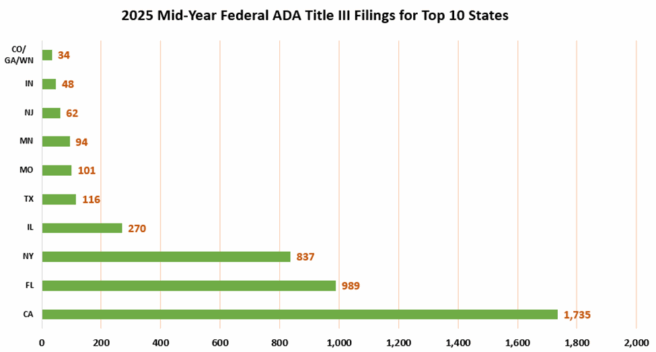
This case adds to the growing body of decisions in which federal courts in New York are intensifying their scrutiny of standing in ADA website cases. The increased rigor has also contributed to a shift of filings into state court, where plaintiffs face less demanding standing requirements.
Edited by: Kristina M. Launey