Lessons Learnt UAE COP 28 Presidency

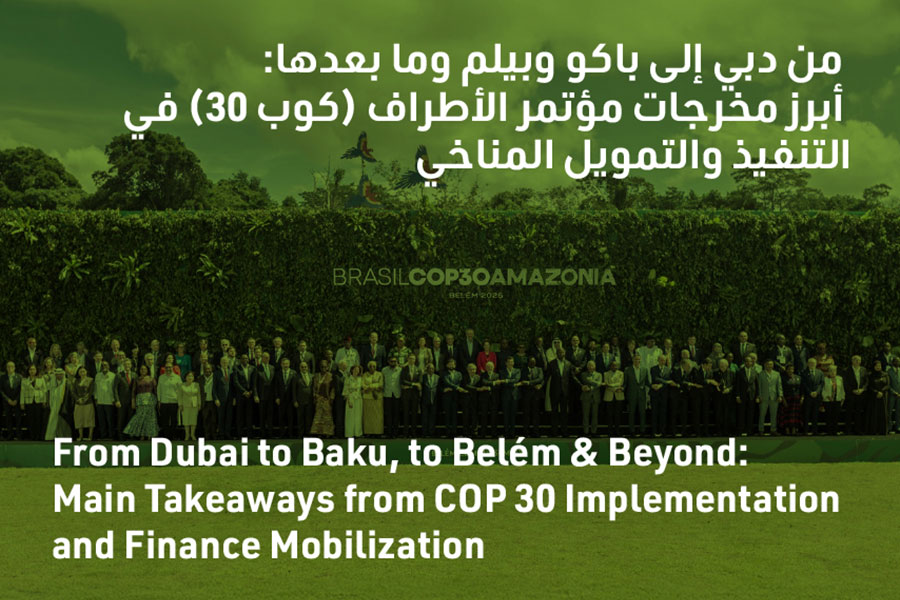
Climate negotiations are among the most complex forms of multilateral diplomacy. Every year, a different country takes on the challenging and prestigious task of presiding over the climate change negotiations. The host country is responsible for welcoming sometimes over 40,000 participants to the Conference of the Parties (COP) to the UNFCCC and for facilitating consensus among more than 190 Parties, a role that requires exceptional leadership and diplomacy. This report presents insights on how the United Arab Emirates (UAE) successfully took on this challenge. Based on 25 semi-structured interviews conducted with COP28 negotiators and supporting staff, it draws lessons learnt from the UAE’s journey as COP Presidency. The report provides recommendations on the bidding process, staff recruitment, capacity building, communication, relations with other negotiating parties, and strategies for facilitating the negotiation process. The aim of the report is to support other countries who are considering taking on the COP Presidency, but also more generally inform countries’ approach to multilateral engagement—be it within the UNFCCC or other processes.

Read More

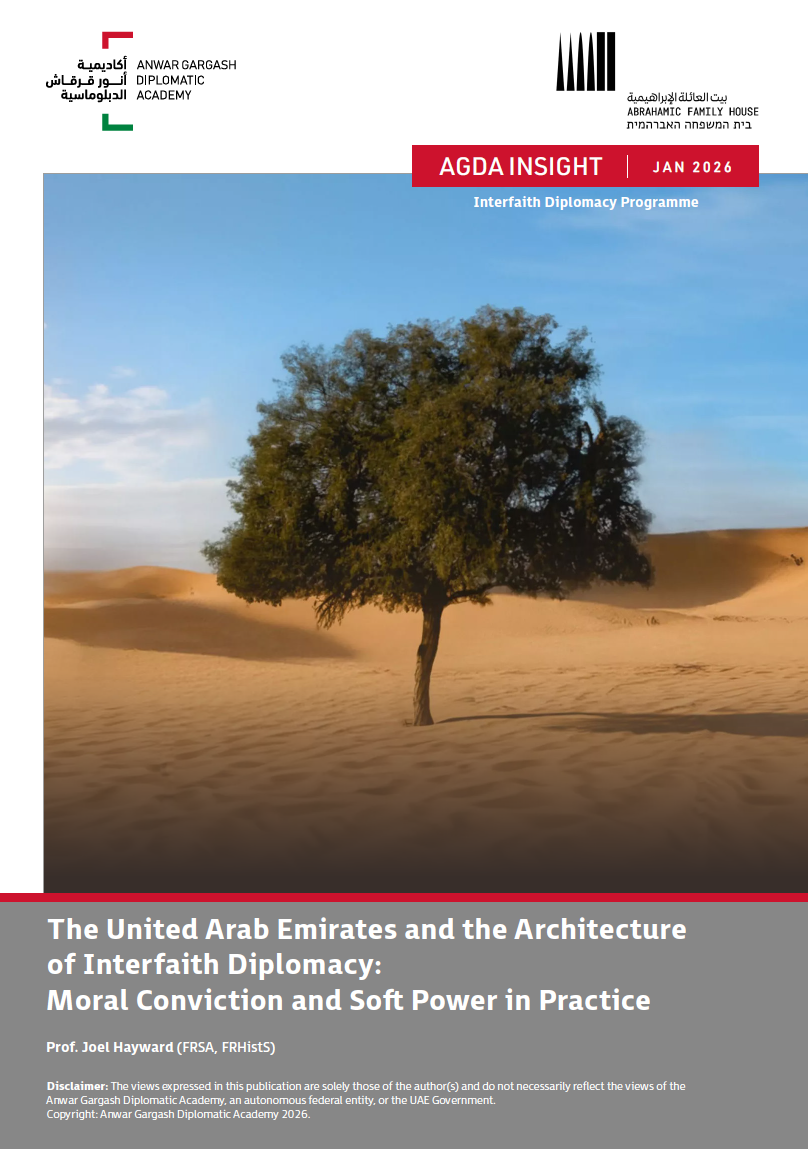
The United Arab Emirates and the Architecture of Interfaith Diplomacy: Moral Conviction and Soft Power in Practice

This Insight analyzes how the United Arab Emirates has embedded interfaith dialogue within governance and diplomacy. It argues that the UAE’s approach is rooted in authentic Islamic ethical conviction, shaped by the vision of the founding president, Sheikh Zayed bin Sultan Al Nahyan, and reinforced through contemporary jurisprudence that frames coexistence as a religious duty. These principles have been institutionalized through education, ministries, civic initiatives, and landmark projects such as the Document on Human Fraternity and the Abrahamic Family House. The Insight further contends that this moral foundation has become a strategic asset. By aligning faith-based ethics with statecraft, the UAE strengthens its domestic cohesion, enhances international credibility, and projects soft power through moral authority and appeal.

Read More
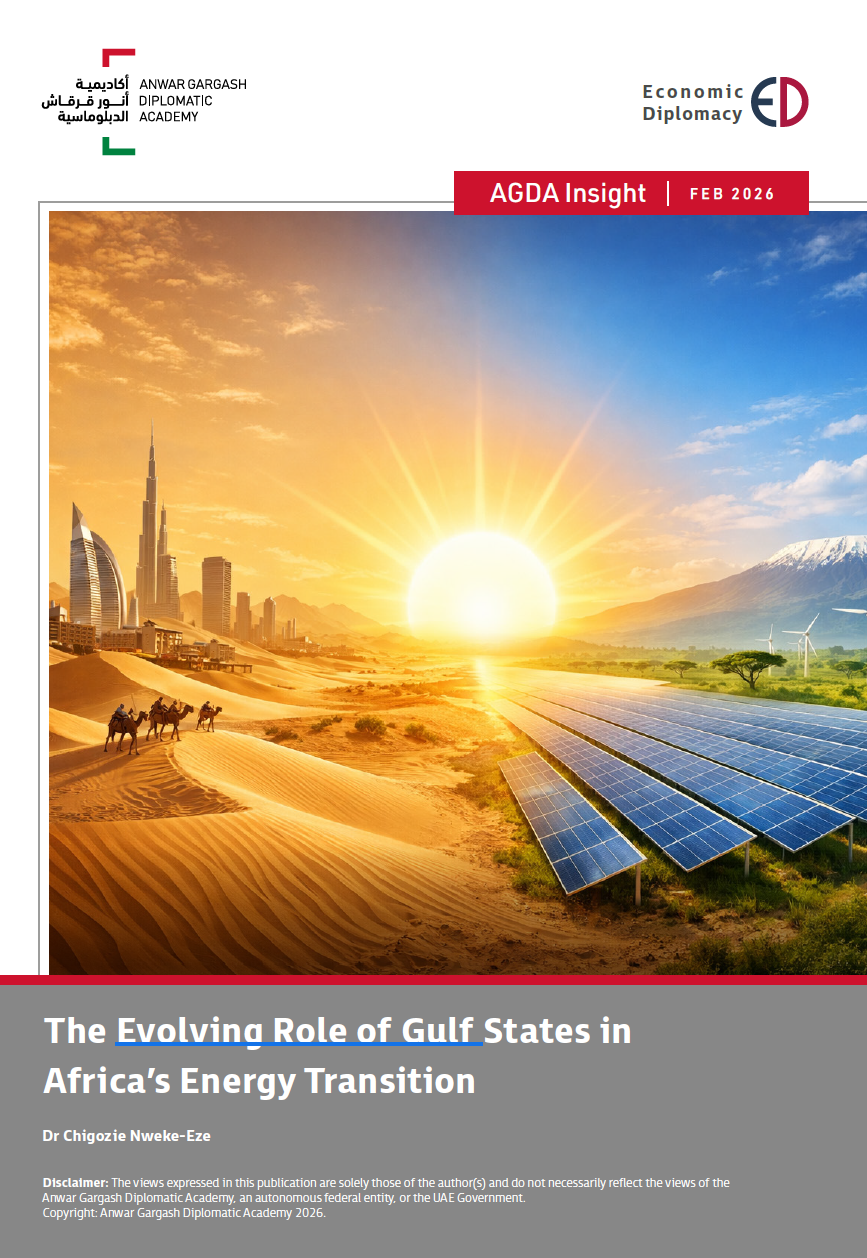
The Evolving Role of Gulf States in Africa’s Energy Transition

The Gulf states —particularly the United Arab Emirates (UAE) and Saudi Arabia— are increasingly adopting rule-shaper and rule-promoter roles in their energy and climate relations and partnerships in Africa. They do so by providing financing and investment in renewable energy and hydrogen projects, and exporting low-carbon technologies and expertise, as part of their global diversification strategies. As their projects and initiatives, from both the public and private sectors continue to expand, it is essential to understand the opportunities and risks of Gulf-Africa energy and climate engagements. This Insight also tackles the equally important objective to articulate how Gulf countries could exercise caution to achieve sustainable, mutually beneficial outcomes and foster win-win partnerships in their relatively new roles in Africa.

Read More
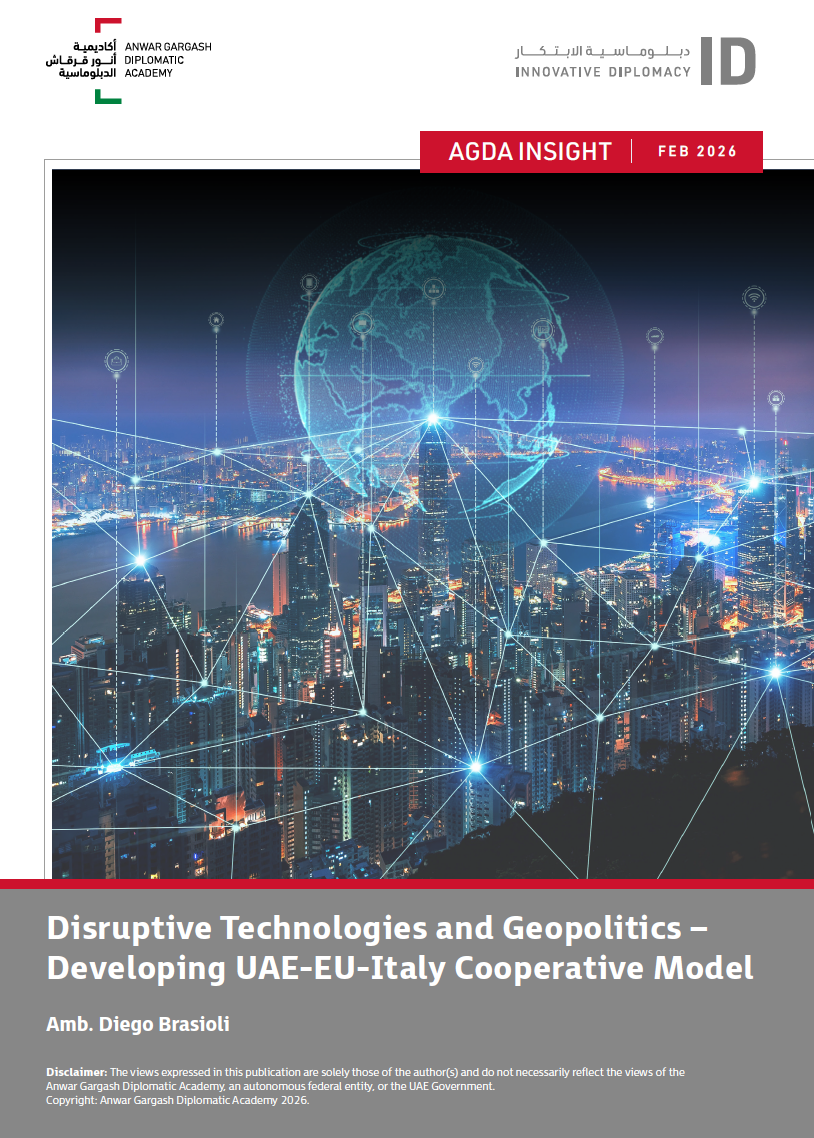
- Innovative Diplomacy Disruptive Technologies and Geopolitics – Developing UAE-EU-Italy Cooperative Model

icon

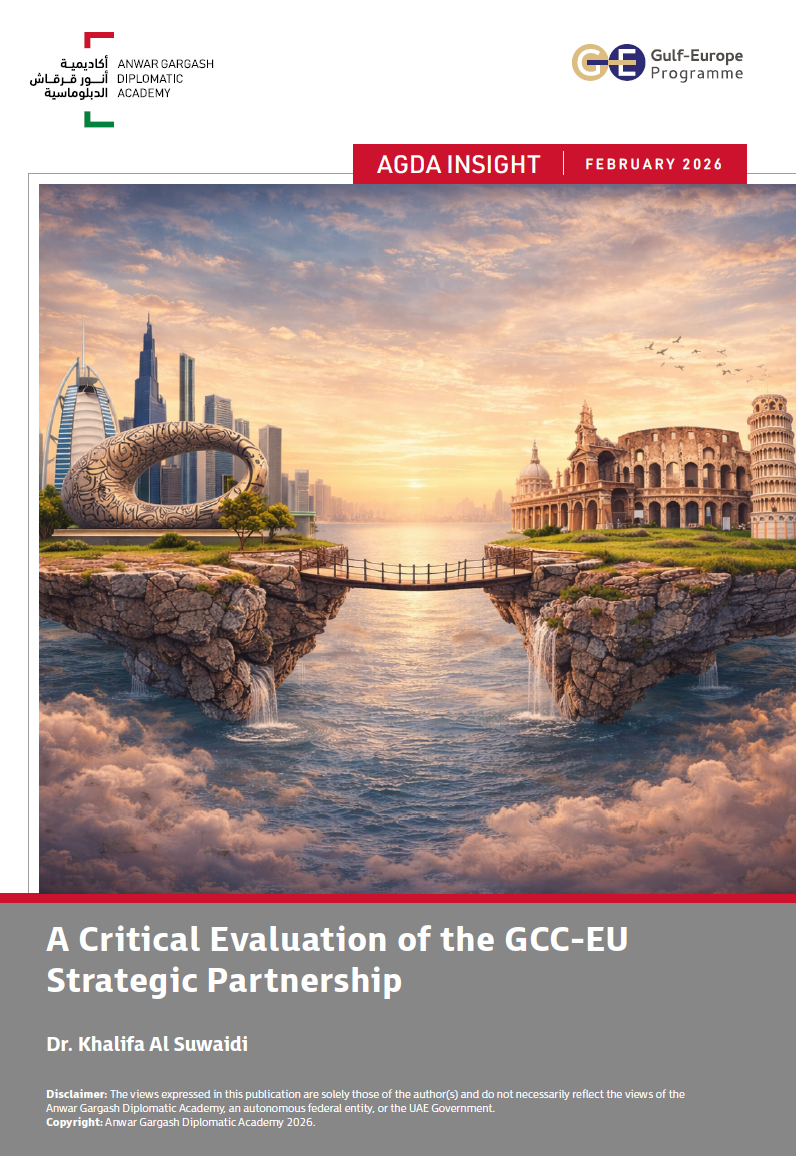
- Gulf-EU Relations A Critical Evaluation of the GCC-EU Strategic Partnership

icon

Explore the Anwar Gargash Diplomatic Academy

Graduate Programmes

Graduate accredited programmes

HOW TO GET STARTED icon

Executive Training

Practical training programmes

VIEW UPCOMING COURSES icon

Research

Foreign policy and diplomacy

SEE WHAT WE RESEARCH icon
image description

Subscribe to our Newsletter

  • icon-integrity

    440+

    Total Graduates

  • Image

    226+

    Graduates Joined MOFA

  • Image

    50+

    Total Courses

  • Image

    500+

    Research & Publications

#Social Network

image description