Natural Solutions for Organic Farming

The Challenges

Organic farming is expanding across Europe, yet it faces particular hurdles that must be addressed to achieve truly sustainable food systems

Image

Copper Use
in Organic Farming

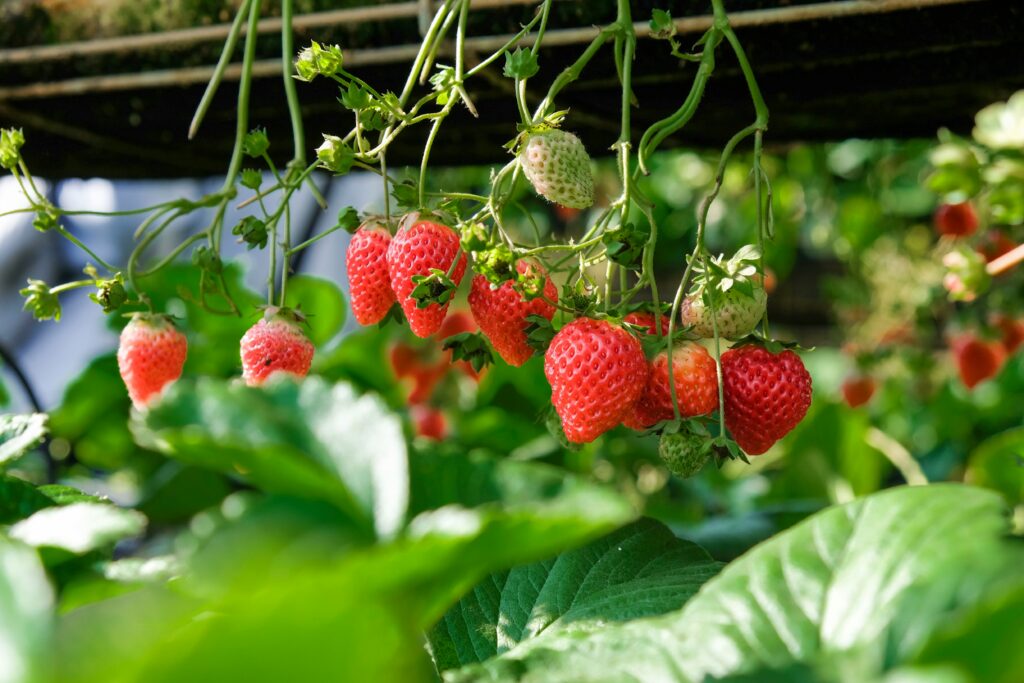
3,250 tonnes of copper metal per year, primarily as fungicides for fruits and vegetables.1

Sulfur Toxicity
in Organic Farming

EFSA flagged high risks from sulfur to honeybees, soil organisms, and beneficial insects — especially with Sulphur Dust. Even Sulfur 80% WG (water-dispersible granules) requires mitigation to avoid harm.2

Antiparasitic remedies Use
in Organic Livestock

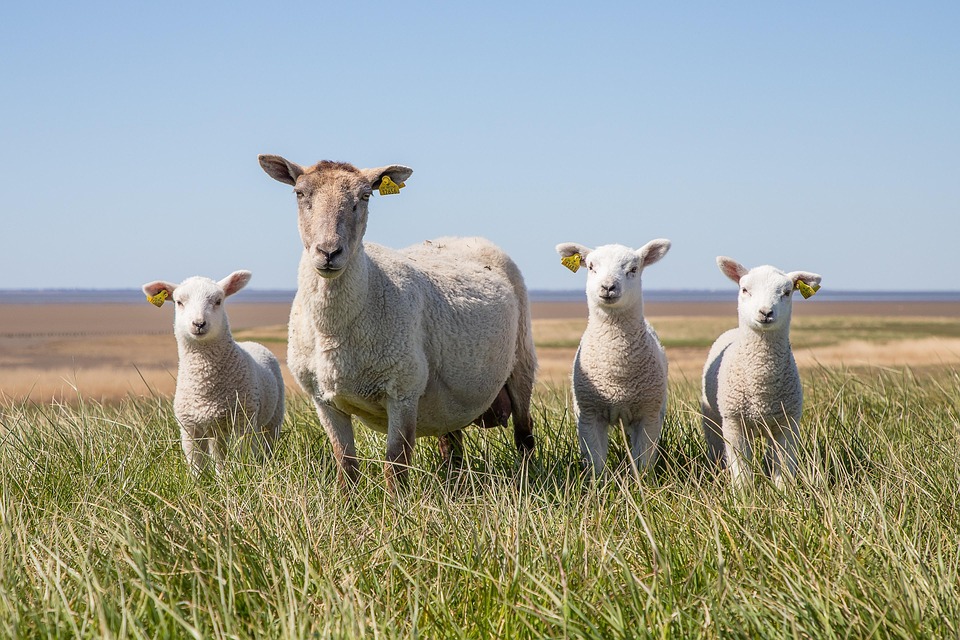
The anthelmintic resistance rates are estimated to be at as much as 95% in sheep and goats and 60% in cattle and horses. 3

Antibiotic Resistance
in Organic Livestock

18% on organic farms vs. 28% on conventional farms. Worryingly, resistance is increasing in both systems—doubling between 2001 and 2020 on organic farms. 4

Pesticide Residues
in Organic Fertilizers

48% of Norwegian and 64% of imported fertilizers approved for organic farming contained pesticide residues – even trace levels may harm sensitive crops like tomatoes or peas. 5, 6

Image

BIO2 builds on the latest science to replace these inputs with solutions that work in harmony with nature. We also support the European Green Deal and the EU Farm to Fork Strategy – advancing sustainable, circular, and resilient food systems.

Our natural solution

BIO2 develops natural solutions
across three key areas

Image

Microorganisms
for Crop Protection

Beneficial yeasts and bacteria, together with microalgal extract with proved fungicide activity, are encapsulated in natural polymers from algae and calcium phosphate, and applied to crops as biocontrol agents. The encapsulation protects these active principles from heat, sunlight, and other field stresses — helping them stay active longer and support the plant’s natural resilience, similar to how probiotics support gut health.

Image

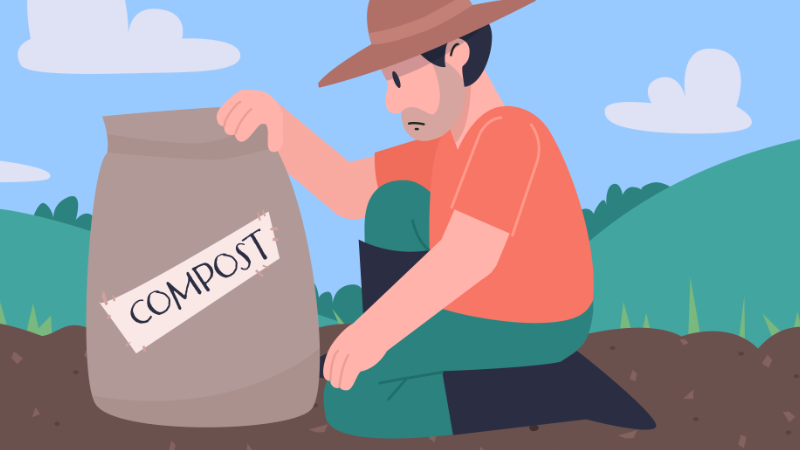
Bio-based Fertilizers

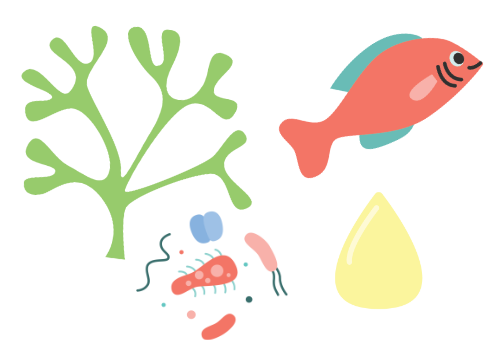
Made from fish processing side-streams, macroalgae, recycled human urine, and microbes, these fertilizers are tailored to meet the specific nutrient needs of different organic crops — providing balanced nutrition without pesticide residues and reducing dependency on conventional, animal-based inputs.

Image

Natural Animal Health Products

Including microbial immunostimulants from inactivated mycobacteria and corynebacteria (which trigger immune responses), as well as bark extracts with antiparasitic properties. These innovations reduce the need for antibiotics and antiparasitic drugs — helping to protect animal welfare, soils, and ecosystems.
All BIO2 products are tested under real organic farming conditions — with crops and livestock — to ensure safety, efficacy, and scalability.

Our Impact

Image
Reduce environmental pollution from copper, sulfur, antibiotics, and antiparasitic drugs
Image
Preserve soil health, biodiversity, and insect life (e.g. dung beetles, pollinators)
Image
Strengthen crop resilience naturally — with long-lasting, targeted protection
Image
Improve transparency and trust in organic inputs
Image
Support a circular bioeconomy by using side streams and waste as new resources
Image
Help farmers transition to more sustainable, future-proof systems

Key Outputs by 2029:

  • 1 bio-based crop protection product
  • 2 sustainable, tailored biofertilizers
  • 1 microbial immunostimulant
  • 1 plant extract-based antiparasitic solution
  • 5 field trial reports with full agronomic and efficacy data
  • Comprehensive life cycle and sustainability assessments
  • Strong knowledge base, training activities, and alignment with EU initiatives
Image
Explore our sister project SCALE-it from the same EU Horizon call.

Our solutions are tested under real organic farming conditions across Europe, ensuring that they are effective, scalable, and ready to support the sector's transition.

Image
Image

Key figures