Discovering the Future of Cardiovascular Medicine
CVPath Institute Researchers Selected for ATVB Early Career Editorial Board
CVPath Institute is proud to announce that Dr. Alyssa Grogan and Dr. Rika Kawakami have been selected to serve on…

Pathophysiology of Coronary Restenosis
Representative histologic images of bare metal and drug-eluting stents after implantation. In-stent restenosis (ISR) refers to the narrowing of the…

Architects of Decay: How Fibroblast-like Mesenchymal Cells Shape the Necrotic Core
CVPath’s editorial commentary on the work of Morales‑Cano et al. has been published in the journal Cardiovascular Research. The authors…
Consultation Services
The CVPath Institute facility was designed to provide expert translational bench-to-bedside research services. Our team of experts has decades of experience in medical device evaluation and is able to provide guidance and advice on device safety, mechanism of action studies, or FDA responses. These services are provided all around the globe and for companies from start-ups to Fortune 100 manufacturers.

Comprehensive histology services from basic to advanced.

CAP-accredited and CLIA-approved laboratory to meet your diagnostic needs.

An internationally recognized research team offers study design consultation

A broad range of medical device experience to enhance your research needs

A full array of diagnostic services for autopsy and surgical specimens

Offering comprehensive microscopy technologies including SEM, OCT and Micro-CT.
Imaging

CVPath Insitute offers an established resource for ex-vivo and in-vivo intravascular imaging tools including intravascular ultrasound, optical coherence tomography, angioscopy, near-infrared spectroscopy, etc. and helps develop new or improve existing modalities by offering a wide range of coregistration services between histology and invasive/non-invasive imaging modalities.
Optical Coherence Tomography Analysis – We offer our clients expert guidance on intravascular image acquisition using OCT and OFDI technology and provide state-of-the-art imaging analysis including comprehensive OCT core laboratory analysis.
Micro-CT – Nondestructive micron-level 3D imaging for clinical samples, tissue, and devices.
Our custom-built Nikon XT H 225ST Microfocus Computed Tomography scanner, paired with the powerful rendering suite VGStudio MAX 3.0 and expert imaging staff, allows us to examine clinical samples, tissue, and devices with never before seen precision and clarity for nondestructive imaging.
With the ability to scan objects from under 1 cubic millimeter to over 50 centimeters, Micro-CT stands alone as the best method for imaging delicate samples without destroying them. Voxel-based measurement and analysis through VGStudio mean that not only can we produce visually stunning images, but we can make measurements in any plane of any device and perform volumetric measurements on calcification. Images can be produced in a variety of formats, including but not limited to: 3D virtual dissection movies, 3D STL files, 2D virtual histology, 2D image slice movies, and DICOM sets. Micro-CT also serves as a powerful addition to any study involving analysis of histologic sections by providing technicians with the exact locations of regions of interest so that only the best data is put forth in the slides we produce.
Our Experts
The Institute’s research team consists of world class cardiologists, pathologists, scientists, and other highly skilled technical staff who have a deep understanding of cardiovascular pathology.

President and Chief Scientific Officer

President Emeritus and Founder

Associate Director

Chief of Anatomic Pathology

Staff Pathologist

Principal Research Scientist

MicroCT Project Manager

Staff Pathologist
Aloke Finn, MD

| Titles: | Clinical Expertise: |
| President and Chief Scientific Officer – CVPath Institute | Interventional Cardiology |
| Education: | Residencies: |
| MD, Vanderbilt University | Internal Medicine |
| School of Medicine | Massachusetts General Hospital |
| Fellowships: | Board Certifications: |
| Internal Medicine | Cardiovascular Disease & Cardiovascular Disease |
| Interventional Cardiology | Cardiovascular Disease |
| Massachusetts General Hospital | Interventional Cardiology |
Other Affiliations:
Associate Clinical Professor of Medicine
University of Maryland at Baltimore
I am a physician-scientist whose focus is on the pathology of cardiovascular disease and its treatment. I serve as the President and Chief Scientific Officer for CVPath Institute where I am involved in overseeing device development research and run a molecular lab with focus on the molecular understanding of vascular wall injury and healing, genetics of sudden cardiac death and molecular basis of coronary artery disease. When not running CVPath, I perform interventional cardiology procedures at University of Maryland weekly.
Awards and Honors:
DeSanctis Clinical Scholar, Harvard Medical School, 2003-2004; Thomas Linnemeier Young Investigator Award Finalist, Columbia University/ Cardiovascular Research Foundation, 2006; Outstanding Scientific Citation (Basic Research-Early Career), Emory Department of Medicine, 2010; Finalist Irvine H. Page Award, American Heart; Member Emory Millipub Club (paper authorship with >1000 citations), 2013; Basic Science Publication of the Year University of Maryland Department of Medicine, 2018
Link to publications
Renu Virmani, MD FACC

| Titles: | Education: |
| President Emeritus and Founder | M.D. Lady Hardinge Medical College |
| Delhi University | |
| Clinical Expertise: | India |
| Cardiovascular Pathology Research | |
| Residencies: | Fellowships: |
| Gynecology, Obstetrics and Internal Medicine | Pathology |
| Maulana Azad Medical College | National Heart, Lung and Blood Institute |
| New Delhi, India | National Institutes of Health |
| Bethesda, MD | |
| Pathology | |
| Lala Lajpat Rai Memorial College and Hospital | |
| Meerut, India | Board Certifications: |
| Cardiovascular Pathology | |
| Pathology (Clinical and Anatomical) | |
| George Washington | Other Affirmations: |
| University Medical Center | Clinical Professor – Pathology: |
| Washington, D.C. | Georgetown University |
| University of Maryland, Baltimore | |
| George Washington University | |
| Vanderbilt University | |
Dr. Virmani is an internationally renowned cardiovascular pathologist. She is recognized as a leading researcher in the field of cardiovascular disease treatments.
Dr. Virmani serves as the President Emeritus of CVPath Institute, which she founded in 2005. Dr. Virmani lectures at scientific meetings, both nationally and internationally, and has delivered more than 800 presentations globally. She is responsible for multiple research grants in the field of cardiovascular pathology and has authored or co-authored over 600 publications in peer-reviewed journals in the field of atherosclerosis, vulnerable plaque, stents, and other cardiovascular diseases. She has edited 7 books and written over 100 book chapters. Dr. Virmani is also reviews manuscripts for many scientific journals.
Dr. Virmani was presented with the 2012 TCT Career Achievement Award by the Cardiovascular Research Foundation. She has been recognized by the Council on Clinical Cardiology of the American Heart Association and also delivered the Laennec Clinician Educator Lecture in 2010. She was awarded an honorary degree from the University of Antwerp, Belgium in 2008 and has also received honorary awards from European Society of Cardiology (2008) and EuroPCR (2006).
Dr. Virmani served as Chairperson at the Department of Cardiovascular Pathology of the Armed Forces Institute of Pathology from 1984 until 2004. Dr. Virmani is a member of the American Heart Association, the U.S. and Canadian Academy of Pathology, and is a Fellow of the American College of Cardiology.
Awards and Honors:
Joint Service Commendation Medal for Outstanding Meritorious Service as Chief, Division of Cardiovascular Research, Armed Forces Institute of Pathology, Washington, D.C. for the period of 5 July 1979 through 4 August 1981
Gold Medal for Best Scientific Exhibit at the American Society of Clinical Pathologists, Las Vegas, Nevada, October 1981
Silver Medal for Second Best Scientific Exhibit at the American Society of Clinical Pathologists, Las Vegas, Nevada, October 1985
Edward Rhodes Stitt Lecture Award, Association of Military Surgeons of the United States, San Antonio, Texas, November 1988
Member Cardiology Advisory Committee, national Heart, Lung, and Blood Institute, National Institute of Health, Bethesda, Maryland, October 1988 to March 1992
Member AIDS Advisory Committee, National Heart, Lung, and Blood Institute, National Institutes of Health, October 1989 to Sept 1993
Member judging panel for the 1996 Young Investigators Awards Competition in the Physiology, Pharmacology & Pathology Category. 45th Annual Scientific Session of the College of Cardiology, Orlando, Florida.
2006 – Ethica Award, EuroPCR, Paris, France, May 2006.
2007 – Society for Cardiovascular Pathology Distinguished Achievement Award, March 25, 2007.
2008 – Doctor Honoris Causa, Universiteit Antwerpen, Hoogleraar Cardiovaculaire Pathologie aan de George Washington Universiteit, Washington, DC, Antwerpen, Belgium, May 6, 2008.
2010 – Laennec Clinician/Educator Lecture Award from the American Heart Association, November 15, 2010.
2011 – BAS Hugh Sinclair Lecture, British Atherosclerosis Society. Manchester, England, June 13, 2011.
2012 – Simon Dack Award from JACC Journals. March 25, 2012
2012 – RT Hall Lecture Award from International Faculty for CSANZ 2012 Brisbane. August 17, 2012.
2012 – TCT Career Achievement Award from the Cardiovascular Research Foundation. October 25, 2012.
2013 – ICI 2013 Award (Innovations in Cardiovascular Interventions Award), Tel Aviv, Israel, December 2013.
2014 – Houston Methodist Leading Medicine Award from Houston Methodist Research Institute, October 9-10, 2014.
2014 – Beacon of Interventional Cardiology Award from India Live 2015, Chennai, India, February 26-27, 2015
2015 – TCT Career Achievement Award, CADECI 2015, Guadalajara, Jalisco (Mexico), February 11-12, 2015.
2021 – Transcatheter Cardiovascular Therapeutics Asia Pacific (TCTAP) “Masters of Masters” Award
2021 – European Society of Cardiology (ESC) Congress 2021- ESC Gold Medal Award Winner 2021
Link to publicationsFrank D. Kolodgie, PhD

| Title: | Clinical Expertise: |
| Associate Director | Pathology of Human Vascular |
| Disease Research | |
| Education: | |
| PhD, Clinical Medicine | Other Affiliations: |
| University of Maryland | Adjunct Faculty, University of Maryland |
| Baltimore, MD | School of Medicine |
| MS, Clinical Medicine | Member, American Heart Association |
| University of Maryland | |
| Baltimore, MD | Research Committee, |
| American Registry of Pathology | |
| BA, Biology | |
| Wayne State University | |
| Detroit, MI. |
Dr. Kolodgie’s primary research interest is in arteriosclerosis/heart failure. Since its founding in 2005, Dr. Kolodgie has served as the Associate Director of CVPath Institute. Dr. Kolodgie’s over thirty-year span of research has focused on the pathology of human vascular disease, including the role of inflammation, apoptosis, and neoangiogenesis in the progression of atherosclerosis in addition to translational research in the interventional device field. Dr. Kolodgie has been the recipient of over 10 research grants and has authored and co-authored over 160 scientific publications in peer-reviewed journals and more than 30 book chapters.
Awards and Honors:
Young Investigator, American College of Cardiology, Annual Scientific Session, 1995
Link to publications
Maria E. Romero, MD FCAP

| Clinical Expertise: | Fellowships: |
| Anatomic Pathology | Cytopathology |
| Cardiovascular Pathology | Virginia Commonwealth University Hospital |
| Cytopathology | Richmond, VA |
| Education: | Ultrastructural Pathology |
| MD, San Marcos University | National Cancer Institute (NCI) |
| School of Medicine | Bethesda, MD |
| Lima, Peru | |
| Residency: | Board Certifications: |
| Anatomic Pathology | Anatomic Pathology |
| Georgetown University Hospital | Cytopathology |
| Washington, DC | |
Dr. Romero joined CVPath as a Staff Pathologist in 2014. Dr. Romero is board certified in Anatomic Pathology and Cytopathology. She received her medical degree from San Marcos University School of Medicine in Lima, Peru. Dr. Romero completed her residency training in Anatomic Pathology at Georgetown University Hospital in Washington, DC, followed by a cytopathology fellowship at the Virginia Commonwealth University Hospital in Richmond, VA. She completed a post-doctoral fellowship at the Ultrastructural Pathology section at the National Cancer Institute (NCI), Bethesda, MD. Dr. Romero’s clinical and research interests are focused on the diagnosis and mechanisms of atherosclerosis, preclinical safety, and the effectiveness of neuroprotection devices and valvular pathology. She is a member of the United States and Canadian Academy of Pathology (USCAP), College of American Pathologist (CAP), and the Society of Cardiovascular Pathology (SCVP).
Awards and Honors:
Fellow’s Award for Research Excellence (FARE), National Cancer Institute
Link to publicationsRika Kawakami, MD, PhD

| Title: | Clinical Expertise: |
| Staff Pathologist | Pathology |
| Cardiology | |
| Education: | Fellowship: |
| M.D., Faculty of Medicine, Hyogo College of Medicine, Japan | Department of Cardiovascular Medicine, National Cerebral and Cardiovascular Center |
| PhD. Hyogo College of Medicine Graduate School, Japan | |
| Dr. Kawakami has served as a Staff Pathologist at CVPath Institute since 2023, following her initial role as a Research Fellow in 2019. She received both her medical degree (2007) and PhD (2018) from Hyogo Medical University (formerly Hyogo College of Medicine) in Japan, where she also served as an Assistant Professor in the Department of Surgical Pathology. Her training includes a fellowship in the Department of Cardiovascular Medicine at the National Cerebral and Cardiovascular Center, where she continued as a Trainee and Researcher in the Department of Pathology until 2019. Prior to this, she worked as a Staff Cardiologist at Higashi-Sumiyoshi Morimoto Hospital in Osaka, Japan. Throughout her career, Dr. Kawakami has developed expertise in cardiology and cardiovascular pathology, with a particular focus on sudden cardiac death, atherosclerosis, thrombosis, and medical devices. As a board-certified member of both the Japanese Society of Internal Medicine and the Japanese Circulation Society, she has authored over 50 peer-reviewed articles. | |
Link to publications
Alyssa Grogan, PhD

| Title: | |
| Principal Research Scientist | |
| Education: | Fellowship: |
| Ph.D. in Molecular Medicine, Department of Biochemistry and Molecular Biology, University of Maryland, Baltimore | Post-Doctoral Associate, Department of Medicine/Cardiology, Duke University |
| Dr. Grogan is a Principal Research Scientist and leads the research team at CVPath Institute. She joined CVPath in 2023 as a Senior Research Scientist after completing a post-doctoral fellowship in the Department of Medicine/Cardiology at Duke University, where she specialized in GPCR pharmacology and high-throughput small molecule drug screening for heart disease. Dr. Grogan earned her Ph.D. in Molecular Medicine in 2020 from the University of Maryland, Baltimore, where she studied cardiac muscle physiology and the cellular and molecular mechanisms underlying cardiomyopathy and atrial fibrillation using genetically modified mice. Her research interests encompass the pathophysiology of cardiovascular diseases as well as the discovery and validation of new treatments. | |
Anna Madra, PhD

| Title: | Expertise: |
| MicroCT Project Manager | MicroCT |
| Fracture Mechanics | |
| Materials Science | |
| Education: | Postdocs: |
| Ph.D., Materials Science and Advanced Mechanics from Université de Technologie de Compiègne, France
Ph.D., Mechanical Engineering from École Polytechnique Montréal, Canada |
MIT/US Naval Research Laboratory
Penn State/ERDC |
| Dr. Madra joined CVPath Institute in 2022 and is our current MicroCT Project Manager. She has over 12 years of experience in X-ray MicroCT imaging, 3D data processing, and computational simulations that she developed working with DLR, Safran, NRL, ERDC, and as an Assistant Professor of Pathology at Pennsylvania State University. Dr. Madra has two PhDs: in Materials Science and Advanced Mechanics from Université de Technologie de Compiègne, France, and in Mechanical Engineering from École Polytechnique Montréal, Canada, both concentrating on 3D imaging and analysis of defect formation and mechanics of damage in complex materials. Starting with bio-composites and aerospace applications, she gradually moved to apply engineering methods to biomedical problems, and as Assistant Professor of Pathology, worked on organism-size MicroCT imaging with cell-size resolution.
At CVPath Institute, Dr. Madra is in charge of the MicroCT imaging projects, providing custom solutions for imaging and analysis of fracture and calcification of medical devices, assessing accuracy of stent apposition and lithotripsy treatments, as well as actively participating in cardiovascular pathology research. |
|
Courtney Valerio, BVMS

| Title: | Residency: |
| Staff Pathologist | Veterinary Anatomic Pathology University of Missouri Columbia, MO |
| Education: | Fellowships: |
| BVMS, University of Glasgow School of Veterinary Medicine Glasgow, Scotland |
Veterinary Forensic Pathology University of Florida Gainesville, FL |
| BSc, Animal and Poultry Sciences Virginia Tech Blacksburg , VA |
Research Pathology Frederick National Laboratory National Institutes of Health Frederick, MD |
| Dr. Valerio joined CVPath in August 2025 as a Staff Pathologist. She is a board certified Veterinary Anatomic Pathologist. Dr. Valerio received her veterinary degree at the University of Glasgow and practiced small animal general medicine for a few years. She returned to academia for residency training in veterinary anatomic pathology at the University of Missouri Veterinary Medical Diagnostic Laboratory. Dr. Valerio went on to complete a fellowship in veterinary forensic pathology at the University of Florida College of Veterinary Medicine and a fellowship in research pathology at the Frederick National Laboratory. Dr. Valerio is Diplomat of the American College of Veterinary Pathologists and holds memberships at the Society of Toxicologic Pathology and the Royal College of Veterinary Surgeons. | |
Our Research Capabilities and Facilities

A state of the art lab purposely designed for cardiovascular studies

Ability to perform advanced molecular assays and experiments

A state of the art research laboratory located along the I-270 Technology Corridor

One of the largest tissue biobanks of its kind

Rapidly expanding genomic research capabilities

Extensive registry of cardiovascular specimens and correlating diseases
Heart Lab

CVPath Institute recently established a Heart Lab, designated to perform various imaging and evaluations of experimental devices on heart specimens.
Cardiology fellows, pathologists, and medical device professionals are utilizing these advanced tools to make imaging diagnosis and evaluations on the various heart and vascular conditions and treatment devices.
The 600 square foot laboratory has been furnished with a state-of-art Nikon XT H 225 Micro-CT and Cios Alpha high‐definition mobile C‐arm systems, as well as VISICUBE intravascular ultrasound system, C7XR, and Lunawave OCT imaging systems.
Tissue Biobank

CVPath Institute has one of the largest tissue biobanks of its kind, a large repository of heart biospecimens collected from human autopsies of patients who died of sudden death since the 1990s. Our organization has collected over 7,000 autopsy hearts from the Office of the Chief Medical Examiner of the State of Maryland and other contributors. For every case, hearts have been systematically evaluated with detailed histopathological analysis at CVPath Institute. This includes obtaining a minimum of 5 sections of myocardium per heart, including the anterior, lateral, posterior, septum, and right ventricle, together with complete coronary artery beds. In a number of cases, this also includes detailed studies including the conduction system examination. We have also stored frozen blood, serum, kidney and liver samples in our freezers. We then collect the diagnosis rendered by the medical examiner, including drug toxicology studies that are routinely conducted for individuals 18 to 50 years of age. We have genotyped over 2,000 samples and have performed next-gen sequencing on 600-samples using cardiovascular gene panels.
The samples in this biobank and the data derived from the specimens are routinely used by our researchers and collaborators and have been a valuable resource in many studies.
Genomic Research

CVPath Research Laboratory is developing its capabilities in genomic research. Isolated DNA and RNA samples from CVPath Registry Studies are being used in genotyping, whole exome sequencing, targeted sequencing of cardiovascular gene panels, bulk RNA-seq and single cell RNA-seq studies. Over 2,000 human DNA samples have been genotyped in SCD Registry study. The Research Laboratory is experienced in common laboratory preparations for next-gen sequencing used in these research studies. We have dedicated bioinformatics server to process and analyze the genomic data using various tools and pipelines. In the meantime, we also collaborate with American Heart Association Institute for Precision Cardiovascular Medicine using cloud computing platform. Precision Medicine Platform is a cloud-based data science platform we are using to integrate genomic and pathologic data. This will also allow comparative analyses with other large cohort datasets that are stored on the platform. This platform provides a secure workspace equipped with artificial intelligence tools, machine learning and cloud computing, as well as global collaboration capabilities. It is HIPAA compliant and has also been certified through the Federal Risk and Authorization Management Program (FedRAMP) for cloud computing security.
30 Years of Discoveries and Milestones
Pioneering discoveries in the cardiovascular field from the researchers of CVPath Institute.

Discoveries in the 1990’s

Discoveries in the early 2000’s

Recent discoveries
The latest from CVPath
1990's - 2000

1990’s – Intravascular Brachytherapy – Virmani predicts that intravascular brachytherapy for the treatment of coronary disease “will not work”.
1995 – Defined Plaque Erosion – Farb, Virmani, and colleagues describe a second significant cause of acute coronary thrombosis.
1997 – Identify Entity of Thin-cap Fibroatheroma (TCFA) – Burke, Virmani and colleagues develop a working definition of lesion vulnerability based on fibrous cap thickness and address predisposing risk factors to high-risk plaque.
2000 – Natural History of Atherosclerosis – Virmani and colleagues introduce a modification to the American Heart Association Consensus Classification based on their experience with lesion morphology in sudden coronary death.
2001 – Further Define Thin-cap Fibroatheroma (TCFA) – Kolodgie, Virmani, and colleagues further explain the pathologic entity of the thin-cap fibroatheroma (TCFA) in relation to morphology, incidence, and location.
2000's - 2015
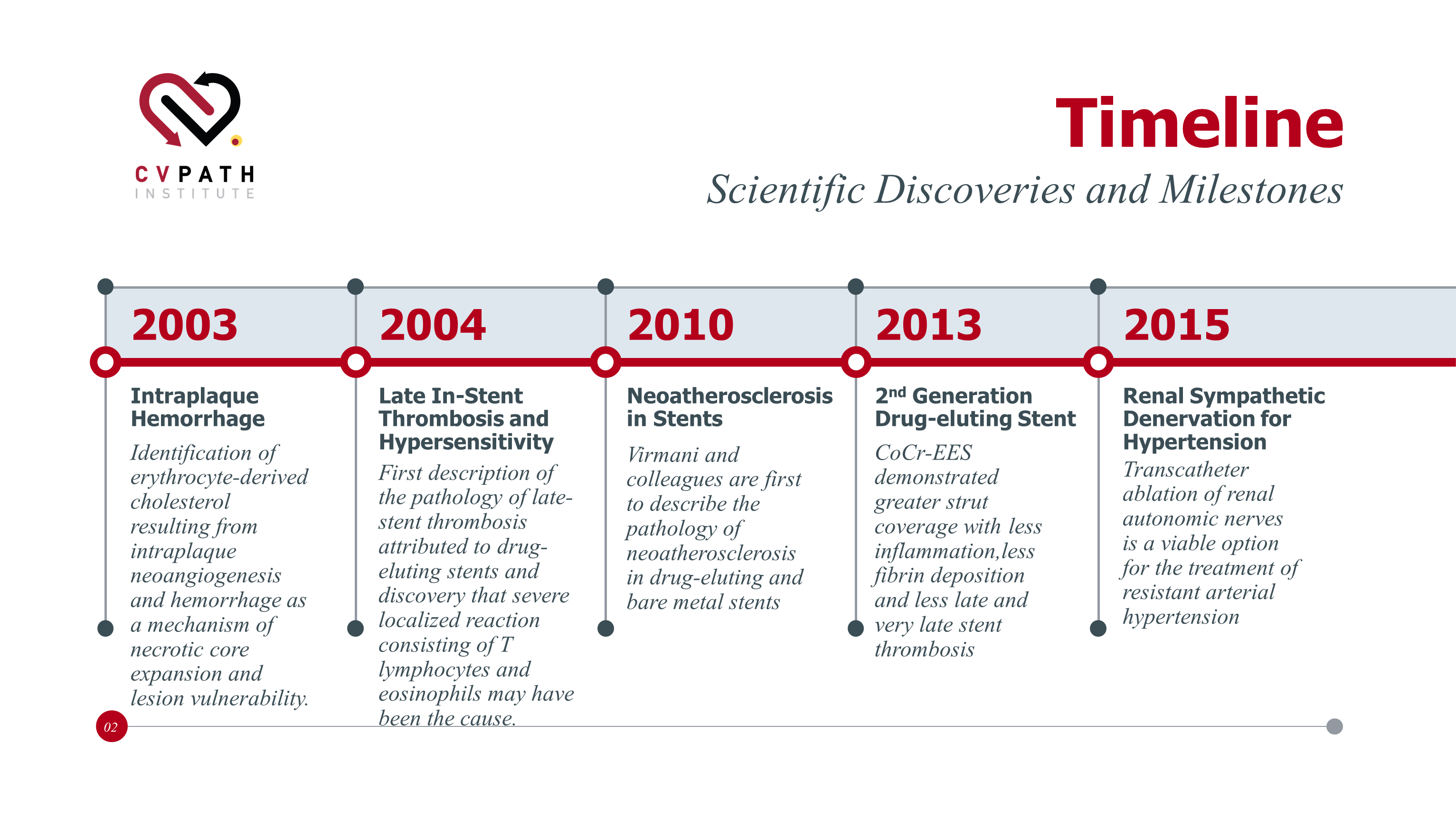
2003 – Significance of Intraplaque Hemorrhage – Kolodgie, Virmani, and colleagues identify erythrocyte-derived cholesterol resulting from intraplaque neoangiogenesis and hemorrhage as a mechanism of necrotic core expansion and lesion vulnerability.
2004 – Late In-stent Thrombosis – Virmani and colleagues first describe the pathology of late-stent thrombosis attributed to drug-eluting stents.
2004 – Hypersensitivity and Late Stent Thrombosis – A severe localized hypersensitivity reaction consisting of predominantly T lymphocytes and eosinophils may have caused late stent thrombosis.
2010 – Neoatherosclerosis in Stents – Virmani and colleagues are first to describe the pathology of neoatherosclerosis in drug-eluting and bare-metal stents.
2012 – Endothelium in Atherothrombosis and coronary stenting – Virmani and colleagues discovered that maintenance of a competently functioning endothelium is critical for long-term vascular health.
2013 – 2nd Generation Drug-eluting Stent – CVPath researchers discovered CoCr-EES demonstrated great strut coverage with less inflammation, less fibrin deposition, and less late and very late stent thrombosis.
2015 – Renal Sympathetic Denervation for Hypertension – The CVPath research team discovered that transcatheter ablation of renal autonomic nerves is a viable option for the treatment of resistant arterial hypertension.
2016 - 2020

2016 – Thrombogenicity in Biodegradable Polymer Stents – Contemporary Drug-Eluting Stents with Biodegradable Polymer Coatings Assessed ExVivo in a swine shunt model.
2017 – Pathology of Transcatheter Aortic Valves – First systemic macroscopic pathologic analysis of self-expanding transcatheter aortic valves.
2018 – CD163 Macrophages in Atherosclerosis – Alternative macrophages promote plaque angiogenesis, leakiness, inflammation, and progression.
2019 – Histopathologic characteristics of PAD – We demonstrated detailed histopathologic characteristics of peripheral arteries in patents with abundant risk factors.
2020 – COVID-19 and the Heart – In a case report published in Circulation, CVPath and collaborators from Italy were one of the first to demonstrate that microthrombi were a major cause of heart impairment in subjects dying of COVID-19 infection. Additional studies examined the tissue distribution of receptors for SARS-CoV-2 in the heart.
2021 - 2025

2021 – Genetic Variants in Individuals with Unexplained Sudden Cardiac Death – CVPath researchers, using genetic association of community cases of unexplained sudden cardiac death, showed that nearly 20% of subjects carried pathogenic or likely pathogenic variants, suggesting that genetics may contribute to a significant number of cases of unexplained sudden cardiac death. Our data suggest new avenues of study for this poorly understood entity.
2022 – Relationship Between Neighborhood Disadvantage and Cardiovascular Findings at Autopsy – Here, we sought to explore associations between neighborhood disadvantage and cardiovascular findings at autopsy in cases of sudden death in the State of Maryland using zip code data and the CVPath sudden death autopsy registry. Neighborhood disadvantage did not associate with cause of death or coronary histopathology after adjustment for cardiovascular risk factors and race, implying that social determinants of health other than neighborhood disadvantage play a more prominent role in sudden cardiac death.
2023 – Polygenic Risk Scores Associate with Atherosclerotic Plaque Characteristics – CVPath researchers published the first autopsy study investigating associations between polygenic risk scores and atherosclerosis severity at the histopathologic level in subjects with sudden death. Our pathological analysis suggested PRS correlates with plaque burden and features of advanced atherosclerosis and may be useful as a method for CAD risk stratification, especially in younger subjects. Additional work for the ATVB centennial addition reviewed the definition of subclinical atherosclerosis.
2024 – CD163+ Macrophages, Endothelial-to-Mesenchymal Transition, and Atheroma – Here, we explored the hypothesis that CD163+ macrophages cause plaque progression through the induction of proapoptotic endothelial-to-mesenchymal transition (EndMT) within the fibrous cap. This highlights the novel mechanisms by which specific types of inflammation play a role in plaque progression.
2025 – Examining Plaque Erosion, Genetics, and the Mechanisms of Thrombosis – CVPath published several important papers, including one on lipid-related polygenic risk score and its association with plaque rupture versus erosion, highlighting the importance of early genetic risk stratification and subsequent lipid-lowering interventions in mitigating cardiovascular risk.
Educational Services
CVPath Institute offers educational opportunities to train tomorrow's scientific leaders through workshops, fellowships and internships. The institute provides expert training in advanced pathology techniques to promising researchers in various stages of their educational and vocational careers.

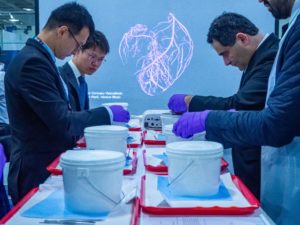
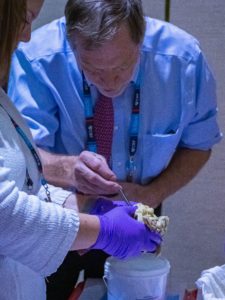
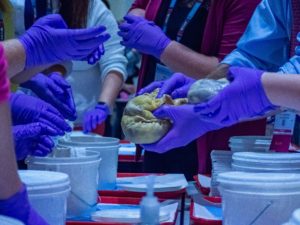
Our “Hands on Hearts” workshop is offered at various cardiovascular conferences throughout the year.

A highly competitive fellowship program in the field of cardiovascular research and pathology.

Undergraduate opportunities to learn in a research environment.
Hands on Hearts Workshop
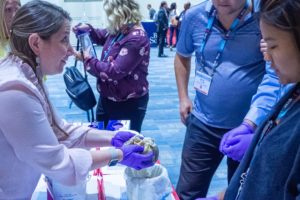
Hands on Hearts is a 1 to 3-day anatomic heart disease session that is directed by CVPath Institute faculty and is held annually at the CRT and the TCT conferences. The session includes pathological specimens demonstrating human cardiac disease as well as CT-generated casts of human hearts prior to intervention. Participants get one-on-one hands-on teaching with actual cadaver hearts demonstrating a variety of structural and congenital disorders. Specimens include hearts with aortic stenosis, mitral regurgitation, atrial and ventricular septal defects, PFOs, as well as cardiomyopathies and ischemic heart disease. In addition, implanted cardiac devices such as bioprosthetic valves, PFO closure devices, and stents are also available for study. The sessions are an invaluable resource for education and research with practical applications for structural heart interventions.


Internships

CVPath Summer Internship Program
Program Overview
CVPath Institute is a leading not-for-profit medical research and educational organization dedicated to advancing the understanding and management of cardiac and vascular disease. Training the next generation of scientists and clinicians is a central component of the Institute’s mission. CVPath operates a multidisciplinary cardiovascular research laboratory and maintains one of the largest and most comprehensive repositories of diseased human tissue available for investigative studies and teaching.
The CVPath Institute Summer Internship Program offers a structured research experience for high school and undergraduate students interested in biomedical science, research, and medicine. The program is designed to foster an understanding of the scientific process and cardiovascular experimental methods through participation in ongoing studies within the CVPath research laboratory, directed by Dr. Alyssa Grogan and a collaborative team of postdoctoral fellows, research assistants, and staff scientists. Each intern is paired with a mentor and contributes directly to their active projects, allowing them to gain practical research skills and preparing them for future academic and professional opportunities.
Mentorship and Training
All interns receive basic training on Good Laboratory Practice (GLP), laboratory safety and Occupational Health and Safety (OHS), animal care and use in research, ethics and research integrity, and the handling of Protected Health Information (PHI) under the US Health Insurance Portability and Accountability Act (HIPAA).
Interns attend a weekly seminar covering the fundamentals of cardiovascular pathology, histology, and molecular biology. Through these activities, interns gain exposure to a broad range of cardiovascular research topics, including histopathology, cell and molecular biology, animal physiology, genetics, and database research through the CVPath Sudden Death Registry.
Daily activities may include data collection and analysis, preparation of figures and presentations, and literature review. Interns also receive hands-on technical training in the laboratory, observe surgical procedures in the animal facility, and assist with microscopy, histological slide review, and morphometry. The internship culminates in a formal presentation of each intern’s independent project in a laboratory meeting.
Program Structure
High school students participate in one of two four-week sessions (from June-July, or July-August) while undergraduate students participate in an eight-to-ten-week internship. Interns are expected to be available for the full duration of the session and to be able to work onsite on a part-time basis (approximately 5.5 hours per day).
Upon successful completion, interns are awarded a certificate of training from CVPath Institute. A professional reference letter may also be provided for future education endeavors.
Application Process
Applicants must submit a resume or CV and a cover letter describing academic status (school, year, and field of study, if applicable) and reasons for interest in CVPath Institute through the following link.
https://form.jotform.com/260336845978169
Applications are accepted annually through March 15th, and selected applicants are notified in early April.
Contact Us
Interested in learning more about how we can help your organization? Reach out to us and we'll be in touch with you shortly.
