Using Data to Improve Outcomes
Agencies are using data to improve outcomes. Learn how St. Petersburg, Florida’s police department used data mapping to help fight crime.

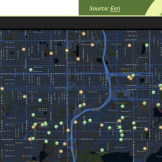
Agencies are using data to improve outcomes. Learn how St. Petersburg, Florida’s police department used data mapping to help fight crime.

AI is embedded in government operations, and agencies need a proactive approach to data governance in order to mitigate risk — and foster trust.

AI systems have become a source of truth for many constituents, but public-sector communication often is poorly designed for AI use and citation. Agencies may need to think about both human and AI audiences.
Compliance rules, although important, can lead to operational and technical headaches, costly investments, and data sharing hurdles. But no matter what state- or industry-specific rules apply, certain best practices can help government teams navigate data compliance mandates.

It’s tough to ensure your data’s accuracy and reliability when you’ve lost track of its origin. Tactics such as metadata management, data stewardship, and traceability audits will help. Learn what they involve.

Government modernization in 2026 is no longer just about digitization — it’s about governing data with intention, using automation and AI to build trust, transparency, and confidence in the information agencies rely on every day.

There can be serious, costly consequences when agency staff expose sensitive data, even if human error is the cause. Here are tactics to prevent and identify data leaks.

When their data sources and fragmented IT systems don’t “talk” to each other, agencies lose opportunities for meaningful insights and create new security risks.

In this video interview, Gina Scinta with Thales Trusted Cyber Technologies explores the connection between AI and cybersecurity, particularly in the government sector.

Discover how two public agencies use data to promote efficiency, enhancing public safety and infrastructure management.