Glints of the Wind /Destellos del viento (revisited)

Image

Image

Image

Image

Image

Image

Image

Image

ImageImage

Image

Image

Image

«Glints of the Wind» is a piece we created in 2017. At that time, we relied on the wonderful illustrations by Marta Menacho to give shape to the idea.

Today, the way we work demands images that are absolutely visual and, although we miss that more creative space of representation, we have no choice but to adapt the language so that ideas can circulate and be understood at first glance. That is why we have dared to redraw the piece.

As in almost all our work, this proposal arises from the direct observation of what surrounds us. We focus on an object that is absolutely common in the urban and domestic landscape: the wind-driven turbine ventilators that sit on top of chimneys and ventilation ducts. Their function is simple and very specific: to use the wind to extract air and smoke from inside buildings. They are cheap, industrial elements, designed to last and to go unnoticed.

However, when sunlight hits their metallic surface, these turbine caps produce rotating glints that catch the eye and force us to look upwards, towards that rooftop landscape we usually ignore.

The piece consists of taking these same tubes and turbine ventilators and bringing them down to ground level, planting them in an open public space as if they formed a small forest of industrial elements of different heights and shapes. Inside each turbine cap, a powerful light source would be installed. As the cap rotates with the wind, the light would fragment and scatter into the surrounding space in the form of moving glints, extending into the night the effect that sunlight produces during the day.

The system is deliberately simple: standard metal tubes, real turbine ventilators, light inside, and wind as the driving force. Low technology, common materials, reduced energy consumption and, whenever possible, renewable energy sources. There are no complex mechanisms or digital control systems: the piece depends entirely on the environment and its changing conditions.

After the intervention, the pieces could return to the everyday landscape. Visitors could take them and install them on rooftops or in gardens, where they would continue to function as kinetic lamps or as rudimentary disco balls, returning to the domestic sphere an object that has always belonged to it.

Hopefully, we will be able to carry out this idea soon.

————————-

«Destellos del viento· es una pieza que creamos en 2017. En aquel momento recurrimos a las maravillosas ilustraciones de Marta Menacho para dar forma a la idea.

Hoy, la manera de trabajar nos exige imágenes absolutamente visuales y, aunque echamos de menos ese espacio más creativo de la representación, no nos queda más remedio que adaptar el lenguaje para que las ideas puedan circular y ser entendidas al primer golpe de vista. Por eso nos hemos atrevido a redibujar la pieza.

Como en casi todo nuestro trabajo, esta propuesta nace de la observación directa de lo que nos rodea. Nos fijamos en un objeto absolutamente común del paisaje urbano y doméstico: los sombreretes eólicos que coronan chimeneas y conductos de ventilación. Su función es sencilla y muy concreta: aprovechar el viento para extraer aire y humo del interior de los edificios. Son elementos baratos, industriales, pensados para durar y pasar desapercibidos.

Sin embargo, cuando el sol incide sobre su superficie metálica, estos sombreretes producen destellos giratorios que llaman la atención y nos obligan a mirar hacia arriba, hacia ese paisaje de tejados que normalmente ignoramos.

La pieza consiste en tomar esos mismos tubos y sombreretes eólicos y desplazarlos al suelo, plantándolos en un espacio público abierto, como si formaran un pequeño bosque de elementos industriales de distintas alturas y formas. En el interior de cada sombrerete se introduciría una fuente de luz potente. Al girar con el viento, la luz se fragmentaría y se proyectaría al entorno en forma de destellos móviles, prolongando de noche ese efecto que durante el día produce el sol.

El sistema es deliberadamente simple: tubos metálicos estándar, sombreretes eólicos reales, luz en su interior y viento como motor. Baja tecnología, materiales comunes, consumo energético reducido y, siempre que sea posible, energías renovables. No hay mecanismos complejos ni control digital: la pieza depende del entorno y de sus condiciones cambiantes.

Tras la intervención, las piezas podrían volver a integrarse en el paisaje cotidiano. Los visitantes podrían llevárselas e instalarlas en azoteas o jardines, donde seguirían funcionando como lámparas cinéticas o como rudimentarias bolas de discoteca, devolviendo al ámbito doméstico un objeto que siempre ha pertenecido a él.

Ojalá podamos llevar esta idea a cabo pronto.

Image

Image

Image

Light Exercise for Christmas Trees in Minimally Festive, Maximally Warlike Times / Ejercicio de luz para árboles de Navidad en tiempos mínimamente festivos y máximamente bélicos (2025)

Image

Image

Image

Image

Image

Image

Image

Image

Image

Image

Image

Image

Image

Since we began working with light, we have used this time of year as a critical exercise. Each year we imagine a Christmas decoration that we know will never be carried out, but that helps us think about the moment we are living in and the contradictions we too easily accept.

Inevitably, we return to the theme of war, even though we know it no longer shocks. War has become part of our daily lives and coexists seamlessly with the normality of our celebrations.

For this light exercise, simply showing war where it is expected is no longer enough. It has to be taken to the places where it truly disturbs: where it is anti-aesthetic, where it breaks the staging of optimism and consumption. That is why we return once again to the Christmas tree, the element that dominates public space in almost any city.

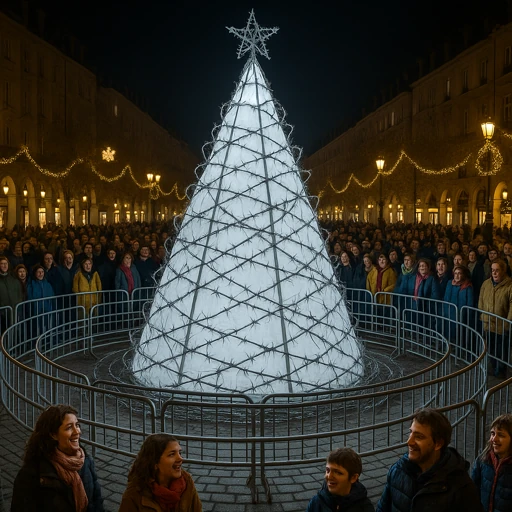
The piece we imagine this year would be easy to produce. We would use the standard conical light structures that cities rent to build Christmas trees, covering them with translucent white fabric, backlit from inside with a cold, uniform light. Around the form, barbed wire would wrap the structure, with no ornaments, no colour, no added decorative elements, no embellishment of any kind.

This is not a celebration, nor a decorative proposal. It is simply an uncomfortable image placed in a festive context. We know it will not happen, but imagining it offers a small consolation and slightly relieves, if only for a moment, the excess of light that presses on our stomachs at this time of year.

————

Desde que trabajamos con la luz, utilizamos estas fechas como un ejercicio crítico. Cada año imaginamos una decoración navideña que sabemos que no se llevará a cabo, pero que nos sirve para pensar el momento que vivimos y las contradicciones que aceptamos con demasiada facilidad.

Como no podía ser de otro modo, volvemos a la temática bélica, aun sabiendo que ya no impacta en absoluto. La guerra forma parte de nuestra cotidianidad y convive sin fricción con la normalidad de nuestras celebraciones.

Por eso, para este ejercicio lumínico no basta con mostrar la guerra donde se espera verla: hay que llevarla a los lugares donde verdaderamente molesta, por antiestética, porque rompe la escenografía del optimismo y el consumo. Volvemos así al árbol navideño, ese que domina el espacio público de cualquier ciudad que se precie.

La pieza que imaginamos este año sería fácil de realizar. Utilizaríamos las estructuras cónicas de luz estándar que se alquilan para construir los árboles navideños, cubriéndolas con tela blanca translúcida retroiluminada desde el interior con una luz fría y uniforme, mientras la concertina envolvería la forma sin adornos, sin color, sin elementos decorativos añadidos, sin abalorio alguno.

No se trata de una celebración ni de una propuesta decorativa. Es simplemente una imagen incómoda colocada en un contexto festivo. Sabemos que no se hará, pero imaginarla nos consuela mínimamente y rebaja, aunque sea por un instante, el empacho lumínico que nos presiona el estómago en estas fechas.

Image

Image

Image


On Blank Pages / En hojas blancas. Cáceres 2025

Image

Image

Image

Image


Image


Image

Image

Image

Image

Image

Image

Image

Image

Imageç Image

Image

Image

Image

Image

Image

Image

Image

Image

Image

Image

Image

Image

Image

Image

Image

Image

Image

Image

Image

Image

Image

Image

Image

Image

Image

Image

Image

Image

Image

Image

Image

Image

Image

Image

Image

Image

Image

Image

Image

Image

Image

Image

Image

Image

Image

Image

Image

Image

Image

Image

Image

Image

Image

Image

Image

Image

Image

Image

Image

Image

Image

Image

Image

Image

Image

Image

Image

Image

Image

Image

Image

Image

Image

Image

Image

Image

Image

Image

Image

Image

Image

Image

Image

Image

Image

Image

Image

Image

Image

Image

Image

Image

Image

Image

Image

Image

Image

Image

Image

Image

Image

Last November, we were invited to work in Cáceres with our piece “On Blank Pages”. The installation inaugurated the activities with which the city begins its candidacy to become the European Capital of Culture 2031.

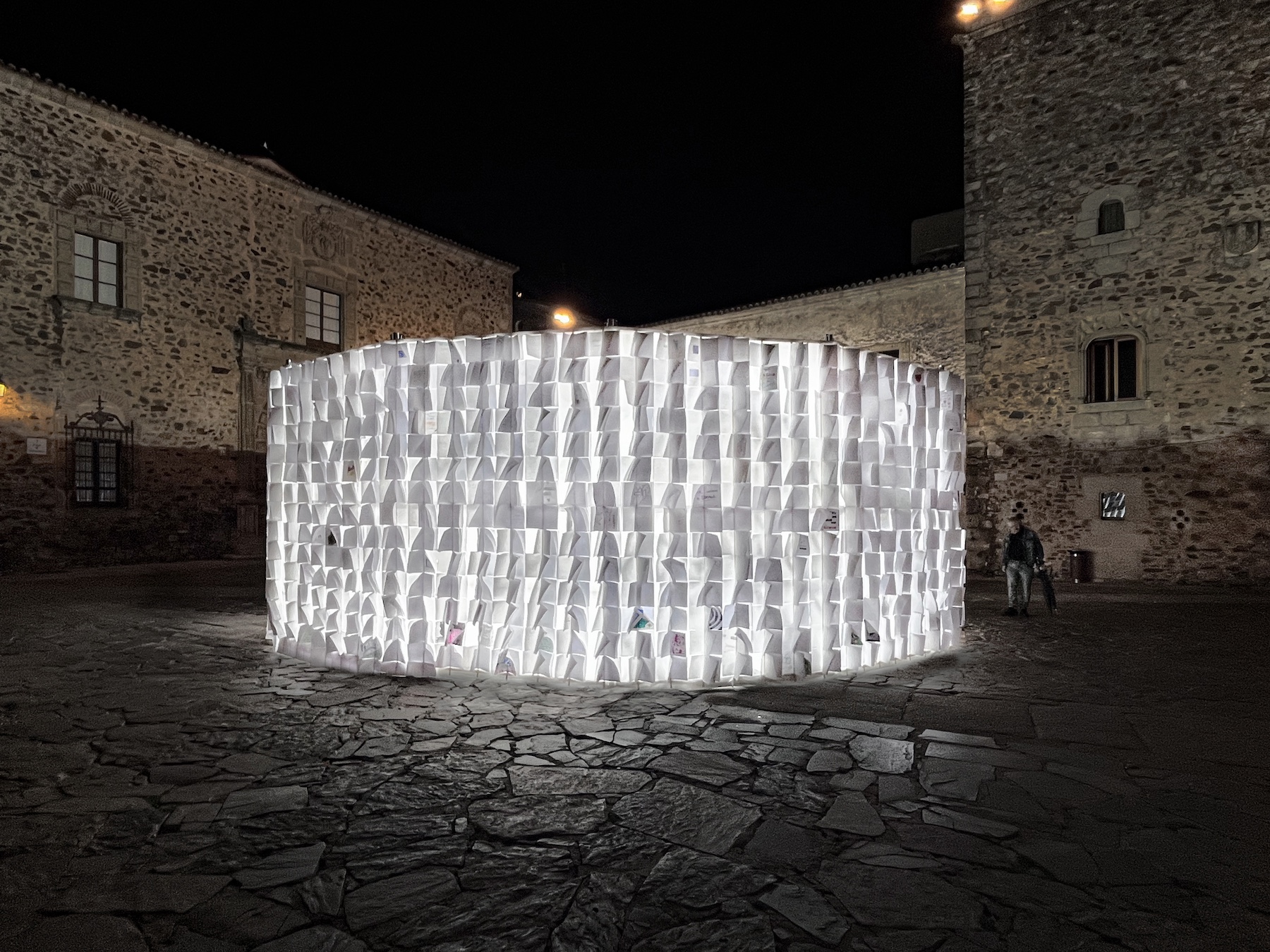
For three days, the piece took over Plaza de Santa María with a large circular wall covered in thousands of notebooks filled with messages from citizens. The structure, illuminated from within, functioned as a collective archive and a wall of free expression—something the public could write on and transform. The wind rustled the pages, creating an unpredictable collage of shared thoughts and reflections.

Participation unfolded on three levels: through preliminary workshops in schools and senior centers; during the installation, through spontaneous contributions by visitors; and remotely, via messages sent and shared by those who could not attend in person. All contributions revolved around Europe, culture, and the role of citizens.

Over the course of the event, the messages multiplied, and even the rain altered the physical appearance of the installation, adding an unexpected texture that reinforced its organic and mutable nature.

Some of the notebooks will soon travel to Brussels as a testament to the public’s interest in this European initiative.

We would like to thank the Consorcio Cáceres Capital Europea de la Cultura 2031  for the opportunity to carry out this intervention; 3 Elefantas for selecting us and producing the project; Burna visual Art for executing the piece with care and precision; and of course, the people of Cáceres for actively participating and giving meaning to every page.

On Blank Pages is an installation we have already carried out in various parts of the world. The version created for Cáceres has been one of the most ambitious to date, due to its scale, local involvement, and symbolic value as the starting point on the city’s path toward cultural capital status.

Time of installation: and installation: 2 days.
Damages: none.
Exhibition time: 3 days.

——————————–

El pasado mes de noviembre fuimos invitados a trabajar en Cáceres con nuestra pieza “En hojas blancas”. La instalación inauguró las actividades con las que la ciudad  arranca su candidatura para convertirse en Capital Europea de la Cultura 2031.

Durante tres días, la pieza ocupó la Plaza de Santa María con un gran muro circular recubierto por miles de cuadernos intervenidos con mensajes de los ciudadanos. La estructura, iluminada desde el interior, funcionaba como un archivo colectivo y un muro de libre expresión, que el público podía escribir y transformar. El viento movía las páginas creando un collage imprevisible de ideas y reflexiones compartidas.

La participación se articuló en tres niveles: con talleres previos en centros educativos y residencias de mayores; durante la instalación, con las intervenciones espontáneas de los visitantes; y de forma remota, mediante mensajes enviados y compartidos por quienes no pudieron asistir en persona. Todos ellos giraban en torno a Europa, la cultura y el papel de la ciudadanía.

A lo largo de los días, los mensajes fueron creciendo y la lluvia incluso modificó el aspecto físico de la instalación, aportando una textura inesperada que reforzó su carácter orgánico y mutable.

Algunos de los cuadernos viajarán próximamente a Bruselas como testimonio del interés ciudadano por esta propuesta europea.

Queremos dar las gracias al Consorcio Cáceres Capital Europea de la Cultura 2031 por darnos la oportunidad de llevar a cabo esta intervención; a 3 Elefantas por elegirnos y producir el proyecto; a Burna visual Art por materializar la pieza con precisión y cuidado; y, por supuesto, a los ciudadanos de Cáceres por participar activamente, llenando de sentido cada una de sus páginas.

En hojas blancas” es una instalación que ya hemos realizado en distintas partes del mundo. La versión creada para Cáceres ha sido una de las más ambiciosas por su escala, implicación local y valor simbólico como punto de partida del camino hacia la capitalidad cultural.

Tiempo de montaje:  2 días.
Daños ocasionados: 0.
Permanencia de la intervención: 3 días.

On Blank Pages – Unrealized Visions / En hojas blancas – Visiones no realizadas

Image

Image

Image

Image

Image

Image

Image

Image

Image

Image

Image

Image

Image

Image

Image

Image

Image

ImageImage

Image

Image

Image

Image

Image

Image

Image

ImageImage

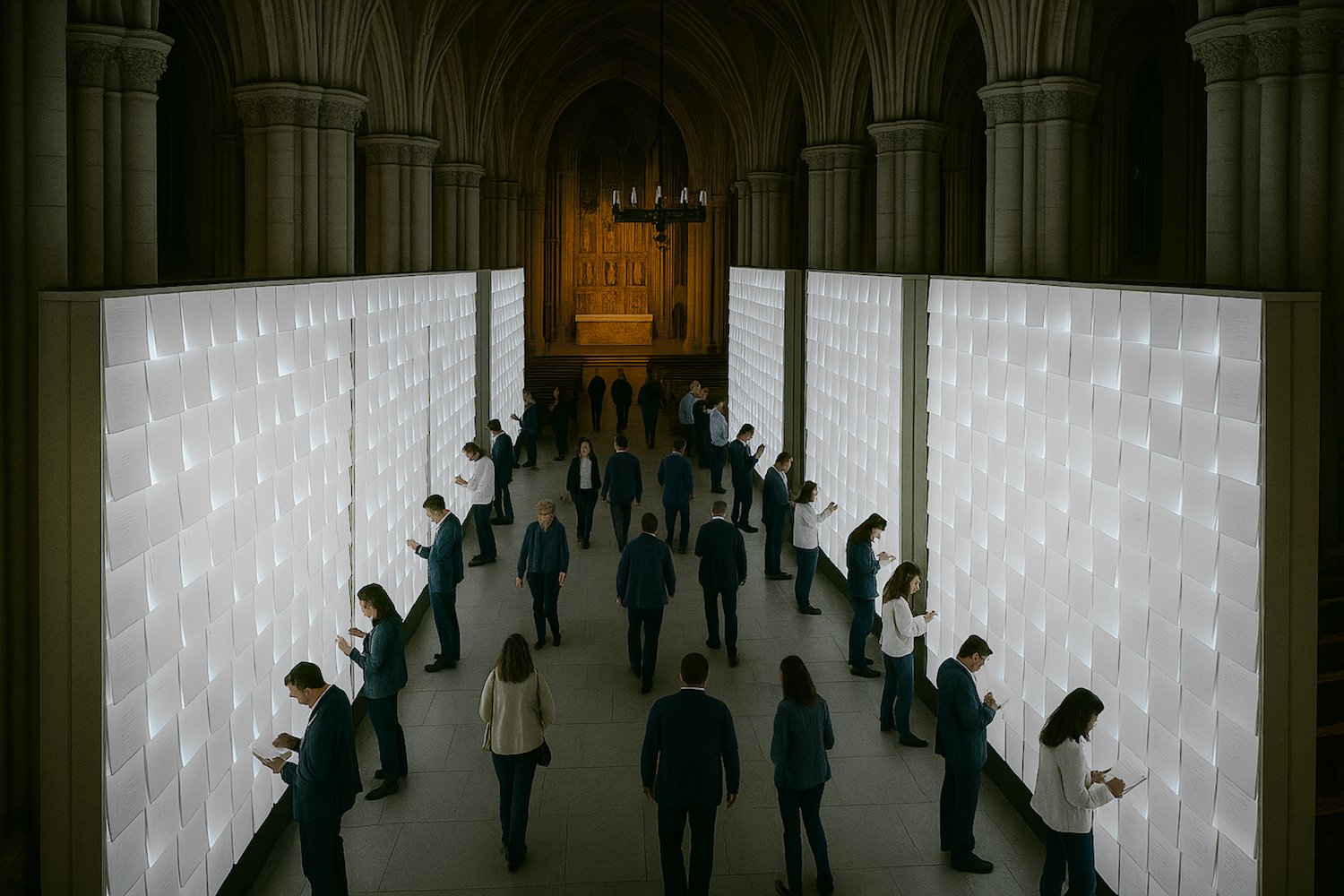
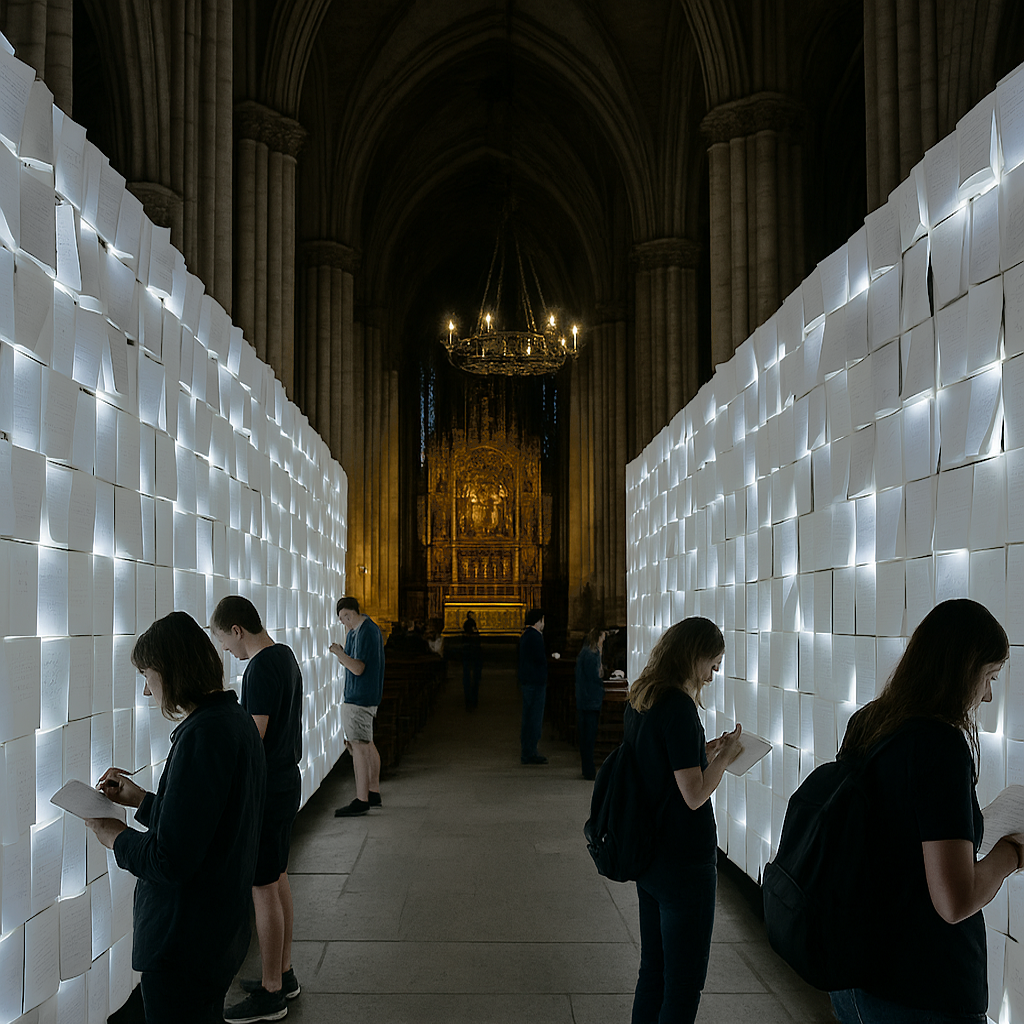
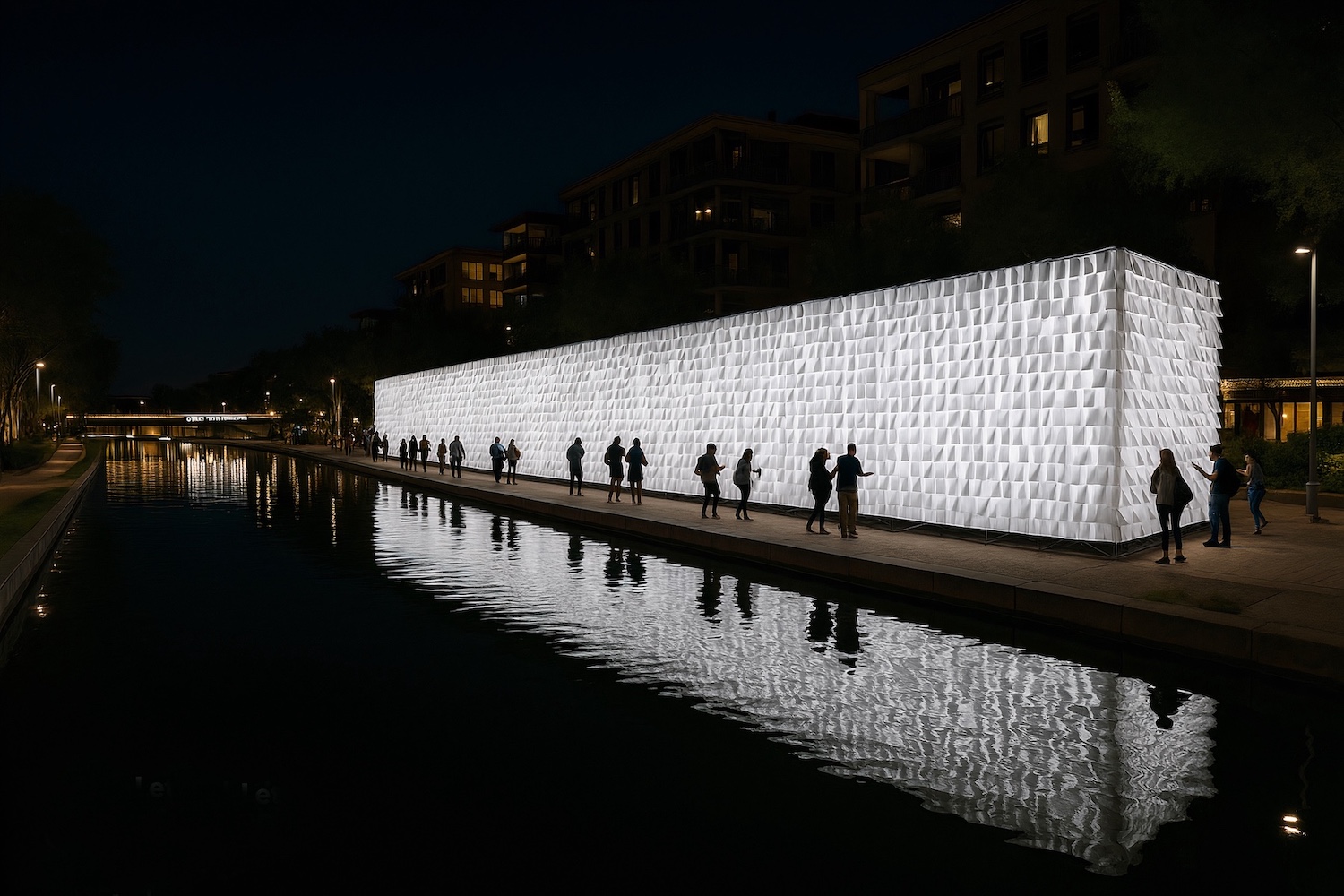
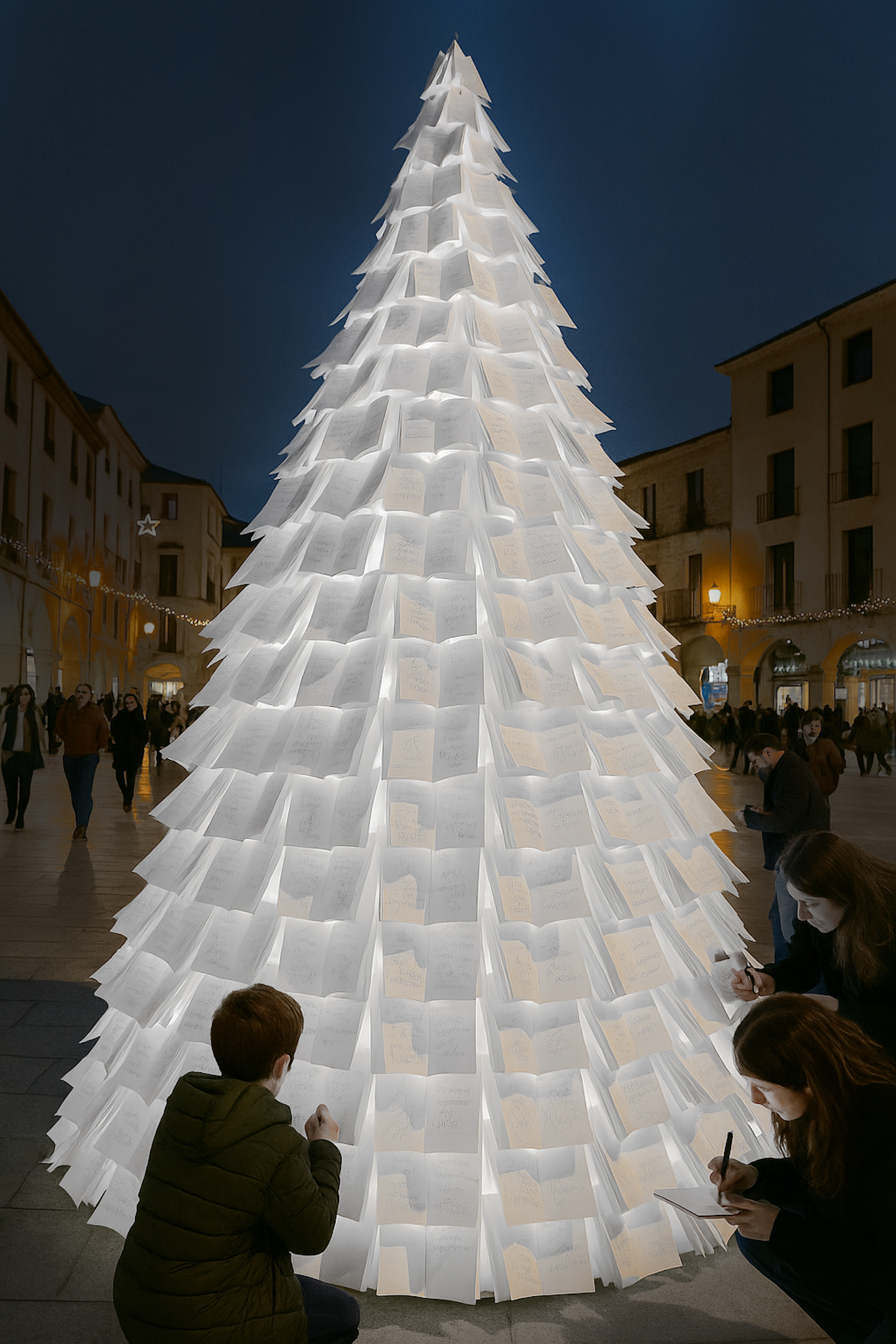
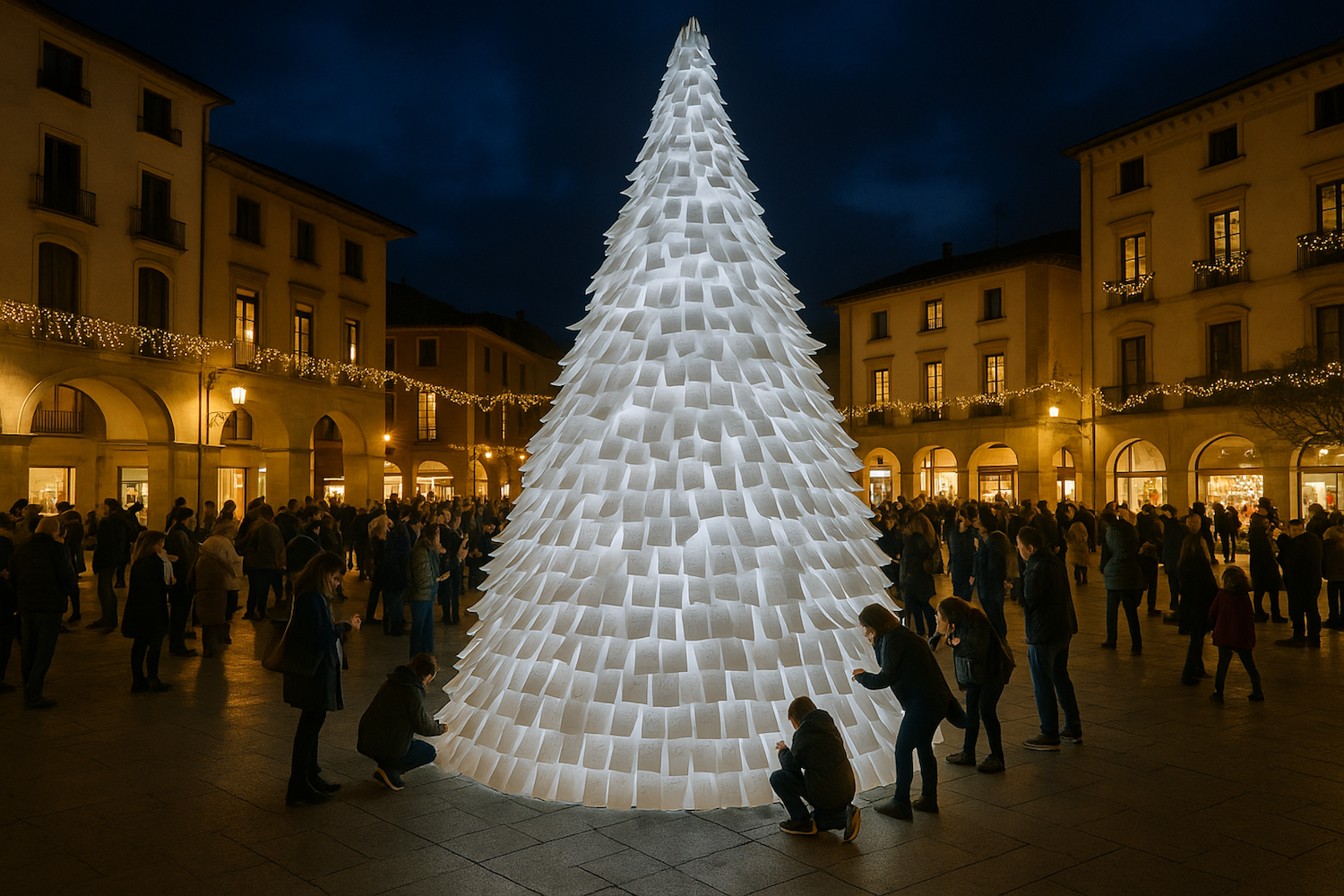
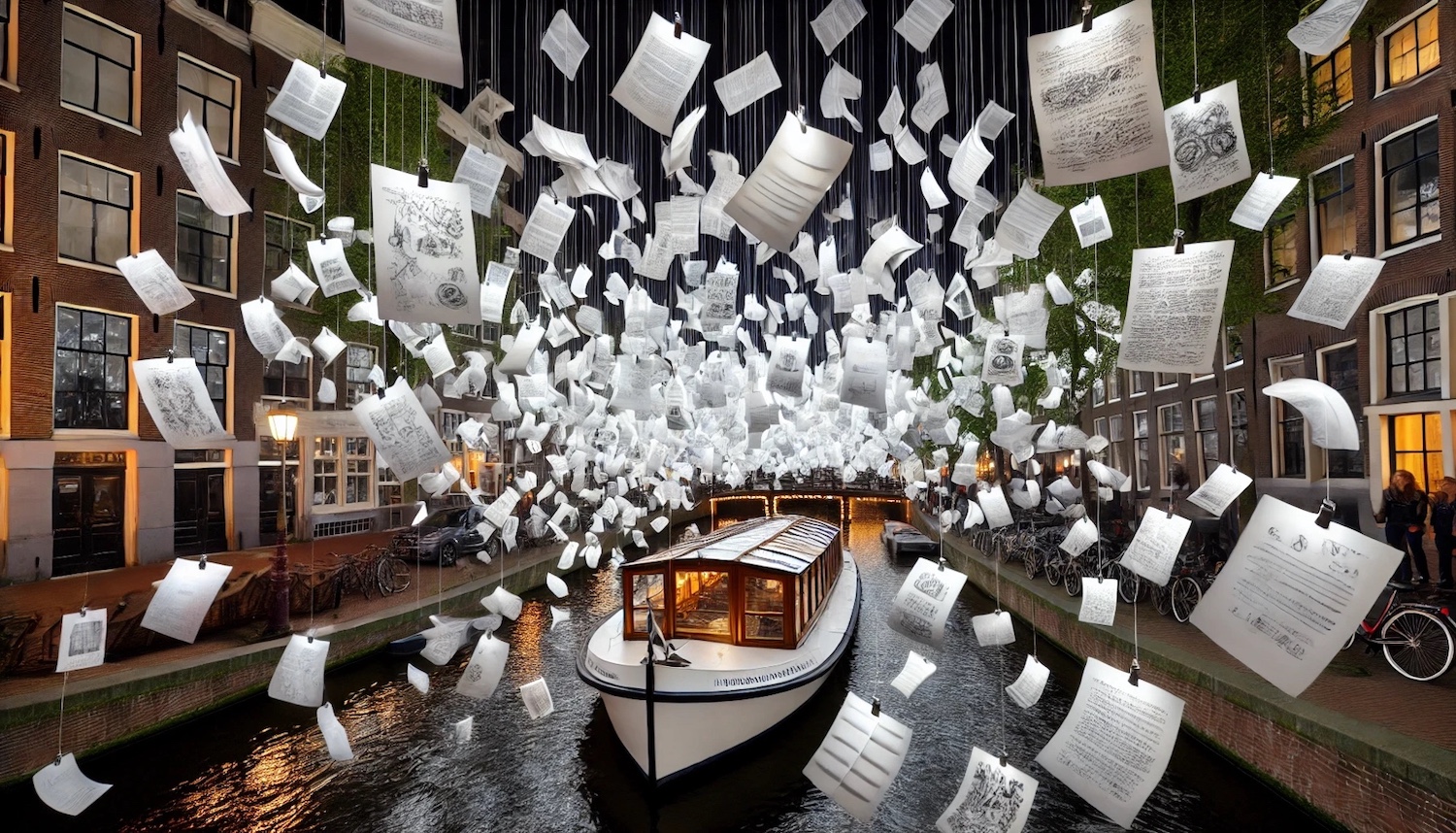
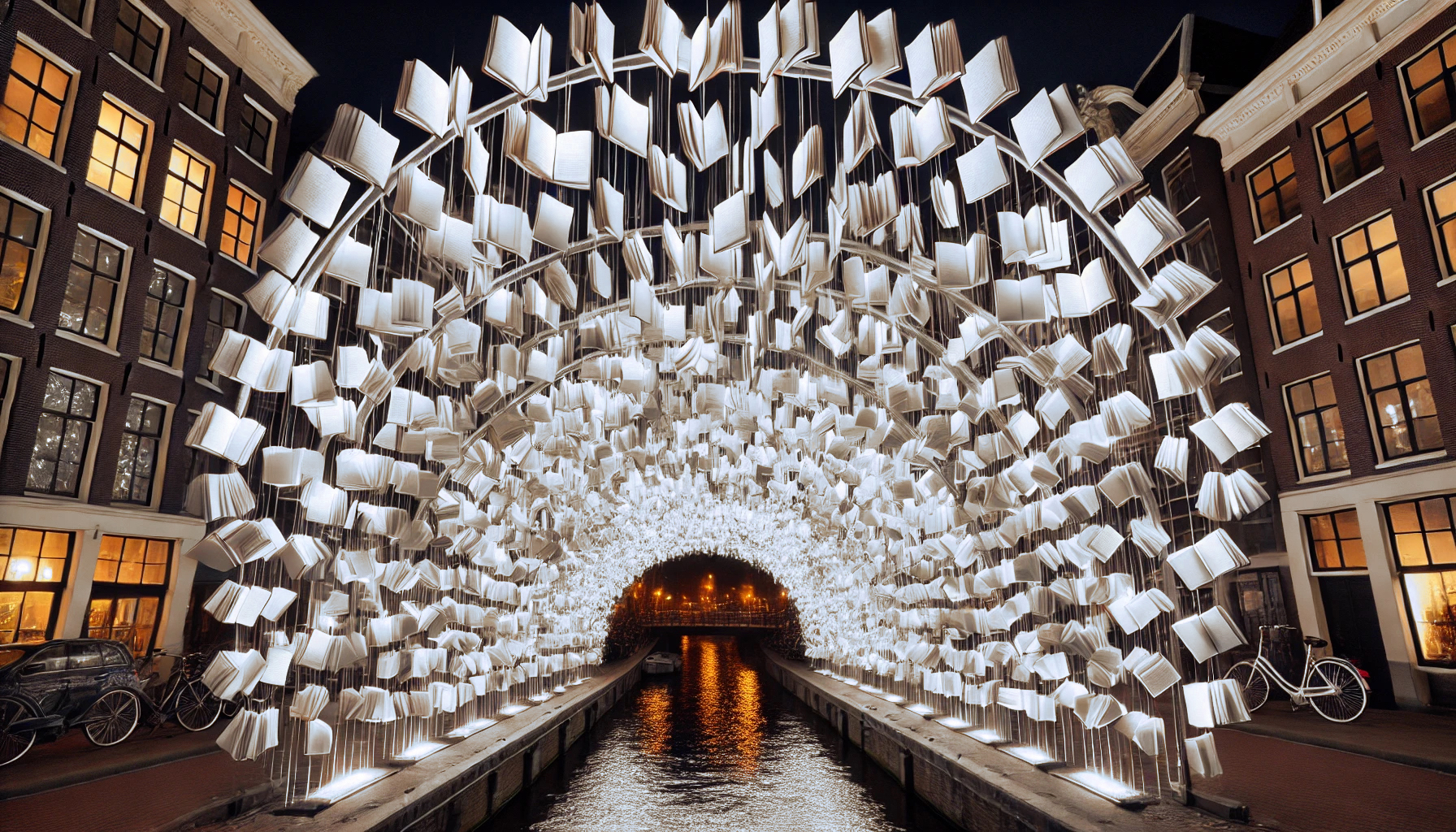
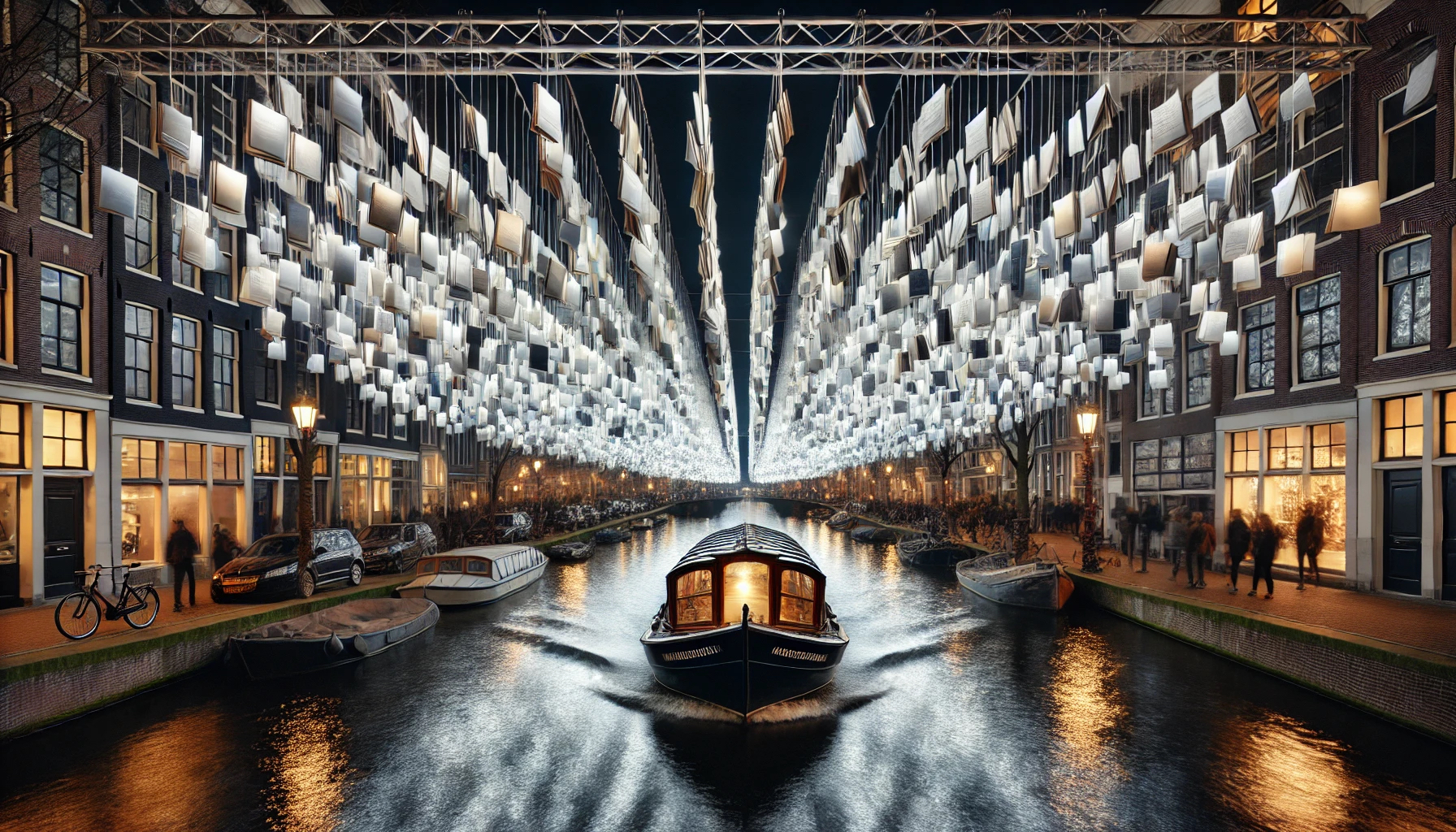
We want to share some versions of On Blank Pages that have been requested in different countries but ha

ve not yet been realized. These speculative proposals show the adaptability of the piece to different contexts, cultures, and public spaces.

On Blank Pages is an artwork we have already carried out in many parts of the world, where it has taken on new meanings through the voices and reflections of the people who participated. Each version becomes a living archive of emotions, memories, and shared thoughts about identity, community, and the role of culture in public life.

You can see the documented versions of the piece here.


Queremos compartir algunas versiones inéditas de nuestra instalación En hojas blancas, propuestas que nos han solicitado en distintas partes del mundo pero que aún no hemos llegado a materializar.

A lo largo de los años, la pieza ha cobrado vida en numerosas ciudades, adaptándose a diferentes contextos sociales y urbanos, siempre con la voluntad de invitar a la ciudadanía a escribir, intervenir y compartir sus pensamientos sobre temas que nos afectan a todos.

Estas versiones que aún no han visto la luz nos permiten imaginar nuevas formas de activar el espacio público a través de la escritura colectiva y la luz, y mantienen viva nuestra voluntad de seguir ampliando los caminos de esta obra.

Puedes ver las versiones ya realizadas aquí:
👉 https://www.luzinterruptus.com/?s=blank+pages

Plastic Gusts / Ráfagas de Plastico (adaptation)

Image

Image

Image

Image

Image

Image

Image

ImageImage

Image

Image

Image

Image

Image

Image

Image

Image

Image

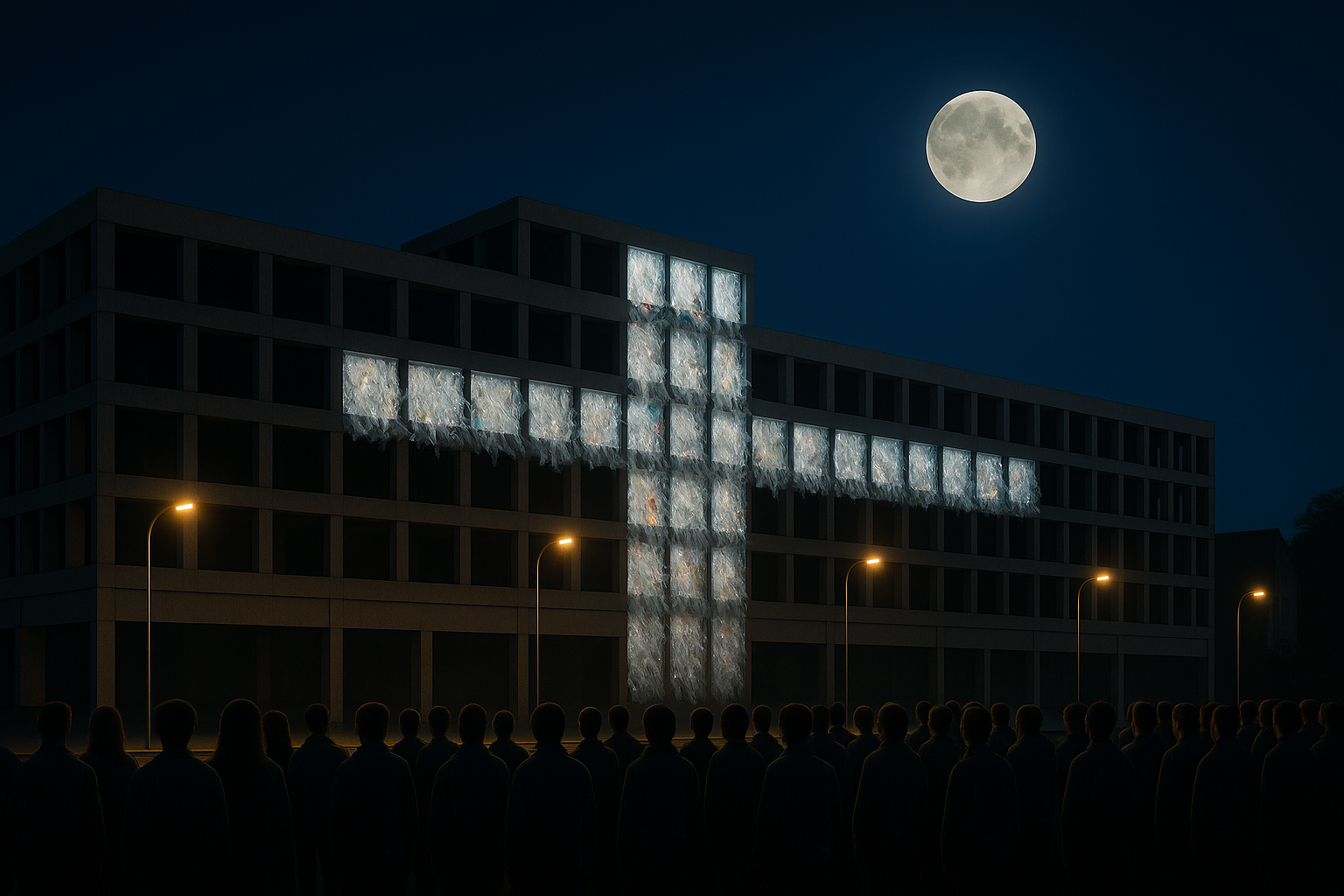
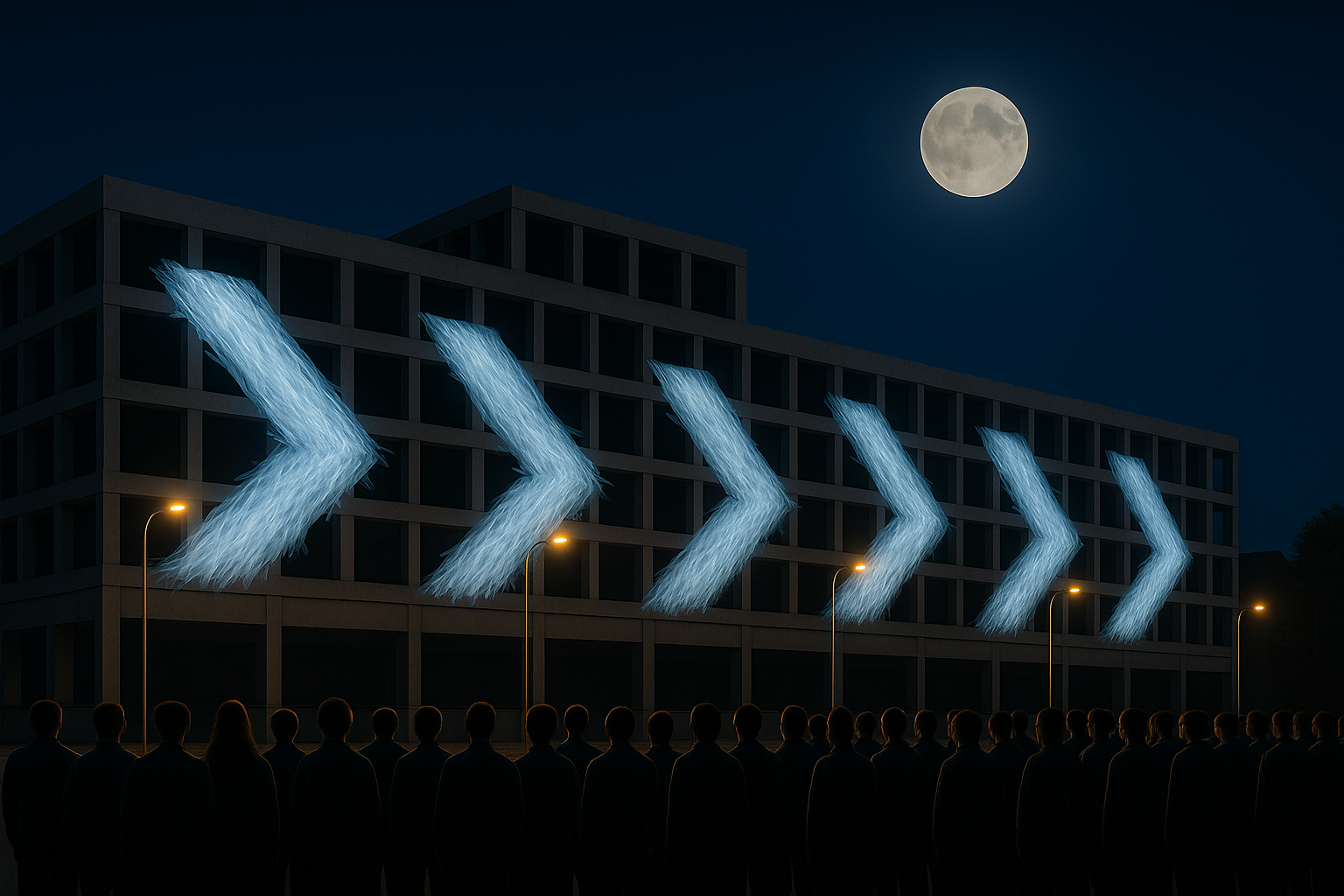
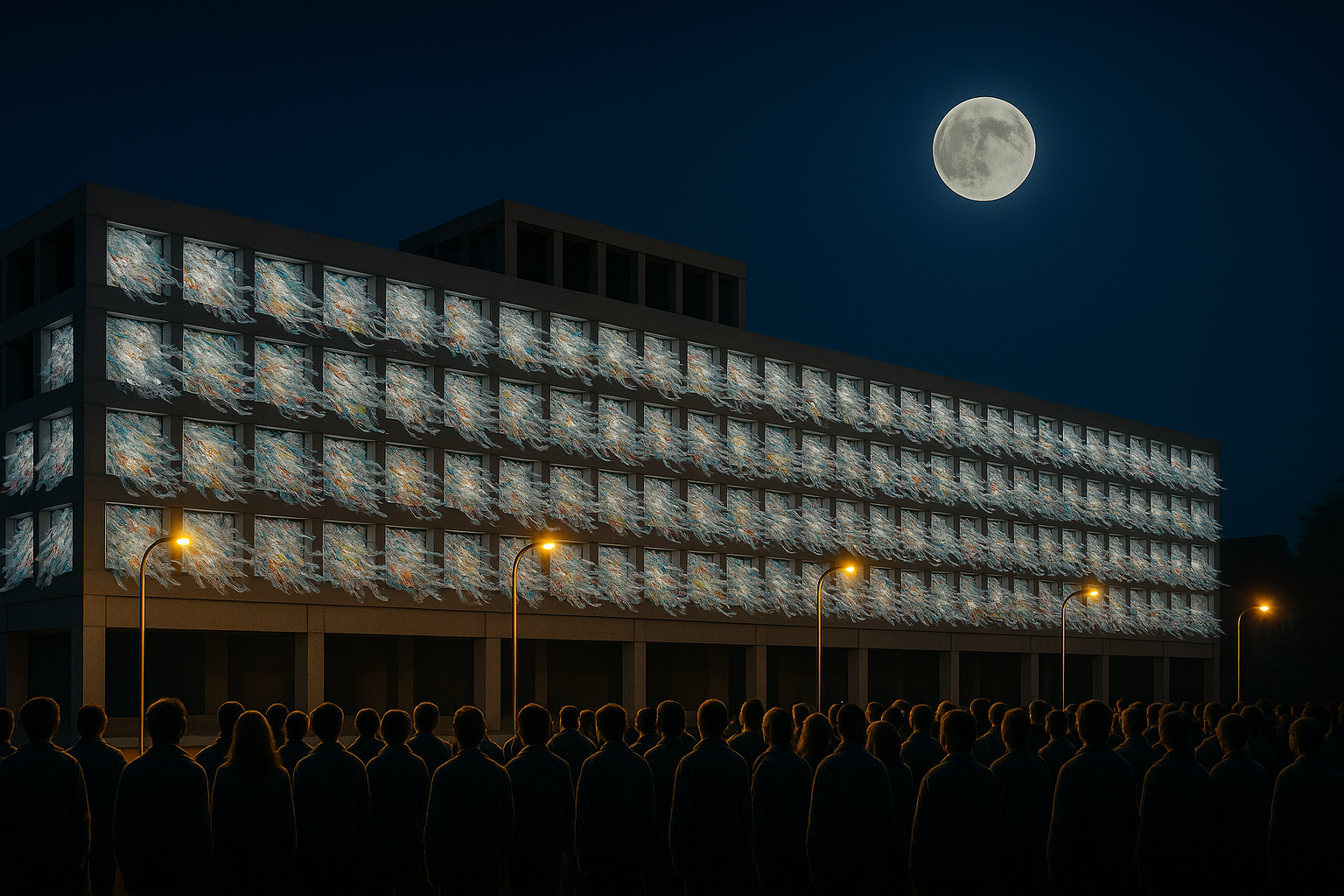
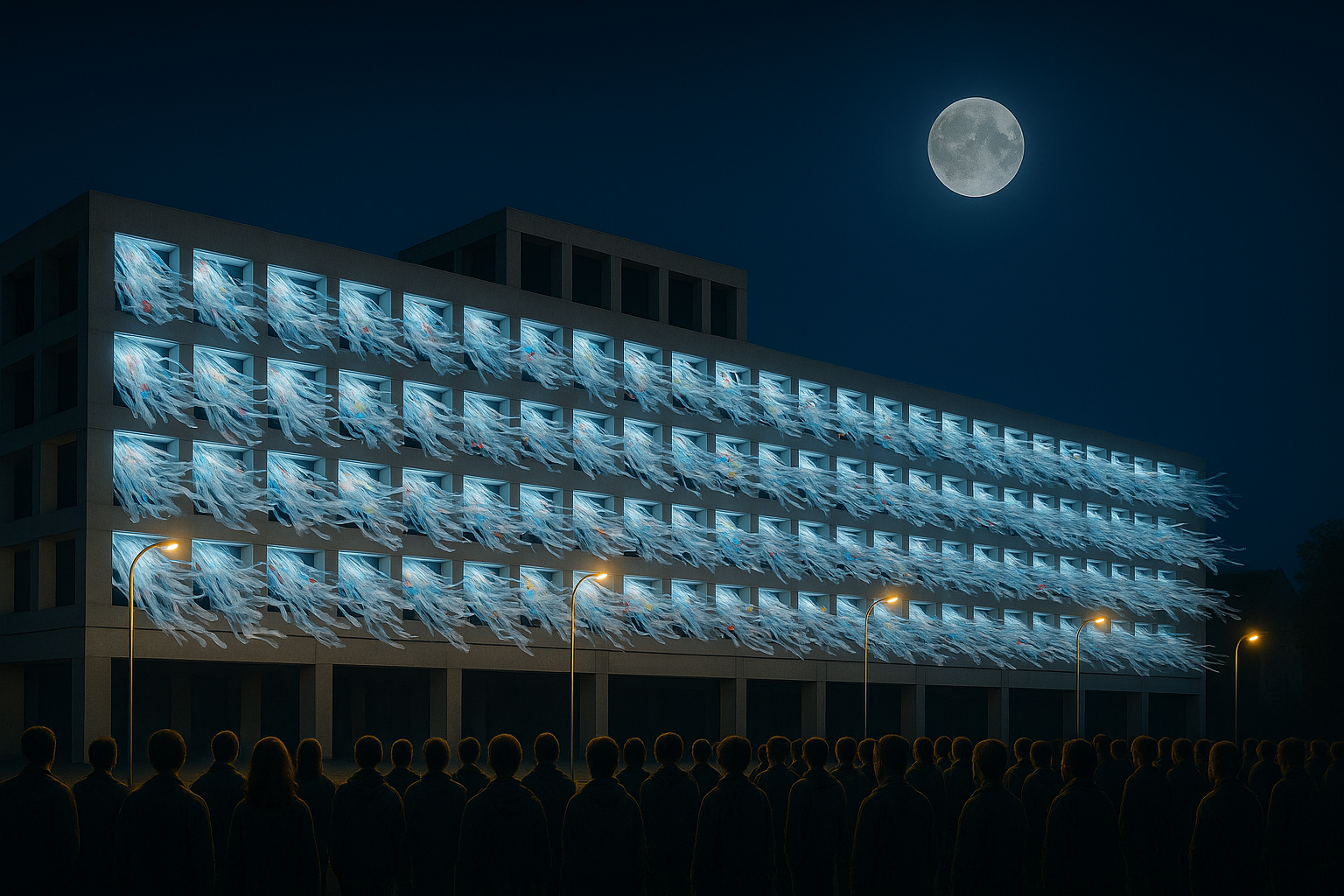
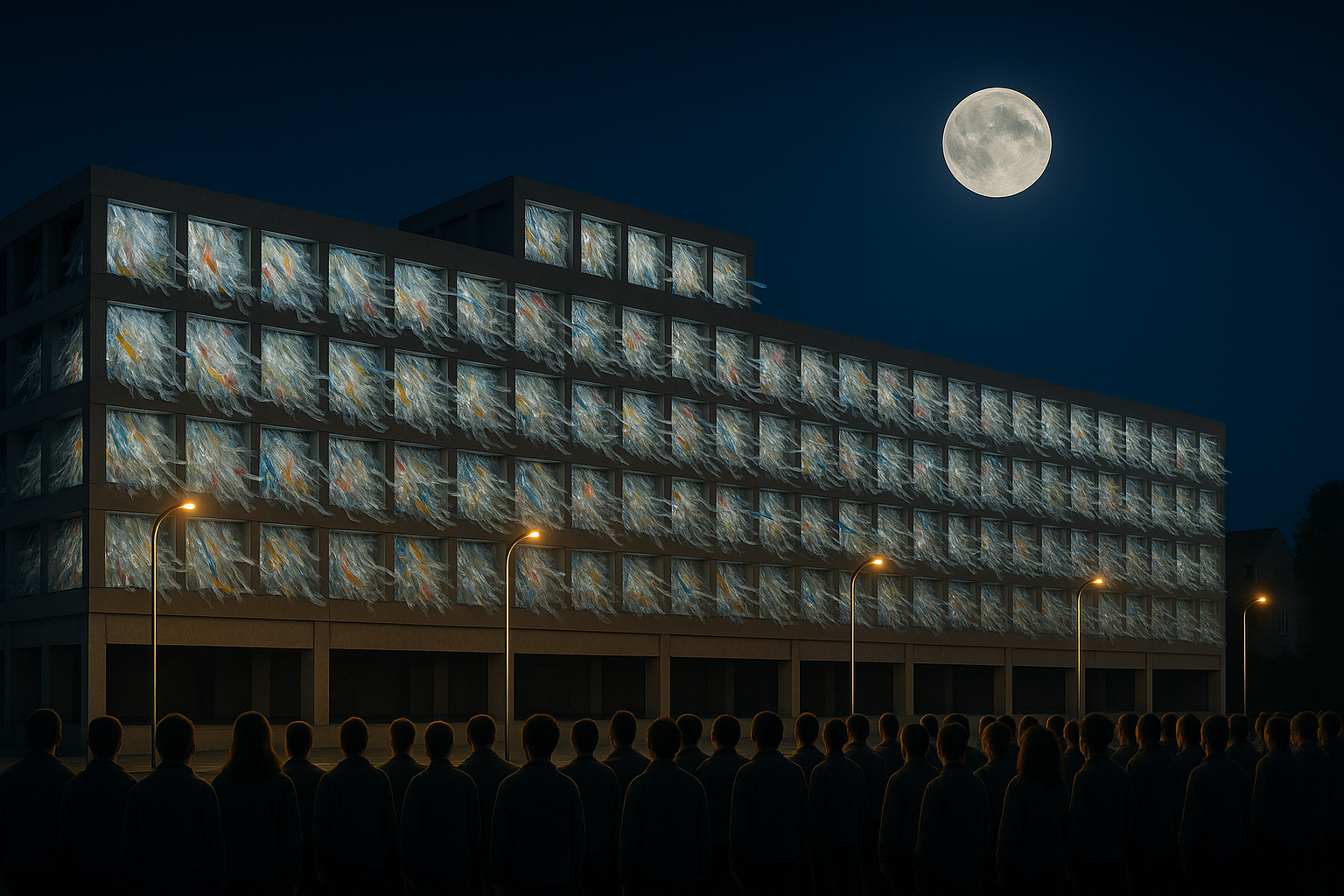
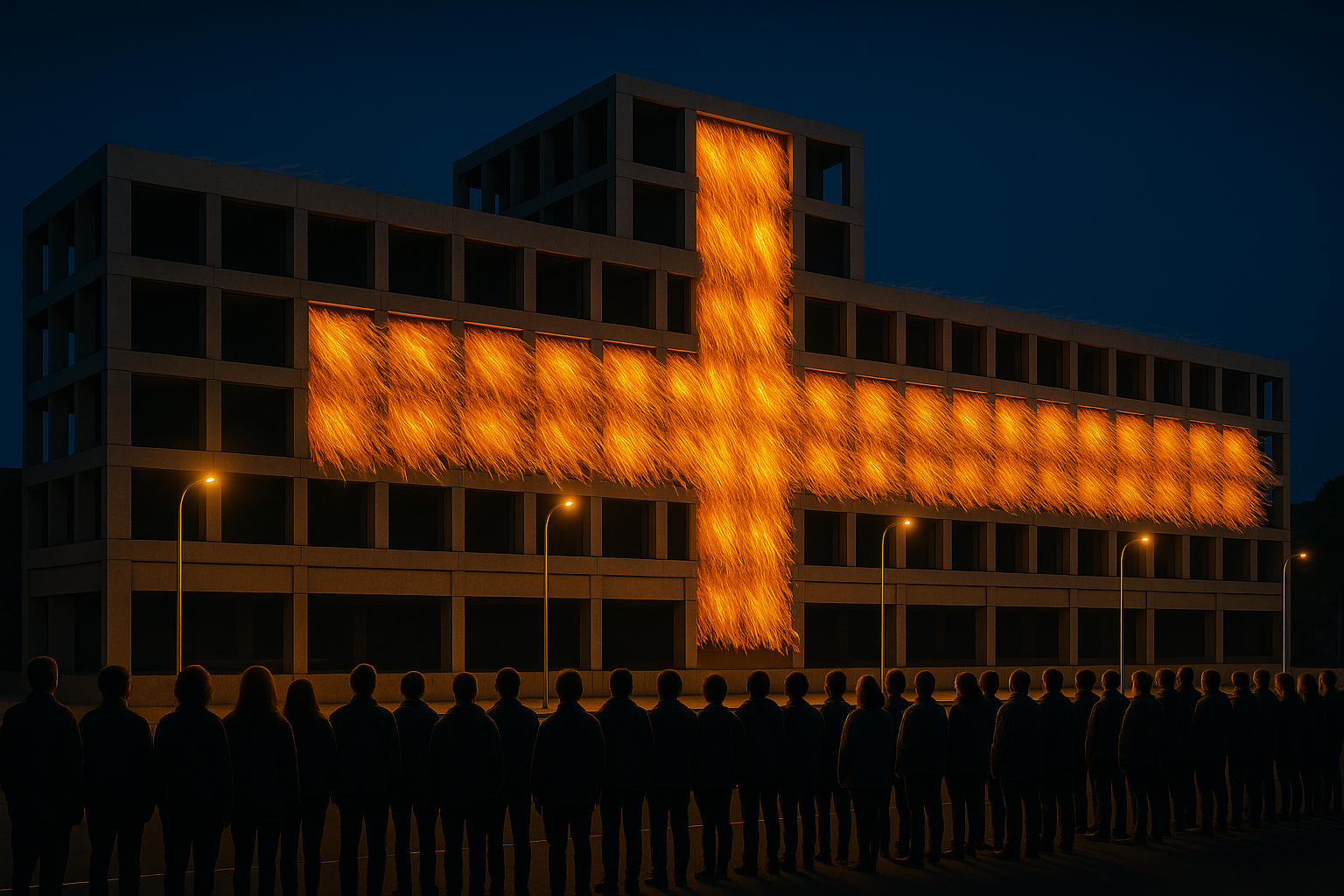
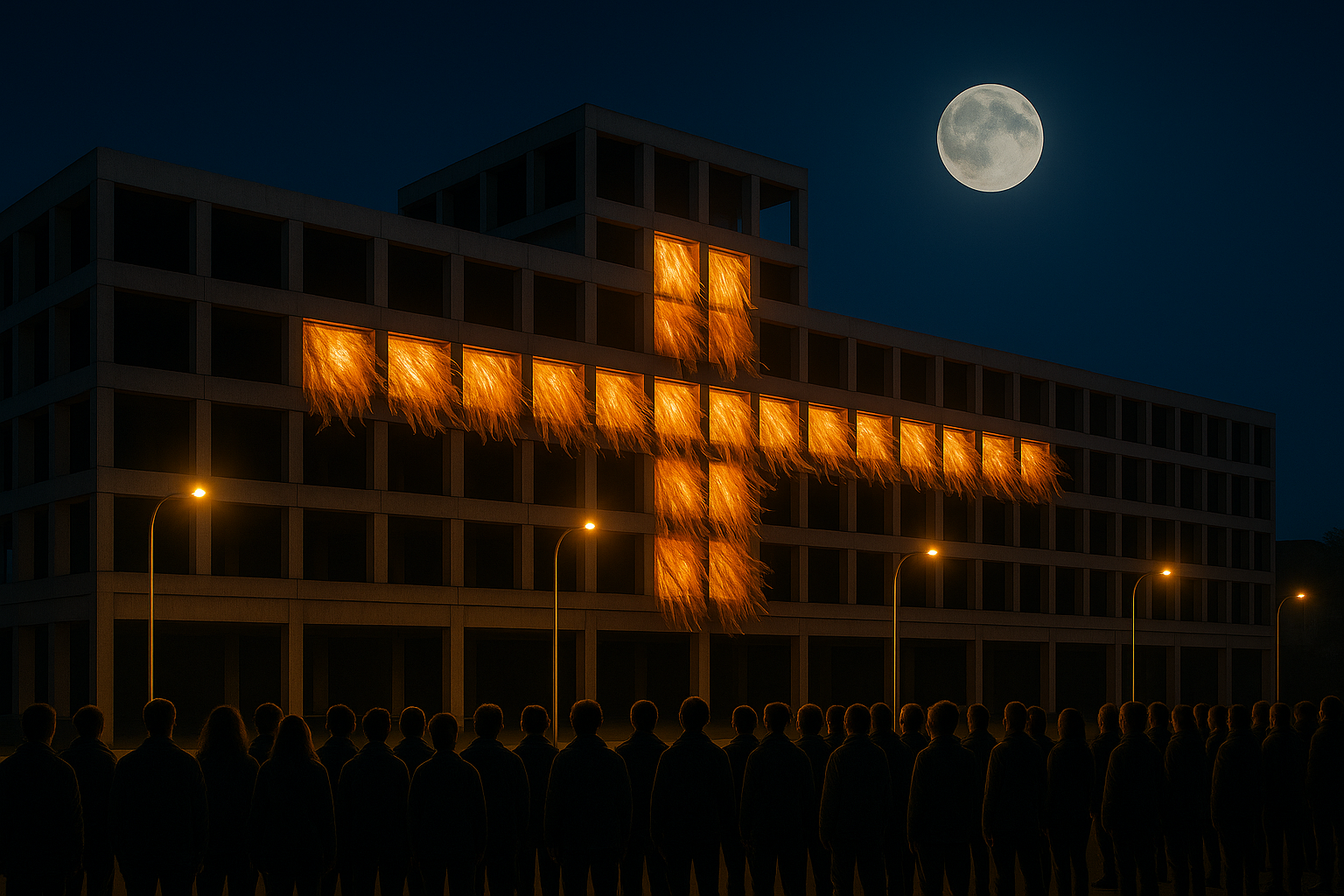
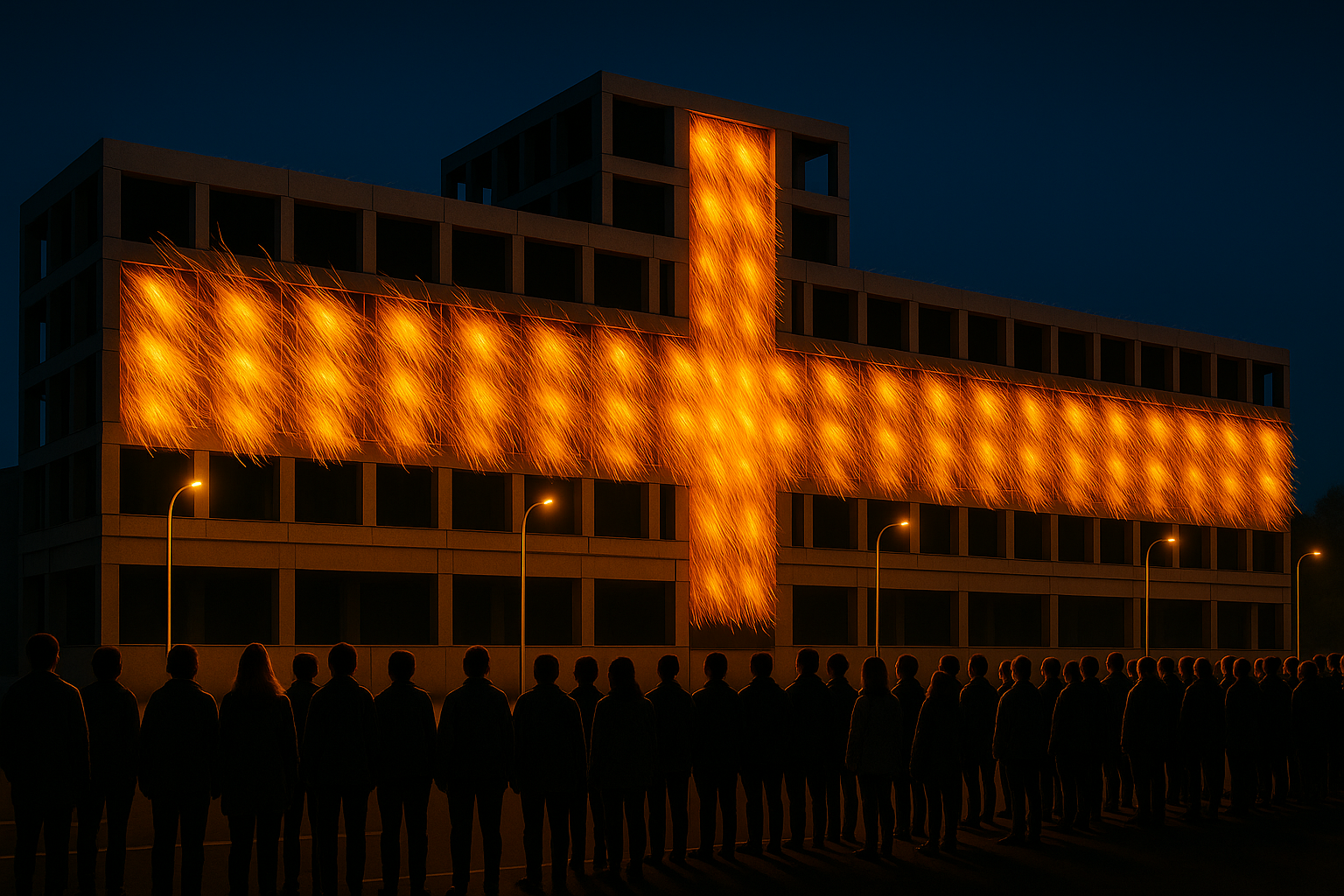
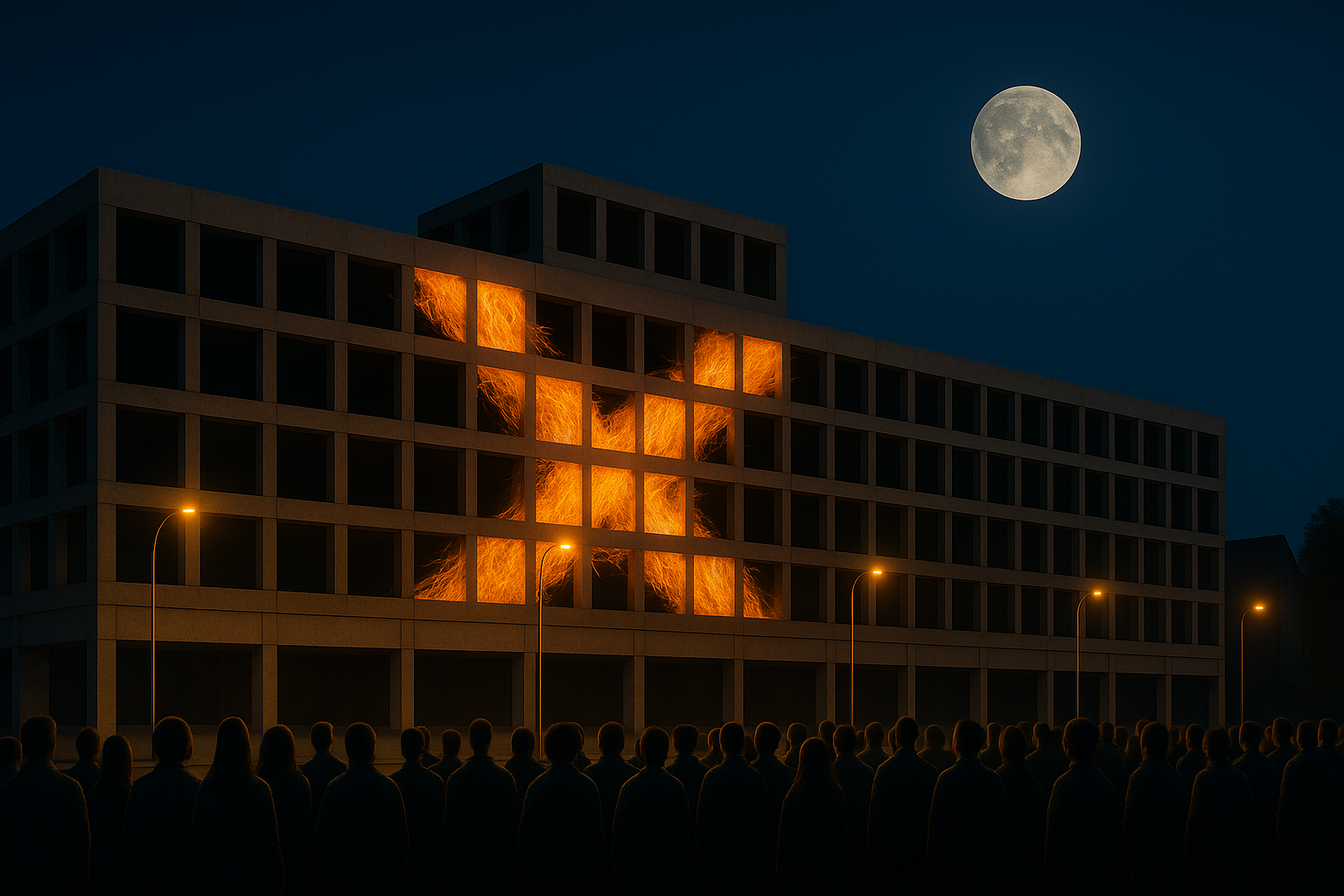
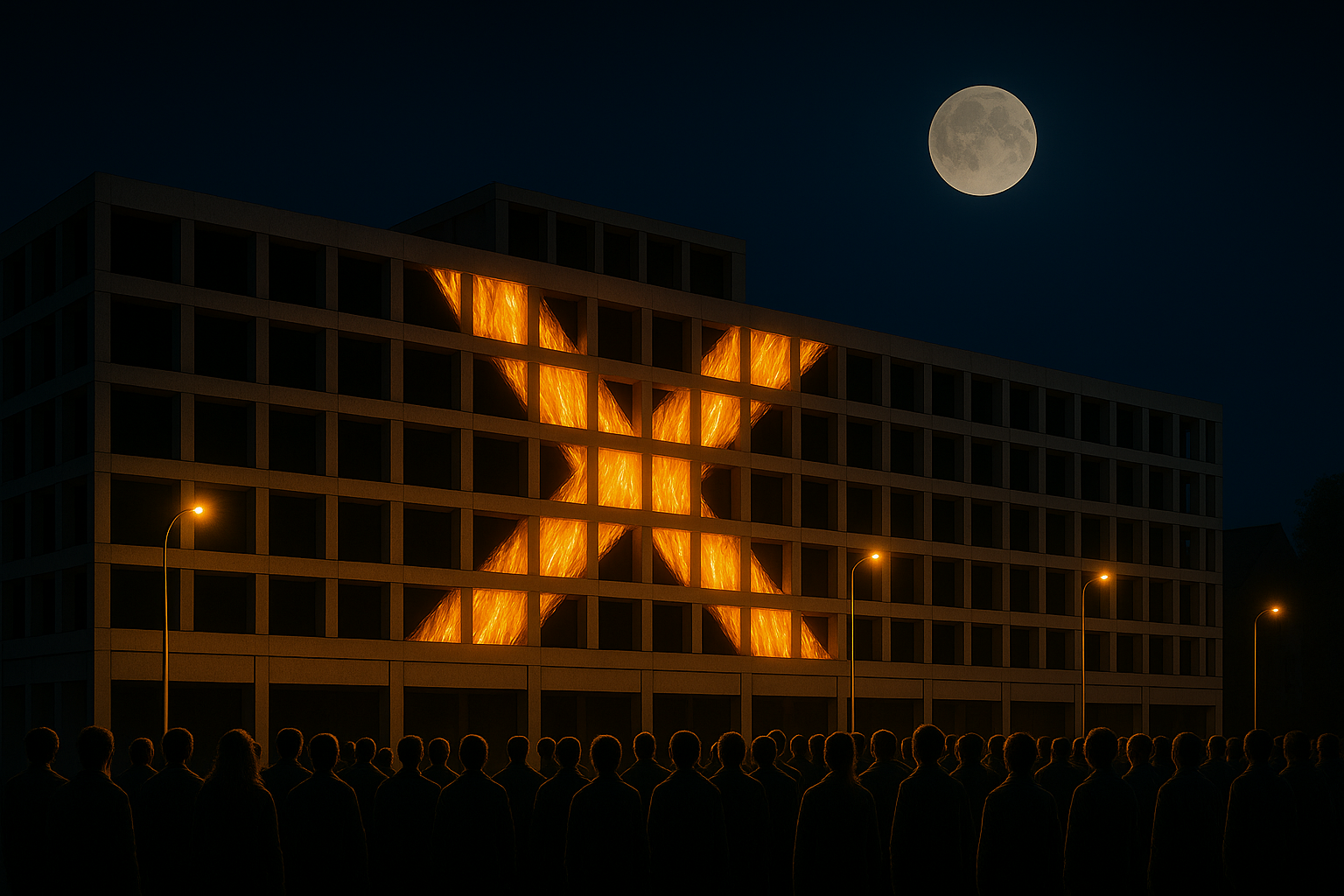
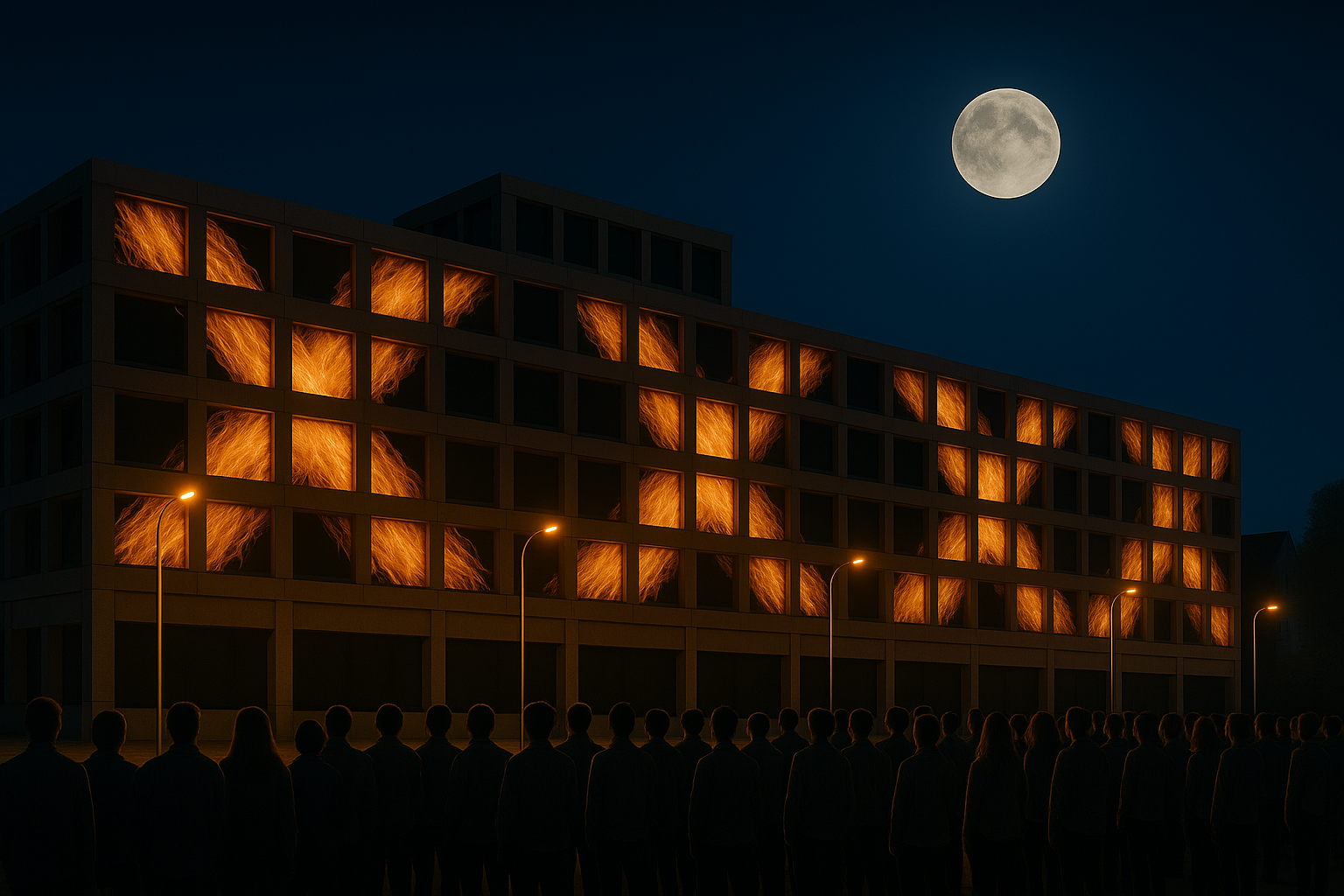
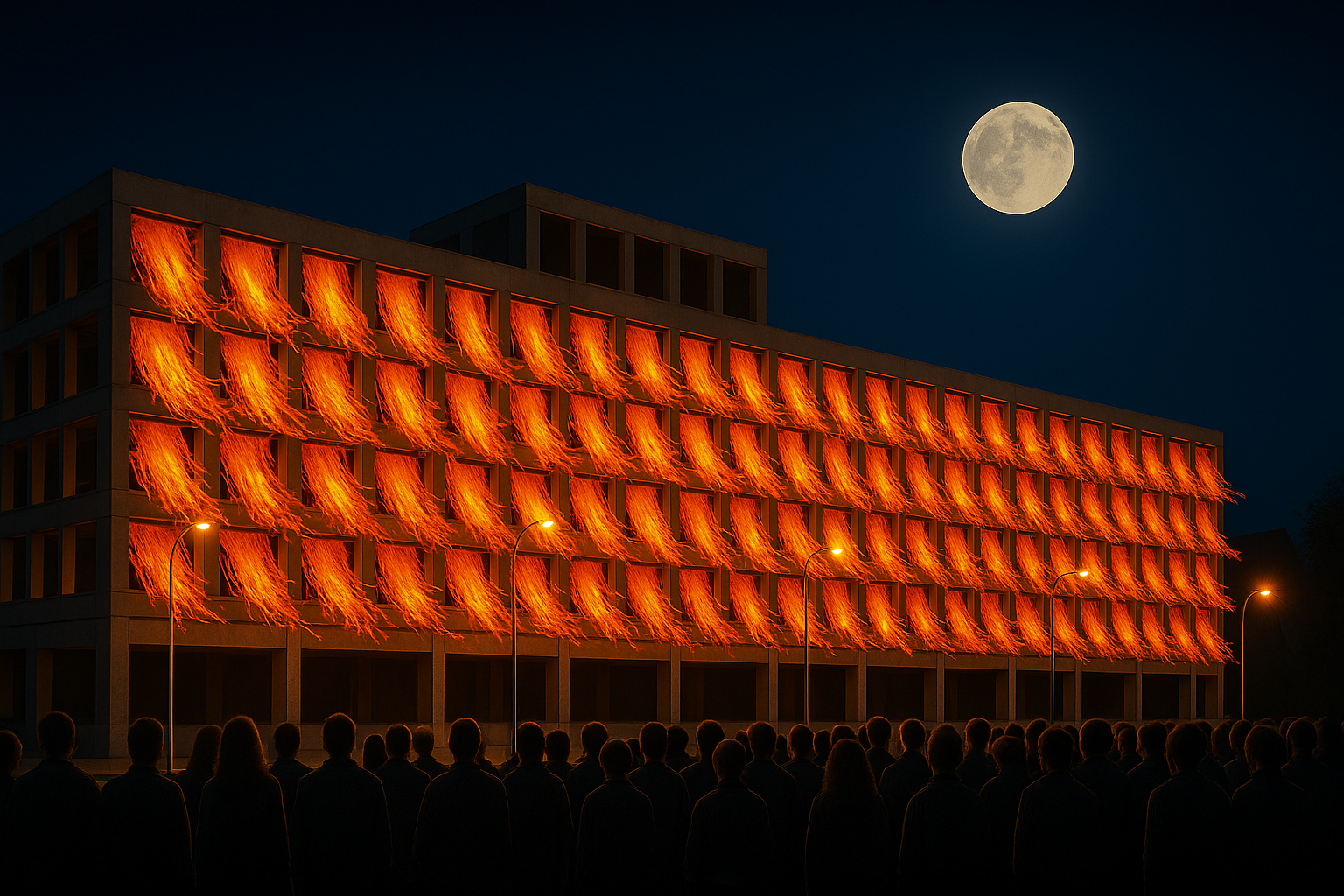
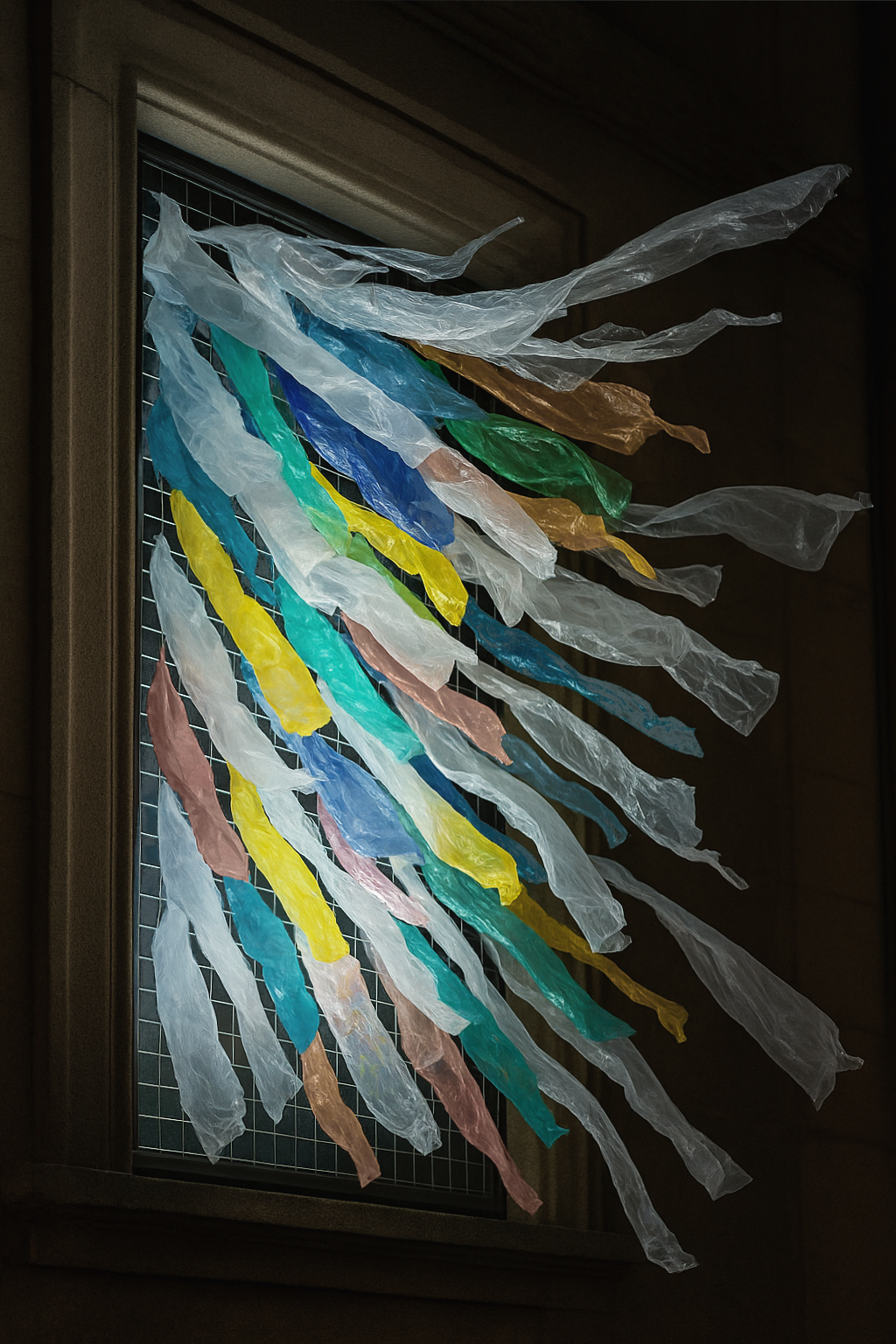
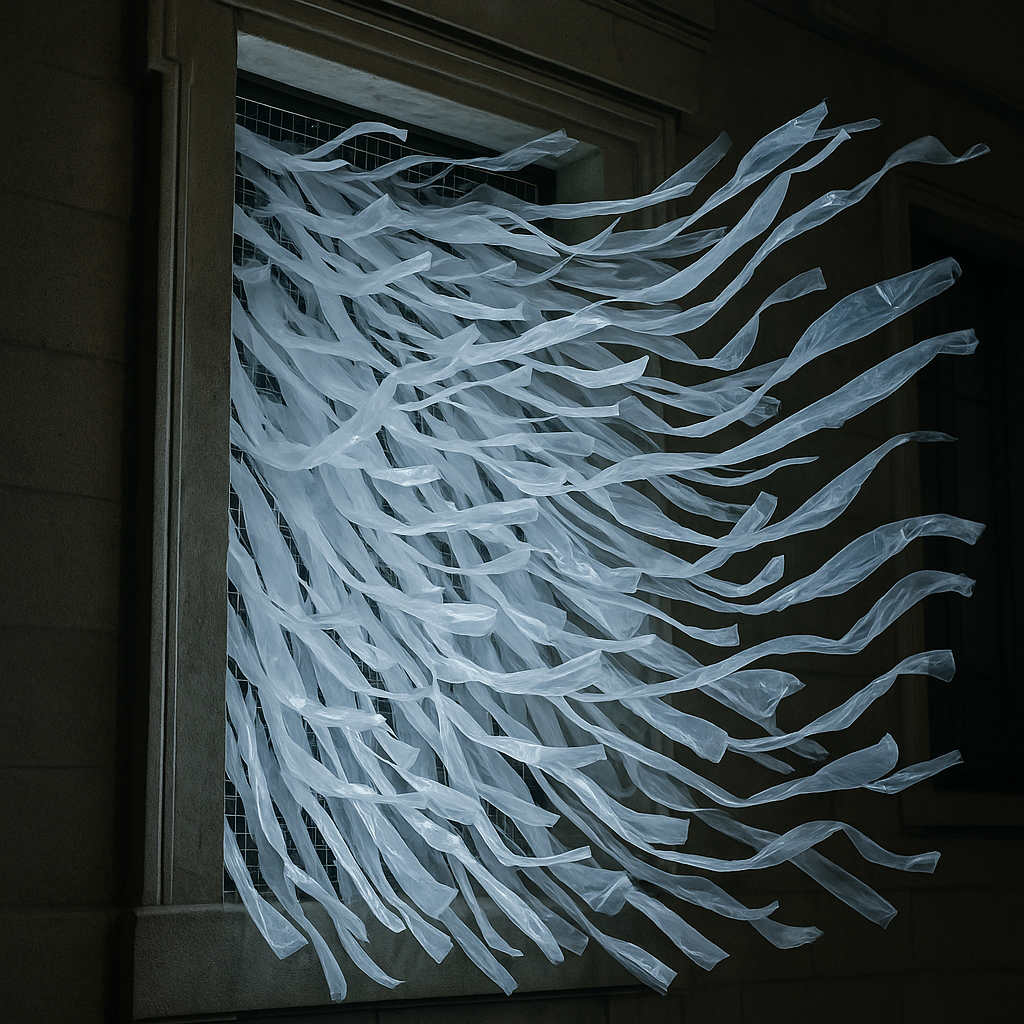
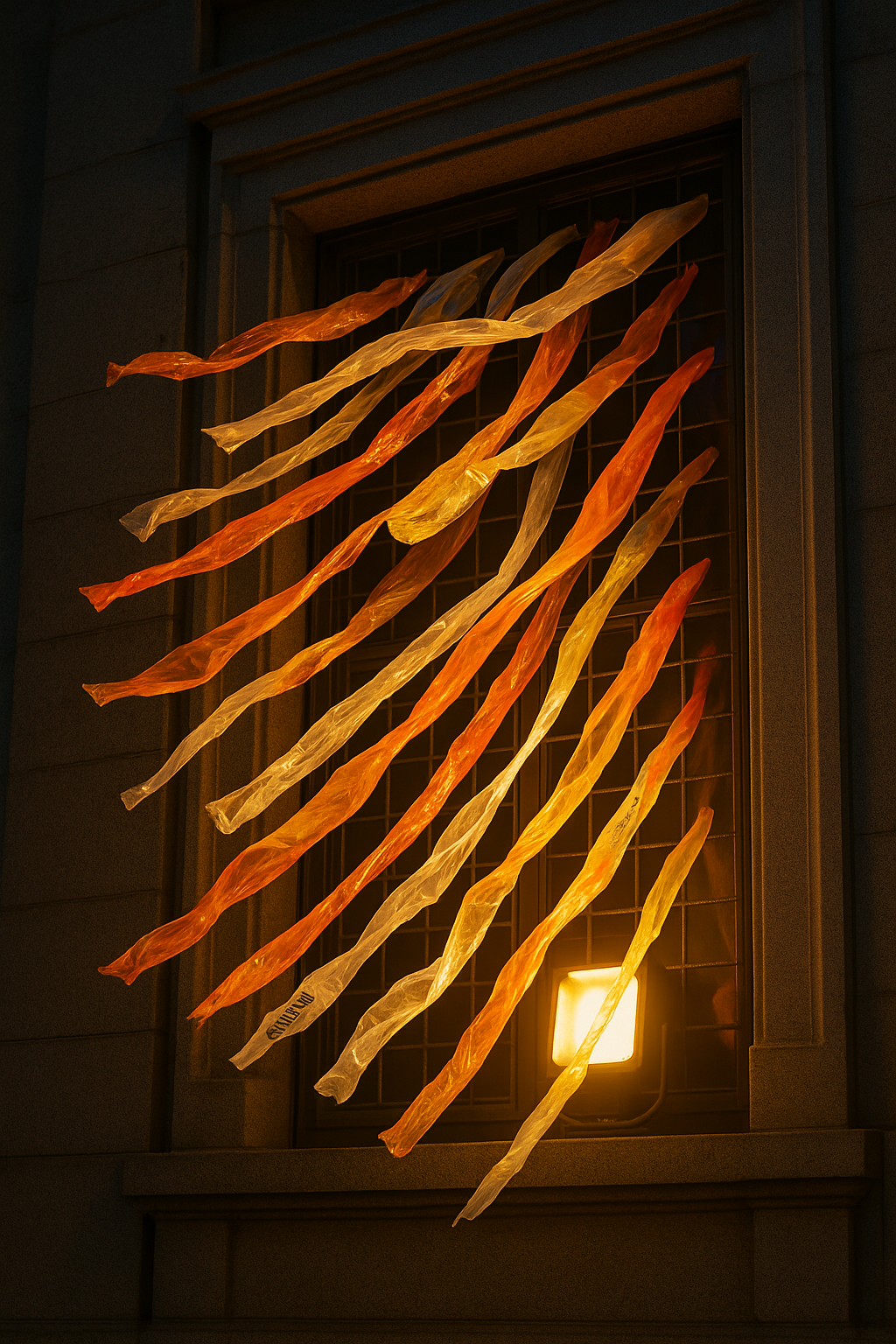
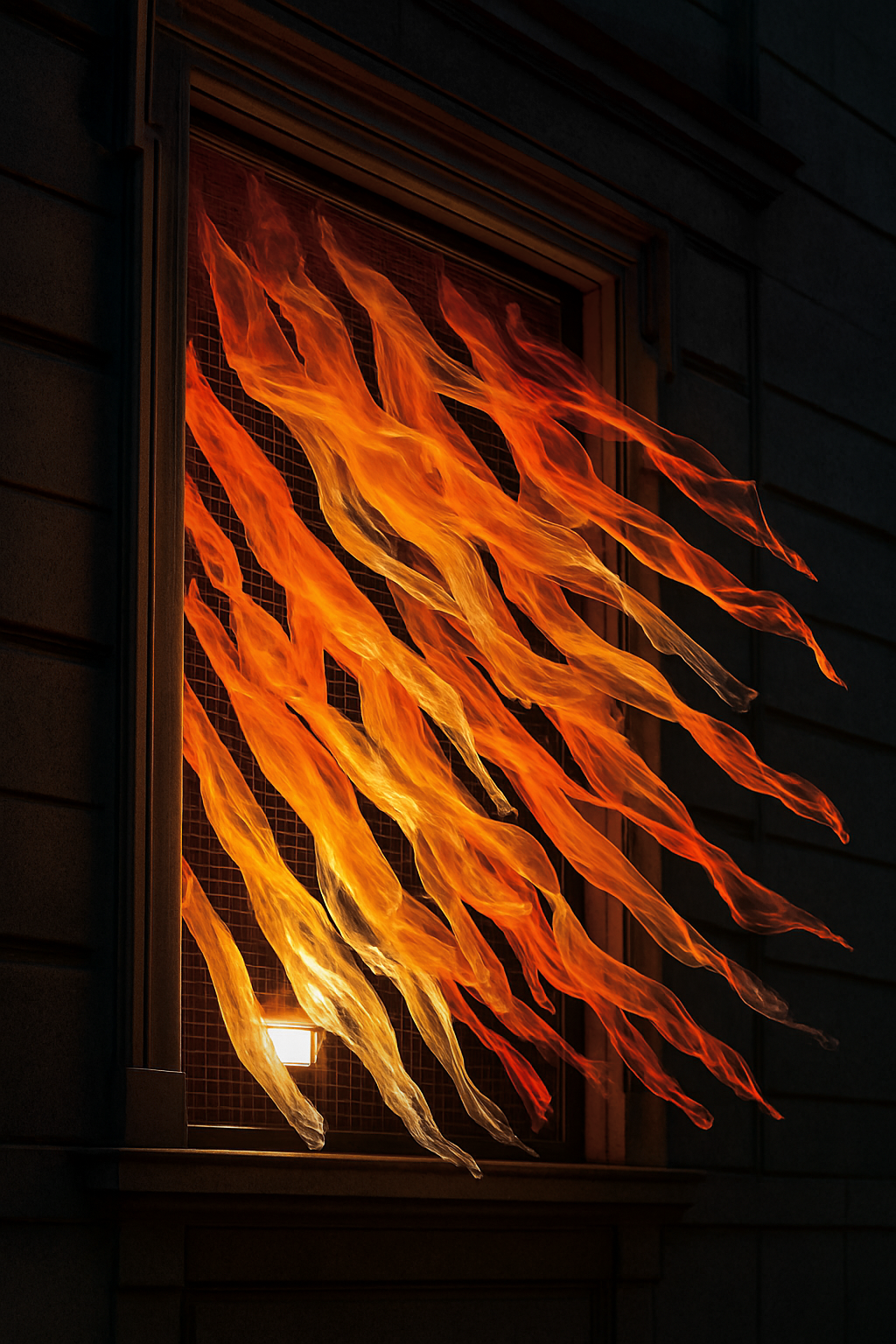
We were asked to adapt our piece Plastic Gusts to the façade of a building under construction. In the end it will not be materialized, but we decided to publish it to show the versatility of the piece, which can be reimagined and adapted to different architectural contexts.

The installation was conceived with locally sourced recycled plastics, prepared in collective workshops and fixed to the building’s openings. Stirred by fans placed inside, the strips burst out into the street in a hypnotic motion, accompanied by the unsettling rustle of plastic.

The atmosphere shifted with light: under cold white, the building seemed to breathe out waste without pause, expelling what it could no longer hold. When replaced by reddish tones, however, the façade looked as if it were on fire. What was “burning” was not flames, but trash: fossil plastic turned into residue, a symbol of reckless consumption, resource depletion, and environmental destruction. The image directly connects to global warming, unbearable summer heat, and the wildfires that consume more land each year.

This piece was never meant as decoration, but as a luminous warning—where the invisible takes shape and what had been piling up inside finally bursts out with force.

We hope to soon bring this idea to life, as it perfectly reflects our working philosophy: interventions built with recycled materials, developed with the support of volunteers, and placed in residual urban spaces—turning what is overlooked into a collective, luminous experience.


Nos pidieron adaptar nuestra pieza Ráfagas de plástico a la fachada de un edificio en construcción. Finalmente no se materializará, pero hemos decidido publicarla para mostrar la versatilidad de la obra, capaz de reimaginarse y adaptarse a distintos contextos arquitectónicos.

La instalación se concibió con plásticos reciclados recolectados localmente, preparados en talleres colectivos y fijados en los huecos de la fachada. Agitados por ventiladores interiores, los plásticos irrumpían hacia la calle en un movimiento hipnótico, acompañado del inquietante crujido del material.

La atmósfera cambiaba con la luz: en blanco frío, el edificio parecía respirar desechos sin pausa, expulsando lo que ya no podía contener. Con tonos rojizos, en cambio, la fachada parecía arder. Lo que aquí “se quemaba” no eran llamas, sino basura: plástico fósil convertido en residuo, símbolo del consumo desmedido, la explotación de recursos y la destrucción del entorno. Una imagen que conecta directamente con el calentamiento global, los veranos abrasadores y los incendios que cada año arrasan más territorio.

La pieza no buscaba decorar, sino advertir: hacer visible lo invisible, dar forma a lo acumulado dentro, hasta que termina saliendo con violencia.

Ojalá pronto podamos materializar esta idea que encaja plenamente con nuestra filosofía de trabajo: intervenciones creadas con materiales reciclados, en colaboración con voluntarios y en espacios residuales de la ciudad, transformando lo invisible en una experiencia colectiva y luminosa.

Image

Image

Image

Image

Image

Image

Image