about

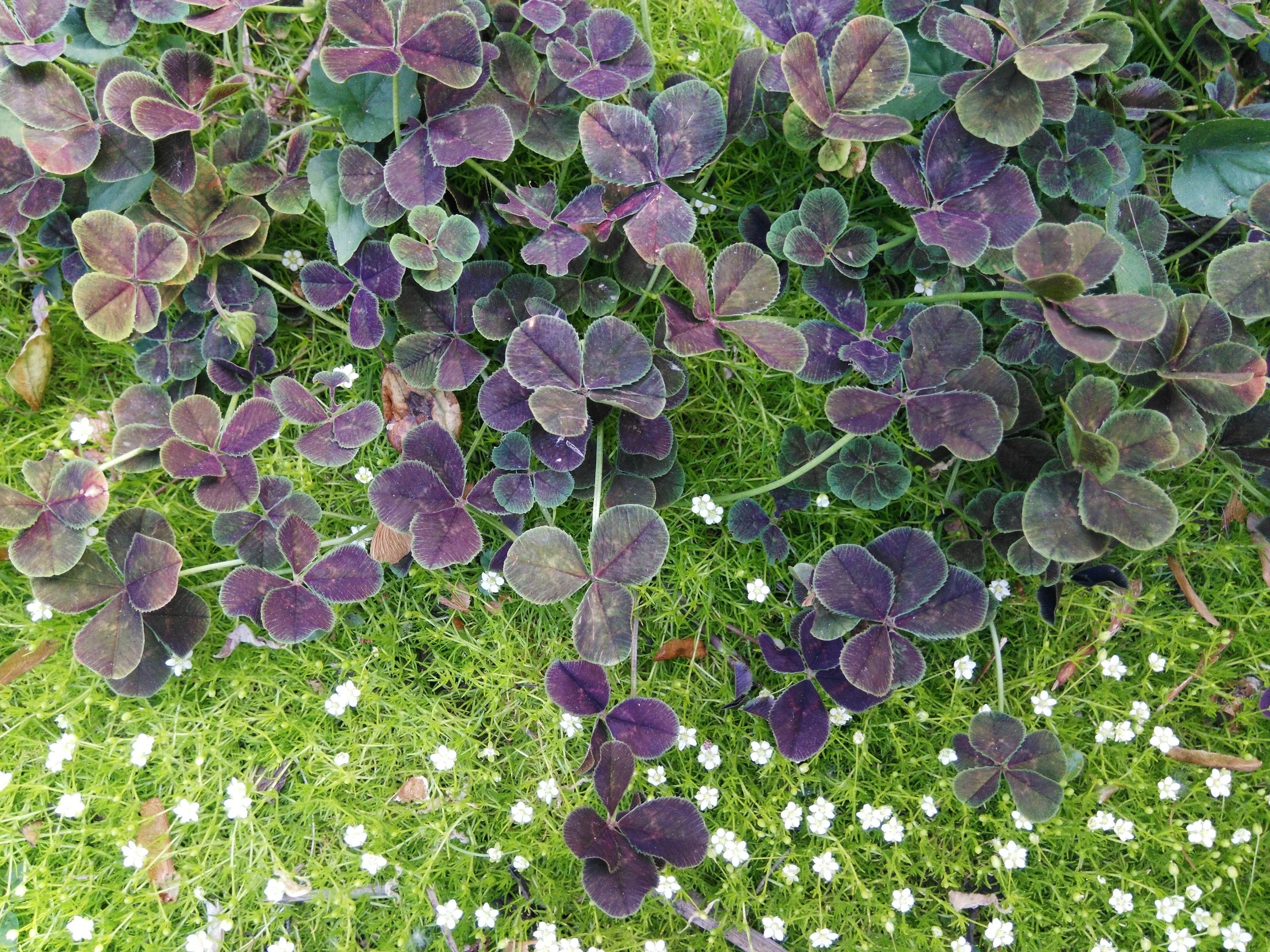
“In the dark of the moon, in the flying snow, in the dead of winter, war spreading, families dying, the world in danger, I walk the rocky hillside, sowing clover.”
What is pattern making?
I remember standing in our cool basement with my arms held out slightly so I would not be pricked by the pins that were holding my soon-to-be linen dress together. My mom, half perched on a chair in front of me, pinched the fabric around my waist to mark where the darts should go.
She was teaching me to sew, just like her mother learned how to sew, just like her mother’s mother taught her to sew, on and on back through time, I suppose. Once I could make basic stitches, she taught me to adapt a pattern to fit a person’s body just right.
While she worked that day, I remember my mom reflecting on the mastery of a patternmaker. They transcended comfortable drawn lines. A pattern maker needed to be creative, but more than that they looked into the future to set patterns that would be easy to follow for other sewers and easy to adapt to many bodies.

We all live in a sea of patterns. * Patterns that shape what we do, how we do it, who we are with, and what we believe. They were set by those who walked before us. And by living them we modify or reinforce patterns for others.
The patterns of our lives are built on small decisions and actions. Imagine you move to a new neighborhood. As you walk around on that first day, you meet neighbors, and you make a point of smiling. Some respond with a smile too or introduce themselves and welcome you. Others avert their eyes, turning their heads away quickly. In time, you realize that you have become friendly with the people you found a spark of connection with on that first day. You wave and say hi regularly. And the people who turned away from you? Well, you barely notice them at all.
Daily patterns of interaction, like these, are rooted in people’s experiences. They build on each other over time and make up a group's culture. Is it to be a warm interconnected community or a place where people keep to themselves?
Small actions matter and they can have big ripple effects on how we live, work, and feel every day and overtime.
I am tired of many of my old patterns. They pinch me in the waist, constrict my breadth, hold me down by the shoulders. And the same patterns that confine me most also ail our communities, our organizations, our world. It is easy to feel helplessly mired in the allure and effects of macro patterns. We find ourselves complicit in the polycrisis we now live within while, at the same time, we grieve its effects on our natural world.
There is an ease and safety to sticking to the patterns around us, often we follow them without even realizing it. Lean into the flow of work and life, and you will be swept along with the way things are. It is the easiest way and can feel like the safest way. And as we do, we reinforce what is happening without even realizing it.
We are all following and modifying patterns, yes. But if we sense what this body, what this social body, needs and is capable of and look into the future with creativity, we can choose to be pattern makers.
We can choose to feel what is with all its fullness. We can grapple with our stuckness. We can ask ‘who do I want to be?’ and ‘what could be possible?’ with open hearts. We can playfully act on and attend to what we want to grow. And in doing so, we can make new patterns with others and for others to follow.
This website is an experiment in doing just that. Welcome.
— Jessica
*Much gratitude to Ingrid Burkett and Heidi Sparkes Guber for calling me into the use of patterning language, which is rooted in expressions of many Indigenous cultures and worldviews.
Pattern makers look into the future with creativity to set patterns that are easy to follow and easy to adapt to many bodies.
Who is this site by and for?
We write for ourselves and for each other. All work is on behalf of a person in their entirety not on behalf of an organization or professional role or position.
This website is for people and by people who are stepping into purpose and attending to who we want to be, together. While it can feel like lonely work, this describes many of us. It is common to get lost as we are pulled into the patterns of our families, organizations and broader society. Starting again is part of the journey. We can always return to wayfinding, to finding beauty, humor, and joy in the miraculous journey of being a better human, better earthling. By sharing the messy, felt experience of this work, we make it normal. We make it easier to see that we are many.
pattern making is a project of (re)Patterning Labs, a nonprofit stewarded by Jessica Kiessel.
Our commitment and a note on process notes.
pattern making is a collaborative experiment in creating more space and infrastructure for our individual and collective shapeshifting; we are working to human with intention. Thus, we commit to you that we will be sharing original, human-generated content. We also know we are living in an era where definitions of what is human-generated quickly becomes murky. Machine Learning is already part of even common tools we use as creators, e.g. search, spell check, photo editing, translations.
When it comes to developmental learning and creativity, it is helpful to stay present, take things slowly, lean into what's uncomfortable, and embrace the weird. Sparks fly and learning comes when we sit and work with friction. To support our contributors with this, we provide active thought partnership throughout the ideation and editing process and hold space for community sense making. We also center process over production and prioritize content that is an honest reflection of the maker, even over reinforcing idealized perfection. Our hope is that despite living in a technological era that amps up efficiency and gloss, we may help to legitimize the messiness required for true way finding, and we believe that this will result in content that reverberates in the lives of both our makers and readers.
To avoid policing and all or nothing solutions, emphasize process, increase transparency, and contribute to our shared learning – beginning with volume 4 – we will include Process Notes that thank human helpers, disclose if and how AI was used, and provide insights into the creation process along with each post. We believe these notes are interesting in themselves and hope they may deepen our playful exploration of reflection and creativity as learning and healing, while revealing lessons learned about new tools. Note that all work is edited collaboratively. Microsoft Word is used to check for spelling and grammatical errors.
