Driving Science and Delivering Innovation for Healthy Bees & Bee Businesses
About Our Organization

Project Apis m. was founded in 2007 as a grassroots collaboration between commercial beekeepers and almond growers. Guided by a board of beekeepers, we fund research to develop practical tools and solutions that support honey bee health and pollination security. In addition to funding research, we invest in the future of honey bee health by offering scholarships for the next generation of scientists. We also partner with key stakeholders to implement forage programs and translate research into real-world, practical solutions—all to ensure a sustainable future for honey bees, beekeepers, and agriculture. 

Learn more about our Mission and History

Our Mission

At Project Apis m, we’re wholeheartedly dedicated to enhancing pollinator well-being. Our mission is clear and impactful: we fund practical research and initiatives to boost honey bee health, fostering a sustainable, bee-friendly future.

Driving science to deliver innovation for healthy bees and bee businesses 

Image

How PAm Makes It Possible

Image

Problem

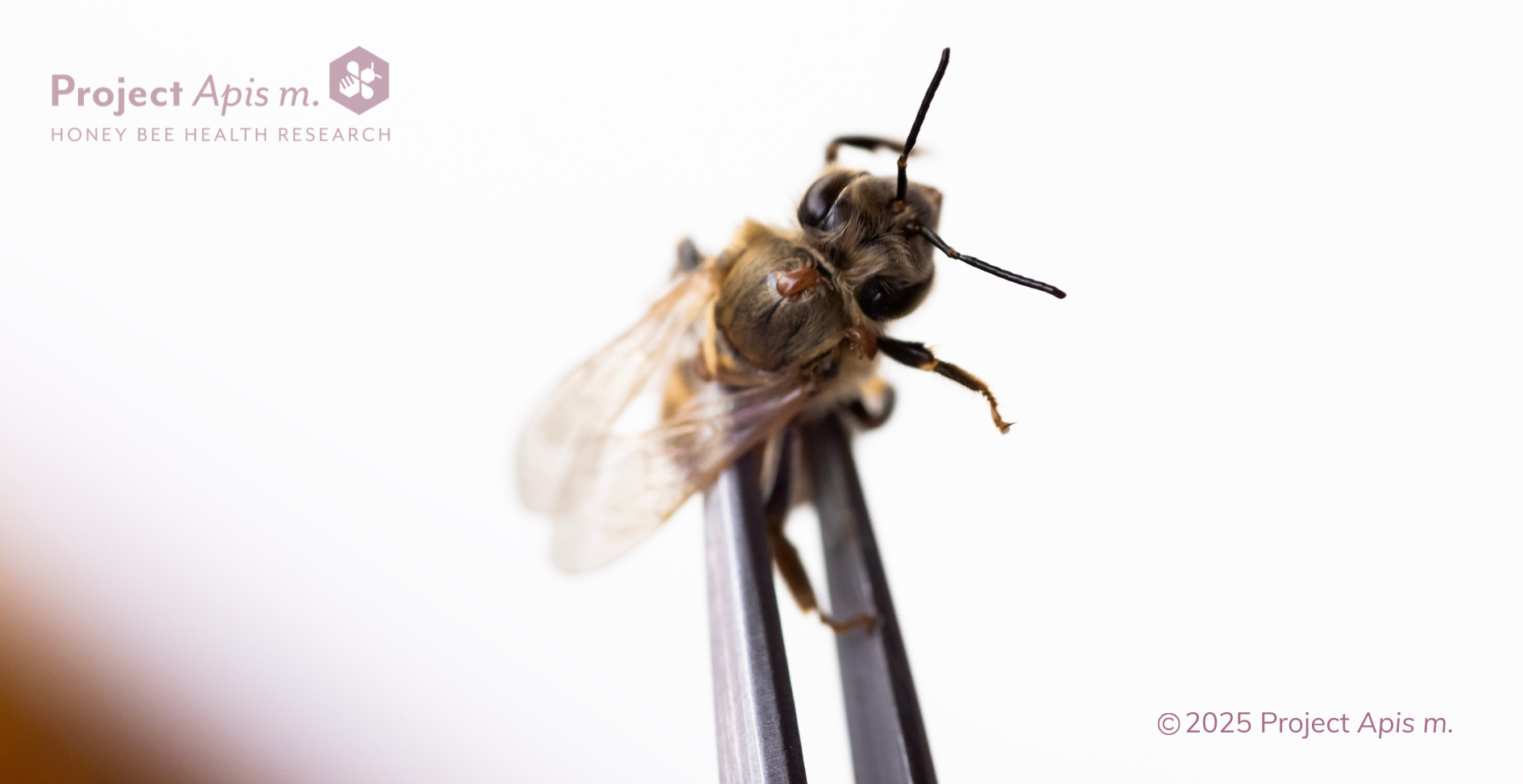
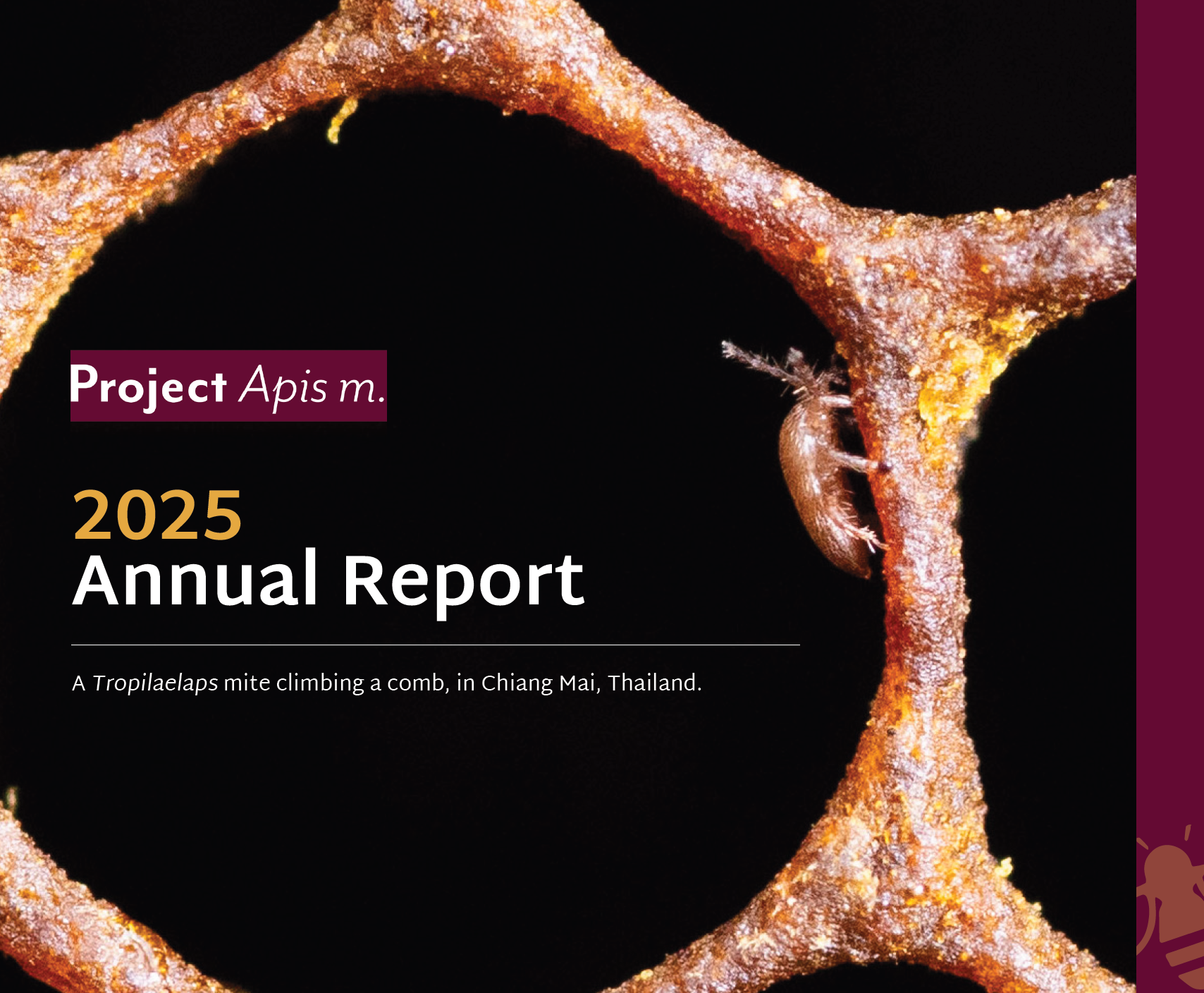
We work to address the critical threats to honey bee health, which are essential for pollination and agriculture. Honey bees contribute $17 billion annually to U.S. food production, but face challenges from threats like Varroa and Tropilaelaps mites, pathogens, poor nutrition, and pesticides. Climate change intensifies these risks, making it crucial to develop science-based solutions for healthier bees and a sustainable food system.
Honey Bee Health Problem
Image

Solutions

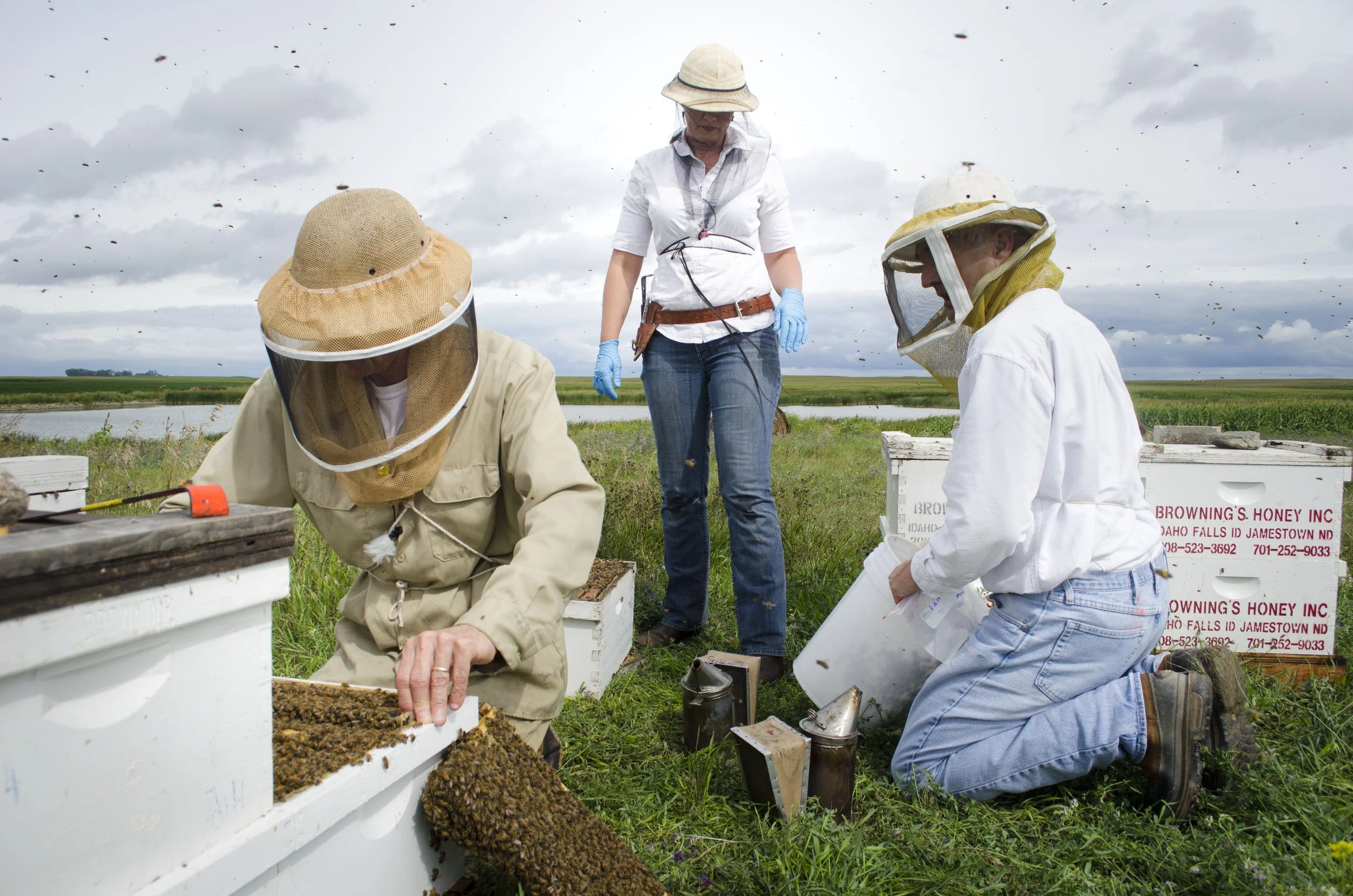
By funding studies on pests, pathogens, nutrition, and environmental factors, we aim to develop effective strategies for mitigating risks to honey bees. Our work supports beekeepers with tools, resources, and knowledge to ensure sustainable pollination and a healthy, resilient pollinators honey bees, crucial for both agriculture and food security.
CURRENT RESEARCH PROJECTS
Image

Results

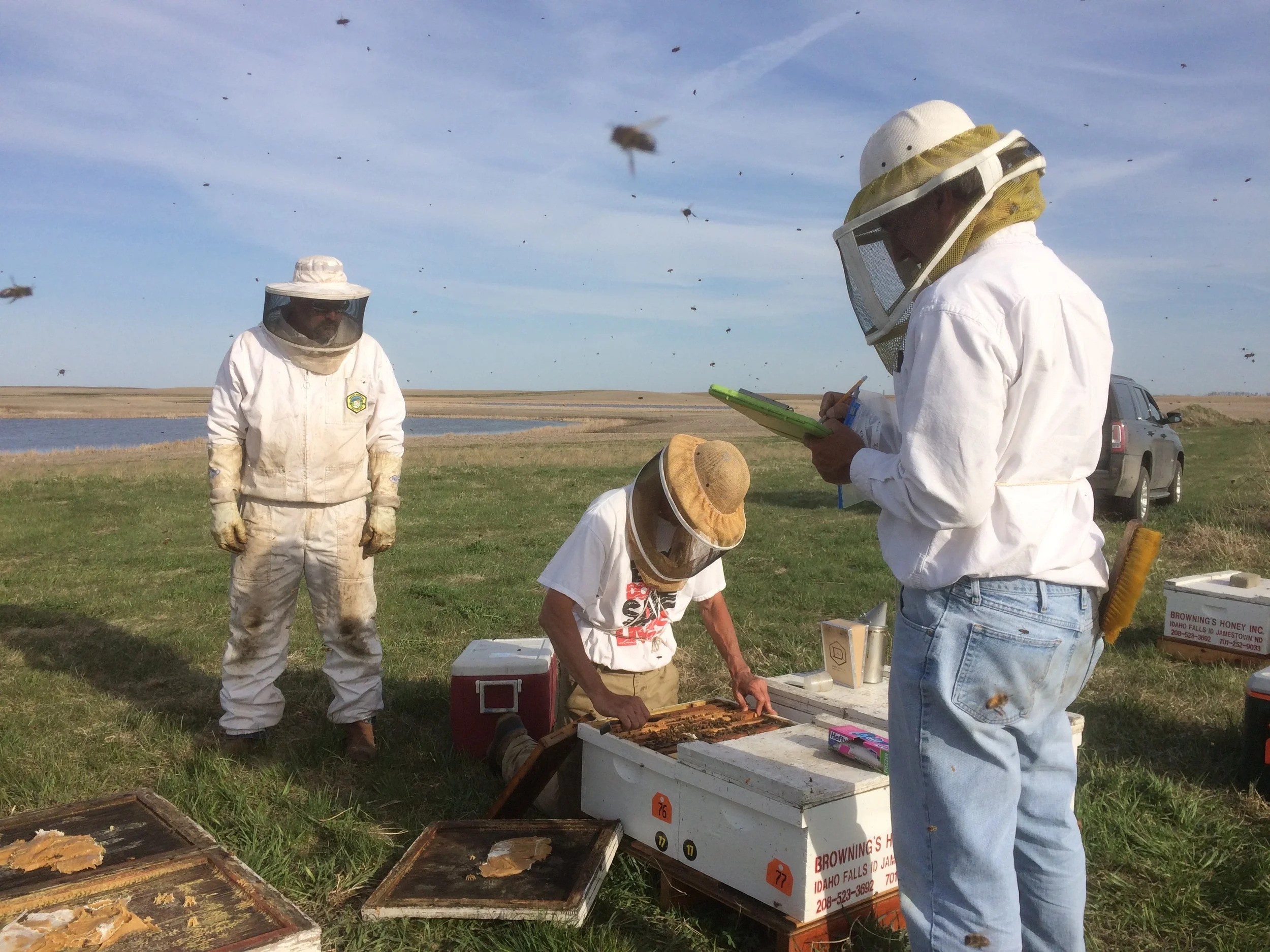
We turn research into results by translating scientific findings into practical, actionable resources. Through accessible tools like articles, videos, BMP guides, and initiatives like VSH development with Hilo Bees, PAm delivers real-world solutions.  
 
Our scholarships invest in future honey bee researchers, while programs like Seeds for Bees® enhance forage and habitat. Together, these efforts support healthier honey bees, increased honey production, and reliable pollination of our food crops.
SOLUTIONS IN ACTION
Image

Make A Lasting Impact With Support

Honey bees face increasing challenges, from colony loss and rising costs to extreme weather and the pressures of low honey prices. These obstacles threaten the health of bees and the vital pollination services they provide to agriculture. 

Founded as a collaboration between beekeepers and growers, PAm is committed to funding research and implementing practical solutions that enhance honey bee health, support sustainable agriculture, and secure pollination for our food systems. By aligning expertise with real-world needs, we drive innovation that impacts beekeepers, growers, and the future of agriculture. 

Join us in this vital work. Your gift will directly support research, forage programs, and initiatives that ensure a sustainable future for honey bees and all that depends on them. 

Support PROJECT APIS M.

Our Impact Report

Image

Our annual report highlights our progress advancing honey bee health, supporting beekeepers, and ensuring pollination security. This comprehensive report showcases the impact of our funded research, successful forage programs, and collaborations with key stakeholders in the beekeeping and agricultural industries. 
 
With the support of our dedicated partners, we continue to drive innovation and tackle the challenges facing honey bees and sustainable agriculture. Our annual report provides a transparent look at the initiatives that are shaping the future of honey bee health and their importance in our agricultural food system. 
 
Explore the accomplishments and initiatives that are making a difference. 

Read Annual report
  • Testimonies

    “PAm is a grassroots organization run by beekeepers. It’s quick, nimble, and focused on funding applied research that addresses real problems in the field.” 

    - Dr. Michelle Flenniken, Associate Professor in the Plant Sciences Department at Montana State University

  • Testimonies

    “Eight years, six awards $178,280. When I think of all I have accomplished with the PAm, funding I have received it's clear that PAm really knows how to make their dollars stretch. PAm's awards are modest compared to federal grant funding, but the impact Pam's funding has had on my career and on the world of honey bees is massive!”

    Dr. Kaira Wagoner, Honey Bee Health Researcher 

  • Testimonies

    “When I became manager of the Alberta Tech Transfer Program, PAm funding allowed us to hire a technician so we could reach more beekeepers and expand our monitoring. Extension is the bridge between science and beekeepers. Without it, research never makes it into practice.” 

    - Dr. Renata Labuschagne, Alberta Tech Transfer Program lead

  • Testimonies

    “One of the great things PAm does is support graduate students, because they’re the ones who will take beekeeping and bee science to the next generation. PAm has definitely made an impact by supporting new researchers like myself and funding graduate students. That’s what builds the research community.” 

    - Dr. Reed Johnson, Associate Professor at the Department of Entomology, The Ohio State University

  • Testimonies

    “One of the first calls I got as a new assistant professor was from Christi Heintz. She wanted me to investigate the mysterious loss of queens in California. PAm funded the project, and that started a whole decade of research.” 


    - Dr. Reed Johnson, Associate Professor at the Department of Entomology, The Ohio State University

  • Testimonies

    "Funding from PAm, including the Costco Canada PhD scholarship and our current Costco Canada grant to examine EFB in blueberries, has been fundamental to my continuation in honey bee research."

    Dr. Sarah Wood, WCVM Research Chair in Pollinator Health | Associate Professor, Department of Veterinary Pathology

  • Testimonies

    “My family has been keeping bees on Forest Service lands for generations, and now we're being told that honey bees may be harming other species. Honey bees do important- good- things in ecosystems, including pollinating our food supply. When I offered my apiaries and locations to support a research project to see how honey bees interact with other pollinators, PAm was able to fund that study without delay. PAm funds projects to help bees and beekeepers”

    Darren Cox, Commercial Beekeeper, Owner of Cox Honey of Utah

  • Testimonies

    "I spend tens of thousands of dollars on pollen supplements every year to, theoretically, keep my bees as strong as possible. But, like many beekeepers, I don't always have the data I'd like to choose which brand to use in my region and setting. When I suggested that a scientist study pollen supplement brands & their long term impact on a truckload of my bees, PAm funded that project. PAm was built so that beekeepers don't have to wait for a university or government agency to fund applied work. I believe PAm is a critical part of our industry, especially through funding practical research that impacts our bottom line. With heavy annual losses, understanding the options and having data to make those choices supports the solvency of my business, and one of the most important industries in the world."

    Blake Shook, Desert Creek Honey

  • Testimonies

    “Some of the most impactful funding PAm provides is to graduate students. That investment builds the next generation of bee scientists.” 

    - Dr. Michelle Flenniken, Associate Professor in the Plant Sciences Department at Montana State University

  • Testimonies

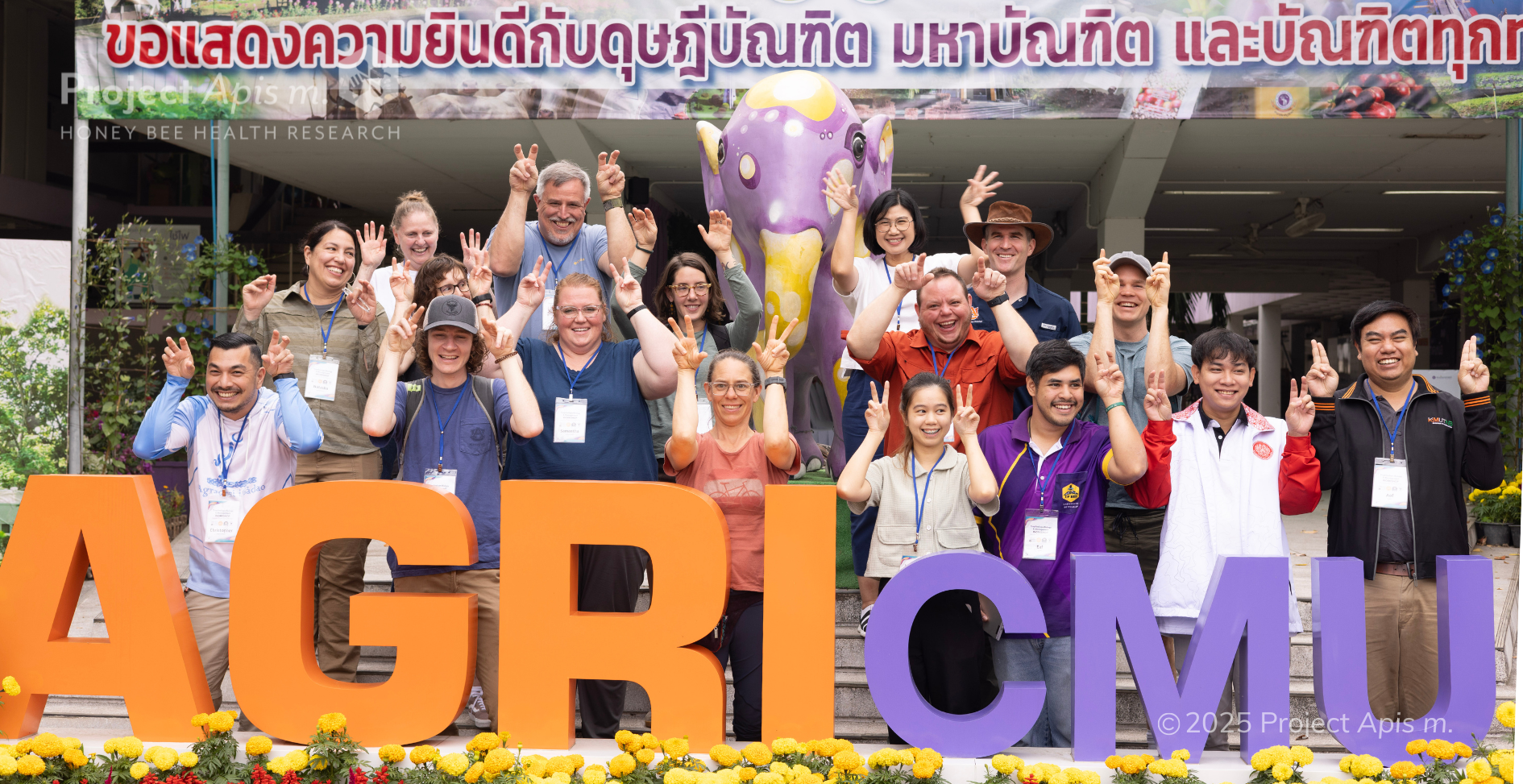
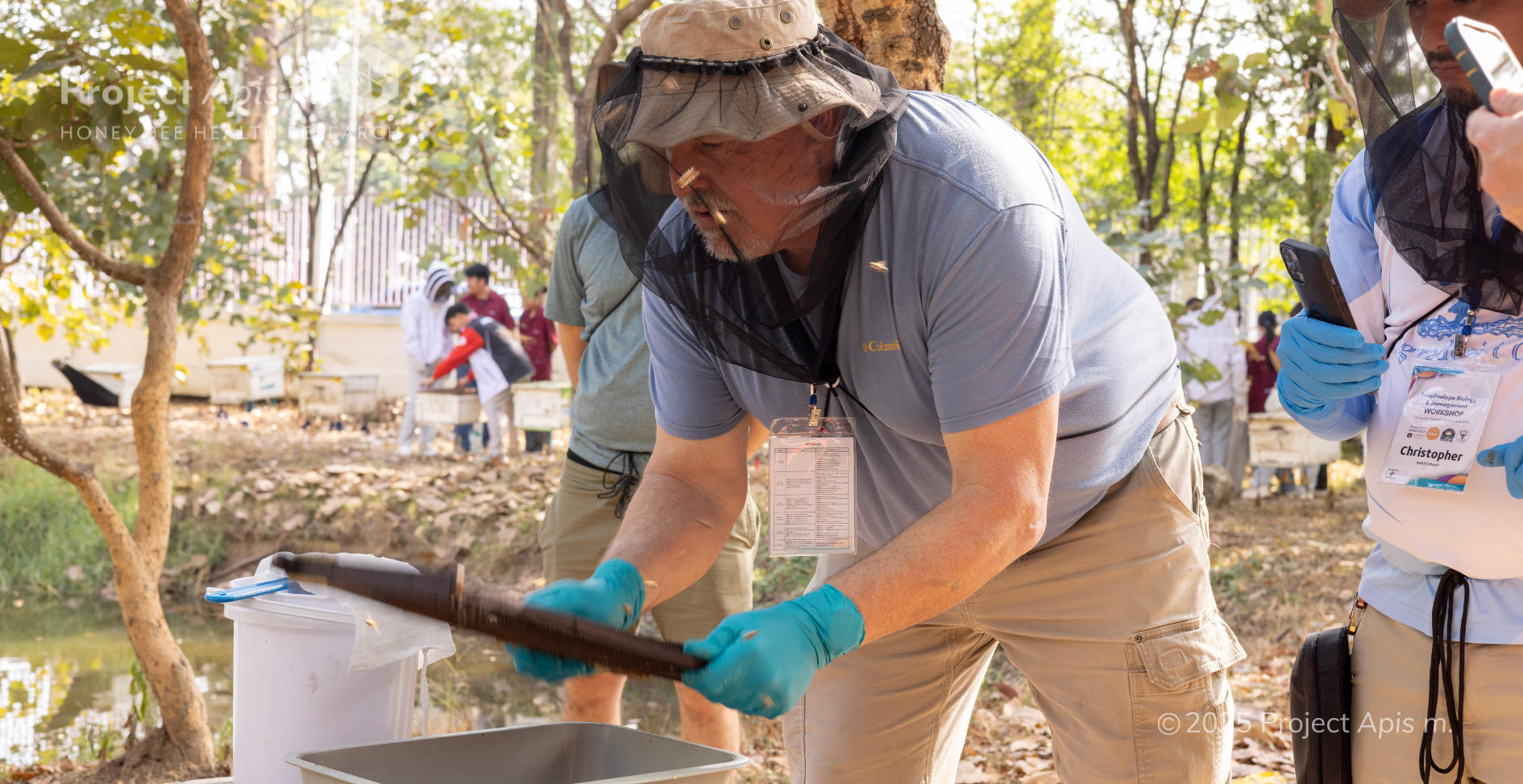
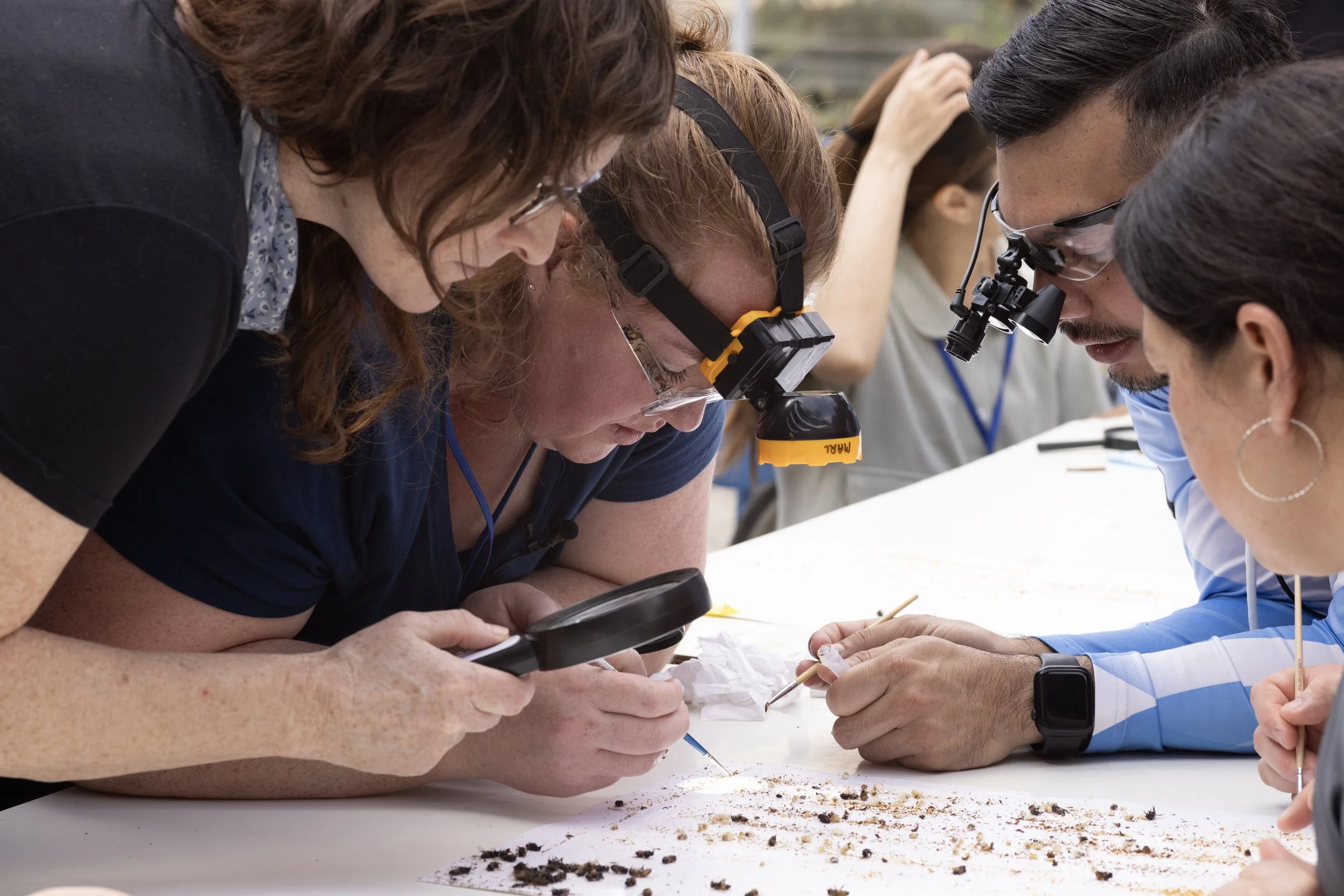
    “I’ve been lucky to receive PAm support at every stage — scholarships, research grants, and field project funding. One of the coolest projects PAm supported was taking apiary inspectors and industry leaders to Thailand to learn about Tropilaelaps. When they came back, we hosted a hands-on workshop at Auburn to train even more inspectors — the people on the front lines of protecting our bees.” 

    - Dr. Rogan Tokach, Assistant Professor - Applied Honey Bee Entomology