For efficient project management, we employ different software development methodologies that go in line with the projects.












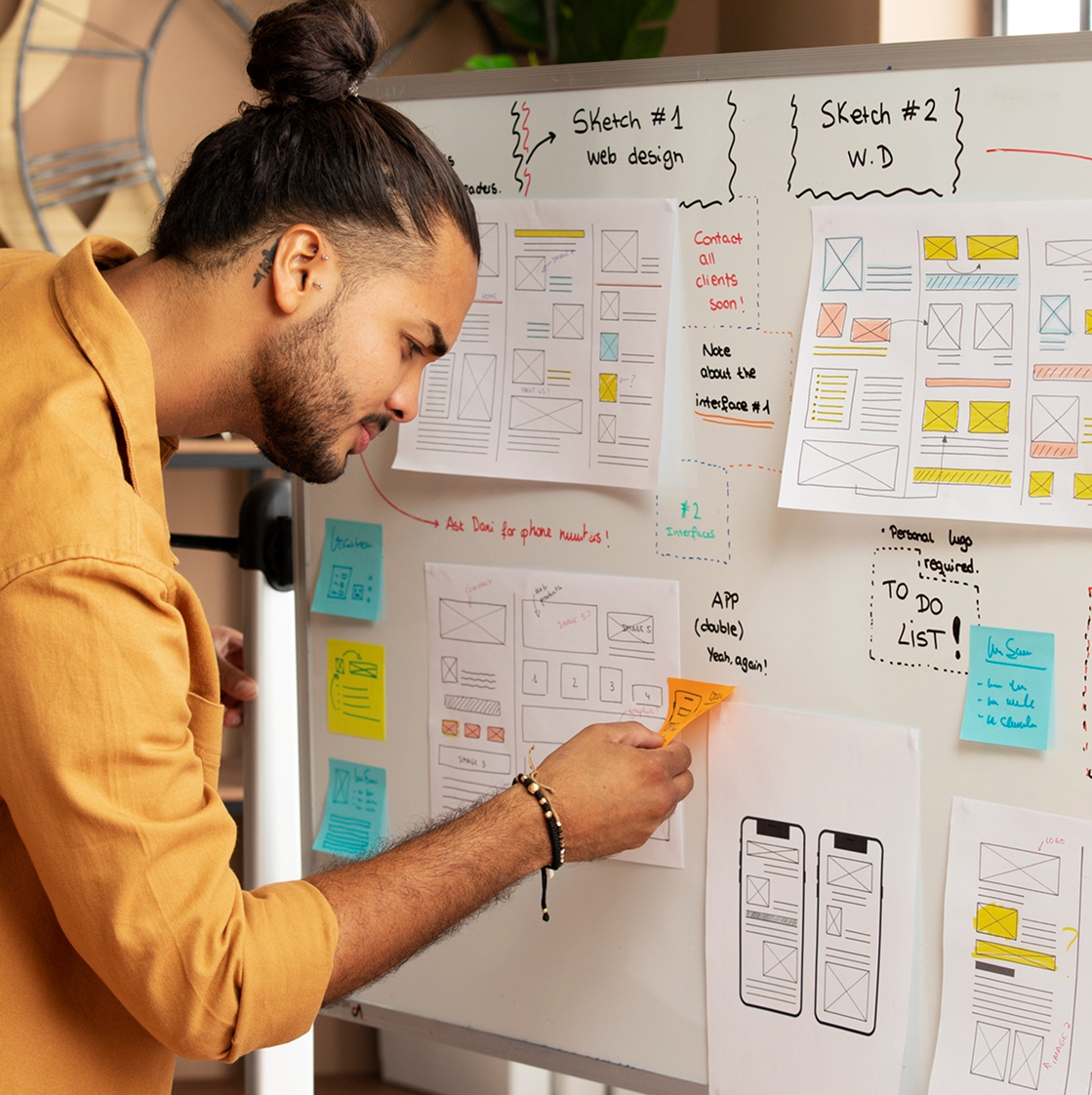
We apply Agile methodology where requirement change is likely to occur in projects that we undertake. We follow a short and regular application-development life cycle to provide working features as often as possible and integrate them into changes with equal ease. This approach encourages a very good working relationship with competent interaction during the progress of the project.
Sample Project: Developing a custom eCommerce platform where features and user requirements evolve based on market trends and user feedback.
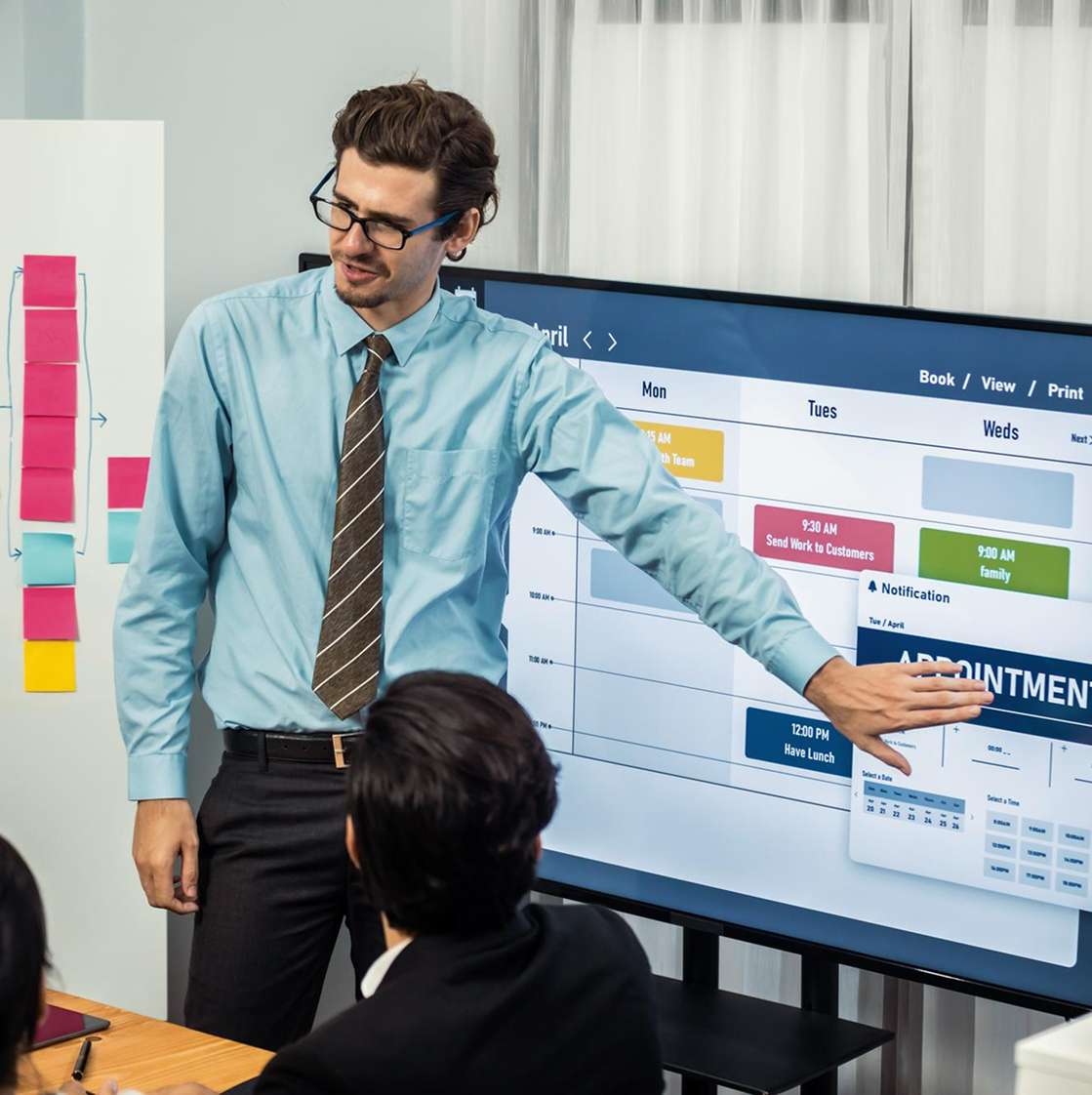
We often use Scrum methodology to make large projects more manageable by breaking them down into individually labeled sprints to keep you involved at every turn. Daily scrum meetings are a constant source of information for sprint review. You own full control because moving priorities and features around within each sprint ensures the desired objectives are met.
Sample Project: Building a mobile app where new features are continuously added and refined based on user testing and sprint reviews.

We offer you a clear and specific plan for managing the project if you are willing to adopt the waterfall development model. One thing that makes this approach more fitting for use is avoiding chances of making mistakes. With waterfall, you get the estimated time frame from the start of the project to the time when the project will be complete.
Sample Project: Developing an enterprise resource planning (ERP) system where all requirements are known upfront and need to be executed in a predefined sequence.

With FDD development methodology, we allow you to have collaborative sessions with the development team to figure out the features and keep track of the scope.
Sample Project: Creating a customer relationship management (CRM) system where features are prioritized and delivered incrementally, allowing for continuous improvements and additions.

We use DevOps practices in order to be able to deliver features and updates more quickly, and at the same time reduce the number of bugs that one encounters and so on. This practice aligns the development with the operations to close the gap. This makes it easy to create and maintain a loop of integrating, delivering, and deploying.
Sample Project: Developing a cloud-based service where updates and new features are deployed continuously, requiring automated testing and deployment processes.

TourReview® envisioned creating an AI-enabled technological platform tailored specifically for the bustling Tourism industry.
View Case Study

During the rise of cryptocurrency and its immense potential, there existed a market gap for a platform where users could buy and sell exclusive goods and services directly with cryptocurrency, without the need to exchange it for fiat currency.
View Case Study

In a rapidly evolving digital landscape, there emerged a pressing need for a simplified yet comprehensive platform to address local buying and selling challenges.
View Case Study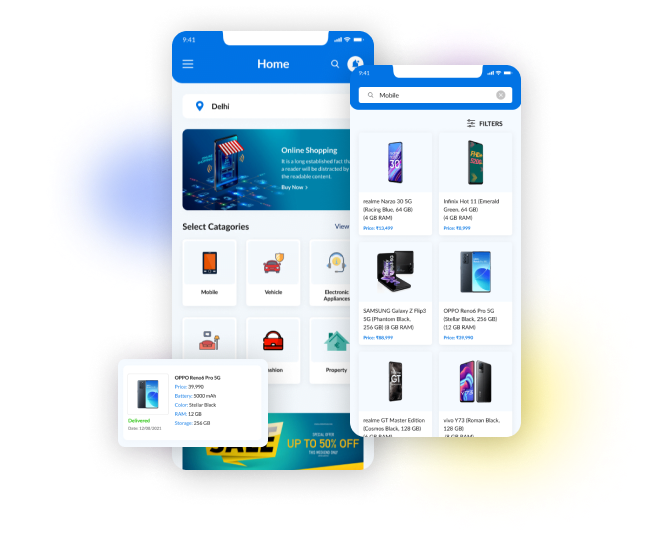

The education sector has witnessed a paradigm shift towards digital platforms, yet many students struggle to find tailored educational experiences to meet their unique learning needs.
View Case Study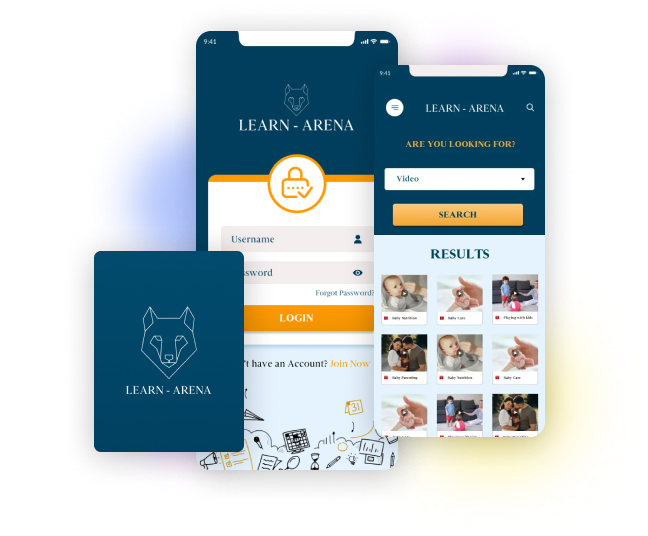
I looked around at several developers to compare costs, but they didn’t fit within my budget. Finally, I reached out to a company in India called ScalaCode. We set up several online meetings over a couple of weeks and came up with an app that did exactly what I wanted within my budget. I can confidently say that ScalaCode has been an excellent choice for me.

Ruddy McKenzie
Founder of RM EPOSStakeholders are impressed with ScalaCode deliverables. The mobile app has been accepted on both Google Play and App Store. Moreover, we are impressed with the team’s range of abilities from design and development to database and app creation. Overall, the engagement has been a success.
James Ellis
Owner, Artist-Tipping PlatformScalaCode provides great results, uplifting the collaborative experience with their impressive project management style. The team always delivers as expected, which is manifested by the length of the ongoing relationship with us. Overall, their services have been impressive.

Jaa St. Julien
Pres. & Chief Strategy Officer - St. Julien CommunicationsStakeholders are impressed with ScalaCode deliverables. The mobile app has been accepted on both Google Play and App Store. Moreover, we are impressed with the team’s range of abilities from design and development to database and app creation. Overall, the engagement has been a success.

Manuel
CEO, 4SaleThe application was basically built from scratch, and was complicated, as the software was to be integrated with a certain Medical EHR software. As the CEO of SHG, I was very pleased with the services, expertise, and support we received from ScalaCode, from the beginning directly through the first LIVE implementation.

Stephen Holmes
CEO, Steve Homes GroupThe iOS and Android apps exceeded the expectations of the internal team. ScalaCode crafts high-quality products that are easy to use and fit the requirements of the client. The team is technically experienced, hard-working, and knowledgeable.

Carolyn Dare
Director, Empowered AchieverI needed a reliable team on-hand, and ScalaCode delivered. Their excellent availability and project oversight made a big impact.
Faid Lalji
Learn ArenaOur XR project had unique hurdles, but ScalaCode grasped it fast and delivered beyond expectations with excellent collaboration.

Alessandro
CEO / Founder (XR Company)

I had a complex healthcare vision, and ScalaCode brought it to life post-Covid. Their expert developers made it all achievable.




Recognized by Industry Leaders & Valued by Global Clients