-
-
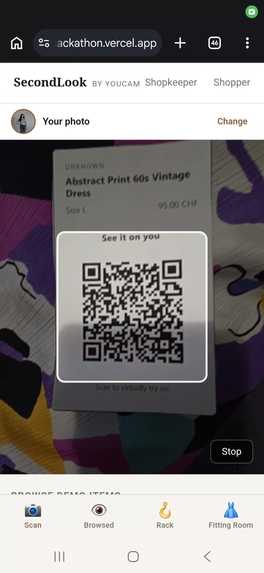
Shopper flow: Customer can scan the QR code on the item to see more details and try it on virtually
-
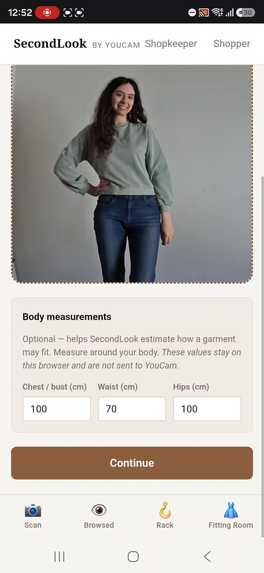
Shopper flow: Upload a photo and enter your measurements
-
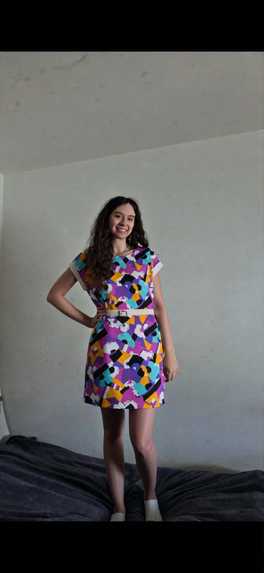
Shopper flow: Example result
-
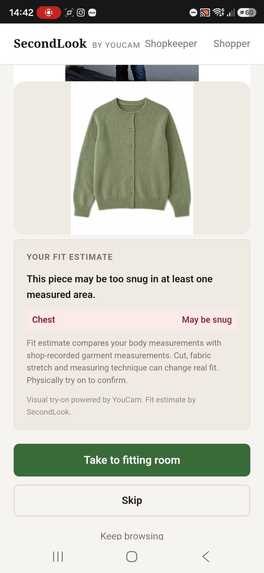
Shopper flow: Fitting indication
-
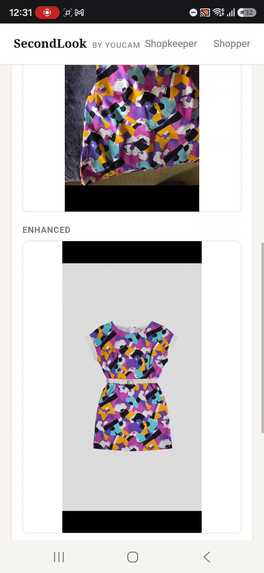
Shopkeeper flow: automatic enhance
-
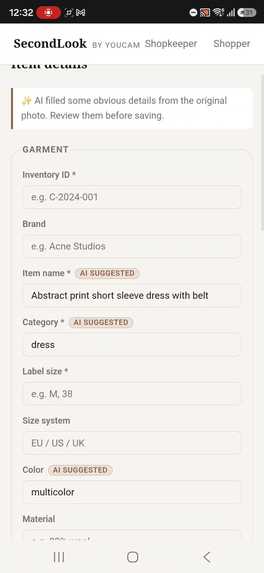
Shopkeeper flow: details automatically filled in


Inspiration
SecondLook came from my family's consignment store. I have spent a lot of time around the shop, and one thing that is very different from normal retail is sizing. In a regular store, if you like a jacket and the medium is too small, you can usually ask for a large. In a consignment store, there is no large. There is one jacket, in one size and that is it. On top of that, everything is mixed together. One rack can have French sizing, Italian sizing, US sizing, vintage pieces, modern pieces, oversized cuts, tiny cuts, and brands that seem to have invented their own definition of a size 40....
So naturally customers end up trying on a lot of clothes. You might pick out ten things that look interesting, carry all of them to the changing room, and then realize within a few seconds of putting most of them on that they are not for you. It takes time for the customer and it also creates more work for the shop because all those clothes have to be put back afterwards.
That made me think virtual try-on could actually be more useful in a physical second-hand store than in the usual online shopping use case.
The obvious idea would be to let a customer take a photo of the garment and virtually try it on. But in a real shop that is not very practical. There might not be enough space to photograph the whole item properly, the lighting might be bad, and asking every customer to photograph every piece adds friction instead of removing it.
The shopkeeper, however, already has the perfect moment to do this. When a new item comes in for consignment, someone already has to inspect it, identify the brand and size, price it, register the consignor, calculate the store's share and attach a label. They also have a little more time and space to take a proper photo, even if that just means laying the garment out nicely on a counter.
So the idea became:
Prepare the item once when it enters the store, give it a digital identity and a QR code and let every customer after that virtually try it on in seconds.
SecondLook is not meant to replace changing rooms. The idea is much simpler: Virtually try ten things. Take the three promising ones to the changing room.
What it does
SecondLook adds a digital layer to the physical second-hand rack.
There are two sides to the app: one for the shopkeeper and one for the shopper.
For the shopkeeper
When a new consignment item arrives, the shopkeeper starts an intake flow in SecondLook.
They photograph or upload the item. From that original photo, a multimodal AI model can suggest obvious catalog information such as the item name, category, color, material, brand, or visible label size.
For rough intake photos, the shopkeeper can also optionally prepare a cleaner product-style image using Nano Banana through OpenRouter. SecondLook also lets the merchant test the garment with YouCam during intake. This means a bad reference image can be caught before a customer is already standing in the shop trying to use it.
Once the item is ready, it is saved into the inventory and gets a QR code for that exact physical piece that can be printed directly on the garment's tag.
For the shopper
The customer experience is intentionally much simpler. The shopper uploads a photo of themselves once and can optionally enter their chest, waist, and hip measurements at the same time. Their photo is reused throughout the shopping session, so they do not need to upload it again for every garment.
While browsing the physical store, the customer scans the QR code on any piece they are interested in. SecondLook opens the page for that exact item and shows useful information such as its size, price, measurements, condition, and material.
The shopper taps Try it on and SecondLook displays a photo of them wearing the item.
SecondLook can also provide a separate measurement-based fit estimate when enough information is available. That estimate does not change the YouCam image and does not pretend to know exact physical fit. It compares the shopper's optional body measurements with the garment measurements recorded by the shopkeeper and gives a conservative indication such as close, comfortable, relaxed, or potentially too snug.
A shopper can add several interesting pieces to a temporary virtual rack, reuse the same photo across them, generate multiple virtual try-ons, compare the results, and mark each piece as Take to fitting room or Skip
So basically, instead of using virtual try-on as the final purchasing decision, SecondLook uses it as a discovery filter.
How we built it
I wanted the hackathon version to feel like a real product without spending most of the development time building infrastructure that did not matter for proving the idea.
SecondLook is a responsive Next.js web app with separate shopkeeper and shopper experiences. It is designed primarily for mobile because the main interaction happens while someone is physically standing in the store scanning garment tags.
The core virtual try-on experience is powered by YouCam. Apparel is routed to YouCam Clothes V3, while shoes can be routed to YouCam Shoes Virtual Try-On.
A multimodal vision model accessed through OpenRouter analyzes the original merchant photo and suggests obvious inventory metadata.
Nano Banana, also accessed through OpenRouter, can optionally prepare a cleaner garment reference image while being explicitly instructed to preserve the identity of the physical item.
SecondLook then adds its own deterministic measurement-based fit layer on top. It converts the shopkeeper's laid-flat garment measurements into approximate circumferences, compares those with the shopper's optional body measurements, calculates garment ease, and produces a conservative fit estimate.
Challenges we ran into
It's important to be careful about what virtual try-on can and cannot promise. SecondLook is not a precise sizing system. An AI image cannot tell you with certainty whether a waistband will feel tight or whether a sleeve is two centimeters too short. Rather than hiding that limitation, I designed around it. YouCam provides the visual signal. SecondLook's measurement layer provides a separate, explainable sizing signal. Neither replaces physically trying on the garment, but they answer the question Is this one-of-one piece worth taking to the fitting room?
Accomplishments that we're proud of
The thing I like most about SecondLook is that it does not feel like virtual try-on added to a random shopping app. The whole flow comes from how a consignment store already works. The merchant already has to create an item record. The item already needs a physical tag. The customer is already standing next to the garment. SecondLook connects those existing steps together.
What we learned
The biggest thing I learned is that virtual try-on does not have to replace the fitting room to be useful. Before working on SecondLook, I mostly thought about VTO in the usual e-commerce context: helping someone decide whether to order something online. But a virtual + physical try on mix is actually the best of both worlds when it comes to regular shopping too. In addition to decision making, VTO for in-shopping person can save time if the person really does not have the time or energy to try something on. And can also let the person save a nice photo of the item for later, in case they need to think a little longer before purchasing. There are so many way in which this feature can be useful beyond e-commerce!
What's next for SecondLook
Earlier this year I developed an app for consignment stores to estimate prices of luxury handbags. Now I'm adding additional features to it such as inventory management. And the goal is to eventually turn this app into a end-to-end consignment management software. I think the virtual try-on idea of SecondLook could fit into it nicely!
Built With
- gemini
- typescript
- youcam




Log in or sign up for Devpost to join the conversation.