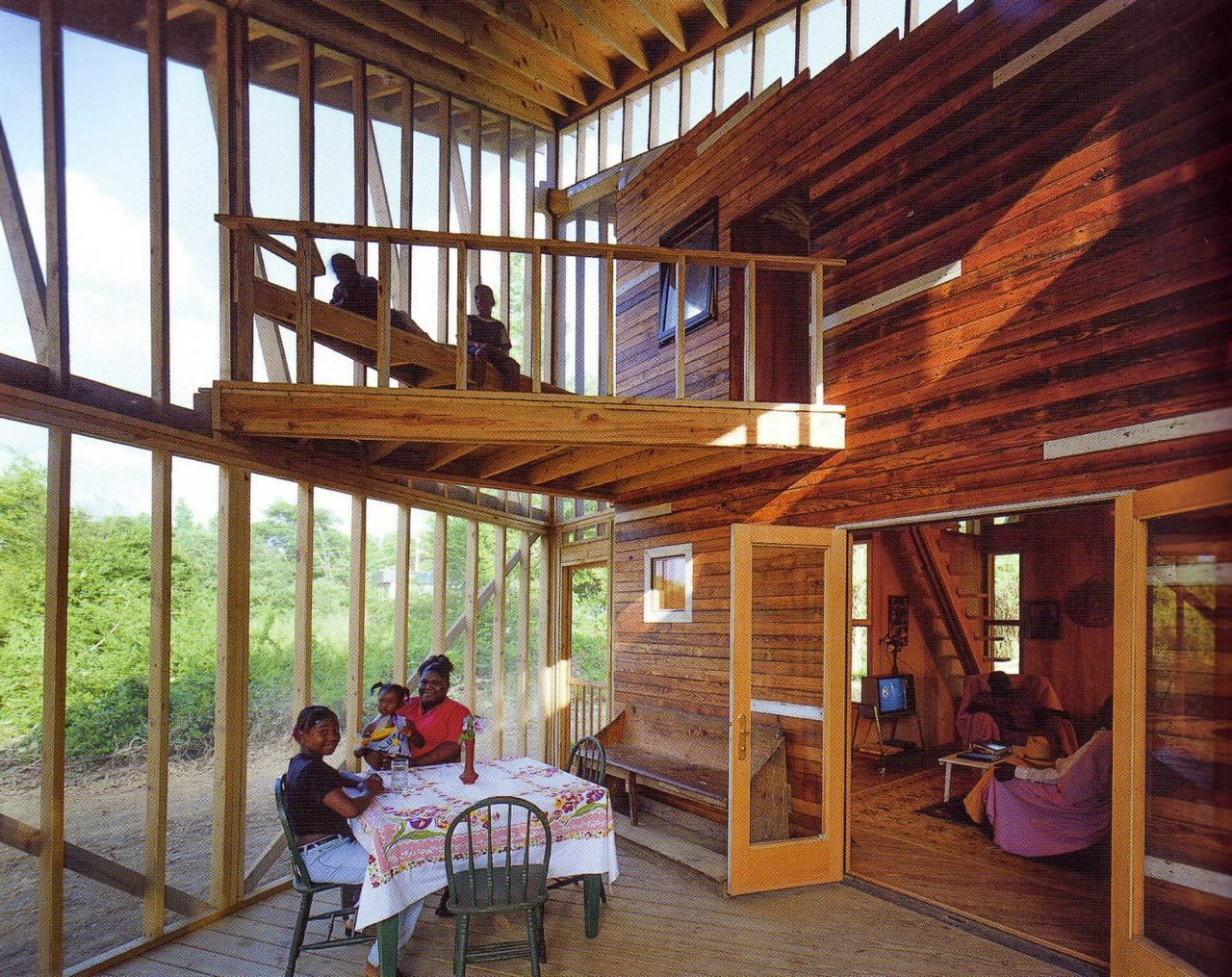
 Anderson and Ora Lee Harris' home in Hale County, Alabama
People and Place Matter
“ The professional challenge, whether one is an architect in the rural American South or elsewhere in the world, is how to avoid being so stunned by the power of modern technology and economic affluence that one does not lose sight of the fact that people and place matter.”
“ For me, drawing and painting are the initial influences for the making of architecture. The sketch is always out front. It sees ahead and deeper into what is already on the paper.”
“ The initial sketch is always an emotion, not a concept. In the beginning, it is important to allow the imagination to move freely without any influence from a preconceived form. It’s a mark that suggests the possibility of an idea. For me, it’s the act of drawing that allows the hand to come into accord with the heart. When that happens, there comes a moment when the marks of the sketch — it can be a pen mark or a computer mark — utter the first deeper knowledge of what will come later. “
– Sambo Mockbee
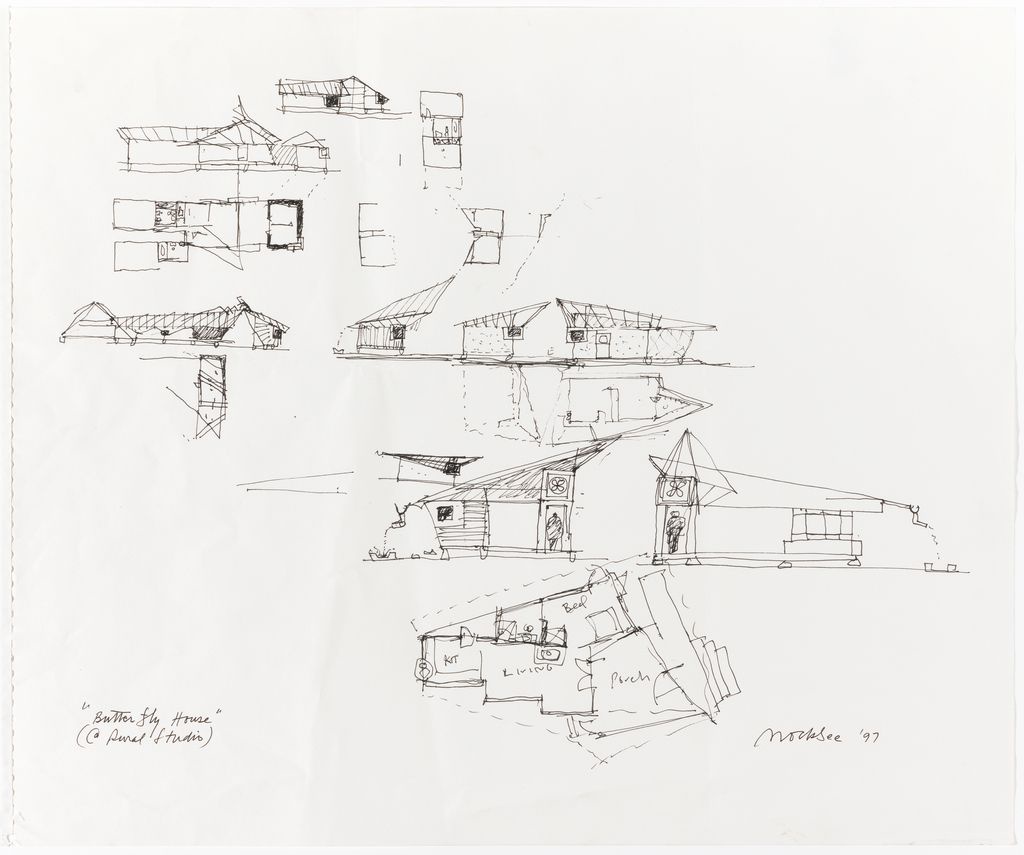
Professor Mockbee spent hours with me formulating my graduate thesis and long conversations about DuBois the Souls of Black Folks and convinced me to study the landscapes that freed slaves built in rural Alabama after emancipation. He and I were from this place and knew what was hidden. I got to spend a week working with Professor Sambo Mockbee at Auburn’s Rural Studio. Made in part from scrap materials, the Butterfly House, as it came to be known, shows what is possible when it comes to affordable housing. Rooted in place, not commodity-driven, beyond codes: home. I have not continued what Mockbee showed us, nor have others. Truth be told, none of us under his influence have equaled his level of work. Nor have the professors who followed him. Good work has certainly been done at Auburn. But Sambo reached deeply into the spirit of the people and the place—rural Alabama—and somehow those dreams, myths, and layered history expressed themselves in form.
But I remember a candid conversation with Sambo that still haunts me. He could not actually design and build the things he wanted to and still make a living. This is why he started teaching. Poor people and communities that need what architecture cannot afford it. My response was to move to Aspen, Colorado, and work for one of the more noted design firms, where clients often did not have a budget. I had shared some of that work with him and was proud of it. In a phone call shortly before he died, he told me to come back and finish my graduate thesis while he and Jack Williams were at Auburn. “ What you’re doing is…being a housepet for the rich. ” He was right. I gave two weeks’ notice the next day.
The thing I will remember most about Sambo Mockbee is his dreams were bigger than our shared reality. What made him different was that he made them reality. Three decades later I still hear Sambo’s words in my head:
” Everyone, rich or poor, deserves shelter for the soul. “
I will dream and follow Mockbee’s process.
To learn more about Sambo Mockbee visit his family’s web site. View the documentary Citizen Architect
All images courtesy of the Mockbee family.
POSTED BY JON
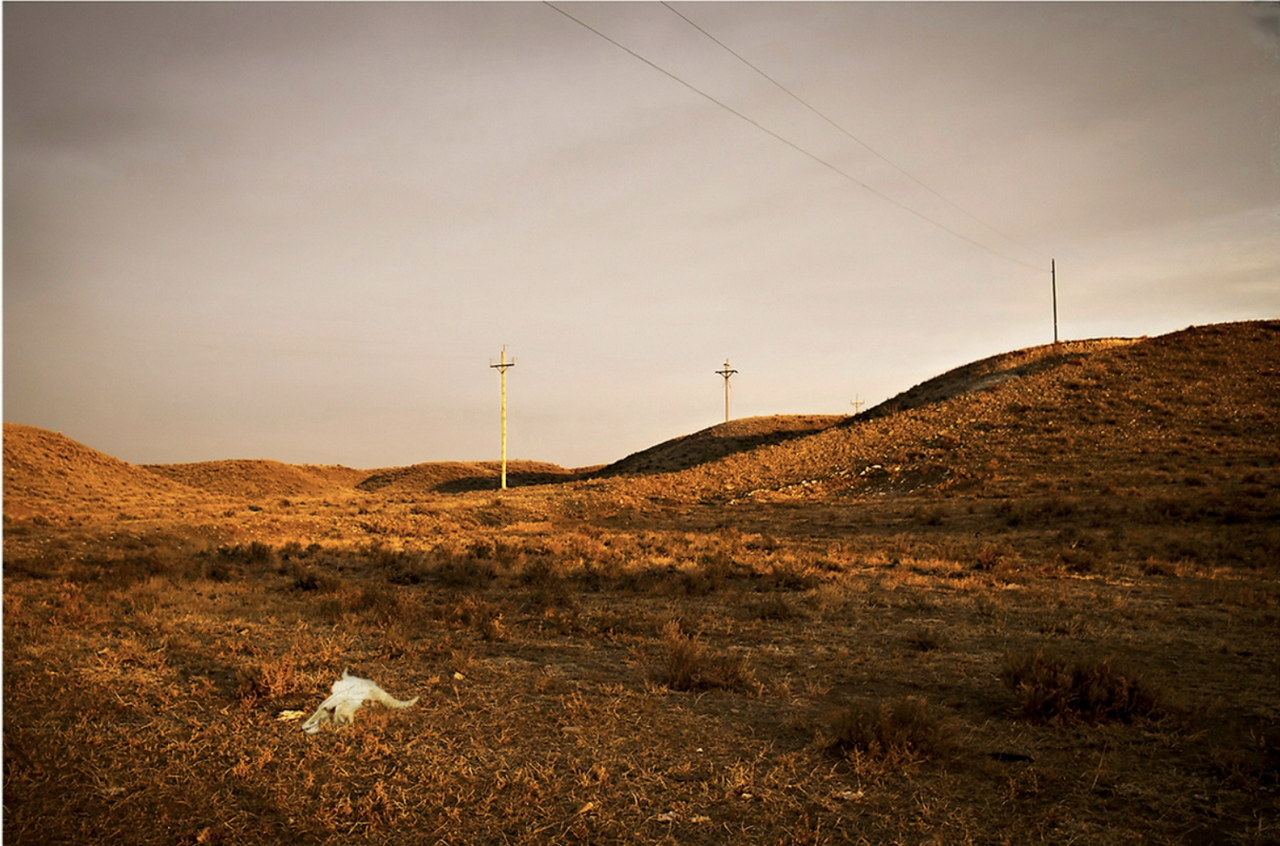 Wheatland, Wyoming


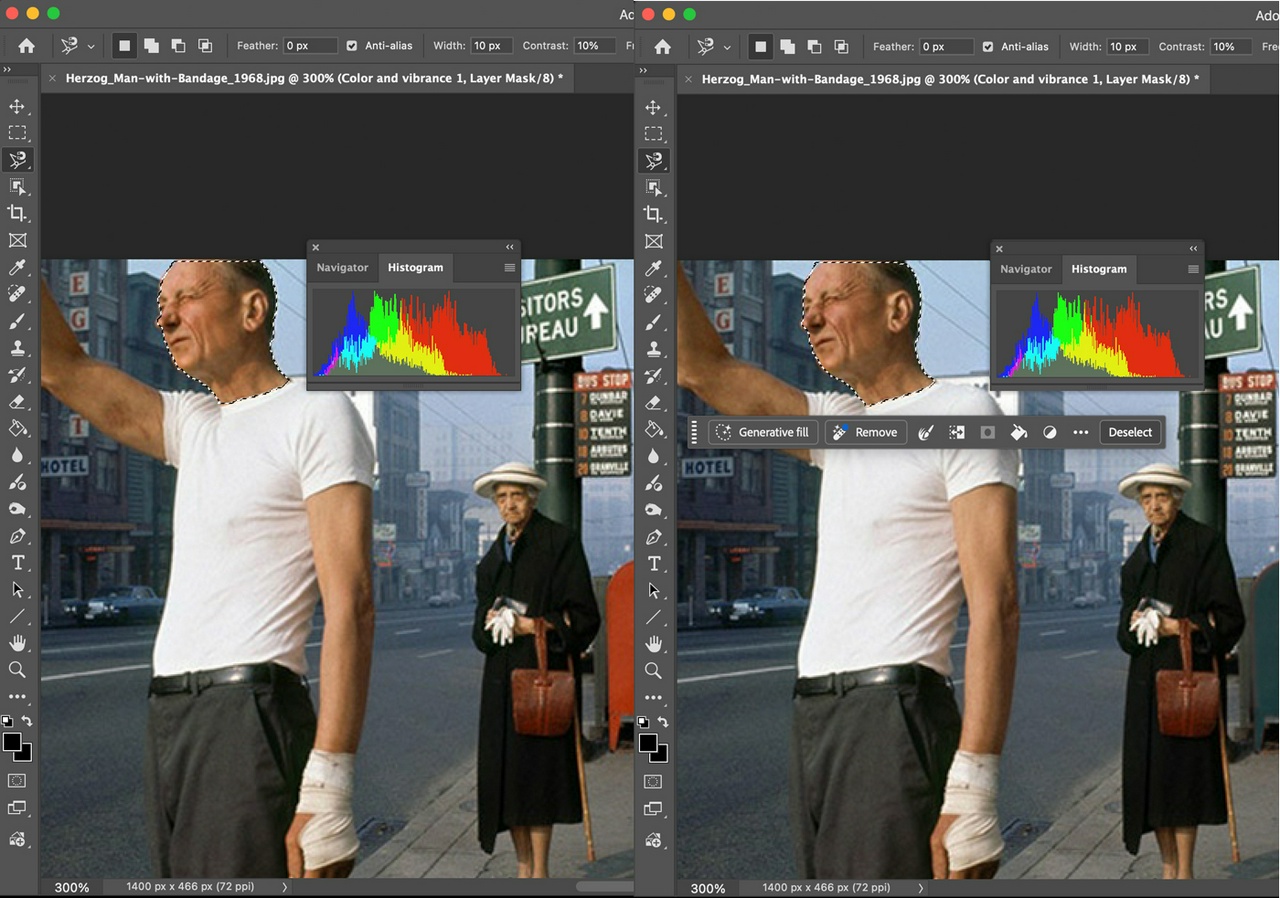
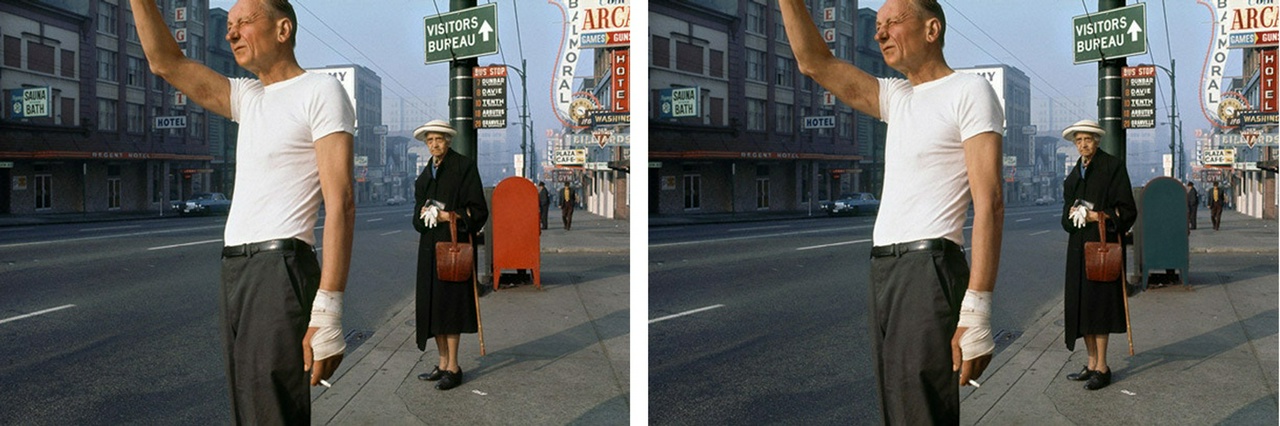 Fred Herzog, Man with Bandage, 1968 Courtesy Equinox Gallery and Estate of Fred Herzog. Modified to remove bandage on face and mailbox changed from red to blue.
 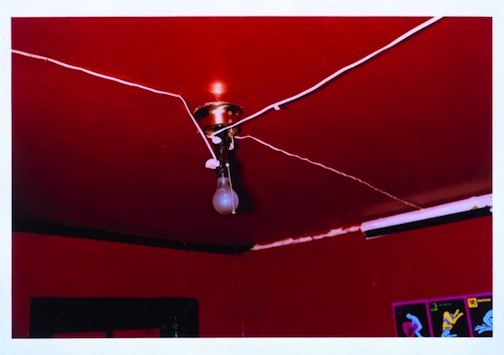 * Eggleston, W. (1973) Greenwood, Mississippi [dye transfer print]. Commonly known as The Red Ceiling.*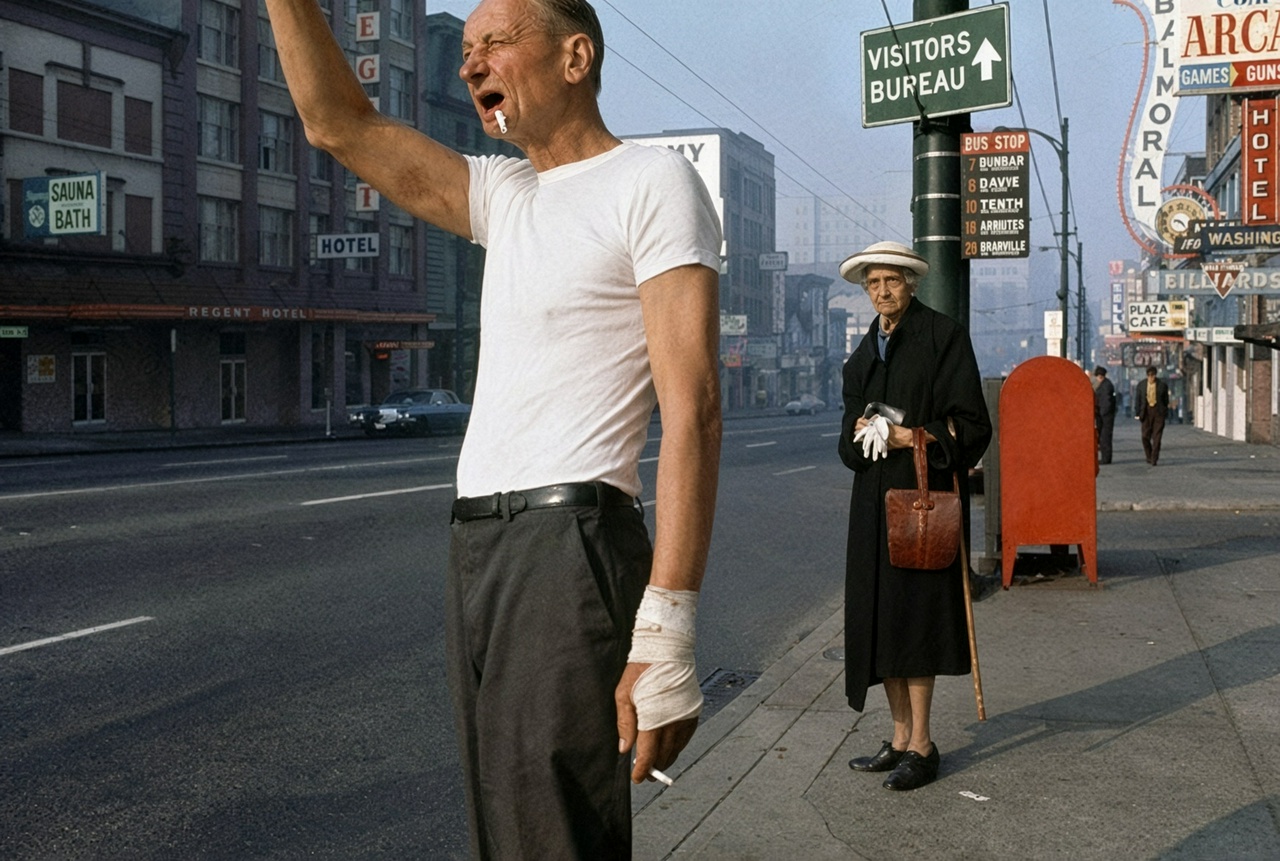
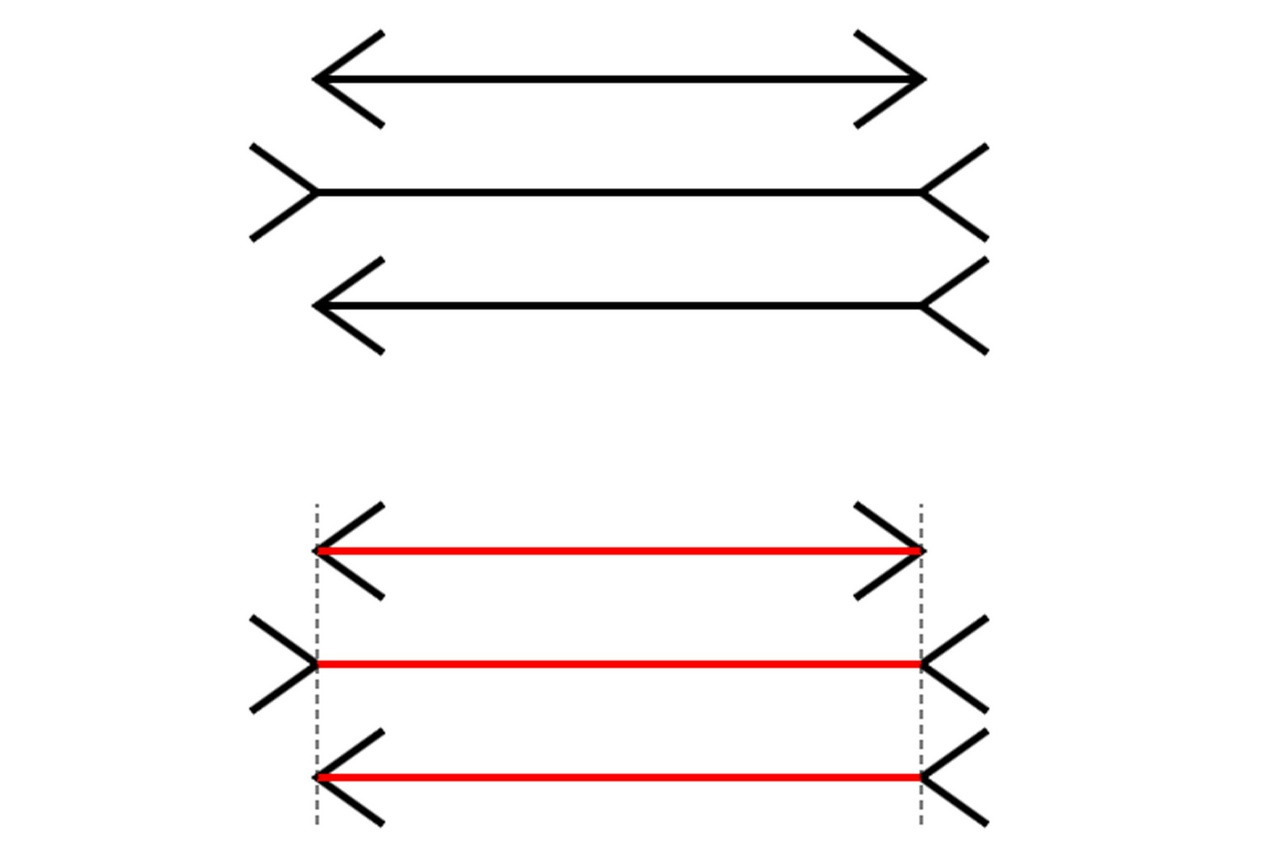 The first diagram our eye is tricked into perceiving the middle line as being longest when in fact the second diagram proves it is not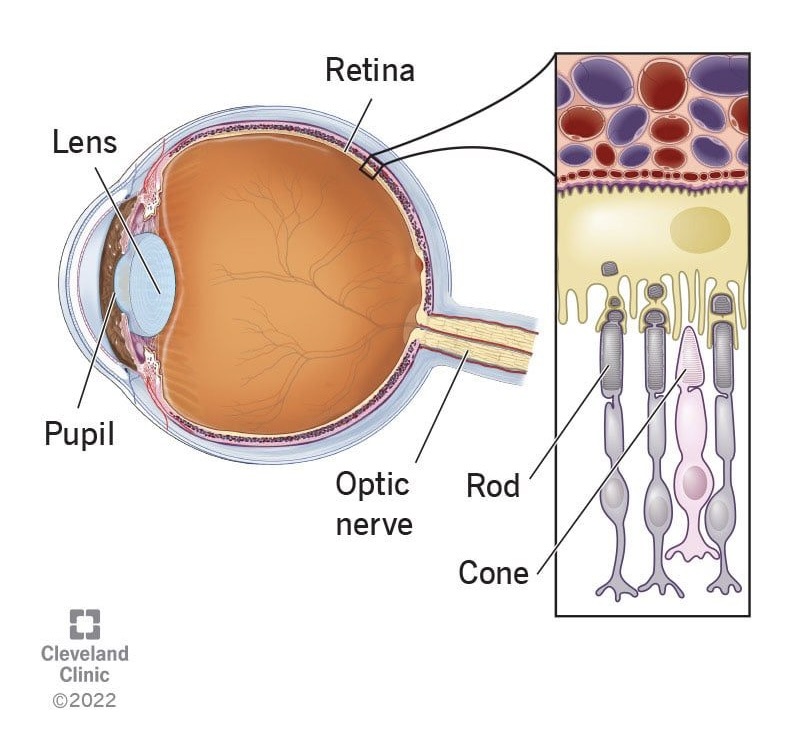

 We all dream of America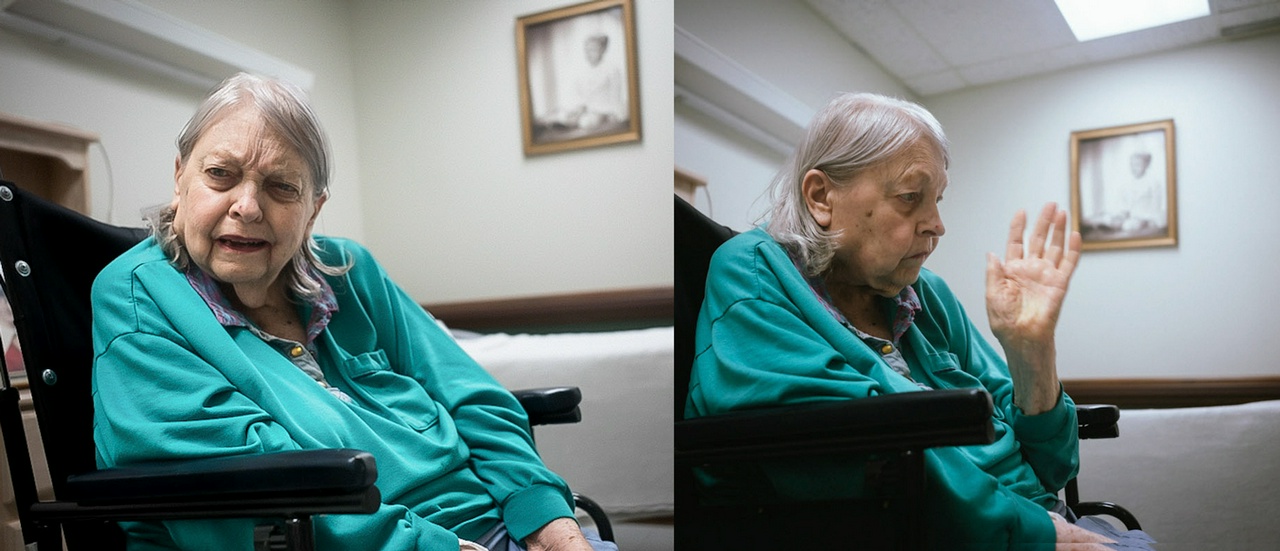
 Notes after Torah study- the Patriarch
If you are a believer—whether Christian, Jew, or Muslim—the beginning of our faith starts with Abraham, where the covenant was made. There are layers to this though that are strange.
For reference I'm going to use the acronym “NHI” to represent Non-human intelligence. This could be angels, watchers or beings referred to in the heavenly court reference in Genesis or something else we do not know of.
The story (as taught in Judaism) is this:
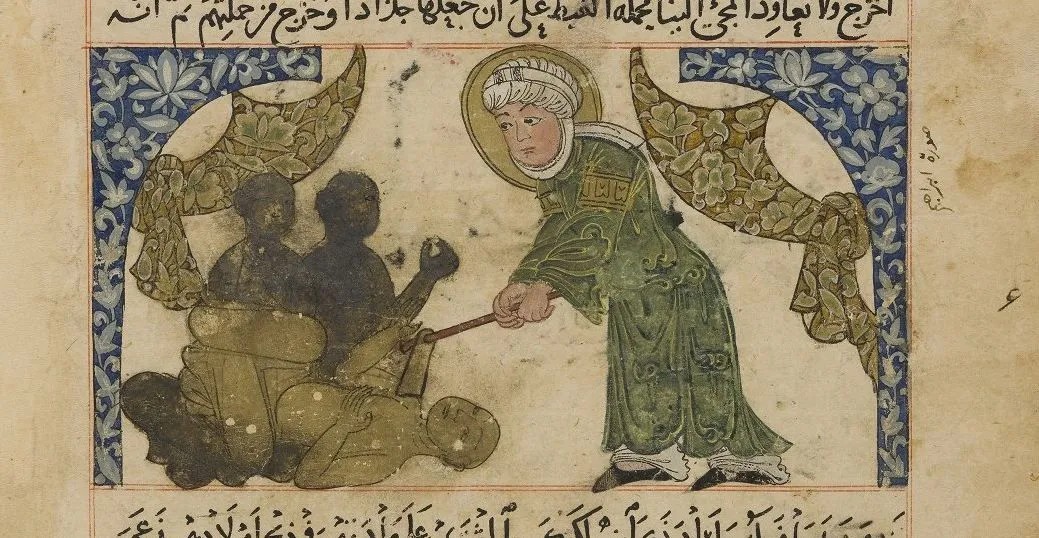
Abraham’s father, Terakh, owned an idol shop. One day, while his father was away and Abraham was left in charge of the store, he took an axe and smashed all the idols except the biggest one. He then placed the axe in the idol’s hands. When his father returned, he was angry and asked what happened. Abraham explained that the large idol had become upset with the other idols and destroyed them.
“You know these idols can’t move,” his father shouted.
Abraham cleverly answered, “If they can’t save themselves, then we are superior to them. So why should we worship them?” [^1]
It is Abraham’s intellectual and spiritual perception — his ability to see through what everyone else around him accepted without question that caught the attention of the Creator of the universe—whom we call HaShem—thereby becoming the father of the Jewish people.
Notes after Torah study- the Patriarch
If you are a believer—whether Christian, Jew, or Muslim—the beginning of our faith starts with Abraham, where the covenant was made. There are layers to this though that are strange.
For reference I'm going to use the acronym “NHI” to represent Non-human intelligence. This could be angels, watchers or beings referred to in the heavenly court reference in Genesis or something else we do not know of.
The story (as taught in Judaism) is this:
Abraham’s father, Terakh, owned an idol shop. One day, while his father was away and Abraham was left in charge of the store, he took an axe and smashed all the idols except the biggest one. He then placed the axe in the idol’s hands. When his father returned, he was angry and asked what happened. Abraham explained that the large idol had become upset with the other idols and destroyed them.
“You know these idols can’t move,” his father shouted.
Abraham cleverly answered, “If they can’t save themselves, then we are superior to them. So why should we worship them?” [^1]
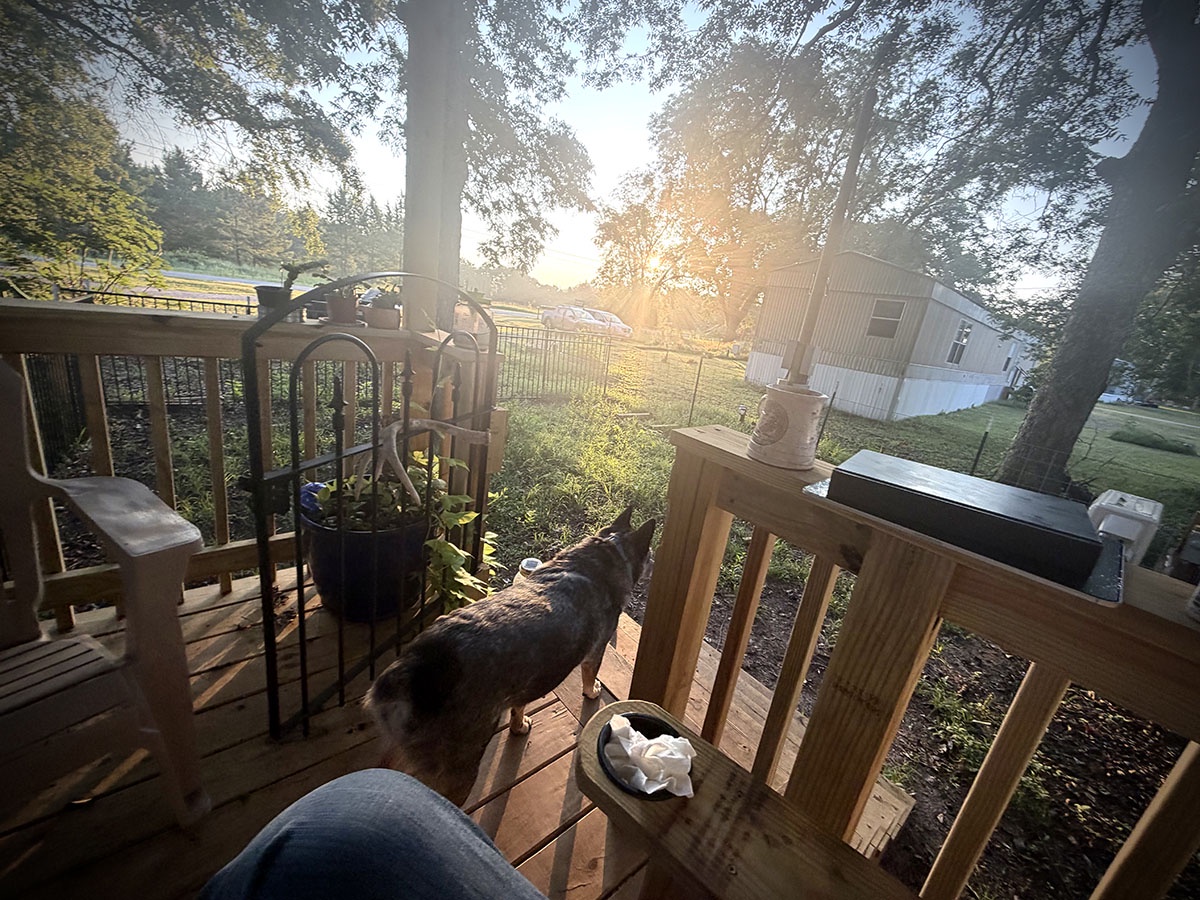
It is Abraham’s intellectual and spiritual perception — his ability to see through what everyone else around him accepted without question that caught the attention of the Creator of the universe—whom we call HaShem—thereby becoming the father of the Jewish people. My dog “Autiemae” a blue healer. I got her when I had cows but she was Healer blue
 ברוך השם
My little place in the world.
ברוך השם
My little place in the world.
