Skip to main content Official Microsoft Blog Microsoft Source Asia Canada Europe, Middle East and Africa Latin America Top News on LinkedIn The Monthly Tech-In For Press
Skip to content

The hard part of AI: making it stick

AI’s promise is real. But the challenge to realizing its value isn’t technology — it’s people. AI scientist, entrepreneur, and investor Rana el Kaliouby joins podcast host Molly Wood to explain why adoption breaks down when AI doesn’t fit how people actually work and how to close the gap between experimenting and making AI actually useful.

“It’s not just about like getting the work done,” el Kaliouby says. “It’s actually how do you … dissect an everyday workflow and inject AI in it in a way that’s sustainable, that’s repeatable, that’s trustworthy?” She says it’s easy to try tools, but much harder to build them into your day‑to‑day in a way that people trust and keep using.

Portrait of a person with shoulder-length hair on a purple background with abstract rounded shapes.

A new map charts the world’s farms, field by field

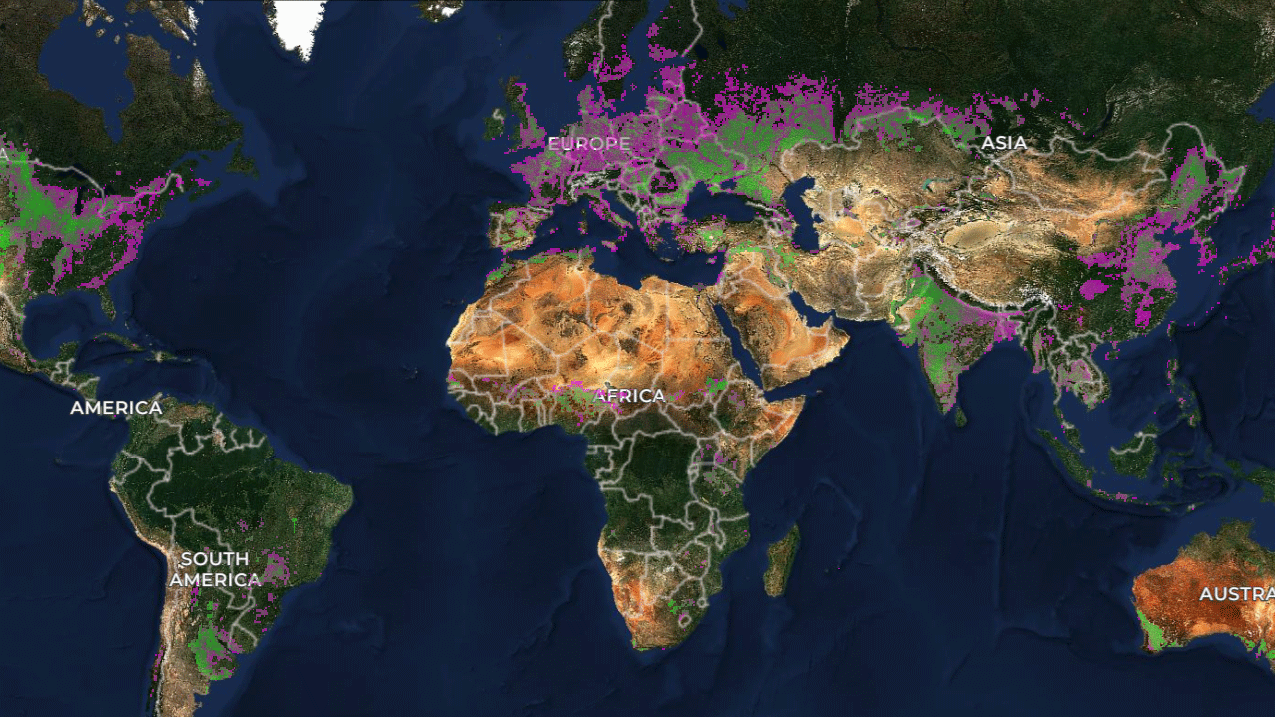
For the first time, researchers have mapped agricultural field boundaries across the entire planet — creating a new foundation for tracking food systems, water use and agricultural change. The map is powered by AI models that have been trained to identify field boundaries from satellite imagery and built through a global collaboration between Microsoft, Taylor Geospatial and other partners. Explore the interactive map to see how the world’s fields take shape in unprecedented detail.

World map showing agricultural field locations highlighted in pink and green.

Study finds AI can get lost in multi-turn conversations

Large language models (LLMs) are designed to have conversations. That means they can help not just when a task is clearly laid out, but also when users are still figuring out what they need by talking it over. Now, new research shows that LLMs often do worse when a task is spread across multiple turns instead of just being given all at once. Across many tests, performance dropped sharply — about 39% — mainly because models became more unreliable with subsequent iterations. Researchers found the models tend to guess early, jump to answers too soon and then stick with those wrong assumptions instead of adjusting as new information comes in. It’s definitely something to keep in mind when assigning a task to an LLM.

Abstract illustration of layered frames with a human profile and a laptop, each paired with a speech bubble on a green background.

Microsoft to invest A$25 billion in Australia by 2029

Microsoft is investing down under. Microsoft Chairman and Chief Executive Officer Satya Nadella, alongside Australia Prime Minister Anthony Albanese, announced the company’s largest-ever investment in the country. By the end of 2029, Microsoft will invest A$25 billion (USD $18 billion) in new digital infrastructure, alongside new commitments to national cyber defense capability and workforce training programs.

Australian Prime Minister Anthony Albanese and Microsoft CEO Satya Nadella stand together, smiling, in front of a scenic Australian view.

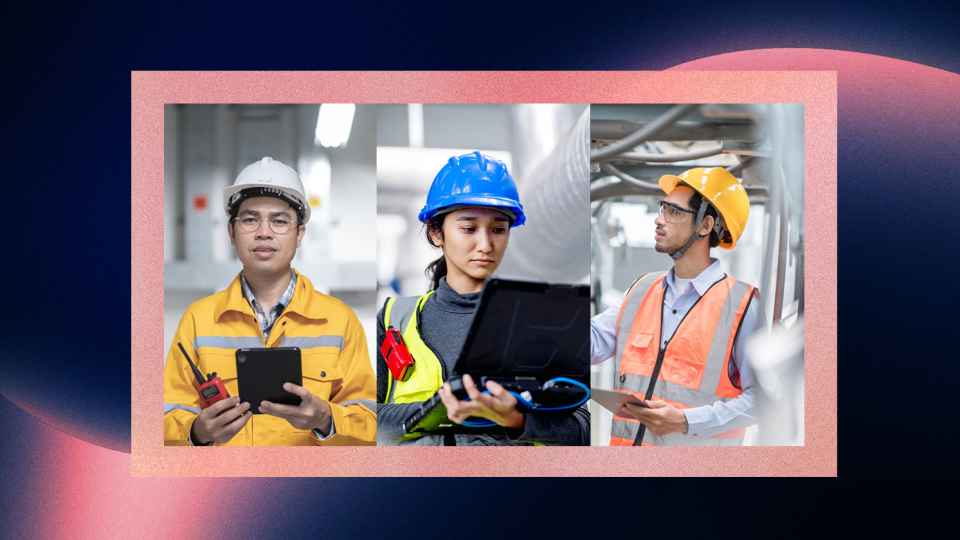
Microsoft expands AI literacy push to skilled trades workers

In a world that can feel increasingly virtual, there are millions of skilled trade professionals who remind us of a simple truth: the critical infrastructure of the AI era still depends on uniquely human skills and what we can create, build, wire, weld, install and maintain. Now, Microsoft is expanding its partnership with North America’s Building Trades Unions (NABTU) to support a strong, skilled workforce pipeline and help workers across North America build the skills needed to succeed in an AI-powered economy.

AI won’t replace experience, judgement and craft that define the trades. Instead, it’ll amplify those human skills, helping people work more safely, learn quickly and deliver higher-quality outcomes on increasingly complex job sites.

Three industrial workers in hard hats and safety vests using tablets inside a facility, shown in a three-panel collage.

Cricket Australia uses AI Insights to bring fans closer to the action

Cricket Australia, the governing body of the sport, updated its Cricket Live Australia app with AI Insights, taking advantage of Microsoft AI tools to engage fans and help propel the sport forward. Using historical data that spans thousands of matches, the app allows users to gain deeper insights about the game, whether they are a novice or an expert.

Group of six people in a casual lounge cheering and clapping around a table with drinks and snacks.

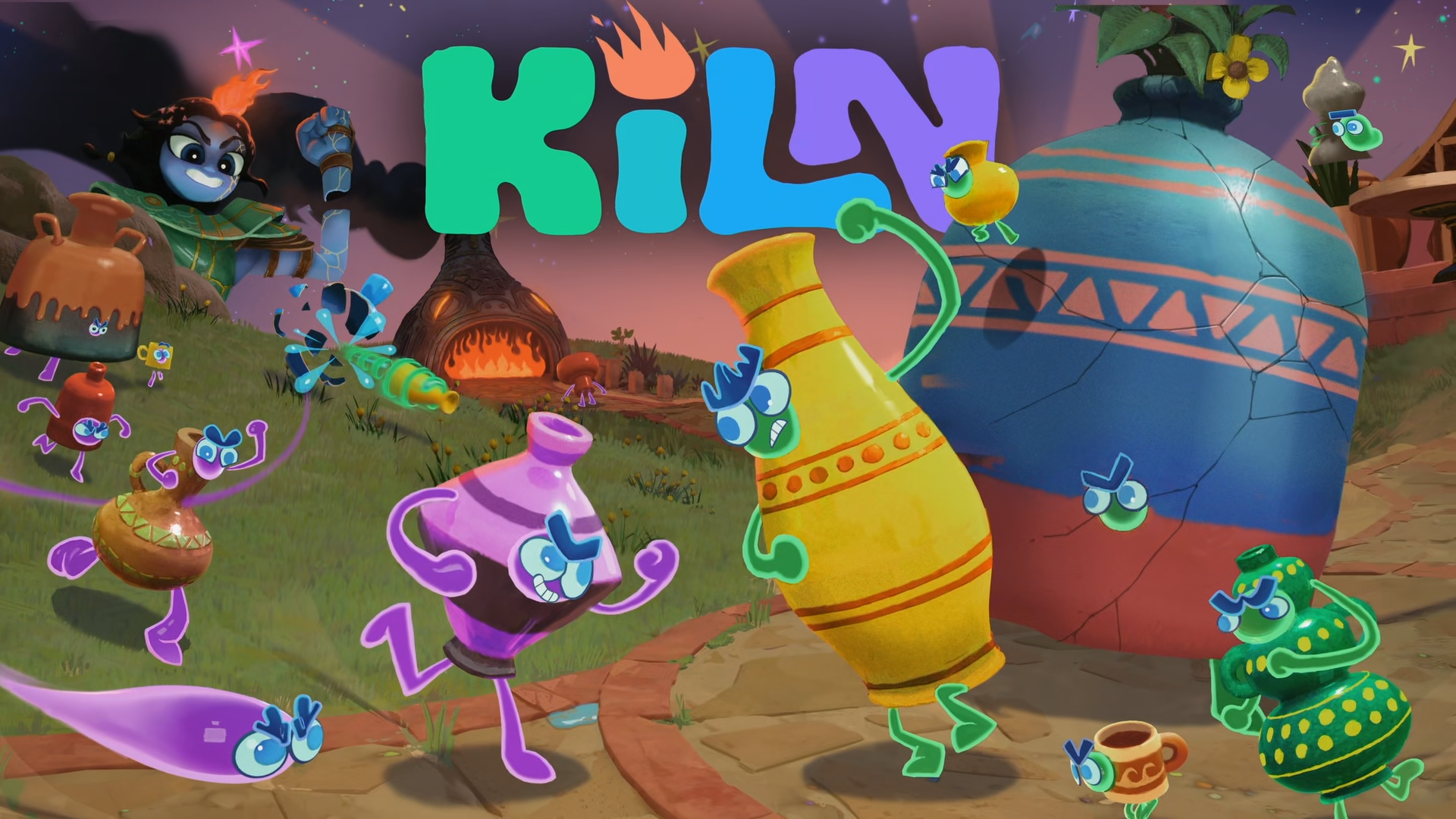
Double Fine turns pottery into a team brawler with Kiln

At Double Fine Productions, an idea that emerged almost a decade ago during an internal game jam became Kiln, a pottery party brawler. (Say that fast five times!)

To better understand the craft behind the concept, members of the team got hands-on experience with in-person classes. They learned techniques and gained an appreciation for the complexity of working with clay before translating those lessons into a game infused with cathartic creation and destruction.

The result blends hands‑on creativity with social play, shaped by a studio culture that encourages experimentation, kindness, collaboration and respect.

Colorful animated pots with faces dancing near a glowing kiln under the “KILN” title.

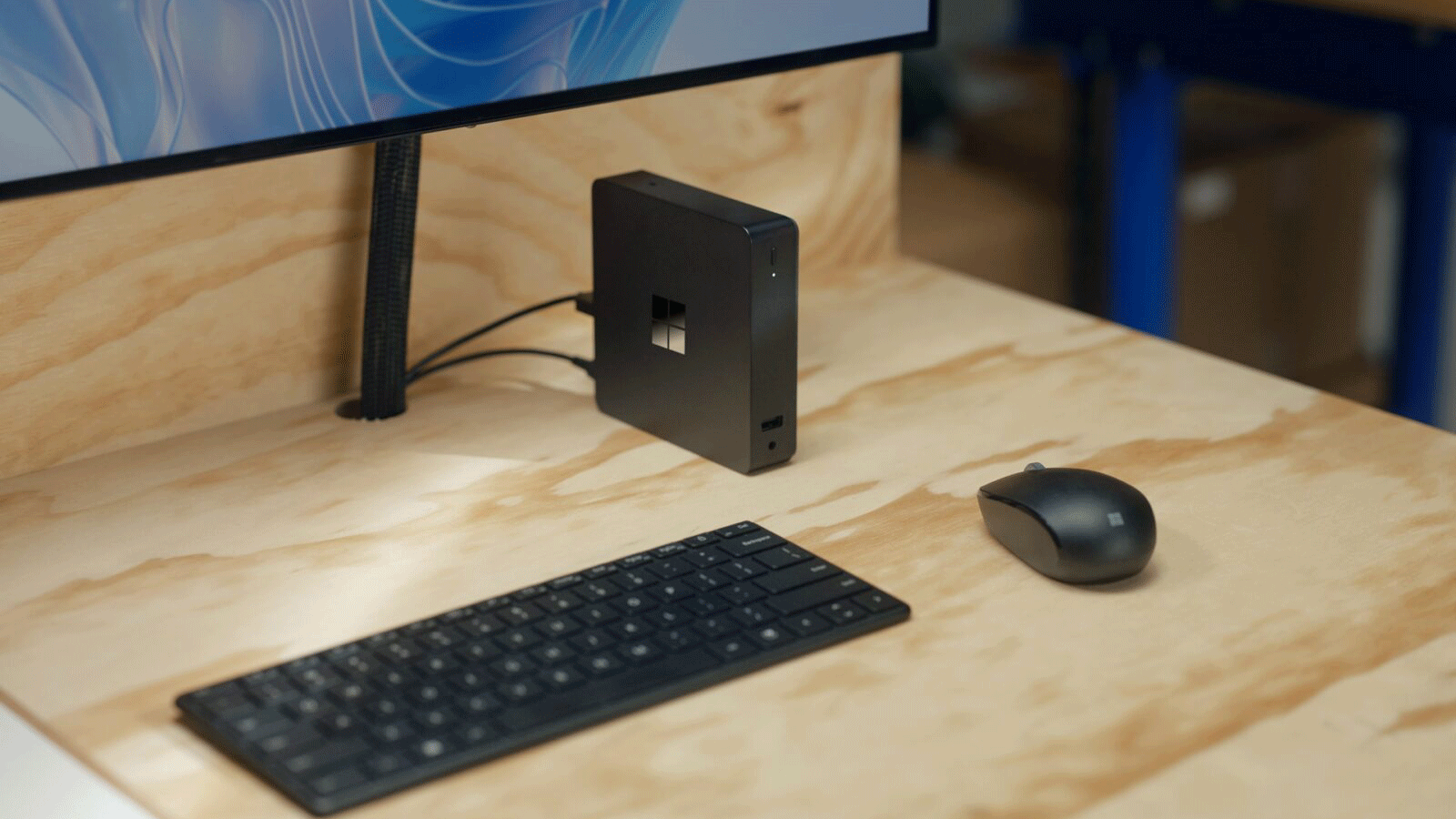
A device with no local data, built for the Cloud PC era

Think of Windows 365 Link as a stripped-down device that doesn’t do much on its own — instead, it instantly connects you to a full Windows experience that lives in the cloud. After a year, companies are adopting it to cut down on IT headaches, since there’s no data stored on the device and it’s easier to manage, secure and set up. Microsoft is now expanding where it’s available and adding features, pitching it as a simpler replacement for traditional desktops, especially in shared or frontline work settings.

Microsoft's Windows 365 Link device on a wooden desk beside a keyboard, mouse and monitor.

When do you work best?

We’ve all looked at the clock and wondered “how is it already 4 p.m.?!” at least a few times. Maybe your workday feels like a mysterious blend of brilliance and busyness? Now you can use AI to help decode how you’re spending your time.

shapes with a torn-paper label reading ‘The prompt.’

Industry turns to AI to keep pace with cyber threats

Remember Y2K? Cybersecurity is entering a similar scramble — this time driven by AI. The latest AI models can now find software bugs at an unprecedented rate, making it easier for hackers to exploit them. Organizations must rethink their digital exposure and response times. But those same lurches forward in AI technology also give defenders an edge: They can find vulnerabilities sooner and reduce the time it takes to fix them. Microsoft is working with industry partners to identify risks earlier and turn those findings into real protection for people and systems everywhere.

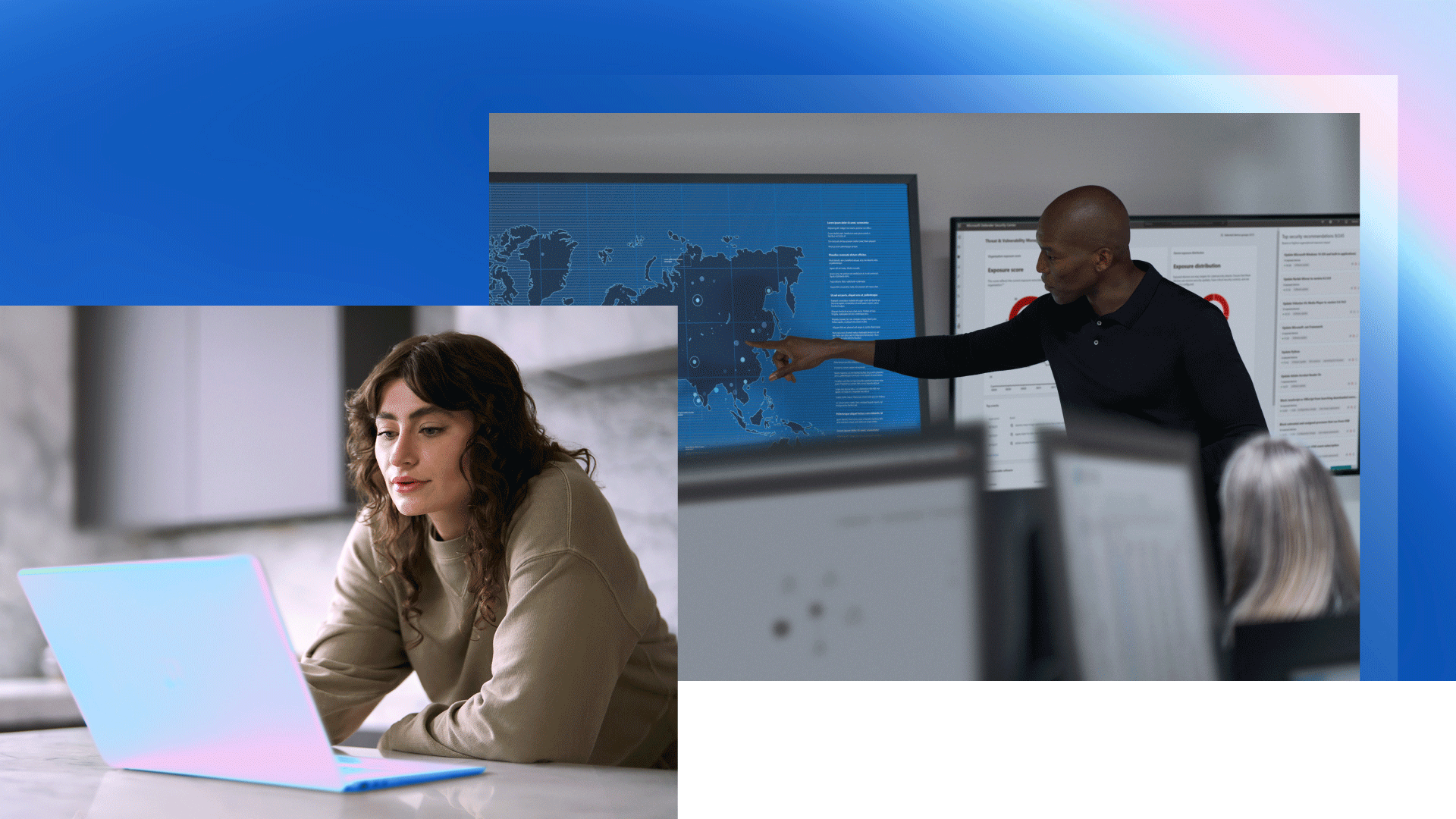
Person presenting a global map on large screens while another person works on a laptop in a split-screen graphic.

Microsoft nears zero plastic in packaging

Microsoft’s gotten single‑use plastic in its packaging down to 0.07%. You see it right away opening a Surface box — no shrink wrap, no plastic shell, just a clean paperboard setup. But that didn’t happen overnight. It took years of rethinking how things are made and shipped, all tied to a bigger push to cut waste and ditch plastic altogether.

Orange Microsoft Surface laptop box with blossoms bursting and floating in the air.

AI at scale requires control, not just capability

The real challenge in AI right now isn’t capability — it’s control. As companies deploy more autonomous agents to handle real business processes, businesses must build governance, monitoring and security layers. To scale this, they need two things: first, intelligence grounded in their own data, and second, trust — with security, governance and monitoring — so AI can deliver results. As AI becomes part of everyday work, success will come down to how well it’s integrated and managed.

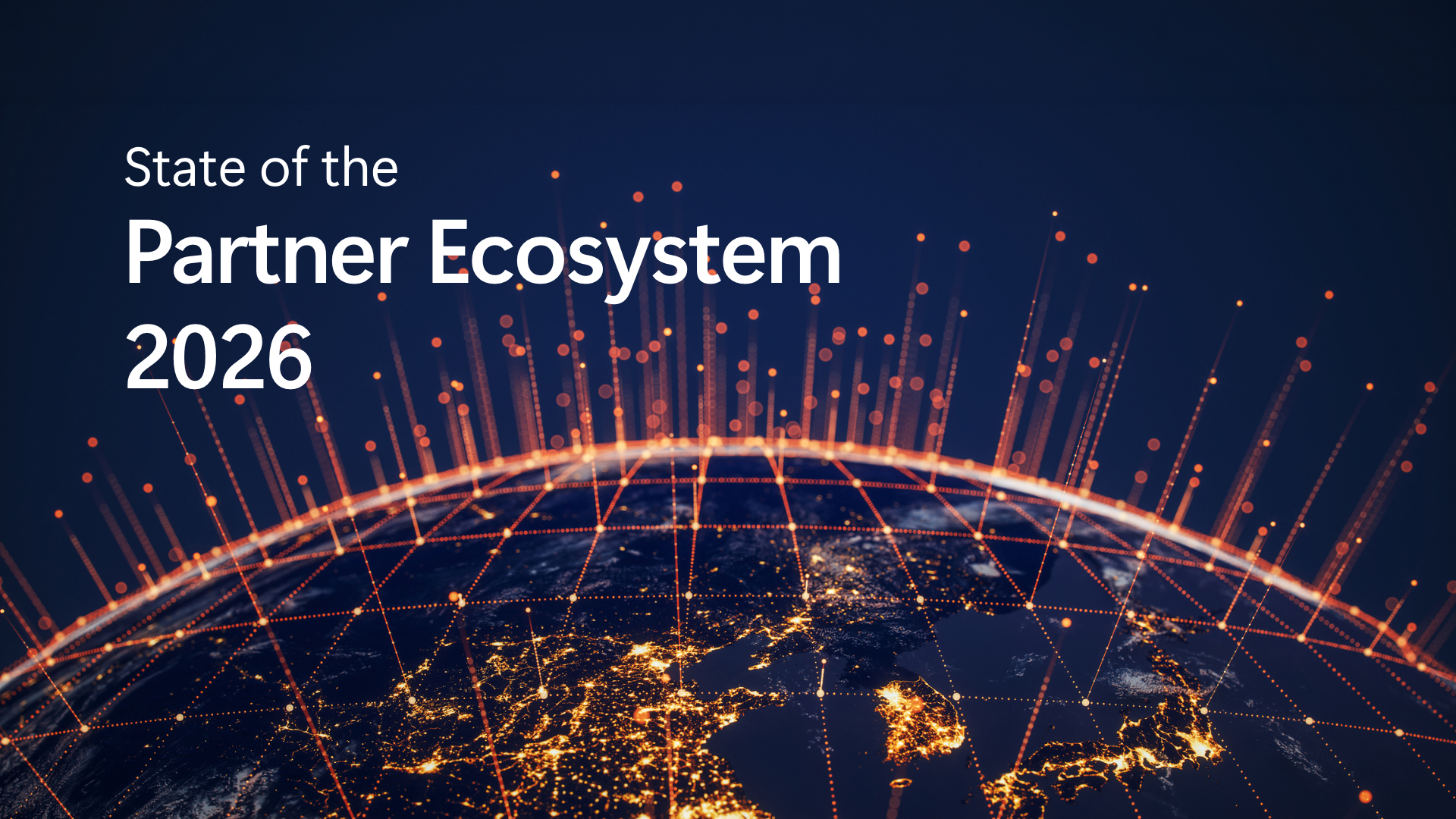
Digital globe at night with glowing network lines, titled ‘State of the Partner Ecosystem 2026.

When New Zealand’s underground data meets AI

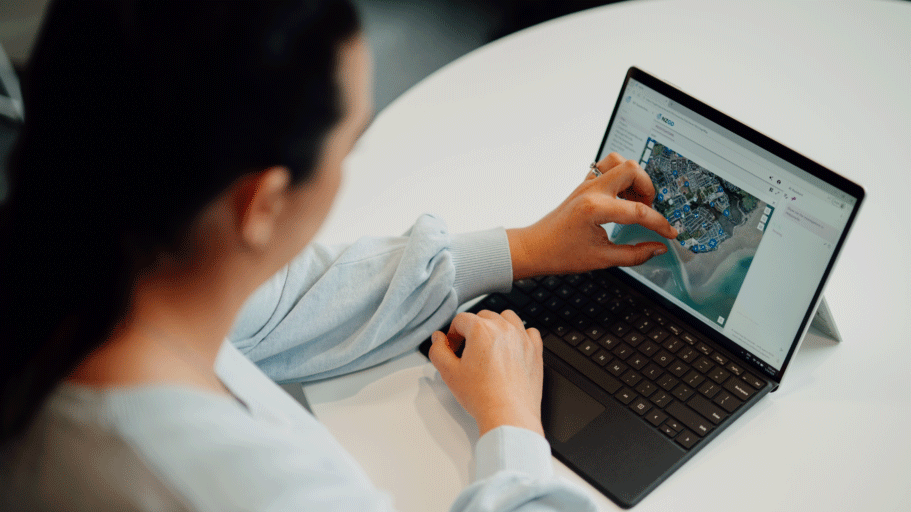
After the tragic Christchurch earthquake, New Zealand built a geotechnical database to help engineers get complex information on the ground beneath their building sites. Now that data is accessible via the Microsoft Azure-powered digital twin platform BEYON and its AI assistant, enabling engineers to make faster, better decisions.

Rapid AI growth leaves schools catching up

AI is becoming a part of the future of education, for both kids in the classroom and at an administrative, system-wide level. The conversation is no longer “if” but “how” as institutions consider what that shift means for students, educators and institutions. In the 2025 AI in Education Report, Microsoft conducted numerous studies and surveys and collaborated with academic institutions and organizations. Read on for the four key takeaways.

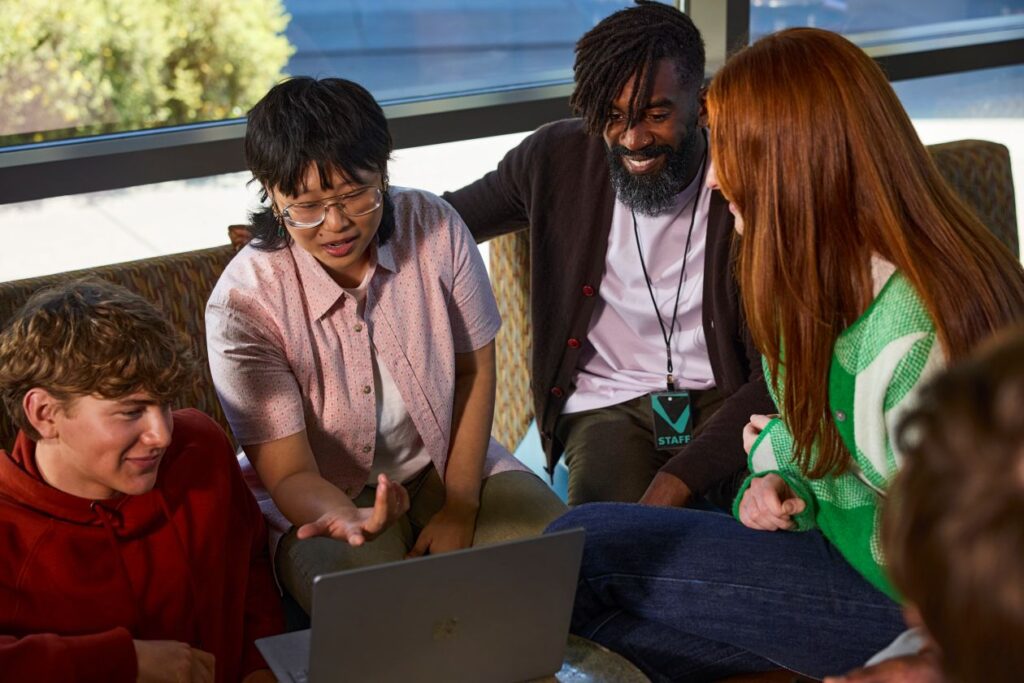
Group of people sitting together, looking at a laptop and discussing something on screen.

Luxury retailer Chow Tai Fook rebuilds operations around AI

Global luxury brand Chow Tai Fook is working to bring their business into the AI era. The company has engineered an end-to-end, enterprise-grade intelligence system that goes beyond chatbots — strengthening its digital foundation, supporting retail staff and delivering a more personalized omnichannel experience.

How Health New Zealand turned Copilot into ‘BroPilot’

Health New Zealand’s Hauora Māori team customized Microsoft 365 Copilot into “BroPilot,” an AI tool grounded in Māori values. The tool now helps teams simplify complex work, reduce workload and improve outputs. It also strengthens culturally informed care and provides a scalable model for inclusive, values-driven AI adoption across the organization.

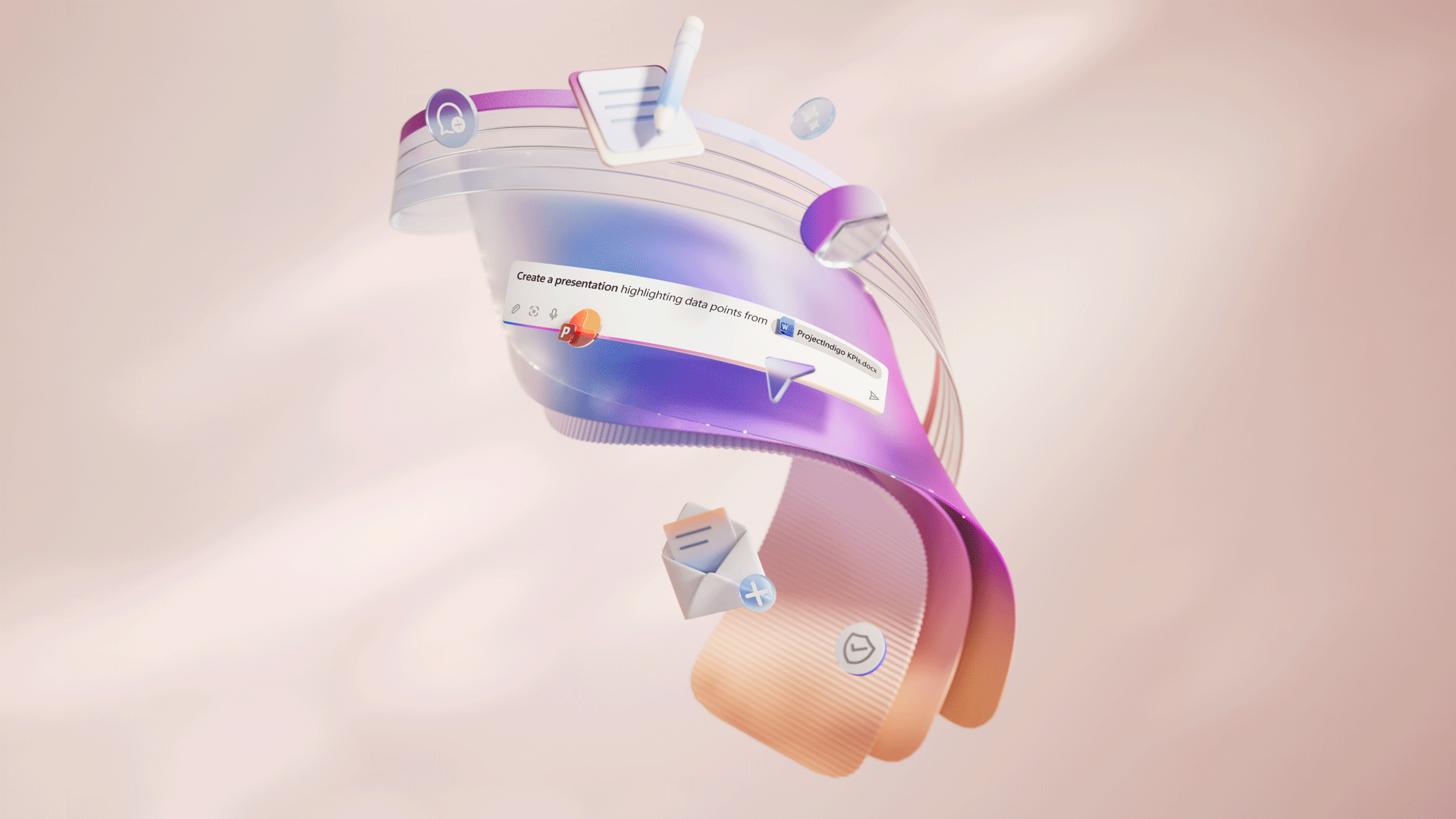
Abstract ribbon with floating UI icons, illustrating Copilot creating a presentation from a prompt.

Inside Fonterra’s effort to put AI to work at global scale

New Zealand’s largest business must operate at a global level – and that can get complex. Fonterra, a dairy co-operative owned by thousands of farming families, serves customers in more than 100 countries and processes around 22 billion liters of milk solids each season. So even small improvements in quality, consistency, sustainability and productivity can add up. AI has been increasingly practical for cutting through that complexity. Read more about Fonterra’s six-year partnership with Microsoft and how the business is embedding AI in core operations.

Milk tanker truck at a processing facility, framed by pink flowering trees and a silo in the background.

How a North Korean threat actor succeeded by tricking users

Microsoft Threat Intelligence uncovered a cyber campaign by the North Korean threat actor Sapphire Sleet that relies on social engineering rather than software vulnerabilities. Cyber attackers pretending to be a legitimate software update tricked users into manually running malicious files that allowed them to steal passwords, cryptocurrency assets and personal data – all while avoiding built-in security checks. Read the full analysis for more on how it happened and tech companies worked together to solve it.

Two coworkers stand on an indoor staircase, looking at a tablet together.

Stellantis and Microsoft announce five-year partnership

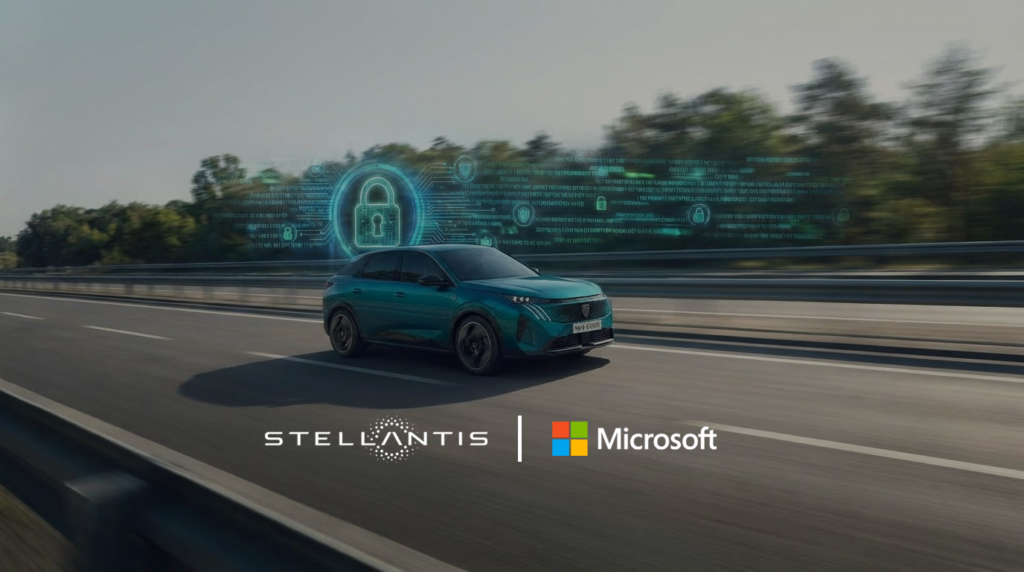
Stellantis and Microsoft Corp. on Thursday announced a five‑year strategic collaboration aimed at accelerating Stellantis’ digital transformation through the co‑development of advanced AI, cybersecurity and engineering capabilities.

Building on a longstanding alliance, this collaboration will bring together Stellantis’ automotive engineering expertise, multibrand scale and global operations with Microsoft’s cloud, AI and security capabilities to accelerate stronger, more agile, more connected digital processes across its ecosystem.

A teal SUV driving on a highway, with a digital security lock and data icons overlaid above the vehicle. The Stellantis and Microsoft logos appear at the bottom of the image.

A solar developer turns to AI to help protect biodiversity

As the expansion of renewable energy accelerates across Europe, solar developers face a dual responsibility: delivering clean energy at scale while protecting local ecosystems. For Urbasolar, the solar division of Axpo Group, biodiversity protection is an integral part of how projects are designed, assessed and approved.

To support this, Urbasolar has developed an internal AI‑powered chatbot that helps project teams and environmental experts better understand, document and protect biodiversity across its solar power plants.

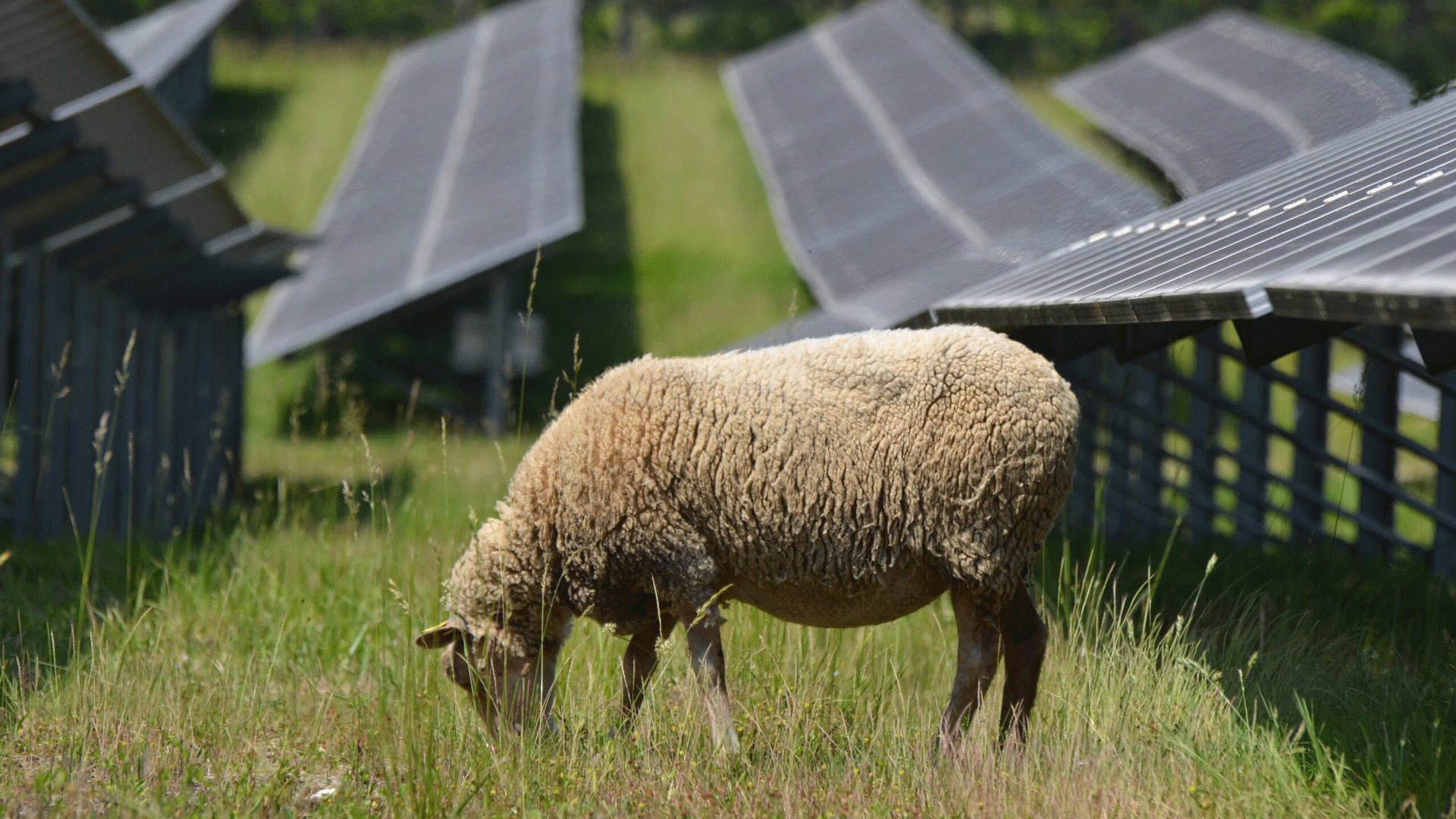
A sheep grazes on green grass in front of solar panels.

How AI is rewriting the startup playbook

For startups, the real challenge isn’t building software. It’s turning momentum into a business that can grow – especially as teams stay lean and expectations rise. But AI has changed the calculus. What began as tools that helped developers code is evolving into systems that can carry work across repositories, cloud infrastructure and long‑running processes, all with far less manual coordination.

For founders and technical leaders, this isn’t just a productivity shift. It’s a structural one. Read more about this shift and how to build systems that can scale while staying secure.

People collaborating at computers in an open-plan office.

Industrial AI takes center stage at Hannover Messe

At Hannover Messe 2026, companies like ABB, Krones and TK Elevator are showing what Frontier industrial organizations look like in practice: AI grounded in trust. Using Microsoft’s cloud and AI platforms, they’re turning real-time data into smarter operationswhile keeping people in control and governance built in from the start. 

Two workers wearing hard hats review information on a tablet in a warehouse.

AI changes the rules of digital security incident response

In the past, when something broke digital security, responders would look for what broke and patch it so it wouldn’t happen again. But AI works differently: The same prompt can produce different results and problems aren’t tied to a single line of code. The damage can spread incredibly fast – at machine speed. While core response skills still matter, AI introduces new risks and demands faster action and new expertise. Find out which security practices remain effective in the age of AI and which require fresh preparation.

Stylized eye icon with circuit patterns on a dark blue background.

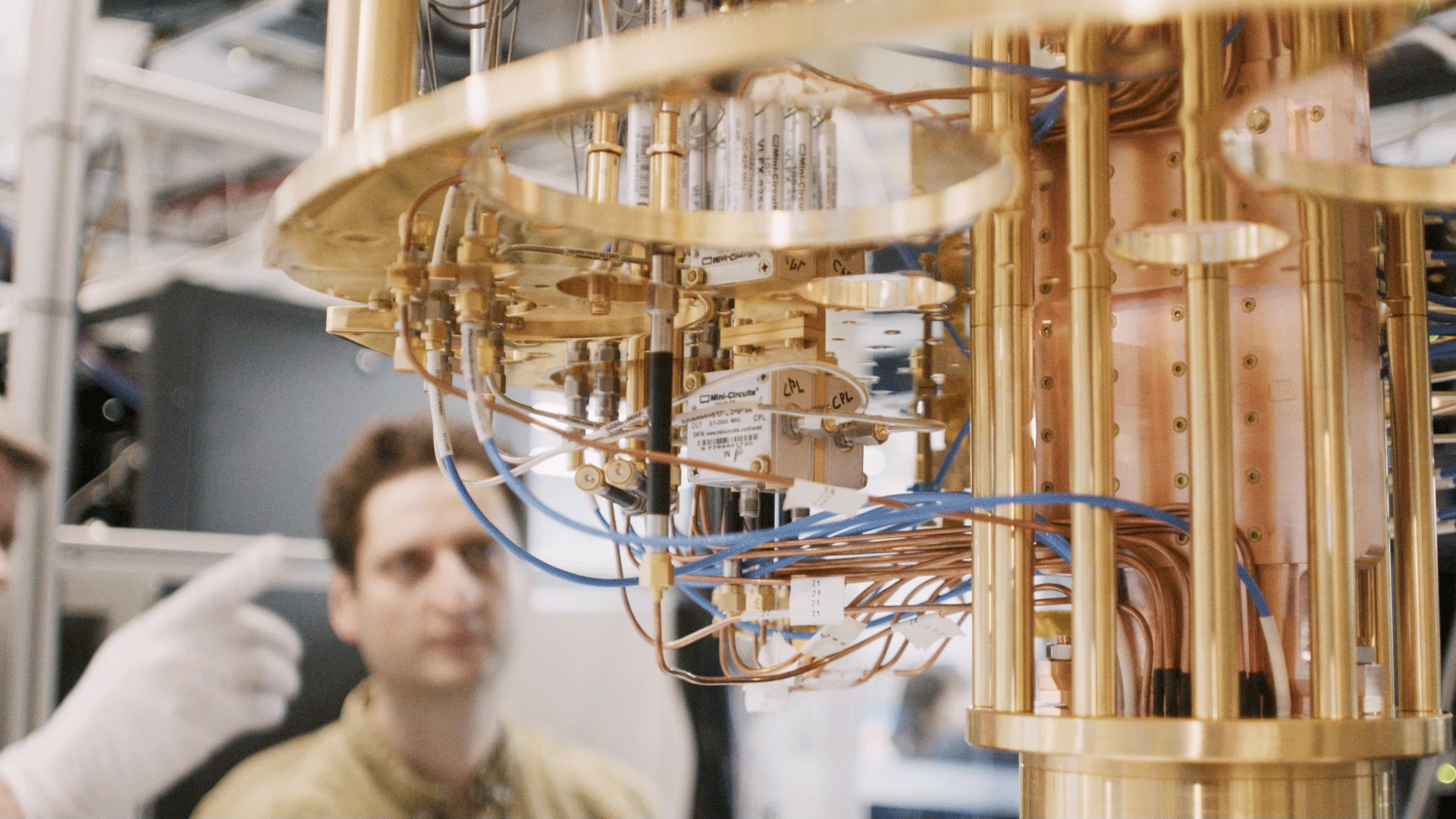
Europe is turning quantum research into real capability

In one of the most promising yet complex frontiers of science – quantum computing – Europe is making targeted investments that are beginning to produce real capability. Just north of Copenhagen, Microsoft opened a new state-of-the-art Quantum Lab in Lyngby, now the company’s largest quantum site globally and a key part of Microsoft’s long-term commitment to Europe’s quantum future. Read more about how the region is building on scientific talent and innovation.

Close-up of a quantum computing system with gold wiring and components inside a lab.

An easy way to prep for a meeting with the boss

You know that stressful moment before meeting with your manager — the one where you’re scrolling through emails, flipping through Teams threads and trying to remember just what on earth you’ve been working on this week?

Now, Microsoft 365 Copilot can handle the scramble for you and get all your updates in order before your next one-on-one with this all-encompassing prompt.

Collage of colorful geometric shapes with a torn-paper label reading ‘The prompt.’

Financial markets move toward always‑on digital infrastructure

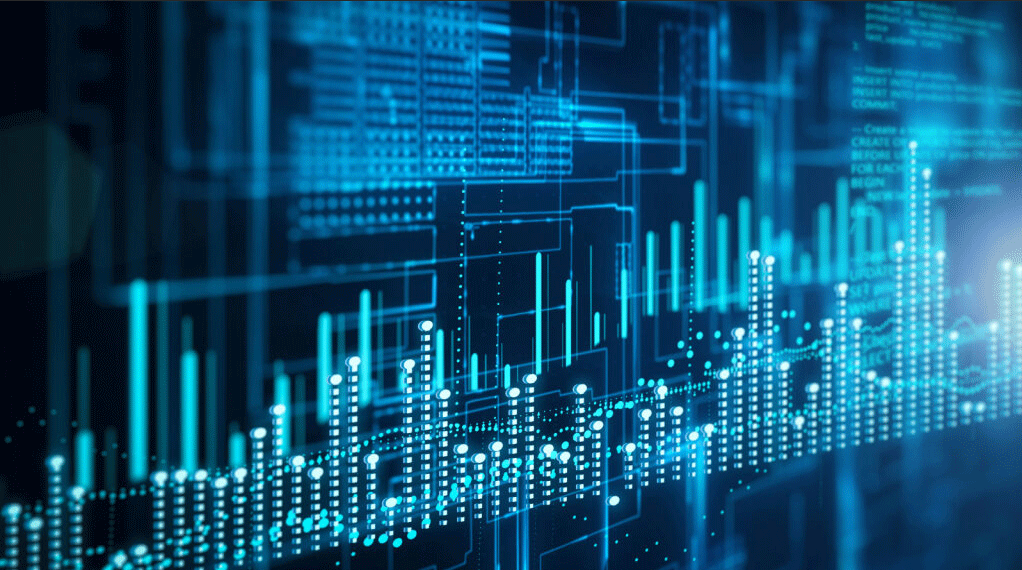
Financial markets are beginning to shift to always‑on digital infrastructure that can handle ownership, transfers and compliance in real time. This transition, driven by digital assets, means the infrastructure on the back end has to change too. To do that, firms need secure, cloud-based infrastructure that both works across different institutions and meets regulatory requirements. Microsoft, through Azure and its partnership with DTCC, is set to help build that next generation of the systems that power financial markets.

Abstract blue data visualization with charts, lines, and digital interface elements.

Microsoft rolls out a more efficient text‑to‑image model

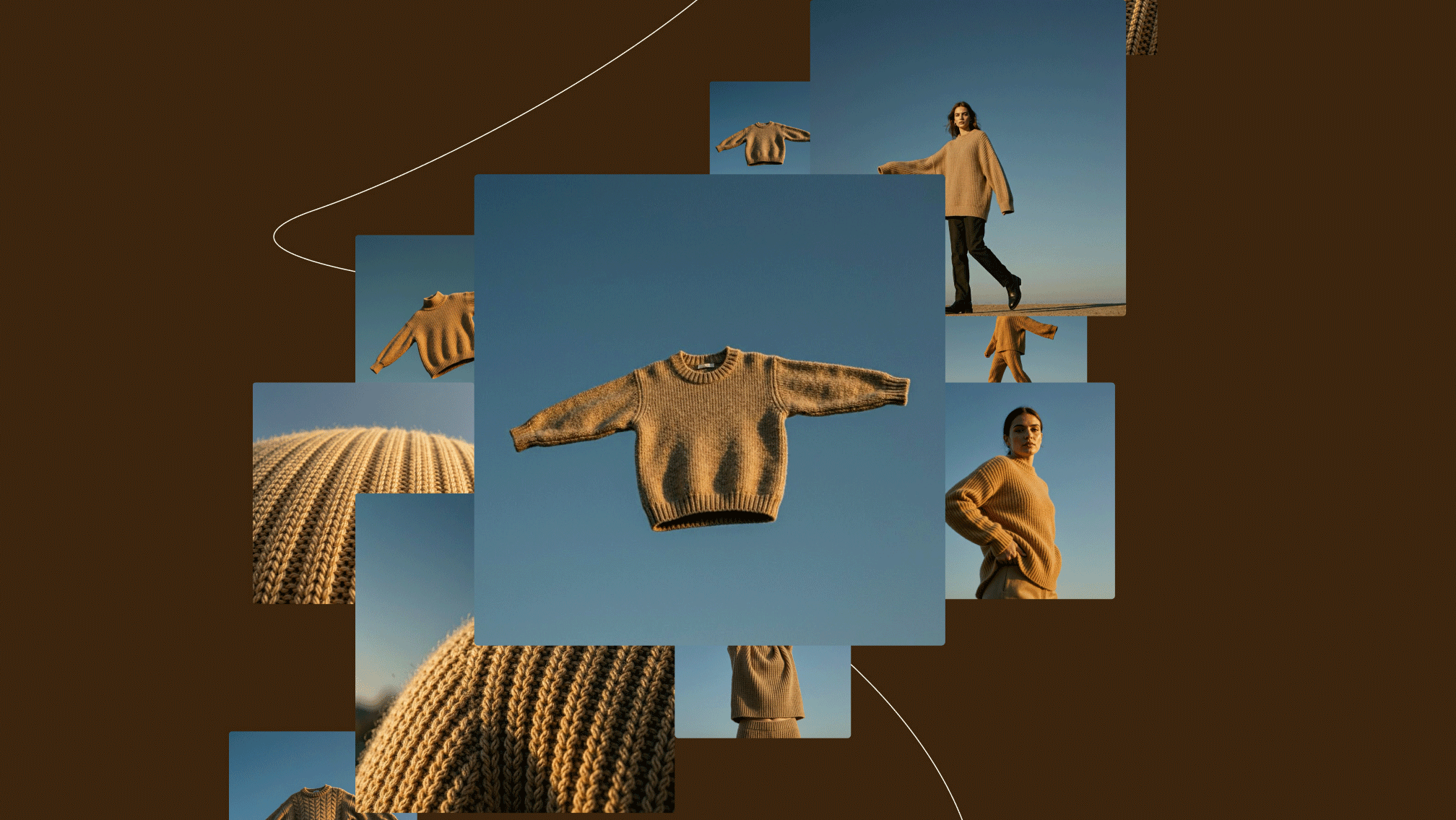
Today, Microsoft released a new image generation model designed to make high‑quality images faster and cheaper than the company’s MAI-Image-2. MAI‑Image‑2‑Efficient is for high-volume, everyday work while MAI-Image-2 is for super detailed, final images.

The new model is available now in Microsoft Foundry and MAI Playground, with wider rollout underway.

Collage of a tan knit sweater shown from multiple angles against a blue sky.

The most important work problem leaders can’t see

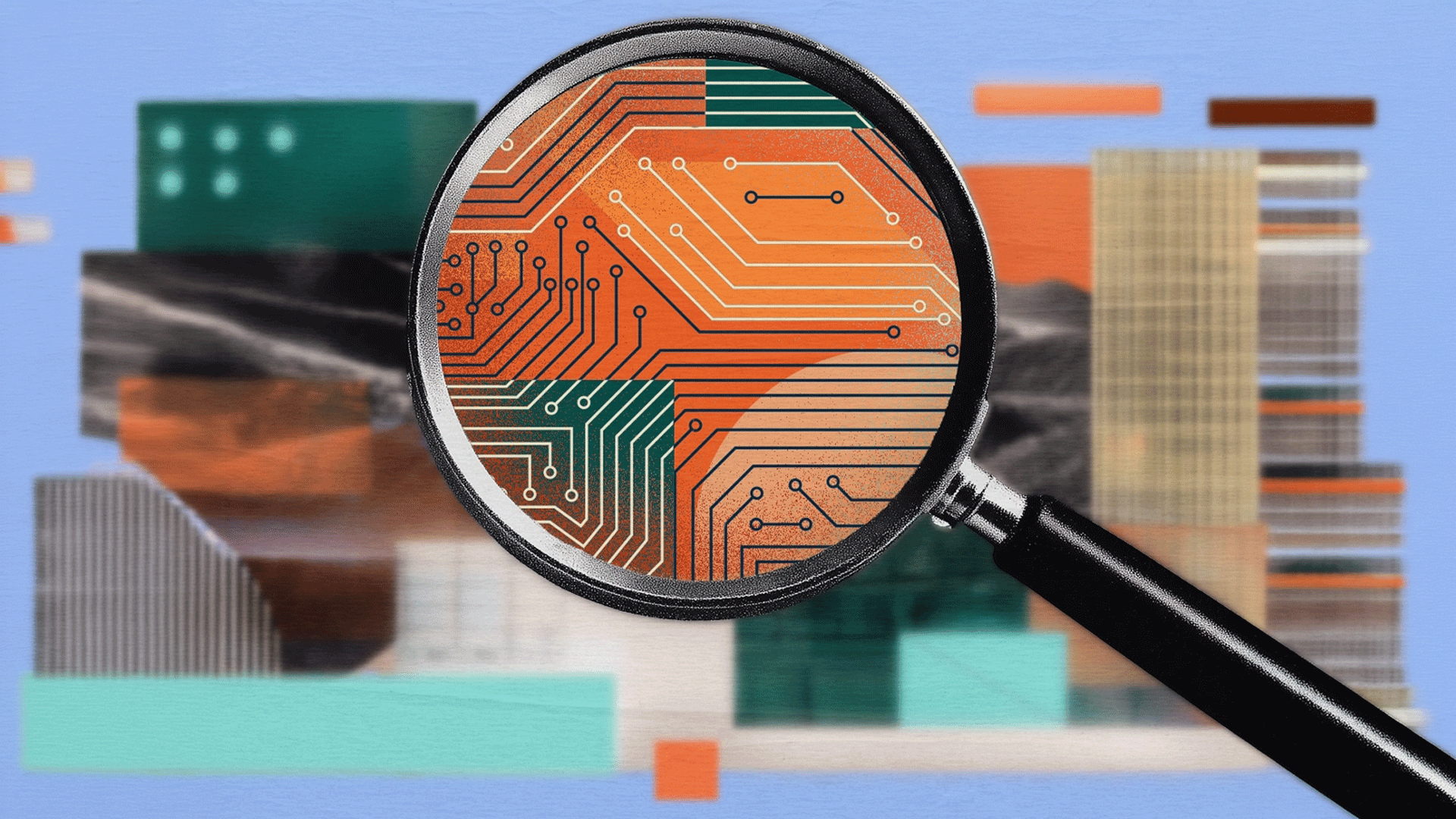
In the workplace, outcomes rarely hinge on a single decision or team. Patterns that cut across roles, functions and time – unseen while the work is happening – shape end results. By the time these patterns show up in metrics, the opportunity to shape them has already passed.  

But now, AI can track patterns no single person or team could’ve seen on their own. In a new blog, Jared Spataro, Microsoft’s CMO of AI at Work, writes that AI can illuminate the hidden patterns behind decisions, bottlenecks and outcomes, revealing why effort doesn’t always translate into impact.

Magnifying glass highlighting a stylized circuit-board pattern over an abstract data dashboard background.
English (United States)
Your Privacy Choices Opt-Out Icon Your Privacy Choices
Consumer Health Privacy Sitemap Contact Microsoft Privacy Manage cookies Terms of use Trademarks Safety & eco Recycling About our ads