-
-
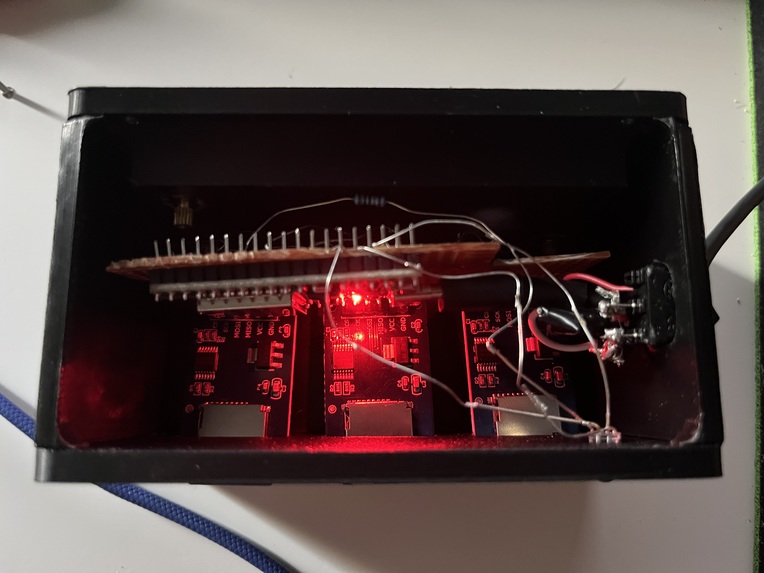
Internal
-
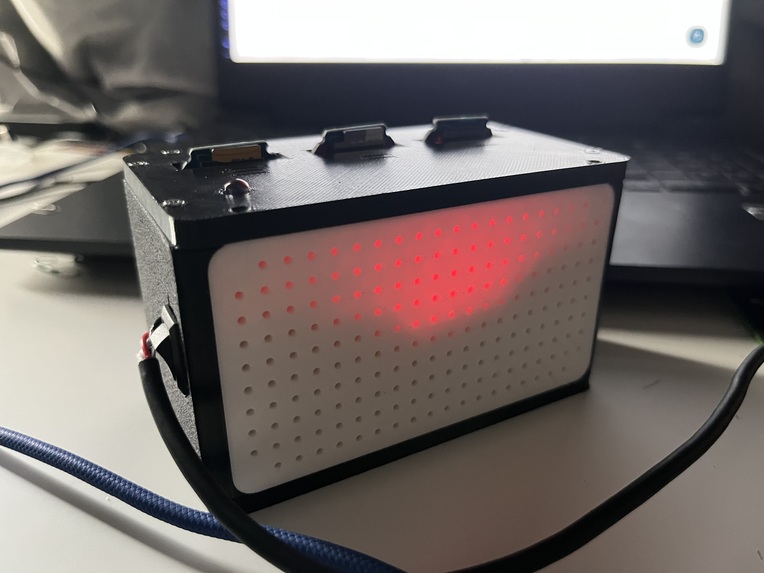
Outside
-
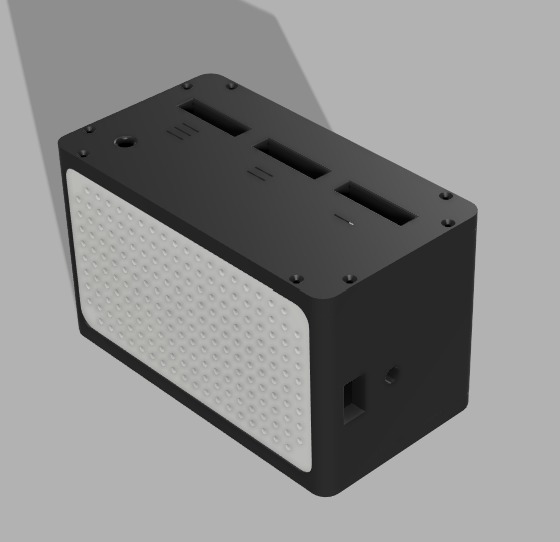
Fusion360 Rendered Photo (1)
-
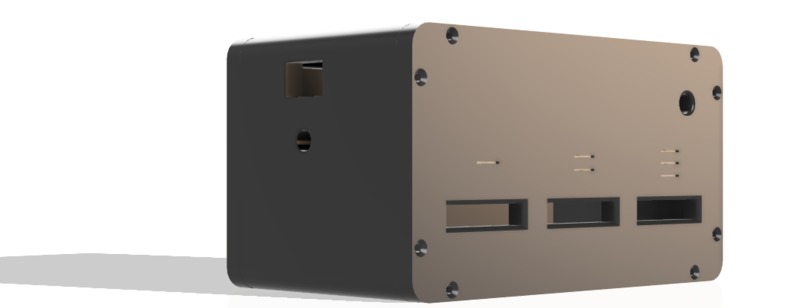
Fusion360 Rendered Photo (3)
-
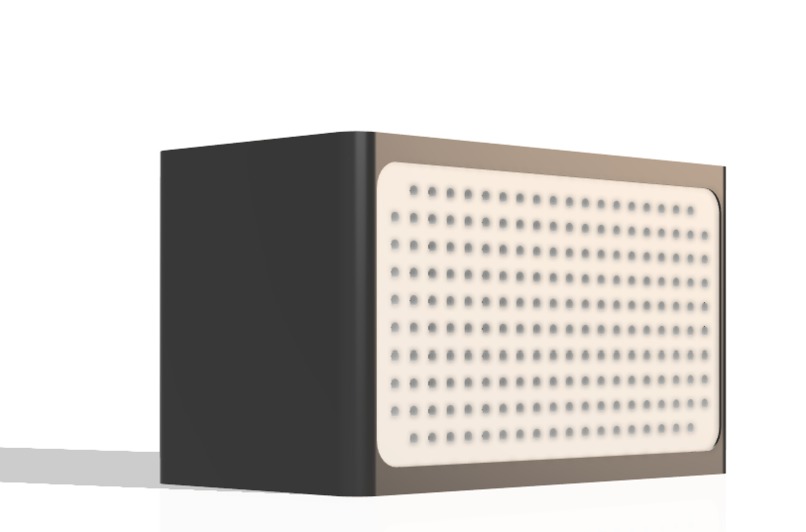
Fusion360 Rendered Photo (2)
-
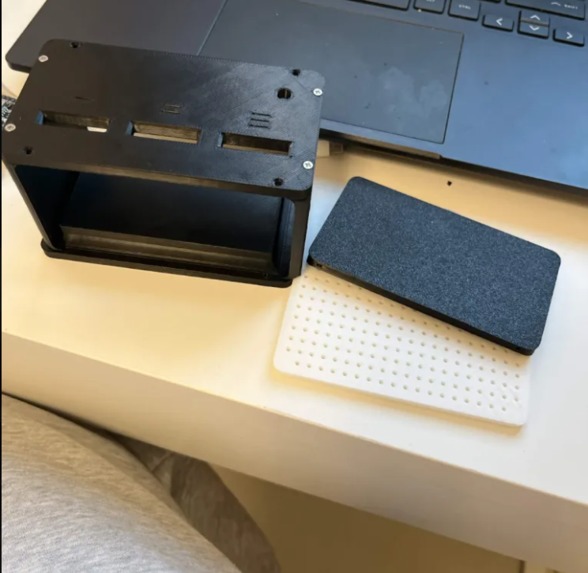
3D printed casing
-
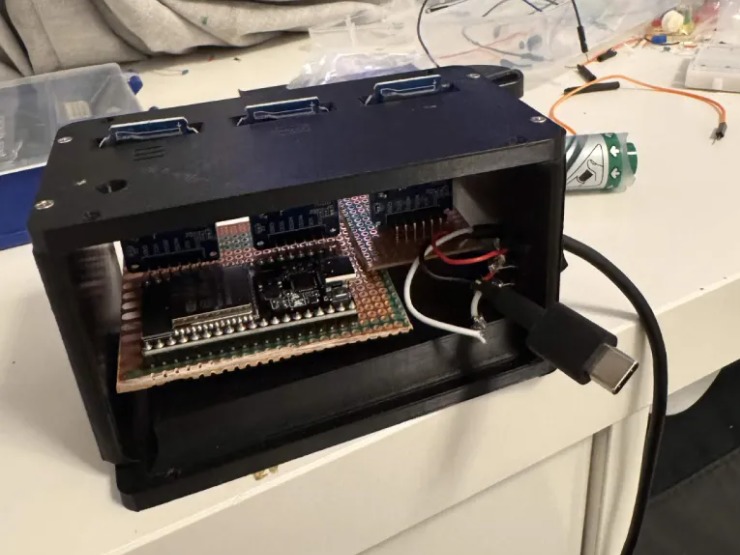
Protoboard inside casing
-
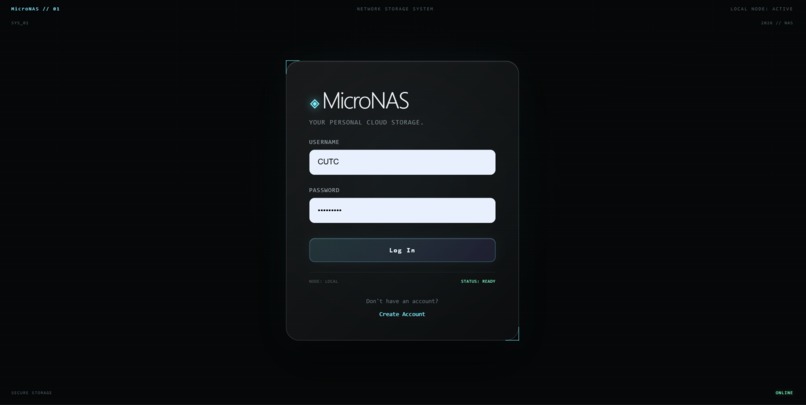
Website Login
-
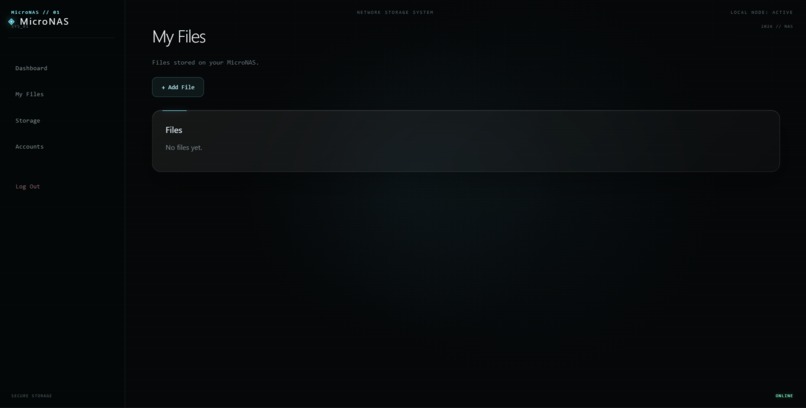
"My Files" page
-
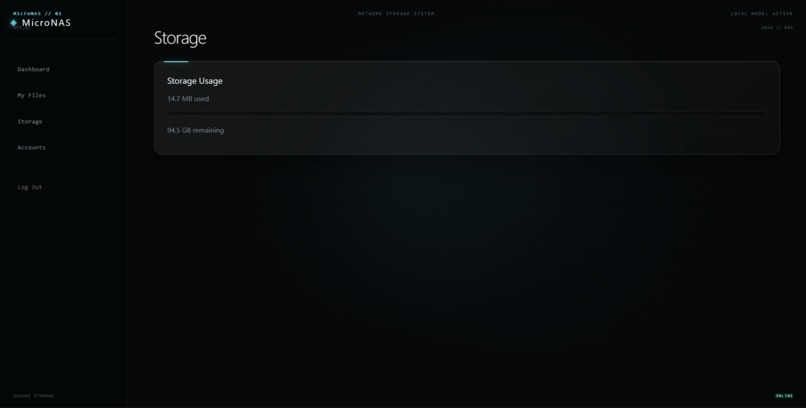
"Storage" page
-
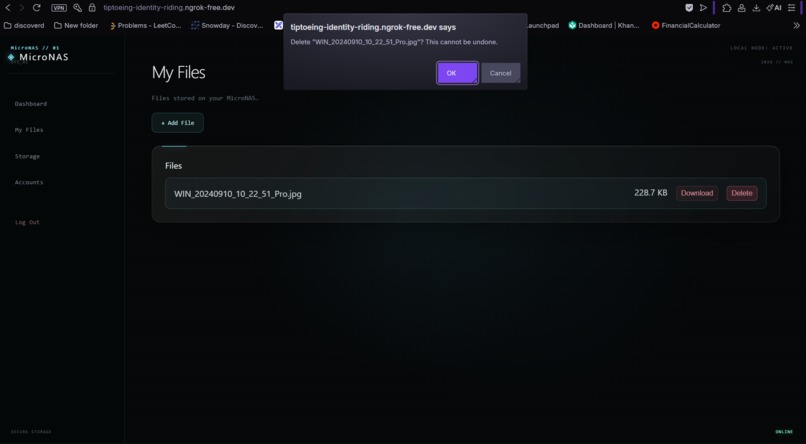
Deleting a file
-
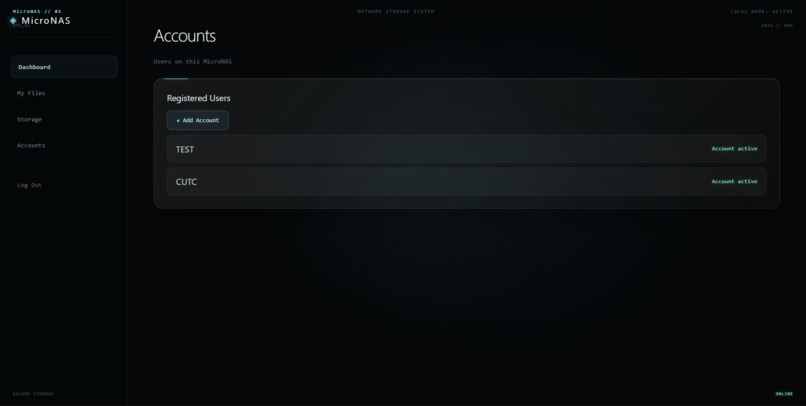
"Accounts" page
-
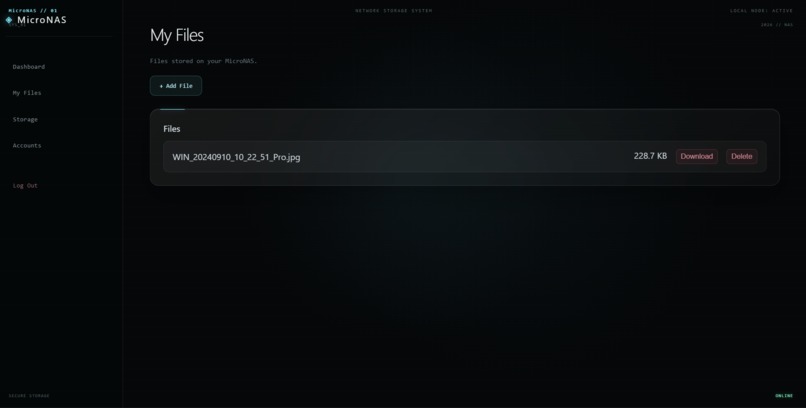
File uploaded
-
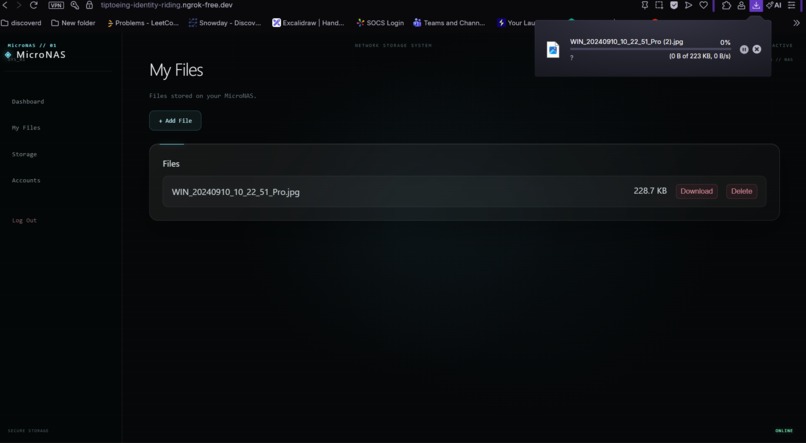
Downloading a file
-
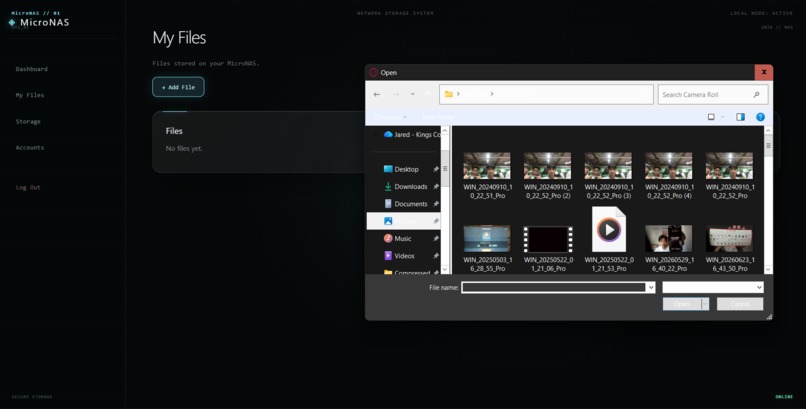
Uploading a file
-
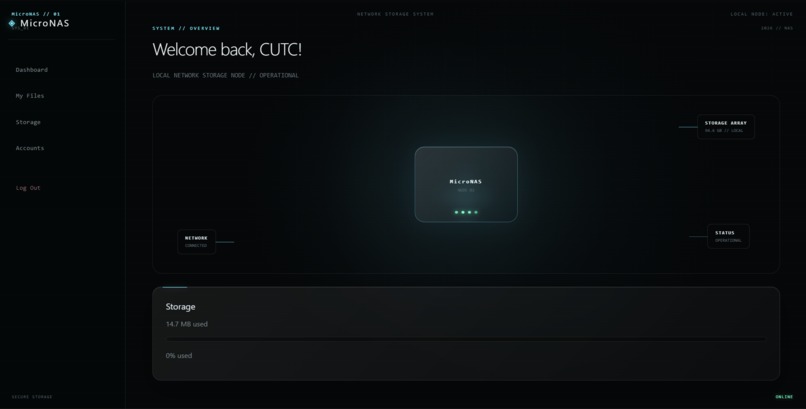
Dashboard


Inspiration
We noticed the problem of commercial NAS devices being too expensive or inconvenient for regular consumers. We wanted to build a NAS device that had all the functionalities and features of a traditional NAS but could be more affordable and user-friendly for the general market. Micro-NAS wants to convey the idea that you should be able to own a cheap cloud storage system with no subscription fee or having to spend 500%. Upload, download, and manage storage from anywhere in the world with a working internet connection across 3 MicroSD cards in one interface. We also thought of a way to integrate all our skills together, hardware and software, and what better way than using the Wifi and website capabilities of an ESP32?
What it does
The Micro-NAS is a small, powerful device that is based on existing NAS devices which allow users to have their own personal cloud storage system. It is accessible from all over the world (with internet) and is also very lightweight and portable. It uses MicroSD cards instead of hard drives so it is cheaper and lighter. It also uses an ESP32 to handle all the card reader logic and website data.
How we built it
We built it with Kiro for the code, ngrok for the server hosting. Arduino IDE to flash code to ESP32. We used Fusion360 to design the case and it is printed with ABS filament. We used a spare usb-c 5v power adapter to power the ESP32 and 3 SD card reader modules and 3 MicroSD cards (32 GB, 64 GB, 64 GB) for storage. We soldered all the electronics on a protoboard.
Challenges we ran into
It was our first time soldering so we had lots of problems with the wiring but it was fun. We also had problems with the SD card readers and how they wont share the same SPI bus so we had to rewire it multiple times and resort to having each reader their own bit-banged SoftSPIPin. There were also problems with the board being too big for the casing because we prioritized printing the casing over building the electronics first. And since the dimensions were not matched the platform for the board was too low so we had to use brass spacers to fix the board to the case. AND since this was our first time soldering using a protoboard, some of the wires got tangled and touched some of the pins in the ESP32 that they were not supposed to which caused problems with the SD card readers sending the wrong data.
Achievements we are proud of
We are proud of being to complete something like this in only a week. This project has fields that are a first for many of us and we are glad we were able to procure a decent output.
What we learned
We learned that making a project like this requires a lot of time, effort, but most importantly, teamwork. We wouldn't have completed this in under a week if it weren't for us working together to streamline the process; from the brainstorming, to prototyping, to the building and coding, we communicated and did everything together.
What's next for the MicroNAS?
We plan to expand on this idea further and create more iterations of the original prototype. We want to make other models that feature more slots and storage spaces, more powerful systems, and faster downloading and uploading speeds. This hackathon has been a great experience for us all and we are thankful for having this opportunity to build something as remarkable as this.
Built With
- autodesk-fusion-360
- c++
- css3
- esp32
- html5
- json
- kiro
- ngrok


Log in or sign up for Devpost to join the conversation.