-
-
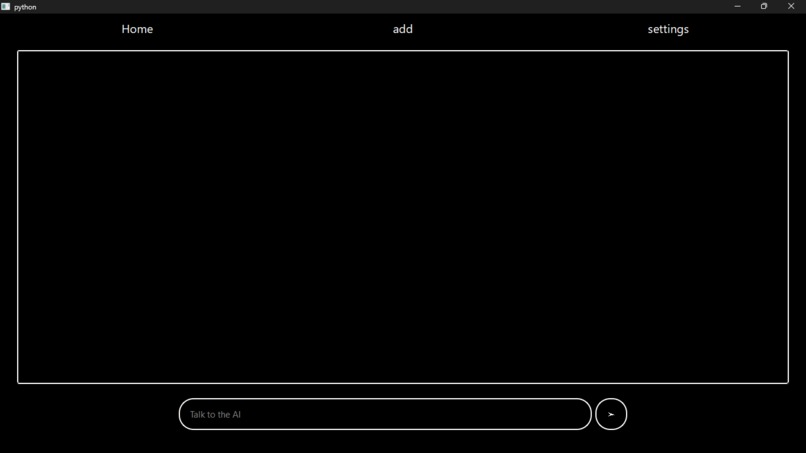
the home page
-
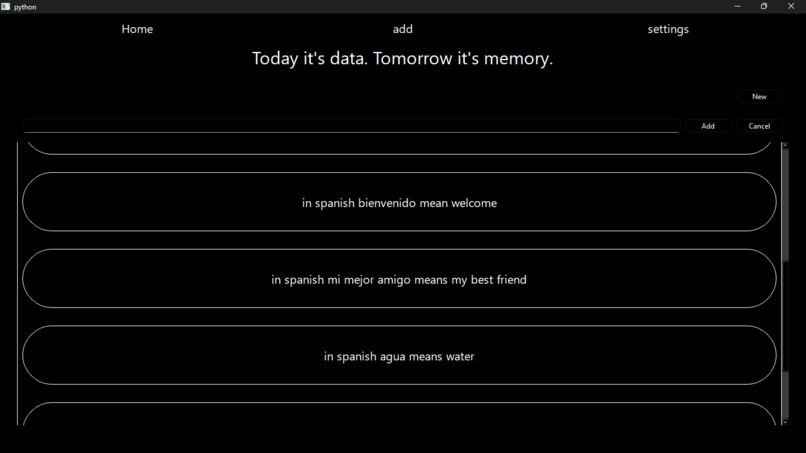
adding informations


ReCallForge
Inspiration
Rereading notes feels productive — but science says it's one of the least effective ways to learn. We kept seeing students (including ourselves) spending hours reviewing material, only to blank during exams. Research going back to 1909, and confirmed repeatedly through 2024, shows that actively retrieving information beats passive review every time. We wanted to build a tool that makes this technique effortless and accessible for everyone.
What it does
ReCallForge lets you store your study notes and then practice them through AI-generated questions — multiple choice, fill in the blank, and open-ended. Instead of rereading your notes, you retrieve them from memory with an AI that challenges you based on exactly what you saved. No generic question banks. Your notes, your questions, your learning.
How we built it
I built ReCallForge entirely alone — no team, no safety net. Just me, my code editor, and a lot of Stack Overflow tabs.
I started with Python because it's what I'm most comfortable with, but almost everything else was new territory. I picked PySide6 for the desktop interface, which sounds straightforward until you actually sit down and try to build widgets from scratch with zero prior experience. That part genuinely broke me a few times. Getting the layout right, making components talk to each other, understanding how signals and slots work — it took way longer than I expected and pushed me to my limit.
The Groq API handled the AI side. I needed the questions to feel personalized — not random, not generic — but actually based on what the user saved. Making that work cleanly took a lot of iteration.
Local storage was intentionally simple: a plain text file. No database, no overengineering. The AI reads it, generates questions, and the user studies. That simplicity was a deliberate choice — and honestly, keeping it simple was its own challenge when things kept breaking.
I struggled. A lot. But I pushed through every single time, and that's what got it shipped.
Challenges we ran into
- Making the AI generate relevant questions from freeform user notes — not generic or repetitive ones.
- Learning PySide6 from scratch while simultaneously building a real, working application.
- Connecting all the components (UI, file storage, AI logic) cleanly without the architecture falling apart.
- Handling edge cases like empty notes, API errors, and unexpected user input gracefully.
Accomplishments that we're proud of
- Built a fully functional desktop application as a first major software project.
- Successfully integrated an AI API into a real product that solves a real problem.
- Grounded the entire product in legitimate scientific research — this isn't just another flashcard app, it's built on decades of evidence.
- Shipped something clean, simple, and actually usable.
What we learned
- How to structure a real application from scratch.
- How to build and manage a desktop UI with PySide6.
- How to integrate and work with external AI APIs.
- How to handle local file storage and application state.
- That debugging is not a sign of failure — it is the process.
- How much architecture decisions matter before you write a single line of code.
What's next for ReCallForge
- 🔍 Google Search integration to enrich AI explanations with real sources.
- ✏️ Edit and organize saved notes directly inside the app.
- 💬 Multiple chat sessions so different subjects stay separate.
- 🧠 Smarter question variety — harder questions as you improve.
- ⚙️ Settings panel for customizing the AI behavior and UI preferences.
- 📚 Better study material organization with folders or tags.
Built With
- grok
- pyside6
- python


Log in or sign up for Devpost to join the conversation.