-
-
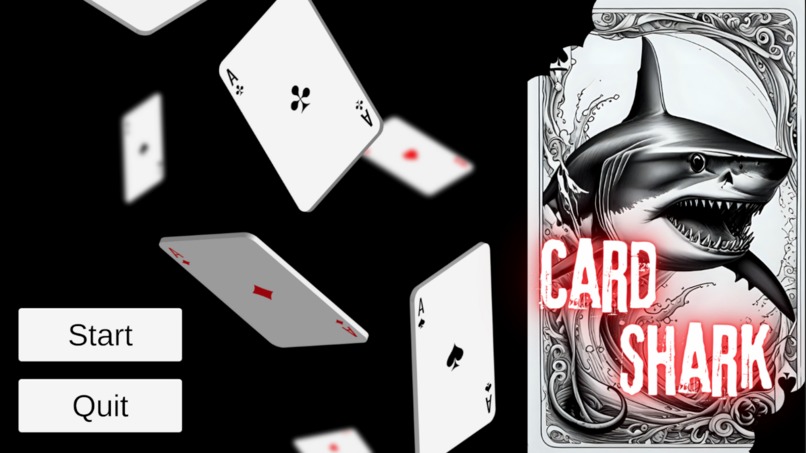
Title Screen.
-
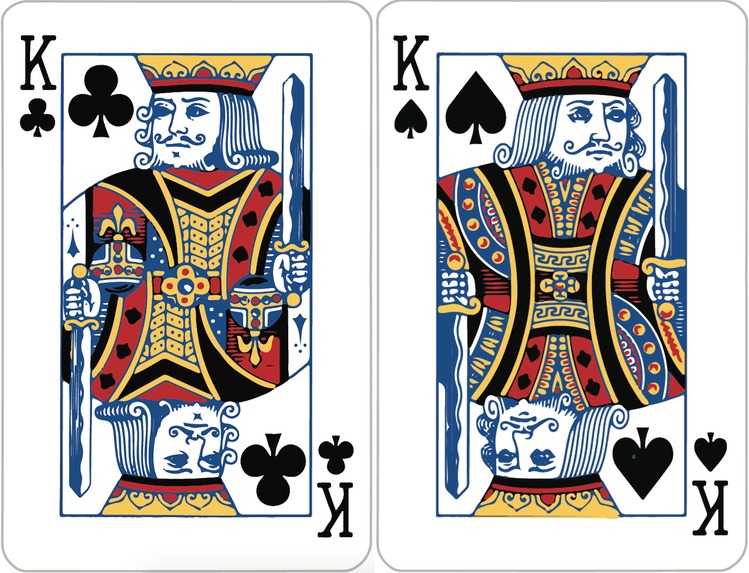
2 Kings Target Tracker.
-
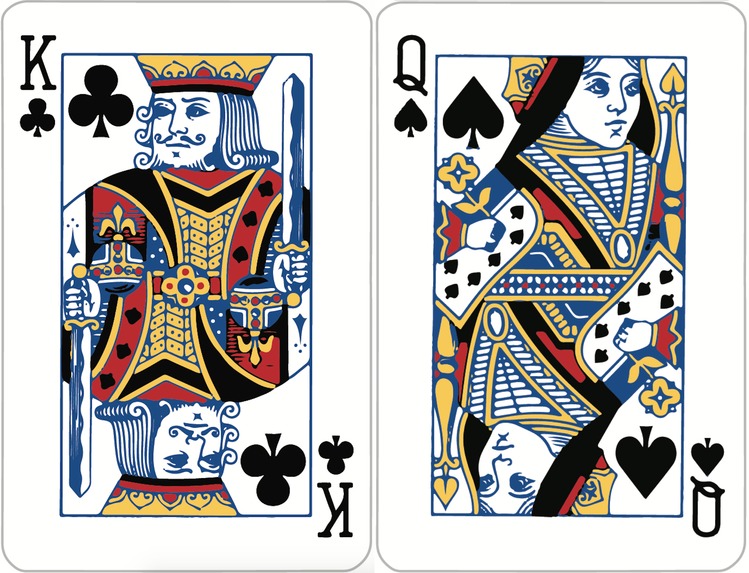
1 King 1 Queen Target Tracker.
-
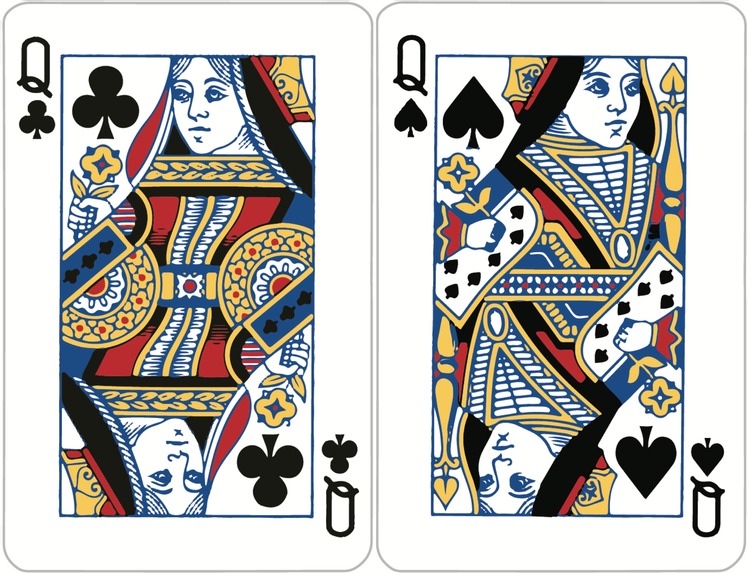
2 Queens Target Tracker.
-
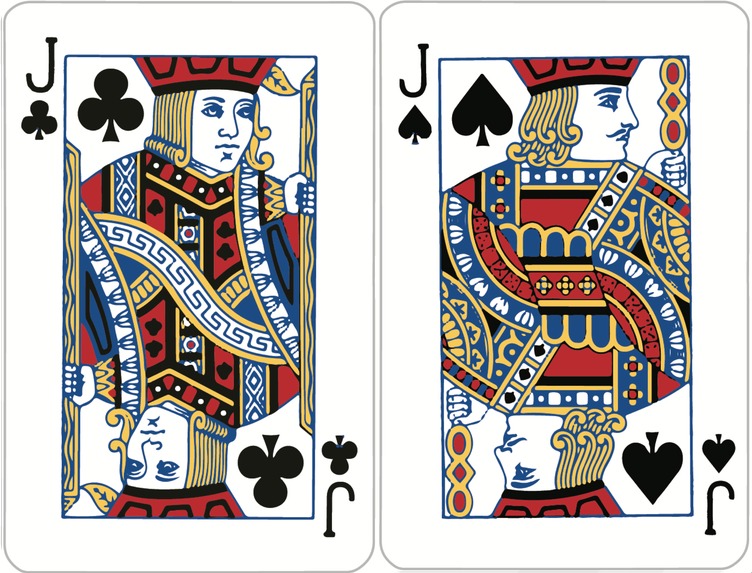
2 Jacks Target Tracker.
-
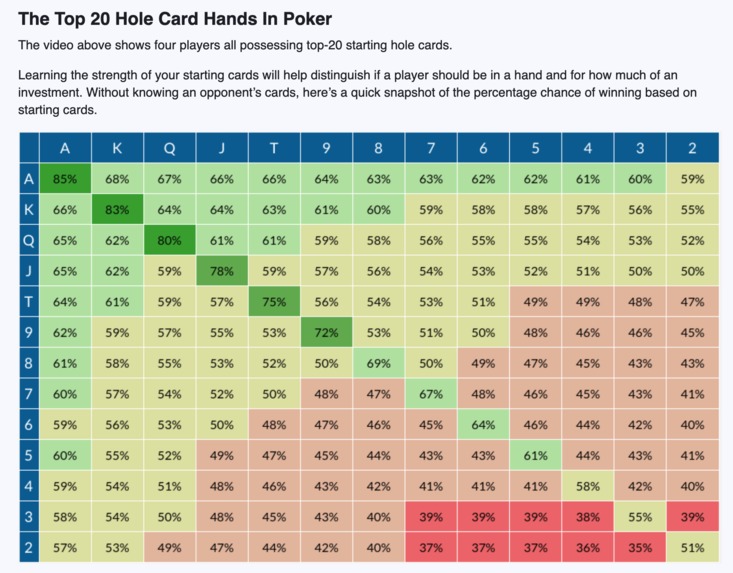
Visual of All Percentage Win Rate of Opening Hands.
-
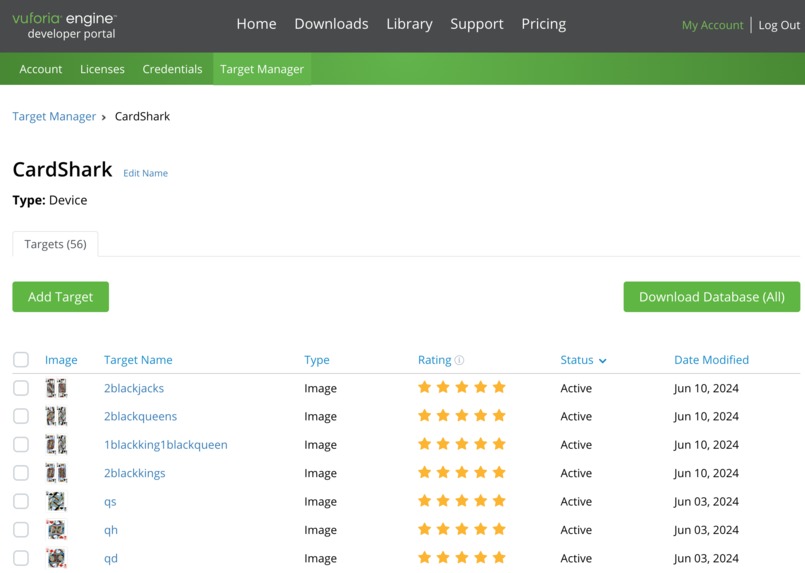
AR Database.
-
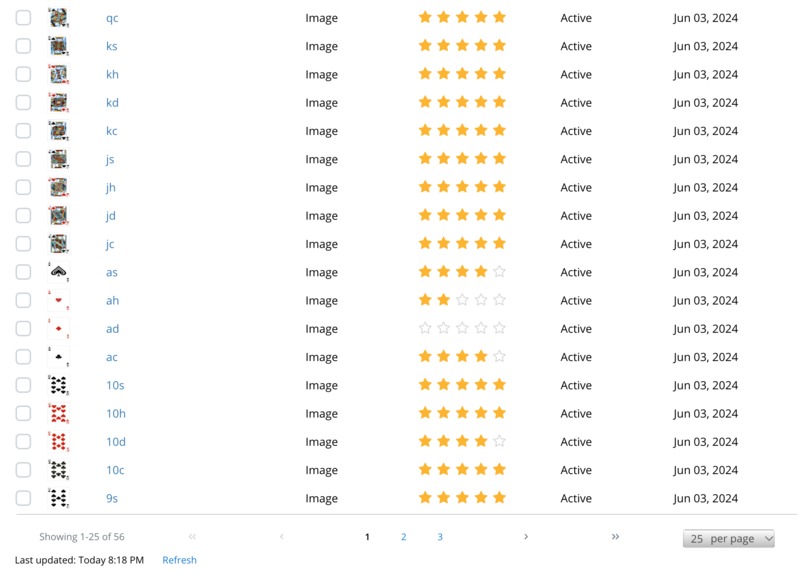
AR Database Continued.
-
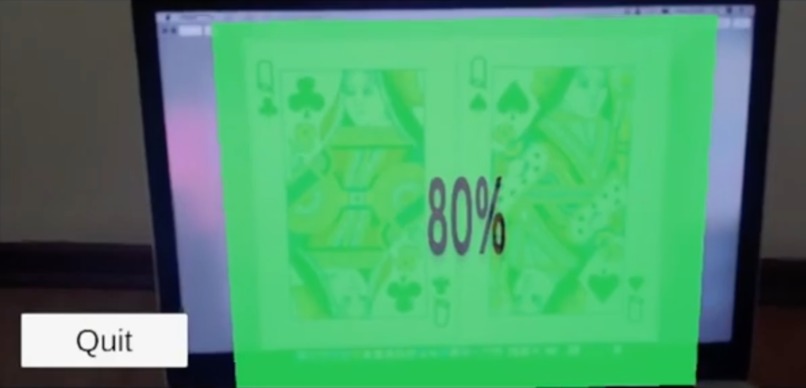
Testing Proof of Concept on Large Cards.
-
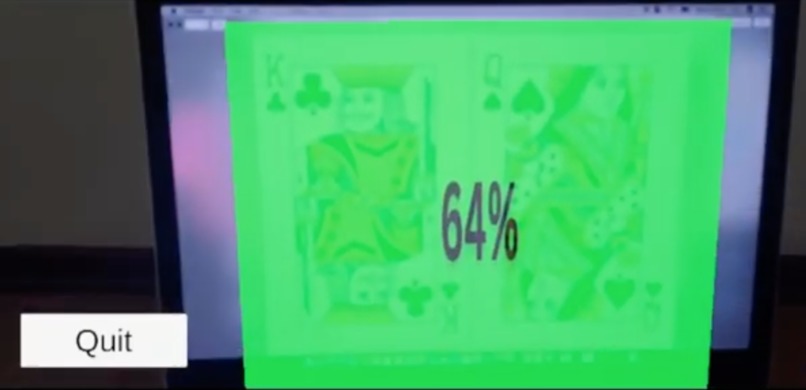
Testing Proof of Concept on Large Cards Contued.
-
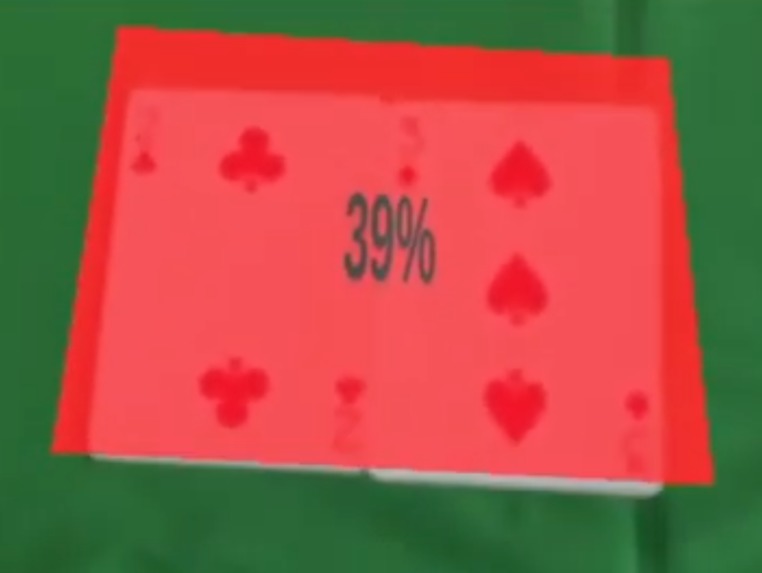
Screenshot of the working app.
-
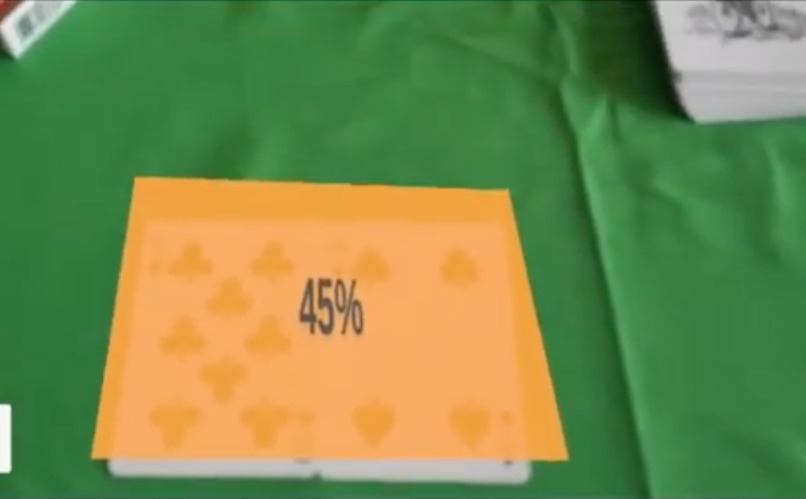
Screenshot of the working app.


Inspiration
CardShark is an AR app created as a visualisation tool to help convey statistical chances of winning in poker based on your opening hand. I hope this showcases how diegetic design can integrate with tangible games and real world game pieces (playing cards).
I hope this can help as a visual aid to explain concepts like state based play and win rate probabilities. More so I hope this can be used as a concept to inspire AR overlays in other sports and information based devision making beyond just novel use of AR in broadcasts. But rather development of AR as a technology that can inform real time decision making.
As much as it's a project that helps users better understand card games and statistics, I think it's also a use case for the problems casinos will have when wearable AR devices/glasses (such as Meta's AR Raybands) hit the market and are still unregulated. Much of emerging tech and AI problem situations start with someone said "Imagine if...". I wanted to actually build a project that showcases the potential problems, how it's already present and not just a figment of our imaginations.
What it does
Attached in the Google drive link, are some examples of card pairings you can use for testing target/image tracking if you don't have the corresponding cards on hand. As with most AR apps the devil's in the detail, image targets were set to partial recognition to increase the processing speed of overlay displays and there's a backend script that prevents the app from closing if an image isn't recognized within a 'sleep' time limit.
How I built it
Built with Unity, Vuforia in C# and tested on a Motorola Edge Plus (2022).
Challenges I ran into
Balancing what provides a deep enough proof of concept within the time required to develop the entry for the XRD hackathon.
Accomplishments that I'm proud of
I seem to have fallen into a role of being a rapid prototyper. To put together a demo under a short time period highlights how I can hold my own in the field.
What I learned
Exactly how many combinations of 2 card pairings there are, and how massive a database would have to be to scale to accommodate all variations. I learnt more in game design than I did technically, which is of great benefit in its on right.
What's next for CardShark
I know there's been a massive push for AI solutions this year, I am yet to see an AI that helps with AR target tracking and how that partners with a database. I want to build CardShark for wearable AR hardware/glasses, and then hopefully at that time I'll find an AI engine that can load the percentage overlay even if the cards aren't side (as they are in online casinos), providing a real world application.


Log in or sign up for Devpost to join the conversation.