-
-
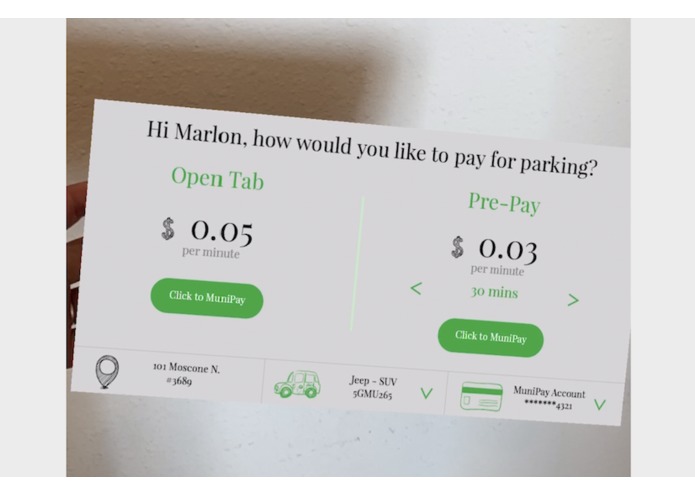
interface on an offline license plate
-
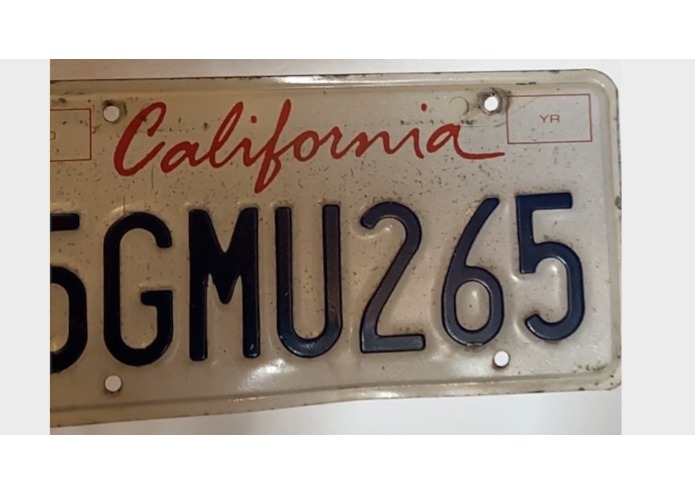
raw license plate, model trained to detect it
-
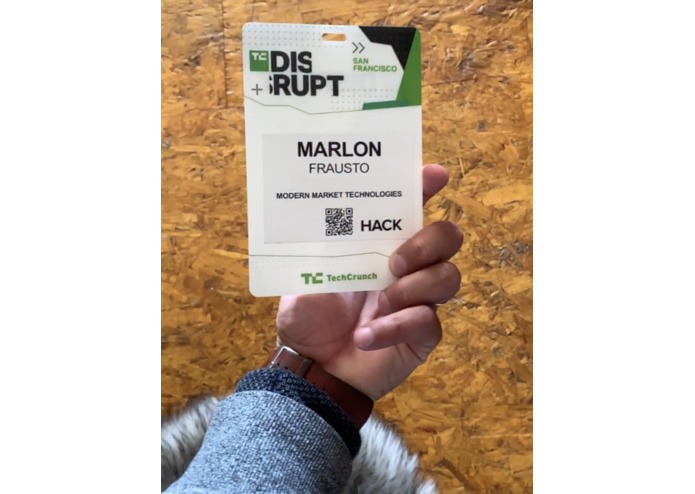
offline conference pass
-
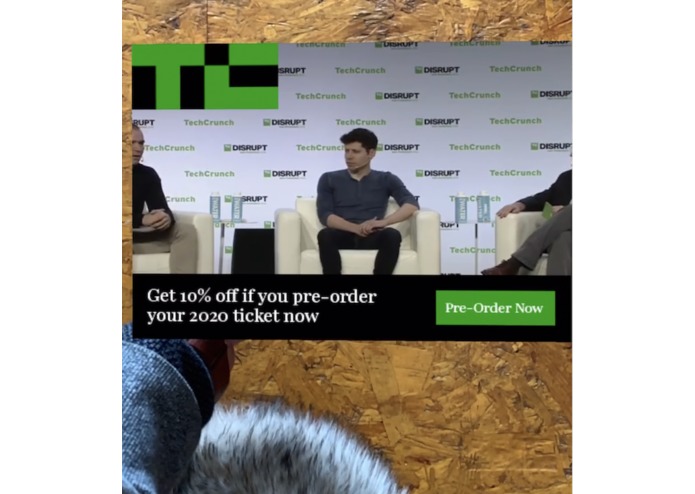
conference pass made into an ad when detected backside


Inspiration
Hypothesis #1: Transportation systems should be built for citizenship to facilitate physical and social mobility, not only as a consumer conveniences, as is currently the case, but as a public good; as a result, the wealth generated through the roll-out of next-gen systems/marketplaces should be built from the ground-up with equitable community re-investment mechanisms in mind, not only as an afterthought and mitigation strategy when cities push back (as is the case with uber/google/etc).
Hypothesis #2: It is only the beginning of the curb. Autonomous vehicle drop offs, last-mile systems data sharing and location hardening, auto-enforcement of parking, flying drone lanes....it's all coming. We must value the curb more.
Hypothesis #3: Instead of cities being reactive to the future, they should have a seat at the table and help to build it. We need a new generation of companies, Equitable Public-Private Entities (EPPEs), to help bring this about, Curbstack aims to help spearhead this movement. We may grow a little slower, but part of equity generated should stay in the communities for re-investment at the local level.
Hypothesis #4: Cities need partners, such as CurbStack, to help them in providing the best experience possible to their citizens.
What it does
My vision for CurbStack is to create a next-gen technology suite that can help municipalities to manage and profit from city resources such as parking, sidewalks, public ad space, etc and provide readily available APIs/legal/pricing models for vendors to plug into the city tech ecosystem.
Demo Links
Offline to online commerce & public ads demo We can turn any offline surface into an online AR portal. Play dynamic videos for billboards, add checkout now buttons to bench ads, etc.
Pay-On-Plate demo We don't need smart meters if we can make smart-license plates for free! A Prototype of what could be possible for the future of pay for parking. Interface could be put on existing meters, car dashboard, etc....I used a license plate for ease of development/demo.
How I built it
I built it using swift, arkit, scnekit, and mlkit. It is a native iOS app that runs on the edge.
Challenges I ran into
I never programmed in swift prior to this week. Monster learning curve.
Cheers
Built With
- ai
- arkit
- augmented-reality
- ios
- swift


Log in or sign up for Devpost to join the conversation.