-
-
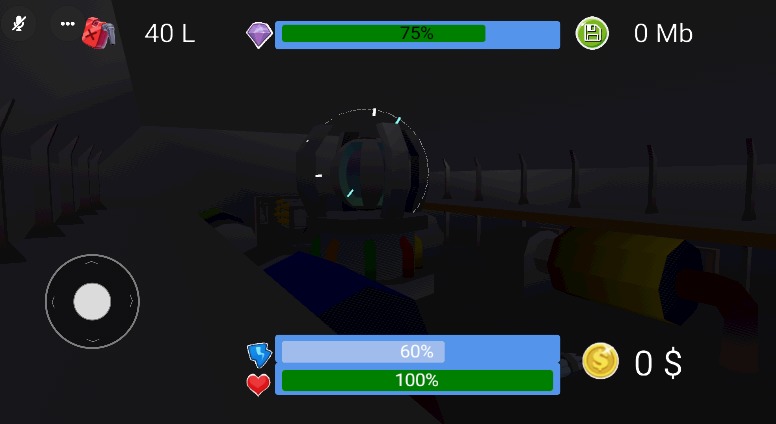
Exploring Assault Frigate
-
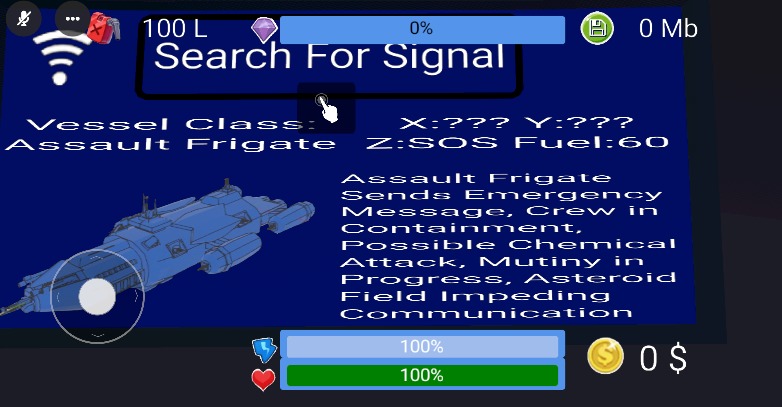
Signal search
-
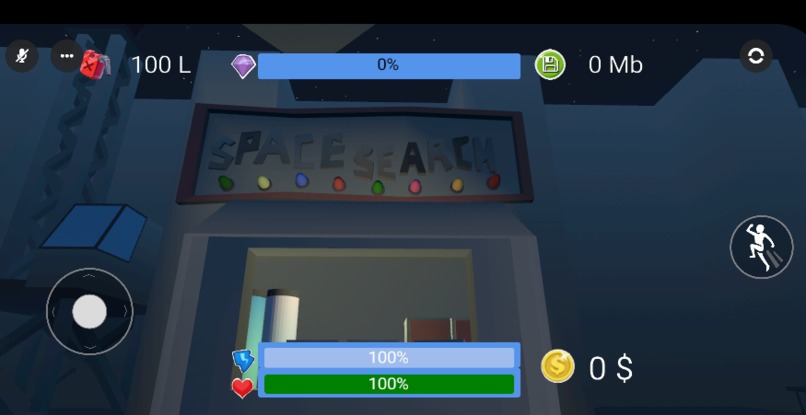
Main base
-
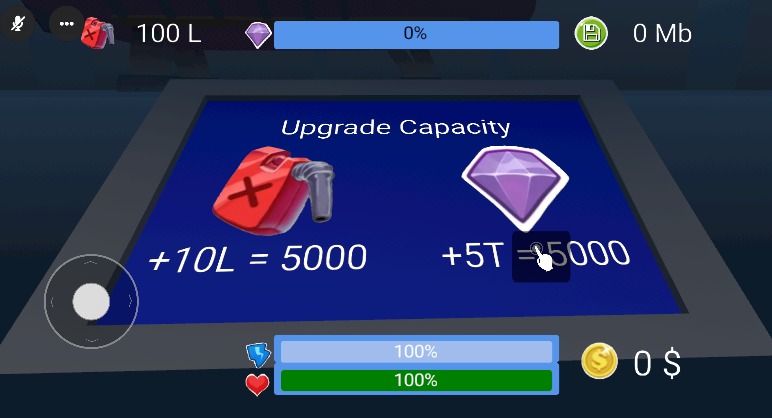
Ship upgrades
-
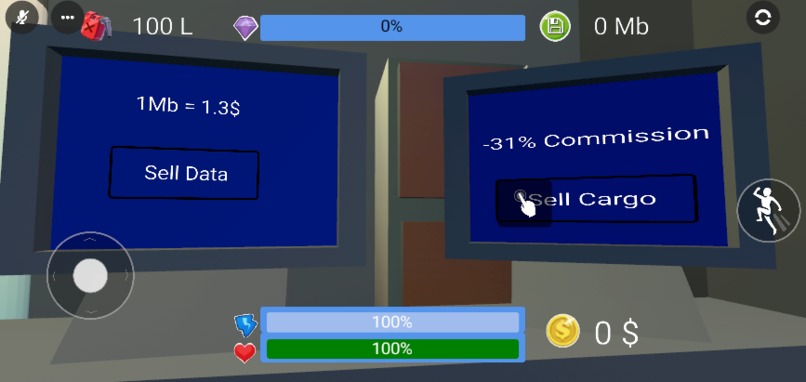
Selling the "Merchandise"
-
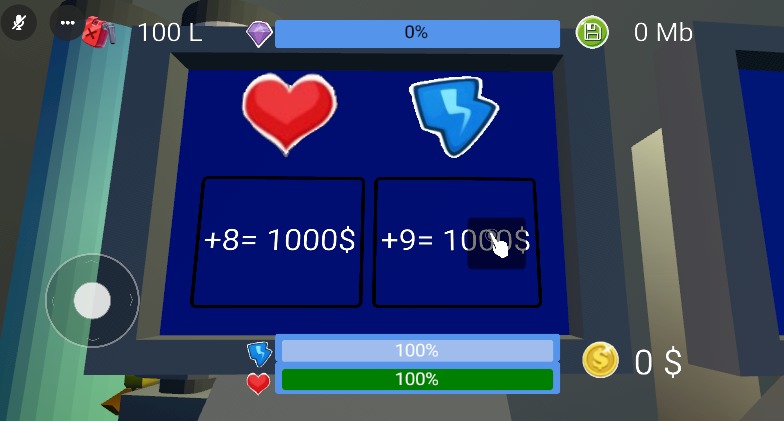
Individual upgrades for players


Space Search
Space Search was inspired by several of my favorite sci-fi games, especially No Man’s Sky and Alien: Isolation. I’ve always loved the feeling of exploring derelict spaceships, abandoned worlds, and strange places shaped by procedural generation. That sense of mystery became the foundation for my project. I wanted to create a game where players are not heroes or soldiers, but space scavengers—risk-takers who search wrecked ships for valuable scraps while navigating tough decisions about survival, teamwork, and profit.
One of the biggest things I learned while building this project was how complex procedural systems can be. Creating a world that feels different every time required experimenting with noise functions, randomization algorithms, and modular design. At the core of the world generation, I used a simple representation of spatial variation:
f(x,y,z)=noise(x,y,z)
This helped drive ship layouts, resource placement, and environmental variation. I also learned a lot about multiplayer balancing—especially how shared money affects cooperation.
Designing a system where all players share a single economy introduced interesting dynamics. Every upgrade—either for the ship or for individual players—requires group agreement. This created natural tension but also strong teamwork. Cargo limits and energy consumption also forced players to choose which items truly mattered during expeditions.
One of the main challenges was ensuring that the game remained fun even without enemies. Since this version focuses purely on exploration and resource management, I had to design environments, pacing, and rewards carefully. Hostile creatures and threats will arrive in future updates, but for now, the danger lies in scarcity, strategy, and teamwork.
Are you ready for Space Search?
Built With
- edictor
- word


Log in or sign up for Devpost to join the conversation.