-

logo
-
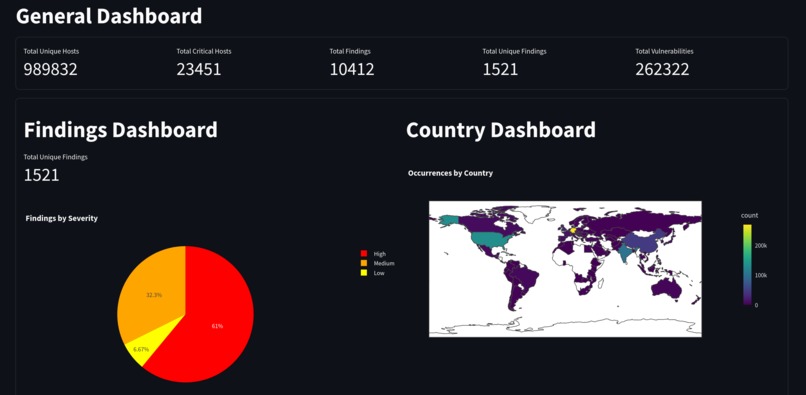
Dashboard
-
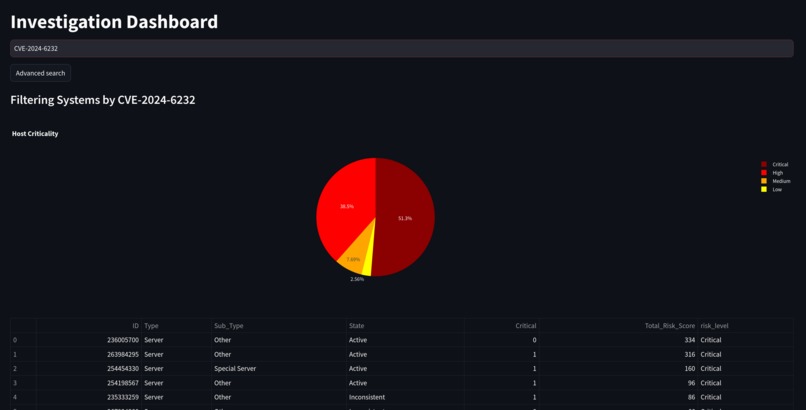
Most vulnurable systems filtered by a CVE
-
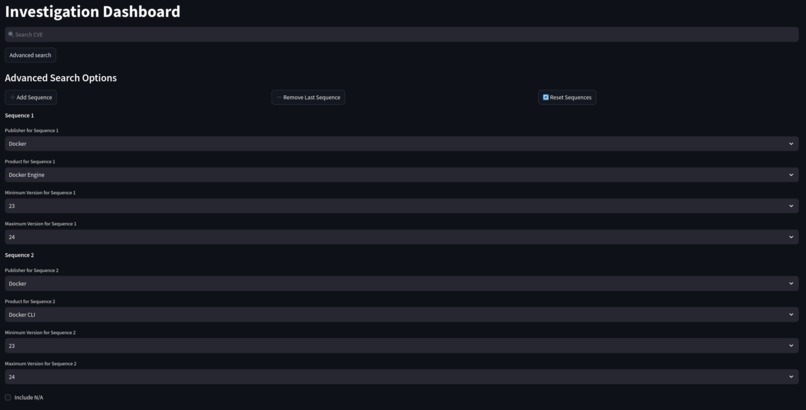
Advanced search for installed software
-
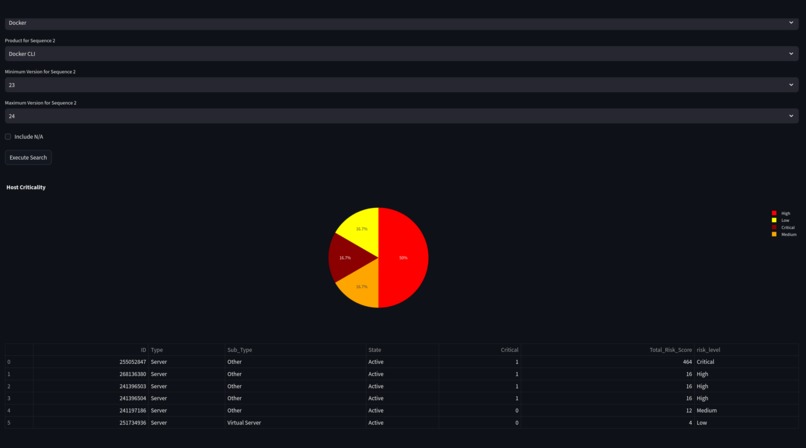
Most vulnurable systems filtered by advanced search
-
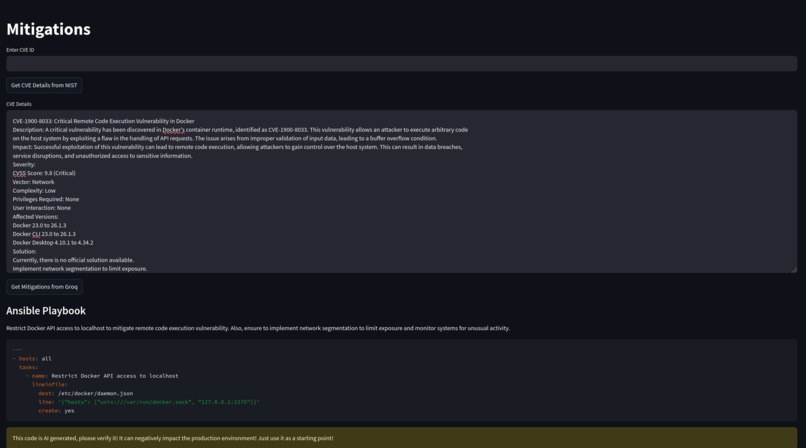
Mitigations with Ansible Snippets


Inspiration
We strive to help companies to maintain more secure infrastructure and are interested in cyber security and incident response.
What it does
It provides Engineers and Management with an easy to use Interface to see the organizational security health and quickly find affected systems in case of a security incident.
How we built it
We used python with the streamlit library for the frontend. Visualizing data collected from the neo4j digital twin and visualized it using plotty and pandas. We also used the NIST database to get additional CVE Data and Llama 3.2 to provide automated mitigation advice, Including Codesnippets in Ansible for easy automated mass mitigations We deployed it using docker, protected by Cloudflare and encrypted traffic using Let's Encypt SSL Certs
Challenges we ran into
Writing efficient Cypher Queries unterstanding the structure of the graph, missing linked nodes for some systems.
Accomplishments that we're proud of
Well thought through, risk scoring algorithm to quickly find the most vulnerable systems in the company.
What we learned
- Cypher Query Language
- Data Analytics
What's next for FuSec
- Scalability in Kubernetes
- Impoved Mitigation recommendations by including more context about the organization
- Expand the risk score by analyzing the network infrastructure




Log in or sign up for Devpost to join the conversation.