-
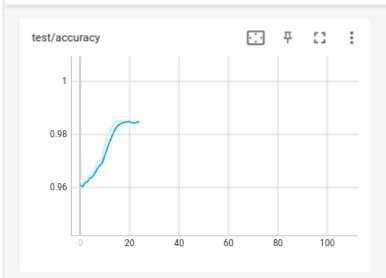
Tensorboard accuracy for LSTM ML algo
-
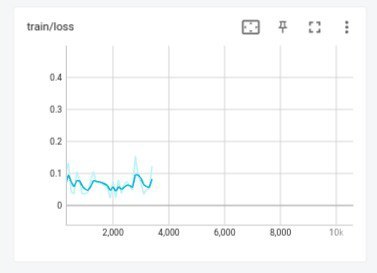
Tensorboard train/loss for LSTM ML algo
-
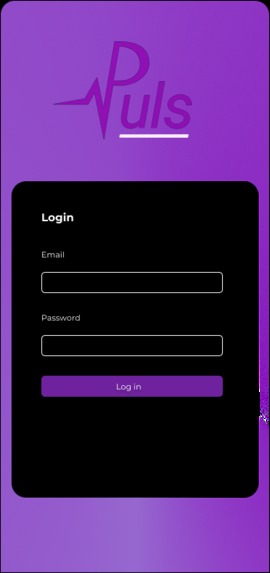
Login Page - Design
-
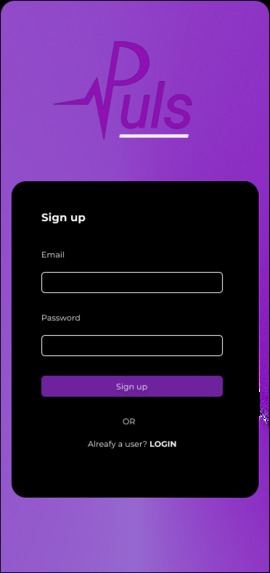
Signup Page - Design
-
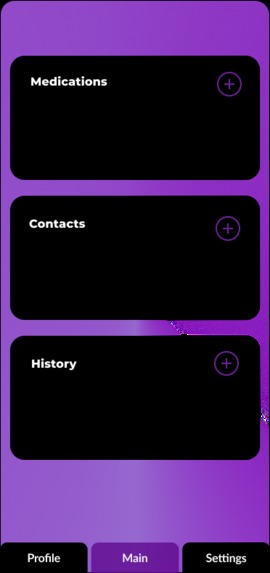
Medical Info Page - Design
-
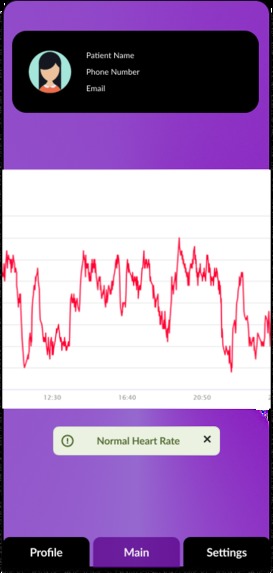
Tracker Page - Design
-
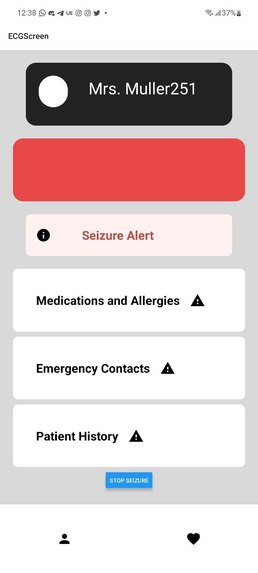
React App Deployed with FHIR Data
-
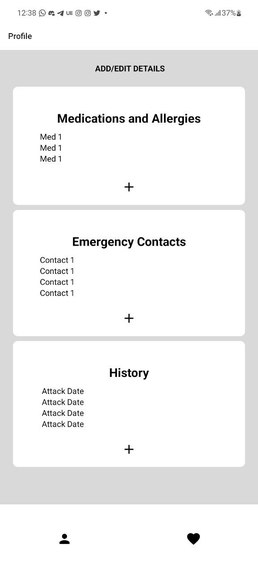
React App Deployed with FHIR Data
-
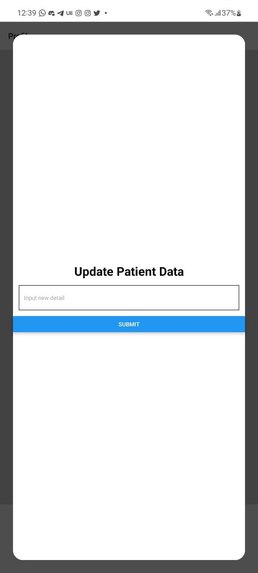
React App Deployed with FHIR Data
-
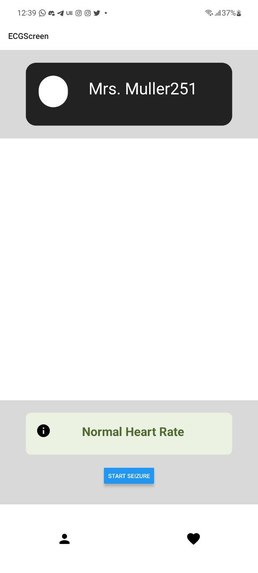
React App Deployed with FHIR Data
-
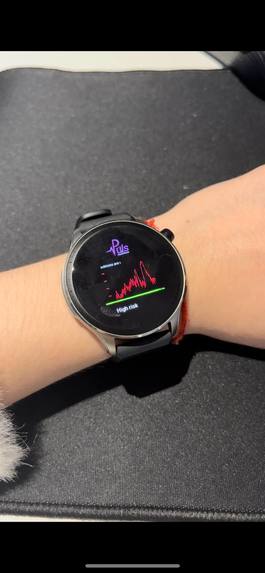
Smartwatch App Demonstration Tracker
-
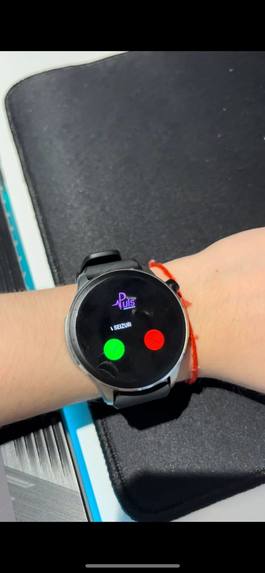
Smartwatch App Demonstration Seizure Notification


Inspiration
While searching for ideas, our team came across an ECG dataset that was classified and labeled into categories for normal and abnormal patterns. While examining the abnormal patterns, it was observed that most seizure patterns had a small window that transitioned from a typical pattern to a seizure pattern around a 15-second window. Most of the accidents and damage in seizures are caused by falling, lack of help, or getting caught in disadvantaged situations -driving, cooking, etc.- detecting this short period in real-time and predicting a seizure with machine learning to warn the user seemed as somewhat of a viable solution. After this initial ideation, sharing patient data such as allergies, medicinal history, emergency contacts, previous seizures, and essential information at the moment of attack for the emergency workers was thought out in the case of unresponsiveness from the user to the app's notification.
What does it do?
The system contains the following: Three main agents. A smartwatch with an accurate ECG sensor. A machine learning algorithm on the cloud. An integrated notification app on mobile phones to retrieve patient information during attacks. The workflow includes a constant data transfer between the smartwatch and the machine learning algorithm to detect anomalies. If an attack is predicted, a notification prompts the user to check if this is a false positive prediction. Nothing is triggered if the user confirms nothing is wrong and dismisses the warning. The seizure protocol starts if the notification stays unattended or is answered as positive.
Seizure Protocol Includes: -The user is warned by the prediction and should have found a safe space/position/situation to handle the seizure -Alarms from both synced devices, mobile, and smartwatch -Display of the FHIR patient history on the synced device, allergies, medicinal data, and fundamental id info for emergency healthcare workers -Contacting emergency numbers recorded for the individual
With the help of the app, we prevent further damage by accidents by predicting the seizure. After the episode, we help the emergency workers have a smoother experience assisting the patient.
Building the System
We attempted to use Zepp's smartwatch development environment to create a smartwatch app to track and communicate with the cloud (Though there have been problems with the ECG sensors, which will be mentioned in the challenges section.) For the machine learning algorithm, we used an LSTM model (Long-Short Term Memory Networks) to slice up the continuously fed data and classify between "normal" and "abnormal" states after training it on both Mit-Bih Epileptic Seizure Recognition datasets we have found. If the "abnormal" form has been observed for more than the threshold, we have classified it as a "seizure predictor." When the state changed to the seizure protocol, we had two ways of information transfer, one is to the smartwatch as an alarm/notification, and the other one to the synced mobile app to display information. For the mobile app, we have created a React Native app for the users to create profiles and transfer/display health information via the InterSystem's FHIR.js package. While in the "listening" state, the app waits for the seizure notification. When it receives it, it fetches and displays health information/history/emergency contacts and anything that can be useful to the emergency healthcare worker on the lock screen without unlocking the phone. Thus, providing a safer and smoother experience for the patient and the healthcare workers.
Challenges
There have been several challenges and problems that we have encountered in this project. Some of them stayed unresolved, and some of them received quick fixes.
The first problem was using the ECG function of the Zepp watches. Because the watch ECG function was disabled in the U.S. due to a legal issue with the FDA, we could not pull up live data in the Hackathon. We resolved this issue by finding a premade ECG dataset and doing the train-test-validation on this premade dataset for the sake of providing a somewhat performing model for the Hackathon.
The second problem we encountered was that we could only measure our accuracy with our relatively mid-sized dataset. In the future, testing it with various datasets, trying sequential algorithms, and optimizing layers and performance would be advised. In the current state, without a live information feed and a comprehensive dataset, it is hard to be sure about the issues of overfitting/underfitting the dataset.
Accomplishments
We could create a viable machine learning algorithm to predict seizures in a concise time frame, which took a lot of effort, research, and trials, especially in the beginning since we switched from plain RNN to LSTM due to the short-time frame problem. However, our algorithm works with a plausible accuracy (Keeping in mind that we cannot check for overfitting/underfitting without a diverse dataset). Another achievement we are proud of is that we attempted to build a project with many branches, like ReactApp, Zepp Integration, and Machine Learning in Python, which forced us to experience a product-development process in a super-dense mode.
But most importantly, attending the Hackathon and meeting with amazing people that both organized, supported, and competed in it was an achievement to appreciate!
Points to Take Home
The most discussed point we learned was that integrating many APIs is a rather daunting process in terms of developing something within 24 hours. It was much harder to adapt and link these different technologies together, even though we had anticipated it before attempting it. The second point we learned was that we needed to be careful about our resources during the challenges. Especially our assumption about the live-data feed from the watch made us stumble in the development process a bit. However, these problems make Hackathons a learning experience, so it's all good!
Future for PulseBud
The plans might include sharpening the ML with a variety of dense and large-scale datasets and optimizing the prediction methodology to reach the lowest latency with the highest accuracy. We might also try to run it on the watch itself if it can get a robust state like that. Also, setting personalized thresholds for each user would be much more efficient in terms of notification frequency if the person is an outlier. Also, handling the live data feed to the algorithm should be the priority. If these can be done to the full extent, this application can be a very comfortable quality of life change for many people who experience or might experience seizures.
Built With
- fhir
- javascript
- kaggle
- node.js
- python
- pytorch
- react-native
- zepp-sdk


Log in or sign up for Devpost to join the conversation.