-
-
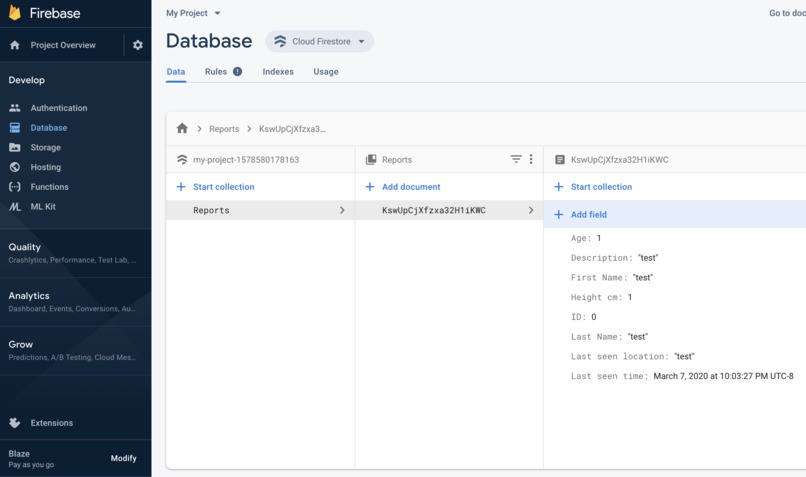
Firebase Database
-
-
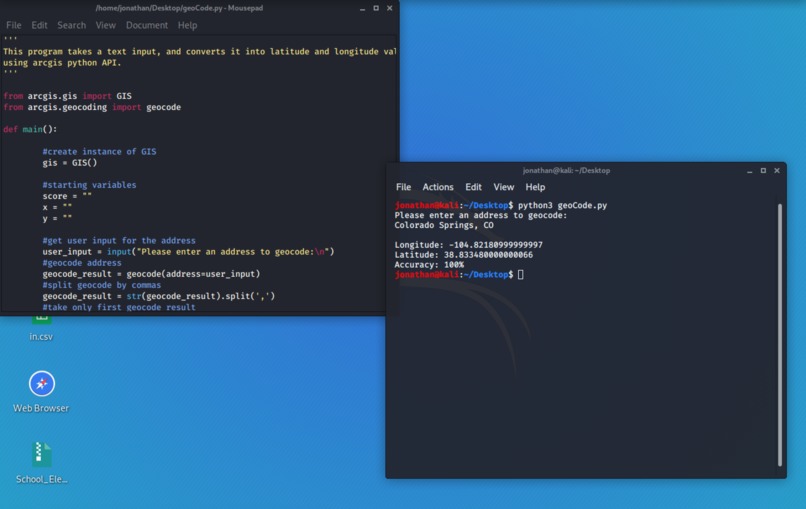
ArcGIS Python API Geocoding


Inspiration
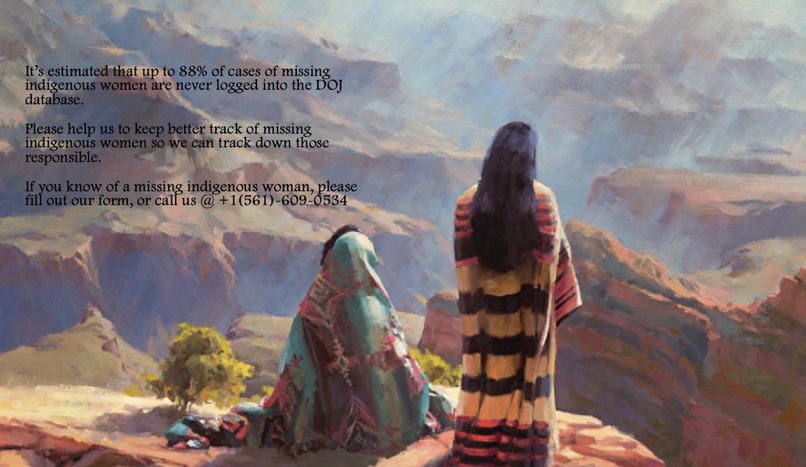
This project was created to bring light to a huge issue in American society, and provide a solution to help solve it. It's estimated that over 5000 indigenous women have gone missing in America as of 2016, but only 112 cases have been logged with the DOJ.
What it does
We have created a system to log and track disappearances over the country, then use this data to identify key areas and help track down those responsible.
How we built it
We began by taking the data already compiled by UIHI and adding it to our database. Our database was created using Google Firebase. We then took this data and placed it on a map using arcGIS. This gave us a good baseline for where the cases have been happening in the past (Mostly Western USA).
We then needed to create a way for people to submit the details for their lost friends/relatives. We figured that many indigenous populations may have limited access to a computer or they might be hesitant to log reports in person due to personal safety concerns, so we created an AI voice recognition phone number to obtain the data. We also created a web form to submit the data virtually, and linked both of them to the database.
Challenges we ran into
Getting the authentication set up for Google cloud SQL was rather tricky and we had to switch over to firebase. Of course, the largest constraint was time though so since this was only a 36 hour event, we are proud of what we have accomplished especially given the virtual nature of the Hackathon.
Accomplishments that we're proud of
Leveraging various tools such as AI voice recognition, Eris, Firestore etc. and bringing them all together over a weekend for a meaningful project has been a great experience.
What's next for Westside Gargoyles
Our next steps after this would have been some data analytics tools on the database, to see if there was any specific area with issues trending upward. We also were looking to add a facial recognition algorithm which would use a tool to search the internet for new photos posted of the missing indigenous women.


Log in or sign up for Devpost to join the conversation.