
Image

Reconstructed SC62015 Opcode Reference For Sharp Pocket Computers

Pocket computers like Sharp’s 8-bit computing marvels were a big part of the 1980s, providing super-portable processing power to anyone who wanted a bit more than what something like a scientific calculator could provide at the time. These days they are mostly just a collector’s item for retrocomputing enthusiasts, which also means that a lot of the knowledge about how to program the CPUs in them is at risk of being lost.

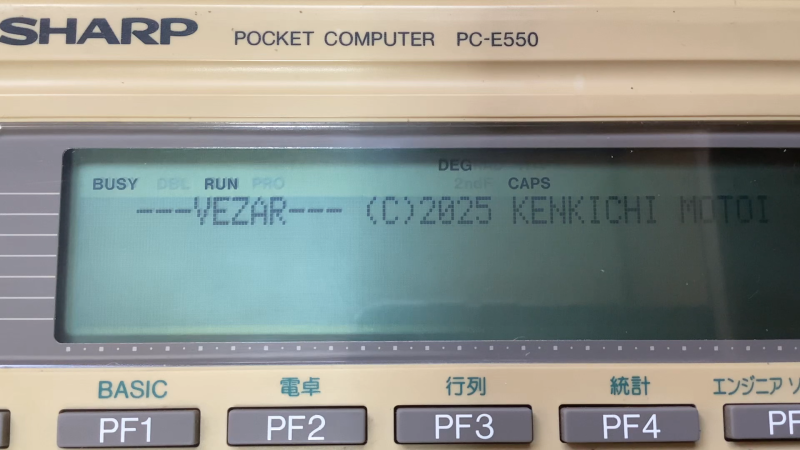
This is why [gikonekos] decided to combine as much knowledge they can glean from official documentation into a reference project on GitHub for the SC62015 equipped Sharp pocket computers like the PC-E550.

Generally you’d program in Sharp’s dialect of BASIC on these computers, such as the ‘PLAY3’ program that [gikonekos] recently unearthed from a November 1993 copy of ‘Pocket Computer Journal’ using which you can create polyphonic tunes. This only unlocks a small part of what the hardware can do, of course, so having a full opcode reference like this is important.

While still a work in progress, it’ll eventually contain the full opcode and register tables, addressing modes, instruction summaries and of course a full accounting of how all of this was reconstructed. As the original Sharp documentation wasn’t released to the public, providing these scans is also not a goal, especially not under any kind of free license.

A cursory search reveals an instruction table for the PC-E500 from 1995 by [Andrew Woods], so documenting this is not a new thing, although at the time these Sharp pocket PCs didn’t count as ‘retro systems’ yet.


Image

Polyphonic Tunes On The Sharp PC-E500

If you’re a diehard fan of the chiptune scene, you’ve probably heard endless beautiful compositions on the Nintendo Game Boy, Commodore 64, and a few phat FM tracks from Segas of years later. What the scene is yet to see is a breakout artist ripping hot tracks on the Sharp PC-E500. If you wanted to, though, you’d probably find use in this 3-voice music driver for the ancient 1993 mini-PC. 

This comes to us from [gikonekos], who dug up the “PLAY3” code from the Japanese magazine “Pocket Computer Journal” published in November 1993. Over on GitHub, the original articles have been scanned, and the assembly source code for the PLAY3 driver has been reconstructed. There’s also documentation of how the driver actually works, along with verification against RAM dumps from actual Sharp PC-E500 hardware. The driver itself runs as a machine code extension to the BASIC interpreter on the machine. The “PLAY” command can then be used to specify a string of notes to play at a given tempo and octave. Polyphony is simulated using time-division sound generation, with output via the device’s rather pathetic single piezo buzzer.

It’s very cool to see this code preserved for the future. That said, don’t expect to see it on stage at the next Boston Bitdown or anything—as this example video shows, it’s not exactly the punchiest chiptune monster out there. We’ll probably stick to our luscious fake-bit creations for now, while Nintendo hardware will still remain the bedrock of the movement.

Continue reading “Polyphonic Tunes On The Sharp PC-E500”







