
Apple published this video to their Support channel on YouTube yesterday, and it motivated me to get this off my chest:
Uninstalling apps on macOS is not as easy as it should be.
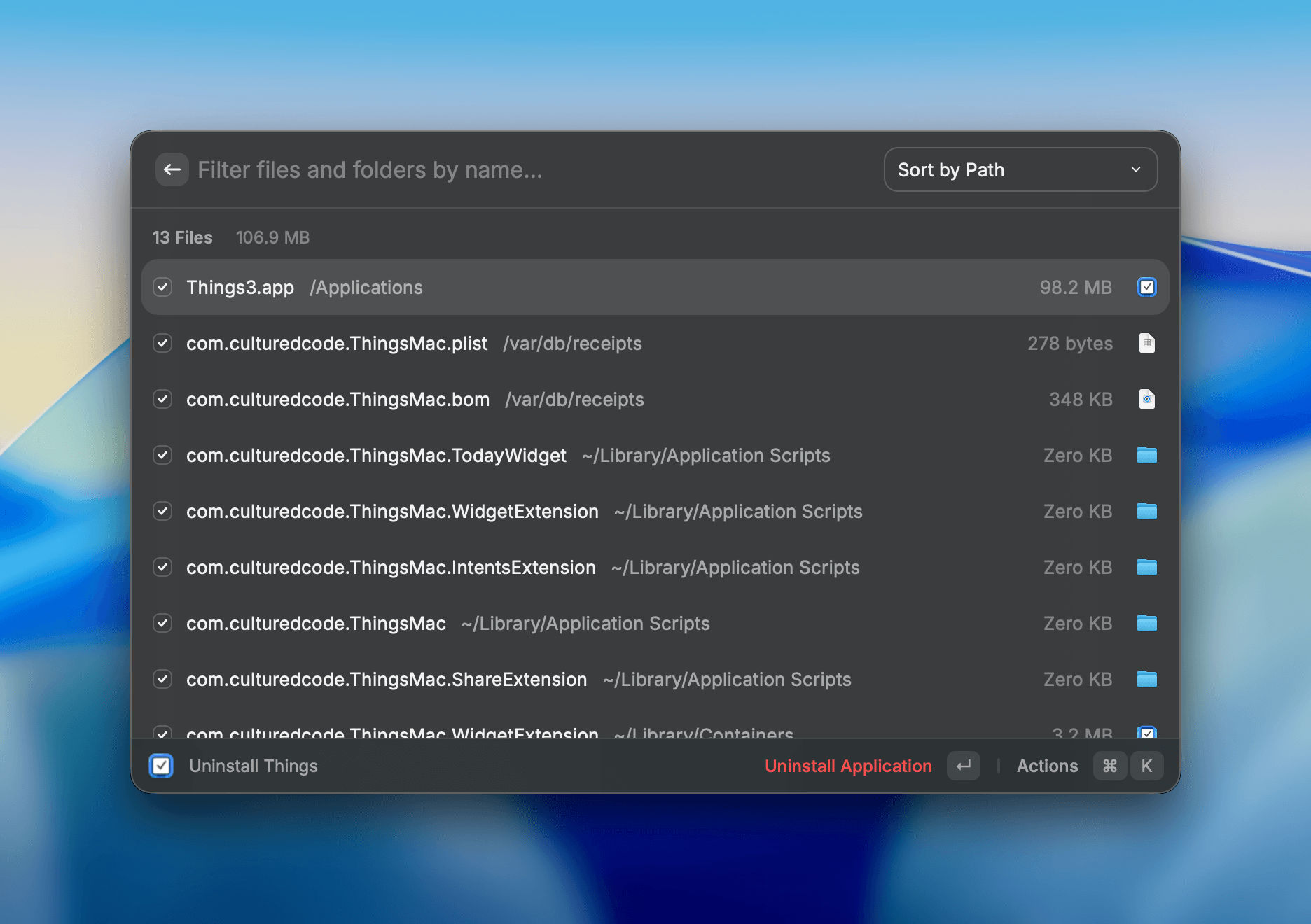
Yes, I know, I know that you can just drag an app to the trash and technically it’s gone. That’s what Apple recommends doing in its video. But then why do are apps like Raycast, CleanMyMac, and AppCleaner able to find leftover files scattered around your system by the deleted app? Maybe it’s just the completionist in me, but I don’t want those files left behind!
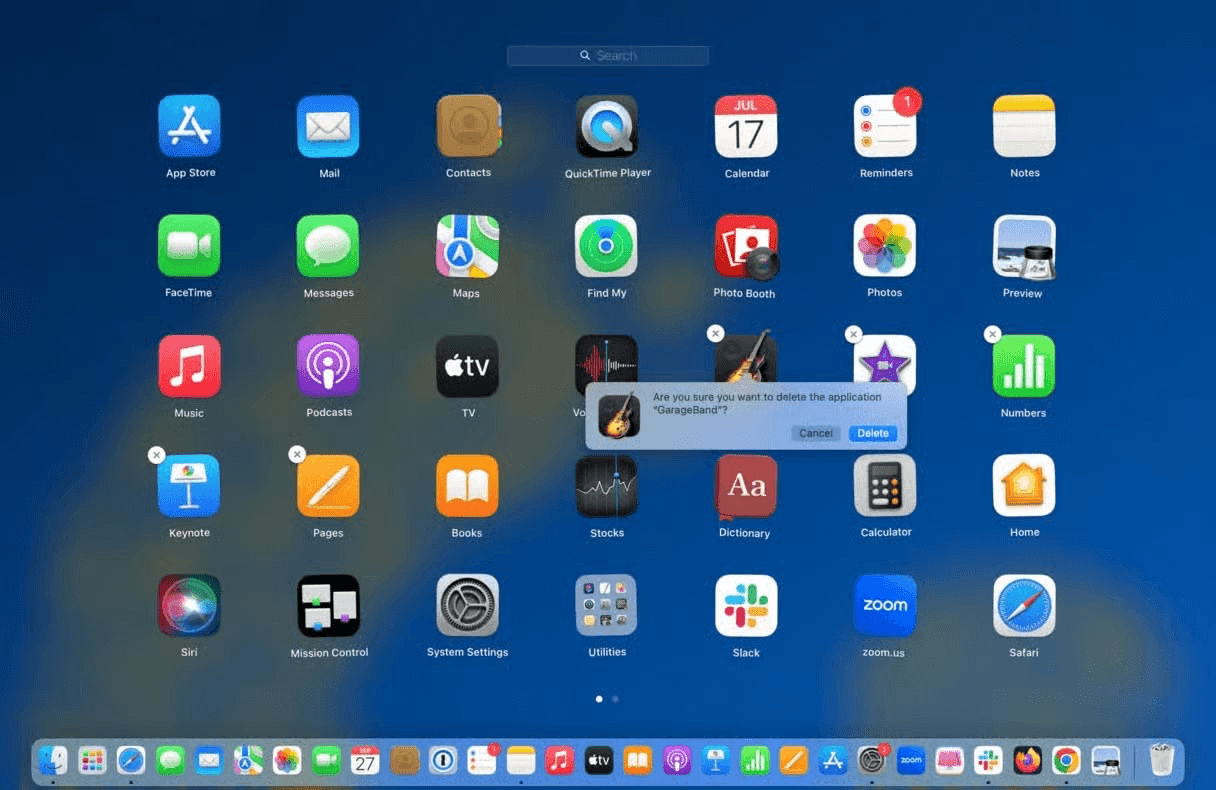
One thing — the only thing? — I liked about Launchpad was that it made it super obvious how to uninstall (Mac App Store) apps.1 Just like on your iPad/iPhone, you could click and hold on the app’s icon to send it into “jiggle mode” and then click the ‘X’ would remove it. I could be confident that all the app’s associated bits and bobs would be removed from my system.
But that changed with Tahoe. While Spotlight got a huge boost in capability as a whole with clipboard history and actions, it also subsumed Launchpad’s role as the main, well, launcher for apps. But there are no affordances in Spotlight for removing apps like Launchpad had.
AppCleaner was my go-to tool back in the day, but now I use Raycast to get the job done with confidence. Raycast’s implementation could offer some inspiration for Apple. After searching for an app within Raycast, a simple ⌘K shortcut reveals a host of actions that can be taken on the app. You can open an app, reveal it in the Finder, quit it, and, yes, uninstall it — among other things.
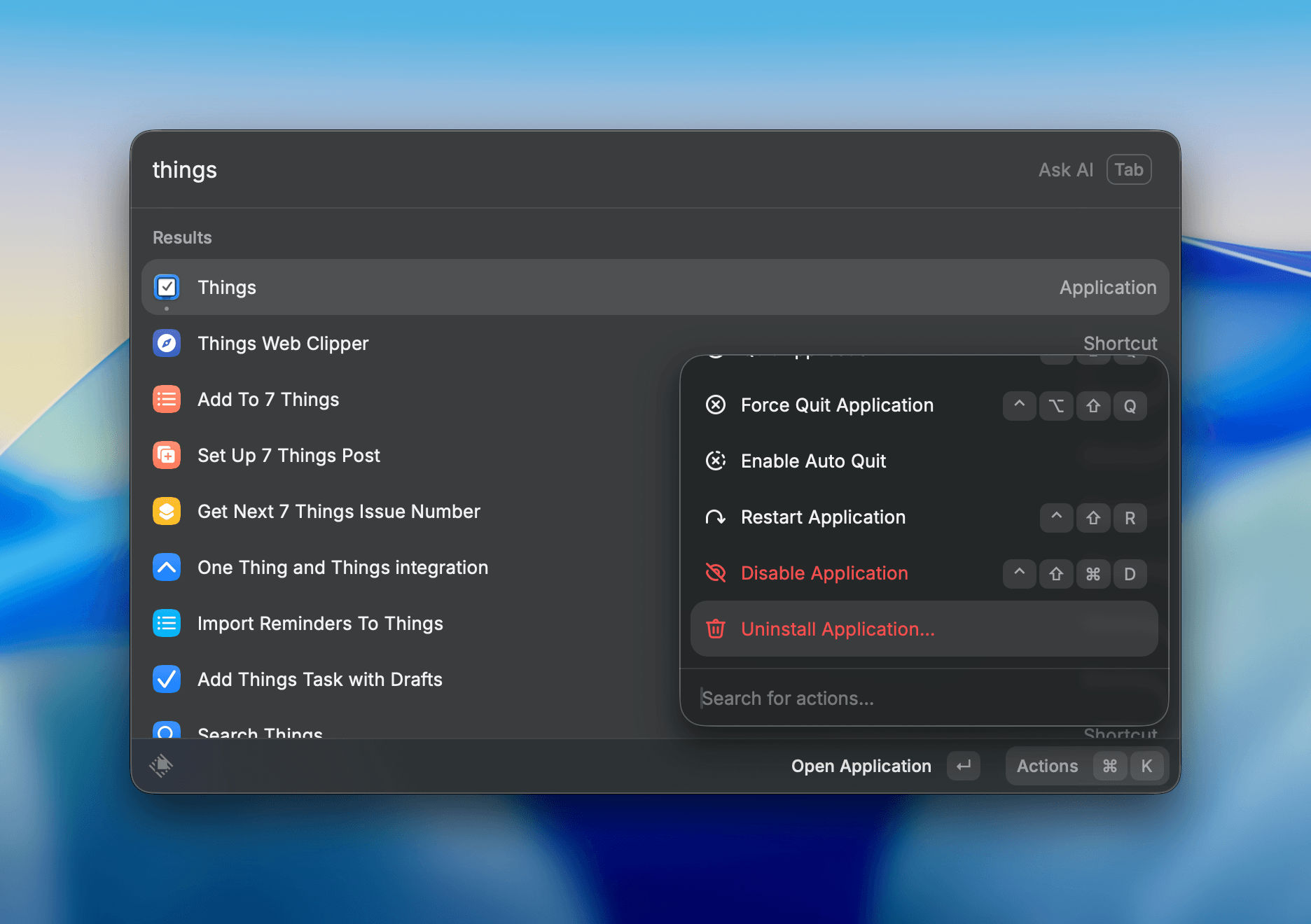
Apple could follow this model and provide an ‘Uninstall App’ action to take within Spotlight.
Spotlight’s interface, seeing as it replaced Launchpad, should offer the same capability for removing apps. And it should be as thorough as on an iPhone or iPad.
P.S. I also occasionally use Raycast to quit apps that stubbornly have no icon in the Dock or menu bar and therefore make it tricky quit completely.
Apps installed outside of the Mac App Store would not display the ‘X’ to remove it. You had to do it the “old fashioned” way of dragging the app to the trash and then hunt down its system files.↩︎

