HyperAccel Tech Blog
Welcome to HyperAccel Tech Blog
Building an In-House Dev Environment on Kubernetes Part 3: Kubernetes Device Plugin for LPU Hello! I’m Younghoon Jun, a DevOps Engineer on the ML team at HyperAccel. This post is the third installment of the Building an In-House Dev Environment on Kubernetes series! In Part 1, we covered the background, overall design, and direction of building a Kubernetes-based development environment. Part 2 introduced the strategy and process for building an ARC-based CI/CD infrastructure to overcome the structural limitations of self-hosted runners. In this third article, we will discuss the Device Plugin required for utilizing custom resources on Kubernetes. ...
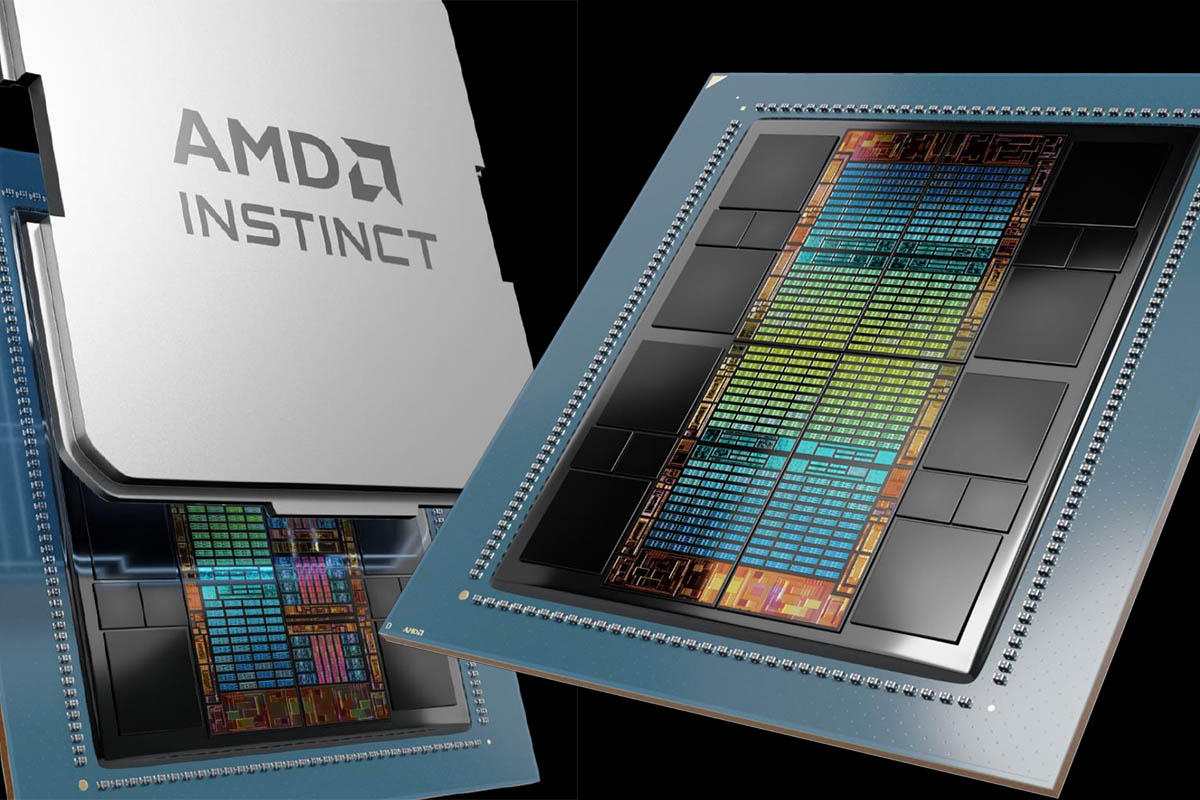
An analysis of AITER (AI Tensor Engine for ROCm), which boosts inference performance on AMD GPUs.

A hands-on walkthrough of Transformer-based LLM internals — from each module’s role to key optimization techniques.

Learn about Pallas programming model that enables writing custom kernels on TPU.
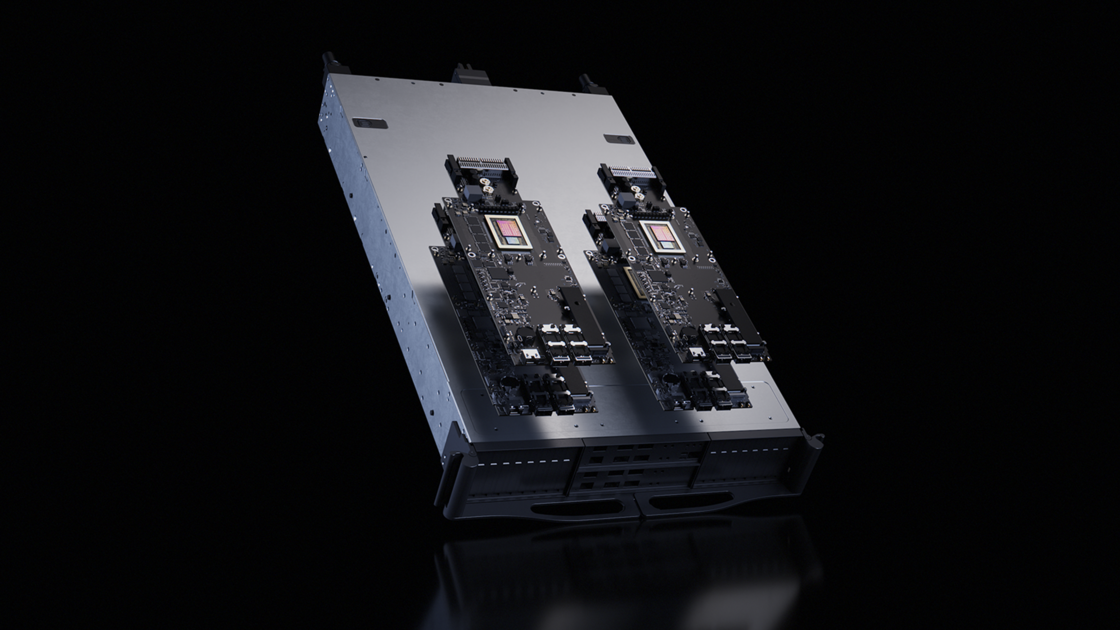
We explore the technical principles behind NVIDIA’s ICMS — a new storage tier designed to solve the KV cache capacity bottleneck in LLMs — and the Bluefield-4 DPU that manages it.
From Copy-Paste to Autonomous Coding Agents: A Subtle Introduction Hello, my name is Taeseo Um, currently on the ML team at HyperAccel. There is a running joke among developers that our job has always been about googling the issue, clicking the first link that pops up, then copying from Stack Overflow. In some ways, the arrival of AI coding tools didn’t change what we do — it just made us dramatically better at it. Over the past few months, our team has ridden almost every wave of AI-assisted development, from the earliest interactions to the autonomous agents we rely on today. Here’s what that journey looked like, what we learned, and where we think it’s all heading. ...
The complete journey of redesigning HyperAccel’s CI/CD infrastructure based on Actions Runner Controller (ARC), including Vault JWT/Kubernetes Auth dual integration, and achieving pipeline observability through a custom-built Go-based Prometheus Exporter.
Building an Internal Development Environment with Kubernetes Chapter 1: Why Kubernetes? Hello! I’m Younghoon Jun, a DevOps Engineer on the ML team at HyperAccel. For those of you reading this, what kind of environment do you develop in? I imagine you’re working in various environments—local setups, SSH server access, cloud services, and more. HyperAccel develops on an environment built on top of a Kubernetes cluster. We spin up Pods based on devcontainers pre-configured with the packages needed for development, then connect to the container to do our work. To make things easier for our internal developers, we’ve created and provided a Devcontainer Portal. ...
We explore the background of Groq and LPU, their hardware/software design philosophy, and analyze NVIDIA’s intentions behind acquiring Groq.
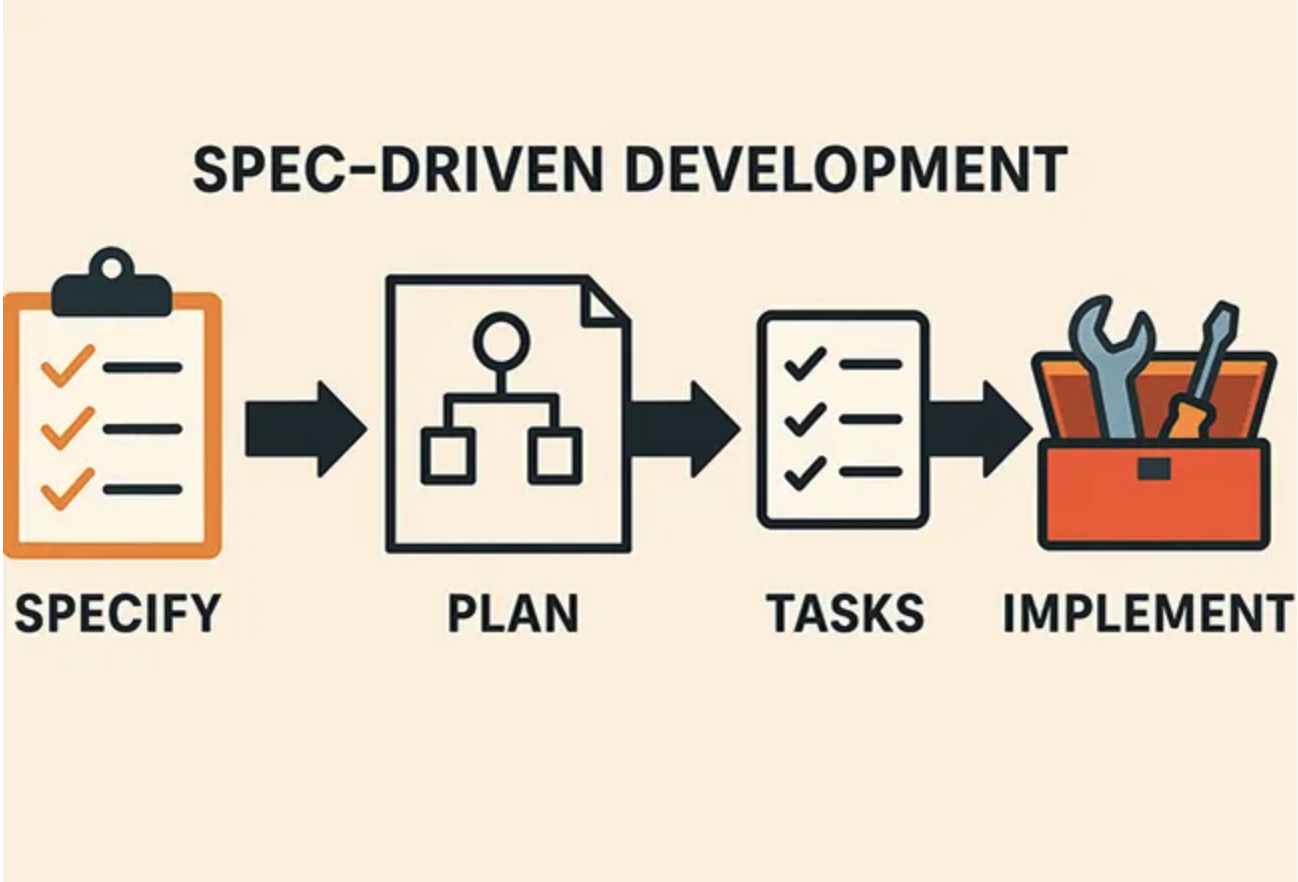
Spec-Driven Development (SDD) is a new development methodology for the AI era, moving beyond prompt engineering to spec engineering.
