Agile approaches for design

Agile
Iterative

Scrum
Framework

Waterfall
Sequential

Design
Thinking
What is design thinking
Design thinking is a solution-focused, iterative process fostering creativity and collaboration.
Empathise define ideate
Successful design thinking involves empathising with users, defining challenges, and ideating solutions – moving beyond Waterfall methodology to embrace flexibility and creative problem solving.
Prototype test iterate
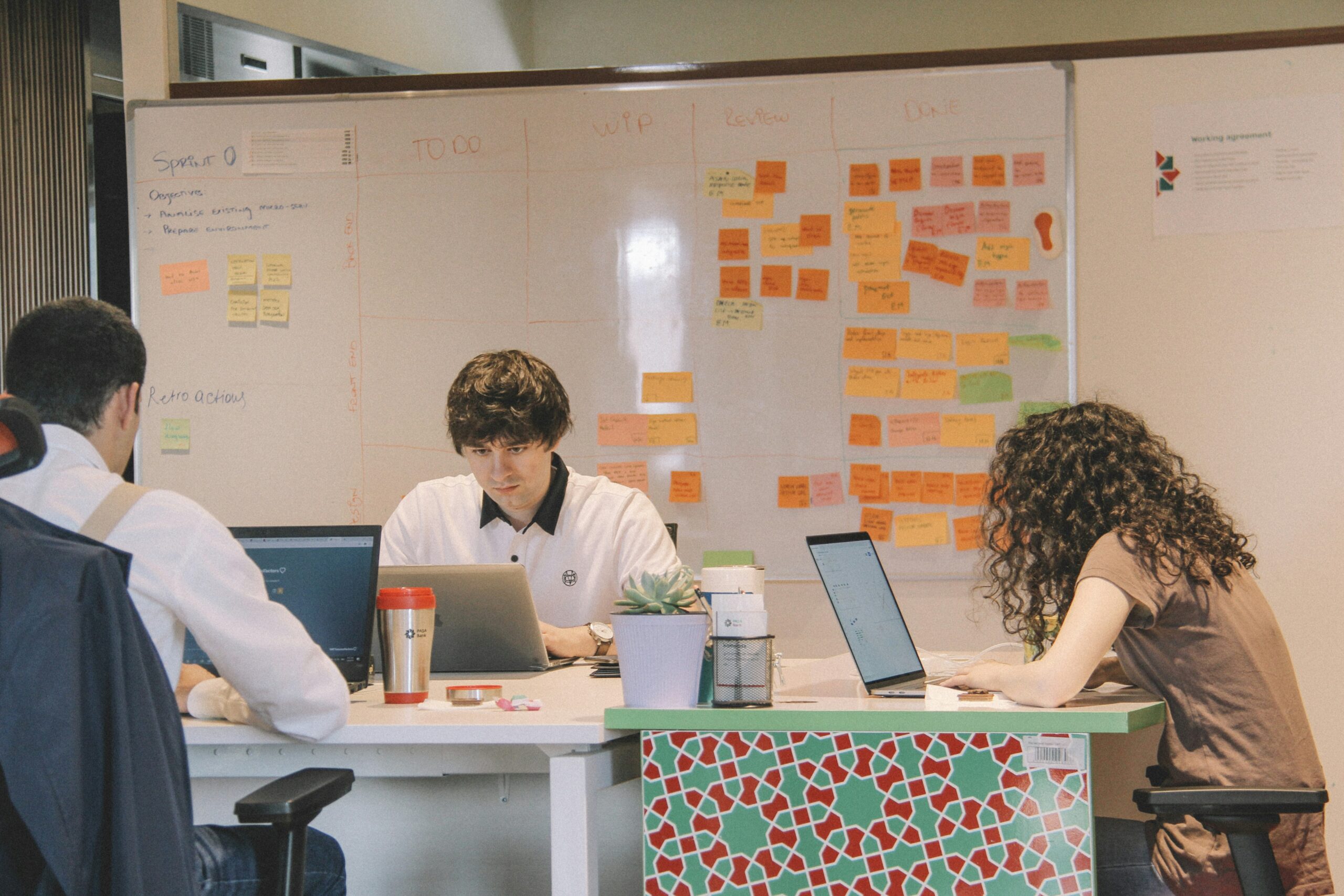
Teams prototype, test, and iterate, ensuring feedback-driven improvement. Agile training courses teach how to blend Scrum and design thinking for outstanding results.
Comparing modern design process approaches
Evans insights
Evans highlights agile’s flexibility versus the rigid Waterfall methodology, noting how Scrum empowers design teams to innovate quickly and collaboratively.

Agile vs. traditional
Agile vs. Traditional: Agile’s incremental approach outpaces Waterfall methodology, letting teams adapt and improve their design thinking throughout the process.

User-centred design
User-Centred Design prioritises real users’ needs, combining Scrum principles with design thinking for more successful, human-focused product outcomes.
Iterative prototyping
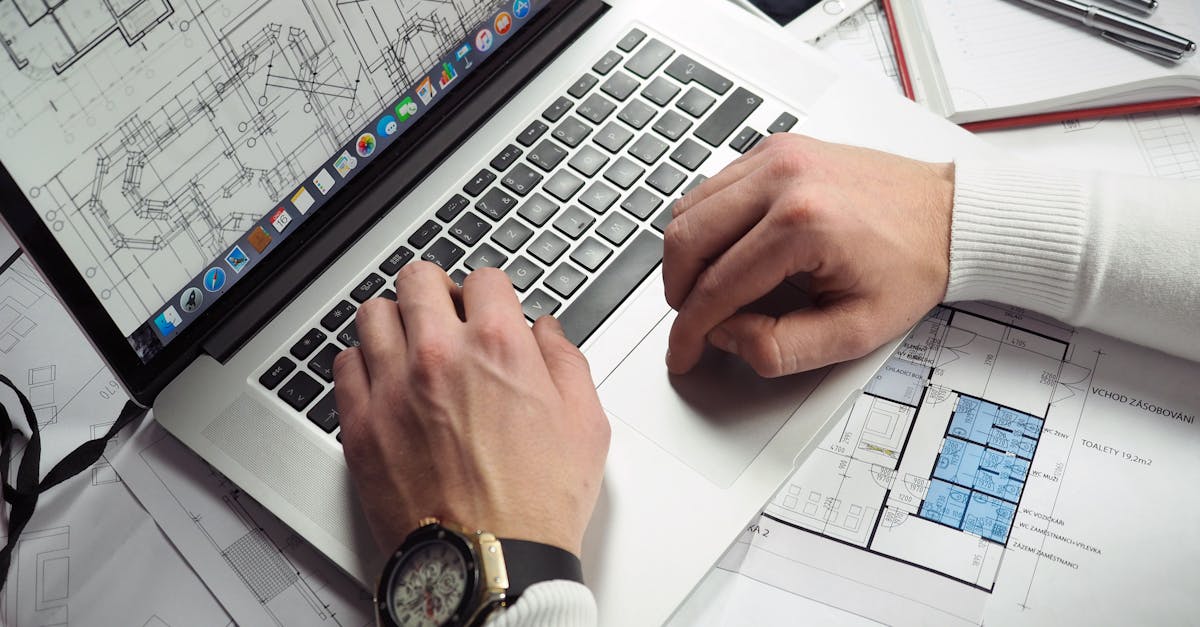
Iterative Prototyping enables teams to refine ideas, test frequently, and drive continuous improvement.
Benefits of agile in modern design teams
Increased adaptability and quicker response to change
Agile design lets teams adapt rapidly to evolving requirements. Unlike Waterfall methodology, agile training courses encourage change, improving outcomes and reducing costly project delays for modern teams.
Design teams using Scrum and agile training courses experience streamlined workflows, fostering creativity and resilience. Embracing iterative feedback ensures better products and more satisfied stakeholders in today’s fast-paced environment.
Enhanced collaboration across cross-functional teams always
Scrum and agile training courses foster greater collaboration across disciplines. Teams work openly, share knowledge, and break down silos, leading to innovative solutions and shared ownership of the design process.
With continuous communication, User-Centred Design flourishes. Agile practices allow for regular input from all team members, ensuring the product evolves in line with both user needs and business objectives.
Continuous improvement through regular iterative feedback
Iterative feedback cycles in agile design promote ongoing improvement. Unlike Waterfall methodology, Scrum encourages gathering user and stakeholder input, refining prototypes, and quickly addressing issues as they arise.
agileKRC’s agile training courses help teams master these cycles, building a culture of learning. This continuous improvement approach leads to higher-quality results and products that genuinely meet user needs.
Challenges facing agile teams
Agile teams may face resistance to change, coordination hurdles, or uncertainty about adopting Scrum or design thinking. agileKRC’s agile training courses address these issues for smoother agile implementation.
Next steps for agile success
Gain hands-on expertise in Scrum, design thinking, and agile methods to transform your design approach and achieve superior project outcomes.
New blogs
-
Agile Personas: Building User Empathy
Personas and User Story Development Understanding user needs is pivotal in effective product development. Personas…
-
Agile Design Documentation Best Practices
Keeping Documentation Lean In the fast-paced environment of agile design, maintaining concise documentation fosters clarity…
-
Managing Design Backlogs in Agile Projects
Regular Backlog Grooming Regular backlog grooming is essential for maintaining a streamlined workflow in Agile…
