
Security
End-to-End Security for Connected Devices
We design and secure connected medical and consumer devices, from hardware through backend software.
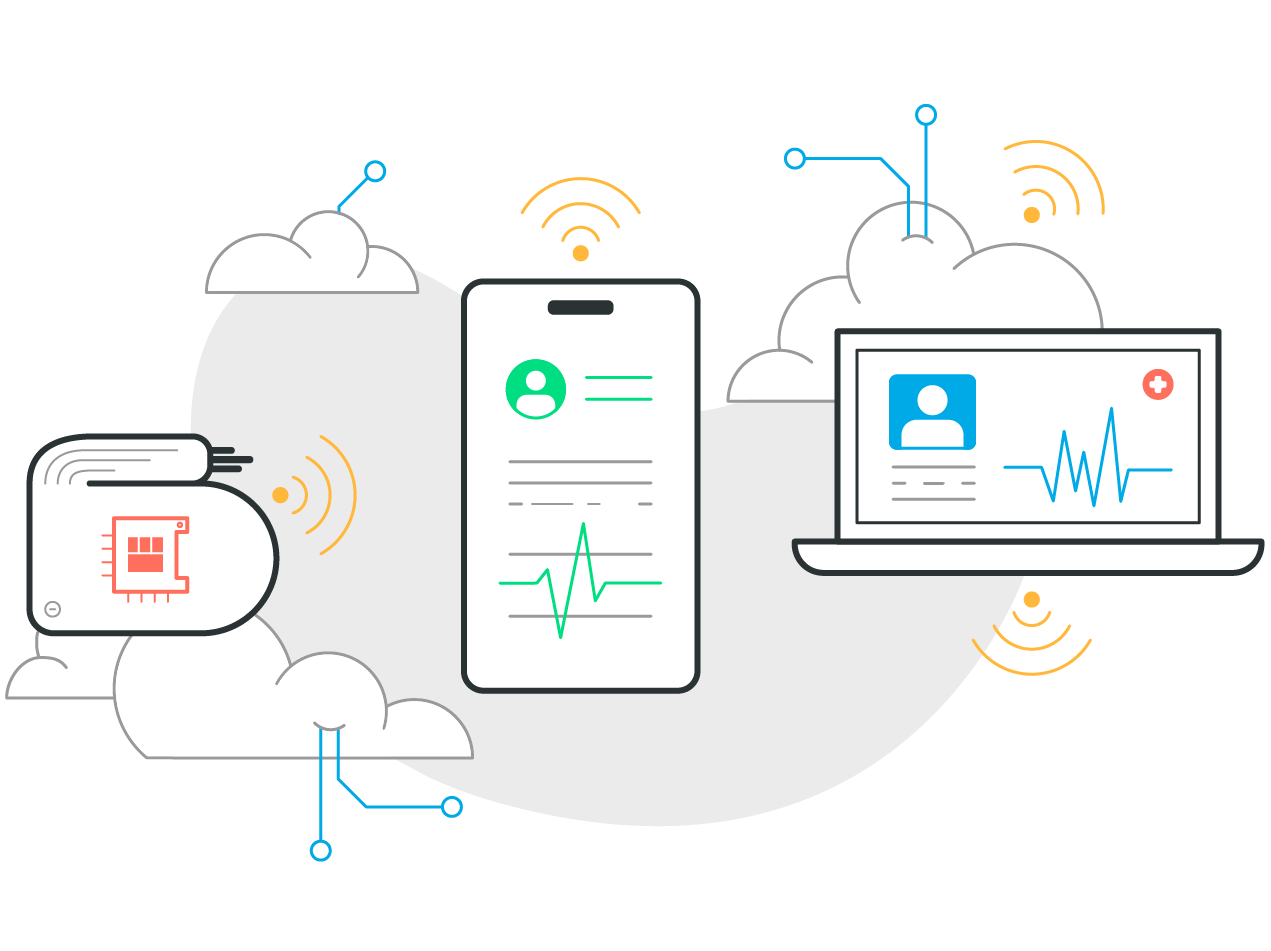
Security in connected systems
A Connected System Has No Single Security Perimeter.
Firmware, wireless protocols, mobile applications, and cloud backends each introduce a distinct attack surface. A decision made in one layer ripples through every other. Security that creates too much friction introduces its own risk: clinicians and end users route around it.
We design security across the full stack, from device hardware to backend systems, so controls hold together end-to-end.
The Result: A connected product where security is coherent across every layer, defensible under regulatory scrutiny, and built to hold up in the field.
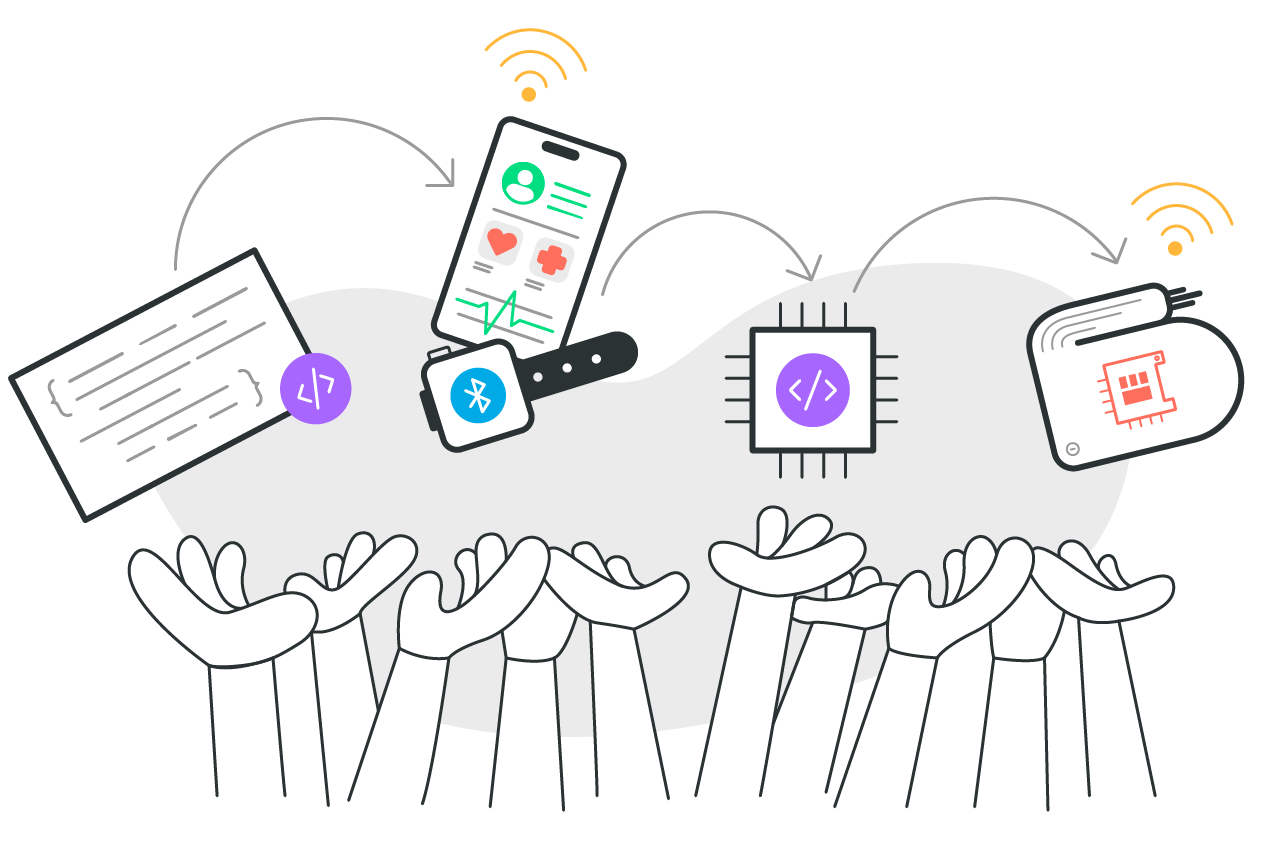
Security Problems We Solve
Security Vulnerabilities That Surface Late & Cost More to Fix
Security addressed layer by layer, without a system-level security design, leaves vulnerabilities that surface late and compound across the stack.

System Security Architecture
- Threat modeling absent from early design decisions
- Trust boundaries undefined across firmware, mobile, and cloud
- Security assumptions inconsistent between development teams
- Attack surface growing as system layers integrate
- Security review is happening too late to influence the architecture

Wireless & Protocol Security
- BLE pairing models that allow unauthenticated connections
- Control channels without session integrity or replay protection
- Protocol-level vulnerabilities exposing device to man-in-the-middle attacks
- Unencrypted data transmission across wireless links
- Weak authentication between device and mobile application

Device & Firmware Security
- Firmware running without signature verification or chain of trust
- Cryptographic keys stored in accessible flash memory
- Debug interfaces left exposed in production builds
- No rollback protection on firmware update paths
- Hardware attestation is absent from the device identity model

Compliance-Ready Cybersecurity
- Threat model not tied to design history file
- Creating deliverables without a SPDF means FDA rejection
- Security risk management siloed from overall risk management process
- No documented PSIRT or post-market vulnerability response plan
- Security requirements not traced through design and verification

Provisioning & Identity Security
- Device identity not established or verifiable at manufacturing
- First-use pairing flows that can be spoofed or intercepted
- Credential issuance with no rotation or revocation strategy
- Provisioning process that breaks down at production scale
- Decommissioning flows are absent or incomplete
Purpose-Built Security at Every Layer of a Connected Device
Each layer of a connected device has distinct security constraints, threat surface, and implementation requirements.
System Security Architecture
Security Requirements, Risks & Evidence
- Security risk management integrated with ISO 14971 and IEC 62304 processes
- SPDF-aligned security planning, requirements development, and evidence documentation
- Security requirements traceability
- Security control validation planning aligned to V&V strategy
Security Architecture & Design
- Threat modeling using STRIDE and MITRE frameworks for connected device systems
- Attack surface analysis across the full connected device ecosystem
- Authentication, authorization, and encryption architecture across device, mobile, and cloud
- Key and credential lifecycle design
- Privacy controls and data protection architecture
- Third-party and SOUP security assessment and vulnerability management
V&V & Post-Market Readiness
- Security verification strategy aligned to requirements and DHF
- Penetration test readiness and scope definition
- OTA and patch strategy for deployed devices
- Monitoring and logging architecture for post-market surveillance
- Vulnerability intake, triage, and response planning
Wireless & Protocol Security
Bluetooth Low Energy Security
- Pairing model selection and authentication design for medical and consumer devices
- Session integrity and replay protection on low-power wireless links
- Encrypted data transmission within BLE timing and throughput constraints
- Advertisement and scanning attack surface hardening
- Man-in-the-middle protection for device-to-mobile communication
Multi-Radio & Protocol Security
- WiFi authentication and certificate management for connected device environments
- Cellular authentication and SIM security considerations
- Coexistence security across multi-radio devices
- Protocol-level attack surface reduction across BLE, WiFi, and cellular
Firmware & Hardware
Boot & Firmware Integrity
- Secure boot and chain of trust on resource-constrained microcontrollers
- Anti-rollback version enforcement on firmware update paths
- Signed OTA update paths with staged rollout and rollback protection
- Memory protection and secure enclave configuration
Key Storage & Hardware Security
- Hardware-backed key storage on resource-constrained devices without integrated security processors
- Secure element integration for credential and certificate storage
- Hardware security module integration where device architecture supports it
- Secure manufacturing provisioning at the firmware layer
Hardening & Physical Security
- Debug interface hardening for production and post-market builds
- Tamper detection and physical attack resistance
- Binary protection against reverse engineering and extraction
Mobile Applications
Device & Session Security
- Authenticated device pairing and session management for iOS and Android
- Jailbreak and root detection for regulated application environments
- Biometric authentication integration for device access and clinical workflows
- Binary protection and reverse engineering hardening
Data & Communication Security
- Secure local storage using platform Keychain and Keystore APIs
- Token lifecycle management for device control and cloud access
- Certificate validation and pinning for backend communication
- App transport security configuration
- PHI protection aligned to HIPAA and FDA privacy requirements
- Background data handling and process isolation
Backend Systems
Authentication & Data Protection
- API authentication and authorization for device and user identity
- Identity and access management aligned to clinical roles and workflows
- PHI encryption at rest and in transit across cloud infrastructure
- Access control and audit logging for regulatory traceability
- Secrets management for backend services and integrations
- Anomaly detection and intrusion monitoring for connected device fleets
- Dependency vulnerability scanning and patch management
Provisioning & Identity
- Device identity provisioning and credential issuance at manufacturing
- Credential rotation, revocation, and decommissioning across the device lifecycle
- First-use onboarding flows designed to resist spoofing and interception at scale
System Security Architecture
Security Requirements, Risks & Evidence
- Security risk management integrated with ISO 14971 and IEC 62304 processes
- SPDF-aligned security planning, requirements development, and evidence documentation
- Security requirements traceability
- Security control validation planning aligned to V&V strategy
Security Architecture & Design
- Threat modeling using STRIDE and MITRE frameworks for connected device systems
- Attack surface analysis across the full connected device ecosystem
- Authentication, authorization, and encryption architecture across device, mobile, and cloud
- Key and credential lifecycle design
- Privacy controls and data protection architecture
- Third-party and SOUP security assessment and vulnerability management
V&V & Post-Market Readiness
- Security verification strategy aligned to requirements and DHF
- Penetration test readiness and scope definition
- OTA and patch strategy for deployed devices
- Monitoring and logging architecture for post-market surveillance
- Vulnerability intake, triage, and response planning
Wireless & Protocols Security
Bluetooth Low Energy Security
- Pairing model selection and authentication design for medical and consumer devices
- Session integrity and replay protection on low-power wireless links
- Encrypted data transmission within BLE timing and throughput constraints
- Advertisement and scanning attack surface hardening
- Man-in-the-middle protection for device-to-mobile communication
Multi-Radio & Protocol Security
- WiFi authentication and certificate management for connected device environments
- Cellular authentication and SIM security considerations
- Coexistence security across multi-radio devices
- Protocol-level attack surface reduction across BLE, WiFi, and cellular
Firmware & Hardware Security
Boot & Firmware Integrity
- Secure boot and chain of trust on resource-constrained microcontrollers
- Anti-rollback version enforcement on firmware update paths
- Signed OTA update paths with staged rollout and rollback protection
- Memory protection and secure enclave configuration
Key Storage & Hardware Security
- Hardware-backed key storage on resource-constrained devices without integrated security processors
- Secure element integration for credential and certificate storage
- Hardware security module integration where device architecture supports it
- Secure manufacturing provisioning at the firmware layer
Hardening & Physical Security
- Debug interface hardening for production and post-market builds
- Tamper detection and physical attack resistance
- Binary protection against reverse engineering and extraction

Mobile Application Security
Device & Session Security
- Authenticated device pairing and session management for iOS and Android
- Jailbreak and root detection for regulated application environments
- Biometric authentication integration for device access and clinical workflows
- Binary protection and reverse engineering hardening
Data & Communication Security
- Secure local storage using platform Keychain and Keystore APIs
- Token lifecycle management for device control and cloud access
- Certificate validation and pinning for backend communication
- App transport security configuration
- PHI protection aligned to HIPAA and FDA privacy requirements
- Background data handling and process isolation

Backend System Security
Authentication & Data Protection
- API authentication and authorization for device and user identity
- Identity and access management aligned to clinical roles and workflows
- PHI encryption at rest and in transit across cloud infrastructure
- Access control and audit logging for regulatory traceability
- Secrets management for backend services and integrations
- Anomaly detection and intrusion monitoring for connected device fleets
- Dependency vulnerability scanning and patch management
Provisioning & Identity
- Device identity provisioning and credential issuance at manufacturing
- Credential rotation, revocation, and decommissioning across the device lifecycle
- First-use onboarding flows designed to resist spoofing and interception at scale
Security Across Disciplines
Security Applied at Every Layer of the Stack
Security isn’t a parallel workstream. It’s embedded in how we architect firmware, design mobile apps, build cloud systems, and design hardware.

Systems Architecture

Electronics
Embedded Software

Mobile Apps

Web Apps & Backends
Our Process
Security Engineered Into Every Phase of Development
Security stays coherent across the stack when each phase builds on the decisions made before it. Here’s how that looks in practice across a full engagement.

1. Discovery & Security Posture Review
2. Threat Model & Security Requirements
3. Architecture & Design
4. Implementation & Hardening
5. Verification, Validation & Evidence
6. Post-Market & Vulnerability Management

What you get
Built to Defend at Every Critical Moment
Security built into the development process puts you in a fundamentally different position at submission, launch, and beyond.

A Defensible Regulatory Submission
We build threat models, security risk management, and SBOM with traceability for a complete Design History File (DHF). Cybersecurity evidence exists when the product is developed, not assembled retroactively.
Security Coherent Across the Full Stack
We define trust boundaries at the architectural level and implement controls at each layer, with verification evidence produced at each phase. Every layer holds up under scrutiny because every layer was designed in the context of the others.
Post-Market Defensibility Built In
We establish SBOM, patch strategy, vulnerability intake, and PSIRT documentation during development. The product remains defensible as threats evolve, dependencies age, and post-market surveillance requirements grow.
Security Carried Through Implementation
The engineers who define the security model implement it across hardware, firmware, mobile, and backend systems. Design intent and execution stay aligned with no translation layer between security architecture and the controls that actually ship.
Security Designed Around Real Workflows
We build authentication flows, pairing models, and access controls around clinical and end-user behavior. Security that creates excessive friction introduces its own risk.
Selected work
Security Architecture Across the Hardest Device Classes
Implantables, clinical platforms, and complex connected systems where the stakes made security non-negotiable.

End-to-End Security for an FDA-Approved Class III Implantable Sleep Apnea System

Cybersecurity Architecture for a Brain-Computer Interface Implant System

Security Architecture for a Large-Scale Connected Building Automation System

Cybersecurity Architecture for a Clinical-Stage Cardiac Performance Platform
Security Requirements Aren't Getting Simplier
Let’s talk about where you are and what’s ahead.

1. Quick Discovery Call
Share what you’re building, timelines, and constraints. We’ll confirm fit and the next best step.

2. Team Consultation
We dig deeper into technical challenges, needs, and where we can add the most value.

3. Scope & Kickoff
We align on milestones, documentation, and delivery. Then we get moving and keep you informed.