
The Roots of Progress Fellowship
The 2026 Roots of Progress
Blog-Building Intensive
Join our fourth fellowship cohort. Write essays about progress. Make progress real.
Now in its fourth year, the Blog-Building Intensive is an opportunity for writers to sharpen their ideas by discussing them with each other, learn new writing skills and processes, grow by receiving feedback from professional editors and peers alike, and increase their impact by growing their audiences.
Previous BBI fellows have helped lower rents in Austin (Ryan Puzycki), joined the White House as an advisor on AI policy (Dean Ball), published op-eds in the New York Times (Steven Adler and Ruxandra Teslo), and, of course, built significant followings for their blogs (Alex Kustov, Jeff Fong, Afra Wang, Andrew Burleson and many more).
We need a new philosophy of progress.
The progress of the last few centuries—in science, technology, industry, and the economy—is one of the greatest achievements of humanity. But to keep this upward trend going, we must believe that continued progress is both possible and desirable. The 19th century believed in the power of technology and industry to better humanity, but in the 20th century, this belief gave way to skepticism and distrust. It’s time for a new generation of intellectuals to help the world understand and appreciate progress so we can build an abundant, techno-humanist future.
The Roots of Progress Fellowship exists to empower intellectual entrepreneurs for progress.
You’re excited about progress studies. You love to write and have published a few posts or essays on a variety of topics. Now you wonder: what’s next?
Maybe you’d like to explore a career in writing about progress studies and abundance policy for a general (non-academic) audience, but you’re not quite sure how to get going. Or maybe you’re already blogging and publishing on Substack but would like to get to the next level—find your own topic area, increase your productivity, get more plugged into the community, and grow your audience.
Through this program you will zero in on a topic area to go deep on, improve your writing, increase your productivity, more fully understand and apply progress ideas, get plugged into the progress movement, and grow your audience.
2026 Progress
Blog-Building Intensive
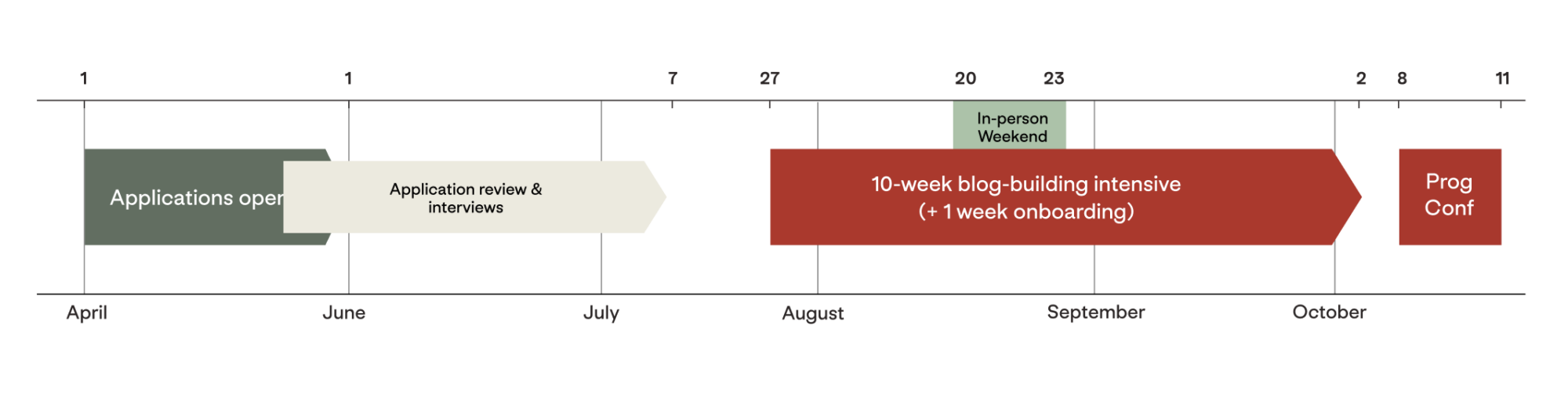
10 - week cohort. July 27 - October 2
A 10-week online program for writers eager to write more and better, to a larger audience, about progress studies topics

Meet and learn from experts in progress studies as well as experts in security, resilience, human talent and potential

Build a community of peers studying progress and blogging about it

Create writing habits and develop a system for writing to 2x your productivity and quality

Attend a weekend-long in-person gathering in Pennsylvania to meet your peers!
What past blog-building
fellows say about the program

The BBI helped to expand my horizons as a thinker and writer. I learned new skills to add to my writing toolbox and connected with dozens of inspiring people earnestly working to drive progress forward in their respective fields.
If you’re even considering applying, my advice is simple: do it. You will be joining people too experienced to be so optimistic, too young to be so wise, too wise to be so humble, and too humble to be so impressive.

RPI has been a once in a lifetime experience, not just a program that teaches you how to write but a compass that helped me understand why I write. It guided me toward a deeper sense of purpose, to challenge existing paradigms and push for progress in the manufacturing field.

When I started in the BBI, I had only barely found my voice. By the end of the program, I felt the wind at my back as a writer. The quality of the group, the visibility participation provided me, and the benefits of RPI staff feedback were invaluable.

The Roots of Progress Fellowship is the single best way I've found to hone storytelling skills and, importantly, break into a supportive community of other writers and editors. Both of these outcomes are things that, on your own, could take months or years of effort.

It was invaluable to meet, get to know, and brainstorm, workshop, and discuss knotty topics with a range highly curious, smart, and kind fellows. Getting to know thinkers and writers who I would otherwise unlikely have interacted with as closely was one of the biggest value-adds I came away with from the program.

I am deeply grateful for the RPI writing fellowship. The essay I posted after the Progress Conference has been my most widely read piece by far. And it led two people working on similar projects to me to find me and connect with me. Thanks to RPI, I'm accomplishing the goals I have for my writing.
What you’ll get
A community of peers to encourage and challenge you, during the program and beyond
You’ll meet your ~35 peers during a week-long onboarding program.
Your peers will help you shape your essay ideas before you even start writing. They’ll edit your essays, and you will edit theirs. They’ll bring a breadth of knowledge that will help accelerate your research, and they’ll introduce you to others in their network, from people at key publications to industry experts. Much of this work will happen in twice-weekly peer group sessions, with 2-3 people break-out sessions for brainstorming and feedback.
Best of all, your peers will be your close progress network into the future: many of our alumni still meet weekly, give feedback on each other’s essays in the blog-building Slack, and quote and link to each other’s work.
Mid-way through the program we will also gather in-person for a weekend-long bonding retreat.
How often do you get feedback from smart, dedicated and knowledgeable people who largely share your progress perspective and general worldview? — Maarten Boudry, 2023 Fellow
"Peer feedback was the best part of the program!" — "Dynomight," 2024 Fellow
"The best part was getting to know the fellows and the core ideas they cared about. The feedback was always excellent." — Grant Mulligan, 2024 Fellow
Read more
An immersion into progress studies and a chance to go deep on Human Talent & Potential and Security & Resilience
All fellows will be immersed in progress studies and abundance policy ideas throughout the program. We’ll share a reading list, and you’ll have an opportunity to read key essays, take notes, and discuss them with your peers. Our progress studies advisors—academics, progress bloggers, think tank leaders—will give talks and answer questions. You’ll meet 1:1 with the Roots of Progress team to discuss your goals for the intensive.
"The many ways to think about Progress, it was interesting to see where the thinking of the advisors converged and diverged (and contradicted). The intellectual variety was refreshing and useful." — Venkatesh Ranjan, 2025 Fellow
"The quality of advisors is superb. Hearing and learning from them was an incredible experience." — Jannik Reigle, 2024 Fellow
This year, for our fourth blog-building cohort, we’re also offering themed tracks for two progress cause areas: security & resilience, and human talent & potential. Whether or not you choose to apply for the themed tracks and focus your writing on these topics, you’ll be able to attend the advisor sessions and deepen your understanding of security & resilience and human talent & potential as drivers of progress.
Read more
An intensive online writing program, including editing and tips on growing your audience
To qualify for the fellowship, you must be a good writer; but our goal is to help you become a great one. Writing instruction is central to the Blog-Building Intensive.
Our custom-designed writing curriculum is designed to specifically support the type of writing our fellows want to excel at: long-form, informational essays, that explain and persuade, often in technical topics areas or or tricky policy topics. It’s a unique type of writing that targets an intellectual, general, curious audience, and it requires a writing approach that different than writing op-eds, policy white papers, or personal narratives—and it’s certainly nothing like the five-paragraph essay or university paper many of us grew up with. Through our writing course you will learn how to generate ideas, overcome writers block, structure an argument, organize your research, incorporate data and charts into your writing, work through multiple drafts and produce publication-ready writing that engages and excites the audience you want to reach.
You'll learn by writing four essays, working in two week sprints. Three will be around 1,000 words (the recommended length for Substack essays); one should be a longer, more deeply researched piece you might consider pitching to an outside publication (2,000-5,000 words). You will have the option to write a fifth, personal essay if you choose.
Our writing course will meet weekly and will be taught by will be taught by our Program and Community Operations Manager, Emma McAleavy. Her work has previously been published in The New York Times, The Boston Globe, Outside Magazine.
All of your essays will also be edited by our Developmental Editor, Mike Riggs. Mike is the former deputy managing editor at Reason magazine. His work has appeared in The Atlantic, The Smithsonian, Pacific Standard and Freethink.
Our goal is to empower you to finish the program with four pieces that you are proud of—some of the best writing you’ve ever done.
Read more
A long weekend in-person retreat in Pennsylvania
You’ll meet your ~35 peers during in-person during a long weekend retreat in Pennsylvania, Aug 20-23. We'll arrive at the retreat center Thursday evening and spend Friday and Saturday playing games, getting to know one another, engaging in a handful of workshops and plenty of enlivening discussions, and connecting as a community. We will host one or two workshops to talk about goals and career trajectories for public intellectuals, and there may a special guest or two.
Read more
Tickets to the 2026 Progress Conference
As a Roots of Progress blog-building fellow, you’ll receive a free ticket to the invitation-only 2026 progress conference in San Francisco, October 8-11. You’ll be able to learn from dozens of invited speakers and meet with hundreds of key people in the progress/abundance movement, from writers to tech leaders and builders, from academics to storytellers, from established thought leaders to some of the alumni of previous Blog-Building Intensive programs.
All the content at the conference and the relationships you build are a great basis for a fifth essay (optional but highly recommended) which our editing team will help you get production-ready.
"The best conference and collection of people i've ever been apart of in one place. I think this is also the greatest collection of people in the world precisely because of a clearly held essential value: human progress." – Ibis Slade, 2025 Fellow
"There were two previous moments in my life where I've had a "we're not in Kansas anymore" feeling, the fellowship/conference was the third. I sensed that the bar has been raised, that my ambition and ability better catch up because I've seen what it really takes to make something great." — Grant Mulligan, 2024 Fellow
Read more
Why this program matters, in their own words
2023 blog-building fellows discuss their experiences
Read more
New for 2026:
Themed tracks for security & resilience and human talent & potential
For each of these tracks, we’re looking for 6-8 fellows who are passionate about the topic and who bring relevant expertise. If you apply to the security & resilience, or the human talent & potential track, we’d love for you to write at least 2–3 out of your 4 blog-building intensive essays on these topics.
This year’s fellowship features two themes: security & resilience, and human talent & potential. We will accept fellows writing on any progress or abundance-related topic, but will give preference for a handful of spots to applicants focusing on these areas, and we will have dedicated programming for these tracks.
Security & Resilience
Material and technological progress brings extraordinary benefits, but it also introduces new risks. More powerful biotechnology means more potential for engineered pandemics. More powerful AI means more potential for misalignment, surveillance, and epistemic breakdown. Greater global interdependence means greater vulnerability to supply chain disruptions and geopolitical conflict. We need more writers exploring what it looks like to proactively defend against threats, while simultaneously building resilience safeguards around the systems and institutions that are foundational to human flourishing.
Human Talent & Potential
People are the engine of progress, but we are far from unlocking the full potential of human talent. Education systems remain stubbornly resistant to reform. Immigration policy fails to get the right people to the right places. Falling birth rates are shrinking the pool of future talent. And the rise of AI is raising questions about what humans will do when non-human intelligence is abundant. These challenges are connected: they are all about how we develop, deploy, and sustain human capability in a rapidly changing world. We need more writers thinking seriously about how to ensure that all humans can thrive and contribute in the decades ahead.
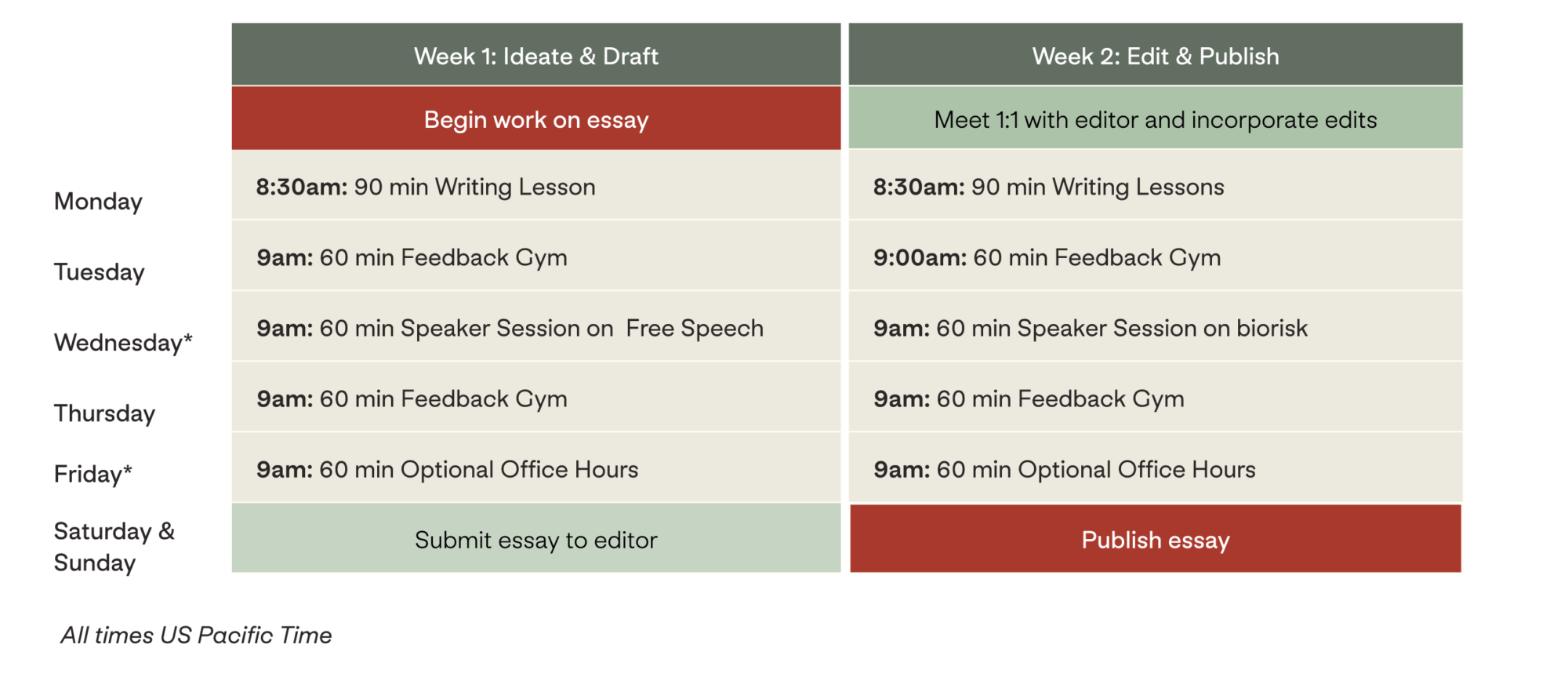
A typical two-week period in the blog-building intensive
The 10-week intensive runs in four two-week publishing cycles. You’ll start writing on a Monday, and publish Friday the next week. Each weekday, there’s one course sessions; weekends are reserved for your own independent work.
Fellowship timeline
Applications open April 1st. We will review and accept applications through June 1st and make all final decisions by July 7th.
Speakers
As you explore writing in progress studies as a career option we introduce you to those who’ve already made it: successful, established writers in progress studies as well as leaders of progress-related organizations, editors, and content experts in our two cause area tracks security & resilience and human talent & potential. You’ll have a chance to meet with and learn from the best!
Progress intellectuals and writers

Greg Lukianoff
President, The Foundation for Individual Rights and Expression

Brendan McCord
Founder & Chair, The Cosmos Institute
Alex Kustov
Writer & Associate Professor, University of Notre Dame

Alice Evans
Researcher and Writer of "The Great Gender Divergence"
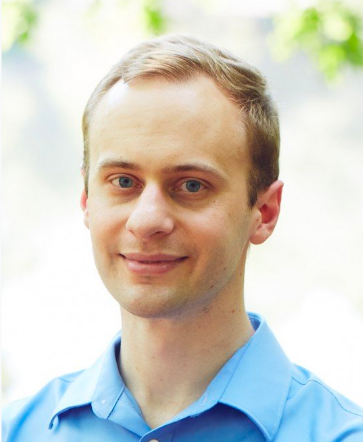
Kevin Esvelt
Co-Founder, SecureDNA Foundation

Eli Dourado
Head of Strategic Investments, Astera Institute
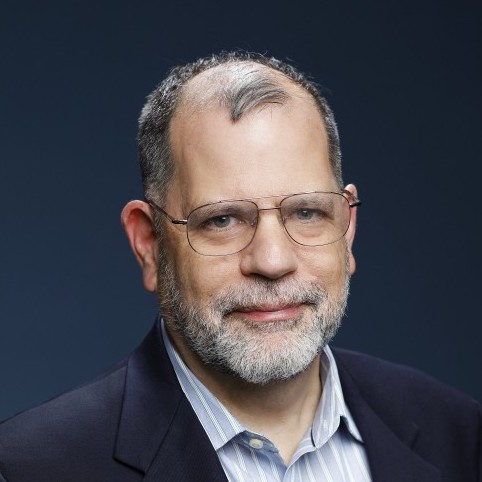
Tyler Cowen
Author, Stubborn Attachments
Writing Craft Speakers

Virginia Postrel
Author, The Future and Its Enemies
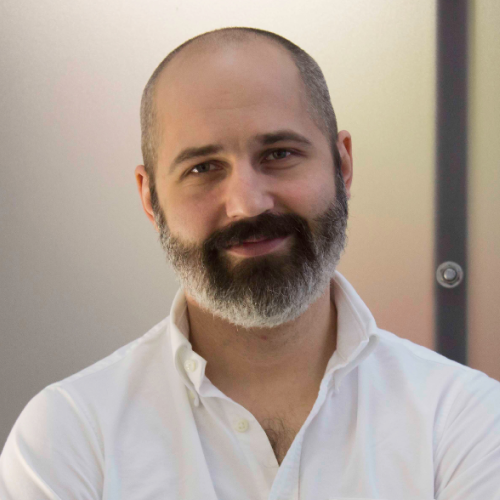
Brian Potter
Senior Fellow, Institute for Progress

Elle Griffin
Author of The Elysian
Roots of Progress Institute Team


What you need to invest
10–15 hours of your time for 10 weeks. No program fees
Be ready to spend 10-15 hours per week on this program for 10 weeks (plus one additional week of onboarding)—to read, to write, to participate in discussions with experts, to provide editing and feedback to your peers, to participate in group meetings.
There is no cost to you: this program is supported by the Roots of Progress donors and program sponsors who are passionate about creating a new philosophy of progress for the 21st century. You will also attend a weekend-long in-person retreat with your cohort August 20th - August 23rd. Food, travel and lodging for the retreat will be provided by the Roots of Progress Institute.
Meet the 2025
Roots of Progress fellows
74 fellows have completed our blog-building intensive fellowship program. You can read their bios and some of their essays here. Last year our fellows:
- Came from a wide range of backgrounds: They were founders, researchers, academics, policy-makers, capital allocators, and journalists from across the U.S., Canada, Germany, Switzerland, Ireland, the U.K., and Hong Kong. They write about nuclear fusion, reproductive longevity, space manufacturing, housing reform, urban mobility, industrial policy, AI safety and opportunity, biotechnology, European innovation, eco-modernism and so much more.
- Significantly increased their output and reach. Most who didn’t yet have Substacks started them, and on average, they doubled their writing productivity during the program.
- Achieved career advancements and increased their ambition and energy. Some switched to writing as a core part of their careers, some got appointed to policy positions or joined further programs, some founded their own organizations. 80% of them strongly agreed that the program significantly accelerated their career as a writer for progress.
Frequently Asked Questions
FAQ
Who is the program for?
The ideal candidate is someone who has made, or is exploring making, a career out of writing on progress studies topics, such as those outlined here. The program is great both for those just starting a blog, and for established writers who want to get more involved in the progress community. In either case, a great candidate will have have ambitious growth targets for their blog, with a goal of writing on progress topics regularly (at least on a monthly basis, but twice a month or even weekly is great, too).
You’ll benefit most from this program if:
- You have demonstrated skill in clear, compelling writing, and are excited about writing (despite all its challenges!)
- You are eager to grow your skills as a writer. You’re looking to become more productive, clearer, more engaging, better at reaching new audiences. You want to hear constructive feedback, and lots of it!
- You are familiar with and aligned with the ideas of human progress, agency, and a solutionist approach
- You are insanely curious and love to go deep in topics you’re excited about
- You can dedicate 10-15 hours for 11 weeks to this program. This program is great for a wide range of people – students, recent graduates, for people exploring a career change, writers of all kinds, people returning to professional work after a break, or people who retired from a full-time career and are looking to make a difference by bringing their expertise to bear on progress studies.
- You either have already decided to make writing about progress topics a part of your career, or you are actively exploring it and eager to figure out how to make a unique contribution
- New for 2026: Cause Area Tracks in security & resilience, and human talent & potential. This year, we’re giving preference for a handful of spots to writers on security & resilience and human talent and potential. If you are excited about these areas, you can apply for the relevant track and focus your writing on these topics. These tracks are optional; we welcome writing on different cause areas or progress studies more broadly.
Show details
FAQ
Is this an online or in-person program?
Both! The 11-week online writing intensive is online, with live talks, deep dives, expert conversations, networking within the peer group, and more.
We also have a long-weekend in-person retreat about halfway through the program. Thursday, August 20th through Sunday, August 23rd we will gather at a retreat center in Pennsylvania to spend time together in-person. There will be activities, games, fire side chats, a handful of workshops and plenty of time to get to know your cohort of fellows.
As a fellow you are also guaranteed a ticket to our annual Progress Conference in Berkeley. Many of our fellows from previous cohorts will attend. It's always a meaningful event, and a second opportunity to spend time with the Roots of Progress community in-person.
Show details
FAQ
What is the time commitment? Can I do this part-time?
The program is structured so it can fit into your life even with other commitments, like family or a full-time job, and independent of the time zone you’re in. You’ll need a minimum of ~10 hours per week, with ideally more time especially toward the end of the program when you’ll be completing your longer, more deeply researched essay.
- Live sessions: 3-5 hours per week. Each week, there will be 4 Zoom sessions of about an hour each Most of these sessions will be in the morning Pacific Time, mid-day East Coast time, evening European Time.
- Research and writing: 4-6 hours per week. The program is structured around two-week research-draft-edit-publish cycles. Most fellows will need ~8-10 hours to get an essay ready to publish over the two-week period.
- Editing peer writing: 1-2 hours per week. Our fellows say that receiving and giving feedback to their peers is one of the best ways to grow in this program. We expect each fellow to edit 2-3 peer essays each week, so each of you receives feedback from 3-5 people on each of your essays.
- Background reading & other assignments: 1-5 hours per week. Often, our staff, advisors, or writing teachers will suggest additional resources, from essays to books to additional recorded lessons. The more time you have, the more you can dig into this additional content!
Show details
FAQ
How much knowledge of progress studies do I need to have?
Enough to be clear that you are aligned with the basic ideas, and that you are excited about exploring a writing career in the field. Some fellows may have read multiple books, participated in the Progress Forum online and followed The Roots of Progress and other blogs and podcasts for years. Others may have only recently discovered the field: that’s ok.
If you don’t know that much yet about progress studies, we’ve compiled a “getting started guide” here. We recommend that you invest a couple of hours a week for 4-6 weeks leading up to the start of the program becoming familiar with the core ideas.
Show details
FAQ
What is involved in applying to and joining the themed tracks on security & resilience or human talent and potential?
In your application, you’ll have a chance to indicate whether you’re applying for the general cohort or specifically for the security & resilience or human talent & potential tracks. For each of these tracks, we’re looking for people who both have a passion for the topic and who contribute a unique perspective.
If you join a track, you’ll be attending all the advisor sessions for that track, and you’re committing to focus your writing in the program on how security & resilience or human talent & potential are related to and enable progress. Here are some example topics you might explore or write about in the themed tracks:
Security & Resilience
Example topics:
- Pandemic preparedness and biodefense. Future pandemics could emerge from natural causes, lab accidents, or deliberate engineering. What does a resilience-first defense look like — one that works regardless of origin? What role do early detection systems, broad-spectrum medicines, and DNA screening play? How do we build defenses that are robust to whatever the next pandemic looks like?
- AI safety and misalignment. As AI systems become more powerful, the risk of misalignment with human values grows. The risk of misuse by human actors, also grows. What does it look like when AI systems become autonomous powers? What are the most promising approaches to alignment? How do we balance the acceleration of AI capabilities with the need to keep those systems under meaningful human control?
- Epistemic resilience. AI is accelerating the spread of misinformation and eroding our collective ability to reason well. How do we maintain a shared epistemic foundation in a post-AI information environment? What role do institutions, governance structures, and new organizations play in preserving our ability to know what's true?
- Cryptography and anti-surveillance. Technology can be a tool for freedom or a tool for control. How do cryptographic tools protect individuals against mass surveillance and authoritarian overreach? What does a "Panopticon" scenario look like, and what is the technological and policy toolkit for preventing it? How do ideas from the d/acc (defensive acceleration) movement apply here?
- Geopolitical security and supply chains. Geopolitical conflict — especially with China — creates risks around supply chain disruptions and dependence on critical minerals. What does "friend-shoring" look like in practice? How do policies like the CHIPS Act and IRA function as national security measures? What are the most critical vulnerabilities in our current supply chains?
- Political resilience. Democratic institutions face erosion from instability, polarization, and authoritarian pressure. How resilient are our political systems? What are the biggest threats to democratic governance, and what does strengthening political institutions look like?
Given the broad list of topics, we’d love to see fellows with a range of backgrounds—from people with deep expertise in bio-threats, to those who research new ways to evolve our epistemic capacities, from policy makers to economists to defense industry experts.
Human Talent & Potential
Example topics:
- Fertility and demographics. Birth rates are declining worldwide, with enormous implications for the stock of human potential. Is this primarily a cultural problem or a structural one (housing, childcare, workplace policy)? What role can reproductive technology play in extending fertility windows? What do pronatalist policies look like, and do they work?
- AI and the labor market. When intelligence is commoditized, what will humans do with themselves? Could AI actually rebuild middle-class jobs by extending the reach of human expertise? What new roles emerge, how do workers re-skill, and how do we prepare people for an AI-transformed economy? What does an optimistic but realistic vision of the future of work look like?
- Aging workforce and longevity. People are living longer, healthier lives, yet much of that potential goes untapped. Does working longer unlock talent? What does meaningful work in later life look like? How should retirement policy evolve to reflect the reality that many people want — and benefit from — continued engagement?
- Immigration as a talent strategy. Immigration policy is fundamentally a talent question: how do we get the right people to the right places where they can contribute? Under what conditions can democracies build public support for freer immigration? What does the evidence say about how immigration shapes economic institutions in destination countries?
- Education reform and innovation. Current education systems may not be up to the task of developing human capability. What do alternative models — startups, Montessori-inspired approaches, technology-enabled learning — look like? What does the evidence say about how children actually learn best, and why has education proven so resistant to meaningful reform?
With the focus on human talent & potential an ideal fellow may be someone who has worked in one of these fields. You might also be a great candidate if you’ve spent some time researching these fields, whether at a think tank, as a personal passion project, or in academia.
Show details
FAQ
How much does it cost?
The program is FREE. Our goal is to enable the best writers to build their blogs to help create and spread the foundational ideas of progress. We’re able to do this through the generous support of our donors and sponsors. This means we pay for all the staff, cover your lodging and food at the in-person long-weekend event. We also provide a free ticket for you to attend the Progress Conference. We are not able to cover travel or accommodations for the conference.
Show details
