In the landscape of digital platforms and online services, clarity in outcome review has become a critical component for building user confidence and ensuring transparency. Users today expect more than just results; they demand an understanding of how those results are determined, what factors influence them, and how they can interpret the outcomes in a meaningful way. When platforms provide clear outcome reviews, they reduce ambiguity, minimize misunderstandings, and foster trust, which is essential for long-term engagement and satisfaction.
At its core, outcome review clarity involves presenting results in a manner that is both accessible and informative. This means using language that is straightforward, avoiding jargon, and structuring information in a logical sequence that guides users through the process of evaluation. For instance, when a platform reports the success of a transaction, completion of a task, or performance metrics, users should immediately grasp the significance without needing to navigate complex explanations or technical documents. Clarity in this context is not merely about simplification; it is about ensuring that users can fully comprehend the underlying logic behind outcomes.
A transparent outcome review process often starts with clear labeling and categorization. Users benefit from knowing not only what the outcome is, but also how it is classified. For example, in a scenario where multiple outcomes are possible, categorizing results into success, partial success, or failure, accompanied by brief explanatory notes, can make it far easier for users to digest information. By structuring outcome data in a consistent format, platforms provide a reliable framework that users can learn to interpret quickly, fostering confidence in both the system and their own decision-making.
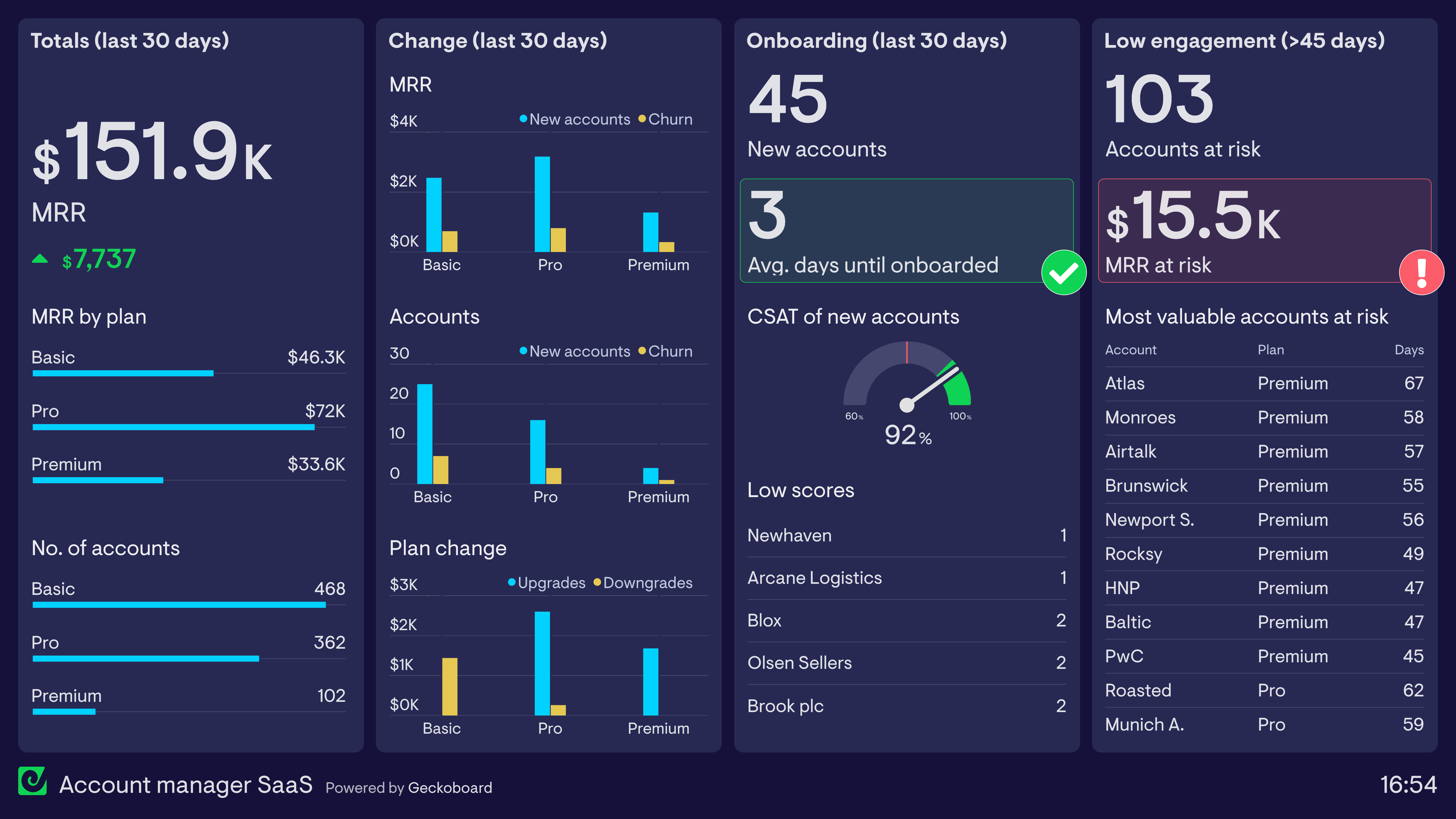
Visual presentation also plays a role in outcome review clarity. While textual explanations are important, visual elements such as charts, progress bars, or highlighted summaries can significantly enhance understanding. A user reviewing a completed process benefits from seeing immediate indicators of performance, comparison with benchmarks, or trend lines that show progression over time. These visual cues complement the textual data, making the outcome review more intuitive and reducing cognitive load. However, it is essential that visual representations remain accurate and avoid misleading exaggeration, as this could erode trust rather than build it.
Providing context is another key aspect. Users interpret outcomes not just as isolated events but in relation to previous experiences, expectations, and goals. Effective outcome reviews include relevant context that explains how the result compares to standards, norms, or previous performance. For instance, reporting that a certain action has a 75% success rate is more informative when users also know the average success rate for similar actions, or when they understand factors that contributed to achieving this particular outcome. Context transforms raw data into meaningful information, allowing users to make informed decisions about future actions.
Another critical element is the explanation of contributing factors. Users often seek to understand why a specific outcome occurred. Was it influenced by user behavior, system limitations, environmental factors, or other variables? By breaking down the elements that led to a result, platforms empower users to learn from the experience. This transparency not only enhances understanding but also promotes a sense of fairness. Users are more likely to trust a system when they feel that outcomes are determined logically and that all influencing factors are visible and understandable.
Error handling and exception reporting are also vital for maintaining outcome review clarity. No system is perfect, and discrepancies, failures, or anomalies will occur. A clear review process addresses these situations openly, explaining what went wrong and what steps are being taken to correct or mitigate the issue. By acknowledging errors and providing corrective context, platforms reinforce trust, demonstrating that outcomes are managed responsibly and that users’ concerns are taken seriously.
Feedback mechanisms further strengthen clarity. Allowing users to ask questions, seek clarification, or report perceived inconsistencies creates a two-way dialogue that improves understanding. When users feel heard and can engage with the platform about outcome reviews, they are more likely to interpret results accurately and remain confident in the platform’s reliability. This dynamic approach ensures that outcome review clarity is not just a static feature but an ongoing process that evolves with user needs.
Consistency in communication is equally important. Platforms that standardize their outcome reporting, maintain uniform terminology, and apply consistent measurement criteria reduce confusion and help users build a mental model of how results are generated. When users encounter familiar formats and explanations across different scenarios, they can quickly internalize patterns and predict outcomes, enhancing both comprehension and satisfaction. Inconsistent or unpredictable reporting, on the other hand, undermines confidence and may lead users to question the platform’s credibility.
Accessibility should never be overlooked. Outcome reviews should be designed to accommodate diverse user abilities, including those with visual, cognitive, or language-related challenges. Providing options such as screen reader compatibility, simplified language modes, and multilingual support ensures that all users can access and understand outcomes effectively. An inclusive approach to clarity demonstrates that the platform values every user’s ability to engage meaningfully with the results.
Finally, outcome review clarity contributes to broader user empowerment. When individuals understand results thoroughly, they can make better-informed decisions, adjust strategies, and set realistic expectations for future interactions. This empowerment enhances user satisfaction, encourages continued engagement, and promotes a culture of transparency and accountability. In contrast, opaque or confusing outcome reviews can lead to frustration, distrust, and disengagement, undermining the platform’s overall effectiveness and reputation.
In conclusion, clarity in outcome review is a multidimensional principle that encompasses clear language, structured presentation, contextual explanation, transparency of contributing factors, effective error handling, consistent communication, accessibility, and user feedback integration. By prioritizing these elements, platforms can ensure that users not only receive results but understand them fully, interpret them correctly, and use them to guide informed decisions. Ultimately, outcome review clarity strengthens user trust, fosters engagement, and enhances the overall perception of reliability and fairness, which are essential for sustainable platform success.