
A foundation for a strong democracy
- CivicsWhat If All U.S. Students Had to Pass the Citizenship Test to Graduate?
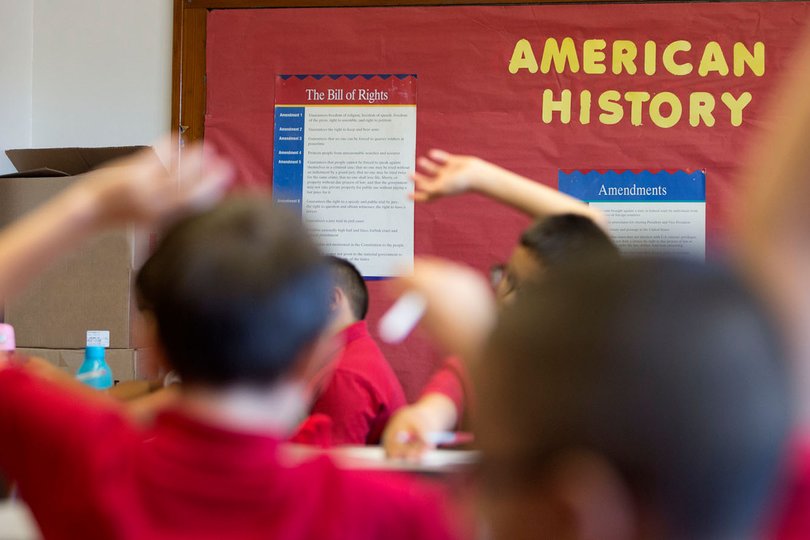
A national survey finds most Americans would fail. The Gilder Lehrman Institute aims to change that
Polarization
- CivicsCould a $100,000 Prize Help Young People Learn Civics?
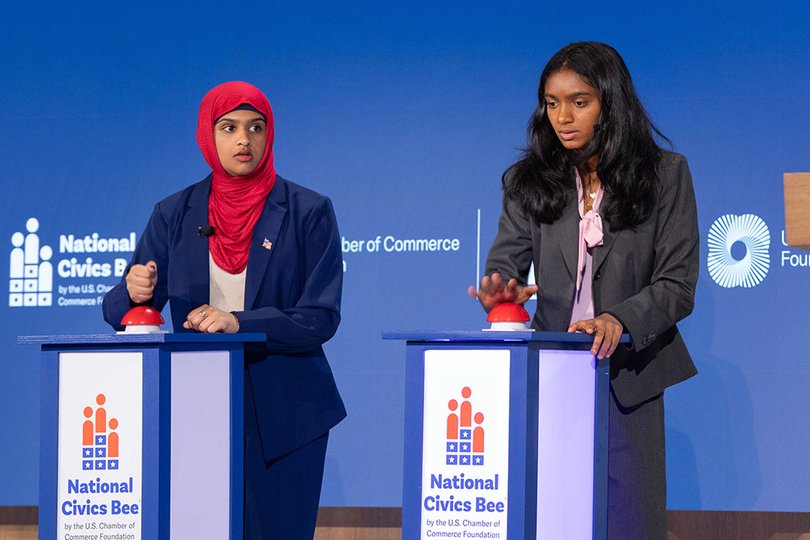
In a country where fewer than a quarter of eighth graders are proficient in civics, the National Civics Bee rewards young people for learning how government works and how they can participate
Polarization - National ServiceWhat If 1 Million Young Americans Completed Service Years Annually?

Most young Americans support expanding AmeriCorps, but funding uncertainty is forcing organizations to find new models for national and state service
Polarization
- NEWS$8.2 Million in Grants to Reduce Nuclear Dangers Awarded by Carnegie Corporation of New York
Twenty organizations receive grants to explore the modern risks of nuclear weapons, develop policy recommendations, and promote next-generation expertise
Nuclear Threats - NEWSPresident Louise Richardson Bestowed Title of Chevalière
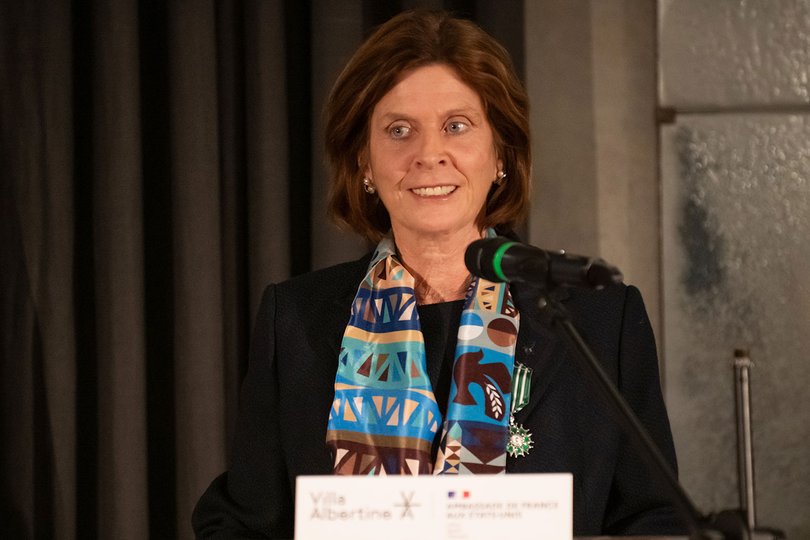
Dame Louise Richardson, president of Carnegie Corporation of New York, receives the insignia of Chevalière dans l’Ordre des Arts et des Lettres from the French Ministry of Culture
- NEWSHundreds of Carnegie Libraries to Receive $10,000 Gifts in Celebration of United States’ 250th Anniversary
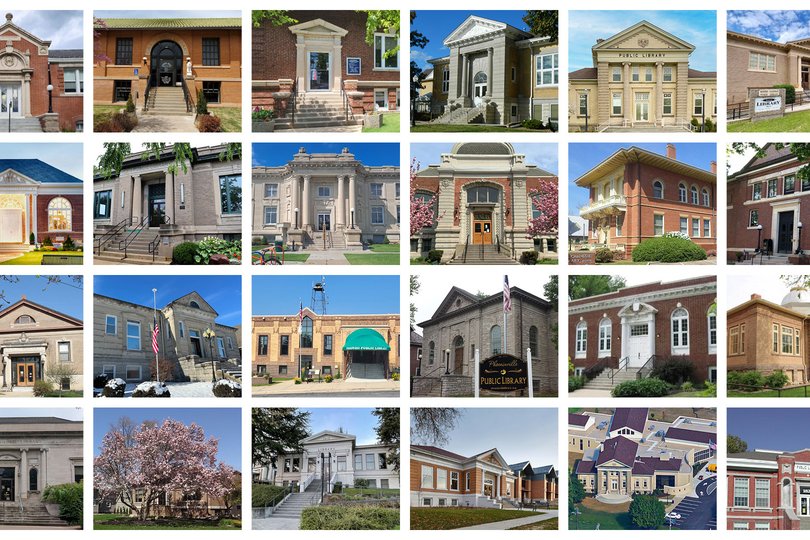
The foundation established in 1911 by Andrew Carnegie, Carnegie Corporation of New York, honors the country’s democratic ideals with $20 million in new funding to support America’s civic institutions
Carnegie LibrariesAndrew CarnegieLibraries - NEWSCarnegie Corporation of New York Board Approves 50 Grants Totaling $44,275,000
At its quarterly meeting held in New York City on March 5, 2026, Carnegie Corporation of New York’s board of trustees approved 50 grants totaling $44,275,000. Brief descriptions of each board-approved grant are provided below.
The latest edition of Carnegie’s flagship magazine examines what is driving division in our society and how individuals and communities are finding ways to come together to reduce political polarization.
- From the PresidentWhy Polarization Is a Problem
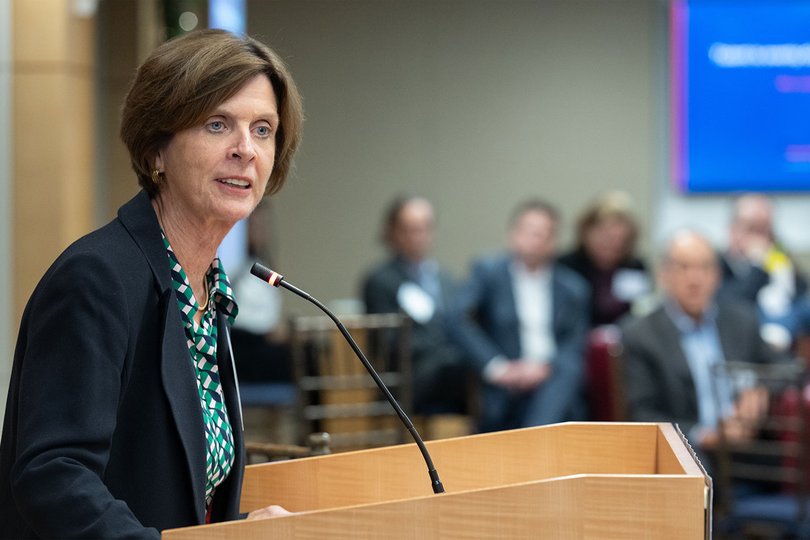
Dame Louise Richardson identifies grounds for optimism as she leads philanthropic efforts to understand and mitigate political polarization in America
Carnegie Reporter Summer 2025Polarization - Andrew Carnegie FellowsWant Greater Prosperity? Mind the Gap
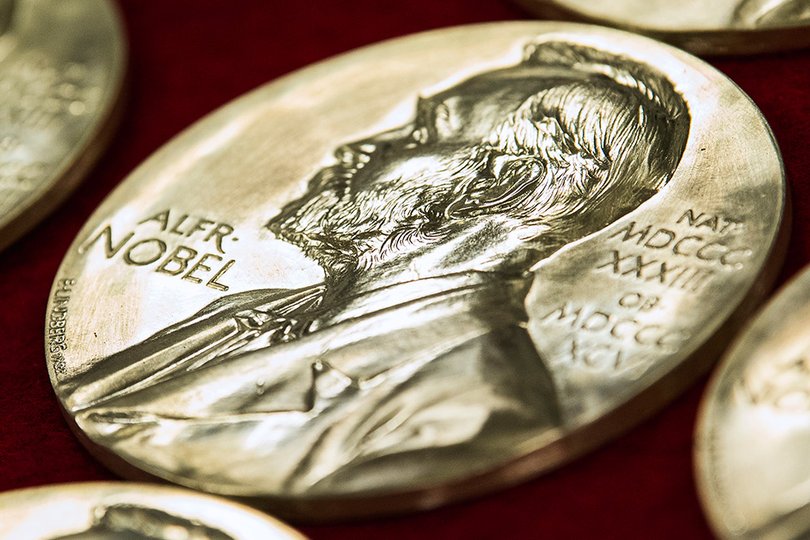
Why are the richest 20 percent of countries 30 times richer than the poorest? Three researchers have an answer, and it won them a Nobel Prize
Carnegie Reporter Summer 2025Scholarship & PolicyAndrew Carnegie Fellows - ImmigrationWelcome to the U.S.
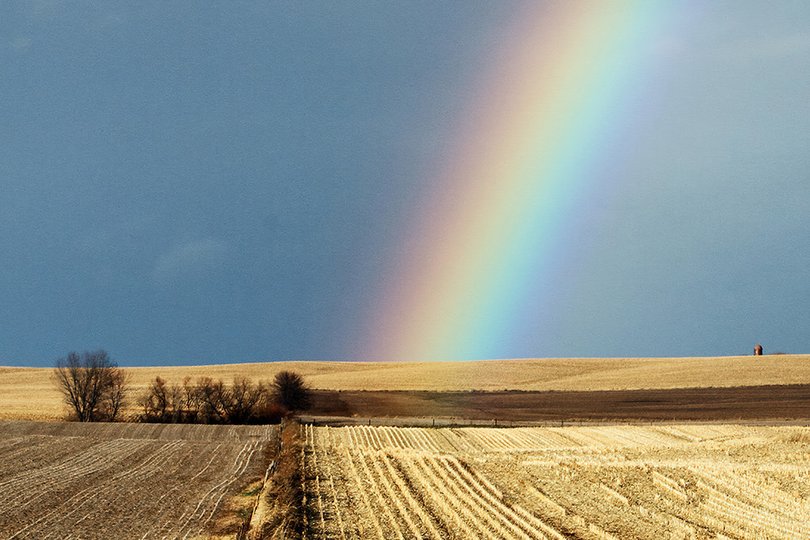
A rural Iowa town came together to provide homes and jobs to Ukrainian refugees. Will they be able to keep the community they've created?
Carnegie Reporter Summer 2025Immigration - International Peace & SecurityWelcome to a World Defined by Polarization, Instability, and Disruption

Eurasia Group’s Ian Bremmer analyzes a new era when no country is both willing and able to drive a global agenda and maintain international order
Carnegie Reporter Summer 2025PolarizationEmerging Global Order
