
Our Focus Areas of Work
1. Assessment and Planning
Discovery and Inventory
Use Azure Migrate or similar tools to discover and catalog all resources, including servers, applications, and databases. This helps in understanding the current environment and planning the migration strategy.
Readiness Assessment
Evaluate the readiness of your infrastructure, applications, and data for migration using tools like Azure Migrate and Azure Advisor. This includes assessing compatibility, identifying dependencies, and estimating effort.
Cost Estimation
Utilise Azure Pricing Calculator and Total Cost of Ownership (TCO) calculator to estimate the costs associated with migration and ongoing cloud operations. This helps in budgeting and financial planning.
2. Migration Execution
Infrastructure Migration
Migrate virtual machines, servers, and storage to Azure using tools like Azure Site Recovery and Azure Migrate. This ensures minimal downtime and data integrity during the migration process.
Application Migration
Choose the right migration strategy for your applications—rehost (lift and shift), refactor, rearchitect, or rebuild. Use Azure App Service, Azure Kubernetes Service (AKS), and other Azure services to host and manage applications.
Database Migration
Transfer databases with minimal downtime using Azure Database Migration Service. This includes migrating SQL Server, Oracle, MySQL, and other databases to Azure SQL Database, Azure Database for MySQL, or Azure Database for PostgreSQL.
3. Optimisation and Modernisation
Performance Tuning
Optimise workloads for better performance and cost-efficiency using Azure Cost Management and Azure Performance Diagnostics. This includes resizing resources, optimising storage, and fine-tuning application performance.
Security and Compliance
Implement Azure's security features such as Azure Security Center, Azure Policy, and Azure Key Vault to protect data and ensure compliance with industry standards and regulations.
Automation
Use Azure Automation, Azure Logic Apps, and Azure Functions to automate routine tasks, reduce manual intervention, and improve operational efficiency.
4. Management and Monitoring
Resource Management
Utilise Azure Resource Manager (ARM) or Bicep for efficient resource allocation and management. ARM templates/Bicep help in deploying and managing resources consistently.
Monitoring and Analytics
Leverage Azure Monitor, Azure Log Analytics, and Azure Application Insights for real-time insights, proactive issue resolution, and comprehensive monitoring of your cloud environment.
Backup and Disaster Recovery
Implement Azure Backup and Azure Site Recovery to ensure business continuity. These services provide reliable backup solutions and disaster recovery plans to protect against data loss and downtime.
5. Innovation and Growth
AI and Machine Learning
Integrate AI and machine learning capabilities using Azure Cognitive Services, Azure Machine Learning, and other AI tools to drive innovation and enhance business processes.
DevOps Integration
Adopt DevOps practices with Azure DevOps and GitHub to enhance collaboration, automate workflows, and accelerate delivery. This includes continuous integration and continuous deployment (CI/CD) pipelines.
Continuous Improvement
Regularly review and refine cloud strategies to align with evolving business goals. Use Azure Advisor and Azure Well-Architected Framework to get recommendations for improving reliability, security, cost management, and operational excellence.
Key enablers of our services
- As a Microsoft Solution Partner with designations in Digital & App Innovation, Data & AI and Infrastructure (Azure), also holding an advanced specialisation in Azure DevOps with GitHub enables us to leverage advanced Azure capabilities to drive digital transformation.
- Access to our experienced cloud migration specialists who will provide tailored strategies and best practices
- Detailed evaluation of your existing infrastructure, applications and workloads to determine the best migration approach
- An AI powered Azure-native tools and automation scripts to streamline the migration process and reduce downtime
- Discovering opportunities by evaluating existing architecture, conducting migration gap analyses, defining the future roadmap, and more.
Featured Work

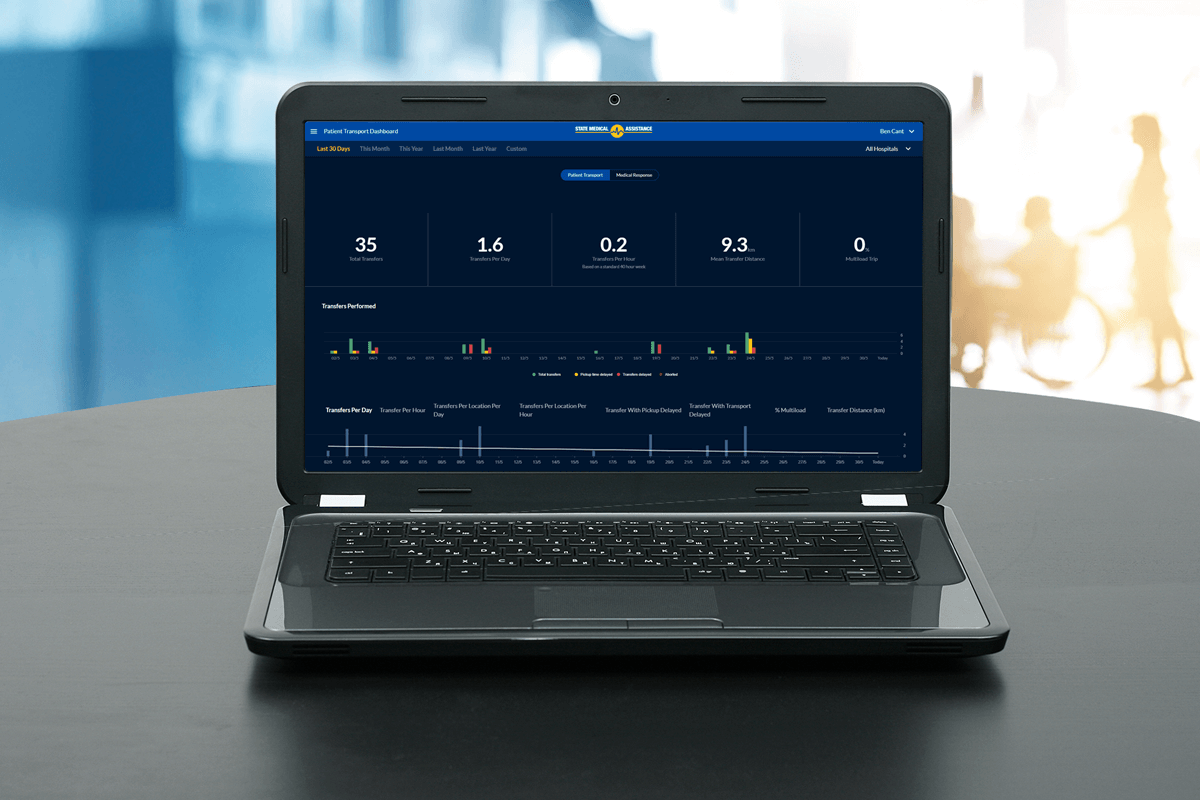
SMA – Business Management System in Microsoft Azure
How We Helped SMA Create a Comprehensive Business Management System State Medical Assistance (SMA) is a healthcare organisation based in Australia that specialises in providing ambulance services to various hospitals across the country. Their primary

ARTD – Migration to a Modern Cloud Platform in Azure
The Scope The primary goals of this transition were to enhance ARTD’s existing system’s performance, scalability, usability, and long-term sustainability. Prior to the migration, users encountered challenges with limited functionality and slow loading times. By
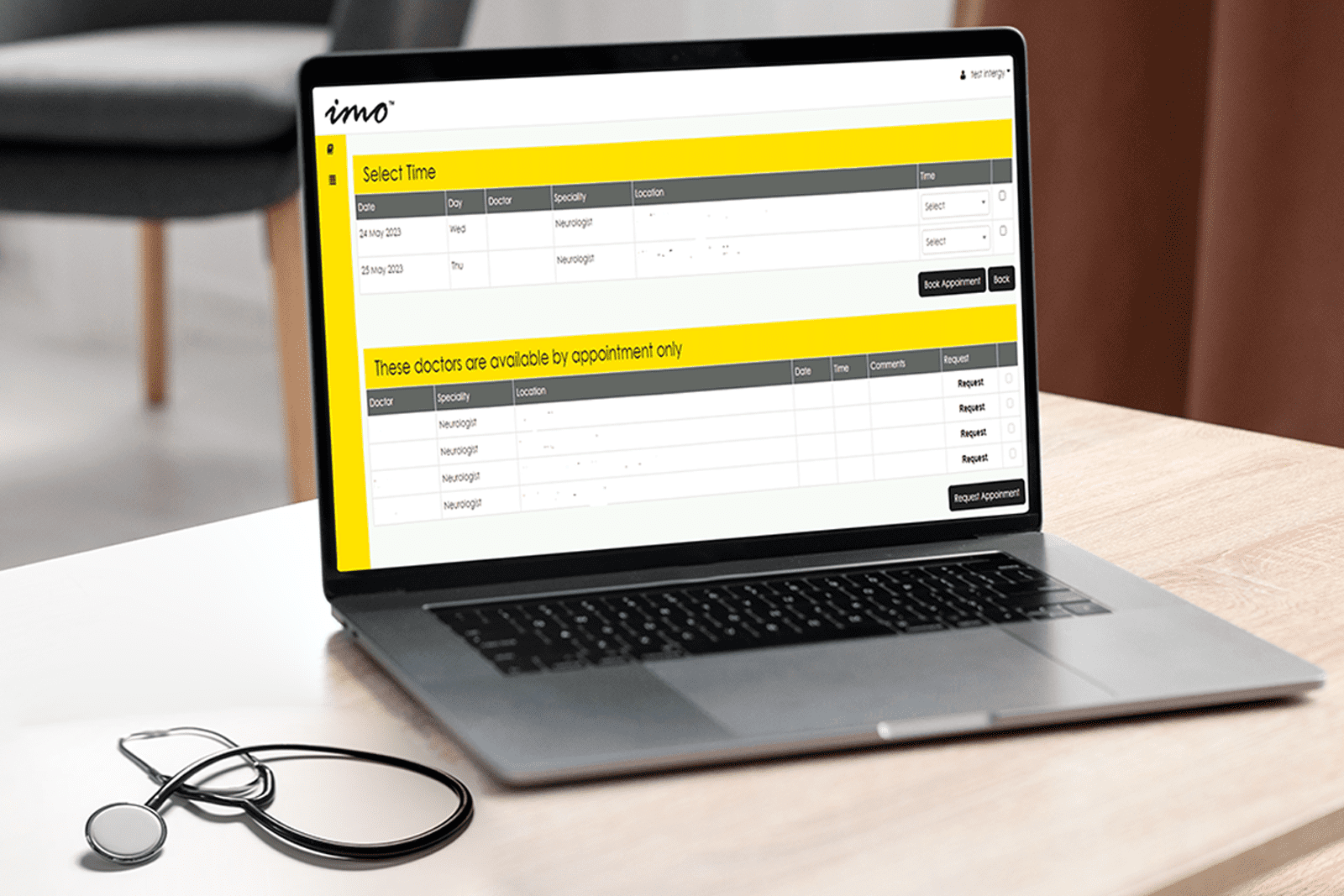
IMO – Custom Appointment Booking Application
Creating an Appointment Booking Application for IMO Independent Medical Opinion (IMO), owned by parent company Nordwake, incorporates a group of companies that offer personal injury assessment and management services. These include Medicolegal Reporting Services of
Our Latest Articles

How Businesses are Reducing Their Carbon Footprint with Cloud-Based Software
Industry Experts Predict Cloud Solutions to be a Key Lever in Sustainability Strategies In today’s environmentally conscious world, businesses are increasingly seeking sustainable solutions to minimise their impact on the environment. Ambitious goals from global

Intergy Consulting Achieves “DevOps with GitHub on Microsoft Azure Specialization”
At Intergy, we are thrilled to announce a significant milestone in our journey towards delivering exceptional software solutions: we have officially achieved the “DevOps with GitHub on Microsoft Azure Specialization.” This prestigious accreditation recognises our

Why Choose Managed Cloud Services
Why Choose Managed Cloud Services? It’s 2023, and it’s time to embrace the cloud. According to Zippia, 94% of enterprises now use cloud services. 92% of businesses have a multi-cloud strategy, and 67% of enterprise