
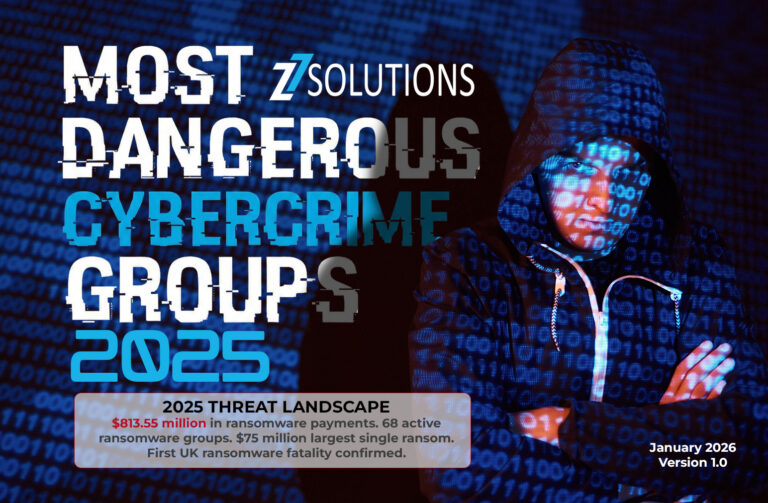




Ransomware operations no longer function as isolated criminal gangs. They operate as mature, adaptive ecosystems sharing infrastructure, personnel, and tactics across campaigns and regions.
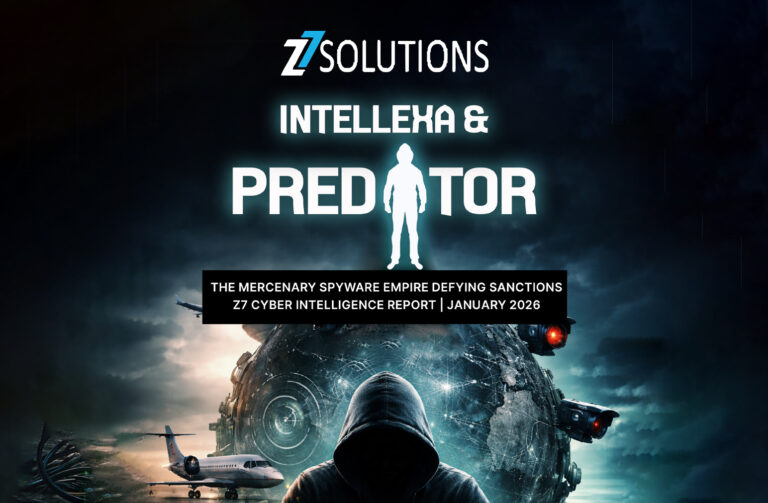
Intellexa represents one of the most controversial and opaque actors in the global surveillance ecosystem, operating at the intersection of commercial spyware, state-level intelligence collection, and human rights risk.
The SitusAMC incident exposed a critical reality facing financial institutions: security failures within trusted third-party vendors can produce systemic risk without a single bank system being directly breached.
The mercenary spyware industry faces unprecedented legal pressure alongside continued proliferation. NSO Group’s landmark $168M loss established critical precedent. Nation-state APTs achieved historic breaches including North Korea’s $1.5 billion Bybit heist and China’s Salt Typhoon infiltration of US telecommunications.
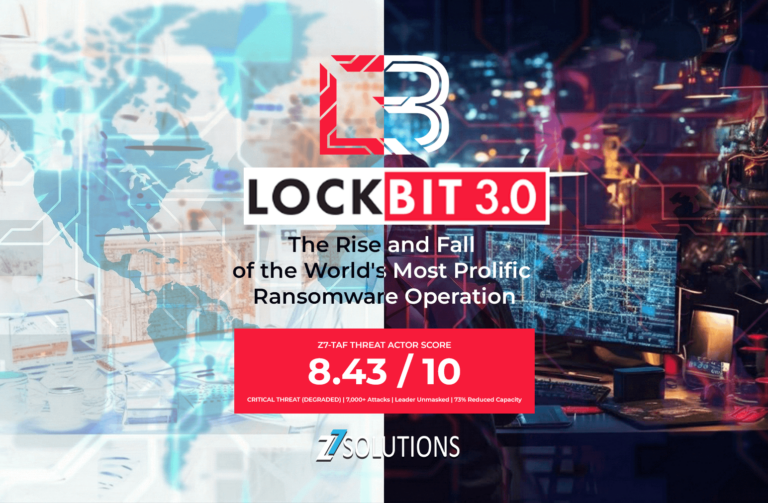
Once the most prolific ransomware operation in the world, LockBit reshaped the ransomware economy before becoming the target of one of the most coordinated international law enforcement takedowns to date.
Qilin represents a dangerous escalation in ransomware operations — crossing from financial disruption into confirmed real-world harm. Its activity has redefined the human impact of cybercrime and raised urgent questions for healthcare, pharmaceutical, government, and financial institutions.
Scattered Spider demonstrates how sophisticated social engineering can outperform advanced malware. By exploiting human trust rather than technical vulnerabilities, this group has caused prolonged outages and substantial financial losses across retail, hospitality, and cloud service ecosystems.
