-
-
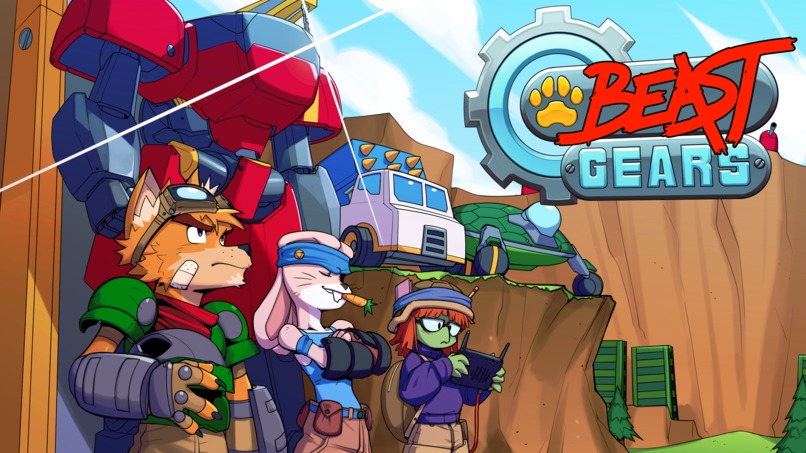
BeastGears: Title Screen
-
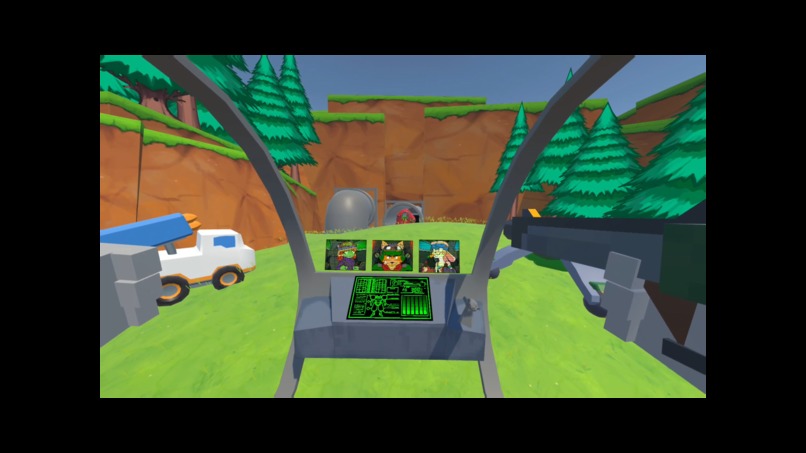
BeastGears: Mid-Mission
-
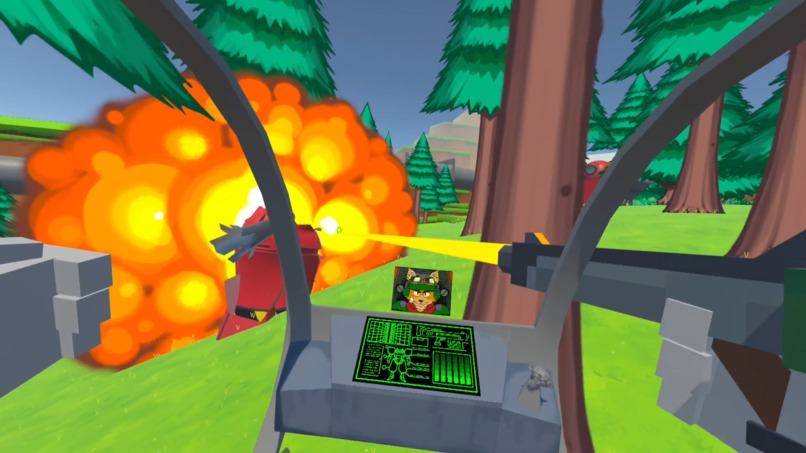
BeastGears: Combat
-
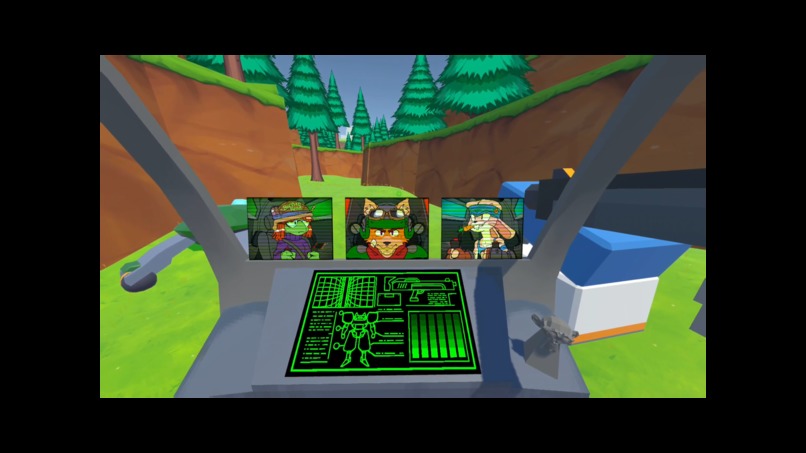
BeastGears: Teammates
-
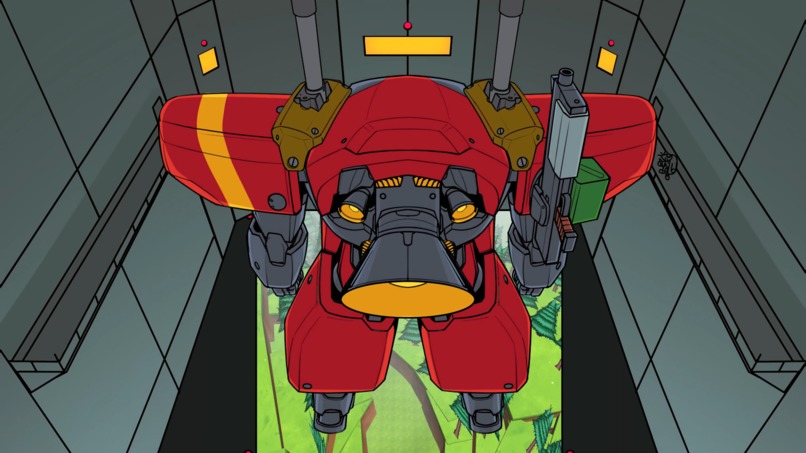
BeastGears: Cinematic


Inspiration
I started as a solo prototyper learning Unity with only a generic mech concept and a new control philosophy in mind. When the Meta Start competition began, I rallied my troop of friends and decided it was time to make the game. Half of us like robots and the other half like animals, so I pivoted my robot-only idea and combined both concepts. Overnight, we created a charming world that reflected our collective ideals, transforming the project from a standard mech idea into a colorful, character-driven universe of animal mech pilots. Most VR mech games use the same “chicken-leg robot with two guns” model. Gameplay becomes walking in circles and holding fire, with unrestricted movement, identical buttons, and no real strategy or mastery. The fantasy of being inside a mech (flipping switches, managing systems, dealing with damage) is often lacking. I want to revolutionize this with a state-based control philosophy where each mode changes what the mech can do and how you strategize. Walking mode prioritizes speed; aiming mode grants precision but slows mobility. Actions like reloading or switching weapons depend on the correct state, restoring the classic mech fantasy of operating systems—not just visuals—and giving VR’s satisfying sense of full control.
What it does
“BeastGears” uses a stylized, art-first visual direction inspired by retro titles (“Starfox,” “Gun Griffon,” “Mech Warriors,” “Power Dolls,” “Doom”) and early 3D gaming techniques, as an intentional strategy for VR clarity and performance. This complements the playful world of animal pilots, immersing the player in the charm of the fantasy world. Players assume the role of Red Wolf, a young pilot navigating a competitive, lighthearted campaign where rival animal factions challenge each other through escalating missions. Characters like Shelly and Barrett appear in cockpit comm screens to guide navigation, objectives, and mission stakes, culminating in a unique character-driven bossfight.
How we built it
“BeastGears” was built from scratch during the competition period. It includes a custom input system based on modified Meta XR SDK components and a custom event system that triggers mission transitions, comm messages, and boss logic. The five-stage destruction system uses optimized model swapping for high framerates and stylized interaction.
Challenges we ran into
The short timeline forced me to simplify many advanced ideas. My goal remains a mech game where you don’t just “walk and shoot,” but truly pilot a mech with strategy, constraints, and immersion.
Accomplishments that we're proud of
Working with friends and taking the first big step toward making immersive content and my dream mech game. We combined our skills, proved we could create something great together, and crafted a world we feel passionately about and are excited to share.
What we learned
We learned how to collaborate as a real team, build a pipeline that works for us, and develop a VR Unity game for Meta Quest. Most importantly, we learned how capable we are and how attainable the next step is.
What's next for BeastGears
Episode 1.1 lays the foundation for future chapters, expanded campaigns, more enemy types, added cockpit interactivity, and eventual multiplayer.
Built With
- adobe-illustrator
- audacity
- blender
- blockbench
- blood
- claudcode
- ios
- krita
- premierepro
- sweat
- tears
- toonboom
- unity


Log in or sign up for Devpost to join the conversation.