Want to join in? Respond to our weekly writing prompts, open to everyone.
from Prov
Spiritual 2026
I made the conscious decision to completely dive into the spiritual. I aim to make it the epicenter where everything flows from.
There are books I am interested in reading such as Laura Lynn Jacksons “The Light Between Us”, “Signs”, and “Guided.”
I have an interest in Astral Projection. My scientific mind is curious and wants to see for myself what is true and what is now.
I am aiming to connect more with my spiritual guides on the other side. Being intentional and really tackling the lesson I came to learn in this lifetime. As far as manifesting, I am working towards going back to school for my doctorate. Funding and other monies will be required. I will be locking in and aligning with all things to make this process work in my favor.
I've been back in the gym lately and working towards rebuilding my physical strength an health as well as get this body back to something.
I still honor my truth. I simply just want to do my mission and pack it up. I love my family and friends but the wheelchair quadriplegia life is and was ever me. I have been blessed with so many things in this life and I have gratitude. But my life..my real purpose.. was stolen from me. I own those emotions and realities. But that will not stop me from trying to make something out of this.
I will ever get or see justice. That won't stop this show.
Overall, I am just GOING. I don't know where or what. I just am...and that is ok.
from Prov
The High Road
I recall a moment at work when I received an email that contained valid but critical feedback delivered in a tone that could easily be misread over text. I felt my own triggers immediately try to take the front seat.
I know myself well. What I do not care for is being critiqued by people who also make mistakes especially when I have seen that they do. I put real effort into what I do and that matters to me.
Still I chose to take the higher more spiritual road. I paused and asked myself a few questions.
Is this coming from a malicious place Or is it shaped by their own past experiences or internal triggers
Is the feedback itself valid
What good would come from responding by pointing out their mistakes
I decided to take it as an opportunity to practice patience understanding and love. I thanked them for the feedback and moved forward.
I reached the conclusion that their feelings carry no weight when it comes to my true abilities. They were simply expressing a concern from their own perspective. In general they are not a bad person and we have a decent working relationship. Even if there were underlying negative feelings that is ultimately their work to do and likely rooted in challenges they faced long before this moment.
I am intentionally stepping into a space where I stop identifying with and reacting to negativity. Instead I acknowledge it as part of a greater whole accept it and consciously shift the energy into something productive. My goal is to respond to others the way God responds to me with steadiness compassion and grace whether the moment is charged with anger joy or sadness.
Syntax Highlighting for Code Blocks
from  dimiro1's notes
This is part 4 of a series on building a terminal agent from scratch.
Previous parts: – Part 1: Building an Agent from Scratch – Part 2: The Conversation Loop – Part 3: Rendering Markdown in the Terminal
The complete source code is available on GitHub: https://github.com/dimiro1/agent-from-scratch/tree/main/04
In this part, we'll add syntax highlighting for code blocks. When LLMs return code snippets, they use markdown code blocks with a language hint like clojure or python. We'll parse these blocks and apply colors to keywords, strings, comments, and numbers.
Let's get started.
The Approach
Our syntax highlighting strategy is simple:
- Extract code blocks from the markdown (the part between triple backticks)
- Identify the language from the code fence (e.g., ```clojure)
- Apply regex-based highlighting for that language
- Return the colorized code
We're using regex for highlighting because it's straightforward and keeps our implementation simple. Production syntax highlighters use proper parsers, but regex works well enough for our purposes.
Creating the Code Namespace
Create src/termagent/code.clj:
(ns termagent.code
  (:require [clojure.string :as str]
            [termagent.ansi :as ansi]))
We'll build individual highlighters for each language, then combine them with a dispatcher function.
Highlighting Clojure
Let's start with Clojure since that's what we're writing:
(defn highlight-clojure [code]
  (-> code
      ;; Strings (must come before keywords to avoid conflicts)
      (str/replace #"\".*?\"" ; (1)
                   (fn [match]
                     (ansi/render [:green match])))
      ;; Comments
      (str/replace #"(?m);.*$" ; (2)
                   (fn [match]
                     (ansi/render [:dim match])))
      ;; Keywords (Clojure :keyword syntax)
      (str/replace #":[a-zA-Z][a-zA-Z0-9\-]*" ; (3)
                   (fn [match]
                     (ansi/render [:magenta match])))
      ;; Numbers
      (str/replace #"\b\d+\.?\d*\b" ; (4)
                   (fn [match]
                     (ansi/render [:yellow match])))
      ;; Common functions
      (str/replace #"\b(println|print|str|map|reduce|filter|conj|assoc|dissoc|get|first|rest|count|into|vec|list|seq|apply|partial|comp)\b" ; (5)
                   (fn [[match]]
                     (ansi/render [:blue match])))
      ;; Language keywords
      (str/replace #"\b(def|defn|defn-|defmacro|let|if|when|cond|fn|loop|recur|do|for|doseq|require|ns|use)\b" ; (6)
                   (fn [[match]]
                     (ansi/render [:blue match])))))
Let's break down the patterns:
- Strings are matched with
\".*?\". The?makes it non-greedy, so it stops at the first closing quote - Comments use
(?m);.*$. The(?m)enables multiline mode so$matches end of each line - Keywords match the Clojure
:keywordsyntax - Numbers match integers and decimals with
\bword boundaries - Common core functions get highlighted in blue
- Special forms like
def,defn,letalso get blue
The order matters! We process strings first because they might contain characters that look like keywords or comments.
Adding More Languages
The pattern for adding new languages is the same: match strings first, then comments, then language-specific elements like keywords and numbers. The repository includes highlighters for Python, JavaScript, Java, Elixir, Lua, and Ruby. Each follows the same structure with language-specific regex patterns.
The Dispatcher Function
Now we need a function that picks the right highlighter based on the language:
(defn highlight
  "Applies syntax highlighting to code based on the language"
  [code language]
  (case (str/lower-case (str/trim language))
    "clojure" (highlight-clojure code)
    "clj" (highlight-clojure code)
    "python" (highlight-python code)
    "py" (highlight-python code)
    "javascript" (highlight-javascript code)
    "js" (highlight-javascript code)
    "java" (highlight-java code)
    "elixir" (highlight-elixir code)
    "ex" (highlight-elixir code)
    "lua" (highlight-lua code)
    "ruby" (highlight-ruby code)
    "rb" (highlight-ruby code)
    (ansi/render [:dim code]))) ; (1)
- For unknown languages, we render the code in dim (the ANSI code that makes text appear faded). This provides a visual distinction from regular text without breaking anything
Integrating with Markdown
Now we need to update our markdown renderer to handle code blocks. Update src/termagent/markdown.clj:
(ns termagent.markdown
  (:require [clojure.string :as str]
            [termagent.ansi :as ansi]
            [termagent.code :as code])) ; (1)
- Add the new code namespace
Add the code block renderer:
(defn render-code-blocks [text]
  (str/replace text
               #"(?s)```(\w+)?\n(.*?)```" ; (1)
               (fn [[_ language code-content]] ; (2)
                 (let [lang (or language "") ; (3)
                       highlighted (code/highlight code-content lang) ; (4)
                       lines (str/split-lines highlighted)
                       indented (map #(str "  " %) lines)] ; (5)
                   (str "\n" (str/join "\n" indented) "\n")))))
- The regex matches fenced code blocks.
(?s)enables dotall mode so.matches newlines. We capture the optional language identifier and the code content - We destructure the match to get the language and code separately
- If no language is specified, we default to an empty string
- Apply syntax highlighting
- Indent each line with two spaces for visual separation
Update the render function to process code blocks first:
(defn render [text]
  (-> text
      render-code-blocks ; (1)
      render-horizontal-rules
      render-headers
      render-blockquotes
      render-tasks
      render-lists
      render-images
      render-links
      render-bold
      render-strikethrough
      render-italic
      render-inline-code))
- Process code blocks first, before any other transformations. This prevents inline code rendering from interfering with code blocks
Testing the Highlighter
Let's test the Clojure highlighter:
$ clj -M -e "(require '[termagent.code :as code]) (println (code/highlight \"(defn greet [name] (println \\\"Hello\\\" name))\" \"clojure\"))"
You should see colorized output with: – Green strings – Dim comments – Blue keywords – Yellow numbers – Magenta Clojure keywords
Testing with the Agent
Now let's see it in action with our agent:
$ clj -M:run
User: Write a hello world function in Clojure
Assistant:
Here's a simple hello world function in Clojure:

  (defn hello-world []
    (println "Hello, World!"))

  (hello-world)

This defines a function called `hello-world` that prints "Hello, World!" to the console.
The code block is now syntax highlighted with colors!
What We've Built
You now have: – A syntax highlighting system using regex patterns – Support for multiple languages (Clojure, Python, JavaScript, Java, Elixir, Lua, Ruby) – A dispatcher that selects the right highlighter based on language – Code block rendering integrated with markdown
To add more languages, create a highlight-<language> function following the same pattern and register it in the highlight dispatcher.
What's Next
Our terminal agent now renders markdown beautifully with syntax-highlighted code blocks. In the next part, we'll clean up the implementation and improve the user experience. After that, we'll add tool support so the agent can execute actions like reading files and running commands.
Hope to see you there!
Kulturell fracking
from eivindtraedal
“Kulturell fracking” er et godt nytt begrep som fløy forbi i en podcast jeg hørte på her om dagen. Fracking går ut på at grunnfjell blir gjennomhullet og sprengt opp med borevæske under høyt trykk så det sprekker opp, og man kan skvise ut mer gass og olje. I mediebransjen bores og sprenges det stadig i det kulturelle grunnfjellet etter de siste dråpene. Særlig hos de store filmstudioene.
Kinoene har i årevis vært fylt med endeløse “sequels”, “remakes” og nye vinklinger på gamle historier. Eier man først en lukrativ intellektuell merkevare, må man utnytte den til fulle. De store pengene kastes etter de fortellingene som allerede har slått an. Slik ble filmatiseringen av “Hobbiten”, en bok på ca 300 sider, nesten like lang som filmatiseringen av “Ringenes herre”, på ca 1100. For ikke å snakke om den endeløse rekken av Marvel- og DC-filmer, eller de mange og stadig kjedeligere filmene fra J.K. Rowlings univers. Hver historie må spres tynt ut, som smør spredt over for mye brød, for å sitere Bilbo Lommelun.
Nostalgi er blant de sikreste salgsvarene, dermed blir karakterer og fortellinger konstant resirkulert. På listen over årets ti mest populære amerikanske filmer finner vi én original film: Sinners. En fantastisk film, sm riktignok også er en ny vri på en gammel historie. Ellers finner vi en filmatisering av spillet Minecraft, en ny versjon av Lilo & Stitch, vi finner nye virer på historien om Superman og Jurassic Park, en film basert på “Trollmannen fra Oz”, oppfølger-filmen Zootopia 2, og to Marvel-filmer. Og dag ble jeg gjort oppmerksom på at det har blitt laga en TV-serie om Miss Sophies liv! Du vet, hun fra “Grevinnen og hovmesteren”. Selvfølgelig må vi skvise mer ut av den historien også.
Denne evige resirkuleringen skyldes ikke først og fremst latskap eller manglende fantasi hos kulturarbeidere, men profittjag og risikoaversjon hos eiere. Særlig i Hollywood. Det føles lenger og lenger mellom de virkelig nye og spennende historiene og idéene. Eller bare nye filmer med sine egne karakterer og universer som kan få stå på egne bein, uten å umiddelbart bygges ut til et franchise.
Vil denne kulturelle frackingen bidra til forgiftet drikkevann, et ødelagt grunnfjell, kulturelle jordskjelv eller kulturell forurensing? Vel, la oss ikke dra metaforen for langt. Men det føles uunngåelig som om vi får en fattigere og kjedeligere kultur når man hele tiden skviser de gamle sitronene i stedet for å produsere nye. Jeg tillater meg å være mot fracking også på dette området.
Anyway, nå skal jeg kose meg med en serie basert på Star Wars. God romjul!
Irish families
from  Reflections
Irish families like mine have two responsibilities:
- Pretend everything is fine when everything is terrible.
- Pretend everything is terrible when everything is fine.
#Life
Christmas Without the Table: When Walking Away Becomes an Act of Faith
from Douglas Vandergraph
It’s Christmas, and for many people this day does not look the way it is supposed to. There is no long drive back to a childhood home. No familiar voices arguing in the kitchen. No carefully rehearsed smiles meant to keep the peace. For some, there is no table to return to at all. Not because it no longer exists, but because returning would mean stepping back into something that quietly, steadily, and repeatedly caused harm. This is not an article for people who skipped Christmas out of convenience or indifference. This is for the people who cut off contact with their families because staying connected was slowly erasing them.
There is a particular kind of silence that shows up on Christmas when you have made this choice. It is not the peaceful silence people romanticize. It is heavier than that. It carries questions, memories, guilt, and grief all at once. It is the silence that asks whether you did the right thing even when you know, deep down, that staying would have cost you more than leaving. Christmas has a way of magnifying this tension. The world tells you this is the one day you are supposed to set everything aside. Forgive everything. Endure everything. Pretend everything is fine. And when you don’t, it can feel like you have failed not only your family, but God Himself.
That belief has quietly wounded more people than we are willing to admit.
Many who walk away from their families do not do so lightly. This decision is usually the end of a long road, not the beginning of one. It comes after years of trying to explain yourself. Years of shrinking your needs so you don’t cause conflict. Years of hoping this time will be different. It comes after prayers whispered late at night asking God to soften hearts, change patterns, heal relationships. It comes after realizing that love, when unaccompanied by safety and truth, can become something that drains the life out of you rather than giving it.
Christmas complicates that realization because it is soaked in language about family. Family togetherness. Family unity. Family traditions. And while those things can be beautiful, they can also become weapons when they are used to pressure people into returning to environments that are not safe for them. There is a difference between reconciliation and self-betrayal, and too often the two are confused.
Jesus never confused them.
One of the quieter truths of Scripture is that Jesus experienced family fracture long before many of us ever noticed it. The Gospels record moments where His own family misunderstood Him, doubted Him, and even attempted to intervene because they believed He was not in His right mind. This was not a minor misunderstanding. This was a deep disconnect between who Jesus was becoming and who His family expected Him to be. Jesus did not resolve this by abandoning His calling to preserve family harmony. He did not apologize for growing beyond their understanding. He did not contort Himself to make them comfortable with what God was doing in Him.
Instead, He remained rooted in truth.
That matters deeply for those who have cut off contact with their families. Because many of you did not leave out of bitterness or rebellion. You left because the cost of staying was becoming unbearable. You left because every interaction pulled you backward into old roles you had outgrown. You left because the person God was shaping you into could not survive in the environment you were being asked to endure. That is not a failure of faith. That is often the fruit of it.
There is a subtle spiritual guilt that shows up when people talk about honoring parents or maintaining family unity. These commands are real, but they were never meant to be interpreted as permission slips for harm. Honor does not mean silence in the face of abuse. Unity does not mean erasing yourself. Jesus consistently challenged systems, traditions, and relationships that demanded compliance at the expense of life. He healed on the Sabbath. He touched those deemed untouchable. He confronted authority when it crushed people instead of serving them. And He did all of this while remaining perfectly aligned with the heart of God.
Christmas reminds us that God does not prioritize appearances over reality. The birth of Jesus was not wrapped in perfection. It was wrapped in vulnerability. A young woman risking disgrace. A man choosing faith over public approval. A family forced to flee to survive. The very beginning of the Christian story includes displacement, fear, and separation. That alone should dismantle the idea that choosing safety over tradition is somehow unholy.
For those who have stepped away from their families, Christmas often carries a unique grief. It is not always grief for what was, but for what never became. It is the grief of realizing that the people who were supposed to protect you could not or would not do so. It is the grief of recognizing that love does not always lead to mutual understanding. It is the grief of letting go of the fantasy that one more conversation, one more explanation, one more act of patience would finally bring peace.
God does not rush this grief. He does not minimize it. He does not shame it.
Jesus entered the world not with solutions, but with presence. Emmanuel does not mean God fixing everything instantly. It means God choosing to dwell with us in the middle of things that are unresolved. That includes unresolved family relationships. That includes unanswered prayers. That includes choices that still ache even when they were necessary.
Many people who cut off contact with their families carry a quiet fear that they are doing something unforgivable. That they are somehow disobeying God by choosing distance. But Jesus never equated forgiveness with unlimited access. He forgave freely, but He did not entrust Himself to everyone. He loved deeply, but He withdrew when crowds became demanding rather than receptive. He modeled a kind of love that was honest about limits.
Boundaries are not the opposite of love. They are often what make love possible without self-destruction.
Christmas is not a test of endurance. It is not a measure of how much pain you can tolerate while smiling politely. It is a declaration that God sees human fragility and chooses to enter it anyway. For some, that entry happens in crowded rooms filled with laughter. For others, it happens in quiet spaces where healing is finally able to take root.
If Christmas 2025 finds you alone, or surrounded by chosen family instead of biological relatives, that does not mean you have failed. It may mean you have listened closely to the voice of God urging you toward life. It may mean you have stopped confusing loyalty with self-erasure. It may mean you are honoring the image of God in yourself by refusing to remain in places that distort it.
This season often brings accusations, both internal and external. Accusations that you are selfish. That you are cold. That you are holding grudges. But people rarely see the nights you cried before making this decision. They rarely see the prayers you prayed asking God to make another way. They rarely see the strength it took to walk away from people you still love.
God sees all of it.
He sees the courage it takes to choose health over familiarity. He sees the faith it takes to trust Him in the absence of family support. He sees the quiet obedience it takes to walk a lonely road rather than a destructive one. And He is not disappointed in you.
Christmas is not about returning to old tables. It is about recognizing where God is inviting you to be born anew. Sometimes that birth happens far from home. Sometimes it happens in exile. But exile in Scripture is often where clarity is formed, identity is refined, and dependence on God becomes deeply personal rather than inherited.
If you are reading this and feeling the ache of distance, know this is not the end of your story. God builds family in more than one way. Jesus redefined belonging around shared love, shared truth, and shared obedience. He formed community among those who had been rejected, overlooked, and pushed aside. He still does.
This Christmas, you do not need to justify your absence. You do not need to explain your boundaries. You do not need to carry the weight of other people’s unwillingness to change. You are allowed to rest. You are allowed to grieve. You are allowed to heal.
And you are allowed to believe that God is with you here, even now, in the quiet.
The quiet that settles in after you cut off contact with your family is not empty. It is full. Full of memories that still surface unexpectedly. Full of reflexes that have not yet learned they are no longer needed. Full of the strange disorientation that comes when the familiar chaos is gone and your nervous system does not know what to do with peace yet. Christmas intensifies this because it is saturated with cues that point backward. Songs. Smells. Traditions. Even silence itself can feel louder on this day.
For many people, the hardest part of choosing distance is not the separation itself but the internal battle that follows. The voice that asks if you overreacted. The voice that wonders if you misunderstood. The voice that suggests maybe you should go back one more time just to be sure. This voice often disguises itself as humility or forgiveness, but underneath it is fear. Fear of being alone. Fear of being judged. Fear that choosing yourself somehow means rejecting God.
But fear is not how God leads.
Throughout Scripture, God consistently calls people away from places that stunt their growth. Abraham leaves his family and homeland. Moses leaves Pharaoh’s house. Ruth leaves everything familiar and walks into uncertainty. Even Jesus leaves Nazareth to step fully into His calling. None of these departures are framed as betrayal. They are framed as obedience. As movement toward life.
The problem is that when family is involved, we often treat movement as abandonment. We tell people that staying is virtuous no matter the cost, and leaving is selfish no matter the reason. That belief has trapped generations in cycles of harm disguised as loyalty. Jesus disrupted that belief constantly. He healed people who had been cast out by their own communities. He affirmed those who had been told they were wrong simply for existing outside acceptable boundaries. He never confused proximity with righteousness.
Some of you reading this were not just hurt by your families. You were shaped by them in ways you are still undoing. You learned early how to scan a room for danger. How to read moods. How to shrink. How to appease. How to carry responsibility that was never yours. These survival skills once protected you. But eventually, they became burdens you could no longer carry. Cutting off contact was not about punishment. It was about finally putting the armor down.
Christmas can make that armor feel necessary again. Old patterns tug at you. Old expectations whisper. But healing is rarely linear, and God does not shame you for feeling conflicted. Jesus Himself wept knowing resurrection was coming. He understands grief that exists alongside hope. He understands love that does not require proximity to remain real.
There is also a quiet loneliness that comes with this choice, even when it was right. It is the loneliness of knowing that the people who should know you best no longer have access to your life. It is the loneliness of celebrating milestones without those who raised you. It is the loneliness of building new traditions while grieving old ones. This loneliness does not mean you made the wrong decision. It means you are human.
God does not rush people through loneliness. He meets them in it.
In the wilderness, God fed Israel daily. In exile, He preserved their identity. In prison, He strengthened Paul’s faith. Again and again, Scripture shows God doing His deepest work in places people would rather avoid. Not because suffering is holy, but because stillness creates space for transformation. When familiar noise is gone, God’s voice becomes clearer.
If you are honest, some of you are discovering who you actually are for the first time. Without constant criticism. Without emotional whiplash. Without having to defend your reality. That discovery can feel unsettling at first. You may not yet trust your own peace. You may mistake calm for emptiness. But peace that feels unfamiliar is often a sign that healing has begun.
Christmas 2025 does not demand that you return to what harmed you. It invites you to notice what is growing instead. New clarity. New strength. New boundaries that no longer feel cruel but necessary. These are not signs of hardening. They are signs of maturity.
Jesus did not come to make people manageable. He came to make them free.
Freedom sometimes looks like distance. It looks like unanswered messages. It looks like grief that others do not understand. It looks like choosing rest over performance. Jesus never measured faithfulness by how much pain someone could endure. He measured it by alignment with truth.
There is a particular tenderness reserved for those who walk this road. God knows how costly it is to choose life when death has been normalized. He knows how isolating it can be to break generational patterns. He knows how much courage it takes to stop pretending that love means tolerating harm.
If you are tempted today to measure your worth by your absence, resist that temptation. Your worth was never tied to your usefulness to others. It was never dependent on how much you could endure. It was never contingent on staying small so others could feel comfortable. Your worth was declared long before you made this decision, long before your family dynamics formed, long before Christmas expectations were created.
Jesus was born into a world that did not recognize Him. He lived misunderstood. He died rejected. And yet, He changed everything. Your path does not need approval to be meaningful. It needs alignment.
Some people will never understand why you walked away. They will tell a simplified version of the story that centers their pain and ignores yours. That is not your burden to correct. God does not require you to be understood by everyone. He requires you to be honest before Him.
Christmas is not about nostalgia. It is about incarnation. God stepping into reality as it is, not as we wish it were. If your reality includes distance from family, that does not disqualify you from grace. It may be the very place grace is doing its quiet work.
You may still hope for reconciliation someday. Or you may not. Both can coexist with faith. Jesus never forced reconciliation where repentance was absent. He invited change, but He did not beg for it. You are allowed to hold hope without reopening wounds. You are allowed to pray without placing yourself back in harm’s way.
As this Christmas day unfolds, let yourself breathe. Let yourself grieve what you lost and honor what you gained. Let yourself sit with God without explanations or justifications. He already knows the whole story. He is not confused by your choice. He is not disappointed by your boundaries. He is not waiting for you to return to pain to prove your devotion.
If this season feels quieter than past ones, consider that God often whispers rather than shouts. He is not absent in the quiet. He is present in it. He is shaping you into someone who loves without losing themselves. Someone who forgives without forgetting reality. Someone who can choose peace without guilt.
Christmas 2025 may not look like the movies. It may not look like your childhood memories. But it can still be holy. Holiness does not require a full table. It requires a surrendered heart. It requires honesty. It requires the courage to believe that God is with you even when the world tells you something is missing.
Nothing is missing that God has not already accounted for.
You are not alone today. Even if it feels that way. You are not wrong for choosing life. Even if others disagree. You are not faithless for walking away. Even if it broke expectations.
Jesus was born for moments like this. For people like you. For the quiet courage it takes to stay alive, awake, and honest.
Let this Christmas be gentle. Let it be true. Let it be enough.
And remember: God is not waiting for you to go back. He is walking with you forward.
Watch Douglas Vandergraph’s inspiring faith-based videos on YouTube
Support the ministry by buying Douglas a coffee
Your friend, Douglas Vandergraph
joyeux, ou calme.
from  laska
laska
De l’extérieur, ça paraît triste. Froid et gris. Et moi-même, en voyant des couples âgés au cinéma à midi, je me suis demandé si c’était triste ou pas.
Et pourtant, c’est le Noël le plus apaisé depuis… Depuis quand ? J’ai eu mon lot de stress logistiques, de “il faut”, de contraintes de boulot. “Fêter” Noël à l’hôpital, c’est pas de la tarte.
(Passer le nouvel An aux urgences mais pas dans le cadre du travail, non plus, mais c’est une autre histoire)
J’ai fêté avec des pâtes pimentées, j’ai pris mon courage à deux mains pour aller au cinéma. Deux heures assise à me concentrer, et sans pouvoir m’allonger. J’appréhendais.
Et ce documentaire animalier fut un régal pour les yeux autant que pour les oreilles.
Découvrir les cernes rouges du grand tétras, ces plumes ébouriffées et cette posture majestueuse. Son chant si étrange et sa marche lente sur la glace.
Certes, il est magnifique, et j’ai beau avoir vu sur chaque office du tourisme de montagne petite, que les tétras composaient la faune du parc régional, je n’en ai jamais vu. Et y en a-t-il seulement encore. D’ailleurs, dans les Vosges, dans ce film, il n’y en a plus.
Mais une fois le tétras admiré, j’ai eu envie de pleurer. Cette silhouette d’écureuil, le groin d’un blaireau ou cette tête de vache, pardon de cerf. Les petites têtes de chouettes, et leur parfait camouflage avec le tronc de leur arbre.
Le regard fixe et rouge du hibou grand duc à la caméra. Le regard du fond de la nuit du lynx, en gros plan. “Je t’ai vu. C’est moi qui t’ai trouvé”.
Les Vosges hors été, des forêts humides, noires et hostiles. Un régal pour le cinéaste, qui passe la moitié du film à contempler la brume. On aperçoit des ombres, on voit flou les bestioles. Il est rappelé qu’on entend plus qu’on ne les voit. Si Vincent Munier veut étendre son film avec un podcast, je suis preneuse.
La brume. À travers une toile d’araignée. Devant la neige. L’eau qui s’évapore d’un tronc. Le souffle du tétras. Un cerf essouflé qui fume de sueur.
Ce n’est pas un film comme on a l’habitude de voir.
Il est aussi question de transmission. “Papi ! Je suis coincé dans la neige”.
“Elle est si belle cette mésange avec sa crête. Un peu punk. C’est toi au saut du lit.”
En sortant, je suis passée au bord de l’eau. Un foulque plongeait, un goéland barbotait. Tout était gris, le ciel comme l’eau, même le saule pleureur. Et c’était quand même très beau.
Je suis revenue au chaud, et j’ai caressé les minettes endormies. 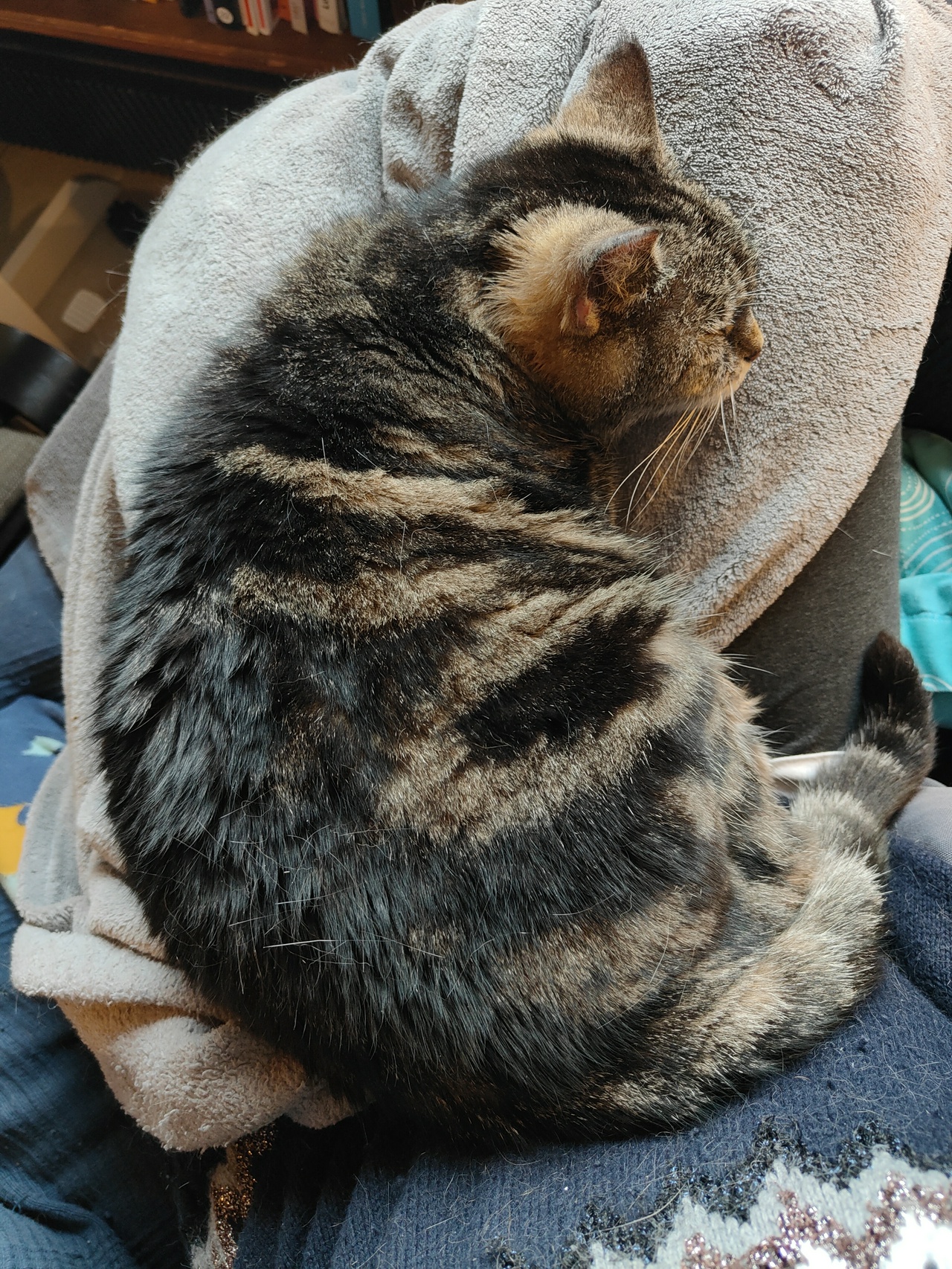
Merry Christmas Everyone!
 Ernest Ortiz Writes Now
Thank you Matt at Write.as and everyone who has read my posts. Enjoy spending time with family and friends. Merry Christmas and God Bless!
#merrychristmas
Therapiephase
Heute in der Therapie. Durchgeweint. Zum dritten Mal.
Du bist wie ein Fels. Ich bin die Brandung. Meine Gefühle sind wie riesige Wellen die gegen den Fels schlagen.
Warum umarmst du mich nicht? Warum gerade das nicht? Das, was ich mir am meisten wünsche? Das, wonach sich alles in mir verzehrt? Das, was in mir brennt wie ein Feuer?
Wir sind so nahe. Und doch darf ich dich nicht berühren.
Alle Wut. Alle Verzweiflung. Aller Schmerz wirft sich dir entgegen.
Entlädt sich an dir. Bezieht sich auf dich. Klagt dich an. Überschwemmt dich ungebremst und mit aller Wucht.
Aber du bist geduldig. Du hältst meine Gefühle aus. Du stehst alles mit mir durch. Und erklärst mir alles zum hundertsten Mal.
Dass es alte Gefühle sind. Dass ich das als Kind durchleben musste. Dass der Vater keine Nähe zuliess.
Dass die Verzweiflung in Wirklichkeit auf ihn gerichtet ist. Auf den Kindheitsvater.
Dass das Fehlen des Vaters ein Verlust ist. Ein besonders schwieriger Verlust. Ein besonders komplizierter Verlust. Der Verlust von etwas, das gar nie da war. Und deshalb auch schwer zu fassen.
Diffus. Nicht greifbar. Überdeckt von Schamgefühlen und Schutzmauern. Tief vergraben und lange unsichtbar. Undefinierbar.
Aber nicht weniger schmerzvoll als ein sichtbarer Verlust. Nicht weniger ernst. Nicht weniger wichtig. Nicht weniger echt.
Das sagst du mir heute nochmals.
Mein Weinen kommt in Wellen. Starke, grosse, wilde Wellen, die sich dir entgegenschleudern und sich an dir brechen.
Wieder. Und wieder. Und wieder.
Und indem sie sich an dir brechen, werden sie kleiner und sanfter.
Bis sie sich beruhigt haben und das Meer glatt und still daliegt. Friedlich. Ruhig.
Geborgen. Gehalten.
Irgendwann ist der Sturm vorbei.
Hoffe ich.
#Therapie
Inserting Unicode in Emacs
from dimiro1's notes
This was a very nice surprise; I've never seen anything like it in any other editor.
To insert a Unicode character, use C-x 8 RET. An interactive menu will appear where you can search for the character you want by name.
For example, the command:
C-x 8 RET BANKNOTE WITH EURO SIGN RET
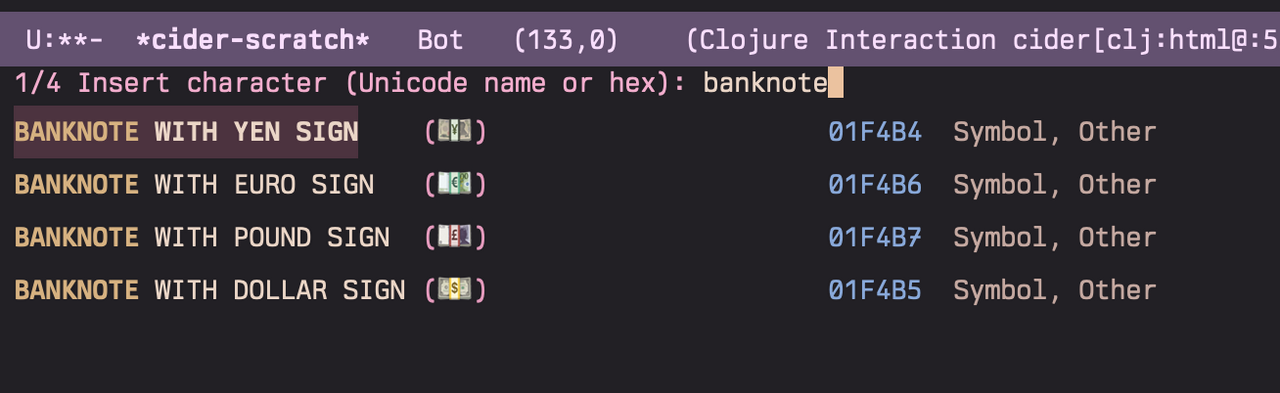
...inserts the 💶 character into the buffer:
Mind blowing... 🤯🤯🤯
from  Kroeber
#002276 – 22 de Agosto de 2025
A ciência e a cultura influenciam-se mas quase nunca andam sincronizadas, nem sequer ao mesmo ritmo. Cientistas investigam o sétimo sentido dos seres humanos, o tacto remoto, mas continuamos a dizer cinco sentidos, ignorando o sexto, a propriocepção, ou então usamos a expressão sexto sentido de forma figurativa, para significar percepções fora da realidade fisiológica.
Lay Awake
from  wystswolf

It is thought, not act—that is our undoing.
Kindness is the night carrying you in ether I lie awake within undone, undressed by thought alone.
Wonder where you rest — when wanting hums songs upon the skin, tattooed words unsaid mirrored head to head.
Hands wander, feeding quiet aches— beneath, within, where breath grows thin.
Carried you are like heat against the thigh— uninvited, relentless, unconfessed. bleeding over and into peace stirred to rupture.
practiced calm, possessed by silence, while a body learns to lie.
others see the face, not how pulse obeys thoughts not yours but of you— closeness becoming burn.
-
Twas once said: 'Truth need not be safe— your reality was reward.' So here I am, the boy— restraint frays and frays nights bleed to days.
Bright and deep no return down glowed amber and gold, let touch be what we learn: when the spark erupts there is no choice, only the waking night.
#confession #essay #story # journal #poetry #wyst #poetry #100daystooffset #writing #story #osxs #spain #travel
Un Partenaire
from DrFox
Je me décrirais comme un partenaire qui n’entre pas dans une relation pour y prendre possession, mais pour y habiter. Habiter le lien comme on habite un lieu vivant. Avec attention. Avec respect. Avec la conscience que rien n’est jamais acquis, ni l’amour, ni le désir, ni même la présence. Je ne crois pas aux contrats éternels signés sous la peur de la perte. Je crois aux accords renouvelés. À la fidélité choisie. À l’engagement qui se réécrit sans cesse parce qu’il est vivant.
L’homme que je suis en couple n’est pas un garant de sécurité émotionnelle au sens infantile du terme. Je ne viens pas réparer, colmater, rassurer à l’infini. Je viens rencontrer. Je viens marcher à côté. Je viens offrir un espace dans lequel l’autre peut respirer sans se sentir surveillée, évaluée, retenue. J’aime les femmes qui restent parce qu’elles le veulent, pas parce qu’elles ont peur de partir. Et je sais que cela implique un risque réel. Celui d’être quitté. Celui de ne pas être choisi un mois donné. J’accepte ce risque parce qu’il est le prix de la vérité.
Si je devais utiliser une image, je dirais que je propose une maison sans cadenas. Une maison chaude, solide, habitée, mais dont la porte n’est jamais verrouillée. Chaque mois, on se regarde et on se dit si on signe encore pour y vivre ensemble. Pas par calcul. Par désir. Par cohérence. Par joie. Ce n’est pas un bail juridique. C’est un acte intérieur. Un oui répété. Et parfois un non. Et je préfère mille fois un non honnête à un oui par confort.
Je suis un partenaire qui croit que le désir ne supporte pas la dette. Dès qu’il devient une obligation, il se fane. Dès qu’il est attendu, exigé, négocié, il se transforme en service rendu. Je n’attends pas qu’on me doive le désir. Je veux qu’on me l’offre. Libre. Spontané. Parfois débordant, parfois silencieux. Et j’accepte les saisons. Les creux. Les absences. Les reprises. Le désir n’est pas un robinet. C’est un animal sauvage. Il s’approche quand il se sent en sécurité et quand il n’est pas traqué.
J’ai connu la confusion entre liberté et fuite. Entre ouverture et dispersion. Entre désir vivant et agitation intérieure. Il y a une manière immature de vouloir tout garder ouvert parce qu’on ne veut rien perdre. Parce qu’on a peur de manquer. Parce qu’on cherche à se prouver qu’on existe encore dans le regard de l’autre. Cette liberté-là est bruyante. Elle consomme. Elle accumule. Elle laisse un goût de vide après coup. Je la connais. Je ne la méprise pas. Mais je ne la confonds plus avec la mienne.
La liberté que je propose aujourd’hui est plus sobre. Plus exigeante. Elle demande de savoir pourquoi on désire. D’où ça part. Ce que ça vient réparer ou célébrer. Elle demande de pouvoir dire non à une excitation qui n’est qu’un anesthésiant. Elle demande aussi de pouvoir dire oui à un désir qui dérange, qui déplace, qui oblige à parler vrai. Cette liberté-là n’est pas contre le lien. Elle le rend possible et plus beau. Parce qu’elle n’utilise pas l’autre comme un outil de régulation interne.
Je suis un partenaire qui parle. Pas pour expliquer. Ni pour gronder. Pour dire ce qui se passe en moi. Ce qui s’éteint. Ce qui s’allume. Ce qui résiste. Ce qui a peur. Je ne promets pas la stabilité émotionnelle parfaite. Je promets la lisibilité. On ne se perd pas dans le flou avec moi. On peut souffrir. Mais on sait pourquoi. Et on sait où on en est.
Je ne cherche pas une femme qui me complète. Je cherche une femme entière. Une femme qui n’a pas besoin de moi pour exister, mais qui me choisit pour partager. Une femme capable de rester même quand elle part. Et capable de partir même quand elle reste. Une femme qui sait que l’amour adulte n’est pas une fusion totale, mais une cohabitation consentie entre deux mondes distincts.
Être avec moi, ce n’est pas être tranquille au sens confortable. C’est être en mouvement. C’est être invitée à vérifier régulièrement si ce que nous vivons est encore juste. C’est accepter que rien ne soit figé, ni les rôles, ni les désirs, ni les formes. Mais c’est aussi être profondément respectée. Jamais utilisée. Jamais réduite. Jamais enfermée.
Si je devais résumer, je dirais que je suis un partenaire qui préfère être choisi chaque mois plutôt que promis pour toujours. Et qui, de son côté, choisit aussi. Pleinement. Sans retenue. Tant que c’est vivant. Tant que c’est vrai. Tant que l’on se regarde encore avec ce mélange rare de tendresse, de désir et de liberté assumée.
Granja landing in me: Observations and Thoughts (rec)
from wystswolf
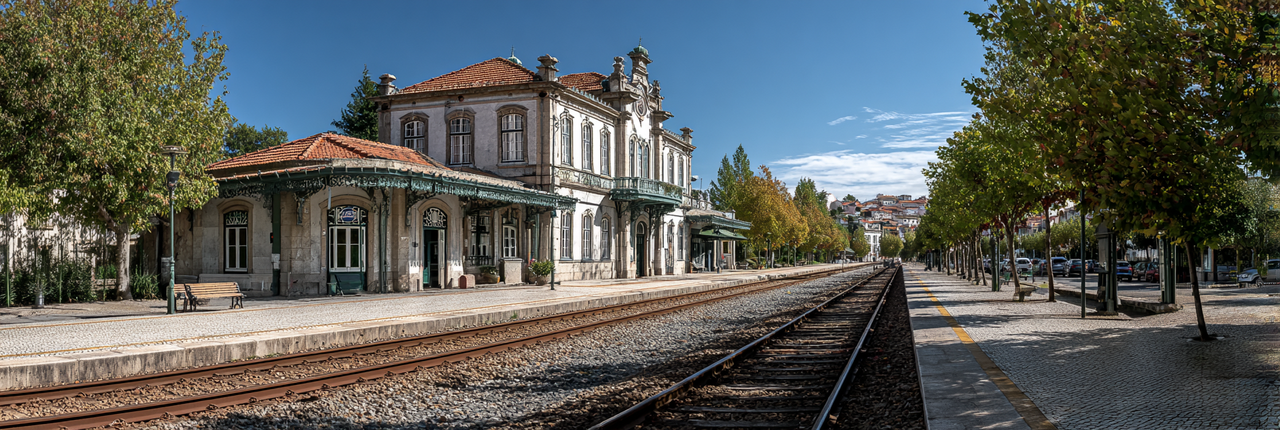
The harder I adventure, the more I see there is to adventure.
Wednesday
Clawed from bed early and dashed into the winter light for a fifteen-minute walk. Then dashed into the city for a meeting with friends to organize for public preaching.
Went next door to buy an orange. I only had a twenty-euro bill, but the total was something like twenty cents. The shopkeeper just waved his hand and said, “You take.”
Yayyyy! Free orange.
Later in the day, walking on the beach, I learned it wasn’t the win I thought it was. The orange was dry and tasteless. C’est la vie. So the birds got a free orange.
Isn’t every orange a bird eats a free orange?
I’ve never seen a sparrow with a debit card or a raven discussing exchange rates.
The early afternoon was filled with wandering and wondering about the ancient structures in this city. What humble hands hewed that stone, and later stacked it against the centuries?
Did they think about how they would bear children who would bear children who would bear children—until finally, one day, some moon-faced white man would wonder about them though long dead? How surprised they will be in the resurrection.
A walk on the beach, some playing catch-up on managing Wolfinwool and the workshop, organizing notes. A very tall beer while I watched the surf pound the shore.
Client work called at 5:30, and I dutifully held on until it was time to leave for the meeting.
Thursday, December 18, 2025
The next day started late. Some client mop-up, then a dash out the door for our subterranean museum visit. And I have to say—I definitely could have stayed there all day.
The art was great, but the wine was irresistible: three glasses of sparkling brut, one rosé, and a fifth of a white, and I was positively ready to party.
We walked a mile and a half through old wine cellars. I found myself oddly drawn to the African art. How strange—and how telling—that their tombstones were ceramic penises for men and breast-like orbs for women. They had no written language, but they understood sex. And when it came to headstones, size definitely mattered. The more important you were, the bigger your representation.
Still, there were far more non-sexual pieces than phalluses. Masks and ebony carvings galore. In fact, the bulk of the collection was from sub-Saharan Africa.
Then there was the geode corridor—thousands of enormous geodes and crystals of every kind.
The tour ended with Portuguese artists, especially ceramicists. Loads of gorgeous, rich ceramics grouped by theme: birds, reptiles, food, flowers. And then these very curious bulls—not huge, about the size of a gallon jug. Shiny ceramic, each with a fill spigot behind the neck and a small twist handle at the shoulder.
The guide explained that you filled them with Aguardente Bagaceira (Portuguese moonshine), and when entertaining—once your guests agreed to imbibe—you’d have them hold a glass beneath the bull and turn the handle, whereupon the moonshine would run out of the bull’s endowment.
A strange, but he assured us, highly entertaining experience—especially after the first glass or two.
The art was fascinating in its diversity and origin. The collector clearly loved the southern African continent.
But the setting was even more captivating: 150-year-old tunnels where millions of bottles of wine had matured and made countless hearts happy—and no doubt broken a few as well.
The tunnels went on and on, dark and wet. There was a smell—sweet and damp. One section was so pungent and musky it made me cough. The sensation was overwhelming, like walking into an Indian kitchen that had vastly overused spices.
It was the same thousand feet as the geode and crystal collection, and I couldn’t tell whether the odor came from the rocks or from a particular wine once stored there.
The dark and the mystery were deeply appealing. I don’t know why I liked it so much. It wasn’t scary or dangerous, not even claustrophobic. The cleanliness, the art, the wine—it was the kind of place you naturally want to spend all day.
I pictured myself as Indiana Jones or Tom Sullivan, searching for a cross of the Knights Templar that would guide me to the next clue—or a missing page of the Hypnerotomachia Poliphili, carved into a stone stela, completing the mystery irrefutably.
The spell broke when, after a few hours, we ascended a winding staircase back to the living world and emerged—of course—through the gift shop.
Not an unpleasant ending. We toasted with glasses of a wonderful brut sparkling wine.
Since we were already south of Porto by an hour, it was an easy argument to convince me to ride up into the mountains to see the King’s Hunting Palace, now converted into an intensely posh hotel.
We arrived at dusk, passing through lovely Portuguese villages tourists rarely—if ever—see. How delightful to have local friends so willing to show us around.
The palace was incredibly ornate. Hardly six inches existed without some kind of decoration, sculpture, or visual interest. And it was huge. It would take a king’s wealth to build a structure like this—complete with a labyrinth garden and an impenetrable forest.
 Barrel room
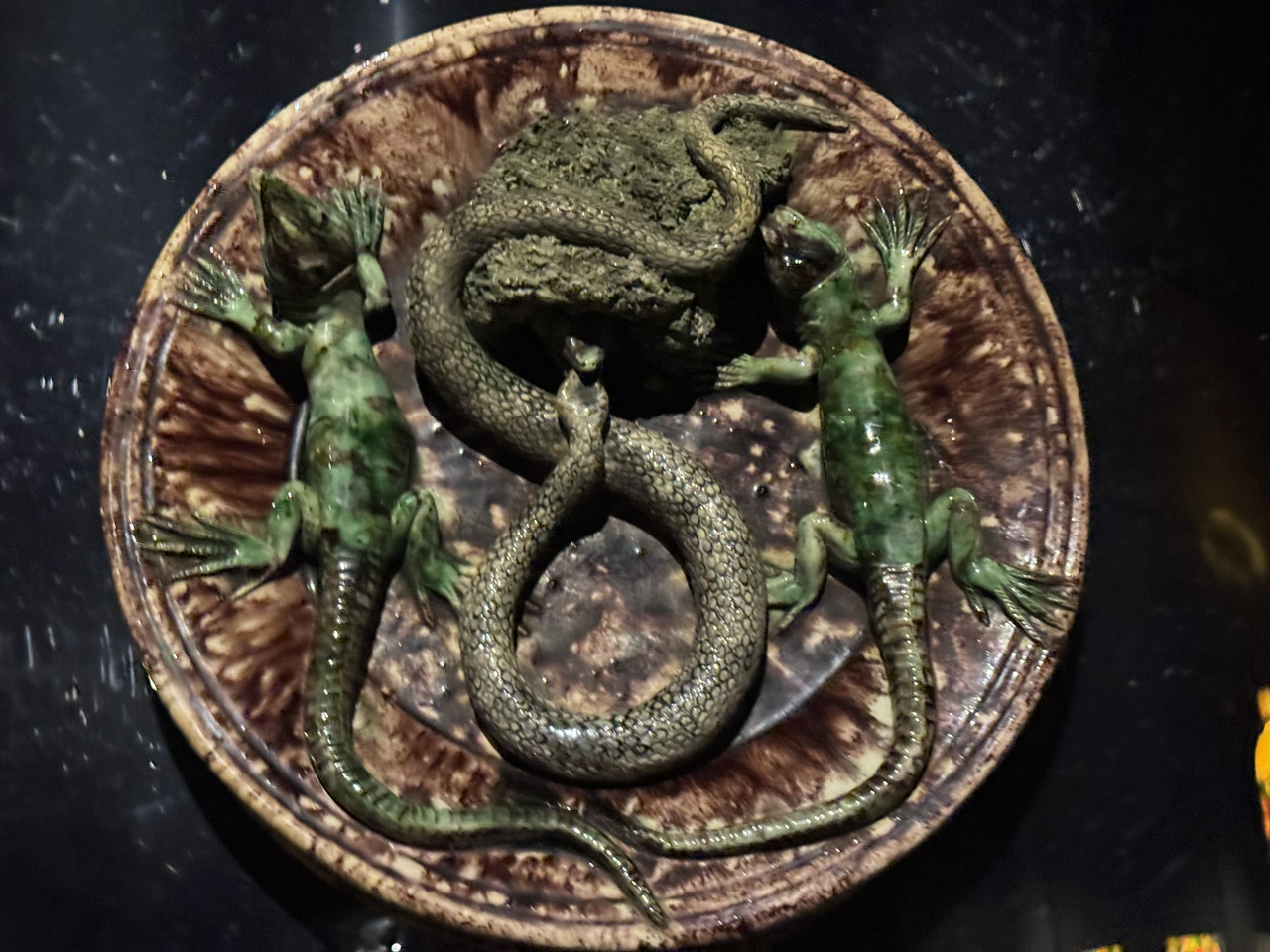 Snakes and lizards
 Big barrel
 Mermaid
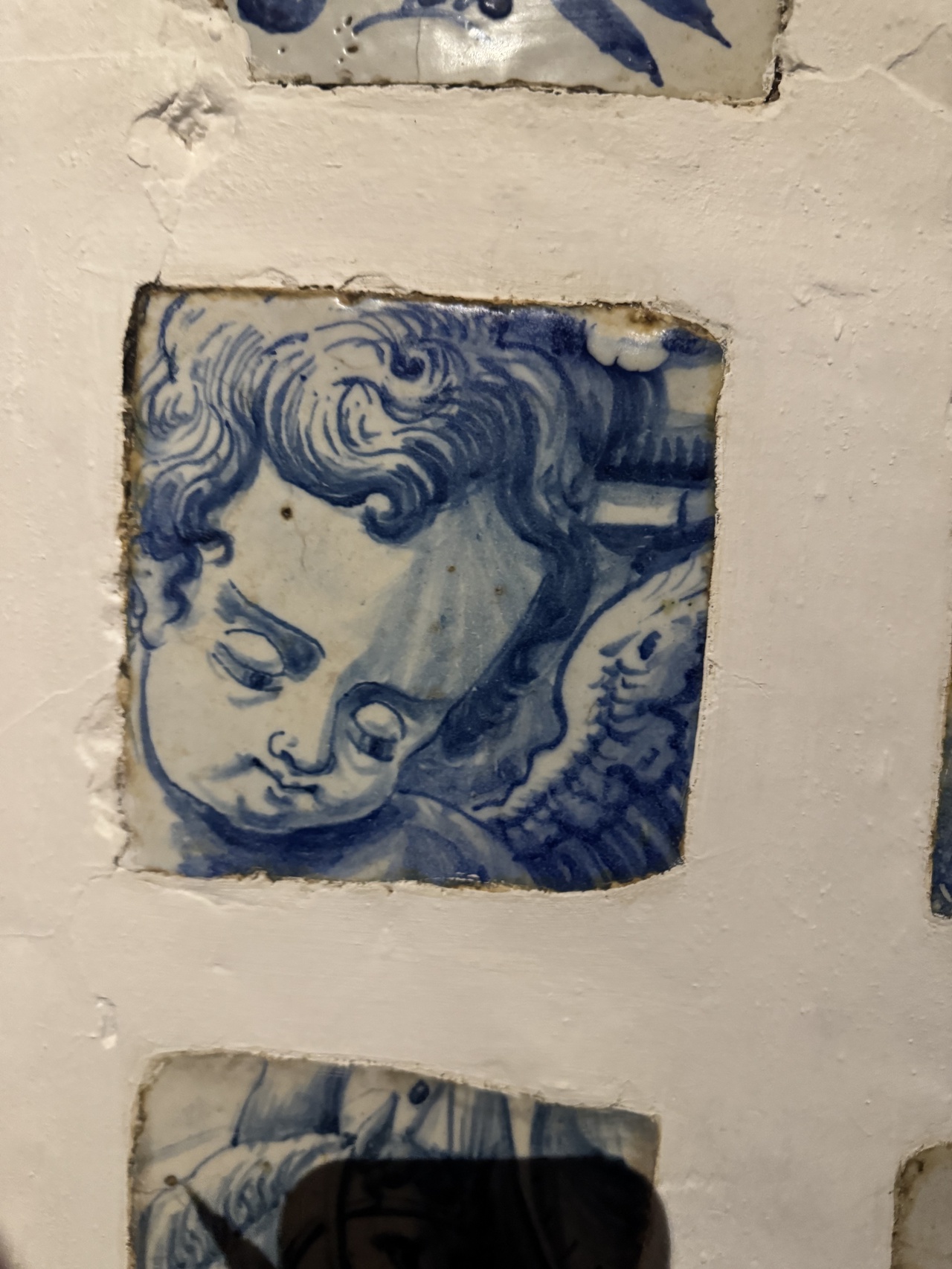 Tile faced
 Bucolic scene
 Africa head
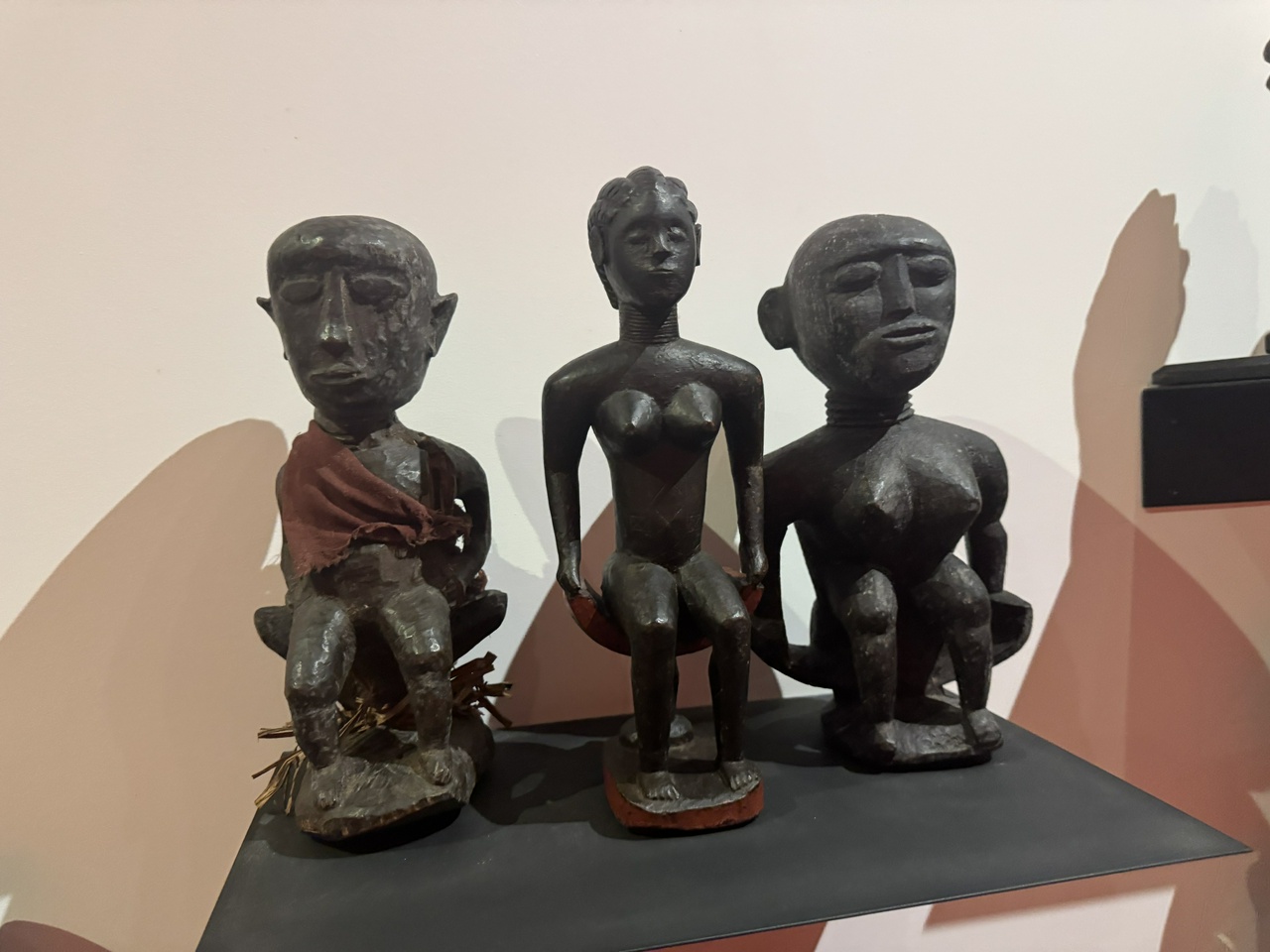 African Chalice
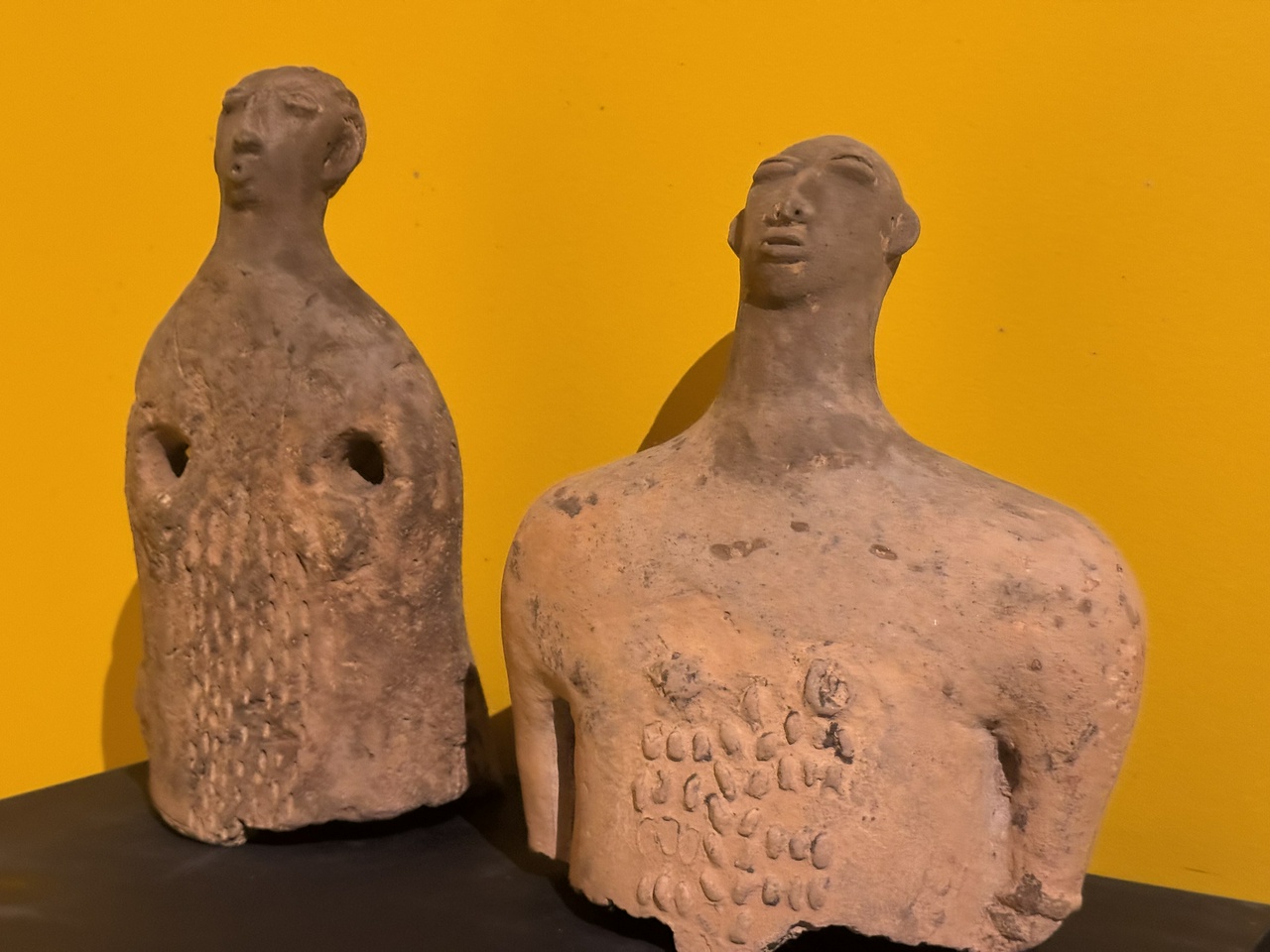 Terracotta heads
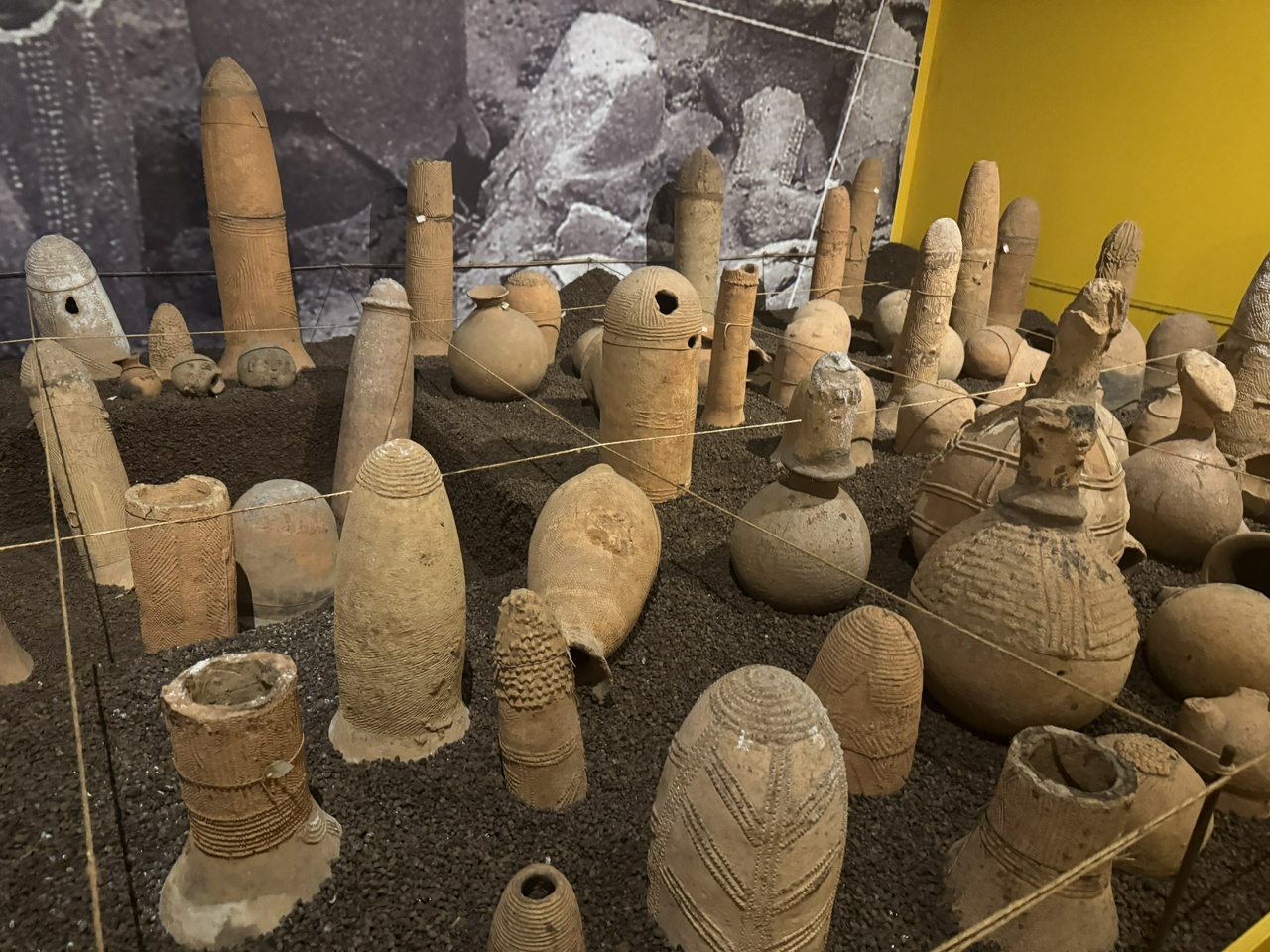 Phallic Cemetery
 Ivory sculpts
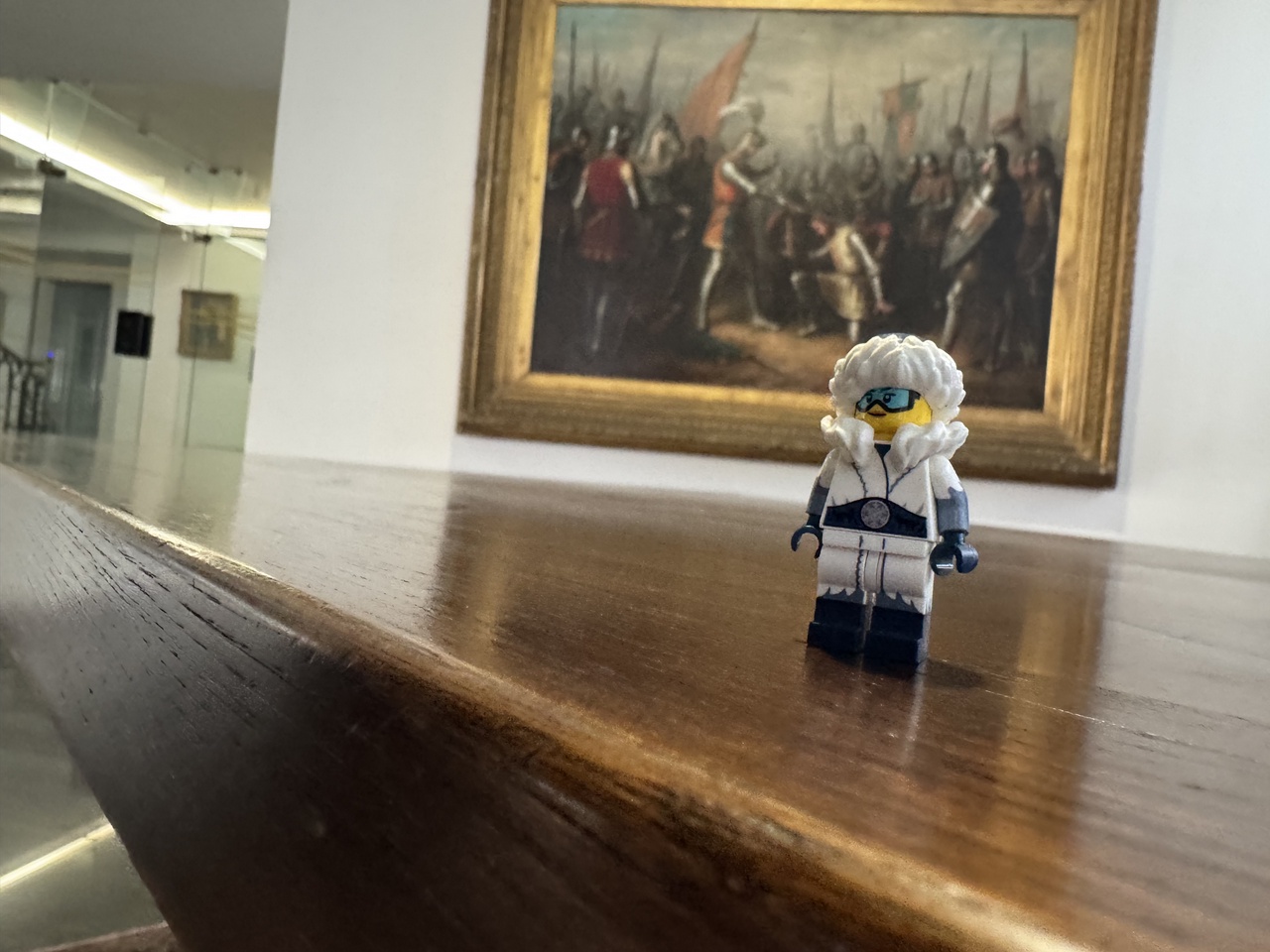 Sherpa-sharona
 Mc seaside
 Wild Mike
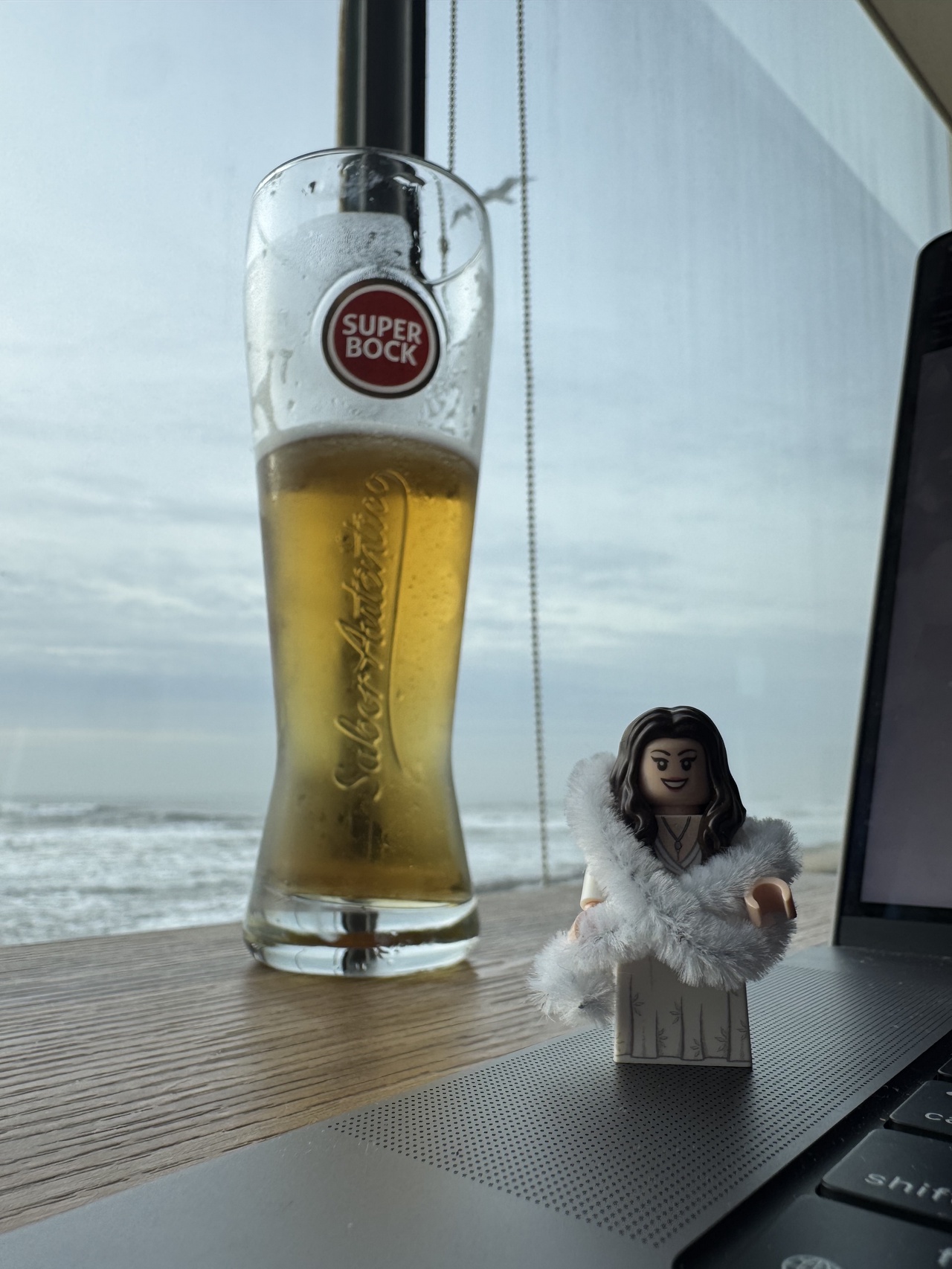 Sharbeer
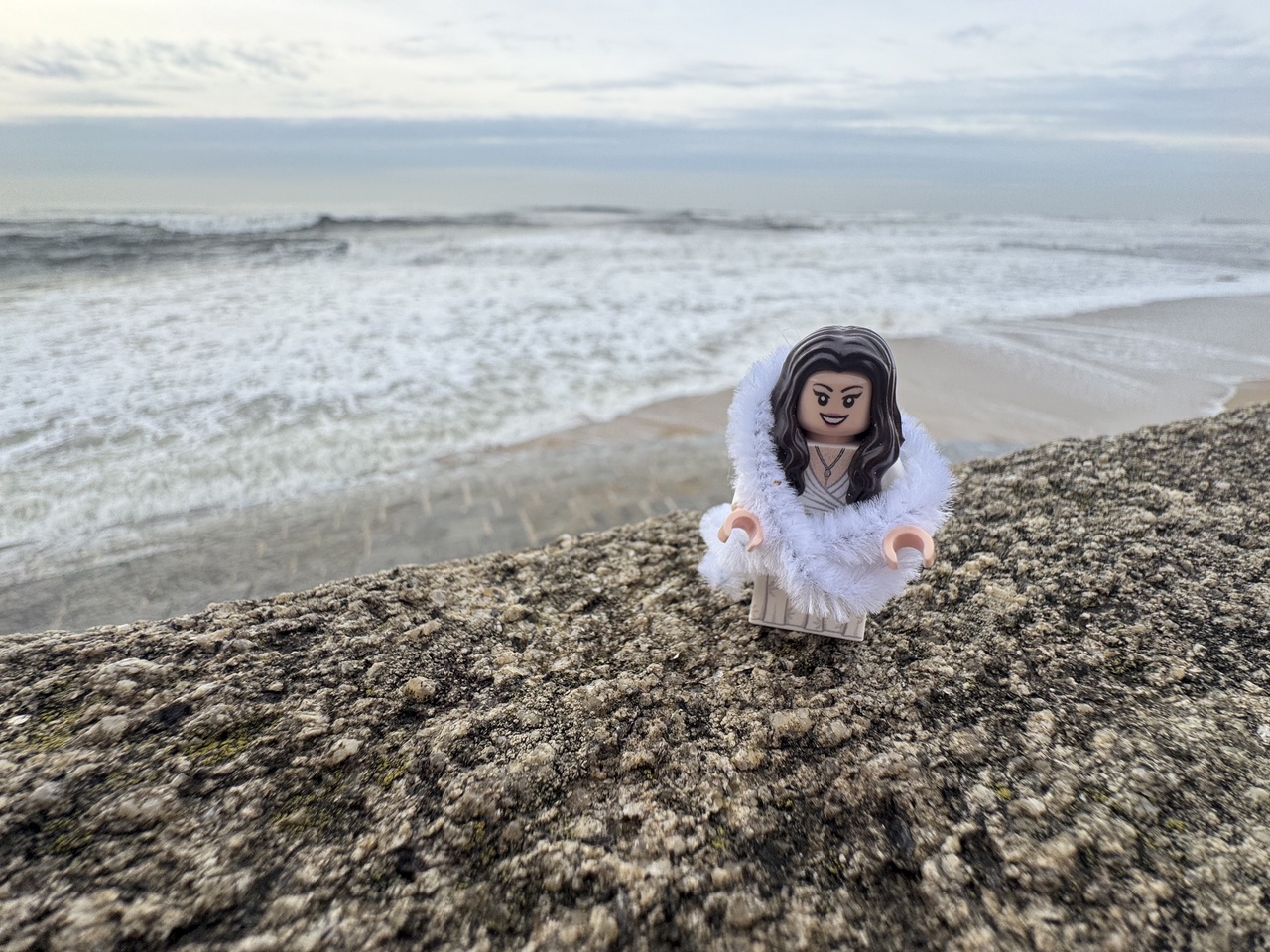 Shar ocean
 My church rock
 Doorknob
 Hummer
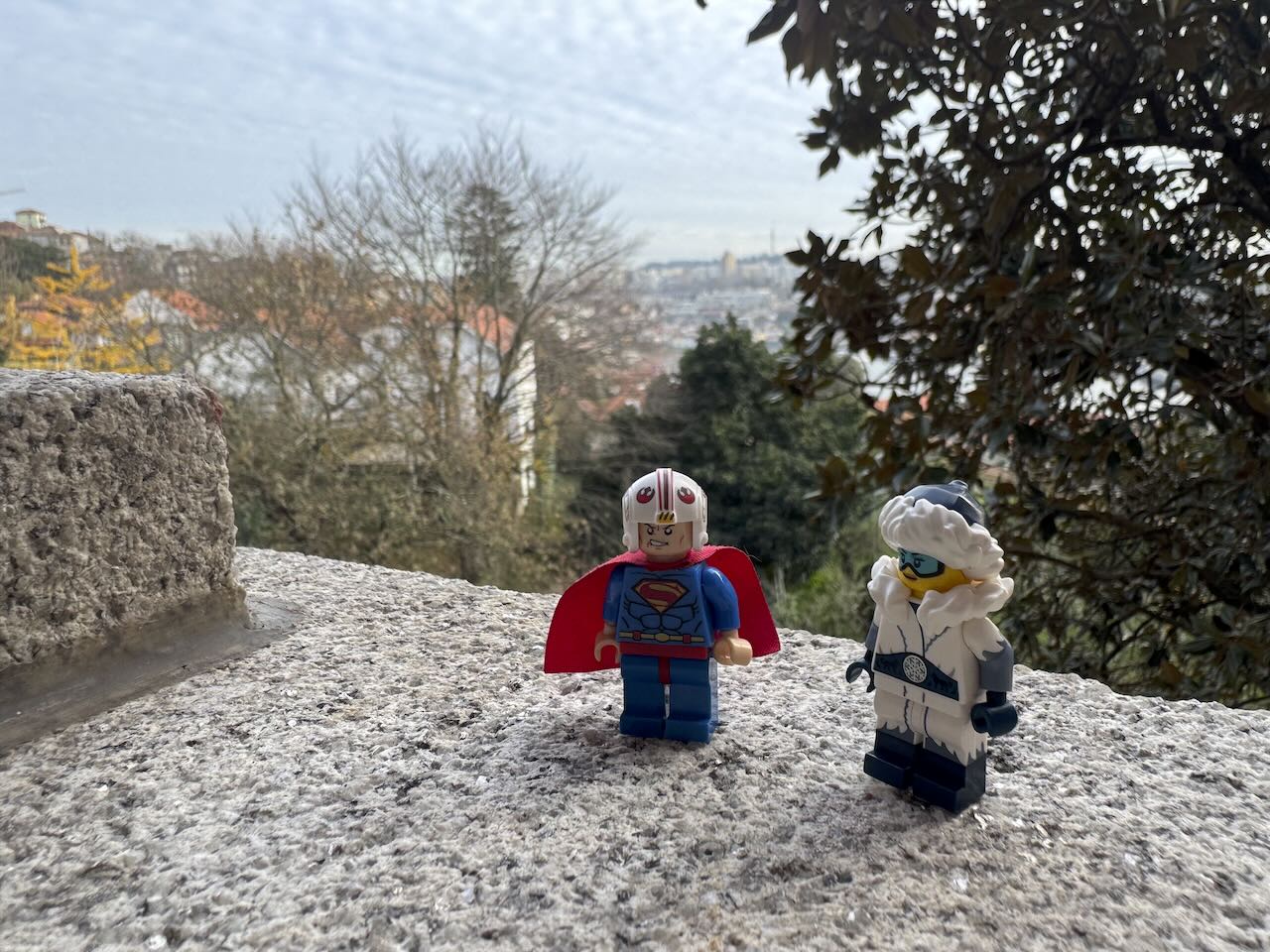 WYST
WYST
Christmas Eve
from An Open Letter
I’m not going to lie, I kinda hate Christmas. I feel like the grinch, because it’s just this hate because I never get to participate in it and I just have to watch from the outside. I understand that I’m not the only person in this position, as a lot of my friends don’t get to go home for it either, but it’s a weird kind of pain because I do have my family right here, but it’s just not one that I can really celebrate anything with. I know I really don’t have too many things to complain about in the grand scheme of things, but even things like buying a dream house and all that don’t stop this miserable feeling from being alone. I know that E would want to spend this time with me, but I want her to be happy and not have to also be dragged down by this.
El planeta
from  Bloc de notas
mira / si no encajas bien en este planeta no es porque seas extraterrestre sino porque muchas cosas están podridas y nosotros y los otros y los que vengan tendremos que gruñir / encajar / relajarnos y como no tenemos otro míralo todo lo que puedas redondo / lindo / perfecto
