Trump's Marijuana Order Vindicates Longstanding Criticism of the Plant's Legal Classification
In addition to its symbolic significance, rescheduling the drug will facilitate research and provide tax relief to state-licensed cannabis suppliers.


In addition to its symbolic significance, rescheduling the drug will facilitate research and provide tax relief to state-licensed cannabis suppliers.

The main practical benefits would be tax relief for the cannabis industry and fewer barriers to medical research.
A year ago the Justice Department suspended the DEA's airport interdiction program because of significant legal risks. The DHS is still using the same tactics.

The most common uses of "magic mushrooms" will never gain FDA approval.

Rather than targeting cartels, DEA agents are patrolling tourist areas, setting up checkpoints, and even cleaning up litter.

The Department of Homeland Security restored a $2 million contract with Paragon, maker of the surveillance tool Graphite, despite earlier civil liberties concerns.

A recent federal appeals court decision underlines the importance of that safeguard.
The bill would permanently schedule fentanyl-related substances as Schedule I drugs—and impede therapeutic research.

Why should an unpopular president shape so much policy on his way out?

The Justice Department temporarily suspended the program in November because of "significant risks" of constitutional violations.

Trump’s pick for federal drug enforcement was ousted for not respecting personal freedom. Too bad that that’s a job requirement.

How cops, politicians, and bureaucrats tried to dodge responsibility in 2024

In the Abolish Everything issue, Reason writers make the case for ending the DEA, ICE, the SBA, and everything else.
The DEA paid one airline employee tens of thousands of dollars to snoop on travel itineraries and flag passengers for searches.

The DEA's attempts to enforce the nation's drug laws have been a resounding failure by pretty much any measure.

Making DOI and DOC Schedule I drugs would interfere with psychiatric research.
At least he draws the right conclusion from this imaginary hazard, acknowledging the dangers created by prohibition.

While lawmakers remain resistant to change, most of the public thinks it's high time to stop treating marijuana as dangerous.
The presumptive Democratic nominee has a more liberal drug policy record than both the president and the Republican presidential nominee.

Recent footage shows a federal agent attempting to search a citizen’s bag without their consent, despite precedent saying that’s illegal.

The agency claims DOI and DOC have "a high potential for abuse" because they resemble other drugs it has placed in Schedule I.

As the DEA relentlessly tightens regulations on pain meds, the FDA refuses to approve a safer alternative already being used in similar countries.

The panel's recommendation, based on several concerns about two clinical trials, is a serious setback for a promising PTSD treatment.
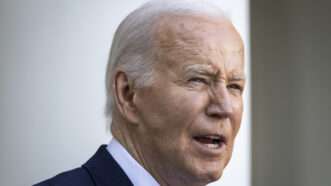
Rescheduling does not resolve the conflict between federal pot prohibition and state rejection of that policy.

It looks like Attorney General Merrick Garland overrode the agency's recalcitrant drug warriors in deciding to reclassify the drug.

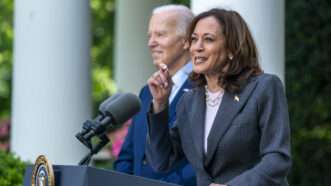
The vice president's exaggeration reflects a pattern of dishonesty in the administration's pitch to voters who oppose the war on weed.
Contrary to the president's rhetoric, moving marijuana to Schedule III will leave federal pot prohibition essentially unchanged.
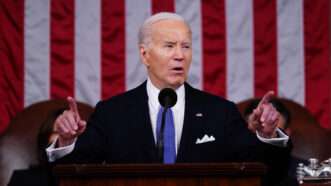
For over 50 years, marijuana has been in the same category of controlled substances as heroin and LSD. The DEA is finally proposing to end that ludicrous policy.

Moving marijuana to Schedule III, as the DEA plans to do, leaves federal pot prohibition essentially untouched.

The change from Schedule I to Schedule III is welcome, but removing it from the schedules altogether is the best option.

I'm the DEA's poster child for prescription stimulant abuse: a 30-something adult who needs a telehealth psychiatrist and can't remember what day the garbage truck comes.

The CDC’s numbers show that pain treatment is not responsible for escalating drug-related deaths.

The government still blames the private sector despite its own role in creating, exacerbating, and prolonging the shortage.

If drug warriors really wanted to punish "those responsible" for the transgender activist's death, they would start by arresting themselves.

Charlie Lynch’s ordeal is a vivid reminder of a senseless prohibition policy that persists thanks to political inertia.

Marijuana's classification has always been a political question, not a medical one.

The DEA is cracking down on manufacturers, hurting patients who genuinely need those drugs.
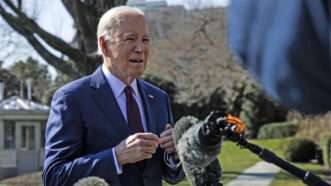
The supposedly reformed drug warrior's intransigence on the issue complicates his appeal to young voters, who overwhelmingly favor legalization.

Under the Controlled Substances Act, the agency does not have the discretion to "deschedule marijuana altogether."

The points about marijuana's risks and benefits that the department now concedes were clear long before last August.

It appears that DEA agents have been employed on non-drug-related investigations for far longer than they were originally authorized.

Just as there are adult reasons for vape companies to sell flavored vape pods, there are adult reasons for drug dealers to color their fentanyl.

For five decades, drugs have been winning the war on drugs.

Research is promising, but drug warriors stand in the way.

The change, while welcome, is modest and won't get rid of patients' headaches as they try to fill their prescriptions.
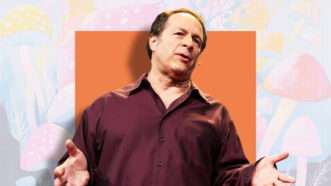
The founder of MAPS talks about FDA approval for MDMA-assisted therapy and the "psychedelic renaissance" he has helped create.
The 1988 case highlighted the DEA's stubborn insistence that marijuana has no "accepted medical use."

Help Reason push back with more of the fact-based reporting we do best. Your support means more reporters, more investigations, and more coverage.
Make a donation today! No thanks
Every dollar I give helps to fund more journalists, more videos, and more amazing stories that celebrate liberty.
Yes! I want to put my money where your mouth is! Not interested
So much of the media tries telling you what to think. Support journalism that helps you to think for yourself.
I’ll donate to Reason right now! No thanks
Push back against misleading media lies and bad ideas. Support Reason’s journalism today.
My donation today will help Reason push back! Not today
Back journalism committed to transparency, independence, and intellectual honesty.
Yes, I’ll donate to Reason today! No thanks
Support journalism that challenges central planning, big government overreach, and creeping socialism.
Yes, I’ll support Reason today! No thanks
Support journalism that exposes bad economics, failed policies, and threats to open markets.
Yes, I’ll donate to Reason today! No thanks
Back independent media that examines the real-world consequences of socialist policies.
Yes, I’ll donate to Reason today! No thanks
Support journalism that challenges government overreach with rational analysis and clear reasoning.
Yes, I’ll donate to Reason today! No thanks
Support journalism that challenges centralized power and defends individual liberty.
Yes, I’ll donate to Reason today! No thanks
Your support helps expose the real-world costs of socialist policy proposals—and highlight better alternatives.
Yes, I’ll donate to Reason today! No thanks
Donate today to fuel reporting that exposes the real costs of heavy-handed government.
Yes, I’ll donate to Reason today! No thanks