
Mythologist | Author | Speaker | Illustrator

-
Articles

Comparing Sun Tzu and Kautilya
Sun Tzu, the author of The Art of War, and Kautilya, the author of the Arthashastra. Both wrote for rulers and generals who were constantly at war. Both believed that power was too important to be left to emotion, impulse or heroism. Both wanted to discipline rulers and professionalise the business of war. …
-
Articles

Is Zohran Mamdani Muslim, American or Gujarati?
With the victory of Zohran Mamdani as mayor of New York City, a man with a Muslim name, an African past and an Indian lineage, the American-Christian establishment suddenly feels threatened. …
-
Articles
How Merchants Shape the Satvik Holiness
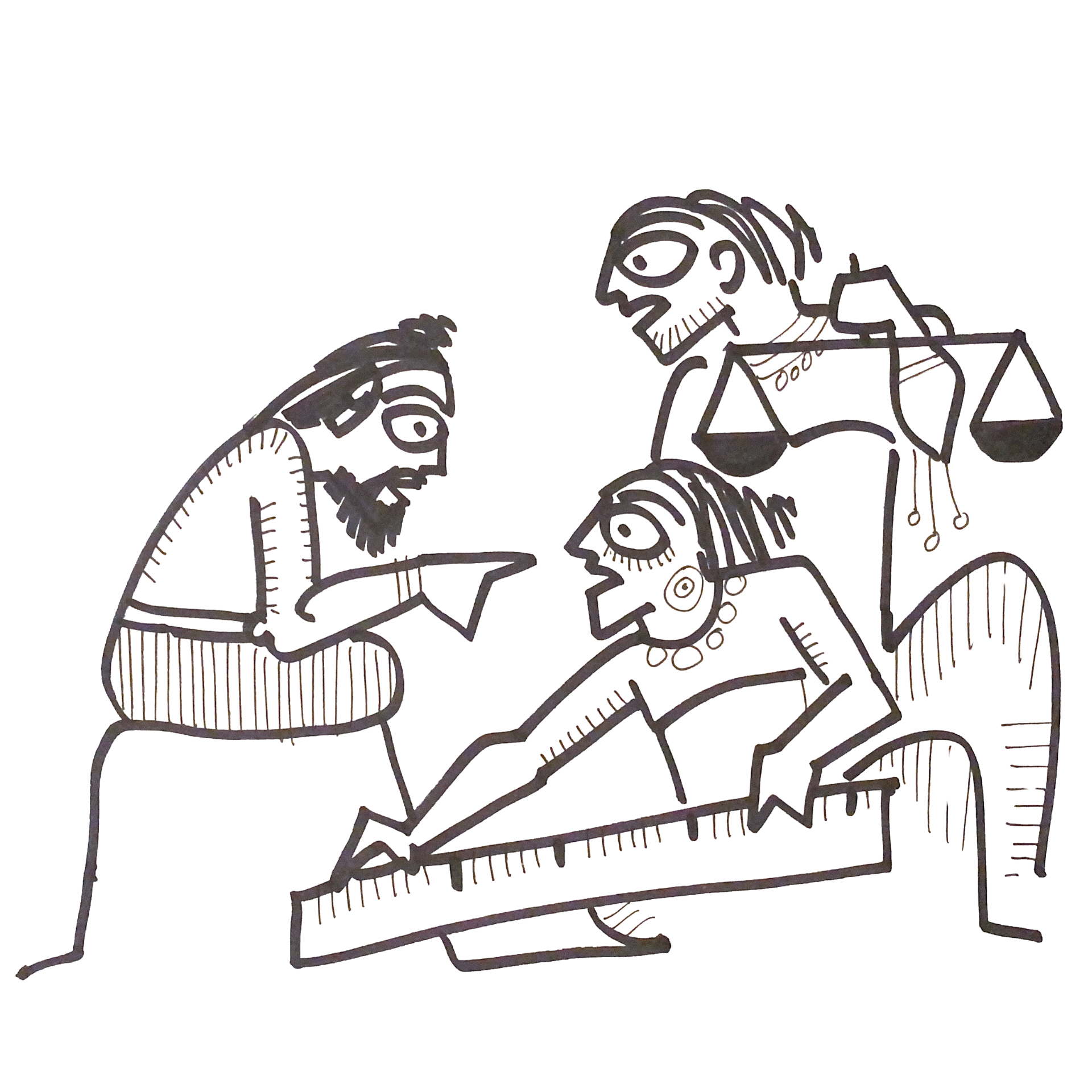
The richest families in India are strictly vegetarian and belong to the vaishya varna. They are supported by politicians committed to the cause of vegetarianism or Satvikism, a new form of Hinduism. As these rich communities take control of temples and pilgrimage sites, we find them pushing for Satvikism…
-
Articles
The Horsemen Of Kanchi
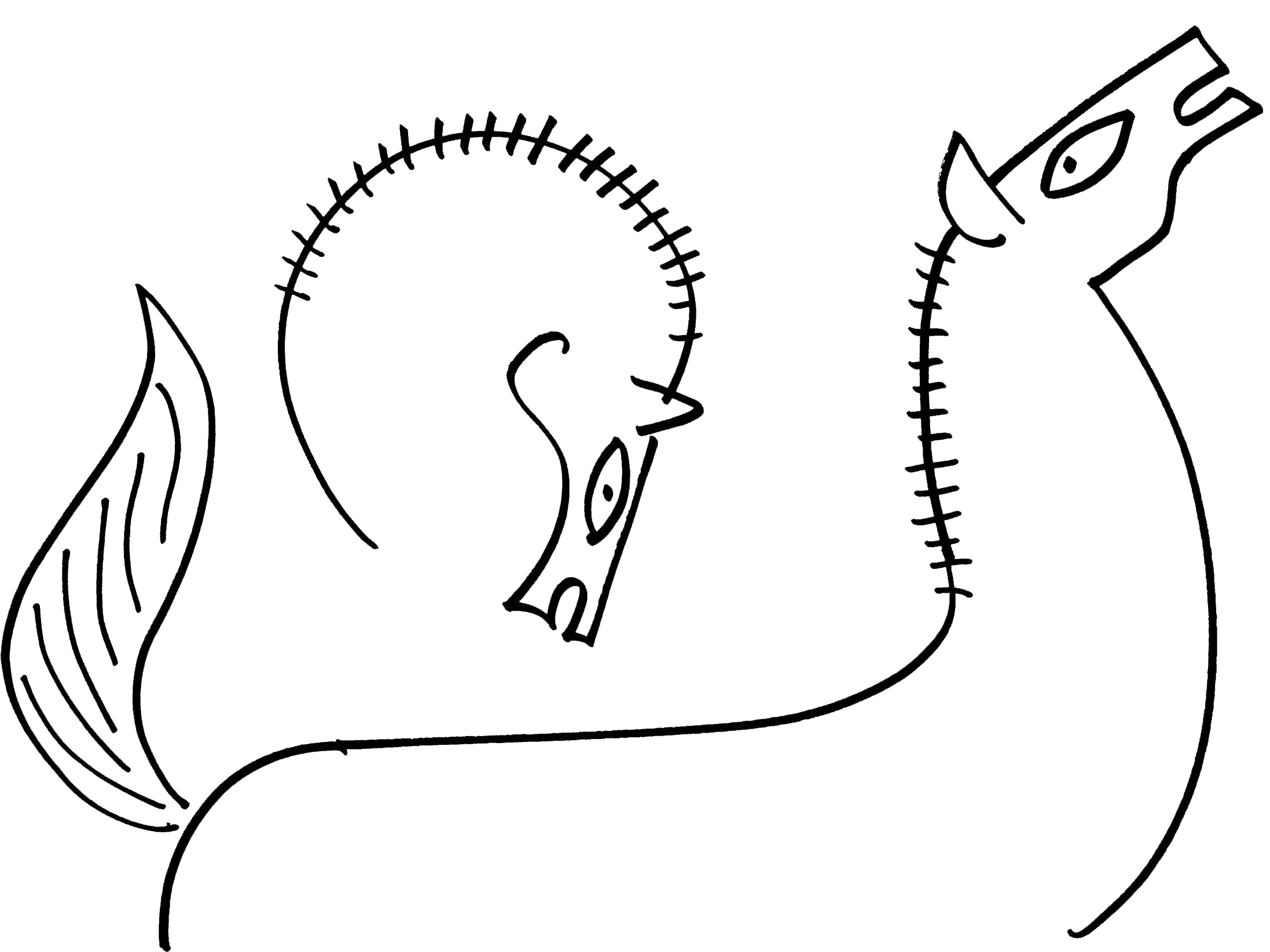
For over 3,000 years, horses were imported into India. They were critical to govern empires and, therefore, were always in demand. But a little known fact is that horses are difficult to breed in our country, which explains the need for annual imports…
-
Articles
Why Kubera Is Not Ganesha
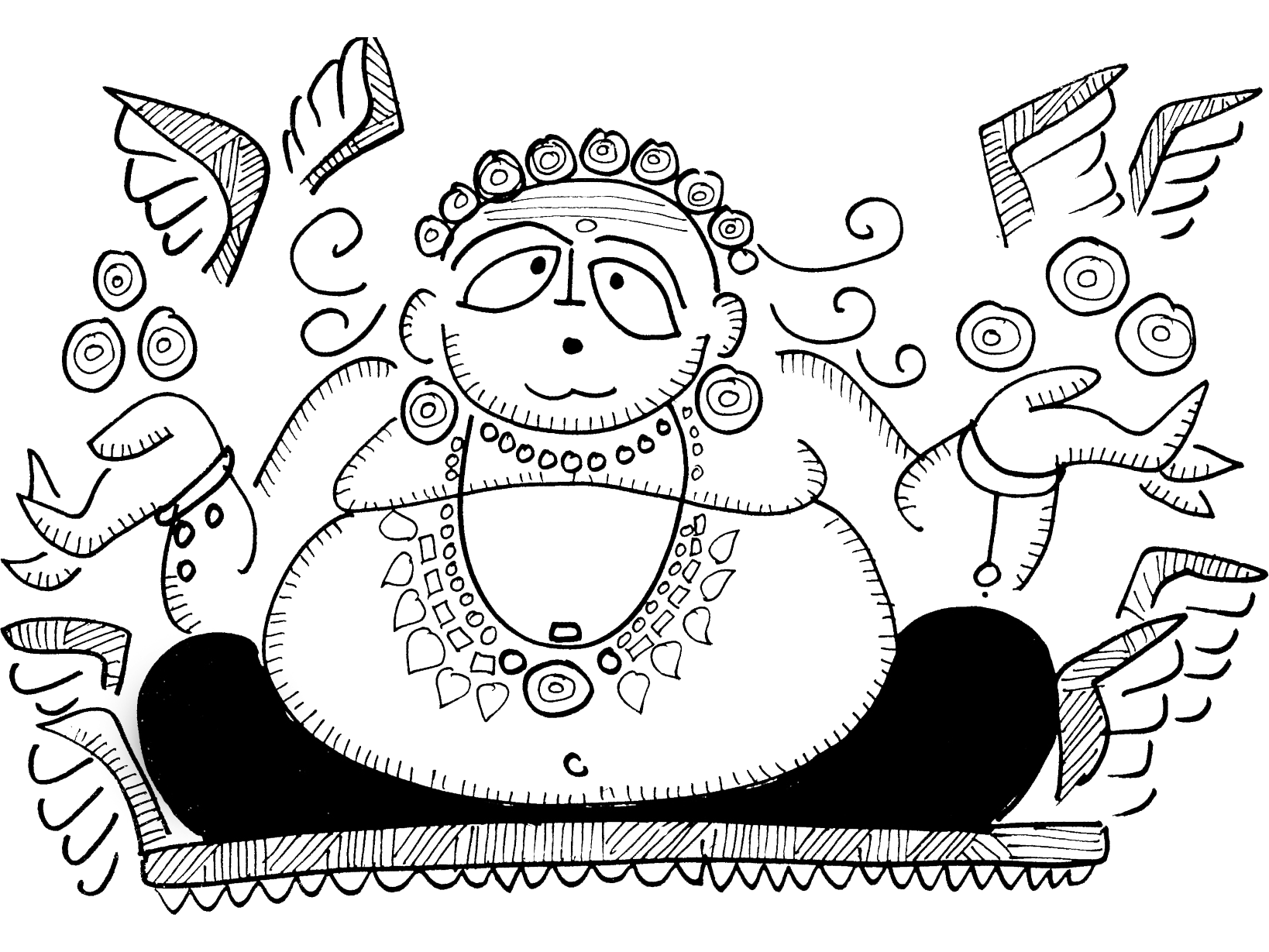
While plants and animals seek nourishment and security, humans seek more. Our hunger and fear is amplified infinitely by imagination. But food does not take away imagined hunger. If anything, it amplifies imagined hunger. We seek more resources, more power, more knowledge about resources and power…
-
Articles
Horse Before Petrol
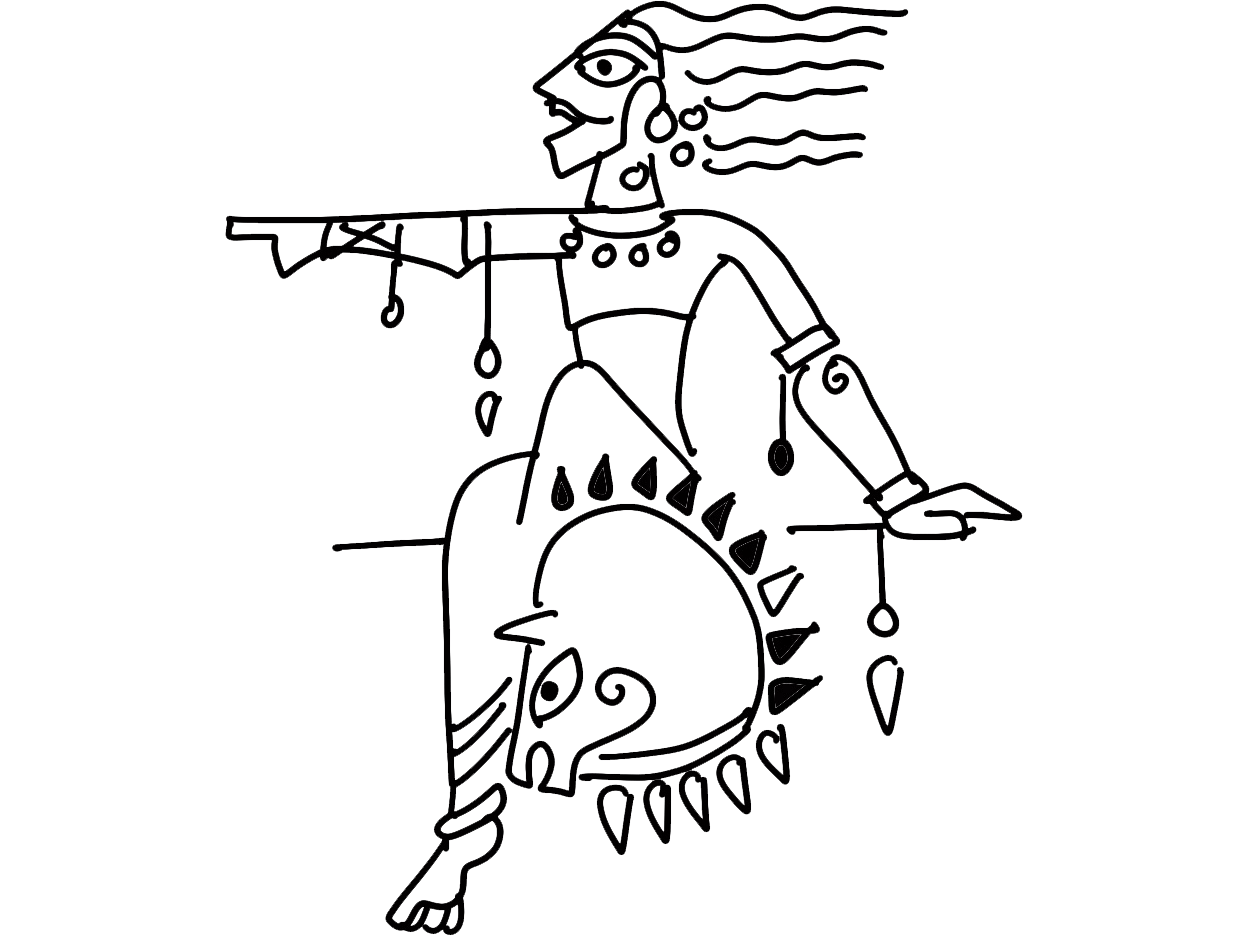
Horses cannot be bred easily in India because of the climate. Most of the land is taken up by farms; therefore, horses can only be bred in stalls. The hot and humid climate of the monsoon is unfavourable to horses. It softens their hooves and leeches the grass of selenium, a vital nutrient. The rich…
-
Articles

Stories of How India Connected East and West
The Indian subcontinent is located right in the center of the world if we see Europe and America as the West and China and Japan as the East…
-
Articles

A Tale of Two Weddings
In India, we find two types of weddings: the lavish and the simple. Lavish weddings are typically seen in those who follow the Shaiva or Vaishnava path of householders. Simple weddings are typically seen in those who follow the Buddhist or Jain path of hermits…
-
Articles

Is Sustainability the New Immortality?
Sustainability isn’t about transformation-it’s about holding on to one’s position forever. It is about sustaining the old order, the old inequalities, the old hierarchies. Yet history shows us that this never lasts, even if we convince ourselves of the unending power of banking families lurking in the background of great empires…
-
Articles
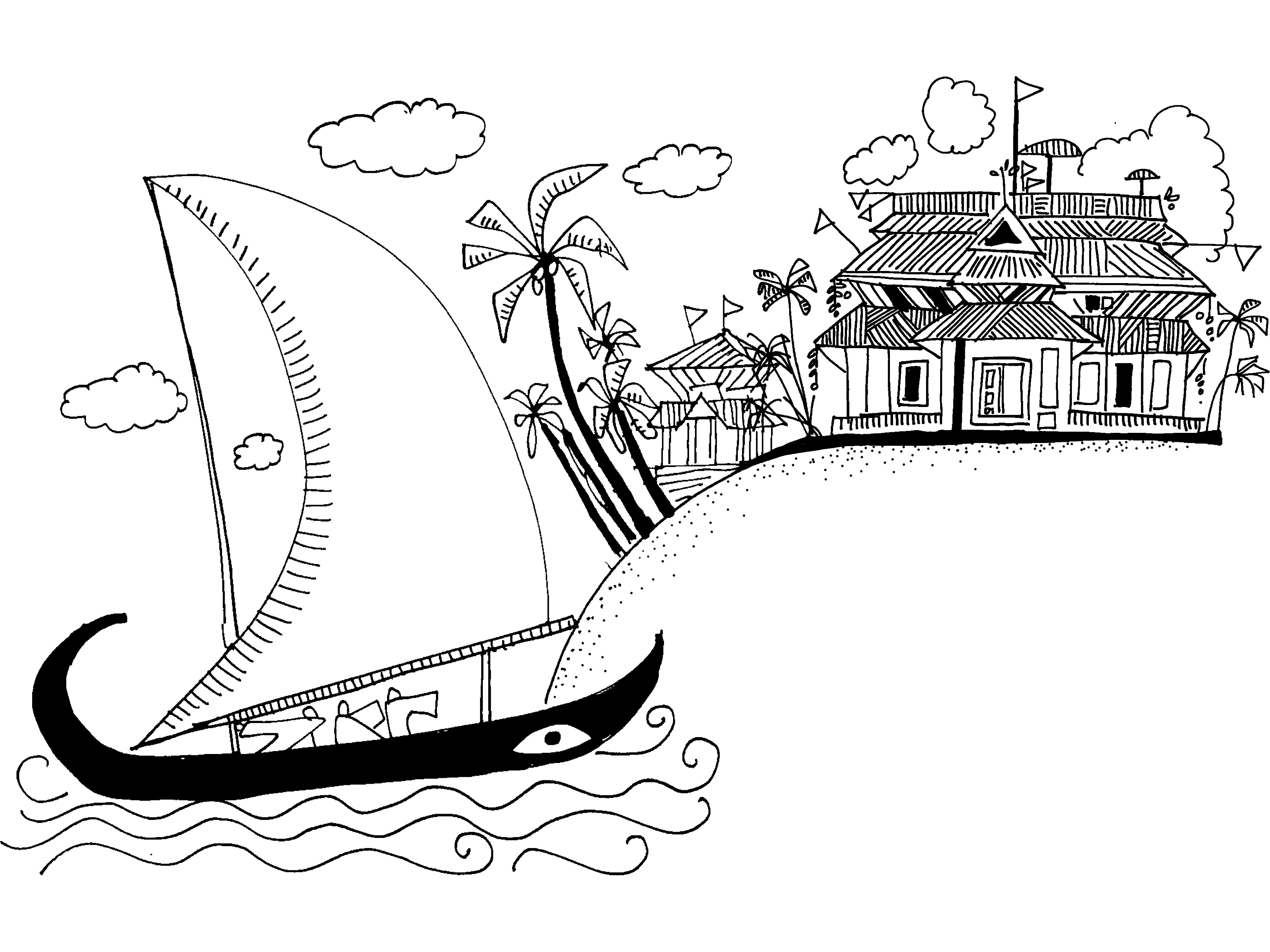
India’s Rich History of Trade and Cultural Exchanges
India has had relations with cultures around the subcontinent by both land and sea. By land, it was connected across the Hindu Kush to Persia (modern-day Iran) as well as Central Asia. By sea, it was connected to Persia, Arabia, and via the Red Sea to the Roman Empire. On the eastern coast, it had…
-
Articles

Must We Refer to Caste, or Gurus, When Discussing Indian Knowledge Systems?
Currently, gurus are seen as greater than even gods. Once you accept that the guru knows everything, there never will be growth…
-
Articles
Himanta, Muslims & a Liberal Fallacy
Today ‘inclusion’ has become a great ideology. If you oppose it, you are branded ‘fascist’. This totalitarian idea emerges from the usual suspects: the West, European and American academies…
-
Articles

A Fascinating History Of Coins In India
Ever since the existence of civilisations, humans have been trading to facilitate exchange. But trading can happen without coins by recording debt. In fact, it is debt or rinn — the word found in the Rig Veda — that played an important role in the creation of coins…
-
Articles
Trust In Currency
Does the buyer trust the value of the token being given to him by the seller? Today, we trust a number appearing on a screen as money. That is how much we trust technology…
-
Articles

Indian Knowledge Systems
The first list of an educational syllabus in India comes from the Chandogya Upanishad, when the Sanatakumar sages ask Narada what subjects he is proficient in. …
-
Articles

Are New Reservation Policies Becoming Jagirs?
Now reservation has become a reward for those who serve the democratic process, available to anyone who can legally convince the state that their community is backward, or minority. …
