
Mythologist | Author | Speaker | Illustrator

-
Articles
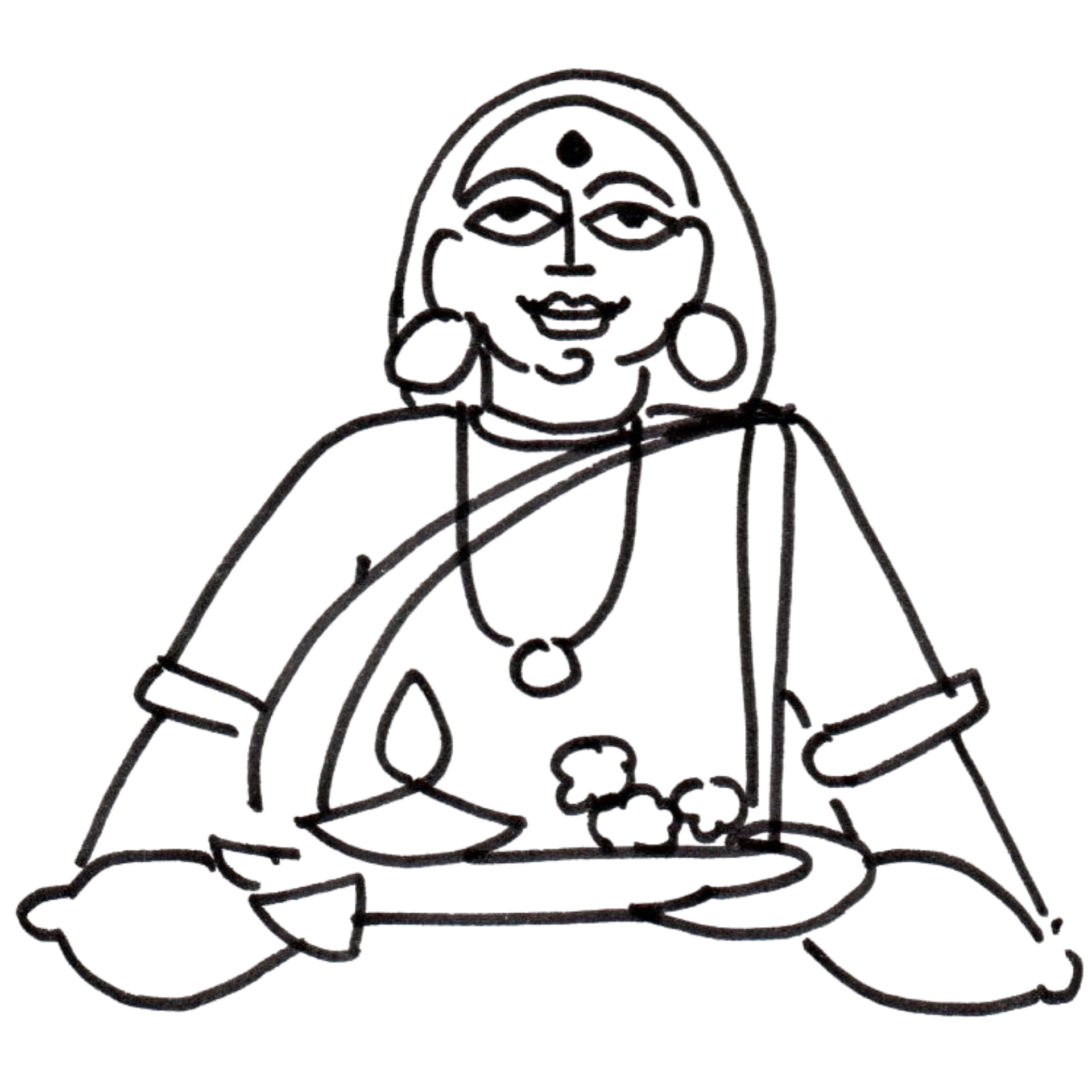
Why no Diwali and Dussehra in Kerala and Kashmir
Religions are never homogeneous. Hinduism is no exception. A case in point is how Diwali and Dussehra are not celebrated in Kashmir or Kerala with the same gusto seen across North, West and East India…
-
Articles

Reclaiming the Festival of Lights
Diwali is the Prakrit way of saying Deepavali, a Sanskrit word meaning ‘the festival of lights’. This festival has been increasingly dominated by a single Hindi-belt narrative: that it commemorates the Rama’s return to Ayodhya after his forest-exile. But Diwali is also about Krishna, and Yama, and Lakshmi, and Bali…
-
Articles

Incomplete Marriages
Incomplete unions ensure the hero is not a monk, but married (auspicious) and also celibate (auspicious). His shrine can therefore be visited by women too…
-
Articles

Replacing Goddess Culture
In Hindu mythology, the four months of the rainy season is when Vishnu sleeps. Who protects the world then? It is the Goddess, identified as Yogamaya. And so traditionally, women’s festivals, involving Goddesses, are found in the latter half of the rainy season after the autumn equinox…
-
Articles

Diwali for Ram, Krishna, Lakshmi, Yama, Asuras and Ancestors
Diwali celebrations vary across India: In north India, it commemorates the return of Ram, while south India celebrates the defeat of Narakasura. Western Diwali involves a business-related renewal and in eastern India, the focus shifts to ancestor worship and paying off karmic debts. These varying traditions underscore the diversity of Hinduism across the different regions…
-
Articles
Genuine Festivals
As long as they give us a certain degree of comfort and happiness and joy,celebrating even slightly bizarre days is acceptable…
