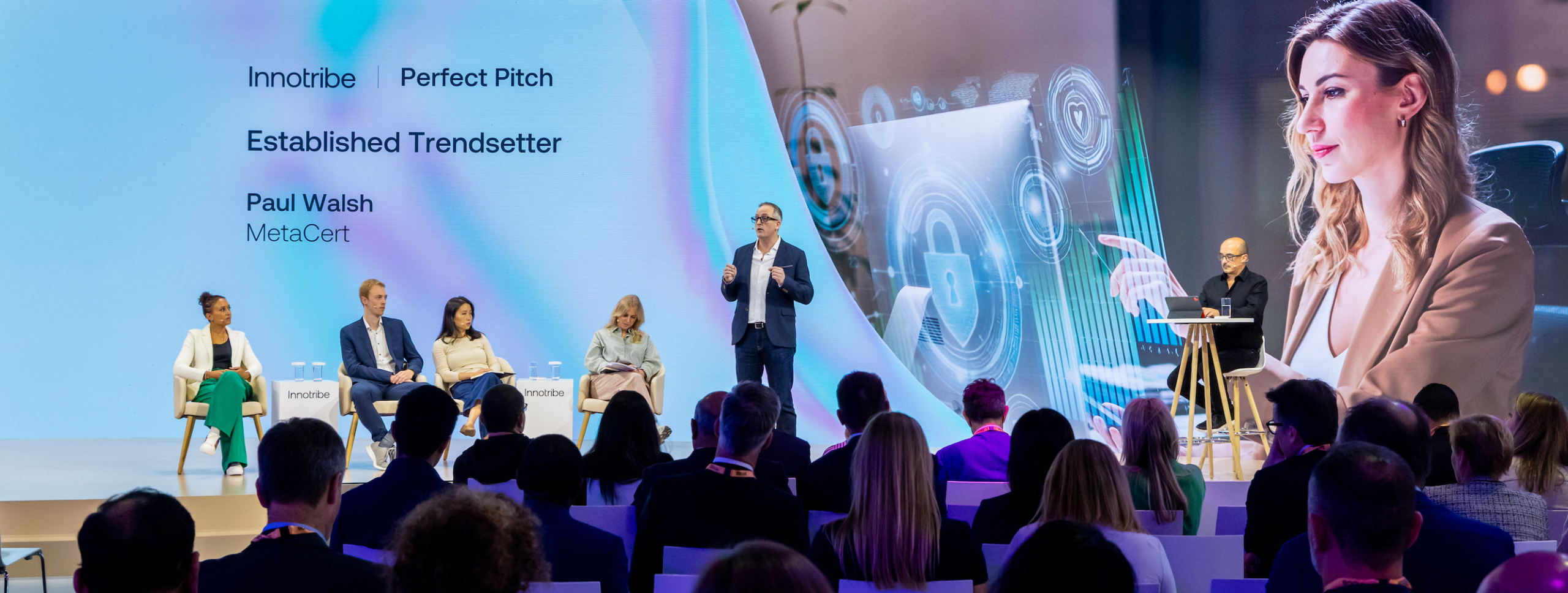
Paul Walsh from MetaCert speaking on stage at the Sibos Innotribe Perfect Pitch competition.

This blog explores phishing – the internet’s longest-running con. It examines how deception works, why conventional security keeps failing, and what needs to change to stop it.​

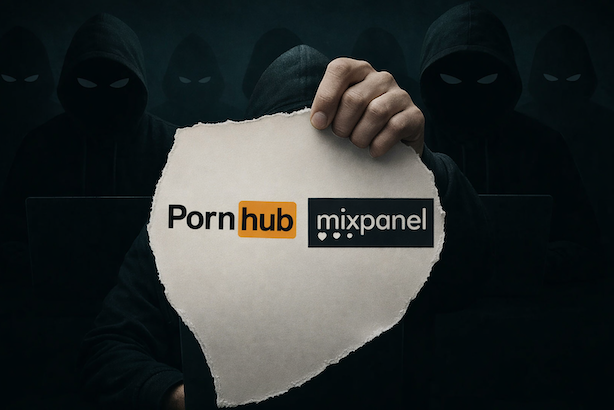
A dark themed illustration showing a hooded figure holding a torn sheet of paper displaying the Pornhub and Mixpanel logos, with shadowy hooded figures in the background suggesting a cyberattack.

PornHub, OpenAI, and the Same SMS Phishing (Smishing) Failure

This is a post to explain why PornHub’s extortion story matters far beyond adult content. This is the same phishing led analytics failure that exposed OpenAI customer data and impacted other Mixpanel customers who still haven’t come forward. Different brands. Same entry point. Same security failure. The problem isn’t who
Read More »
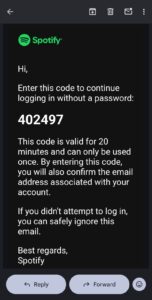
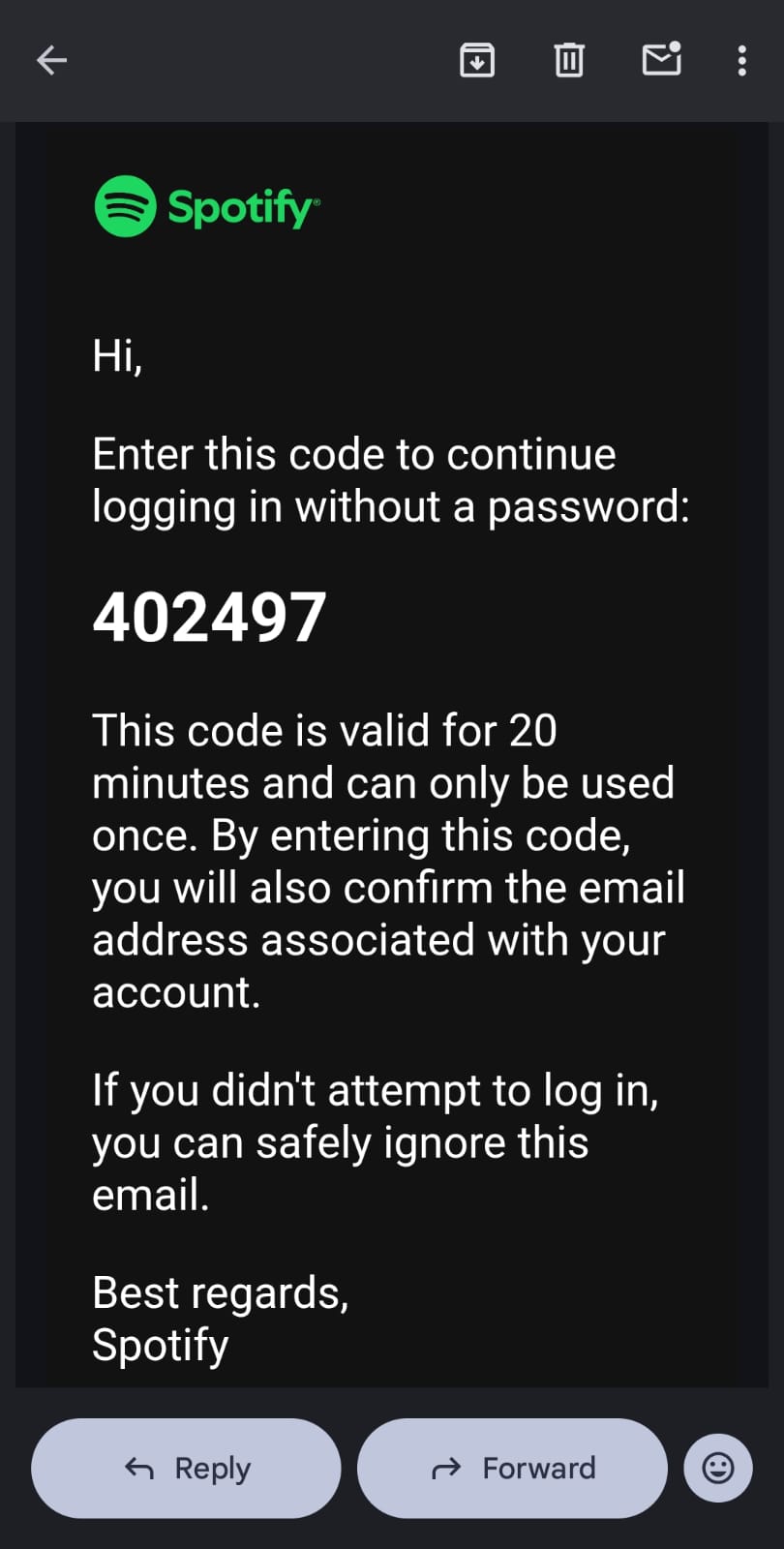
Email from Spotify showing a one time login code for passwordless sign in.

Authorisation Code Abuse Is a Major Account Takeover Vector

This is an account takeover attack that bypasses phishing detection, malware controls, and authentication safeguards. It exploits legitimate authorisation workflows exactly as designed. There is currently no technical control that reliably prevents it. Awareness is the only effective defence. Some referring to this as “device code phishing” but I don’t

Read More »
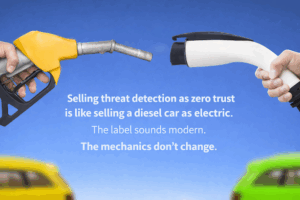
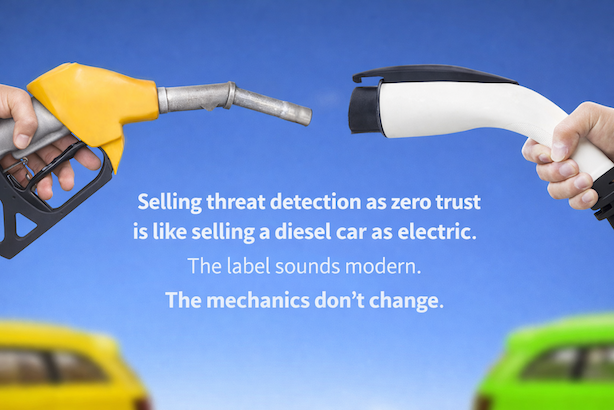
A diesel fuel nozzle and an electric car charging plug held facing each other, with overlaid text comparing threat detection to zero trust.

When a Zero Trust Firewall is Not a Zero Trust Firewall

Here’s a good example of a security vendor claiming to offer a Zero Trust firewall that’s fundamentally different from everything else on the market. Technically, it isn’t. The same claim is made about their browser software. For the same reason, that isn’t zero trust either. It’s a threat detection firewall

Read More »
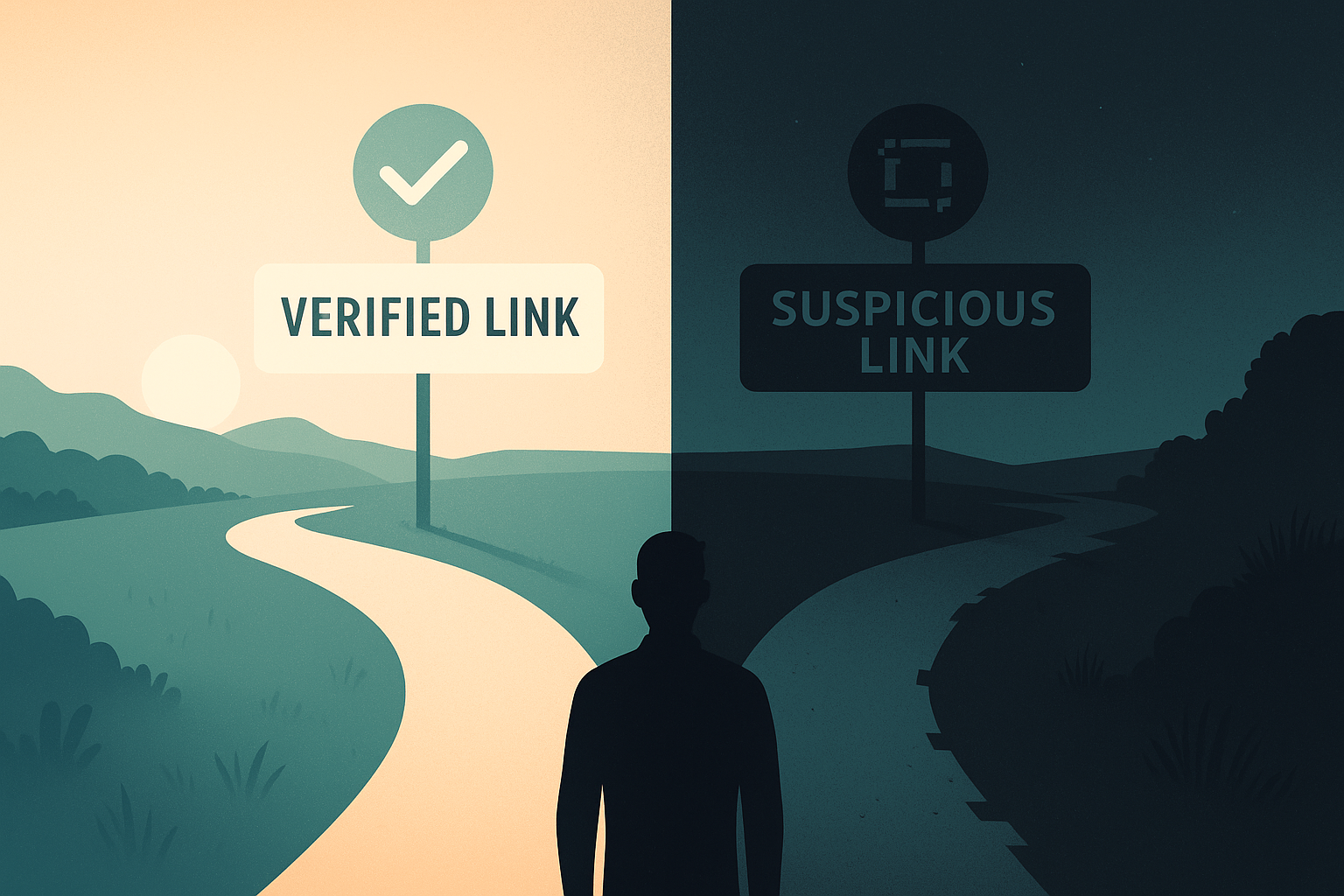
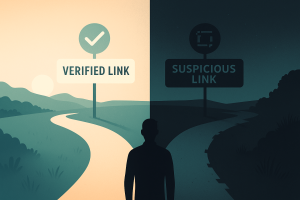
A person stands at a fork in the road, with one path labelled “Verified Link” in bright daylight and the other labelled “Suspicious Link” in darkness, symbolising the choice between safe and unsafe online actions.

Why do we still have to check links in 2025?

Think about how you move through your digital life. Every time a text arrives, you pause. Every time an email lands, you hesitate. Every time you see an offer on social media, you wonder if it’s genuine. Every time someone sends you an app, you check it twice. We’ve all

Read More »

This blog explores phishing - the internet’s longest-running con. It examines how deception works, why conventional security keeps failing, and what needs to change to stop it.

A dark themed illustration showing a hooded figure holding a torn sheet of paper displaying the Pornhub and Mixpanel logos, with shadowy hooded figures in the background suggesting a cyberattack.

PornHub, OpenAI, and the Same SMS Phishing (Smishing) Failure

This is a post to explain why PornHub’s extortion story matters far beyond adult content. This is the same phishing led analytics failure that exposed OpenAI customer data and impacted other Mixpanel customers who still haven’t come forward. Different brands. Same entry point. Same security failure.

Read More »
Email from Spotify showing a one time login code for passwordless sign in.

Authorisation Code Abuse Is a Major Account Takeover Vector

This is an account takeover attack that bypasses phishing detection, malware controls, and authentication safeguards. It exploits legitimate authorisation workflows exactly as designed. There is currently no technical control that reliably prevents it. Awareness is the only effective defence. Some referring to this as “device code

Read More »
A diesel fuel nozzle and an electric car charging plug held facing each other, with overlaid text comparing threat detection to zero trust.

When a Zero Trust Firewall is Not a Zero Trust Firewall

Here’s a good example of a security vendor claiming to offer a Zero Trust firewall that’s fundamentally different from everything else on the market. Technically, it isn’t. The same claim is made about their browser software. For the same reason, that isn’t zero trust either. It’s

Read More »
A person stands at a fork in the road, with one path labelled “Verified Link” in bright daylight and the other labelled “Suspicious Link” in darkness, symbolising the choice between safe and unsafe online actions.

Why do we still have to check links in 2025?

Think about how you move through your digital life. Every time a text arrives, you pause. Every time an email lands, you hesitate. Every time you see an offer on social media, you wonder if it’s genuine. Every time someone sends you an app, you check

Read More »