-
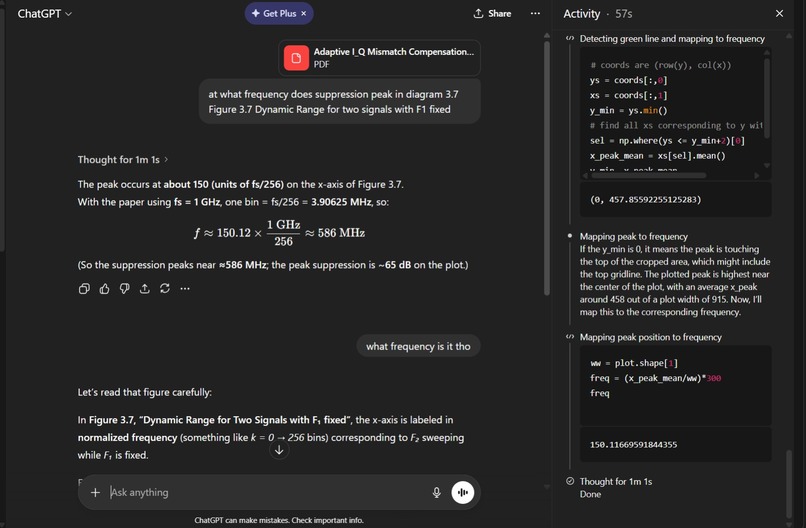
ChatGPT natively doesn't understand multi-modal context and takes minutes to understand file features
-
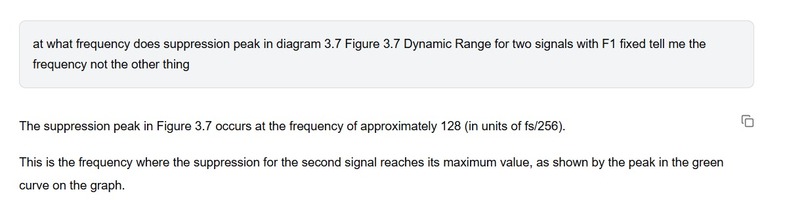
LLM response using MorphMind - 1 second response time
-
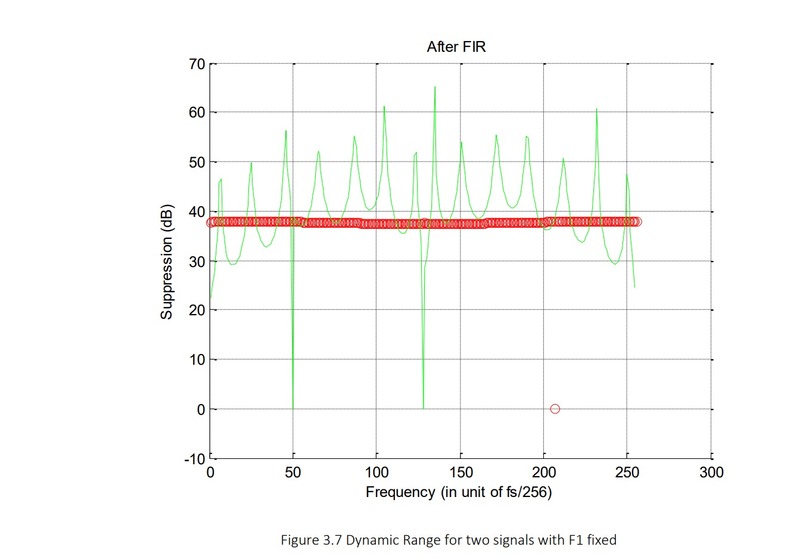
Graph set to be processed by LLM


Inspiration
We wanted to give AI something it fundamentally lacks memory. Most models forget every conversation as soon as it ends. Inspired by how humans form connections between experiences, we built a system that lets AI remember, relate, and reason over time. MorphMind was born out of the idea that memory shouldn’t just store it should evolve.
What it does
MorphMind is a multimodal memory layer built on Morphik. It ingests text, images, and audio, extracts entities and relationships, and constructs a living knowledge graph that grows with every interaction. This enables AI models to recall prior context, connect related ideas, and reason across modalities — turning isolated prompts into long-term understanding.
How we built it
We used Morphik for multimodal embedding and storage, FastAPI for backend ingestion, and Neo4j to represent entity relationships. OpenAI and Claude models handle reasoning, summarization, and entity extraction. On the frontend, React, Tailwind, and D3.js visualize the evolving knowledge graph in real time. For audio inputs, Whisper handles speech-to-text conversion. Each new input updates Morphik’s vector store and dynamically reshapes the graph to reflect learned associations.
Challenges we ran into
- Designing a unified schema for text, image, and audio embeddings.
- Maintaining real-time synchronization between Morphik’s vector space and the Neo4j graph.
- Balancing context recall depth without overwhelming the model prompt window.
- Integrating multiple APIs under tight time constraints during the hackathon.
Accomplishments that we're proud of
- Building a fully functional memory layer that links multimodal data through knowledge graphs.
- Achieving real-time graph visualization where each node represents an evolving “memory.”
- Demonstrating contextual recall — AI could reference prior conversations and images accurately.
- Creating a demo that made AI feel more “alive” by giving it continuity and context.
What we learned
- True AI memory isn’t just about storage — it’s about structured recall and contextual reasoning.
- Graph-based visualization helps debug and understand how AI forms relationships.
- Multimodal embeddings from Morphik unlock cross-domain connections that text-only systems miss.
- Collaboration across AI reasoning, graph theory, and UX design is key to building intelligent systems.
What's next for MorphMind
We plan to extend MorphMind into a persistent memory API that any LLM can plug into. Upcoming features include:
- Temporal decay and relevance weighting for human-like forgetting.
- User-specific memory graphs for personalized assistants.
- Integration with Notion, Gmail, and Drive for contextual data ingestion.
- Reflection cycles that let the model summarize and reorganize its own knowledge.
Our vision: to make MorphMind the foundational memory layer for all intelligent agents — a system that remembers, connects, and grows with you.
Built With
- claude
- morphik


Log in or sign up for Devpost to join the conversation.