-
-
-
-
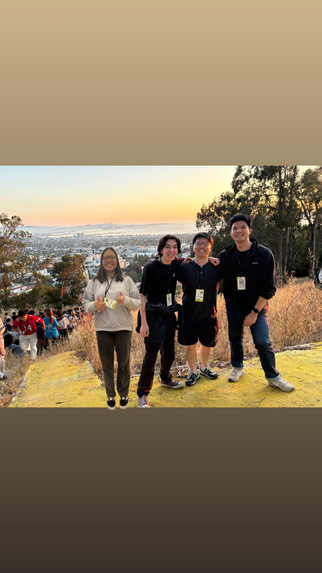
Our amazing team :D


Inspiration
One of the biggest barriers for new developers is knowing where to start when contributing to open-source projects. Staring at unfamiliar codebases with hundreds of files can be overwhelming, especially when trying to understand how to fix a specific GitHub issue. We wanted to create an AI-powered tool that bridges this gap by providing newcomers with the context, guidance, and confidence they need to make their first meaningful. Furthermore, LLM agents are still not (yet) great at solving real-world coding problems— the best performing agent in SWE-bench (popular coding benchmark) as of this writing can only solve ~50% of GitHub PRs. Human engineers are still essential in the open-source software ecosystem today, especially as the amount of software continues to grow.
What it does
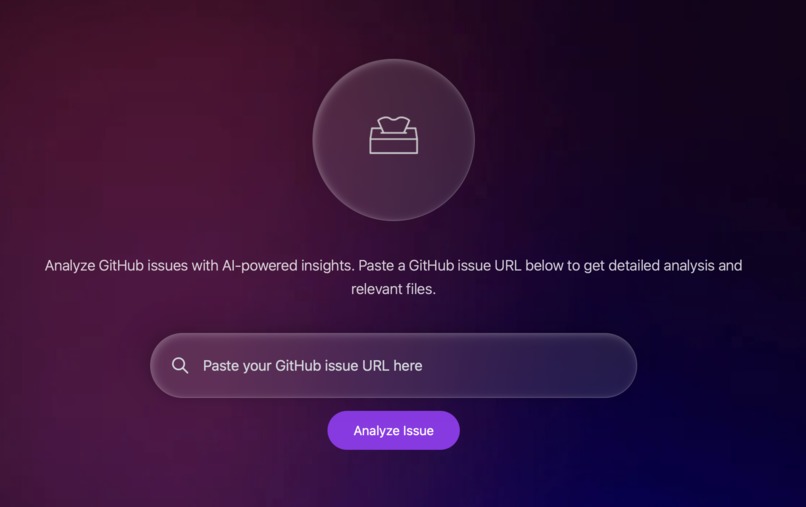
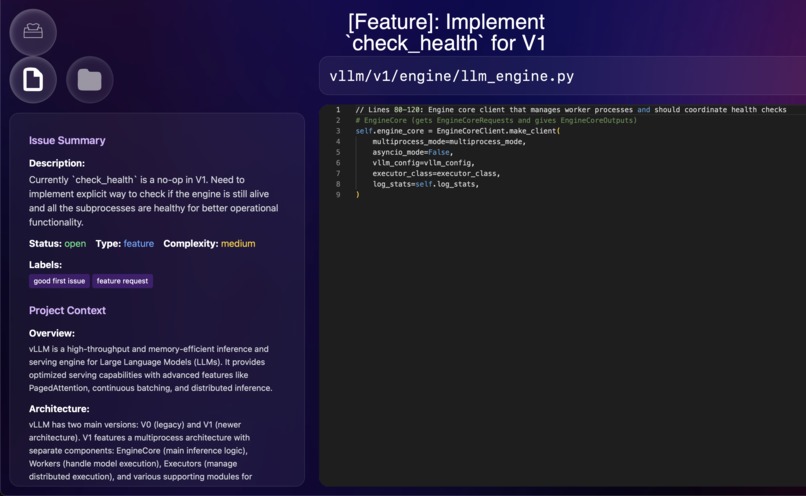
Our project helps users understand and guide them along the process of fixing github repo issues. The client pastes the link of an issue they're working on, and we use agent orchestration to process the repository and the specific files that the issue targets. Our system collects data persistently through Letta's MemGPT technology and synthesizes information in an interactive and easy-to-grok format for users. The structured and specific data can greatly benefit developers new to the project. Developers can also use this data to continue solving the issue through agentic code agents like Cursor and Copilot.
How we built it
Front-end:
We use Next.js for server-side rendering and routing. All UI components are built with React. Styling is handled with Tailwind CSS utility classes, along with custom CSS that creates a “liquid glass” (glassmorphism) effect for a modern interface. The Monaco Editor is integrated to provide an interactive, IDE-like code viewer, allowing users to explore code with syntax highlighting and a smooth user experience.
Back-end:
The backend is built with FastAPI and leverages Letta and MCP tools to analyze GitHub issues. When a user submits a GitHub issue URL, the backend fetches the issue details and repository structure, analyzes the codebase, architecture, and build/test commands, and generates a summary of the issue, project context, and implementation steps. This information is returned as a JSON object that matches a Pydantic model schema, making it easy for the frontend to process and display the data.
Challenges we ran into
- Letta Integration Complexity: Learning to work with Letta's agent-based architecture and coordinating multiple AI agents required significant experimentation
- MCP Server Configuration: Setting up and properly connecting Model Context Protocol servers for GitHub integration
- Schema Design: Creating comprehensive Pydantic schemas that could handle the variety of repository structures and issue types
- Asynchronous Workflow Management: Coordinating between supervisor and worker agents while maintaining response reliability
- CORS and Environment Configuration: Ensuring proper API communication between frontend and backend across different environments
Accomplishments that we're proud of
- Successfully implemented Letta's multi-agent system for complex repository analysis
- Mastered MCP server integration to directly interface with GitHub's API and repository contents
- Created an intuitive glassmorphism UI that makes complex technical information accessible
- Built a full-stack application from scratch during the hackathon timeframe
- Designed a scalable architecture that can handle repositories of varying sizes and complexity
- Delivered real value by solving a genuine problem faced by new open-source contributors
What's next for Tissue.AI
We're considering making the output more interactive, such as adding a chatbot so users can ask more questions about the current issue and get more tailored responses than the general overview. Beyond this, we plan to expand support for multi-repository analysis to handle issues that span across multiple codebases or dependencies. We're also exploring the development of personalized learning path generation that would recommend relevant tutorials and concepts based on the technologies encountered in each issue. To foster collaboration, we want to introduce community features that allow users to share their analysis results and work together on solutions. Additionally, we're considering building IDE extensions that would bring Tissue.AI directly into developers' workflows within popular code editors. Finally, we're looking into implementing an AI-powered difficulty scoring system that would help users find issues that match their current skill level, creating a more tailored and progressive learning experience for new contributors.
Built With
- claude
- fastapi
- gemini
- letta
- mcp
- next.js
- pydantic
- tailwind


Log in or sign up for Devpost to join the conversation.