-
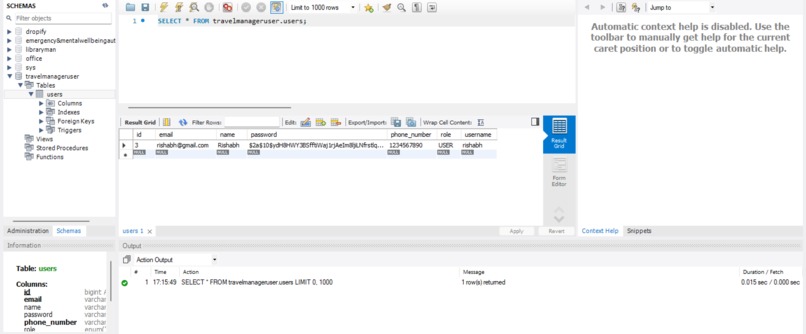
Password Encryption

User Authentication Service
Inspiration
In today's digital age, securing user information is paramount. With an increasing number of applications requiring user authentication, I wanted to build a robust and secure authentication service that prioritizes user data security and provides a seamless login experience.
What it does
The User Authentication Service handles secure user registration and login functionalities. It uses JSON Web Tokens (JWT) for session management and authentication, ensuring that only authorized users can access protected resources. Passwords are securely stored in the database using BCryptPasswordEncoder, adding an additional layer of protection against potential data breaches.
How we built it
- Backend: Built using Spring Boot for rapid development and seamless integration of security features.
- Database: Used MySQL to store user details, including encrypted passwords.
- Authentication: Implemented JWT for token-based authentication and authorization.
- Security: Integrated BCryptPasswordEncoder for hashing and securing user passwords.
- API Development: Created RESTful APIs for user registration, login, and token validation.
Challenges we ran into
- Implementing secure password hashing and ensuring proper validation during login.
- Managing JWT expiration and refresh mechanisms to ensure a balance between security and user experience.
- Securing endpoints while maintaining flexibility for future integrations.
- Setting up MySQL database configurations to work seamlessly with Spring Boot.
Accomplishments that we're proud of
- Successfully implemented token-based authentication using JWT, providing secure and stateless session management.
- Ensured all passwords are securely hashed and stored in the database using
BCryptPasswordEncoder. - Created a scalable and reusable service that can easily integrate into any application requiring authentication.
- Enhanced my understanding of Spring Security and JWT concepts.
What we learned
- Deepened my knowledge of Spring Boot's security framework, JWT, and encryption mechanisms like BCrypt.
- The importance of secure coding practices to prevent vulnerabilities like SQL injection and token forgery.
- How to design a RESTful API with scalability and security in mind.
What's next for User Authentication Service
- Implementing refresh tokens to improve the user experience for long sessions.
- Adding role-based access control (RBAC) to manage permissions for different types of users.
- Extending the service to support OAuth2 for social login integrations.
- Deploying the service to the cloud for production use and adding monitoring for better performance insights.
- Writing comprehensive unit and integration tests to ensure the service's reliability.


Log in or sign up for Devpost to join the conversation.