drughunter.com
Structure Search
Patents
Disclosures
Flash Talks

  • Download on the App Store
  • Get it on Google Play
  • LinkedIn Logo
  • Facebook Logo
  • Instagram Logo
  • Twitter Logo
  • Youtube Logo

© Drug Hunter Inc. 2018-2026

  • About Us
  • Our Team
  • Advisory Board
  • Our Reviewers
  • Contact Us
  • Pricing
  • FAQ
  • Support

  • Commentary
  • Events
  • Press Release
  • RSS Feed
  • Careers
  • Corporate T&Cs
  • Terms & Conditions
  • Privacy Policy
  • Download on the App Store
  • Get it on Google Play
  • LinkedIn Logo
  • Facebook Logo
  • Instagram Logo
  • Twitter Logo
  • Youtube Logo

© Drug Hunter Inc. 2018-2026

    Molecule Highlights

    • Article

      Jan. 6, 2026

      Top 10 Most Popular Drug Hunter Reviews of 2025
      ImageImage

      2025 reaffirmed that target selection remains paramount to drug discovery success. Targets traditionally dominated by biologics began to succumb to small molecule approaches. Emerging modalities, induced proximity, and beyond established a firm foothold in the drug discovery community. We invite you to explore these trends in our article highlighting the top 10 most popular Drug Hunter reviews of 2025.

      READ MORE →

    • Article

      Jan. 5, 2026

      Blocking the IgG Highway: FcRn Biology, Approved Agents, and the Small Molecule Horizon
      ImageImage

      FcRn is a pH-gated recycler that protects IgG from degradation; blocking it lowers total IgG and improves outcomes in gMG, CIDP, and ITP. Approved agents show a consistent pharmacodynamic signature and create a high bar for new contenders. This review summarizes the biology, safety themes, and pivotal disease-relevant data, then outlines design considerations for non-antibody modulators. An oral small molecule could differentiate by matching the safety and efficacy of current therapies with a simplified daily dosing regimen that could lower patient burden.

      READ MORE →

    • Molecule

      Jan. 2, 2026

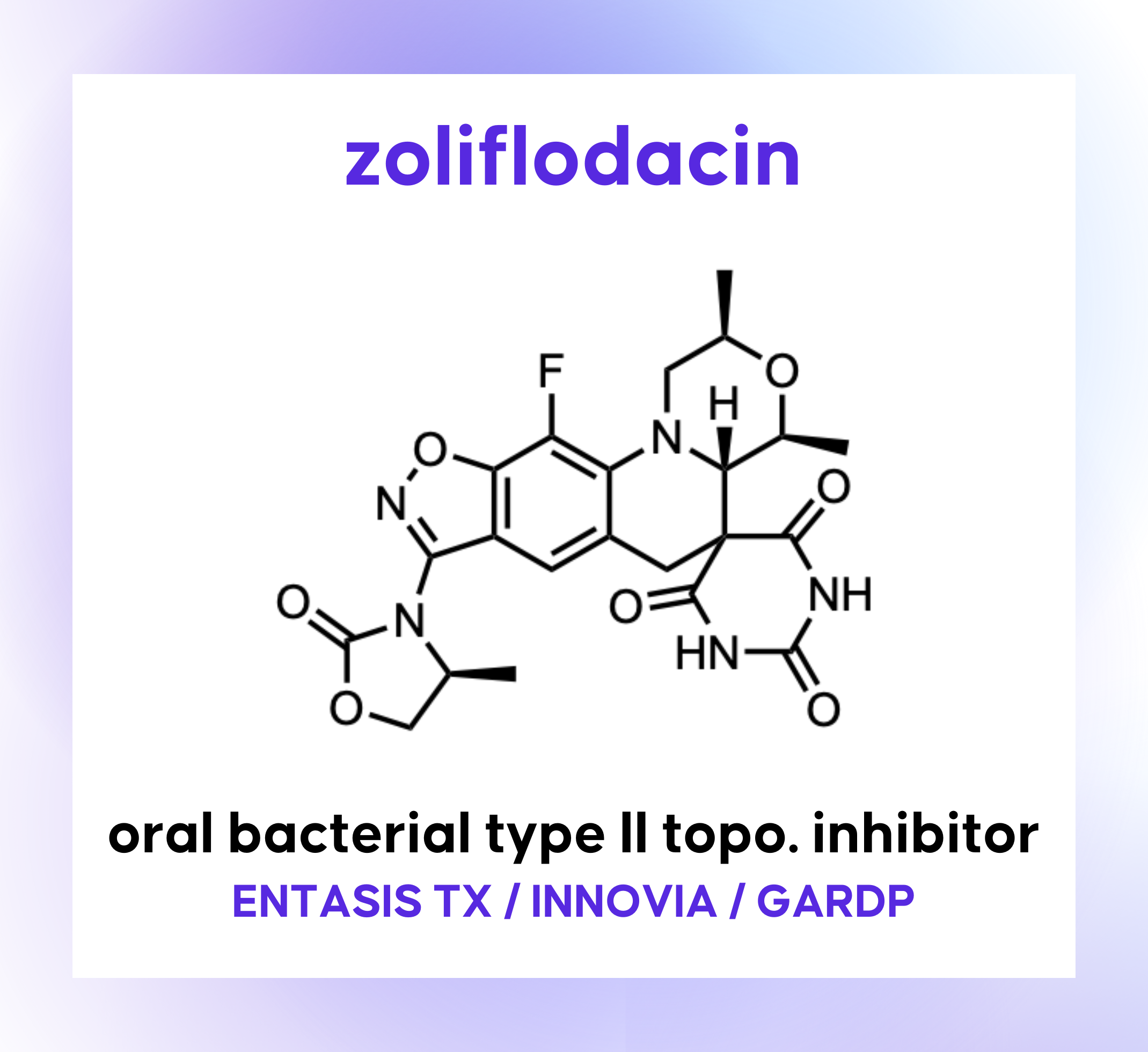
      Zoliflodacin Approved for Gonorrhea, First Anti-Gonococcal Drug Developed in a Not-for-Profit Approach
      ImageImage

      Zoliflodacin (Nuzolvence®), an oral bacterial type II topoisomerase inhibitor, was approved for the treatment of uncomplicated urogenital gonorrhea in December 2025. A first-in-class drug developed exclusively for gonorrhea, it is active against drug-resistant strains of N. gonorrhoeae and demonstrates no cross-resistance to established antibacterials. In a key non-inferiority Ph. 3 trial, zoliflodacin was found to be comparable to ceftriaxone/azithromycin combination therapy. Zoliflodacin joins gepotidacin (Blujepa®) as the first new approvals for gonorrhea in over 30 years.

      READ MORE →

    More Articles

    • Article

      Dec. 29, 2025

      Top 10 Most Popular Drug Hunter Case Studies of 2025
      ImageImage

      2025 was an exceptional year for the science of drug discovery. Throughout the year, Drug Hunter covered a wide range of exciting drug discovery stories showing how advances in screening technologies, structural biology, and medicinal chemistry are expanding the druggable target space for small molecules and new modalities. In case you missed these stories, here are the top 10 most popular Drug Hunter case studies published in 2025.

      READ MORE →

    • Motm

      Dec. 23, 2025

      November 2025
      ImageImage

      Drug Hunter’s Molecules of the Month for November 2025 include a once-daily non-artemisinin combo for malaria that matched Coartem in a Ph. 3 trial while tackling emerging resistance and blocking transmission; the first Factor XIa inhibitor to succeed in Ph. 3, cutting recurrent ischemic stroke risk on top of antiplatelet therapy without increasing major bleeding; and a highly selective CDK7 inhibitor. Also featured are a peripherally restricted D2 antagonist that tames GLP-1R agonist–induced nausea and vomiting without blunting central satiety; a target-anchored SMARCA2/4 degrader that co-opt...

      READ MORE →

    • Molecule

      Dec. 22, 2025

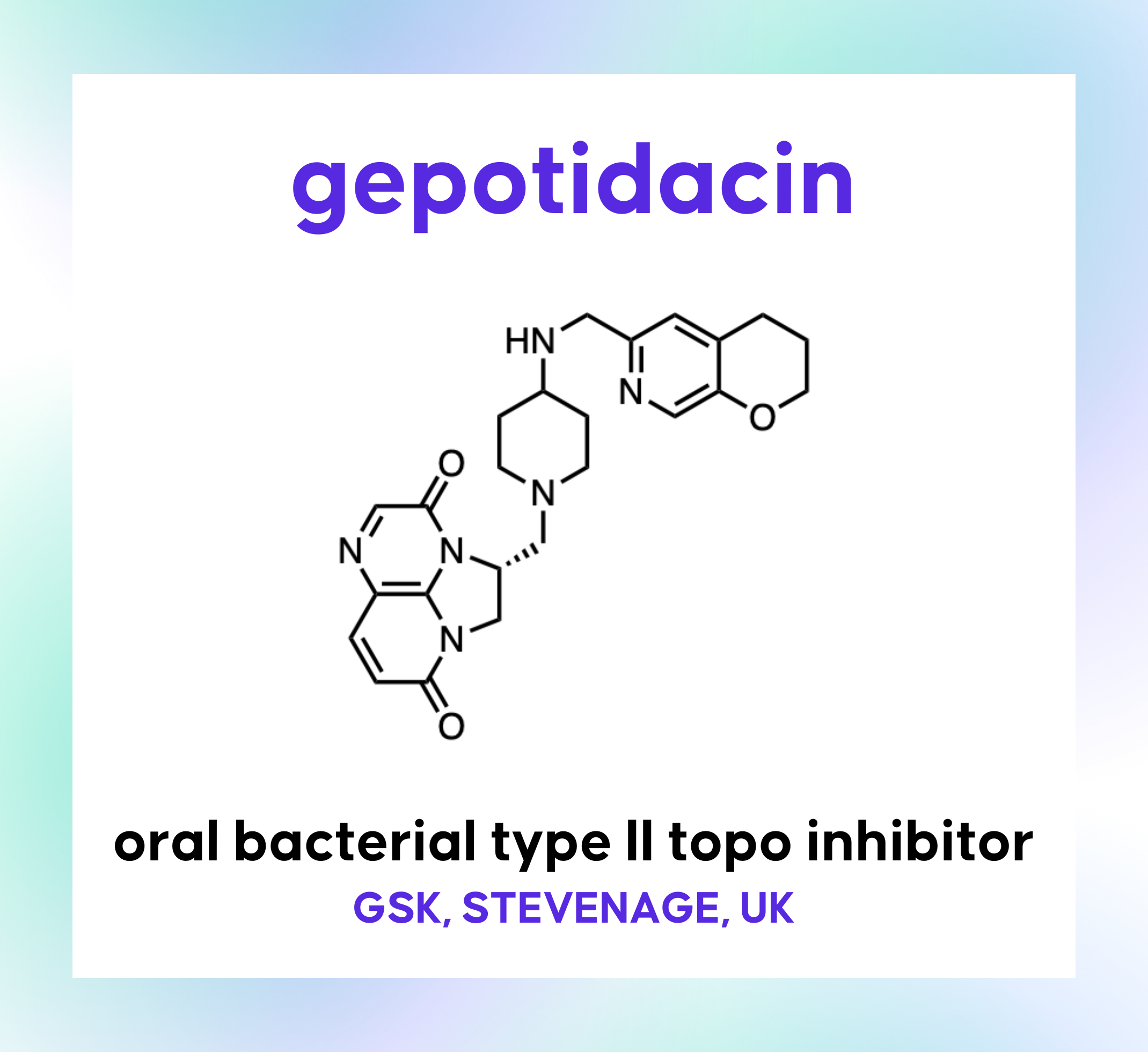
      Antibiotic Gepotidacin Gets Expanded Use, First New Approval for Gonorrhea in 30 Years
      ImageImage

      Gepotidacin (Blujepa®) is an oral bacterial type II topoisomerase inhibitor approved for uncomplicated UTIs and gonorrhea. Gepotidacin is a dual inhibitor of bacterial DNA gyrase and topoisomerase IV, a shared target of fluoroquinolone antibiotics. The distinct binding mode and mechanism of action of gepotidacin can help it overcome fluoroquinolone resistance mechanisms, spare the gut microbiota, and potentially address safety issues associated with fluoroquinolones. Gepotidacin, along with zoliflodacin (Nuzolvence®), mark the first new approvals for gonorrhea in over 30 years.

      READ MORE →

    • Article

      Dec. 19, 2025

      November 2025 Patent Highlights
      ImageImage

      Each month, Drug Hunter reviews thousands of IP disclosures to curate the patents and applications most likely to move the field. From our weekly updated search table, we spotlight standout filings from November 2025—claims, structures, and therapeutic relevance. This month, we highlight Captor’s CRBN-based NEK7 degraders, Daiichi Sankyo’s SF1 antagonists and SF1 heterobifunctional degraders, Kymera’s small-molecule STAT6 inhibitors, SiteOne’s NaV1.8 pain chemotypes, and Lilly’s non-peptide amylin/calcitonin receptor agonists as oral DACRA alternatives.

      READ MORE →

    • Article

      Dec. 18, 2025

      Targeting NLRP3: DFV890 and Beyond
      ImageImage

      As part of our Flash Talk webinar series, we present a follow-up article for Angela Mackay's Flash Talk, “Targeting NLRP3: DFV890 and Beyond.” You can also check out the recording of the talk on our Drug Hunter YouTube channel. In this follow-up article, we discuss the evolution of multiple NLRP3 inhibitors for the treatment of both peripheral and neurological immune disorders.

      READ MORE →

    • Molecule

      Dec. 17, 2025

      Mirdametinib: Rescuing a Shelved MEK Inhibitor for NF1 Plexiform Neurofibromas
      ImageImage

      Mirdametinib (Gomekli®) is an oral, brain-penetrant MEK1/2 inhibitor that received FDA approval in February for adults and children with NF1-PN. The approval was based on the Ph. 2b ReNeu trial, where 52% of children and 41% of adults achieved ≥20% tumor volume reduction. Among responders, more than half of patients saw >50% tumor shrinkage. Mirdametinib is the second MEK inhibitor approved for this rare disease, following selumetinib, which was first approved for pediatric NF1-PN in 2020 and expanded in 2025 to include adults.

      READ MORE →

    • Molecule

      Dec. 16, 2025

      Fenebrutinib: A Reversible, CNS-Active BTK Inhibitor With Positive Phase 3 Results in MS Approaching a Potential NDA Filing
      ImageImage

      Fenebrutinib is a reversible, non-covalent BTK inhibitor that has delivered positive results in the first readout from pivotal Ph. 3 trials in MS. These late-stage results build on Roche’s September 2024 report from the Ph. 2 FENopta trial in RMS, where 96% patients treated with fenebrutinib were relapse-free at one year and showed no change in disability over 48 weeks. Taken together, the data have been described as “unprecedented” and suggest that fenebrutinib could become a “best-in-disease” medicine as the first high-efficacy, oral treatment option for people with either RMS or PPMS.

      READ MORE →

    • Article

      Dec. 15, 2025

      Patenting Strategies for Small Molecule Drugs
      ImageImage

      As part of our Flash Talk webinar series, we present a PDF of Alexander Berne's & Lucas Watkins' slide deck entitled, "Patenting Strategies for Small Molecule Drugs." You can also check out the recording of the talk on our Drug Hunter YouTube channel. In this follow-up article, we discuss the fundamentals of patent law and its essential role in driving pharmaceutical innovation. We also highlight how patents align investment incentives with exclusivity and outline the key requirements for patentability, including utility, novelty, non-obviousness, as well as enablement and written description.

      READ MORE →

    • Article

      Dec. 12, 2025

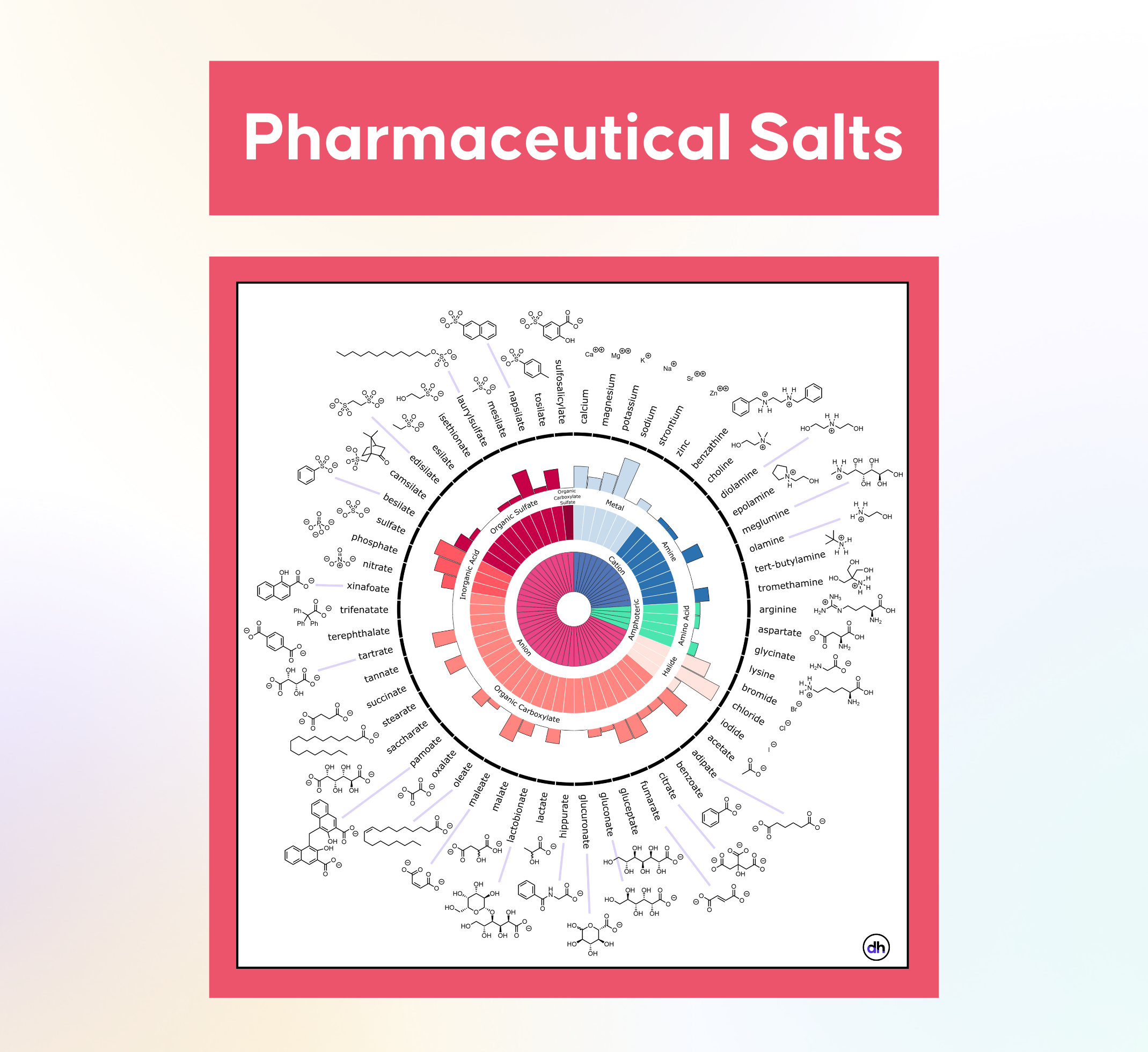
      A Compendium of Pharmaceutical Salts to Help Flavor Your Drug Formulation
      ImageImage

      The Drug Hunter data team presents a curated overview of "inactive" salts used in drug products. We show a hierarchical organization of salt acid/base properties and molecular class as well as their relative usage across FDA drug approvals. Given that many small molecule drugs are formulated and dosed as salts, these data will help salt screening efforts in development candidate selection.

      READ MORE →

    • Molecule

      Dec. 11, 2025

      Gedatolisib: A Surviving Dual PI3K/mTOR Inhibitor with an NDA Under Review in Breast Cancer
      ImageImage

      Gedatolisib is an intravenously administered, ATP-competitive, multi-target inhibitor of the PI3K/AKT/mTOR pathway that blocks all four class I PI3K isoforms plus mTOR, aiming for more complete pathway suppression and less compensatory feedback than single-node agents. Discovered at Wyeth and later developed by Pfizer and then Celcuity, it is in Ph. 3 trials with palbociclib and fulvestrant for HR+/HER2– advanced breast cancer, including PIK3CA-wild-type disease, and has received Breakthrough Therapy and Fast Track designations, supporting an NDA under the U.S. FDA’s RTOR program.

      READ MORE →

    • Molecule

      Dec. 10, 2025

      JNJ-8003: An Induced-Fit RSV L-Protein Inhibitor That Might Dodge the Polymerase Inhibitor Graveyard
      ImageImage

      JNJ-8003 is an RSV (respiratory syncytial virus) RNA polymerase inhibitor in preclinical development. One of Johnson & Johnson Innovative Medicine’s second-generation non-nucleoside inhibitors, JNJ-8003’s revamped structure eliminates key metabolic soft spots while increasing potency, driven by a compound-induced binding pocket in the L protein. Although still preclinical, JNJ-8003 could be a welcome refresh in an RSV non-nucleoside pipeline that has seen prior candidates succumb to clinical attrition, and a potential future complement to today’s largely prophylactic interventions.

      READ MORE →

    • Molecule

      Dec. 9, 2025

      Bitopertin, a GlyT1 Inhibitor that Failed in Schizophrenia, Repurposed for Erythropoietic Protoporphyria
      ImageImage

      Disc Medicine is repurposing Roche’s GlyT1 inhibitor bitopertin to treat the rare genetic blood disease EPP (erythropoietic protoporphyria), following its failure in schizophrenia. The background of this disease, the potential of GlyT1 inhibition to control it, and the positive Ph. 2 clinical results that led to the FDA granting Disc an accelerated review with a CNPV designation are covered in this profile. Bitopertin could become the first FDA-approved oral small molecule treatment for EPP as early as December 2025.

      READ MORE →

    • Molecule

      Dec. 8, 2025

      Bayer’s HER2-Mutant Inhibitor Sevabertinib Gets FDA Green Light for nSCLC
      ImageImage

      Sevabertinib (Hyurnuo®) is an oral, mutant HER2-targeted, reversible tyrosine kinase inhibitor approved by the FDA in November 2025 for previously treated nSCLC tumors with HER2 mutations. The approval was largely based on positive Ph. 1/2 clinical data, following its previous Breakthrough Therapy and Orphan Drug designations. Sevabertinib offers a new treatment option for this genetically defined, hard-to-treat lung cancer population, which predominantly affects younger, non-smoking women.

      READ MORE →

    • Molecule

      Dec. 5, 2025

      Imlunestrant: Lilly’s FDA-Approved Oral SERD for ESR1-Mutant ER+ Breast Cancer
      ImageImage

      The FDA approved imlunestrant (Inluriyo®) on September 25, 2025, for adults with ER-positive, HER2-negative, ESR1-mutated advanced or metastatic breast cancer following prior endocrine therapy. Imlunestrant is a next-generation, brain-penetrant oral SERD and the second agent of this class to reach the market. Meanwhile, the pipeline of clinical-stage oral SERDs and other ERα-targeting modalities continues to grow, promising plenty of competition to imlunestrant and its relatives.

      READ MORE →

    • Article

      Dec. 4, 2025

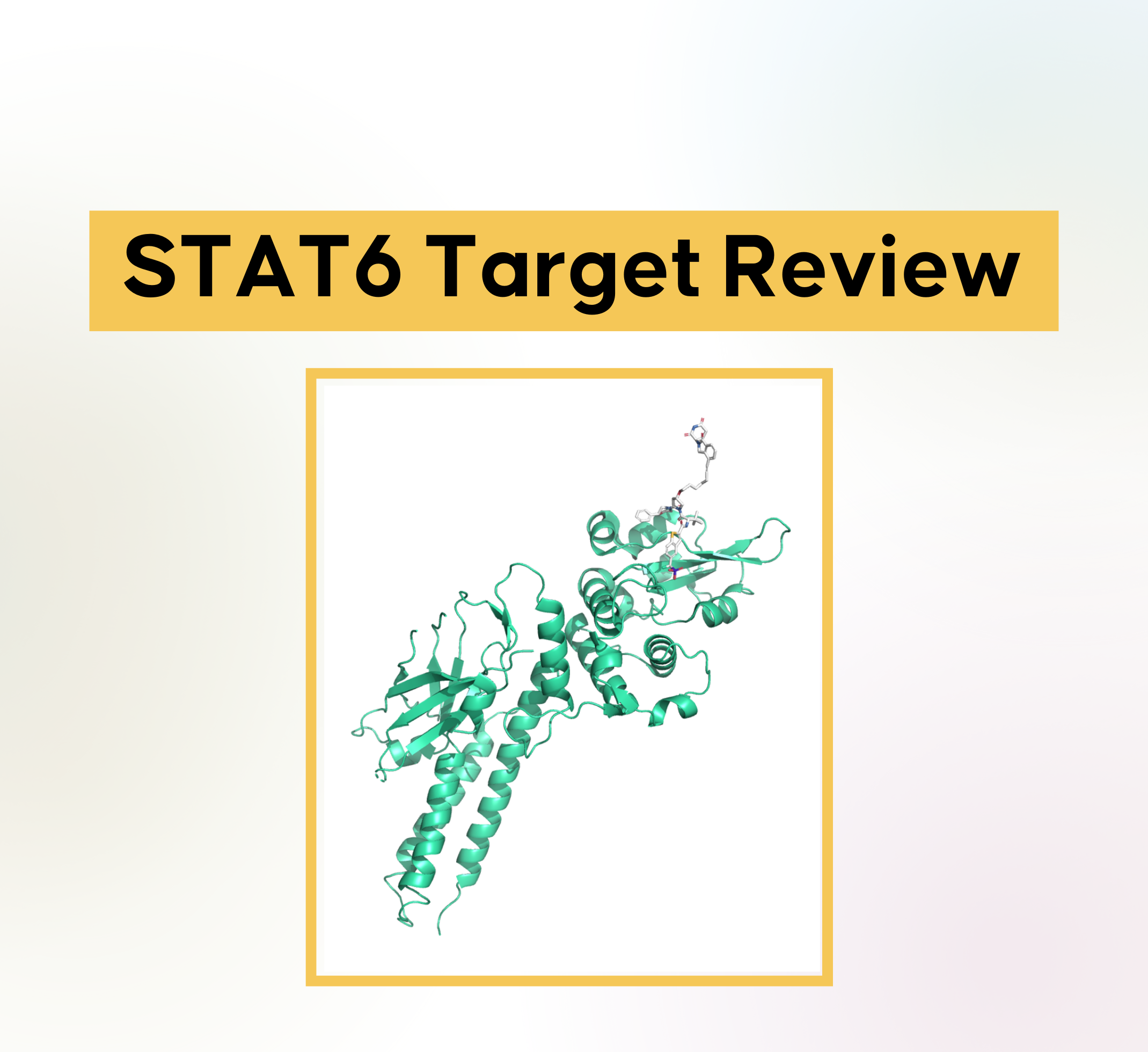
      STAT6: A Challenging Target Gains Traction Utilizing Degraders for Th2-Driven Disease
      ImageImage

      STAT6, once deemed undruggable, is now being targeted through protein degradation. This article highlights recent developments including Kymera’s KT‑621, a cereblon-based STAT6 degrader, that has entered Ph. 2 and has shown >95% knockdown of STAT6 as well as Th2 biomarker suppression. It also surfaces preclinical programs from Nurix, Gilead, Pfizer and the University of Michigan. STAT6 degradation marks a shift in targeting transcription factors for immune and cancer therapies.

      READ MORE →

    • ImageImage

      Dec. 29, 2025

      Top 10 Most Popular Drug Hunter Case Studies of 2025

      2025 was an exceptional year for the science of drug discovery. Throughout the year, Drug Hunter covered a wide range of exciting drug discovery stories showing how advances in screening technologies, structural biology, and medicinal chemistry are expanding the druggable target space for small molecules and new modalities. In case you missed these stories, here are the top 10 most popular Drug Hunter case studies published in 2025.

    • ImageImage

      Dec. 23, 2025

      November 2025

      Drug Hunter’s Molecules of the Month for November 2025 include a once-daily non-artemisinin combo for malaria that matched Coartem in a Ph. 3 trial while tackling emerging resistance and blocking transmission; the first Factor XIa inhibitor to succeed in Ph. 3, cutting recurrent ischemic stroke risk on top of antiplatelet therapy without increasing major bleeding; and a highly selective CDK7 inhibitor. Also featured are a peripherally restricted D2 antagonist that tames GLP-1R agonist–induced nausea and vomiting without blunting central satiety; a target-anchored SMARCA2/4 degrader that co-opt...

    • ImageImage

      Dec. 22, 2025

      Antibiotic Gepotidacin Gets Expanded Use, First New Approval for Gonorrhea in 30 Years

      Gepotidacin (Blujepa®) is an oral bacterial type II topoisomerase inhibitor approved for uncomplicated UTIs and gonorrhea. Gepotidacin is a dual inhibitor of bacterial DNA gyrase and topoisomerase IV, a shared target of fluoroquinolone antibiotics. The distinct binding mode and mechanism of action of gepotidacin can help it overcome fluoroquinolone resistance mechanisms, spare the gut microbiota, and potentially address safety issues associated with fluoroquinolones. Gepotidacin, along with zoliflodacin (Nuzolvence®), mark the first new approvals for gonorrhea in over 30 years.

      Infectious DiseaseInhibitorOther Enzyme
    • ImageImage

      Dec. 19, 2025

      November 2025 Patent Highlights

      Each month, Drug Hunter reviews thousands of IP disclosures to curate the patents and applications most likely to move the field. From our weekly updated search table, we spotlight standout filings from November 2025—claims, structures, and therapeutic relevance. This month, we highlight Captor’s CRBN-based NEK7 degraders, Daiichi Sankyo’s SF1 antagonists and SF1 heterobifunctional degraders, Kymera’s small-molecule STAT6 inhibitors, SiteOne’s NaV1.8 pain chemotypes, and Lilly’s non-peptide amylin/calcitonin receptor agonists as oral DACRA alternatives.

    • ImageImage

      Dec. 18, 2025

      Targeting NLRP3: DFV890 and Beyond

      As part of our Flash Talk webinar series, we present a follow-up article for Angela Mackay's Flash Talk, “Targeting NLRP3: DFV890 and Beyond.” You can also check out the recording of the talk on our Drug Hunter YouTube channel. In this follow-up article, we discuss the evolution of multiple NLRP3 inhibitors for the treatment of both peripheral and neurological immune disorders.

    • ImageImage

      Dec. 17, 2025

      Mirdametinib: Rescuing a Shelved MEK Inhibitor for NF1 Plexiform Neurofibromas

      Mirdametinib (Gomekli®) is an oral, brain-penetrant MEK1/2 inhibitor that received FDA approval in February for adults and children with NF1-PN. The approval was based on the Ph. 2b ReNeu trial, where 52% of children and 41% of adults achieved ≥20% tumor volume reduction. Among responders, more than half of patients saw >50% tumor shrinkage. Mirdametinib is the second MEK inhibitor approved for this rare disease, following selumetinib, which was first approved for pediatric NF1-PN in 2020 and expanded in 2025 to include adults.

      OncologyGenetic DiseaseInhibitorKinase
    • ImageImage

      Dec. 16, 2025

      Fenebrutinib: A Reversible, CNS-Active BTK Inhibitor With Positive Phase 3 Results in MS Approaching a Potential NDA Filing

      Fenebrutinib is a reversible, non-covalent BTK inhibitor that has delivered positive results in the first readout from pivotal Ph. 3 trials in MS. These late-stage results build on Roche’s September 2024 report from the Ph. 2 FENopta trial in RMS, where 96% patients treated with fenebrutinib were relapse-free at one year and showed no change in disability over 48 weeks. Taken together, the data have been described as “unprecedented” and suggest that fenebrutinib could become a “best-in-disease” medicine as the first high-efficacy, oral treatment option for people with either RMS or PPMS.

      ImmunologyInhibitorKinase
    • ImageImage

      Dec. 15, 2025

      Patenting Strategies for Small Molecule Drugs

      As part of our Flash Talk webinar series, we present a PDF of Alexander Berne's & Lucas Watkins' slide deck entitled, "Patenting Strategies for Small Molecule Drugs." You can also check out the recording of the talk on our Drug Hunter YouTube channel. In this follow-up article, we discuss the fundamentals of patent law and its essential role in driving pharmaceutical innovation. We also highlight how patents align investment incentives with exclusivity and outline the key requirements for patentability, including utility, novelty, non-obviousness, as well as enablement and written description.

    • ImageImage

      Dec. 12, 2025

      A Compendium of Pharmaceutical Salts to Help Flavor Your Drug Formulation

      The Drug Hunter data team presents a curated overview of "inactive" salts used in drug products. We show a hierarchical organization of salt acid/base properties and molecular class as well as their relative usage across FDA drug approvals. Given that many small molecule drugs are formulated and dosed as salts, these data will help salt screening efforts in development candidate selection.

    • ImageImage

      Dec. 11, 2025

      Gedatolisib: A Surviving Dual PI3K/mTOR Inhibitor with an NDA Under Review in Breast Cancer

      Gedatolisib is an intravenously administered, ATP-competitive, multi-target inhibitor of the PI3K/AKT/mTOR pathway that blocks all four class I PI3K isoforms plus mTOR, aiming for more complete pathway suppression and less compensatory feedback than single-node agents. Discovered at Wyeth and later developed by Pfizer and then Celcuity, it is in Ph. 3 trials with palbociclib and fulvestrant for HR+/HER2– advanced breast cancer, including PIK3CA-wild-type disease, and has received Breakthrough Therapy and Fast Track designations, supporting an NDA under the U.S. FDA’s RTOR program.

      OncologyInhibitorKinase
    • ImageImage

      Dec. 10, 2025

      JNJ-8003: An Induced-Fit RSV L-Protein Inhibitor That Might Dodge the Polymerase Inhibitor Graveyard

      JNJ-8003 is an RSV (respiratory syncytial virus) RNA polymerase inhibitor in preclinical development. One of Johnson & Johnson Innovative Medicine’s second-generation non-nucleoside inhibitors, JNJ-8003’s revamped structure eliminates key metabolic soft spots while increasing potency, driven by a compound-induced binding pocket in the L protein. Although still preclinical, JNJ-8003 could be a welcome refresh in an RSV non-nucleoside pipeline that has seen prior candidates succumb to clinical attrition, and a potential future complement to today’s largely prophylactic interventions.

      Infectious DiseaseInhibitorPolymerase
    • ImageImage

      Dec. 9, 2025

      Bitopertin, a GlyT1 Inhibitor that Failed in Schizophrenia, Repurposed for Erythropoietic Protoporphyria

      Disc Medicine is repurposing Roche’s GlyT1 inhibitor bitopertin to treat the rare genetic blood disease EPP (erythropoietic protoporphyria), following its failure in schizophrenia. The background of this disease, the potential of GlyT1 inhibition to control it, and the positive Ph. 2 clinical results that led to the FDA granting Disc an accelerated review with a CNPV designation are covered in this profile. Bitopertin could become the first FDA-approved oral small molecule treatment for EPP as early as December 2025.

      Genetic DiseaseInhibitorTransporter
    • ImageImage

      Dec. 8, 2025

      Bayer’s HER2-Mutant Inhibitor Sevabertinib Gets FDA Green Light for nSCLC

      Sevabertinib (Hyurnuo®) is an oral, mutant HER2-targeted, reversible tyrosine kinase inhibitor approved by the FDA in November 2025 for previously treated nSCLC tumors with HER2 mutations. The approval was largely based on positive Ph. 1/2 clinical data, following its previous Breakthrough Therapy and Orphan Drug designations. Sevabertinib offers a new treatment option for this genetically defined, hard-to-treat lung cancer population, which predominantly affects younger, non-smoking women.

      OncologyInhibitorKinase
    • ImageImage

      Dec. 5, 2025

      Imlunestrant: Lilly’s FDA-Approved Oral SERD for ESR1-Mutant ER+ Breast Cancer

      The FDA approved imlunestrant (Inluriyo®) on September 25, 2025, for adults with ER-positive, HER2-negative, ESR1-mutated advanced or metastatic breast cancer following prior endocrine therapy. Imlunestrant is a next-generation, brain-penetrant oral SERD and the second agent of this class to reach the market. Meanwhile, the pipeline of clinical-stage oral SERDs and other ERα-targeting modalities continues to grow, promising plenty of competition to imlunestrant and its relatives.

      OncologyAntagonistDegraderTranscription Factor
    • ImageImage

      Dec. 4, 2025

      STAT6: A Challenging Target Gains Traction Utilizing Degraders for Th2-Driven Disease

      STAT6, once deemed undruggable, is now being targeted through protein degradation. This article highlights recent developments including Kymera’s KT‑621, a cereblon-based STAT6 degrader, that has entered Ph. 2 and has shown >95% knockdown of STAT6 as well as Th2 biomarker suppression. It also surfaces preclinical programs from Nurix, Gilead, Pfizer and the University of Michigan. STAT6 degradation marks a shift in targeting transcription factors for immune and cancer therapies.

      ImmunologyDegraderTranscription Factor
    VIEW ALL ARTICLES

    Molecule Highlights

    ImageImage
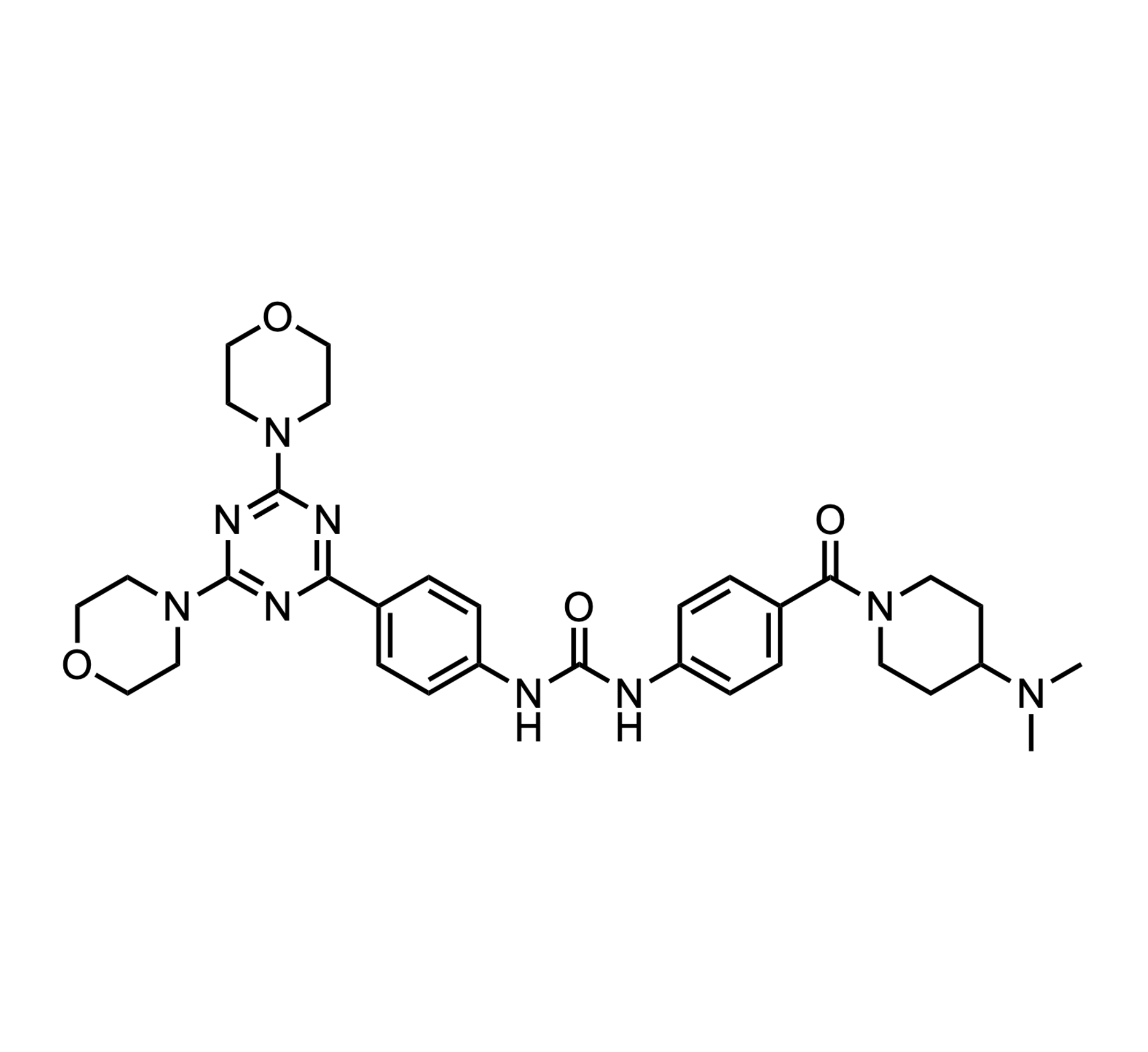
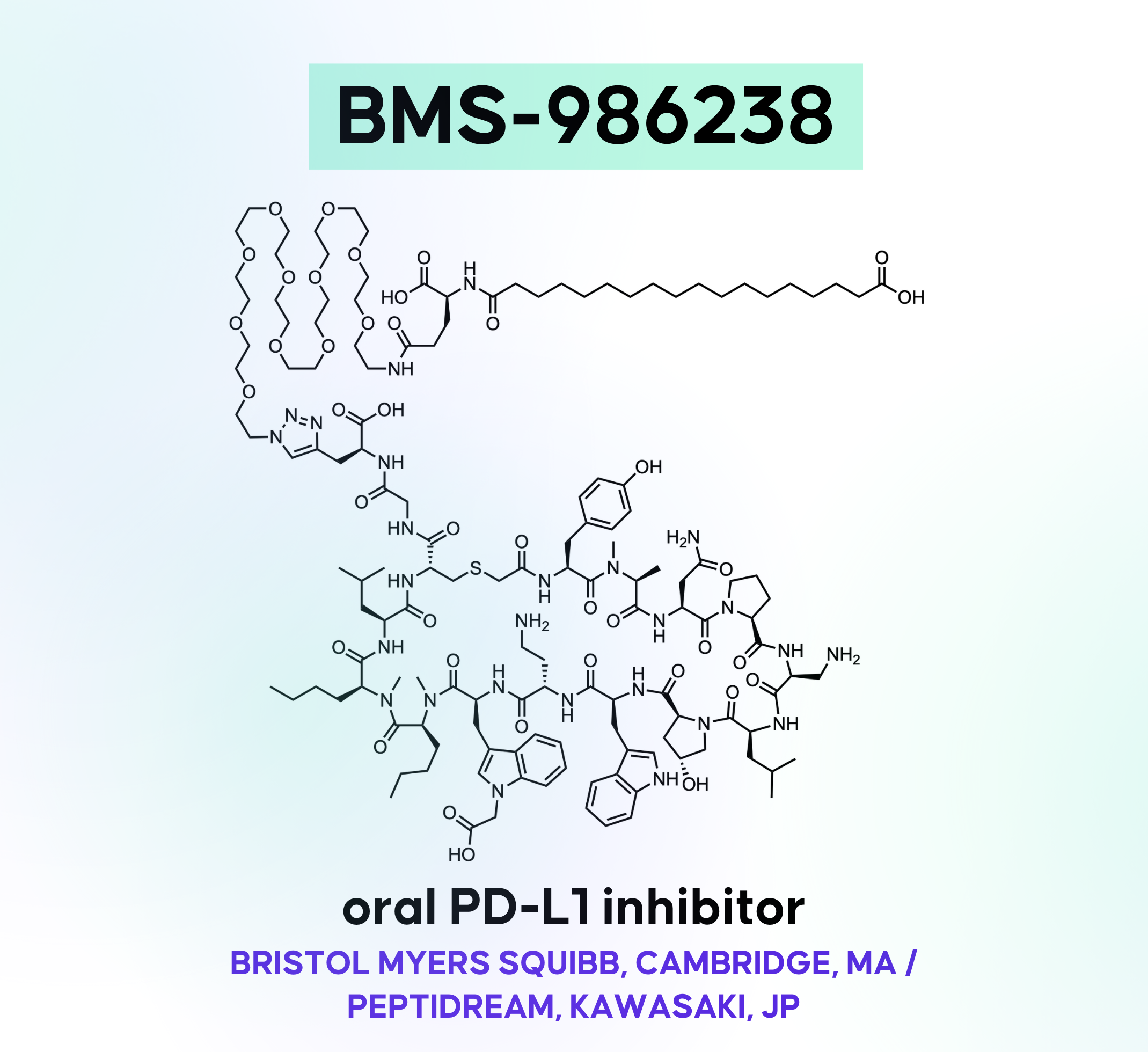
    BMS-986238

    oral PD-L1 inhibitor preclinical from macrocyclic peptide screen Molecular Cancer, 2023 Bristol Myers Squibb, Cambridge MA / PeptiDream, Kawasaki, JP

    ImageImage
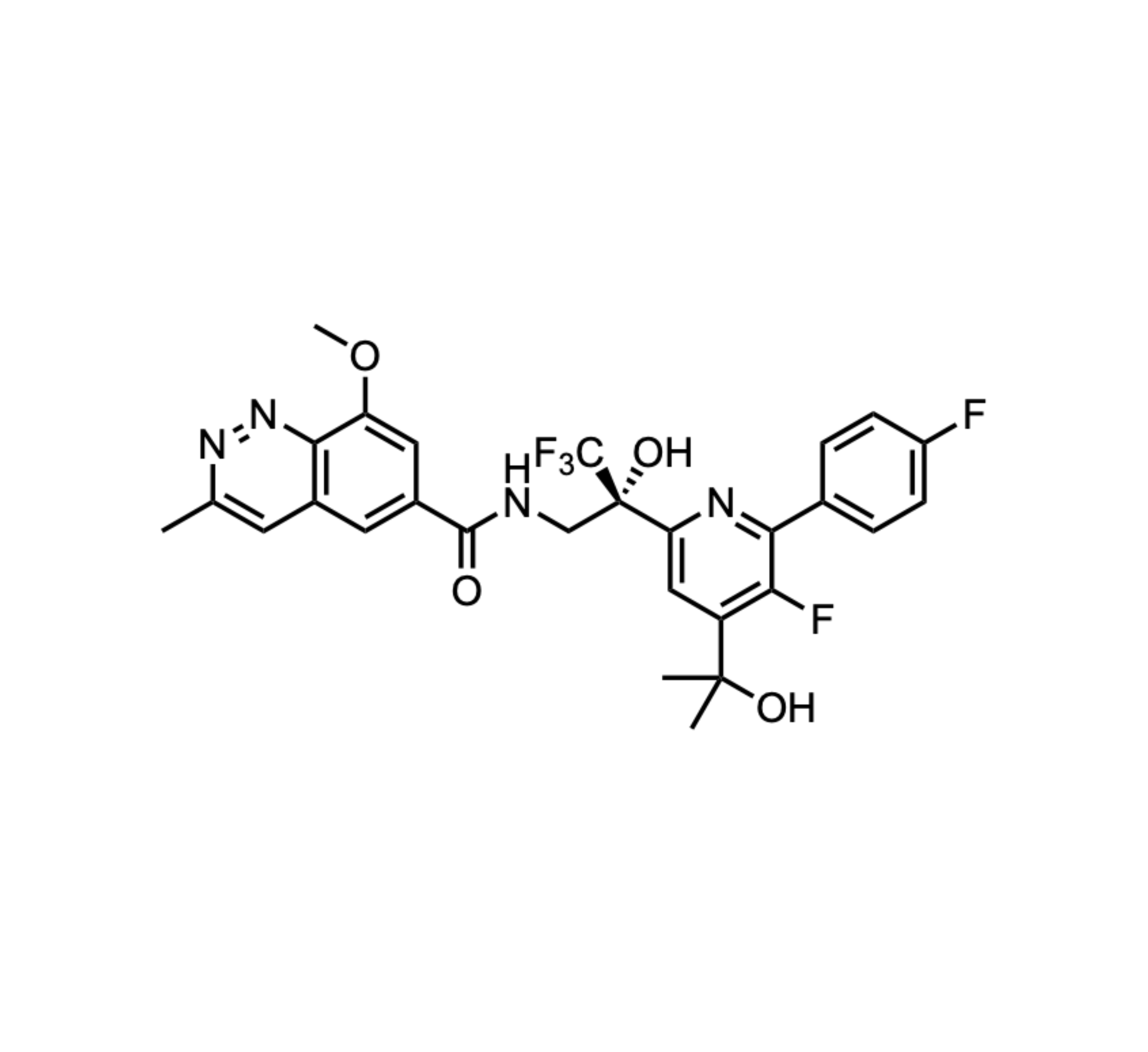
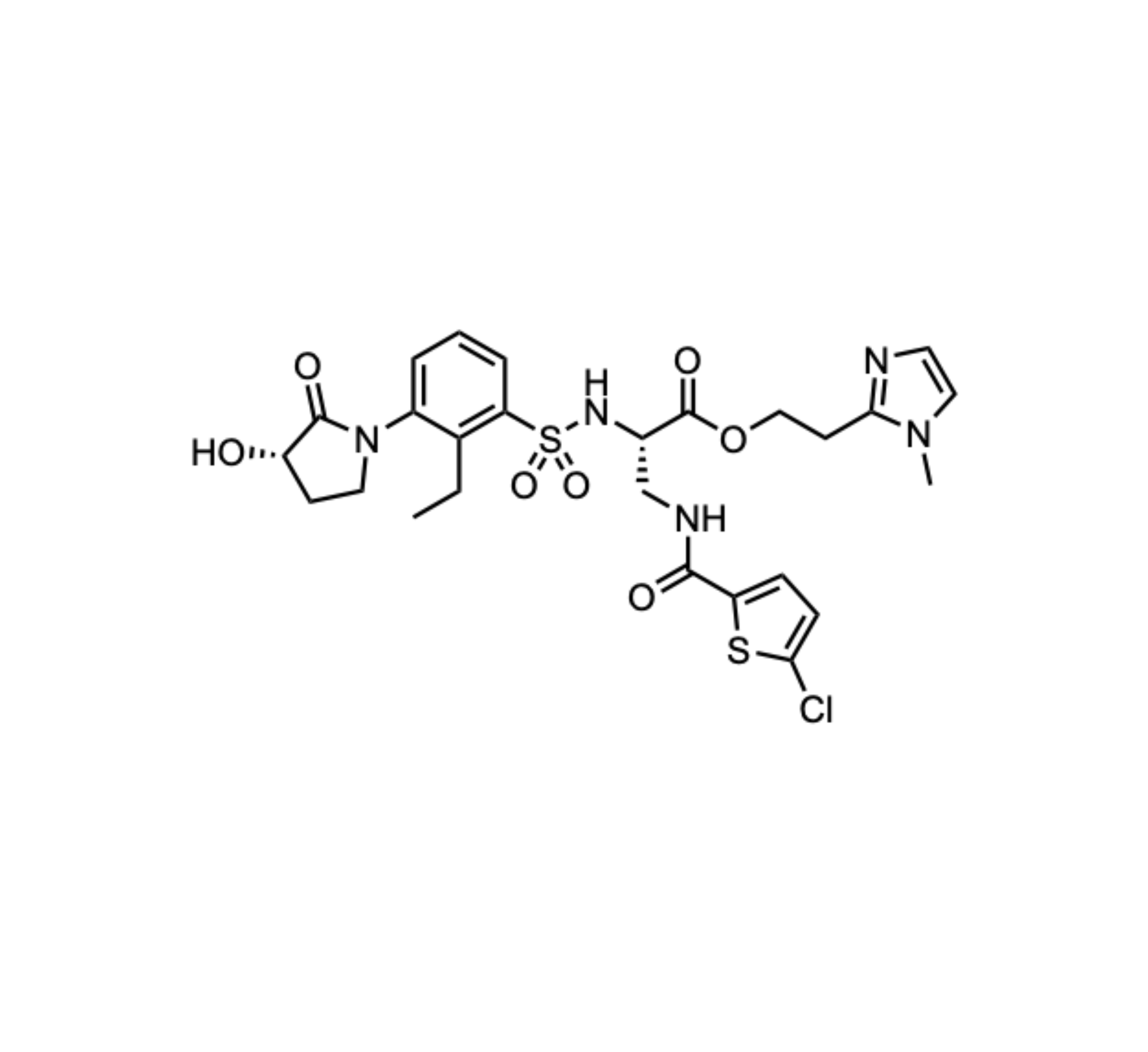
    BAY 3389934

    dual FIIa/Xa (factor IIa/Xa) inhibitor Ph. I for sepsis-induced coagulopathy discovery undisclosed ACS Spring 2025 meeting, first time disclosure, Frontiers in Medicinal Chemistry (FiMC), 2025 Bayer, Wuppertal, DE

    ImageImage
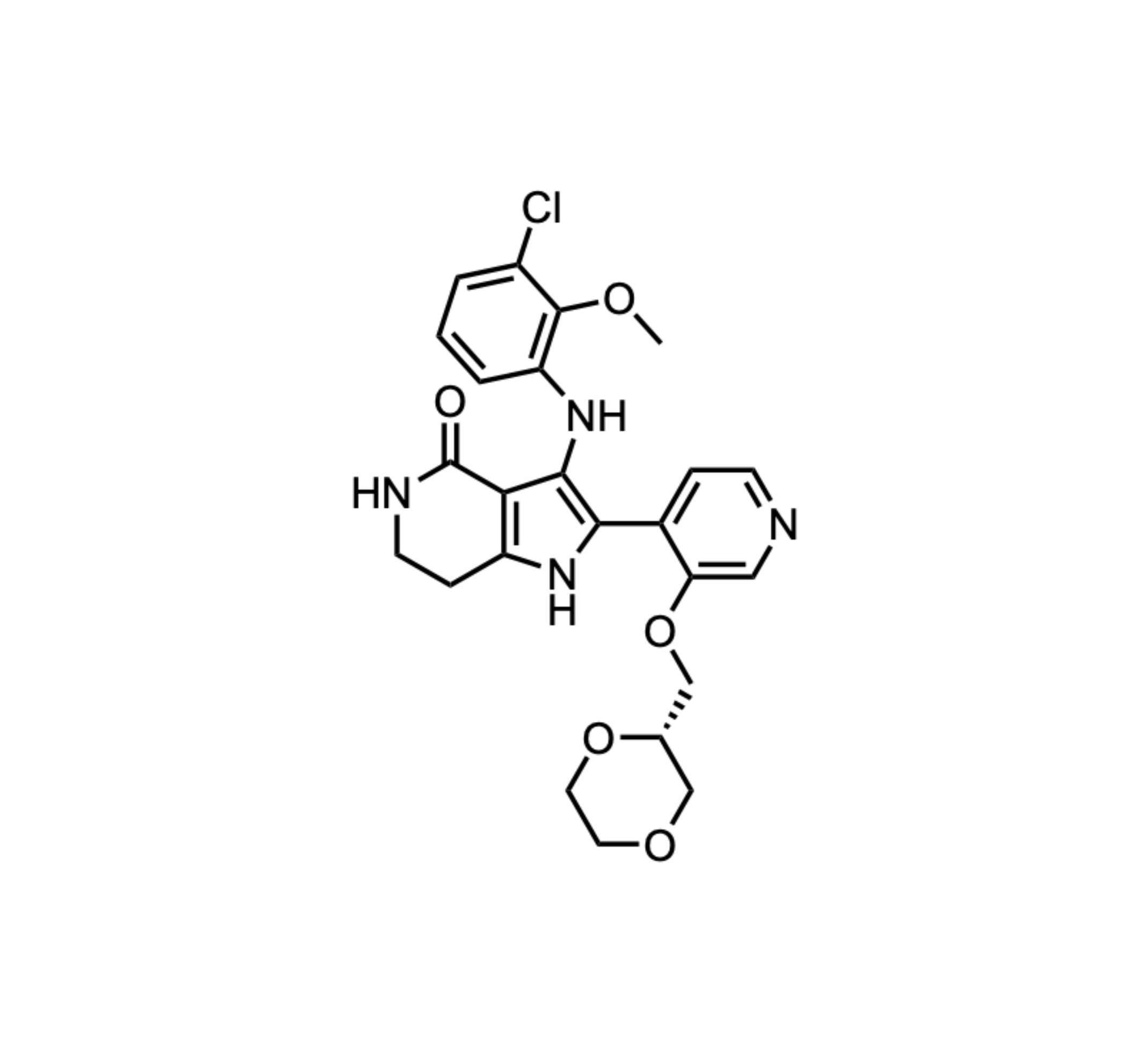
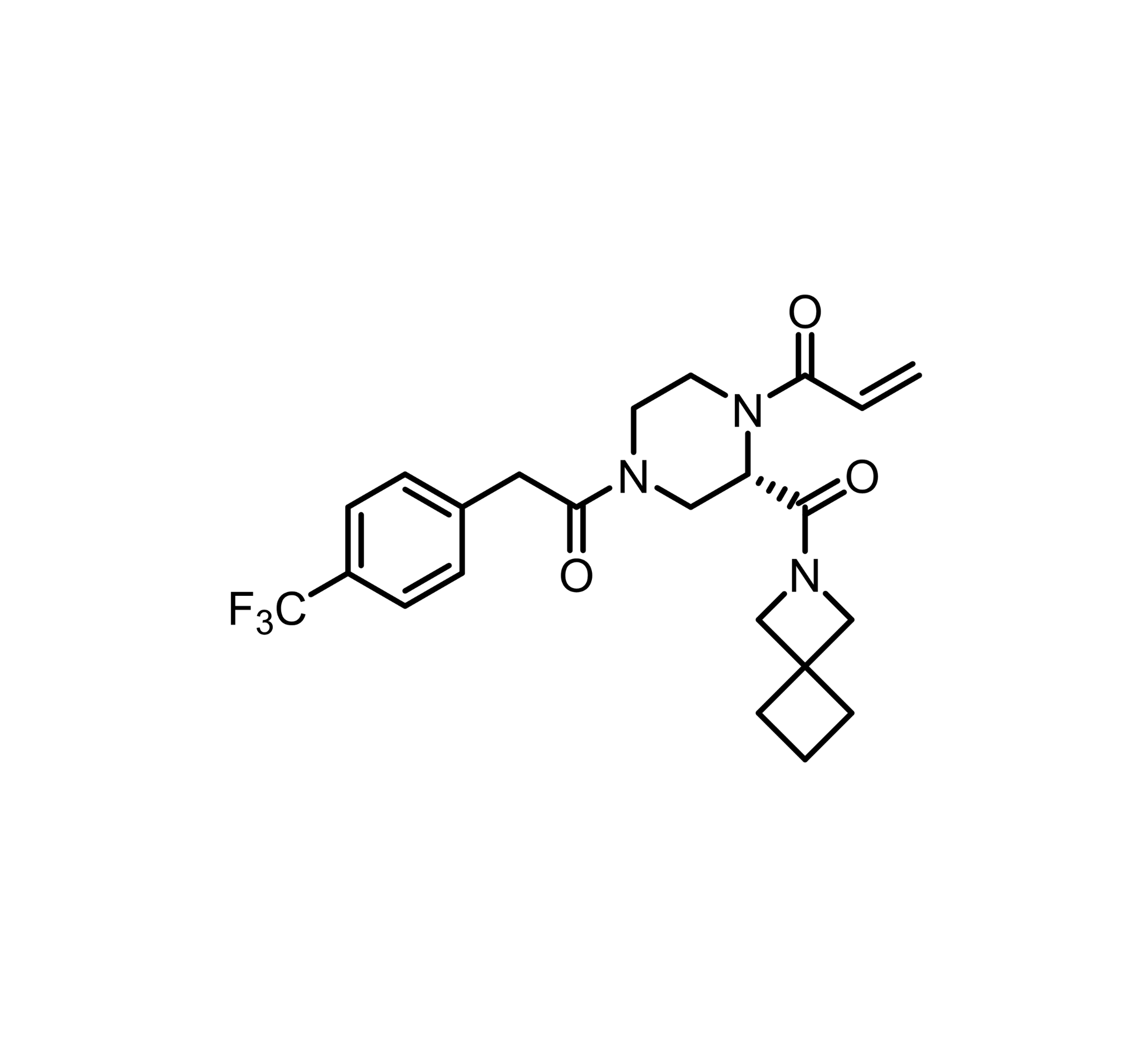
    (S)-27

    covalent WRN helicase inhibitor preclinical for oncology from direct-to-biology approach and SAR opt. ChemRxiv, March 2025 GSK, Collegeville, PA / Stevenage, Hertfordshire, UK

    Advertisement