My Instagram message request folder is a place I approach with caution and suspicion. Social media connects us and brings us together, but it also attracts bots and an alarming number of beautiful women in my area (and weird men sending me anatomical photographs.)
This week, however, was different. The Yorkshire Museum contacted me to kindly invite me to the press preview of their new exhibition, Viking North. Two days before it opened to the general public on Friday 11th of July!
I couldn’t quite believe my luck: I grew up in York and frequently visited the museum as a little girl to pore over the fossils and their fantastic collection of archaeological finds. The idea that I could be inches away from Neolithic arrowheads or a Roman oil lamp that was made, touched, held and discarded by York citizens of the past blew my little child mind. Museums are magic to me and despite having visited MANY, I will always have a special fondness for the ones in my hometown.
Viking North is the culmination of years of work by a multidisciplinary team and replaces the previous Medieval gallery in the museum’s basement. I was greeted by Andrew Woods, senior curator of the Museum, who gave us an introduction to the exhibition and the ideas behind it. With the Bedale Hoard as an example, he described the flow of wealth in the Viking Age, how silver migrated along with people from across Europe and even from the Islamic world. This is a topic that has been discussed extensively in work by Dr Jane Kershaw, one of the exhibition’s advisory panel: she was joined by Dr Steve Ashby, Prof Dawn Hadley and Prof Matthew Townend.
If you are familiar with Viking Age studies, you will recognise this team as a band of absolute academic juggernauts! Their guidance and the curatorial team’s love for the period has resulted in a well-rounded presentation, with a good balance of text for us nerds and spacious display to really let the artefacts sing.
Curator Andrew Woods, showing us the newly rehoused York silk cap.
So, what exactly can you see in Viking North?
Hoards, glorious hoards! The Bolton Percy Hoard, Bedale Hoard and the Vale of York Hoard are on display, along with many other shiny treasures of hacksilver, coins and jewellery from across the Danelaw.
Items found at the Great Army camp at Aldwark. These are remarkable and a little distinct from items found in Jorvík, as the camps were not permanent domestic spaces. As such, they’ve remained elusive and have their own signature items that are commonly found there (think lead gaming pieces, hackmetal, Insular and Anglian jewellery that may be repurposed.) It was great for me personally to see this collection, as my friend Trix Randerson has written extensively on the camp at Aldwark and gave multiple talks on aspects of these objects at my living history conference, VALHAll:A!) You can watch one of his talks (for free) on the use of dress accessories by folks in the Great Army here.
Many items from Viking York that have not been exhibited before, at least not in my lifetime! Most excitingly for me, there were quite a few bits from Hungate. I’ve been working on a speculative Hungate impression for a year now and seeing some of these items “in person” was touching, when I’ve spent so long looking at line drawings in ancient grey lit.
Beautiful Anglo-Scandinavian stonework, some pieces borrowed from churches and some already in the museum’s collection. The Sigurd stone is a favourite of mine!
The famous York cap is now rehoused in a much better, more spacious cabinet, worthy of its majesty. This is good, as it’s one of the only textile elements of the collection on display.
One of the stunning bone-topped caskets/boxes found in York. Remains of two such box lids have been found in York and they seem to have been a popular item in Viking Age towns, with similar examples being found in Dublin and Waterford just to name a few.
An honorary special mention: I asked YMT’s Curator of Archaeology Dr Adam Parker for his favourite artefact on display. Without hesitation, he showed me this STUNNING mjolnir pendant found in 2018 in Newton-le-Willows:
Made from silver with a gold inlay, it is simple but elegant in design. Even more excitingly, it is totally unparalleled: no pendants exactly like it have been found anywhere. Dr Parker explained its significance: Thors hammer pendants gained popularity in Scandinavia after the Christian community there showed their faith with cross pendants. Scandinavian examples are often extremely ornate, while Anglo-Scandinavian mjolnirs are generally plain silver. With a simple shape but precious gold inlay on its surface, the new Newton-le-Willows example straddles these two styles.
The original owner wanted those he encountered to know who he was, what he believed in and his high social standing. Objects like this are so special for this reason: they transport us back in time and give us a fleeting view of a stranger, separated by 10 centuries. The pendant was acquired by the Museum barely a month ago and it has never been exhibited before publicly, so it was a particular honour to see it up close!
There’s so much more to see and I spent an extremely happy hour or two marvelling at it all and exploring the more interactive elements of the exhibition. They’ve added a digital installation of a “raven’s eye view” of the camp at Aldwark, something I loved zooming in on and watching folks going about their daily business. You can also learn to spell your name in Younger Futhark (my MA by Research in Linguistics did not diminish my urge to play with the runes, though my sense of professionalism restrained me from writing something crude.)
I was the only living historian present at the preview, but I was informed that this summer, a team of dedicated costumed interpreters from History Riot will bring the gallery to life for visitors. (You’ll have to check The Yorkshire Museum’s social media/contact them for specific dates to see them, to avoid disappointment!)
Entry to Viking North is included in your ticket price and will be on display for two years. It’s suitable for all ages and attention spans. There’s plenty to see and do, whether you’re a little one who wants to learn about Viking life or a big nerdy one like me, who wants to take my time reading about Viking life.
I also got to meet some fellow big nerds, including the lovely Giselle @awanderingarchaeologist !
A huge thank you again to The Yorkshire Museum for inviting me to see this fantastic new exhibition, it’s a memory I’ll cherish for a long time!
If you liked this article, please share it with your friends and follow my blog to get updates of my future work. You can also follow me on Instagram and Facebook for more regular, informal updates and musings.
My group Vanaheim at this year’s festival. I’m very proud of them all, even if we do “all look the same” as the other re-enactors in the parade. Yes, the barriers are accurate to the Viking Age. /s
I met a lovely gentleman this weekend at Jorvik Viking Festival- he was hovering near the muster point and ended up joining myself and a friend in conversation. He is currently a fashion student and he asked if I could send him any sources to give him a BASIC grounding in Viking Age clothing. I get asked some variation of this question multiple times a year, so I decided to share my response to him for future reference.
I won’t lie, this request has coincided with the annual Re-enactor Bash-a-thon on Facebook that comes after JVF every year. The repeated erroneous claim from some members of the public that “we don’t know what Early Medieval people wore” (ergo, there is no point in attempting clothing based on evidence and my black poly-cotton fetish gear is more accurate than your peasanty plant-dyed wool, probably) being the most annoying claim to me personally. This is because it almost always comes from someone who clearly knows little to NOTHING about the topic.
JVF has always been a broad church and everyone is and *should* be welcome, provided we treat each other with respect. Many of the fantasy costumers and LARPers who attend do so annually and are courteous, enthusiastic and extremely creative. Long may that continue!
So, respectfully, here is a very brief 5 minute read of sources for folks who do want to learn about Viking Age clothing. If you are not interested in accuracy or evidence-based costume, I GENUINELY wish you the best- this post isn’t for you. May the Force be with you, etc. Take any subsequent jests as they were intended- with my tongue firmly in my cheek. If you still want to tell me I suck/am mean/a snob/don’t know what I’m talking about, please do it in the comments and share the post: it’s great for the social media algorithms!
(This is a NON-EXHAUSTIVE list for a huge topic, but please do tell me what you would add! I used the first URL available for the books to save time, but do buy from independent booksellers if you can! #notsponsored)
As good as my girl gang would look in black spandex and Siouxsie Sioux face paint, we made a nice little rainbow instead!
This is a generally good beginners guide for Viking Age clothing, including some of the pre-Viking evidence to show the evolution of style in the regions covered. It’s not a pattern book, but it’s comprehensive and the reference list will be useful for you too.
This is another great sourcebook and contains a lot of clear line drawings taken from manuscript illuminations. There’s a lot of overlap between Anglo-Saxon and Norse clothing, especially if you make Anglo-Scandinavian impressions like my group and I frequently do!
Nille is a famous face in VA re-enactment, she’s made a number of reconstructions for museums all over the world and her pattern books are a common sight in museum shops. This volume contains a bunch of actual patterns and some advice on materials to use, though I’d still look at other more specific sources for cloth and weaves. It’s also quite traditional and isn’t very beginner-friendly for those not familiar with scaling patterns etc.
This is a similar kind of book to Thor Ewing’s, a general source book suitable for total newcomers to the scene and provides a lot of sources. It’s a bit more recent too, so contains a few bits that Ewing’s doesn’t. It is also a Polish publication, so it contains a lot more info from regions outside the traditional Scandinavian heartlands- if you’re interested in Slavic, Rus, Steppe and nomad fashion, there’s more of that here than in some other VA books.
Here’s some free sources that I also use very frequently or recommend:
Holy moley, this one is a good resource. Three books, detailing a massive research project by the Uni of Copenhagen’s Centre for Textile Research, the National Museum of Denmark and Lejre’s Land of Legends. The goal was to explore recreation of Viking Age clothing and textiles on a fastidiously archaeological basis. They came up with some very interesting interpretations, which sparked a lot of discussion online. All three volumes are available to download in .PDF for free, which rarely is the case. This is perhaps not for beginners, but I recommend it anyway.
I will repeat this one until the cows come home! Hilde is a Norwegian re-enactor and costumer who does FANTASTIC, extremely evidence-based articles on VA clothing. She focuses mostly on female clothing, but her articles are excellent and her reference lists and images are impeccable. She is also very nice and has always been patient with any questions I had.
Jen Culler is an American re-enactor and her blog is a great resource. She explains her choices in her interpretations and has a lot of great source images in her articles (she saved my sweet butt before my conference paper by including references and an image of the Rolvsøy textile in an article!) Check out her post on checks and plaids in the VA in particular!
Cathy is an American living historian and focuses on historical costume. She covers a broad variety of crafts and shares lots of cool articles and resources as she finds them.
I don’t actually know who is behind this site, but they’re presumably a scholar/academic at Vassar College in the USA. They have SO many resources, just go and have a look. The site is pretty old-fashioned and some of the sources are a little out-of-date, but you can always top up your knowledge with other stuff. Personally, I get excited when I see a black-and-white old-school webpage like this, because they often contain gems.
He hasn’t uploaded in a little while, but he’s still active on Instagram and I’m sure he’d be happy to answer any questions. Caleb Burch is the author of the site and he’s a costumer of several different periods, but he always posts his sources. He’s done some REALLY nice speculative reconstructions of some of the Hedeby fragments and his insights into the wearability of different reconstructions is valuable.
All of the publications from YAT have been digitised and are free to download online. “Textiles, Cordage and Raw Fibre from 16-22 Coppergate” by the late Penelope Walton Rogers is such an important resource for me as someone who re-enacts Anglo-Scandinavian York, but the leather book is great for models of shoes and the small finds volumes talk all about jewellery and dress accessories (belts, pins, clothes fastenings, etc) found in York.
As said above, this list is far from exhaustive. For any newbies to Viking Age clothing and re-enactment however, I think at least some of these sources will be of use to you. If not, there’s always leather armour and top knots. 😉
Victorian opera singer Rosa Sucher as Wagner’s Brunhilde would have loved Jorvik Viking Festival, I am sure! (It’s an absolutely EXCELLENT look, in fairness.) York’s goose population had better watch out, I’d love a new helmet!
Today marks 958 years since the Christmas Day coronation of William, Duke of Normandy, as King of England. It has also been just over a year since the launch of an online collaborative living history project I started by the name of #AfterHastings. My colleagues and I each chose a prominent woman at the heart of the Norman Conquest and told their stories through photographs and stories shared on Instagram and Facebook. Our goal was to bring them to life for a new audience, as so many of their stories are hidden in the footnotes of history and overshadowed by the battles themselves. These women lived full and exciting lives before and after the events of 1066, yet their fates are not commonly included in mainstream treatments of the conflict.
We each learned so much from the experience and the feedback we received from our online audience was enthusiastic! The Norman Conquest still attracts a lot of interest from academics and casual history fans alike, so much so that BBC One and CBS have just released images from their own upcoming King and Conqueror series. So, to celebrate the one year anniversary of the project, I have collated all of our stories into one article for your reading pleasure. (I received full consent from each of my colleagues to do so and full credit always belongs to each of them.) Unless otherwise stated, photo credit belongs to the author of that chapter.
Even better: I have written the stories of three new women for 2024, with photos from two more excellent colleagues.
Reading Medieval history can be pretty complicated, even more so when everyone seems to have the same damn names. I’ve created these handy family trees to help you visualise the social and familial bonds and keep track of who is who. The names in black are women who are featured in the #AfterHastings project- you get an extra shiny gold star from me if you can find the ladies who pop up in more than one of the family trees.
Another housekeeping note before we begin: my colleagues and I have generally used modern spellings of peoples’ names for ease and have added sobriquets and bynames where necessary. We are very much aware that our Ediths would have more likely answered to Eadgyth (or Eadgifu or Aldgyth or whatever you like,) but spelling was not standardised in the 11th century. Therefore, to limit confusion and answer the prayers of our dyslexic friends, we have mostly stuck to modern English spellings.
Edith the Fair, handfast wife of Harold Godwinson: @historywithjess
“Swan-necked, men named her… her neck of smoothest pearl…”
Edith Swanneck (Old English: Swanneshals) left an extraordinary impression on her contemporaries as a woman of virtue. As wife to the last Anglo Saxon King, her story is inextricably linked to that catastrophic October day in 1066, and her involvement is often peripheral to the main event. Yet Edith’s life, when considered closer, is a story of true love, devotion, loss and strength in adversity.
But who was the real Edith?
She is known to posterity by many names given in her own lifetime. Her English name was Eadgyth, but she is also known variably as Eadgifu and Eadygo. The Doomsday Book later latinises her name to ‘Eddeva’, yet all variations come with the same caveat; “pulchra” or “fair”. Edith was well known as a strikingly beautiful, gentle young woman and an incredibly wealthy one at that.
Born around 1022 to Lady Wulfgyth and the warrior Thorkell the Tall, Eadgyth Thorkellsdottir, as she would have been known prior to marriage, was half English and half Danish. She was also of royal blood; her mother, Wulfgyth, was a daughter of Aethelred the Unready. Her father’s close connection with King Cnut alongside her own royal blood meant Edith spent a great deal of time at the English Court and she would go on to own vast lands and properties bestowed upon her parents in East Anglia .
Edith’s marriage to Harold in around 1045 would have brought prestige, power and influence to the Godwinson name. Both attractive and in their early 20s, it is generally agreed that the two fell very much in love. Their handfasted ‘more danico’ wedding was customary and legitimate to the Anglo-Danish society they lived in and marked the beginning of a 21-year devoted and loving marriage.
Harold’s ‘concubine’. This was how the Normans, in the aftermath of the Conquest, referred to Eadgifu Swannashals (Edith Swanneck). To diminish the legitimacy, loyalty and truth of her relationship with Harold was part of a broader attempt to bring shame and ruin upon Harold’s claim and legacy, thereby legitimising the invader’s claim to the throne.
As is so often the case with history, her story has long been one known only through the lens of the victors.
The term ‘concubine’ implies Eadgifu was a weak, powerless, inconsequential woman. But that presumption, my good friends, could not be any further from the truth. She was very much an equal to Harold by the time of their marriage, as an experienced estate and household manager, and was in no short supply of intelligence.
Second only in wealth to the Queen of England (!) in 1065, the Domesday book shows us that Eadgifu owned 27,000 acres of land, at least 135 manors and several town houses across East Anglia and beyond. It is likely, even, that her properties included several water mills, an advanced technology that was changing Anglo-Saxon society for good.
Eadgifu would have spent much time travelling between her favourite manors and landholdings, collecting rents, entertaining guests, and childbearing. From the Domesday book, it is clear that Eadgifu’s lands were a reliable source of income before, during and after the conquest.
And amidst the somewhat dull entries of the Domesday records is a small spotlight on Eadgifu’s personality; an entry in which she supports, enforces and presumably maintains the claim of a woman to retain her lands in a dispute with her estranged husband.
Far from weak then, Eadgifu was influential, powerful, and compassionate. With her royal connections and political awareness, she would have made quite the impression on Anglo Saxon England. For a woman of such importance, it is hard to accept that her life and actions during the tumultuous final decades of Saxon England are so often boiled down to one word: concubine. Perhaps this project can change that.
Harold and Edith share a tender embrace. Harold is portrayed by Jess’ real life husband and top gent @mitchofthefyrd
“And Harold the King, he loved the comely girl”
As the young and beautiful Eadgifu grew into an influential and admired woman of 11th century England, so too bloomed her love and loyalty to a man who by all accounts appears to have been a dutiful, loving husband & father, as well as a commanding and trusted noble.
Eadgifu and Harold Godwinson’s marriage marked the beginning of an enduring love that faced joy and heartbreak. Both hailing from half-Danish backgrounds, Harold’s ties to Danish royalty intertwined seamlessly with Edith’s connections to English royalty, creating a union that was not only profound but visually striking.
The impact of Eadgifu’s presence in Harold’s world cannot be understated; she played a pivotal role in shaping Harold’s destiny and his meteoric rise to the throne. Together, they wove a narrative of power and prestige.
Their commitment to their family resulted in remarkable harmony between them and their children, a peaceful existence that is quite rare amidst the throng of medieval aristocratic families so often marred with controversy and betrayal.
Their unwavering love is captured in a small snippet from ‘The Life of St Dunstan’ that mentions the poignant burial of their stillborn son at Canterbury Cathedral. In around 1048, the couple experienced the profound grief of a stillborn child. Unbaptised, the baby could not be buried on consecrated ground. Yet, Eadgifu and Harold went to great and extraordinary lengths to have their baby buried in the hallowed grounds of Canterbury Cathedral, near St Dunstan’s shrine. This act of devotion speaks volumes about their commitment to each other, their family and their faith. They would go on to have 6 children in total.
Eadgifu and Harold navigated the intricacies of medieval society together for 21 years. On the eve of that fateful day in 1066, it is easy to imagine Harold taking comfort in Eadgifu’s calm and loving company one final time.
A fashionably-dressed woman and young boy flee a house being burned by Norman troops- could this be Edith? Source: Bayeux Tapestry
“Discovered hath Edith the corpse of the king. No longer need she seek; No word she spake, she wept no tear, She kissed the pale, pale cheek.”
As the infamous Battle of Hastings loomed, one theory places Edith Swanneck and her young son Ulf in Harold’s manor in nearby Crowhurst. It is interesting that Edith should be close by at all; she was Harold’s wife, but she was not his Queen. Harold had married Aldgytha of Mercia (another Edith) shortly after his coronation.
It is generally accepted that this marriage was purely political. But how would Edith have felt? Would she have seen it as a betrayal? Would she have agreed it was a necessary move to secure Harold’s new position?
There is no evidence to suggest that Edith or their 6 children were disregarded after the marriage, but as the handfasted wife of the now legitimately married King, Edith would not have been welcome at court.
So, had Edith been spending time with Harold privately prior to Hastings at Crowhurst, away from the punitive gaze of his new Queen?
It was arguably at Crowhurst that Edith was captured by William’s men. A certain scene on the Bayeux Tapestry is tempting evidence; a noblewoman is seen escaping from a burning manor house with her son during William’s invasion. If true, it would provide some explanation for the speed with which William was able to present Edith in the aftermath of Hastings, forced to perform the heartbreaking act of identifying Harold’s mutilated body.
The Waltham Chronicle recounts this tragic story. Edith, captured by William’s men, is forced to trawl through the carnage of the battlefield to find Harold. She does this with great strength, locating her husband’s body, but is cruely denied the mercy of burying him.
In the space of less than a year, Edith’s world is turned upside down. The catastrophe of invasion was almost total: not only had she lost her husband and King, but her country was now in foreign hands, and her ancestral lands were stripped, leaving her with nothing. How could she pick up the pieces of her new, shattered reality?
Photo credit to Sarah Murray @einnstjarna_weaving and Jess @historywithjess (model)
The Final Chapter.
After the Battle of Hastings, Edith Swanneck vanishes from historical records, sparking speculation about her fate. It’s unclear if she was a hostage of William, potentially due to her status and wealth. The ambiguity surrounding her captivity raises questions about strategic use; if he perceived her influence as a threat, William might have kept her close by to control her sons’ rebellious activities. The silence on Edith contrasts with her son Ulf’s documented hostage status in Normandy.
Edith’s fate may have eventually shifted, especially after her sister-in-law, Edith of Wessex, gave William the treasury. This act raises suspicions of treachery – Edith of Wessex appeared to flourish post conquest whilst her family was destroyed – or was a possible deal reached, including Edith Swanneck’s freedom?
If freed, it is possible that Edith would join Gytha, her mother-in-law, in Exeter, which would place her at the epicentre of the 1068 resistence against William. Was she subsequently one of the widows that joined Gytha on her final escape and crossing to Flanders ? Did she then journey to Denmark, where she had familial connections to royalty? It would make sense to seek out family abroad – England was no longer safe.
If in Denmark was she involved in the spectacular marriage arrangement for her daughter, another Gytha, to a Prince of the Kyivan Rus’? She was a resourceful, intelligent woman and more than capable of arranging such an advantageous marriage.
Without concrete evidence, Edith Swanneck’s fate remains a mystery, leaving much to be desired in historical records. Whether in Denmark or another refuge, one hopes Edith, a woman of fortitude, found some peace in the final chapter of her life.
Edith of Wessex, Queen of England, wife of Edward the Confessor, sister of Harold and Tostig Godwinson: @aelettethesaxon
Photo credit to Liam Norman @thesonysaxon and Charlotte @aelettethesaxon (model)Photo credit to Liam Norman @thesonysaxon and Charlotte @aelettethesaxon (model)A 13th century image of Edith’s coronation. Source: Vie de seint Aedward le Rei “Life of Saint Edward the Confessor” (Cambridge, University Library, MS Ee.3.59) The whole text can be viewed online here: https://cudl.lib.cam.ac.uk/view/MS-EE-00003-00059/28
Part 1: Edith Godwinsdottir was born in around 1025.
Her father Godwine was one of the most powerful English Earls under King Canute. Her mother Gytha was the daughter of Danish chieftain Thorkel Sprakling. Edith was therefore both Saxon and Dane and came from nobility on both sides.
She also had nine siblings, the most famous being Harold Godwinson.
Edith was a very intelligent, pious and polite woman, educated in languages, embroidery and weaving as well as maths and astronomy at Wilton Abbey.
Of course, as a woman of high status, she became a pawn in the royal game of chess. But luckily for our Edith, she knew how to play. Her father, Godwine supported Edward the Confessors claim to the throne and wanted him to marry Edith. Despite Edward not liking Godwine for his involvement in his brothers murder, Edward agreed because he needed Godwines military support.
The couple were married on 23rd January 1045, when she was about 20 years old and Edward was 40. Edith was now the Queen of England.
As far as we know, Queen Edith was the only Saxon queen of the 11th Century to be crowned. Her coronation was held in Winchester.
Edith was a trusted advisor to Edward and had him dressed in finery, with their apartments regally decorated. However, when Edith’s father Godwine was banished in 1051 for misconduct, Edith was sent to a nunnery and her lands were taken. They had no children and he wanted a divorce. A year later though, Godwine was back, Edith and Edward were back together and Edith became one of his closest advisors. Edith increased her loyalty for her father and brothers and she was getting more and more powerful.
My impression is inspired by this image of her coronation.
Photo credit to Liam Norman @thesonysaxon and Charlotte @aelettethesaxon (model)
Part 2: Edith and Edward had no children. Whether this was because Edward kept a vow of celibacy, or because he didn’t want to give her family the satisfaction of having a royal heir, the reason remains a mystery. Yet, between 1051-52 whilst the Godwin family were exiled, William of Normandy came to visit Edward. It was during this visit that Edward supposedly named William as his successor.
In 1053, Edith’s father Godwine dies. Her brother, Harold Godwinson steps into his place as Earl of Wessex. Now the second most powerful man in the country, he dealt with rebellions in Wales and northern England. As a result, Edward named Harold as his successor too.
In 1057 when their father dies, Edith adopted Edward’s nephew’s son Edgar and daughter Margaret as her own, placing Margaret in her beloved Wilton Abbey to be educated as she herself was.
These photos were taken at Escomb Church, County Durham at one of the few Saxon churches remaining in the country. It is a 7th Century church, so would have been old even when Edith was around, but whether she ever visited this church we will never know.
Photo credit to Liam Norman @thesonysaxon and Charlotte @aelettethesaxon (model)Photo credit to Liam Norman @thesonysaxon and Charlotte @aelettethesaxon (model)
Part 3: Edith also supported her other brother Tostig as Earl of Northumbria. He was extremely unpopular, coming down hard on anyone who opposed him. Edith, as his right hand woman, was accused of engineering the murder of Gospatric, the Northumbrian lord in 1064.
In 1065, Tostig was away hunting with King Edward, his brother-in-law when Morcar was elected as Earl of Northumbria. Who was sent to deal with this? None other than Edith and Tostig’s brother Harold Godwinson. However, Harold agrees Morcar should be Earl, despite his siblings’ protests. Tostig was exiled as a result.
In 1065 after building Westminster Abbey for 23 years, King Edward was too ill to attend its dedication. Queen Edith attends in his honour. Eight days later King Edward the Confessor dies. The very next day, her brother Harold Godwinson is named the new King of England.
Her husband, the king, was dead. The new king, her brother Harold, had gone against her. Her beloved brother Tostig was exiled.
Things weren’t looking too good for Edith.
Photo credit to Liam Norman @thesonysaxon and Charlotte @aelettethesaxon (model)Photo credit to Liam Norman @thesonysaxon and Charlotte @aelettethesaxon (model)
Part 4: Edith lost her beloved brother Tostig at the Battle of Stamford bridge, when her other brother King Harold marched up to fight against him and the King of Norway, Harald Hardrada. Tostig had joined forces with Harald after being exiled and was furious with his brother.
William of Normandy arrived soon after, and on the 14th October 1066, at the Battle of Hastings, Edith lost three more brothers. Gyrth, Leofwine and King Harold Godwinson died leaving William the Conqueror as the new King of England.
William requested that Edith pay tribute to him, which she did and so retained her wealth and lands. William greatly respected Edith, despite her connections with the man he’d just waged war with. She was the only one of the English royals who thrived after the Norman Conquest. In the Domesday Book she is recorded as the richest woman in England.
She also commissioned a book called ‘Vita Ædwardi Regis’ about her husband King Edward. It is also argued that Edith organised for the Bayeux Tapestry to be made. She is one of only three women to be featured on there.
Photo credit to Liam Norman @thesonysaxon and Charlotte @aelettethesaxon (model)
Part 5: The nobility of your forbears magnified you, O Edith, And you, a king’s bride, magnify your forbears. Much beauty and much wisdom were yours And also probity together with sobriety. You teach the stars, measuring, arithmetic, the art of the lyre, The ways of learning and grammar. An understanding of rhetoric allowed you to pour out speeches, And moral rectitude informs your tongue. The sun burned for two days in Capricorn When you discarded the weight of your flesh and went away.
These are the words written by the prior of Winchester Cathedral, Godfrey of Cambrai, upon Edith’s death on December 18th 1075 in Winchester, aged 50. She was buried next to her husband King Edward the Confessor at Westminster Abbey. King William I arranged her funeral.
Judith of Flanders, Countess of Northumbria, wife of Tostig Godwinson: @einnstjarna_weaving
Judith of Flanders was born in Bruges in the early 1030s and was known for her intelligence, curiosity, appreciation of beauty, and devotion to her religion. She was the favorite child of her father, Count Baldwin IV, and one of the most beloved princesses in the land. Her father would die when she was very young, leaving her to be raised by her elder half-brother, the new Count of Flanders Baldwin V.
Her appreciation of beauty attracted her to the “handsome as a greek” Tostig Godwinson, earl of Northumbria, who had been exiled to Flanders when his family fell out of favor with the English court. Tostig clearly reciprocated this attraction, so Judith used her wit and influence with her big brother to persuade him to let them marry, despite political objections.
The couple returned to England where they ruled over Northumbria. Judith’s interest in beauty and religion led the couple to donating many gifts to the cathedral at Durham and also supporting churches and monastic foundations across their land.
Judith of Flanders became Countess of Northumbria upon her arrival in England and marriage to Tostig Godwinson, Earl of Northumbria. Pictured here is the church in Kirkdale, North Yorkshire that features a sundial with Earl Tostig’s name in dedication. According to the inscription, the church was rebuilt in the mid 11th century, during Judith and Tostig’s rule. Judith was a staunch supporter of the church and beautification projects, and I like to think that she personally supported the rebuilding of this very church, but was overshadowed by her husband with his name being the one in the inscription. IN TOSTI DAGVM EORL (‘in Earl Tostig’s day) Of course….
Judith’s husband, Tostig Godwinson, had difficulty during his earldom over Northumbria. Being a southerner, he was never popular amongst the ruling class made up of Danish invaders and Saxon survivors of these invasions. Tostig ruled with an iron fist which included murdering several family members of Northumbrian ruling class families. A year before the Battle of Hastings, Northumbria rose up in rebellion against Tostig’s rule. Tostig accused his brother Harold of starting this revolt, and he fled once again to Flanders with Judith and their children for safety upon being outlawed again by King Edward the Confessor. He would bide his time in Flanders while procuring allies to take back the North from his brother…
If you know your history, you know that this story doesn’t end well for Tostig. But what about Judith?
Photo credit to @darlingmusephotos and Sarah @einnstjarna_weaving (model)Photo credit to @darlingmusephotos and Sarah @einnstjarna_weaving (model)Photo credit to @darlingmusephotos and Sarah @einnstjarna_weaving (model)
Her husband Tostig was killed by his brother’s army at the Battle of Stamford Bridge in 1066.
Judith likely remained in Flanders during this time for her and her childrens’ safety, but not much is written on her in this time period. There is a theory that at least one of her sons fought in the Battle of Stamford Bridge and fled to Norway upon the defeat. Her brother-in-law Harold who had just been responsible for her husband’s death wasn’t able to enjoy his victory; his army immediately began the long march down south to face the Norman invaders led by William the Conqueror. It… did not end well. Perhaps Judith was pleased by Harold’s defeat, especially considering her relation to the French crown, as her niece was Matilda of Flanders, wife to William. Judith never would return to England again in her lifetime.
When reading about battles it is easy to focus only on the men fighting, but it is important to remember that war affected all, men, women, and children. Judith was now alone and faced an uncertain future, and returned to the court of her sick brother. She could consider herself lucky though, as she fared well compared to those who lost their lives in the violence.
Upon returning home to Flanders, Judith’s grief for her husband would have soon been overshadowed by her anxiety for the health of her dear brother. She would spend the next few months quietly in Bruges with her brother, Count Baldwin V, until he passed in 1067.
Judith inherited a relic of the Holy Blood, which had been a gift from Emperor Henry III. This would have been a precious gift to Judith and a reminder of her family, especially as Judith was such a pious woman. Within a year’s time, she lost the majority of her loved ones.
Judith did not seem to desire a second marriage, but political instability led her to accept a proposal from Duke Welf IV of Bavaria. The newly created Duke of Bavaria was a patron of the Weingarten Abbey in Germany, which was fortunate for Judith who loved literature, books, and her faith. She accepted the marriage and in 1070 moved to Weingarten to begin her new life.
Photo credit to @darlingmusephotos and Sarah @einnstjarna_weaving (model)
Judith of Flanders wed her second husband, Duke Welf IV, around 1070 in a lavish ceremony. This marriage that was done to protect herself luckily flourished, as Judith would find blessings in her new life. Her new husband had just inherited the county of Altdorf in Germany through an uncle. The newlyweds would call the beautiful Weingarten Abbey their home and would have two sons and a daughter together; Welf II, Henry IX, and Kunizza.
Judith’s second family would go on to become the earliest noble house in Germany with a recorded history, and her future descendants would include Henry the Lion and Friedrich Barbarossa.
In Judith’s time, she would live to see her son Welf marry one of the most powerful and distinguished women at the time, Countess Matilda of Tuscany, in 1089. There is a gospel held in the Abbey Monte Cassino with obvious English artwork and a list of German monks that may have been Judith’s wedding gift to Matilda.
Judith would not live to see the marriage dissolved in 1095 when it was discovered that Matilda’s wealth was set to be bequeathed to the church upon her death. Welf II would go on to be the Duke of Bavaria after his father, with Henry IX inheriting the land after his brother’s passing. Henry would be the grandfather of both Henry the Lion and Friedrich Barbarossa, but that’s a different century’s drama.
Gytha of Wessex, younger daughter of Harold Godwinson and Edith the Fair: @eoforwicproject
Gytha embraces her father Harold for the final time, before he leaves to defend his throne.Gytha and her brothers Godwin and Edmund in a brief moment of rest on their constant travels.
Gytha of Wessex, born Ēadgyđa Haroldsdōttir, was probably born some time around 1053. Her parents were the future king Harold Godwinson and his common-law wife Edith the Fair. She was just one of many children born to her parents, theirs was a love match.
Gytha was named for her paternal grandmother, the stately Danish noblewoman Gytha Thorkelsdōttir. A relative by marriage of King Cnut, she was quite the trophy wife for Earl Godwin and together they had built a powerful dynasty in 11th century England. We can only guess as to Gytha’s impression of her grandmother, but it’s not unlikely that she set the bar high for what a noblewoman should be.
Gytha the Elder is remembered for her request to William the Conqueror after the Battle of Hastings- she would pay her son Harold’s weight in gold for his body. This was refused, as William recognised the potential for Harold to become an English martyr. He buried him somewhere without a marker, so his burial site wouldn’t become a site for pilgrimage. How would this have made Gytha and the Godwinson children feel?
They didn’t have much time to dwell on their grief. Harold’s heirs were valuable political enemies and William the Conqueror could prevent rebellion by having them in his custody. Gytha the Elder fled and took her grandsons Godwin, Edmund and Magnus first to Exeter and then across the country, avoiding William’s spies and scouts all the way.
At one point after the wintry siege of Exeter (1068), the Godwinson womenfolk were forced to take refuge on the desolate island of Flatholme in the Bristol Channel. Godwin, Edmund and Magnus sailed to Dublin to seek aid from their father’s old friend King Diarmait. After years on the run and several failed Irish-backed raids on the south coast, the brothers finally returned to Flatholme in 1068 or 1069. Their grandmother decided they had no options left but to leave England.
If she was born in 1053, Gytha would have been only 13 years old at the time of her father’s death. At 16 years old, she would leave her homeland, never to return.
Gytha prays for strength and guidance for her uncertain future in a chapel on Jutland. Photo credit to @einnstjarna_weaving and Leah @eoforwicproject (model)Photo credit to @einnstjarna_weaving and Leah @eoforwicproject (model)Photo credit to @einnstjarna_weaving and Leah @eoforwicproject (model)Photo credit to @einnstjarna_weaving and Leah @eoforwicproject (model)
In late 1068 or 1069, what remained of the Godwinson family travelled to Saint-Omer in Flanders.
Count Baldwin VI was willing to welcome the womenfolk, as they posed little risk and his aunt Judith had been married to their kinsman Tostig. She may even have been present to welcome the party of exiles. It seems that grandmother Gytha and aunt Gunnhild settled there, perhaps as guests in a religious community.
Harold’s sons, however, were politically problematic. Flanders was allied with William the Conqueror (William’s wife Matilda was Baldwin’s sister!) so hosting his enemies put Baldwin into an uncomfortable situation. Godwin and his siblings left the comfort of Flanders and took to the road once more. Their destination: the court of the Danish king Sweyn.
Godwin and his siblings requested ships from the Danish fleet to launch another invasion attempt of England. Sweyn sympathised with the Godwinson children- he was their father’s first cousin and had also attempted an English invasion himself after 1066. But his bid had been abandoned and Sweyn had accepted danegeld from William to return home. He offered Gytha a different kind of aid.
She received an incredibly plum offer- an arranged marriage to a Prince in the East. This might have seemed like a godsend, as sister to an exile king and daughter to a dead one. But consider too the uncertainty she might have felt. Her whole world had been turned upside down and now, she was being asked to leave what was left of her family.
Gytha’s brothers disappear from the contemporary record after this- it is not known for certain what became of them. Did they come with her or did they start new lives in Denmark?
Like all English noblewomen of the time, Gytha would have been raised a devout Christian, likely with some schooling in the gospels and the psalms. Her aunt Queen Edith had been educated at Wilton Abbey and her youngest sister Gunnhild would follow in her footsteps.
Faith would have been a source of comfort to her and her brothers during these times of hardship and loss, with passages from Psalm 91 taking on a rather poignant tone.
Psalm 91
4 He will cover you with his feathers, and under his wings you will find refuge; his faithfulness will be your shield and rampart. 5 You will not fear the terror of night, nor the arrow that flies by day, 6 nor the pestilence that stalks in the darkness, nor the plague that destroys at midday. 7 A thousand may fall at your side, ten thousand at your right hand, but it will not come near you. 8 You will only observe with your eyes and see the punishment of the wicked.
Gytha as a royal bride. Photo credit to @einnstjarna_weaving and Leah @eoforwicproject (model)Photo credit to @einnstjarna_weaving and Leah @eoforwicproject (model)A 1672 portrait of Volodymyr in Tsarsky titulyarnik (Tsar’s Book of Titles). Титулярник (Экземпляр из РГАДА), Public domain, via Wikimedia CommonsA 15th century depiction of a pact between Volodymyr and his cousin Sviatopolk II Iziaslavych, from the Radziwill Chronicle. Source: Internet Encyclopedia of Ukraine. (https://www.encyclopediaofukraine.com/display.asp?linkpath=pages%5CV%5CO%5CVolodymyrMonomakh.htm)
Gytha met her bridegroom, Volodymyr Monomakh (Володимир Мономах) upon her arrival in Kyivan Rus- an East Slavic state made up of modern Ukraine, Belarus and parts of Russia.
His family line was almost as newly blue-blooded as hers. His father Vsevolod I was a Rus Prince who had won the jackpot when he married a relative of Byzantine emperor Constantine IX Monomachos (Greek for “lone warrior.”) This marriage elevated the Rurikid dynasty Europe and Volodymyr used a Rus version of his maternal family name- Monomakh- to make sure nobody forgot his imperial origins. But he really had no need, as he had already made a name for himself by the time of his marriage.
As Prince of Smolensk, he was a seasoned military man who had fought bravely in several campaigns and made peace with nearby rivals. Similar to Gytha’s father Harold, Volodymyr fit the ideal of Early Medieval masculinity. He rode, hunted, fought and studied diplomacy. Being of a similar age to Gytha (late teens to early 20s) he was also an intensely religious young man who founded several churches and gave generously to religious communities. This makes him sound like quite the Medieval dreamboat, but what did Gytha think of him?
We have no idea. It’s rare for women’s feelings (or indeed anyone’s!) to be recorded in this period and she left behind no diaries or chronicles of her life. Saxo Grammaticus records the marriage some time in the 13th century, but no contemporary Russian sources do. This however doesn’t mean much, as most women are not recorded in the Russian chronicles. Even the name of Volodymyr’s Byzantine mother wasn’t deemed important enough to record!
What is unusual is that Volodymyr himself left us an account of his life. He tells us that his grandmother was a Swedish princess and his father spoke 5 languages. One of these 5 languages would likely have been Norse (due to his Swedish mother’s heritage), which may mean that Volodymyr also spoke it. Gytha was of Anglo-Danish stock and so will have spoken Old Norse too: was this the language of their courtship? Did Gytha ever learn Old East Slavic, the language of many in Kyivan Rus?
The only time Volodymyr mentions Gytha in his account (“The Testament of Volodymyr Monomakh”) is indirectly in his instructions to his sons many years later: “Love your wives, but do not let them rule you.” This might suggest a stern man with little time for the opinions of women- or a wise old ruler who spent decades with a wife who could wrap him around her little finger.
Gytha pregnant with her first child, the longed-for son Mstyslav.Gytha contemplating her future and thinking of her own mother, Edith.Our Lady of Vyshhorod, also known as The Madonna of Kyiv or the Virgin of Vladimir. A 12th century Byzantine icon brought to Ukraine for Gytha’s son Mstyslav (or Yurii), it’s one of the most famous icons in the world. She’s also known as Our Lady of Tenderness. ГТГ, Public domain, via Wikimedia Commons
Gytha likely spent much of her lifetime pregnant, nursing or child-rearing. Childbirth poses many risks to mother and child even today and these risks were far greater in Gytha’s time. Many died in childbirth or afterwards from infection. Consider also that Gytha was in a new country and was unlikely to have any family members or friends from home to support her.
Her pregnancies, especially her first, might have been emotionally difficult. The preparations for the new arrival might have reminded her of her own mother and happy childhood in England, what might have seemed an almost impossible distance away. It is also possible that Gytha was delighted- a little prince or princess would complete her new family with Volodymyr and symbolise a new beginning.
Fortune would smile upon Gytha and it seems that she was as fruitful as her mother and paternal grandmother. It is not known for certain which of Volodymyr’s children she gave birth to, but it seems likely that at least 5 of them were hers. The most famous of these is her son Mstyslav I, later known as The Great (b.1076). He would follow in his father’s footsteps as Grand Prince of Kyiv in 1125 and would be the last ruler of a united Rus.
Volodymyr was an active ruler of his lands, but the advice that he left behind for his sons suggests that he was a caring and involved father too. Within a few years of her marriage, Gytha’s home would have been filled with young children and hopefully laughter.
The following children of Volodymyr are believed to have been born of Gytha:
-Mstyslav I of Kyiv -Izyaslav -Svyatoslav -Yaropolk II of Kyiv -Viacheslav I of Kyiv -Yurii Dolgorukii (possibly)
Gytha the princess in her Kyivan court clothing.How I imagine Gytha, if she had been depicted in iconography.A close up of her golden enameled kolty, hanging by pearls from her diadem. They are replicas of a 12-13th century find from Kyiv.
Gytha died in either 1098 or 1107. Her passing is not recorded explicitly in any contemporary sources, English or Russian, so these dates are educated guesses. The earlier date (1098) comes from a German source, stating that “Gytha the queen” died that year as a nun. Others have suggested that she died on pilgrimage to Jerusalem, like her paternal uncle Sweyn. If she was born in 1053, then she would have been around 45 in 1098.
There are several fantastical later stories about Gytha’s piety, including her praying over her son Mstyslav after a bear attack. She begged St Pantaleon to intercede and miraculously, Mstyslav recovered. He would later go on to found churches and promote the cult of St Pantaleon in Kyivan Rus, perhaps in his mother’s honour.
The later date (1107) comes from her husband’s own Testament. Volodymyr refers to 1107 as the year of his son Yurii’s mother died. Yurii could also have been mothered by Volodymyr’s second wife (m.1099), but the Russian Primary Chronicle states that Yurii Dolgorukii himself married in 1108. This would make him a young child if he was born to the second wife: an earlier birth attributed to Gytha is therefore more plausible if the Testament and Primary Chronicle are both accurate.
An explanation for this death-date confusion is that Gytha retired to one of her son’s homes or a religious house, allowing Volodymyr to remarry before her death. This wasn’t unheard of among the Rus nobility, as the role of wives was to produce children even into their husbands’ old age. If Gytha went into menopause in the 1090s, she may have chosen to step aside (or indeed have been encouraged to do so.)
Volodymyr had no need to worry about his legacy. He was crowned Grand Prince of Kyiv in 1113 and reigned well until his own death in 1125. He is recognised as a saint in the Eastern Orthodox Church and is still a popular historical figure in Ukraine and Russia. He is remembered as a sensible, fair and pious ruler who took care of the poor.
Though he did father more children with subsequent wives, it was his sons with Gytha who would inherit the Kyivan throne- first Mstyslav, then Yaropolk, then Viacheslav.
Gytha variously held the titles of Princess of Smolensk, Chernihiv and Pereiaslav at various times through her life. She died before she was able to become Grand Princess of Kyiv, but her legacy is even greater. Through the descendents of her first son Mstyslav the Great, she is the ancestor of all English and British monarchs after Edward III (d.1377.) Her father Harold may have lost his crown, but Gytha made sure their bloodline found its way back to the throne.
Eadgytha Haroldsdōttir of Wessex Princess of Kyivan Rus, Mother of Kings 1053-1107
RIP
Gunnhild of Wessex (the Younger), younger daughter of Harold Godwinson and Edith the Fair: @skadi.blodauga
Photo credit to @einnstjarna_weaving and Katie @skadi.blodauga (model)
Gunnhild of Wessex
Little is known of Gunnhild’s early life, but it seems that she was the youngest daughter of King Harold Godwinson and his common-law wife, Edith (or Eadgifu) the Fair.
As her birth date is unknown, it is possible that she was a young teenager, or perhaps even still an infant, around the time of the Battle of Hastings in 1066. It is likely that she was being raised and educated by nuns at Wilton Abbey, as was common for young high-born women at the time. Wilton Abbey in particular was a key centre of learning, and as the young Gunnhild matured, she may have chosen to remain safely within its walls instead of leaving the convent in the turbulent aftermath of 1066. Many heiresses of the time took refuge in abbeys to avoid marrying into the invading Norman stock, and as the daughter of the previous king, Gunnhild would no doubt have been a prized piece on the marriage market, and a potential political rival.
Photo credit to @einnstjarna_weaving and Katie @skadi.blodauga (model)Photo credit to @einnstjarna_weaving and Katie @skadi.blodauga (model)
Nun on the Run
From two extant letters written by Anselm, Archbishop of Canterbury, it is clear that Gunnhild eventually did leave the Wilton convent. The exact date is again not known, but it appears that Gunnhild was promised the position of Abbess, but this never transpired (perhaps her aunt, Edith of Wessex/@aelettethesaxon, who was a patron of Wilton, had wanted this, but she sadly died before it occurred). Perhaps feeling shunned, and hearing of the exploits of her sister, Gytha (@eoforwicproject), marrying into a royal family overseas, she felt jealous and sought a more fruitful life, and found it in the form of a handsome Norman landowner, Count Alan Rufus (the Red) of Richmond.
Historian Richard Sharpe has argued that Gunnhild may have left her convent as early as the 1070s. In 1073, Archbishop Lanfranc had ruled that all Anglo-Saxon women who had retreated into a convent at the time of the conquest should choose to either become fully professed nuns, or leave. As Gunnhild was apparently never fully consecrated as a nun, it is possible that she left the monastery at this time. In comparison, the chronicler Oderic Vitalis claims that she eloped with Alan sometime between c.1089-1090, after Alan had apparently come to the abbey seeking to chat up another heiress who was living there, Matilda of Scotland! Since things didn’t work out with Matilda, it seems Alan settled on Gunnhild, and she was seemingly fairly happy to go along with it! But why?
Photo credit to @einnstjarna_weaving, with Ant @shrimple_history and Katie @skadi.blodauga (models)
A Norman Husband? (or Two!)
Count Alan Rufus (the Red) of Richmond had fought opposite Gunnhild’s father, Harold Godwinson, at the Battle of Hastings. He was an Anglo-Breton nobleman, probably in his mid-50s, and a companion of William the Conquerer, and is therefore a surprising match for Gunnhild. Or is he? The lands that Alan had been given by William included lands that, before the conquest, had belonged to Gunnhild’s mother, Edith Swanneck (@historywithjess). Perhaps this was a mutually beneficial arrangement – Alan legitimised his claim to these lands by allying himself to the daughter of the previous landowner, and Gunnhild now oversaw her ancestral family holdings.
It has been put forward by historian Richard Sharpe that, if Gunnhild did indeed leave her convent in the 1070s, she and Alan may have had a daughter, Matilda, who became the wife of Walter D’Aincourt. The reasoning for this stems from a headstone discovered in Lincoln Cathedral dated to 1093, which marks the death of William, the son of Walter D’Aincourt, who is described as being of ‘royal stock.’ Walter married a certain Matilda who gave gifts of land to the cathedral. The lands she gave were some of those that, at one time, belonged to Alan Rufus – and how could she have these lands to give, unless she was Alan’s daughter? The evidence for her being Gunnhild’s daughter is sketchy however – there is no direct link, and as Alan was already in his 50s when they met, it is perhaps likely that he already had children, but it is a nice notion that the royal Godwinson bloodline lived on through Gunnhild as well as her siblings.
However, this partnership did not last long – Alan Rufus was dead by 1092. Gunnhild then did the only logical thing, and seemingly eloped with his brother, Alan the Black. However, he too would be dead by 1098, and it was around this time, between 1093-1094, that Gunnhild received admonishing letters from Archbishop Anselm…
Gunnhild, deep in thought, as she gazes at her father’s coin. Photo credit to @einnstjarna_weaving and Katie @skadi.blodauga (model)Photo credit to @einnstjarna_weaving and Katie @skadi.blodauga (model)
“You were the daughter of the King and the Queen. Where are they? They are worms and dust… your loved one who loved you, Count Alan Rufus. Where is he now? Where has that beloved lover of yours gone? Go now, sister, lie down with him on the bed in which he now lies; gather his worms to your bosom; embrace his corpse; press your lips to his naked teeth, for his lips have already been consumed by putrefaction.”
This absolutely brutal extract is taken from one of the two surving letters that Archbishop Anselm sent Gunnhild between 1093-94 (which can be read in all their scathing and fascinating glory on the Epistolae website). Anselm spends the whole letter admonishing Gunnhild for leaving her nunnery – while she was apparently never fully consecrated, he treats her as a lapsed nun. He tells her that God may have killed Alan Rufus because he took her from the convent, and that God may kill Alan the Black too for the same reasons (Alan did die shortly afterwards in 1098), and that she and he will both be damned.
This bullying would undoubtedly have caused deep emotional turmoil within Gunnhild – would she blame herself for the deaths of both men? Anselm fiercely attacks her for leaving the monastery and the religious life she apparently promised to lead, which he says she was marked our for as God’s chosen one. His references to her parents, the now dead King and Queen (@historywithjess), must have been painful. Depending on her age by 1066, it is possible that Gunnhild never really knew her parents, or remembered them little, especially if she was largely raised by the nuns. Perhaps she kept a small token of remembrance – perhaps a coin minted during the short reign of her father, Harold Godwinson. Would she feel guilt for not holding to the religious life and praying for their souls? Would she feel a newfound conflict in her choice of a partner – a man who fought against her father at Hastings, who may have helped kill him? Would she retake her holy vows?
Photo credit to @einnstjarna_weaving and Katie @skadi.blodauga (model)
Veiled Once More?
It is unknown if Gunnhild returned to her convent at Wilton. She seems to dissappear from the written record after the death of her second partner, Alan the Black. From his letters, Archbishop Anselm seemed to be under the impression that Gunnhild never actually married either of the brothers, although the reasons for this are uncertain – as I discussed in a previous post, such a match would have been legitimising for both partners. Perhaps it was that Gunnhild was Alan’s (and Alan #2‘s) common law wife, in a similar fashion to how her mother and father, Edith the Fair (@historywithjess) and Harold Godwinson (@mitchofthefyrd), were partners. This set up was not a fully recognised marriage in the eyes of the church, and as someone who had fled the church and was perceived by Anselm to be marked out to lead a religious life, it is almost certain that such a common law marriage between Gunnhild and either Alan would not be recognised, and especially not by a certain sour Archbishop.
However, from the brief contextual evidence that we have for Gunnhild’s later life, I think it likely that she did indeed retake the veil. Anglo-Saxon England was an incredibly pious country, and repeated, severe admonishments by the Archbishop of Canterbury, the Pope’s man in England, would have held huge sway over her thoughts. After Alan the Black died in 1098, the lands passed to a third brother, Stephen. It is unknown if Gunnhild remained with him, but it is equally likely that, perhaps blaming herself for the men’s deaths, just as Anselm had predicted, she relented and retook the holy veil. However, this could have taken a variety of different forms – would she become a vowess or a mynencenu? Or even an anchoress?
Photo credit to @einnstjarna_weaving and Katie @skadi.blodauga (model)
Nunne or Mynencenu?
Retaking the veil does not necessarily mean that Gunnhild became (what we might modernly call) a nun once more. There was another type of female religious life available to women at this time too – that of a vowess, or ‘nunne.’
Seemingly dating from the second half of the 10th century, the word ‘mynencenu’ was the female equivalent of ‘munac’, or monk, and thus refers to a woman living a cloistered life in a monastery (now called a nun.) Comparatively, the older word ‘nunne’ somewhat confusingly seems to refer to a woman who had taken holy vows, but had retained her property and continued to live in the outside world as a vowess. Such women were possibly, but not inevitably, widows, and groups of ‘nunnan’ could live together communally, but not in a strictly cloistered way. Instead of retiring to a convent, these women continued living on their estates and oversaw acts of piety and charity. Sometimes, they would be attached to an existing community of monks or nuns (though still living in the outside world), while sometimes they had no affiliated monastic community and worked independently. It has even been suggested by Sarah Foot in her book Veiled Women that a nunne could be the female equivalent of a priest, which is a fascinating thought. For anyone interested in Anglo-Saxon female religious life, I highly recommend her works!
As for Gunnhild, I think either option could have been a viable choice. Having been raised in a convent, she would be no stranger to the cloistered life and may have returned to it. Alternatively, having had a taste of the outside world and all it held, she may have became a consecrated vowess, remaining on her estates in widowhood and living a holy life. I expect either option would have placated sour old Anselm. Perhaps one day more letters will be discovered, telling us of her fate. Her life was seemingly a whirl of grief, relief and turmoil, both in her heart and around her. Her death date is unknown, as she disappears from the written records after the second letter Anslem sent her in 1094, while her second husband died in 1098. I hope that in her later years, she managed to find peace.
Elisiv of Kyiv, Queen of Norway, wife of Harald Hardrada: @hikikomorikikimora
Photo credit to @her_dantness and Crissy @hikikomorikikimora (model)A debated depiction of Elisaveta/Elisiv (third figure along) in the Daughters of Yaroslav the Wise fresco in Saint Sophia’s Cathedral, Kyiv. Source: Public Domain, via Wikimedia Commons. https://commons.wikimedia.org/wiki/File:C%C3%B3rki_Jaros%C5%82awa.jpeg
Born into a family of nobles, Elisaveta Yaroslavna (c.1025 – 1067?) was believed to be the eldest daughter of ten (or possibly more) siblings of the Grand Prince, Yaroslav the Wise. Her mother was Princess Ingegerd Olofsdotter of Sweden. Elisaveta and her sisters were believed to be well educated, cultured, and notably beautiful.
It is likely that her first encounter with her future husband was around just 9 years old, when a young Harald Hadrada, a mere 15 years old, fled as a fugitive of King Cnut’s conquest of Norway. Harald and his half-brother, King Óláf, had fought together at the Battle of Stiklestad where Óláf met his demise. Harald eventually settled into the court of Yaroslav in Kyiv, making a strong impression with his skills and military prowess. Even then, young Harald was already asking for her hand in marriage, but he was refused. Whether he was rejected by Elisaveta herself or her father is unknown.
After only a few short years, Harald was off to Constantinople where he would eventually lead the Varangian Guard. During this time, he continued to send riches back home to his future father-in-law in Kyiv. As he amassed more wealth, surely, he was cementing his place in line with Elisaveta’s father as the best suitor. And why not? Her other sisters, young Anne and Anastasia were both married off to maintain alliances as well. Such was often the fate of female nobility; marriages of necessity rather than of love.
My first entry into this series is a rather artistic interpretation of the 11th century fresco of Saint Sophia’s Cathedral in Kyiv known as the “Daughters of Yaroslav the Wise”.
Photo credit to @her_dantness and Crissy @hikikomorikikimora (model)
Harald Hadrada returned from his service in Byzantium to Yaroslav’s court in Kyiv, where he had been sending his vast fortune. In 1044, he and Elisaveta were wed. It is often said that Harald was truly in love with her and had not just chosen to marry her for political influence or power, but it is also believed that she did not share the sentiment. Harald wrote poetry about his unrequited affection for his beautiful bride.
Past Sicily’s wide plains we flew, A dauntless, never-wearied crew; Our Viking steed rushed through the sea, As Viking-like fast, fast sailed we. Never, I think, along this shore Did Norsemen ever sail before; Yet to the Kyivan queen, I fear, My gold-adorned, I am not dear.
Around 1046, the couple relocated to Norway after a brief stint in Sweden. Once in Norway, Harald became “co-king” under Magnus the Good. Magnus maintained a separate court and left Harald to rule Norway while he turned his focus towards Denmark. Elisaveta, known to her Norse subjects as Elisiv or Ellisif, presided over Harald’s court in Norway as Queen.
Photo credit to @her_dantness and Crissy @hikikomorikikimora (model)A modern depiction of Elisiv on a 2016 Ukrainian stamp.
Within a few of years of arriving in Norway, Elisiv and Harald Hadrada had two daughters, Ingegerd and Maria Haraldsdóttir. Ingegerd, the oldest, was named after her grandmother, Ingegerd Olofsdotter of Sweden. She was probably born around 1046, and Maria around 1048-1049.
After the death of his nephew, Magnus the Good, in 1047, King Harald became the sole ruler of Norway. Clearly, drunk with power, he made the decision to take a second wife, Tora Torbergsdatter, who gave him two sons that would later go on to become kings. You can find Tora here @northseavolva.
One cannot imagine the humiliation Elisiv must have endured knowing she was not the bearer of Harald’s sons and that he openly wed another woman. There were even theories that Ingegerd and Maria were Tora’s daughters instead, but this is unlikely. Young Maria was later engaged to Øystein Orre fra Giske, who would have been her uncle had she been the daughter of Tora.
My interpretation of Elisiv is based on a modern image of her from a 2016 Ukrainian stamp, easily found online. Since so few images exist of her, I liked the idea of taking one period image and one from recent times to see how I think she might have actually looked. Note the expression of disappointment.
Photo credit to @her_dantness and Crissy @hikikomorikikimora (model)Photo credit to @her_dantness and Crissy @hikikomorikikimora (model)
In 1066, Harald sailed his fleet of over 200 ships to Shetland, and then, to Orkney. He gathered reinforcements for his invasion of England. There has long been confusion as to which wife was left on Orkney and which traveled with him to England. Some sources say Elisiv, as Harald’s wife and queen, would have expected to also become queen of England if he had been successful. The oldest of the sagas claim that it was Tora Torbergsdatter who stayed in Orkney, which is considered more likely, since Tora was the cousin of Thorfinn Sigurdsson, Earl of Orkney. According to Snorri Sturluson, “Thora, the daughter of Thorberg, also remained behind; but he took with him Queen Elisiv and her two daughters, Maria and Ingegerd. Olaf, King Harald’s son, also accompanied his father abroad.”
Unfortunately, Harald was killed in a surprise attack at the Battle of Stamford Bridge. Eystein Orre, Tora’s brother, was also killed. Young Maria, who was promised in marriage to Eystein, reportedly died in Orkney the same day upon hearing of their deaths.
Following these tragic losses, Elisiv, her surviving daughter, and her step-son returned to Norway. Snorri recorded that “Queen Ellisif came from the West with her stepson Olaf and her daughter Ingegerd after her husband was killed.”
Elisiv is presumed to have died in Østlandet the year after she was widowed, although the exact year of her death is unknown. Kyivan princess. Intelligent beauty, who once conquered the heart of the greatest Viking warrior of all time. Ridiculously patient wife. Loving mother. The last true Viking Queen.
Tora Torbergsdatter, second wife of Harald Hardrada: @northseavolva
Tora (Old Norse: Þóra Þorbergsdóttir) was born in 1025 on the beautiful island of Giske, Møre og Romsdal in Norway. She belonged to the powerful Giskeætten, an important clan whose legacy stretched from her father’s leadership all the way into the 1600s.
Her mother was Ragnhild, daughter of king’s man and chieftain Erling Skjalgsson, who fought to defend traditional Norwegian political and religious systems. Her father, Torberg Arnesson, was a chieftain on Giske. He was loyal to King Olav (known now as Saint Olav, one of the most prominent men to christianise Norway), and fought alongside him at the Battle of Stiklestad in 1030.
Tora grew up with two brothers; one became the next leader of Giskeætten. However, she could not have known then that the other would follow her future husband to both of their deaths in 1066.
From her illustrious ancestry and family connections, it’s clear she was a woman destined for great things…
In 1048 at the age of 23, Tora married Harald III of Norway, also known as Harald Hardrada. The reason for this marriage is unknown, yet it was most probably a political alliance. Harald had previously married Elisiv of Kyiv at least 4 years earlier, however it is unknown if she was in Norway at this time.
Whatever the circumstances, the marriage propelled Tora into a queen-like role in Norway and certainly raised her family to a higher status. This benefited Harald as well, as Tora’s family was one of the most politically powerful in the country.
Their union strengthened the royal family’s sociopolitical power in Norway, creating a relationship which cemented the future of medieval Scandinavian royalty…
After Tora’s marriage to Harald Hardrada, she gave birth to two sons: Magnus in 1048 and Olav in 1050. Both of them would come to rule Norway together as kings after the battles of 1066, known then as Olav III and Magnus II respectively. Magnus ascended to the throne the year before his brother joined him but died in 1069 at only about 21 years old. However, Olav would go on to marry and continue the family tree, ensuring an heir to the throne.
Tora’s legacy may not be recorded in detail within sagas or history books, however through her union, she gave birth to a powerful bloodline which shaped the course of Norwegian history.
Matilda of Flanders (c.1031 – 1083) was many things throughout her life: Granddaughter to the King of France Daughter to the Count of Flanders Wife to the Duke of Normandy and eventual King of England Mother to at least 9 children who survived into adulthood
But Matilda was also a hugely influential woman, due to her legitimate noble birth, she was much higher in station and influence than her husband for a large part of their marriage, and was a powerhouse in politics where she often stood as regent for both the Dukedom of Normandy and the Crown of England.
The “Rough Wooing” of Matilda of Flanders began in around 1050/1051 when William, Duke of Normandy’s proposal of marriage was initially declined by Matilda’s family. There are several possibilities for this refusal, one being that William and Matilda, like many proposed matches of the time, were related by blood. They were third cousins once removed and thus were too closely related for the Pope to consider allowing such a union.
Matilda was also a member of the nobility, and was of royal descent on both sides of her family tree. She was a descendant of the House of Wessex as a 5x great grandchild of the Anglo-Saxon King, Alfred the Great, and a descendant of the House of Capet as the granddaughter to the King of France, Robert II. In addition to her royal pedigree, she was also legitimate, placing her higher in station to William. Whilst being a duke, William was not the legitimate heir to his Dukedom when he inherited it at the age of 8 years old, and by some accounts, may have held onto his title as a child by sheer luck.
Chronicles and stories from the time all seem to agree that William travelled to see Matilda in protest of his denied proposal, and left with a promise of marriage. What isn’t always agreed on is how this occurred. The first part of the prevailing story is depicted here.
Chronicles and stories from the time all seem to agree that William travelled to see Matilda in protest of his denied proposal, and left with a promise of marriage. After Matilda recovered from her *encounter* with William, whatever form that actually took, it seems that she then declared she would marry no other man than he, and would entertain no other proposals for her hand. Matilda and William were married at age 20, and 24, respectively, in around 1051. Papal dispensation for the consanguinity of their marriage was not granted until 8 years later, in 1059. William and Matilda were required to pay for the founding of 2 churches in recompense.
A supposition: As a wealthy noble woman, Matilda may have had some kind of holy relic which she kept about her person, for comfort and guidance from God. Matilda’s grandfather, King Robert II of France travelled to Rome in 1009 or 1010, roughly the same time her mother was born, to try and obtain his third (yes, third) annulment from the Pope. It is said that whilst there, a saintly vision appeared to him and he swiftly returned to France, where he then had at least 2 more sons with his Queen, Constance of Arles.
Depicting here, I am supposing that King Robert may have brought back a holy relic from his trip to Rome and given it to his wife, who then may have passed it to her daughter Adela, when she went to marry Baldwin, Count of Flanders. Adela may have then given such a relic to Matilda for guidance, when she was struggling with her own marital decisions.
The relic used here is a to-scale copy of a reliquary found in York.
Here we see Matilda depicted as her husband has left for England, unsure if he will return and uncertain of her future. Photo credit to @jenniferpetersphoto and Ceara @rowena_cottage_costumingMatilda praying for the safety of her husband William, a claimant to the English Crown, as he departs on the “Mora”, a ship that Matilda personally financed to carry her husband to England. Photo credit to @jenniferpetersphoto and Ceara @rowena_cottage_costuming.Bayeux Tapestry depiction of the “Mora.” (There is currently an ongoing project began in March 2024 to recreate the Mora in Normandy– we watch this with great interest!)Matilda accompanied by one of her ladies and a bodyguard, being informed by a messenger, of William’s success in securing the English crown in 1066, weeping with relief to know she was not to become a Widow. She would join William in England 2 years later for her own coronation in 1068. Photo credit to @countrysidecaptured with @rowena_cottage_costuming and @eoforwicproject (models.)
Matilda Regina
Matilda was crowned Queen of England on 11th may 1068 during the feast of the Pentecost. While she is often referred to as England’s first Queen, we know from history she is actually the first Queen of “modern” England, post conquest. She was however, the first Queen to have such a public coronation and the first to be crowned in Westminster Abbey.
The ceremony was conducted in a way so as to demonstrate her power as a Queen, not simply as the wife of a King. Here was a woman with her own power and prestige, who not only shared the royal authority of her husband but who was already trusted to act in his stead.
Matilda brought legitimate royal blood to the throne of England. By affording her a coronation separate to his own, William was using Matilda’s status to bolster his own rule. This was something a future King of England would also successfully manage, when someone else not technically or legitimately in line for the throne, King Henry VII married Princess Elizabeth of York in 1486. In that instance, Henry had to hold a double coronation with his Queen in 1487, to show that his rule was a united front between the houses of Lancaster and York. Here was another King who won his throne by combat but needed an important and influential woman to help him hold it.
Only a few short accounts of the event exist today, however, all seem to agree that Matilda’s coronation was a spectacle of grandeur and chants created for this occasion were recited for her. There are no contemporary depictions of the coronation. Using creative licence, Matilda is depicted as per an 1850 statue in Paris.
Only a few short accounts of Matilda’s coronation exist, however, given the importance of the general populace accepting the new rule in England, it must have been a very affluent affair.
William was a foreign born king solely by right of conquest, who had no real ties to England, whereas Matilda was granddaughter to the king of France, and a descendant of the royal House of Wessex. William would have been keen to emphasise these connections to bolster his own position of power. By giving Matilda her own coronation, this would emphasise to the English nobility particularly, those people who could have the power to dethrone William if they so chose to. That Matilda’s position was that of a queen, appointed by God, not simply as the wife of the king.
This was not the first, or last time, that a man would use a well connected woman to gain, seize, or hold, power in England.
While there are no contemporary depictions of the coronation, we can suppose what Matilda could have looked like, based on the fashions of the time.
The Passing of the Torch (or the Crown?)
In 1080, a Princess of Scotland was born and was named Edith of Dunfermline. She was baptised that same year and had 2 Godparents. The first was Robert Curthose, who was the eldest son of her second Godparent, Matilda of Flanders, England’s Queen, and her husband William.
Legend goes that at the baptismal font, the young baby Edith pulled on Matilda’s headdress causing it to fall onto her, this was seen as a sign that she would one day become a Queen. This would eventually come true, when she married Matilda’s third son, Henry Beauclerc only a few short months after he became King of England.
Edith Married Henry I in November 1100 and was crowned as Queen of England at the end of the wedding ceremony. She took the Regnal name of Matilda, likely to please her Norman husband and subjects. Edith is also likely to have chosen this name as a way of honouring her late Mother in Law, and Godmother, Matilda, who had died some 17 years previous.
Edith was a Princess of Scotland and also a member of the Royal House of Wessex as the daughter of King Malcolm III and Margaret of Wessex, Queen of Scotland (who was Canonised as a Saint in 1250). In this union we see another Norman King of England using a descendant of the House of Wessex to help legitimise and secure his rule. A direct mirroring of William and Matilda’s situation.
Edith is often remembered under such epitaphs as Matilda the Good Queen, Good Queen Maud, or Matilda of Blessed Memory. She was the mother of Empress Matilda, the disputed Lady of the English who failed to successfully inherit the throne from Henry upon his death in 1135.
Matilda’s final resting place in Caen, over time the tomb was destroyed but the black marble epitaph slab remained intact. Matilda’s remains were reinterred in their original location sometime in 1819. Photo credit to Wikipedia.
It has been 941 years since the death of Matilda of Flanders, Duchess of Normandy and Queen of England. Matilda died in Normandy at around age 52, and was interred as per her wishes, in the Abbaye-aux-Dames in Caen, which was founded by William and Matilda when they married.
Matilda the Daughter Matilda the Wife Matilda the Duchess Matilda the Queen Matilda the Mother of Kings
Matilda of Flanders, 1031 – 1083. What a Life What a Woman What a Legacy!
(NEW FOR 2024!) Gytha Thorkelsdōttir, Countess of Wessex, mother of Harold, Tostig, Queen Edith, Gunnhild (the Elder), wife to Godwin: @paulaloftingwilcox
Earl Godwin and Countess Gytha in happier times. Photo credit to regb_films with Jeppe Christensen and Paula @paulaloftingwilcox as models.Photo credit to regb_films
Building A Dynasty
Gytha Thorkelsdottir was born at the end of the 10th century, around 997. She was the daughter of a wealthy Danish magnate, Thorkel Sprakalegg, who also fathered her brothers Ulf and Eileifr. Thorkel doesn’t seem to have been the shy retiring type- he features in several sagas (where he is said to be the product of a union between a noblewoman and a bear) and forged some politically-excellent marriages for his children. His eldest son Ulf would marry Estrid, daughter of the Danish King Sweyn Forkbeard and sister of King Cnut. He accompanied Cnut on his invasion of England and became one of his most trusted nobles. Another rising star at the English court of Cnut would marry into Thorkel’s family: Earl Godwin.
Godwin may well have seen Gytha as the ultimate trophy wife- she was a wealthy aristocrat and while not a royal by blood, she was seen as kin to King Cnut through her brother’s marriage. Gytha and Godwin were probably wed between 1022-23, after Godwin had proven himself as an Earl for around five years. It seems as though they were a great match, with Godwin being an ambitious politician and later a “kingmaker” figure and Gytha a confident matriarch and stalwart supporter of her husband.
Together, they would prove extremely fruitful, with at least 9 children being named in the historical record. Of their sons, the eldest would be Sweyn, followed by Harold, Tostig, Gyrth, Leofwine and Wulfnoth. Their daughters were future queen Edith (originally called Gytha, after her mother), Gunnhild and Ælfgifu. It seems that most of their offspring inherited Godwin’s boldness: trouble was never far behind the Godwinson clan with Godwin and several of their sons being exiled on numerous occasions! However, they also flourished. Most of their sons received earldoms and the family owned vast estates across England. Gytha also arranged some exceptional matches for her children, with Tostig marrying the wealthy Flemish heiress Judith and Edith (not to be outdone) becoming Edward the Confessor’s queen.
Sadly, Godwin passed away in 1053. This must have been incredibly hard on Gytha, but she took solace in her children and the running their estates. By the time of Harold’s coronation, Gytha was a grandmother and she may have felt that her family’s legacy was secured.
A Victorian depiction of Gytha in stained glass, at St Nectans Church in North Devon. She is said to have founded it around 1050, in thanks for Godwin surviving a dangerous sea crossing. Photo credit to Weglinde, CC0, via Wikimedia CommonsCountess Gytha, Edith the Fair and Gunnhild are given the news of Harold’s fate. Photo credit to regb_films. Models are Paula @paulaloftingwilcox, Jess @historywithjess, Leah @eoforwicproject and Raffi @colonelgaraffi.
Mother of Heroes
On the 14th of October, Gytha’s world was turned upside down. She would lose three sons at Senlac Hill, Gyrth, Leofwine and their own King Harold. While the political implications were dire, I have no doubt that Gytha mourned the loss of Harold and his brothers simply and profoundly as a mother. Tostig had been lost to her since his defection to the Norwegian army, Sweyn too had died in disgrace a decade before returning from pilgrimage to Jerusalem. Her little boy Wulfnoth, now a young man, had been given as a child hostage years before and was still kept prisoner in Normandy. Her daughters were all childless and Harold’s children, promised a royal life, were now as good as orphaned.
Did Gytha weep? Did she stagger and scream when she heard of her sons’ fate? Or did she stoically bear the heartbreak, locking away her grief where only she knew it? We don’t know. William of Poitiers in his account of the Conqueror’s life claims that Gytha offered Harold’s weight in gold to William in order to receive his body. This was denied and so was her ability to give her sons a proper burial.
We have no confirmation of where Gytha was when she received the news, nor who she was with. We have interpreted a dramatic but in some ways kinder view, where Gytha accompanies her daughter-in-law Edith the Fair to Senlac Hill, with her vowess daughter Gunnhild as spiritual and emotional support.
Photo credit to regb_films. Models are Paula @paulaloftingwilcox, Jess @historywithjess, Leah @eoforwicproject and Raffi @colonelgaraffi.Countess Gytha and her daughter Gunnhild pray for their fortunes to improve. Photo credit to regb_films. Models are Paula @paulaloftingwilcox and Leah @eoforwicproject.Was Harold’s widow Edith the Fair part of Gytha’s group of exiled wives? Photo credit to regb_films. Models are Paula @paulaloftingwilcox, Jess @historywithjess and Leah @eoforwicproject. .
The Wives of Many Good Men
Not one to take things lying down, Gytha channelled her strength into rebellion. After her requests of William were denied, she hastily fled with her household and several of Harold’s children (probably including her namesake granddaughter Gytha the Younger.) They ventured across southern England trying to drum up support for their cause and avoid capture, followed closely by William’s agents. Gytha settled for a time at Exeter, a town with a strong anti-Norman sentiment. She still held a great degree of sway with the remaining English nobility and she used it to her advantage. While Harold’s sons sailed to Ireland seeking mercenary support, chronicler Orderic Vitalis states that Gytha sent word to any settlements she could in the region, urging them to defy Norman rule and support her grandsons. He also notes that she asked her nephew, now King Sweyn II of Denmark, for aid.
Unfortunately for Gytha, Exeter would prove a disappointment. Her grandsons took much longer to return from Ireland than she hoped, her nephew Sweyn refused to send troops and William won the city in early 1068 after 18 days of siege. Faced with absolute destruction, the people of Exeter accepted his rule and begged for clemency. Gytha and her party escaped Exeter by ship and set up camp discreetly on Flat Holm, a small estuarine island in the Bristol Channel. The Anglo-Saxon Chronicle describes Gytha as being in the company of “the wives of many good men” (“manegra godra manna wif”.) They may have waited there for months, waiting for the return of Harold’s sons’ fleet with Hiberno-Scandinavian mercenaries.
Perhaps the wait was too long or the conditions on Flat Holm became too arduous, but we know that Gytha and Gunnhild fled England for the final time with their companions in 1068. They took shelter in Saint-Omer in Flanders, a town familiar to the Godwinson family. Perhaps Edith the Fair was with them- her eldest children likely were- and with no husband and her vast estates all confiscated, England was not safe for her either.
Photo credit to regb_films. Models are Paula @paulaloftingwilcox, Jess @historywithjess, Leah @eoforwicproject. Photo credit to regb_films with Paula Lofting (model.)
Life and Death in Exile
Though Gytha and her household were forced to leave their homeland, they did not leave totally empty-handed. A huge amount of the family wealth was portable and it’s believed that Gytha took all she could when the victorious Normans advanced. It was from these coffers of gold, silver and precious relics that Gytha offered William her bribe for Harold’s body. They also funded the ships and fierce Irish mercenaries that accompanied her grandsons on their raids. It’s possible that the Godwinson Hoard may have even contained Harold’s crown: a crown gifted by “Lady Gunnhild” shows up in Bruges’ St Donation’s records, along with lots of treasure and an ornamented gospel written in Old English (the canons note that none of them can read it!) These financial reserves provided Gytha and her family with some security in their exile- many religious institutions would be happy to provide hospitality to wealthy patrons and their households, with the expectation of donations.
This was no issue, as Gytha was generous to the Church even prior to the Conquest. The 12th century Warenne Chronicle describes Gytha’s piety. “Moreover his (Godwin’s) wife walked a path of great sanctity and abundant religion, and every day she zealously heard at least two masses and almost every Sabbath she walked two or more miles on bare feet to nearby monasteries, piling up generous donations on the altars and refreshing the poor with generous gifts.” Despite this coming from a Norman source, it shows that she was later remembered as being one of the virtuous Godwinsons (like her daughters Queen Edith and exiled Gunnhild, unlike her upstart sons Harold and Tostig.) We know that Gytha died within a few years of her move to Saint-Omer and she was likely buried there. She was survived by her daughter Gunnhild, who likely inherited the Godwinson Hoard from Gytha and remained in Flanders throughout most of her life. We can hope that Gytha’s final years were peaceful and that she was able to find some comfort in her good works, prayer and the companionship of her daughter.
(NEW FOR 2024!) Edith of Mercia, second wife of Harold Godwinson, former Queen of Wales: @daisydrawsbad
Edith of Mercia, known variously in sources from her time as Ealdgyth or Aldgyth, was born at some time in the first half of the 11th century. Like so much of her life, her exact birthdate is unknown. Her father was English nobleman Ælfgar, himself the son of Earl Leofric of Mercia and a certain Godgifu (known today as Lady Godiva!) On her father’s side, Edith came from a large and wealthy noble family with a reputation for good deeds and piety. Far from her legendary nude antics, the real Godgifu and her husband the Earl founded many religious houses, gifted a great many treasures to the Church and had nine children. Busy folks! Just like their contemporaries (and rivals) the Godwinsons, Edith’s family were active players in the royal courts of 11th century England and vied for position and favour.
We know that Edith was a recognised child of her father Ælfgar and that she had two brothers, Edwin and Morcar- these two brothers would become famous in their own right at 1066’s Battle of Fulford. We can assume that Ælfgar’s wife Ælfgifu was their mother and that the siblings were born and raised in England. Judging by the approximate dates of her father’s birth and her own marriage, we can also assume that Edith was born some time between c. 1035-1045.
Similar to the Godwinsons, Edith’s family life was not always plain sailing. Upon the Godwinsons’ exile in the early 1050s, her father Ælfgar had received Harold Godwinson’s earldom of East Anglia. But in 1055, her father Ælfgar was exiled by King Edward the Confessor for treason- the Anglo-Saxon Chronicle describes him as being outlawed “without any fault”. We don’t know if the charges were actually substantiated or even if his family accompanied him abroad, but it’s likely that this event affected his wife and children deeply. The political backstabbing of noble circles and the uncertainty of the Crown’s changing whims must have made for very anxious formative years. Fortunately, during his time in exile in Ireland, Ælfgar befriended an important ally: Gruffydd ap Llywelyn, King of Wales.
Gruffydd was a Welsh nobleman and fierce conqueror of his own: previously King of Gwynedd and Powys, he had just that year become ruler of all Wales. He was the first and last man to ever rule as king of a united Wales and he achieved that through ruthless military campaigns and a dogged resilience to dominate. It was such a man who would change the course of Edith’s life.
Map of the kingdom of Gruffydd ap Llywelyn, with each province labelled according to year of acquisition. AlexD, CC BY-SA 3.0 https://creativecommons.org/licenses/by-sa/3.0, via Wikimedia Commons.
Edith’s father Ælfgar accompanied Gruffydd with Hiberno-Scandinavian mercenaries on a raid on Hereford, razing it and forcing Edward the Confessor to discuss terms. Amusingly, the Anglo-Saxon Chronicle describes events thus: “And then when they had done most harm, it was decided to reinstate Earl Ælfgar.” Peace was restored, with Gruffydd returning to Wales and Ælfgar being allowed back to England. Ælfgar was once again Earl of East Anglia, but in 1057, his father Leofric died and passed on his Earldom of Mercia to him. Edith, while likely saddened by her grandfather’s passing, may have been cautiously optimistic for her family’s future. Historians believe that it was upon her father’s inheritance of the Earldom of Mercia in 1057 that he arranged her marriage to his ally, King Gruffydd.
Her bridegroom was almost certainly her senior- he could have been born as early as 1010. If we place Edith’s birth conservatively in the late 1030s, then she was in her late teens when she married the war-hardened middle-aged Gruffydd. Of course, she could have been older or even younger- all we know is that she was considered to be of an acceptable age to marry in 1057.
We have little contemporary evidence of their married life together, but it seems to have been a fairly successful one. Edith bore him a daughter named Nest and she may also have been the mother of Gruffydd’s sons Maredudd and Idwal. Wales was relatively peaceful under Gruffydd’s rule: he had defeated all of his rivals and asserted himself to his neighbours as a force to be reckoned with, at least for the time being. Dr Mike Davies (author of The Last King of Wales) describes him as being fabulously wealthy, with a fleet of ships and his flagship being crowned with a golden prow. He patronised a court poet and held court at Rhuddlan. Norman chroniclers noted Edith’s appearance- the near contemporary William of Jumièges describes Edith as a very beautiful woman (though he is unlikely to have ever met her) and the 12th century Walter Map describes a gorgeous woman “much beloved by” Gruffydd at his court- traditionally historians have taken this as a reference to Edith.
As for how Edith herself felt about her new life as Queen of the Welsh, we don’t know. It must have been daunting to live in a new country, especially when separated from her family for the first time and carrying with her their expectations. But then again, she may have been excited to start her own family and live not just as a free married lady but as a queen to a powerful king.
Sadly for Edith, the new life she had built in Wales was soon to come crashing down around her. Her father Ælfgar had done much to maintain the truce between Edward the Confessor and Gruffydd: something that the rival Godwinson family did not support. The political history of this relationship is extremely complicated and goes back decades, but put extremely simply, Harold Godwinson had a major score to settle with Gruffydd. This is despite the fact that his elder brother Sweyn had been good friends with Gruffydd, enough so that Sweyn had helped him win a large portion of his kingdom (before his exile “for life” from England, for carrying off the Abbess of Leominster.) Perhaps Gruffydd’s affinity for the Godwinson clan’s embarassing eldest son wound up Harold, more likely it was the years of raids on English border regions and the sacking of Harold’s own Hereford in 1055. In any case, there was bad blood and the Godwinsons were eager to strike back at the Welsh king.
They would get their chance in 1062, when Ælfgar died. Edith, no doubt reeling from the death of her father, would shortly receive another blow. Without her father’s mediating presence, Edward the Confessor granted Harold permission to launch an attack on Gruffydd’s court in the winter of 1062. We don’t know where Edith and her children were when the English forces attacked, but Gruffydd is said to have escaped by the skin of his teeth on a ship.
Wales was sacked, with the royal palace, towns, ships and farmland being destroyed. Harold’s forces scaled the coast and attacked the south of Wales, while brother Tostig took the north. The desolation of Wales went on for months, until the summertime when the Anglo-Saxon Chronicle claims that Gruffydd was killed by fellow Welshmen in August of 1063. It’s not known for certain who did the deed, but in all of Gruffydd’s many years of brutal acts, he had made many enemies. He could have been killed by political enemies in his party, Cynon ap Iago (son of Iago ab Idwal, whom Gruffydd had put to death in 1039 during his conquest) or even fellow Welshmen who were simply sick of all the violence. His head, treasure and even the golden prow of his ship were brought as trophies to Harold, who presented them to Edward.
Harold’s Stones: a Bronze Age set of standing stones in Trellech, Monmouth. This site is very close to the Welsh border with England and gained its name based on the folklore belief that it marked graves of Welsh chieftains killed in Harold’s 1063 attack on Wales. http://www.stone-circles.org.uk/stone/haroldsstones.htm
Can you even imagine how Edith might have felt? After months on the run or in hiding, the terror of her new home being burnt around her, she was left widowed and brutally so. This is not even considering the potential of romantic love between Edith and Gruffydd, which if it existed, would have resulted in Edith being totally heartbroken.
To pile indignity on her grief, worse was yet to come. At some unknown point between the death of Gruffydd in summer 1063 and Harold’s coronation in January 1066, Harold married Edith. He of course had a life partner already, Edith the Fair- they had probably been together for decades at this point and had many children together. Late Anglo-Saxon society deemed these children to be legitimate and the pairing to be an acceptable one socially, however, the church did not. If Harold was to be king, he had to consider many factors: he did not want Wales to cause any trouble and he certainly did not want it from the second most powerful family in England (after his own), that being Edith’s. With her father gone, her brothers Edwin and Morcar were now the Earls of Mercia and Northumbria respectively and they held much political sway and land. Making the younger Edith of Mercia his queen with a church marriage would satisfy all of those concerns, with his previous handfast relationship providing no legal impediment. It doesn’t seem to have provided any physical impediment either, as Edith may have fallen pregnant soon into the marriage. (The historical sources cannot agree on parentage of his youngest son- we’ll discuss that later.)
The Gesta Normannorum Ducum (“Deeds of the Norman Dukes”) describes the event thus: “After Gruffydd, king of the Welsh, had been slain by the enemy’s sword, Harold married his beautiful widow Edith, daughter of the well-known Earl Aelfgar. At that time a star appeared in the north-west, its three-forked tail stretched far into the southern sky, remaining visible for fifteen days; and it portended, as many said, a change in some kingdom.”
How Edith felt about any of this is unknown. Perhaps she felt no real attachment to Gruffydd and so Harold’s role in his defeat was immaterial. Perhaps her brothers put pressure on her to accept the proposal, for the sake of their family’s security and the benefits a royal marriage would confer. Perhaps they didn’t have to: regardless of her emotional turmoil (or lack thereof), she may have simply felt a sense of duty and accepted it as her role. Perhaps she comforted herself with the thought that she could be the peaceweaver between the families, a role prized in women culturally at the time. We can never know.
We all know by now what became of Harold in October of 1066. He fell at Hastings, leaving England to be conquered by William of Normandy. Overnight, an entire country changed hands and the lives of all its inhabitants with it. Few lives were more immediately affected by Harold’s death than his wives’: Edith the Fair’s heartbreaking trek through the gore at Senlac to identify him is famous and easy to relate to emotionally. We have no record of how the “other Edith”, his younger widow, felt about his death or even where she was. Even if Edith was not fond of Harold, she would have understood readily how vulnerable she now was and what big trouble the country was in.
If she was indeed pregnant in October, she might have been terrified. She was a mother already, but her other children were likely back in Wales and had been born in the supportive environment of a court and a marriage to a living spouse. Carrying the son of the fallen king made her a target for ransom and even worse, a future forced marriage to one of the Conqueror’s bosom buddies. This potential child may have been a blessing when Harold was alive, whereas now it was a painful reminder of what could have been.
Maund (2004) claims that as soon as her brothers Edwin and Morcar heard the outcome of the battle, they raced down to London to rescue pregnant Edith and bring her to the fortified town of Chester. If she was pregnant, perhaps it was here that she delivered her son, named after his father: Harold. Little Harold Haroldson is believed by almost all historians to have been Edith’s son, however, it is not confirmed explicitly in any contemporary texts so there will always be a shadow of doubt for some.
At this point, Edith all but disappears from the record. Her son Harold led an exciting life abroad: he probably ended up in Norway where weirdly enough, Harald Hardrada’s family welcomed him. Harold Godwinson had allowed Tora and Harald’s 16 year old son Olav return to Norway from the Battle of Stamford Bridge, a noble act that Olav and his family never forgot. Her daughter Nest went on to marry a Frenchman, Osbern FitzRichard, whose family had settled on the Welsh border before the Conquest. After her marriage, Nest was able to claim one of the properties her mother Edith had owned before 1066, Binley in Warwickshire (now only notable for being the home of the Binley Mega Chippy.) Their children went on to marry into the new Anglo-Norman nobility.
I said that Edith disappears from the record: but for one last glimpse. It is very likely that she appears in the Domesday Book, as does her grandmother, the elderly but very much still-alive-and-still-minted-in-1066 Countess Godgifu. Godgifu notably manages to keep a fair number of her 1066 properties, being one of only a few English people and the only woman (after Dowager Queen Edith) to stay a major landowner. Our Edith doesn’t fair quite as well, losing both her two estates, but it’s wonderful to see her name written there amongst the sea of words.
It may well be a fanciful thought, but I like to imagine that Edith went to live with her wealthy nana on one of her many estates. They could live together in quiet comfort, until at some point prior to 1086, Godgifu passed away. We know this happened, because the Domesday Book shows her properties as having new owners. Perhaps when this happened, Edith retired to another family members’ home or even ventured abroad for a new start, like so many others of the English aristocracy.
(NEW FOR 2024!) Gunnhild (the Elder), daughter of Gytha Thorkelsdōttir and Godwin, sister of Harold, Tostig and Queen Edith (and others): @eoforwicproject (again!)
Photo credit to Stuart McGregor
Vow of Virginal Chastity
Gunnhild’s birth date is unknown, but it is thought that she was born some time in the 1040s or early 1050s. She was the daughter of the Anglo-Danish power couple Godwin and Gytha, Earl and Countess of Wessex. We don’t know what order all of the children were born in, but it’s likely that Sweyn, Harold and Edith at least were her senior. With around 8 siblings, the Godwin household would have been filled with children and all of the bickering, playtime, rivalries and family memories that come with such a large brood.
Unfortunately, the Godwinson family life was anything but a stable environment. The political and military ambitions of both Godwin and his older sons led to several exiles of family members, where they usually would flee to Flanders: homeland of sister-in-law Judith. In 1051, the whole family was exiled and they split for the year between Flanders and Dublin. Being forced from your home country in disgrace would have been really unsettling and one can only wonder the effect that this must have had on the younger Godwinsons.
Another defining factor in Gunnhild’s childhood was religion. Anglo-Scandinavian England had been primarily Christian for centuries by her lifetime and she was no exception. Unlike her sisters however, Gunnhild decided early on that she wished to devote herself to the church as woman religious. Her epitaph states that she took a “vow of virginal chastity” at a young age. While we don’t know exactly what age that was, her vow and her status as a (likely) younger daughter in a big family with other sisters means that she probably grew up with the freedom to choose not to marry.
Gunnhild and her sisters will have had similar upbringings, with many of the virtues prized in a noblewoman being the same valued in nunneries: piety, modesty, mastery of textile arts, mediation. It is not known what age Gunnhild was in 1066, but her burial plaque states that “she had already reached marriageable age when England was conquered”. Her father Godwin died in 1053, so she must have been at least 13 in 1066. Personally, I believe she would have been a little older, potentially in her 20s: but we cannot know either way.
We don’t know where Gunnhild was during the Battle of Hastings, but as a vowess, likely she will have been with her mother at a family property a safe distance from the bloodshed. The 11th century was a dangerous time to be alive even for the aristocracy, but the loss Gunnhild and her family suffered in October 1066 was nevertheless astonishing. She had lost her brother Tostig at the hands of Harold only weeks before, only for Gyrth, Leofwine and Harold himself all falling at Hastings. With her father and troublesome eldest brother Sweyn being long dead and her youngest brother Wulfnoth a prisoner in Normandy, Gunnhild will have found herself in a fractured household of defenseless women and children.
It doesn’t appear that her sister, the Dowager Queen Edith, was able (or willing) to help. She swore fealty to the Conqueror and was treated well in return, being allowed to focus on promoting her husband’s saintly legacy until her own death in 1075. Did Gunnhild resent her elder sister for this or did she recognise her pragmatism? In any case, Gunnhild herself did not bend the knee and lost all of her properties, according to Domesday Book.
Her mother Gytha supported her grandsons (Harold’s sons) in their numerous rebellions against Norman rule. We can assume that Gunnhild was along for the ride as Gytha’s party travelled up and down the south of England, constantly being pursued by Norman forces. She was most likely among the group of aristocratic English womenfolk who took refuge on Flat Holm, before they finally admitted defeat and left England in 1068. We know that Gytha and Gunnhild were given a home in Saint-Omer in Flanders, the same town that had become a refuge for Tostig and his wife Judith a few years before. It’s possible that the widowed Judith, now back in Flanders herself, may have provided a home for her former inlaws.
Saint-Omer was a bustling town, within easy reach of the coast. This would prove handy for Gunnhild, who would travel back and forth across Flanders and to Denmark throughout the remainder of her life. Her mother Gytha passed away within a few years of their exile, though the year is not known. In 1070, sister-in-law Judith would leave Flanders upon her remarriage. An increasingly hostile political situation in Flanders and the loss of her kinswomen likely informed Gunnhild’s decision to move from Saint-Omer to Bruges, where her epitaph says that she lived for a few years before moving on to Denmark. We don’t know the reason or occasion for her travel northwards, but it’s possible that she wished to reconnect with her mother’s Danish family.
Could this move suggest that Gunnhild was lonely? Gunnhild and her mother certainly will have been accompanied on their travels by servants and companions, many of whom may have been with them for years before the Conquest. As a vowess, Gunnhild clearly had no desire for marriage or children, but we know that she never took the veil and formally joined a closed convent. Perhaps she simply enjoyed the freedom of seeing new places- she was extremely wealthy and so many doors would be open to her. She did not stay in Denmark and eventually returned to Bruges, where she would live a quiet and moderate life. Her obituary tells us that despite not retreating to a convent (there was none in either Bruges or Saint-Omer), Gunnhild strove to live very simply, avoiding sweets and rich food. She wore a hair shirt under her clothing, but didn’t allow her servants to see it (the implication being that she was wearing it out of true piety, not performatively.) She prayed devotedly and was kind and generous to her servants.
Gunnhild died in Flanders (probably Bruges) in the summer of 1087. William, the man who altered the course of so many English lives, would only survive her by a matter of weeks- Gunnhild died on the 24th of August, William on the 9th of September. I would be surprised if William thought of Gunnhild towards the end of his life, but he was likely on her mind from time to time. Did she pray for his soul, as she prayed for all those his army killed? Did she secretly wish for his downfall, years later, despite her best efforts to forgive?
Having inherited the Godwinson Hoard, she died a rich woman and left a large portion of that wealth to the canons at St Donations in Bruges. She gave them multiple gifts of treasure throughout her lifetime and requested that after her death, she be buried in the church wall in a simple wooden coffin. This was an honour reserved for only those most special of benefactors. This choice of burial serendipitously resulted in much of her life story being preserved.
Much of the information I’ve been able to share with you about Gunnhild’s life and death comes from one remarkable surviving source: her lead burial plaque. It was found with the remains of her skeleton and wooden coffin during renovations in the 18th century and thankfully was carefully transcribed while still in good condition. While it is written in the formal style typical of Continental biographical texts at the time, it contains some vital details about her life that are otherwise not recorded. I believe the text gives us a glimpse of the type of person she was in life. The dead do not bury themselves, but the fact that people around her esteemed her such to mark her grave and tell her story tells me that she did not die friendless. Elisabeth van Houts in her study of Gunnhild’s plaque believes that it was produced by a Flemish author, but one who consulted with real companions and servants of Gunnhild. This is due to in-text references to Gunnhild’s manner with those who served her and lived closely with her. Perhaps her mother’s priest, the fellow English exile Father Blacmann, was still living in 1087 and advised the scribe on Gunnhild’s nature. We cannot know, but it’s heartwarming to see such a fond, human memorial for someone rarely remembered in the 1066 story.
St Salvator’s cathedral in Brussels, where Gunnhild’s plaque is kept in the treasury. Photo credit Thaler Tamas, via Wikimedia Commons.
That marks the end of the #AfterHastings compilation! I hope you enjoyed reading this absolutely mammoth article (if indeed, anyone has managed it) as much as I did revisiting all of its parts.
Please do follow all of the participants on their respective social media accounts and support their own fabulous projects. (Paula even has a book newly out about Harold Godwinson: you can preorder it here!) You can find them all on Instagram here: wish them a Merry Christmas and say Leah sent you.
If you really enjoyed this compilation, you are welcome to tip me via my Ko-fi account here. It’s like buying me a cup of coffee or a pint at the open mic- it’s absolutely not necessary but is much appreciated! Merry Christmas and have a wonderful 2025.
This is a quick wee article, because I am extremely busy with commission work right now! Last weekend, I travelled to the annual Battle of Hastings event down in Sussex. I’ve taken part about 9 times over the years, so Eric and I made a compromise that I would attend only on the Saturday. Sunday would be reserved for touristy shenanigans and japes.
Touristy shenanigans, which here means triggering Peanut’s ancestral bloodlust against armed apes at the “True Crime Museum” in Hastings.
On Saturday, I opted to dust off my ancient ecclesiastical clothing and join my sisters as nuns for the day. The historical battle did not feature nuns, however, many women fled to convents after the Conquest and we wanted to represent those religious who may have been forced to flee their communities for safety.
As we had so many nuns in one place, I asked if we could recreate one of my favourite illuminations in an Old English manuscript: Aldhelm presenting his De Virginitate “On Virginity” to Abbess Hildelith and her nuns of Barking Abbey (f68v in MS200, owned by Lambeth Palace Library.)
The original isn’t especially clear, so in the pandemic, I had a go at recolouring it and made a few versions. (Please note, I created these pieces before I had my blog, so they are clumsily labeled with my business name “Hafurtask- Historical Crafts.”)
A simple line drawing, making some of the details a little clearer.A coloured version, with the nuns wearing secular, colourful clothing. This can be seen in contemporary artwork of the time e.g. the nuns in The Benedictional of St Æthelwold. I used colours from those same contemporary volumes.This was an attempt at depicting some more realistic monastic colouring. The nuns are clad in different natural tones of undyed wool and linen.I created this in 2020, what else could I do?
I think that this is probably the best recreation of the scene that we managed, though as you can see, it is not exact. We had 2 more nuns than Barking Abbey did, we fudged a couple of the hand/veil positions and we didn’t have fancy vestments or pillows for Brother Mark (we will be accepting likes and prayers for his sake.)
We did however have a blast trying to defy physics like the original (look at the colourful versions and count the heads of the nuns, then look out for their legs and bodies) and a lot of giggling ensued. We also think that Aldhelm looks like he’s about to poke poor Hildelith in the eyes.
We decided that a finger cross is the 10thC hot girl’s V sign ✌️
I loved gathering with so many other ecclesiastical re-enactors and it’s really given me a kick up the bum to get sewing my new habit over winter. My old one is raggedy and doesn’t fit especially well, so it needs a spruce up and then I can donate it to a sassy novice.
What do you think of our recreation? I need to give a massive thanks to Brother Mark and Sisters Katie, Larissa, Christine, Miriam, Lyndsey, Chloe, Harri, Olivia, Thea and Sasza- for taking part and being such good eggs while I was manic and it was drizzling! Nun- and monk-wrangling is a taxing sport. Thank you also to Lyndsey and Ant for taking pictures for us!
If you like my articles, please consider following my blog for updates when I post. If you really like them, please consider donating to my Ko-Fi account and help me afford to keep the lights on! You don’t need to make an account and I keep 100% of whatever you decide to tip me.
Alternate title: The Eoforwic Project isn’t dead, it’s just dusty.
I have been exceedingly quiet on this blog in 2024, with my last post dating back to New Year! My apologies for this. I have the bones of about 10 different projects scattered around me, but a period of fairly intense illness at the beginning of the year stalled their progress. I’m much better now, but it really threw me for a loop.
We also welcomed a furry comrade to the fold in December of 2023- raising my first puppy alongside health troubles has been a baptism of fire, but she is amazing. This is Peanut, last seen as a tiny baby in my skating article.
Who knew they made little dog-sized god poles?
I thought that I would return to the blog with a quick rundown of what I’ve been up to, followed by an idea of upcoming projects I am working on. If you find any of these inspiring, please do follow my blog and my social media platforms to keep updated. (I regularly share my comings and goings on Instagram!)
2024 so far
I hosted my first living history conference, VALHALL:A, at Jorvik Viking Festival 2024 in February. This was a lot of fun, I do hope to host another in 2025 (give me suggestions of speakers if you like!) and I will be posting the full edited talks on Youtube very shortly. We had some major issues with audio, which led to delays, but they’ll be online asap.
I’ve visited a great many museums and heritage sites in my time off, including some Roman sites- I’ve been flirting with Roman re-enactment since last summer and hope to consummate that relationship in 2025.
I also got to explore some new Hiberno-Scandinavian towns, with Waterford and Cork being ticked off the list. Waterford is my favourite!
My UK re-enactment group Vanaheim has gone from strength to strength, earning our Herred certification in living history excellence at the beginning of 2024. I could not be more proud of our community and all the hard work they put in.
My husband Eric and I have founded a second group, within Jomsborg this time: Gullinkambi! This is our outlet for more competitive fighting styles, European events and impressions outside of the UK (West and East Slavic, Eastern Scandinavia, etc.)
I attended some fantastic academic events, most recently the Women of the Viking World conference in Liverpool. These have been incredibly enriching and informative, I’ve come away with piles of notes and so many ideas for future projects.
2024 and beyond: upcoming projects
VA Dublin: I have the photos for two separate Dublin articles, both focusing on some weird and wonderful replicas of head-coverings. One of them is in a slightly strange narrative format: you’ll have to trust in the process and humour me. (It seemed like a good idea at the time.)
VA York: I have a working class, speculative York outfit to photograph and write up (Castlegate), with two slightly more glamorous ones planned (St Bishophill Senior and possibly post-Conquest).
#AfterHastings: 1066 season is fast approaching and my fantastic colleagues who took part in the #AfterHastings project last year gave me permission to collate all our posts together into one master post. This should allow readers to more easily follow the stories of our historical ladies and revisit them in time for Hastings.
Food: In spring of 2023, I reproduced my Week of Viking Age York cookery and filmed it as a vlog, planning it for Youtube. However, we filmed it on my phone and I’m not overly happy with it (I think it’s goofy.) However, I might see if it can be salvaged, if the interest is there from the community.
VA Waterford and Cork: I’m planning to write articles on aspects of these fascinating Hiberno-Scandinavian towns, with a full speculative outfit from late VA Waterford very much in the works- getting people to make replicas of the jewellery is proving to be the hardest part.
Misc grave reconstructions: Finglas (VA Ireland) and Fyrkat grave 4 (Denmark.) These two are very long-term projects, due to the sheer number of grave goods and again, the difficulties in finding jewellers willing to make me the right pieces. But I will finish them, one day!
Showing off the double-axe silk motif at a recent axe-throwing event!
Thanks for reading and welcome to any new followers, welcome back to my existing friends. I look forward to sharing more living history and museum adventures with you soon!
If you like my articles, please consider following my blog for updates when I post. If you really like them, please consider donating to my Ko-Fi account and help me afford to keep the lights on! You don’t need to make an account and I keep 100% of whatever you decide to tip me.
Ever since I saw my first pair of bone ice skates at the Jorvik Viking Centre and Yorkshire Museum, I’ve been charmed by them. After a brief period of madness where I convinced myself I could make my own (turns out getting ahold of horse metacarpals in the UK is borderline impossible!) I was delighted to find that Amber Wolf had made a pair. Even better, they were for sale at Jorvik Viking Festival! Just my luck.
Image credit: Amber Wolf Workshop on Facebook. Second pic is the original skate in the Yorkshire Museum.
Bone skates are found all over the Viking world, with examples from Dublin, Hedeby and Birka just to name a few sites. Many pairs of skates were found in historical York, with 42 examples from Early Medieval Coppergate (MacGregor, Mainman and Rogers, 1999.) All of them were made from bone, with horse bones being the most popular, followed by cattle. If you want to learn more about the history of bone ice skates, there’s a fantastic paper by Küchelmann & Zidarov (2005) available free online– it was invaluable not only for historical background but also for technique!
My pair are based on item number 7122 from 16-22 Coppergate, dating to period 3 (mid 9th- early 10th century) though it incorporates a toe hole where the original did not. This skate is unusual among the York assemblage in that it has a fragment of a wooden peg (possibly willow) still stuck within the heel hole, which is suggested to be to aid attachment to the feet with cordage. Only one other skate from York (7930) has wood remaining, though many others retain their heel holes. Like the original skate 7122, my pair are made from horse’s leg bones, which have a natural curve to them.
Figure.942, p.1984. MacGregor, Mainman and Rogers (1999.)
Now to the skating itself. It’s suggested that Viking Age skaters pushed themselves across the ice with sticks, rather than gliding across the ice like modern metal skates. This would be necessary, as the bone skates do not cut through the ice but rather sit flat on it. It’s not known whether skates were used purely for transport during winter or for leisure, but I suppose they could be for both.
Since such propulsion poles would likely be just a wooden stick, maybe with a metal point on one end, none have been identified in the archaeological record. But some depictions and descriptions of skating from the Medieval and Early Modern period still survive and they do show evidence for people across Europe using staffs to propel them on skates. (A good round-up of this evidence can be found here.)
From HISTORIA DE GENTIBVS SEPTENTRIONALIBVS “Description of the Northern Peoples” by Olaus Magnus (1555.)
What I was interested in finding out when trying my skates was of course- how are they to skate on? But also- how do they attach to the foot? Do they stay on? Are they comfortable? All valid questions that if answered will give me a really interesting insight into one aspect of wintry life in the Viking Age.
Unfortunately, I am both terrible at ice skating and a gigantic chicken.
Cluck, cluck (note the kind employee who was sent to make sure I didn’t get into any mischief with my weird skates and sticks.)
The nearest ice rink to me in York is quite a drive away, except for at Christmas, when a pop-up rink comes to the Designer Outlet every December. I decided to seize my chance and visit while my friend Ceara was down in York (for moral and at times quite literal support.)
Ceara is not only pretty great at skating, but is as unafraid of looking a tit in kit as I am. We called ahead, received a bemused thumbs up to the weirdest request they’d had all week at the rink and headed over in our winter best.
Apparently I thought we were posing like cast members at Disneyland. I don’t have any other pictures where I’m not doing that.
The bone skates turned out to be very comfortable and fit excellently onto my York turnshoes, made by my friend Dean. (They have their own article here!) At least with the wooden-pegged model of skates I tried, I found that the most secure way of wearing them was to thread your cordage through the front hole and criss-cross it over the foot in a figure eight, hooking both ends over the wooden peg and back up over the foot. It was easy and provided you use enough tension throughout, I found it to be very secure. It also helps that once you’re on your feet, your body weight kind of holds the skates in place and avoids any forward or backward slippage.
They’re quite comfortable too, far more than the modern skates we used afterwards. I couldn’t comment on their safety (I’m sure modern skates provide more ankle support) but *I* felt that my Viking skates were secure and that I was less likely to slip than on modern skates. The likelihood of me slipping was still worryingly high though, as I am not a good skater- picture Bambi on ice in a Dublin cap. My terror is quite evident in the pictures we took.
On the negative side, the Viking skates do limit your movement. As they are flat and don’t cut the ice, you have to push yourself along with a stick. This means a lot more physical exertion from the top of your body, whereas modern skates mostly require it from the legs to glide. I ended up bending over and kind of shuffling along, which was far from elegant and was pretty tiring. Ceara described it as like watching a 90 year old woman hobble along the ice and I can’t really argue with her.
I have no doubt that someone with more skill in skiing or skating would find them easier to use than I did and likely with practice and time, I would become more adept at using the skates. This would also have been easier if I wasn’t trying to learn on a very busy rink full of other curious skaters! (My terror was not decreased any when I swapped my Viking skates for modern ones.)
On modern skates that crushed our feet horribly, but don’t require poles to push yourself!
My experience skating on Viking Age skates made it clear to me why we switched to using metal blades rather than flat animal leg bones. However, I cannot deny that for the purposes of travel across ice, the skates *do* work and are far preferable to walking across on turnshoes alone. Maybe in the future, I’ll be lucky (and brave) enough to give them a try on a real frozen lake or river, like the people of Viking Age York!
From the bottom of my heart, I wish you all peace, joy and fun new experiences in 2024. Wæs hæl!
MacGregor, A., Mainman, A. J. and Rogers, N. S. H. (1999) Bone, Antler, Ivory and Horn from Anglo-Scandinavian and Medieval York. London: Council for British Archaeology. pp.1948-1999.
If you liked this article, please consider following my blog for updates when I post. If you really liked it, please consider donating to my Ko-Fi account and help me afford to keep the lights on! You don’t need to make an account and I keep 100% of whatever you decide to tip me.
Location: Wood Quay, Dyflin (Dublin), Ireland. Date: Mid 10th century and mid 11th century. Culture: Early Hiberno-Scandinavian. Estimated Social Status: Affluent urban freewoman.
The following photos show two sets of speculative clothing based on archaeological finds from Viking Dublin, set approximately a century apart. My goal is to combine these items according to their proper dating and present them in context, to provide a more whole view of how a citizen of Dylfin could have looked. I also aim to demonstrate how fashion changed over that century, even if the changes might seem modest or slow when compared to our modern world.
It is unfortunate that there are almost no contemporary detailed images from Viking Dublin that show the people who lived there. As a result, I must rely primarily on metal, glass and bone items that have survived intact, with clothing being based upon Hiberno-Scandinavian textile remains from the town, Scandinavian finds and contemporary illuminations from Britain and Scandinavia. As a result, my interpretation is just that- an interpretation. You might examine the evidence available to us and come to a different conclusion of how it should be combined and therefore how people may have looked. That’s quite alright too!
As usual, unless mentioned, all photos are my own. Any photos taken from archaeological publications are referenced and used here for educational purposes. Most of the kit photos are taken on Winetavern Street, Fishamble Street or in the grounds of St Audoen’s Church on High Street, all areas of Dublin inhabited in the Hiberno-Scandinavian period.
Mid 10th century outfit
Dublin cap (DHC33.) Early-mid 10th century, Fishamble Street.
If this cap looks familiar to you, it is because I have already written about this last month in its own article! In dimensions, material and fabric weave, this wool cap is based on cap DHC33, as described in Wincott Heckett (2003.) It is woven in a plain/tabby weave and dyed by me with madder, though the original cap was not subjected to dye analysis. The braid on the front edge is made from naturally pigmented brown yarn and whipstitched in place.
Gold and silk brocaded headband (E190:1194) 10th century, Fishamble Street.
This is a famous and much-replicated find among re-enactors. The so-called “Dublin dragons” motif is described by Pritchard (2021) as “gold-brocaded tablet-woven band, width 9 mm made with 31 tablets from Fishamble Street, Dublin.” Most bands seen in re-enactment with this pattern will be much wider than 9mm (no judgement- I love this pattern and have several very pretty wool items woven in this pattern!) but for this, I wanted something closer to the original. The extremely talented Alicja of Kram Ammy on Etsy wove this for me and despite using the finest silk she had, she still wasn’t able to weave it any narrower than 10mm without the pattern becoming warped. It dates to the latter half of the 10th century, though several other brocaded silk bands were found in Wood Quay in the 10th and late 11th century layers.
E190:1194 in Pritchard (2021.)
As all of the tablet woven remains at Dublin were fragmentary and not in a grave context, we are left to imagine of what they were originally part. Pritchard (2021) has suggested that they were part of narrow fillets (or at least in conjunction with some headcovering) following the contemporary evidence from Scandinavia- she says that in terms of technique, the Dublin brocaded bands are closest to finds from Denmark. No dye analysis was conducted on the silk part of E190:1194, but madder has been found on other silk and wool textiles in Dublin so I opted for a bright madder red. I’ve seen some truly stunning replicas done in ivory silk and gold (which could very well be what it looked like if the silk was undyed), like this example by Kristine Vike.
Lozenge brooch in lead alloy (E81:4681.) 10th century, Winetavern Street.
E81:4681. Source: Wallace (2016, p. 369.)
The brooch at my neckline is a pewter lozenge brooch, a style from England originally that made its way to Viking Dublin in the 10th century alongside the more common disc brooches. (Wallace, 2016.) Lead alloy jewellery items like these brooches have been found in large numbers at several English sites, most notably York and Cheapside in London, where they were most likely being produced. (You can see the whole Cheapside Hoard on the Museum of London collections website.) It is of course possible that local copies of these foreign pieces were being produced in Viking Dublin, but we cannot know for sure if this example is imported or a homegrown copy.
Such items would have been affordable and easy to produce, but might have cost a little more than some of the simpler styles of fastenings made from wood or bone. (Mainman & Rogers, 2000.) My version is not a replica of E81:4681, as I couldn’t find anybody making them. It is however a copy of an extremely similar brooch found in Lincolnshire, made by Blueaxe Reproductions.
Bead necklace (E81:4869 & E81:4870.) 10th century, Winetavern Street.
The Catalogue of Exhibition (1973) for the National Museum of Ireland describes E81:4870 as follows: “Thirteen green glass beads, two amber beads and four fragments of green glass beads (not exhibited.) The glass beads are globular and coiled and measure from 3mm. to 7mm. long. The amber beads, light in colour, are 6mm. in diameter. 10th century. Winetavern Street.” with E81:4869 being described as “Similar in every way to those described above.” They were found scattered together in the same area in the street, so were catalogued and displayed together.
E81:4869 & E81:4870 on display at the National Museum of Ireland.
I put together my necklaces using some vintage green glass beads and some faux-amber glass beads from Tillerman Beads. My beads are ever so slightly larger than the originals and they are far more even- the original green glass beads were quite crudely made with lots of lumps and bumps. They are however close in colour and size, with the threading order being left up to interpretation. It is unknown what the originals were threaded with due to deterioration of the threading medium, but I chose to use undyed linen thread as it would have been readily available at the time.
Wool dress in 2/1 diamond twill, mimicking lichen purple (and woad?) dye. 10th century, inspired by several Dublin textile fragments.
My 10th century dress is made of a lightweight and fine 2/1 diamond twill wool, which was bought secondhand from a friend. It was not dyed naturally, but with modern chemical dyes in the pursuit of quite a different shade than it ended up. I use it here in order to mimic a shade of lichen purple, a dyestuff that was found on numerous textiles in Viking Dublin (Walton, 1988.) An exhaustive catalogue of all the textiles found in Dublin (of the kind we have from York!) is sadly not available to my knowledge, so basing my textiles on specific individual finds has been challenging. Pritchard (2020) does however mention a mid-10th century fragment of 2/2 chevron twill from the Fishamble Street site that tested positive for lichen purple and describes it as the “finest of the warp-chevron twills” from that deposit. The finest examples of twill weave wools from Dublin are equivalent in quality to those found in high status contexts at Cnip, York, London and Birka. This indicates that there were Hiberno-Scandinavian folks living within Dyflin that had both the money and connections to own some very nice cloth, potentially imported from abroad. (Pritchard, 2014.)
I am stood on the site of the original Viking Age dwellings on Winetavern Street. I’d invite you in, but it’s a bit drafty these days!
When it comes to lichen purple itself, I cannot be certain that this shade is perfect as it was not dyed naturally. There are a great many species of lichen that produce orchil dye and many of them produce more of a magenta or hot pink than a modern purple! Lichen are also slow-growing and many species are protected, so collecting them for the purpose of anything other than mini-dyebaths is generally discouraged. If you are not convinced by this colour representing lichen purple alone, there is a contemporary find of fine diamond twill from London dyed with lichen purple and woad, both dyestuffs being commonly found (albeit not together) among the Dublin textiles (Pritchard, 2020.)
Another cool thing about this fabric that I wasn’t sure where else to mention: it has been suggested that fine diamond twills like these were being polished by Viking Age Dubliners in order to bring out the natural check pattern that is produced when weaving them. The broken remains of what is thought by archaeologists to be glass smoothing stones (found all over the Viking world, including in York) were recovered during the Dublin excavations. When rubbed with a smooth surface like these glass proto-irons, it can cause the surface of wool cloth to become shiny and smooth, bringing out the details of the weave (Pritchard, 2014, 2020.) I think that’s pretty cool, but it has not been proven just yet!
In terms of pattern, I kept it very simple as I generally do. I made a slim-fitting skirted dress with side gores from the waist, underarm gores for movement and a round keyhole neckline. The tunics from Skjoldehamn, Moselund and Kragelund (dated to late 10th-early 11th century) all feature similar constructions with mostly rectangular bodies and triangular gores to add width and shape. Contemporary English, Scandinavian and Continental sources show ankle-length dresses fitting this silhouette on all female figures. You might also notice that my side gores have been pieced using offcuts- this is not based on a specific Dublin find, but for economy. Piecing is evidenced in several extant Viking Age garments and it demonstrates that historical people didn’t necessarily share our need for symmetry. My dress is handsewn using fine linen thread, waxed in beeswax.
Underneath, I’m wearing a bleached linen underdress of much the same construction and pattern.
Needlebound textile, based on fragment (E190:7430.) 10th century, Fishamble Street.
Detail of E190:7430. Source: Pritchard (1992) p. 102.
I am currently working on a pair of needlebound socks using the Dublin stitch, which was used in a tiny fragment found in Fishamble Street. The original fragment is too small to determine what item it belonged to, so I am taking inspiration from the York sock (the stitch type of which seems similar in structure to Dublin stitch!) E190:7430 is described in Pritchard (1992) as being made from two-ply (Z/S-ply) wool yarn dyed with lichen purple.
Since lichen purple is hard to come by and takes a long time to produce, I used a naturally dyed purplish madder yarn that I obtained several years ago at Wolin. My goal is eventually to have some real lichen dye to dye a fleece with and spin it into some yarn suitable for a better quality E190:7430 replica.
Cloak in 2/2 diagonal twill, mimicking woad dye. 10-11thC, based on several textiles from Fishamble Street and other Dublin sites.
At the top of Fishamble Street.
My cloak is a very simple square item measuring approximately 150x150cm, made by me from a heavy wool twill from Old Craft. Two of the edges are selvedge and the other two I unravelled for a fringe on each edge. I’m gradually working my way through tasselling it, though the current fringe seems to be holding up admirably in the meantime. It is not naturally dyed, but is similar in shade to a deep woad dye. Heavier twills using thicker and coarser yarns were found among the Fishamble Street textile assembly (Pritchard, 2014.) It is thought that some of these heavier twills may have made up outer garments like cloaks, though no whole cloak has been found there. A comprehensive discussion of the evidence for women’s cloaks in the Viking Age by Hilde Thunem can be found here.
Some of these heavier twills show evidence of pile having been inserted into the weave, which would result in a shaggy and hard-wearing textile somewhat like a woollen faux fur (Pritchard, 1992.) 10-11th century finds of this type of textile from all across the Viking world supports the idea that shaggy cloaks were quite fashionable and it has been suggested that Ireland could have been one of the areas producing them. I’m already working on a pile woven cloak based on York fragments, but perhaps when I have a spare few months (so never), I could warp up my loom and weave myself a shaggy Dublin mantle. Watch this space!
Regarding the brooch, it is an Asgard replica of a 10th century York find, 10601. (Mainman & Rogers, 2000.) Similar to my lozenge brooch at the neckline, I faced the problem of no jewellers selling good quality replicas of the Dublin finds. If I am wrong, please tell me- this is a case where I would love to be wrong (though my wallet may not.) In the discussion of my lozenge brooch, I mentioned that mass-produced lead-alloy brooches were being imported into Dublin from England, many of them being disc brooches. Over 30 disc brooches were found in the Dublin excavations (Wallace, 2016) and it’s fascinating to see how similar some of them are to finds from London and York.
York disc brooch 10601. Source: Mainman & Rogers. (2000.) p.2573.
So, I decided to choose a York brooch that was as similar to one of the Dublin examples as I could and I settled on York’s item 10601 as a replacement for Dublin’s E122:1 (found in Christchurch Place.) They are both cast lead-alloy disc brooches, decorated with a florid scrollwork design in the centre and surrounded by rings of “beaded” borders. This is a very English design and judging by their geographical spread, it would seem that mass-produced brooches like this were popular in Early Medieval trade centres like Dublin. While they were especially popular in the 10th century and that is when they first appear in Dublin, I could very well have worn this disc brooch for my 11th century impression too, as their popularity did continue well past 1000AD.
Mid 11th century outfit
Silk veil (DHC17 or E172:9115) Early 11th century, Fishamble Street.
The various ways of wearing (and not wearing) the silk veil.
DHC17 is described as follows: “Veil-type cloth. Fishamble Street II, E172:9115. (…) Fibre: Silk. Weave: Tabby, open. Colour: Reddish brown (…) retains remains of red colour. (…) Dye: Analysis undertaken; lichen purple detected.” (Wincott Heckett, 2003.)
My replica of this item was made by Blueaxe Reproductions, using silk hand-dyed by the Mulberry Dyer. It is made to the same dimensions as the original and it is interesting to note that while this is the largest headcovering found in Viking Dublin, it doesn’t come close to the size of many veils or wimples seen in contemporary English art.
It is my personal belief that while DHC17 was undoubtedly a luxury item made from imported material, it could very well represent wealthy urban fashion as opposed to that being worn by the very highest echelons of society at the time. This could explain the restrained size of the item when compared to the idealised depictions in artwork, as it is not only more economical but prudent to wear a slightly less huge and voluminous piece of cloth in the muddy lanes of Dyflin, even if you are wealthy. This theory also applies to the size of silk caps found in Dublin and other Viking trade centres, which in reconstruction very rarely cover the whole head of an adult (I don’t buy the idea that they were all children’s garments.)
The size of DHC17 also contributed to my decision to wear my braids down- unless worn in conjunction with and weighed down by a heavy cloak, it’s not really possible to get DHC17 to cover your whole head and neck. It’s possible that commoners may have been less strict about covering their entire head and hairline in the way we see in artwork, so I tried that out here. We really don’t have much to go on, other than the remains of headcoverings (which are skimpy) and the drawings of veiled women (which are decidedly not skimpy.) A tiny 11-12th century figurine in the National Museum of Ireland (item 2002:85) is probably Irish rather than Hiberno-Scandinavian, but she also bucks the veiled trend with her braids and I am enchanted by her:
She is made from copper-alloy and came from an unknown locality in Ireland, which really sucks because she is adorable and a rare detailed female depiction from this period. If you really disagree with this styling of my veil for an 11th century impression, rest assured- I restyled it later when putting on my cloak and it resembles a more traditional 11th century silhouette.
Due to heavy winds while we were taking pictures of the rest of my outfit, I had to secure my veil with my brocaded headband in order to avoid losing it! While the Dublin dragons fragment dates to the 10th century rather than the 11th, these brocaded silk fillets were very much still in fashion by the time DHC17 was being worn. Remains of another gold brocaded band were found in nearby Christchurch Place, dating to the late 11th century. (Pritchard, 2021.)
Wool dress in 2/2 diamond twill, dyed with indigotin. 10-11thC, inspired by several Dublin textile fragments.
My dress is made from a 2/2 diamond twill wool, dyed using indigo- Viking Age Dubliners would have used woad, but the colour compound in indigo and woad (indigotin) is the exact same. Preferably I should have used a 2/1 diamond twill for this project: Pritchard (2020) notes that while 2/2 diamond twills do appear in 11th century levels at Fishamble Street, they are rare. Interestingly, plain 2/2 weaves made up the largest group of textiles at this site. Next time, I would replace this either with a 2/1 diamond twill or a plainer diagonal twill, which would be more inkeeping with evidence for Fishamble Street at this time. Underneath, I am wearing the same bleached linen underdress as I did for my 10th century set.
In terms of pattern, my blue dress is very similar to my purple one. To what extent we can really recreate a 10th century dress versus an 11th century one is limited, as we have no finds of dresses or even tunics from Ireland (or even from Britain!) for this era. My 11th century dress does have gores at the sides to add width at the skirt, but by the 11th century, women’s fashion tends to favour a long and relatively slim silhouette with skirts not being drawn as voluminous. This suited me well, as my fabric was composed of an offcut and I did not have the cloth to add too many gores.
Never underestimate the power of 24 hours in a suitcase to crease everything you own.
For my sleeves however, I did use a slightly looser cut, a trend which can be seen in English and Continental manuscripts from the 10th century onwards and only increases as the 11th century goes on. These sleeves would eventually become extremely wide (examples can be seen on queenly figures) and must be related to the Norman bliaut that would become in vogue in Britain after the Norman Conquest. Examine these examples of English illuminated manuscripts and artwork from the mid 10th to late 11th century and keep in mind that by the 11th century, a significant portion of the country’s ruling class was Anglo-Scandinavian:
As my Dublin 11th century lady is an urban commoner, I doubt that she would be sporting the floor-length sleeves of the royals. It would be incredibly impractical and potentially outside her price range, especially if she was using imported cloth. It is however my belief that she would be aware of the trends from abroad, as she lived in a bustling trade centre that we know was receiving regular imports from Britain and the Continent. While it’s unlikely that she would have access to the illuminated manuscripts featuring the elite that we use as our sources, we can observe a general trend of sleeve growth when comparing images of women throughout the Early Medieval period in Northern Europe. I see no reason why this trend could not have been reflective of actual clothing being worn contemporarily. I therefore feel comfortable in my mercantile lady indulging in a slightly baggier sleeve on her overdress than her grandmother might have.
Tablet woven belt (E172:11815.) Late 10th- early 11th century, Fishamble Street.
This belt is based on tablet woven fragment of woollen braid, found in Fishamble Street and dating to the late 10th- early 11th century. The original item E172:11815 was woven on 16 four-hole tablets using a wool yarn of semi-fine fleece type (Pritchard, 2021.)
E172:11815 in Pritchard (2021.)
As I could find no details of dye analysis and images of the band show no discernable colour, I wove my first version in a naturally pigmented dark wool. Eventually my goal is to replace this with another replica made with a smoother and finer yarn, dyed with one of the natural dyes found on other Viking Dublin textiles. A smoother yarn would also improve the texture of the band, as the original still shows its pattern well and it is less defined on my version.
To what extent belts were worn by women in Viking Age Dublin is not known. As I wished to include my tooled leather knife sheath in this impression, I chose to include a belt so the sheath could be suspended from it. The original purpose of E172:11815 is also unknown as it survived only as a fragment, but its narrow width of 12mm and plain weave makes it quite suitable as a belt.
Tooled leather sheath (DLS 83 or E122:13138.) c. 1050-1070, Christchurch Place.
The leather sheath DLS 83 or E122:13138 is described in Cameron (2007) as follows: “Sheath; complete. The flap has three holes, the top corner stitched. Back seam, stitched at 5mm intervals. Tooled decoration. On the front, upper section, running scroll with hatched borders; lower section, a faint three-strand plait. On the back, upper section, a vertical band and three diamond-shaped motifs in a panel; lower section, two vertical lines.”
Dating to the mid 11th century, my sheath is classified as a “B2, winged” type. B2, winged was a new style of sheath that first starts appearing in the 11th century and apparently some of the oldest examples of it were found during the Dublin excavations. This new style was inspired by a combination of sheaths from various cultures present in 10th century Dublin, taking design features from them all in turn. The style was seemingly adopted with gusto by the leatherworkers in Hiberno-Scandivian Dublin and sheaths belonging to this style are found there for another 250 years, even surviving Ireland’s Norman invasion (Cameron, 2007.) B2, winged sheaths are commonly found tooled with decorative abstract designs, my sheath is therefore quite representative of its type.
My version was created several years ago by Merchant of Menace, to accompany a little knife with a bone handle that I use for my day-to-day Viking household tasks. I couldn’t bring my knife along with me to Ireland in my hand luggage, so you shall have to imagine I have it somewhere out of shot. (This is an issue that I am sure would have proved extremely problematic for the early Scandinavians “visiting” the Dublin area in the 9th century, had they travelled via Ryanair longships.)
DLS 83 (or E122:13138) line drawing. Source: Cameron (2007, p. 85.)
Jet ring (E81:10, E172:10608, etc.) Winetavern Street, Fishamble Street.
A selection of jet or lignite items on display at the National Museum of London.
Finger rings were found in Dublin, as well as bracelets with a D-cross section that seem to have been popular and many other fragments. The broken and unfinished pieces would provide evidence for jet being worked in the town, after being imported from Whitby. Wallace (2016, p.298) suggests that one possible location for jet working could be in Yard 2 of Fishamble Street, where it is certain that amber was being worked on a commercial level in the Viking Age.
My ring is made from agate instead of jet, as I couldn’t find an affordable jet ring in one piece like this. However, it has the same D-cross section as several of the Dublin rings and is solidly black enough (and light enough in weight) to give the same impression as jet. If I could ever find a piece of jet large enough and a craftsperson willing to make it, I’d love to replace it with a jet or lignite version in the future.
Turned wooden bowl. 11th century, Fishamble Street.
The original was made of alder, whereas mine is of ash. It was made by Waffle and Wood based upon a photo shared by Irish Archaeology.ie. It is not mentioned in Viking-Age Decorated Wood (Lang, 1988), however, this is not unusual- I don’t know of a publicly available exhaustive catalogue of all the wood found in Wood Quay. Turned bowls and cups are commonly found at Early Medieval sites and Dublin is no exception. The fragments of at least 600 turned wooden vessels and 300 cores were found across numerous sites in the town. Wallace (2016, p.251) suggests that the sheer volume of finds would support turned vessels not only being used in the town often but also being produced there too.
My replica.
Stylistically, the Dublin bowls generally tend to be straight-sided- this bowl does not fit the trend. However, it is decorated on the outside with incised lines, which is a feature seen on other contemporary bowls from the area. The fact that the bowl retained its foot after the turning process is interesting, as they are usually removed. We’re not sure exactly what the bowl was made to contain or if it even had a specific purpose- I used mine to hold some hazelnuts, which were a popular foodstuff in Viking Dublin (Geraghty, 1996.)
I for one would absolutely love some more information on this item from Fishamble Street!
Source: Irish Archaeology.ie
Bone ringed pin (E172:13988.) 945-55AD, Fishamble Street.
Now is my time to admit a small mistake. I’m not sure if it was the wind, the cold or the excitement getting to me, but I somehow got it into my head that the bone ringed pin E172:13988 dated to the 11th century. It does not, it was dated quite concretely using a coin found on its level to 945-55AD- so it would have been more at home perhaps with my 10th century set. Whoops! Then again, ringed pins of this design (albeit in metal) are a Hiberno-Scandinavian specialty that became popular in the 10th century in Dublin and remained so for another 200 years at least (Fanning, 1994.) They are thought to be Irish in origin and adopted into Hiberno-Scandinavian fashion, where they spread in popularity to Britain and Scandinavia. So perhaps, had I worn a metal version of this pin, it wouldn’t be such a mistake after all!
E172:13988 on display at the National Museum of Ireland.
The remarkable and rare thing about E172:13988 is that it is made entirely from bone. My replica (which is highly cherished and only worn this once for the photos!) was made and gifted to me by my friend Peter Merrett. Peter, like the Viking Age craftsman who made the original must have been, is marvellously talented and has decades of experience in boneworking. Despite this, he said that he would not be making any more of these in a hurry, as they are difficult to make and too easy to break. He reckons that E172:13988 may have been a show of skill for the craftsman or perhaps one of those “really good ideas” that you quickly realise is not so good once you start.
Fanning (1994) describes E172:13988 as follows: “Bone. Polished bone shank tapers to fine point. Head is actually perforated in an hourglass fashion but is nicked below to give the impression of being looped, hence skeuomorphic of a metal looped-over pin. The small lozenge-sectioned ring is slightly damaged, with one narrowed end complete. It swivels freely in the pin-head.” (p. 113.)
I had to look up what “skeuomorphic” meant and apparently it means when a thing has a feature that is included to make it look functional, but it’s purely decorative. In the case of E172:13988, that means that the original ring didn’t originally swivel round in the hole of the pin, whereas Peter’s version does (as he is a master of his craft and was able to manage without breaking it!) You learn something every day!
References
Cameron, E. (2007). Scabbards and Sheaths from Viking and Medieval Dublin. Dublin: National Museum of Ireland.
Fanning, T. (1994). Viking Age Ringed Pins from Dublin. Dublin: Royal Irish Academy.
Geraghty, S. (1996). Viking Dublin: Botanical Evidence from Fishamble Street. Dublin: Royal Irish Academy. p.43.
Mainman, A. J. & Rogers, N. S. H. (2000) Craft, Industry and Everyday Life: Finds from Anglo-Scandinavian York. York: Council for British Archaeology. p.2571-2574.
National Museum of Ireland. (1973). Catalogue of Exhibition. Dublin: Department of Education.
Pritchard, F. (1992). Aspects of the Wool Textiles from Viking Age Dublin. In: Bender Jørgensen, L & Munksgaard, E. (Eds). Archaeological Textiles in Northern Europe: Report from the 4th NESAT Symposium. Copenhagen: Det Kongelige Danske Kunstakademi. pp.93-104.
Pritchard, F. (2014). Textiles from Dublin. In: Coleman, N. L. & Løkka, N. (Eds). Kvinner i vikingtid. Oslo: Scandinavian Academic Press. pp.224-240.
Pritchard, F. (2020). Twill Weaves from Viking Age Dublin. In: Bravermanová, M., Březinová, H. & Malcolm-Davies, J. (Eds). Archaeological Textiles – Links Between Past and Present NESAT XIII. Langenweißbach: Verlag Beier & Beran. pp.115-123.
Pritchard, F. (2021). Evidence of tablet weaving in Viking-age Dublin. In: Pritchard, F. (Ed). Crafting Textiles: Tablet Weaving, Sprang, Lace and Other Techniques from the Bronze Age to the Early 17th Century. Oxford: Oxbow Books.
Wallace, P. F. (2016). Viking Dublin: The Wood Quay Excavations. Sallins: Irish Academic Press. pp.251-309.
Wincott Heckett, E. (2003) Viking Age Headcoverings from Dublin. Dublin: Royal Irish Academy.
If you liked this article, please consider following my blog for updates when I post. If you really liked it, please consider donating to my Ko-Fi account and help me afford to keep the lights on! You don’t need to make an account and I keep 100% of whatever you decide to tip me.
This cap is based on item DHC33 from Fishamble Street, just one of the roads in Viking Dublin’s Wood Quay neighbourhood. All of the street photographs were taken on location in nearby Winetavern Street, Dublin.
DHC33 was made of wool and like all of the Dublin caps (silk or wool) it was woven in tabby/plain weave. It was found in layers that dated to the early-mid 10th century and its estimated size as a cloth piece was 490mm x 185mm. (Wincott Heckett, 2003). The other caps found in Dublin are extremely similar in size to DHC33, which could indicate a central production site somewhere in Viking Dublin.
Fig. 53. DHC33 (E172:11205), cap from Fishamble Street. From Wincott Heckett, E. (2003) p. 60.
Similar to all the other suspected caps from Wood Quay, DHC33 showed evidence of a curved seam along the outside of the crown. This results in the distinctive shark’s fin look I am sporting here. Something I didn’t include in my own version was that a small amount of fabric was cut away from the back “fin” after the curve was sewn and then whipstitched to prevent fraying. To my shame, I will admit that I didn’t include this because I didn’t read the literature closely enough before making it- the drawings show such a small amount having been removed that I cannot fathom why they did it.
This trimming of the “fin” is not a feature shared by any of the other caps, though there are other small, conspicuous variations in how the caps were put together. I wonder if these were slightly different methods used by different craftspeople within the same workshop- I know I have my own preferences of how I sew that differ from my friends!
Due to the incomplete nature of DHC33, we’re not sure if the back seam would have been originally sewn closed the entire way up the back or left half open at the bottom, like some recreations of the Lincoln silk cap and caps DHC39 and 40 from Dublin. I decided to keep mine closed, but I’d like to make a version of an open cap soon- I think this would look really nice over a bun held in place with one of the many small pins found in Wood Quay.
The cap worn tied behind the head, side profile.
What you might find interesting is that the silk caps from York and Lincoln (fairly contemporary to the Dublin caps) both feature the curved type of seam over the crown too, except on the inside of the garments- see my recreation of the York one here. This results in a cap curved to fit the contour of the wearer’s head, with the excess point of fabric being hidden inside the cap. These resemble later Medieval coifs more closely.
Detail of 364r “Meister Gottfried von Straßburg” from the Manesse Codex, 14thC. Source. (I just wish I looked this cute and sassy in my caps!)
Like the majority of the Dublin textile remains, this cap was not analysed for dye. In my recreation, I decided to dye my cap fabric with madder and was surprised to achieve a really good robust red for once. Madder was detected on some of the Dublin textiles that were subjected to dye analysis (Pritchard, 1992) and it is commonly found at other sites across the Viking world. (Walton, 1989.)
The cap worn tied behind the head, back view.
Another distinctive feature of this cap is the decorative braid along its front edge. It is described as:
“Edging cord, very dark brown wool, 5mm diameter, matching cap in colour, of six strands 1mm each in diameter, Z-cabled together, each strand Z-spun 2(S)-plied. Cord whip-stitched onto hemmed edge, 3 stitches per 10mm, 6mm long and slanting to form decorative edging.” (Wincott Heckett, 2003)
I chose to use a naturally pigmented dark brown wool for my cord in order to have a bit of contrast, but it’s not clear if the original would have since no dye analysis was performed. DHC33 also had a small piece of wool yarn sewn to the front edge, a few inches above the corner. Could this be the remains of a tie? I chose to use more robust linen ties, inspired by the small remaining piece of sewn linen tie extant on the front edge of DHC40, a contemporary silk cap found in the same level of Fishamble Street.
How were the Dublin caps worn?
The cap tied under the chin, front view.The cap tied underneath the chin, side profile.The cap tied underneath the chin, back view.
Personally, I think that wearing the Dublin caps tied behind the head results in the overall most flattering fit from the front and side. This is of course informed by my modern aesthetics and sense of style, so my own preference doesn’t necessarily indicate which way of wearing it is most accurate or likely. Wearing the caps with the ties underneath the chin is a bit goofy, but it does make it fit more securely and tightly to the head, which is warmer in the windy and rainy terrain near the Liffey.
If you like my Viking Dublin content, please stay tuned- I created this cap as part of a whole speculative Wood Quay outfit. These photos are just a handful of a larger photo-shoot on location and the outfit article is coming very soon.
References
Pritchard, F. (1992). Aspects of the Wool Textiles from Viking Age Dublin. In: Bender Jørgensen, L. and Munksgaard, E. (Ed). Archaeological Textiles in Northern Europe: Report from the 4th NESAT Symposium. Copenhagen: Det Kongelige Danske Kunstakademi. pp.93-104.
Walton, P. (1989) Textiles, Cordage and Raw Fibre from 16–22 Coppergate. York: York Archaeological Trust. PDF.
Wincott Heckett, E. (2003) Viking Age Headcoverings from Dublin. Dublin: Royal Irish Academy.
If you liked this article, please consider following my blog for updates when I post. If you really liked it, please consider donating to my Ko-Fi account and help me afford to keep the lights on! You don’t need to make an account and I keep 100% of whatever you decide to tip me.
Last year, I published an article on a set of Coppergate-inspired clothing. In that article, I mentioned that the shoes and socks I was wearing with that outfit were not exactly what I had hoped to include. I remedied this not long after we took the photo set and so now I’d like to share the new items with you!
One-piece ankle-shoes, fastened with a single toggle and flap (classified as Style 4a1)
These shoes were made for me by my friend Dean, who is a wonderful shoemaker. They’re entirely handsewn on maple sewing supports, with the purpose of making them as close to the original finds as possible.
Detail of diagram on p.3275 of Mould, Carlisle and Cameron (2003.)
Shoes with a single flap and toggle are dated to c.930/5–c.975 AD in York, with seventeen examples from 16-22 Coppergate. Single examples were found in deposits each dating to the late 9th century and to the 11th century, but it does seem that this style saw its heyday in the mid 10th century. Shoes belonging to this style have been found at other VA sites in York and further afield. (Mould, Carlisle, & Cameron, 2003. p.3304.)
Detail of the upper edge and the goatskin binding.
My shoes are made of soft calfskin uppers and thicker bovine leather for the soles. They have a decorative edge binding along the top edge made from goatskin, which is folded over and whipstitched down on the inside. This binding also serves to stiffen the fine leather of the uppers. To sew my shoes, Dean used a saddle stitch of a strong linen thread coated in shoemaker’s coad, a homemade blend of beeswax and birch tar. The most common stitching medium in the York shoes seems to have been animal fibre such as wool or leather thonging (MacGregor (1978), p.53), however, there is a find from Feasegate that appears to have been sewn with flax.
Details of the toggles.
Something interesting you may notice about these shoes is that both the toggle flaps and the single seams in the uppers are on the inside of the shoe. You will likely have seen many reproductions of boots like these with the toggles on the outside, which might seem more logical. However, the examples of these shoes from York all fasten over the instep and when you put them on, it is indeed easier to fasten them that way!
The toggles are very simple T-shapes of leather, with a slit cut in the top of the T and the length being pulled through in order to roll the toggle itself. The toggles and the loops they go through are secured to the shoe in one of several ways, but the most common is also the most simple- they are threaded through a series of slits cut into the flaps and inner quarters of the shoe. The tension of the leather holds the straps in place, but this method also allows for the fit to be adjusted. (Mould, Carlisle and Cameron, 2003. pp. 3302.)
The original wooden last, item 494 from the Lloyds Bank site. Photo credit Dean Thompson.
The last/support that Dean made my shoes on was based on a find from Lloyds Bank, item 494. (MacGregor, 1982. pp. 144.) The original dated to the 10th century and was made from alder, whereas Dean’s is made of maple. I thought it was interesting to note that item 494 still had pieces of leather attached to the wood with iron nails, but probably not from shoes. It appears that there was an attempt to build up the surface of the last using these pieces of leather, either from wear and tear from use or indeed from being a little axe-happy in the initial shaping of the last.
Dean’s replica in maple wood.
Woollen needlebound (nalbound) socks in York/Coppergate stitch. Based on item 1309 from 16-22 Coppergate (Period 4B.)
One of the most famous surviving textiles of Viking Age Britain: the York sock! For many readers, it will need no introduction. For those who are not familiar with it, I’ll briefly explain what needlebinding (or nalebinding or naalbinding) is and quite why this sock is so special.
Illustration from Walton (1989), pp. 342.
Needlebinding is a technique for making cloth that only uses a single needle and lengths of yarn that have to be added as you go. It’s an ancient technique with examples being found dating back to the 3rd or 4th century AD in Sweden (though it could even have been practiced as far back as the Neolithic.) (Walton, 1989.) There are many different needlebinding stitches and each results in a slightly different texture, pattern, density and level of elasticity. Something that all needlebinding has in common is that it doesn’t unravel, unlike knitting or crochet.
At the time of its discovery, the York sock was the only example of needlebinding found in England. York/Coppergate stitch, the stitch the sock is worked in, was named after the sock and is described in needlebinding terminology as uu/ooo F2. The sock itself is in pretty good condition, with most of its structure remaining. It was made up of undyed S2Z plied wool yarn with a narrow band at the top of the sock being dyed with madder.
In my reconstruction, I chose to use a Shetland sock weight yarn from Highfield Textiles, a local wool producer from East Yorkshire. I hand-dyed the same yarn for the ankle band using madder, which resulted in a lovely rich orange-red. Like the original, my socks are slipper-style and don’t reach above the ankle. York stitch is also super stretchy, so when taken off, they tend to curl up- you can see this in the photos!
Footed short hose, inspired by various historical finds and fragment 1303 (Period 4B.)
The shape of these short hose is entirely speculative. Thunem (2018) gave a comprehensive overview of the topic of socks and hose in the Early Medieval period, which I highly recommend for further information. I made my first pair of these hose during the pandemic in a Zoom class taught by Astri Bryde and this pair is my second (with some alterations to improve personal fit.) As they are cut straight on the bias, they are not stretchy and so are not as tightly-tailored as later Medieval hose.
They’re inspired by earlier finds like the 2nd century stockings from Martres-de-Veyres, later finds like the 14th century Bocksten footed hose and of course the VA fragments from Haithabu Harbour. They’re made in two pieces, a long leg piece and a curved foot piece with the seam going under the foot (like the Skjoldehamn socks!) You might think that this would be uncomfortable, but it’s really not that noticeable and definitely not uncomfortable.
Diagram of fragment 1303, with weaving fault marked by an arrow. (Walton, 1989. pp.324.)
I chose to make these hose from a woven British tweed cloth, inspired by fragment 1303 from Coppergate. This fragment of 2/2 chevron twill was found in association with the naalbound York sock 1309. It is described in Walton (1989) as:
“Fragment, 140 x 60mm, of 2/2 chevron twill with dark combed warp and lighter non-combed weft, and selvedge. (…) Warp hairy fleece type, naturally pigmented, weft hairy medium fleece type, not pigmented. No dye detected. The softer weft has become heavily matted in places. The side of the fragment opposite the selvedge has been cut, there are two overstitches, possibly part of a hem at right-angles to the selvedge: sewing yarn plied wool, S2Z (…)”
Fabric woven in two shades is uncommon in the Viking Age generally, not just in York. Using two different shades for the warp and weft will make the pattern “pop” in a way that is less obvious when using one colour of yarn. Walton (1989) identifies 1303’s similarity to a fragment from Haithabu (thought to be a pair of hose!) and the lack of similar English finds lead her to conclude that 1303 was a foreign import. This idea is supported by the fact that 1303 was found in association with the York sock, also thought to be either a Scandinavian import or the handiwork of a Scandinavian settler.
I find it interesting that matting is mentioned, as I’ve only worn these hose twice and yet matting is visible underfoot and a little underneath the ties at the knee. This is to be expected with the friction, warmth and slight damp that comes with items worn on the feet.
Detail of ties.
The ties I used to hold up the hose were made in a hurry- they are thin braided cords made from fine naturally-pigmented brown wool yarn. Similar cords are found in 10th century levels at Coppergate, however they are generally cabled rather than plaited. Woven or tablet woven garters like the ones worn with later Medieval hose might well be another option in future.
The whole ensemble
Overall, I found this collection of garments comfortable and functional to wear. On both occasions, it was cold winter weather and provided I didn’t take them off to film a reel for Instagram (ahem), my feet were kept dry and well-insulated. I have worn the hose with socks underneath and without and naturally the combination was warmer. The seam underneath the sole of the foot did not affect my comfort and the hose didn’t slip down my leg once tied at the knee.
Being made to fit my feet, my shoes are extremely cosy and supportive. They are of course more comfortable on grass and earth than on concrete, but that is the case for all turnshoes. I am really won over by toggled shoes that fasten on the instep- I already have a pair with ties round the angles and these are just as comfy with a cooler silhouette.
If you’d like to see how this footwear looks as part of a complete outfit and also how they are put on, I made a Get Ready With Me video that features them on my Instagram.
Maybe she’s born with it? Maybe it’s Coppergate…
References
MacGregor, A. (1978). Industry and commerce in Anglo-Scandinavian York. In: Hall, R. A. (Ed). Viking Age York and the North. York: Council for British Archaeology. pp.37-57.
MacGregor, A. (1982). Anglo-Scandinavian Finds from Lloyds Bank, Pavement, and Other Sites. York: York Archaeological Trust. pp.144-145.
Mould, Q., Carlisle, I. and Cameron, E. (2003). Leather and Leatherworking in Anglo-Scandinavian and Medieval York. York: York Archaeological Trust. pp.3185-3535.
Location: Coppergate, Jorvík (York), England. Date: 930-975AD (Periods 4B and 5A.) Culture: Anglo-Scandinavian. Estimated Social Status: Affluent urban freewoman.
This impression combines replicas of some of my favourite items found in the 10th century levels of 16-22 Coppergate. When combining them, I envisioned the daily life of someone living there and what she might wear day-to-day. As you can see, I thought there was nowhere better to photograph this impression than on Coppergate itself.
This, like all my impressions, is a continual work in progress- you can always improve and add to what you have. I’ve got household goods, personal grooming equipment and textile-working tools that would fit within this impression- they will feature in their own articles rather than making this one even longer!
That being said, I feel like this article shows several different ways the fragments and artefacts I have chosen could be pieced together to make a plausible outfit: to be dressed up or down as needed by its owner.
All photographs of me are taken by Sarah Murray. Photographs of the original finds are my own unless otherwise stated, illustrations or other images from archaeological publications are shared for educational purposes.
Zoomorphic bone pin. Item no. 6811, period 4B (c.930-975AD.)
MacGregor, Mainman & Rogers (1999.) p. 1948.
This is described in MacGregor, Mainman and Rogers (1999) as being a “classic Viking Age type” of pin, with a toothy grinning beast atop it. It’s quite short at just over 11cm long and with no hole drilled through it, it would make a poor cloak pin. I chose to use mine as a hairpin and it works fairly well, though I am very precious with it. My replica is a pretty close one (albeit missing a funny little asymmetrical design on the shank) and was made for me by commission by my friend Peter Merrett.
Regarding my hairstyle, it is a really simple braid wound into a bun and secured with my pin and a fine wool braid (dyed with madder to match my dress.) I didn’t base it on anything, it is just an easy way to keep it out of my face without any modern pins or elastics. Amusingly, a friend pointed out how similar my hair looked to a disembodied bun found in the grave of a late Roman lady from York (now kept on the Yorkshire Museum, just upstairs from the Viking items!)
Wool dress in 2/2 diamond twill, dyed with madder. Inspired by fragment 1308, period 4B.
Walton (1989) describes fragment 1308 as follows:
“Tattered fragments, largest c.40x30mm, of reddish 2/2 diamond twill, (…) Dyed with madder. See also 1301.”
1301 is a “red non-reversed 2/2 twill” also dyed with madder. It was suggested that they could have been part of the same cloth originally, though I’m not sure if this implies that maybe one of the two different weaves was in fact a weaving fault. I chose to make my dress out of the diamond twill, a weave found elsewhere in the late Anglo-Scandinavian period at York (Tweddle, D. 1986)
It is interesting to note that 1301 and 1308 were also found in conjunction with another cloth, this time a mineralised grey tabby thought to be vegetable fibre, 1330. If it was indeed a vegetable fibre cloth like linen, hemp or nettle: could this represent an undershirt/dress? I usually wear a simple underkirtle made of linen tabby, but I foolishly chose not to on the hot day we took photos. This made quick costume changes a bit challenging.
In terms of pattern, I kept it very simple. I made a slim-fitting skirted dress with side gores from the waist, underarm gores for movement and a keyhole neckline. The tunics from Skjoldehamn, Moselund and Kragelund (dated to late 10th-early 11thC) all feature similar constructions with mostly rectangular bodies and triangular gores to add width and shape. English sources show ankle-length dresses fitting this silhouette on all female figures. My dress is handsewn using a mixture of madder-dyed wool thread and fine linen thread.
Glass bead necklace. Based on item no. 10350 and a selection of small beads found in 16-22 Coppergate, period 4B.
Mainman & Rogers (2000) p.2594.
289 glass beads and fragments were found in Coppergate. This necklace is a creation of my own design, using a combination of beads found commonly in 16-22 Coppergate. The centre piece is a glass bead based on item no. 10350, described as a “barrel-shaped glass bead. Very dark, appearing black, decorated with green blobs surrounded by a red circle with yellow lines through” (Mainman & Rogers, 2000.) The original measured 14.5mm in diameter. My reproduction is a little more rounded than the original.
The other beads are small monochrome globular glass beads in shades of yellow, green and black. Along with blue, these are the most common colours of globular beads found in Coppergate in period 4B, with the most popular types of beads numerically being Globular (Type 2), Cylindrical (Type 3) or Segmented (Type 7.) Only 10 percent of the beads found in York were polychrome, so I wanted monochrome beads make up most of my necklace. I struggled to get appropriate segmented beads of the type I wanted, so for now I chose to make a necklace using only globular beads. These are all from Tillerman Beads and threaded on a string of linen thread.
Copper alloy ansate brooch. Item no. 10426, period 4B.
Mainman & Rogers (2000.) p. 2570.
Item 10426 is described as follows:
“Equal-armed bow brooch of the ‘caterpillar’ type, with a subrectangular bow with unexpanded subsquare terminals with indented edges. The catch-plate, attachment plate and part of the pin survive on the reverse. The upper faces of the terminals are decorated with incised lines, and the bow with mouldings.” (Mainman & Rogers, 2000.)
I hadn’t seen this type of brooch before and was very surprised to see it dated to the mid tenth century, as it looked alien to me. Apparently, it used to be believed that ansate brooches were most popular between the 7th and 9th centuries, but several finds in York, London and Lincolnshire indicate that they stayed in use until the 10th century.
I’m a sucker for novelty and vintage fashion, so I relished the opportunity for an alternative to the disc brooch. My replica is from Asgard.
Copper alloy toiletry set with glass bead. Item no. 10531, period 5B (c.975- mid 11thC.)
Mainman & Rogers (2000.) p. 2600.
This object is a bit cheeky and I will be replacing it in the future. I included it in my photo set without double-checking date and so despite kicking myself now, here it is. 10531 is a copper alloy toiletry set, with a set of little tweezers set on a twisted suspension ring.
It dates to period 5B, which is approximately 975AD to the early to mid 11th century. The lower end of this scale fits the end of my goal period, but it’s not close enough really. Thankfully, there is a similar pair found on site that dates to period 5A (the same as my silk cap) which is specifically 975AD.
Mainman & Rogers (2000.) p. 2600.
You can also see a peek of what I’m up to here- with my bone needle, I’m making the York sock! It will be the subject of its own article soon, so please don’t think that I forgot the iconic naalbound sock (I could never.)
Silk cap. Item no. 1372, period 5A (c.975)
This cap is a replica of the most complete of several potential silk caps found in VA York, item no. 1372. With the exception of one fragment, they are all believed to be made of undyed silk imported from Iran. (Walton, 1989.) Of course, this would be a very expensive status symbol to own and we can imagine that the original owners would have been proud of them. Similar caps have been found in Lincoln and Dublin, with the latter providing caps made from both wool and silk. (Wincott-Heckett, 2003.)
I made my cap exactly to the measurements of the original, now kept in the Yorkshire Museum. This included placing the linen ties (not extant but indicated by stitch holes and pull marks) about halfway up the front edge of the cap- this didn’t fit me especially well.
It’s my personal opinion that this cap was originally made for an adult, with the ties being added higher up on the cap to alter it for a child’s use. Reuse of caps like this can be seen among the Dublin and York examples alike, with holes and tears being lovingly repaired to extend their use. I think with my next cap, I’ll make it to the same dimensions but attach my ties a little lower at chin level. I think I’ll alter the curve at the crown too, I made it as close as possible to the original measurements but it simply doesn’t fit my head as well as it could.
Bone weaving tablet (item no. 6679) and silk tablet woven braid (item no. 1340.) Both period 4B.
MacGregor, Mainmain and Rogers (1999.) p. 1969.
Firstly, we have a set of bone tablets based on a single example found in Tenement C, 16-22 Coppergate. It’s a very thin bone plate that is almost but not quite square: 27x24mm in dimension. My set is a little more evenly square, but that’s actually better for tablet weaving so I’m not too upset about it.
Weaving tablets from the Viking Age usually tend to be made from wood or bone, however, the average tablet is bigger than the York example at 30-40mm square. MacGregor, Mainman and Rogers (1999) suggest that the dainty nature of item 6679 means it was used for weaving fine silk braids, like the one found contemporarily on Coppergate (1340.)
Walton, P. (1989.) p. 382.
I’ve already written an article on the silk and linen tablet woven band, that you can read here. In short, the original fragment was a tangled length of silk (1.47m) with a knot at one end. A few inches show evidence of having been woven with tablets, with gaps being left in the pattern that it is believed was filled with vegetable fibre, like linen.
Chemical analysis of the fibres indicated that some were dyed with madder and woad, with others only madder or no dye detected. In my recreation, I interpreted the undyed silk as being golden yellow in colour- this was based on a belief on my part that undyed silk would have been golden in period. This came from Walton’s (1989) quoting from an Old English leechbook, describing a jaundiced patient as ageolwað swa god seoluc “yellow as good silk.” If I made another version of this band, I would replace the yellow silk in the border with white or cream silk instead.
White veil in undyed 2/2 twill wool. Inspired by item no. 1300, period 4B.
This alleyway beside the Jorvik Viking Centre had beautiful natural lighting, but was filled with rubbish and leaves. I figured that this was pretty accurate for a Viking street.
My wool veil is mostly inspired in cut by contemporary English art from the 10th century. Women are almost exclusively depicted as veiled, with the only rare exceptions being sinners in religious texts (Lot’s daughters are seen with their heads uncovered, but even they are shown veiled before they sin.)
I chose a light soft wool veil like the fabrics used in the Dublin caps and scarves (Wincott-Heckett, 2003) but unlike the Dublin examples, my scarf is a 2/2 twill, not a tabby. I aim to rectify this in the future, but for now, I feel that the length and drape of my scarf matches the period depictions and 2/2 twill is a commonly found weave in Anglo-Scandinavian York.
This is a little earlier than my general timeline, but I thought it would be a fun thing to include. A panther cowrie shell found in early 10th century levels on Coppergate (11163) must have been brought by traders from abroad, as they are native to the Red Sea area. The original showed signs of saw marks, suggesting that it may have been used in the production of jewellery or ornamentation (Hall & Kenward, 2004.)
My cowrie is whole and shiny, I plan on keeping it that way. However, I am intrigued by the idea of jewellery featuring cut shell- I don’t know of any such jewellery found in York so far!
Low cut shoes. Item no. 15358, period 4B.
My stand-in shoes, based on a find from Hedeby and similar in cut to Style 2 shoes with a centre front seam. I made my socks, they are Oslo stitch and will be replaced by my Coppergate socks. Like the Coppergate sock, they are made of undyed wool.The treacherous articles themselves, mocking me.
I was supposed to have a pair of very simple slip-on shoes made by a lovely friend, based on several pairs of shoes of Style 2. And get them I did- but they do not fit. Harrumph.
Mould, Q., Carlisle, I. & Cameron, E. (2003.) p.3286
Style 2 is described as “low cut, slip on shoes with a seam at centre back” and they were found in copious amounts in York (Mould, Carlisle & Cameron, 2003.) Shoes of this style have also been found in London, Dublin and Hedeby. The York examples were constructed in a fairly standard way but variations exist, with decorative bands being added around the throat, tooling on the heel risers and the uppers being pieced using several pieces of leather.
As a style, this shoe saw popularity in York from Period 3 (mid 9thC-early 10thC) all the way until Period 5B (c.975- mid 11thC.) Interestingly, finds sharply decline to only 1 pair after the mid 11th century: coinciding with the Norman Conquest. Why didn’t the Normans like these cute shoes? We may never know. Perhaps, like me, they couldn’t get a pair to fit!
Mantle. Inspired by fragment 1308, period 4B (c.930-975AD.)
For my mantle, I used another 2/2 diamond twill wool dyed with madder, based on the same fragments that inspired my dress. While it is dyed with the same dyestuff, it is a different shade. I bought this lovely fabric from one of my favourite cloth sellers, A Selyem Turul from the Netherlands.
I drew up the pattern myself as it is quite simple, using several late English illuminations as a guide for the drape and silhouette. Towards the end of the Viking Age in England, mantles of this type replace cloaks increasingly on female figures in English art. I imagine that an affluent citydweller in a cosmopolitan place like York might seek to keep up with the fashion of the English elite by swapping her cloak for a closed garment like this.
Just a small selection of images compiled by me, many more examples exist. Many English sources can be seen in full online on the British Library website, the other sources can be found here.
Of course, a cloak could be just as appropriate for an impression like this- the archaeological record from the Anglo-Scandinavian period has left us a wonderful array of of cloak pins to choose from, as well as heavier textile fragments believed to belong to cloaks or overgarments.
An improvement I would incorporate for my next mantle would be to make the neckline smaller- I did not realise how much it would stretch!
Christianity in Anglo-Scandinavian York
I wanted to represent an aspect of daily life that likely would have been as meaningful to people in the 10th century as it is to people today- faith. York was already well-stocked with churches long before the Scandinavians arrived, though only traces of these early buildings survive today.
I tried to think of my York woman’s calendar and schedule: what would she have spent her time doing? Probably much the same as me: working, doing household chores, shopping, visiting with friends and relatives. Church on a Sunday? I was raised Christian, but don’t attend services regularly. I do however find quiet time to be alone with my thoughts vital. The peaceful surrounds of old stone and silence found in historical buildings is relaxing and comforting. Did early Christians feel the same way?
I wanted to take some photographs inside a church only a stone’s throw away from Coppergate- All Saints Pavement. The current building dates to the late Medieval period, but it is believed that an earlier church and burial ground existed on the site by the 10th century. This could very likely have been my York woman’s local church.
A tiny yet beautiful grave cover was found during excavations at All Saints in the 1960s, dated to the 10th century and probably belonging to a child. Every time I see it, I take a moment to stop and spare a thought for who it belonged to and who they might have become, had they lived. Their passing must have been an enormous loss to their family, who chose to honour their little life by laying them to rest somewhere familiar with a gorgeous carved gravestone covered in sprawling interlaced beasts.
(I feel it’s very important to note that to my knowledge, there are no human remains buried underneath the 10th century grave cover. However, there are other remains buried in All Saints Pavement and it continues to be an active, consecrated place of worship. Sarah and I were quiet and respectful during the entirety of our visit.)
Religion in the Viking Age is a gargantuan topic and one I would be happy to tackle in its own article, should there be interest. I already have several projects on the go that involve churches in York- you’ll just have to watch this space.
Hall, R. (1984) The Viking Dig. London: The Bodley Head Ltd.
Hall, A. & Kenward, H. (2004). Setting People in their Environment: Plant and Animal Remains from Anglo-Scandinavian York. In: Hall, R. A. (Ed). Aspects of Anglo-Scandinavian York. York: Council for British Archaeology. p.419.
MacGregor, A., Mainman, A. J. and Rogers, N. S. H. (1999) Bone, Antler, Ivory and Horn from Anglo-Scandinavian and Medieval York. London: Council for British Archaeology. pp.1948-1949.
Mainman, A. J. & Rogers, N. S. H. (2000) Craft, Industry and Everyday Life: Finds from Anglo-Scandinavian York. York: Council for British Archaeology. p2451-2671.
Tweddle, D. (1986) Finds from Parliament Street and Other Sites in the City Centre. London: Council for British Archaeology. pp.232-234.
Walton, P. (1989) Textiles, Cordage and Raw Fibre from 16–22 Coppergate. York: York Archaeological Trust. PDF.
Wincott Heckett, E. (2003) Viking Age Headcoverings from Dublin. Dublin: Royal Irish Academy.
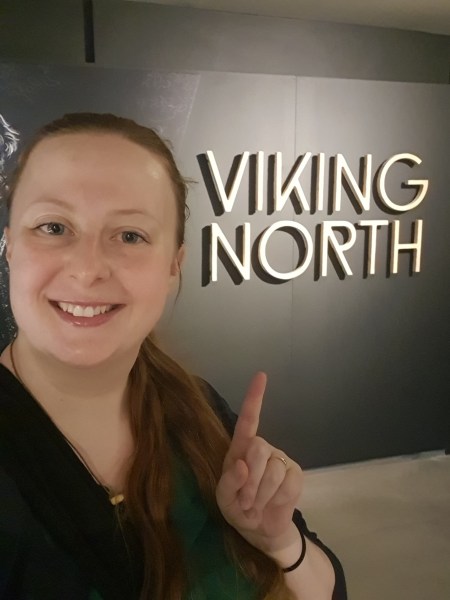


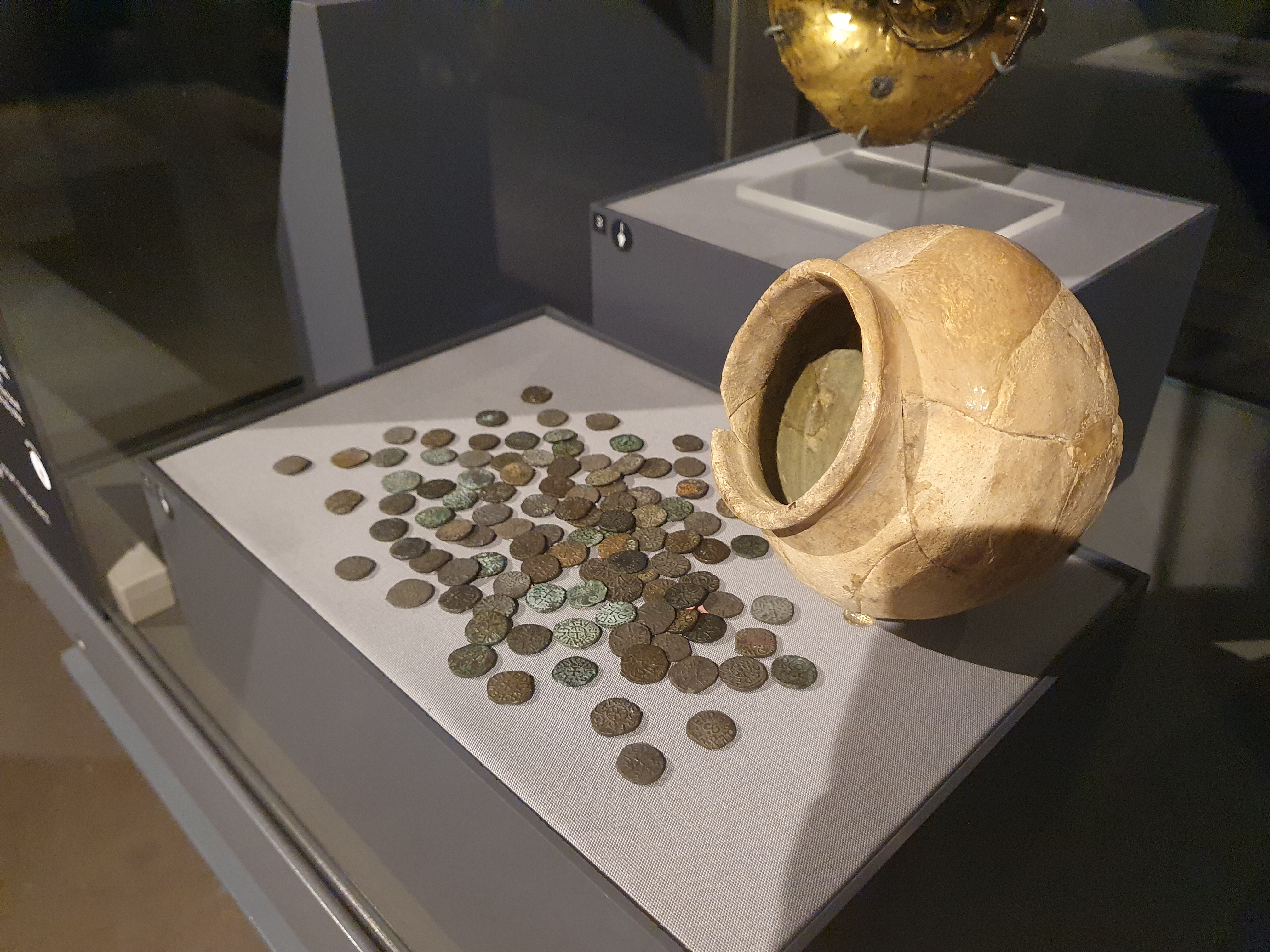
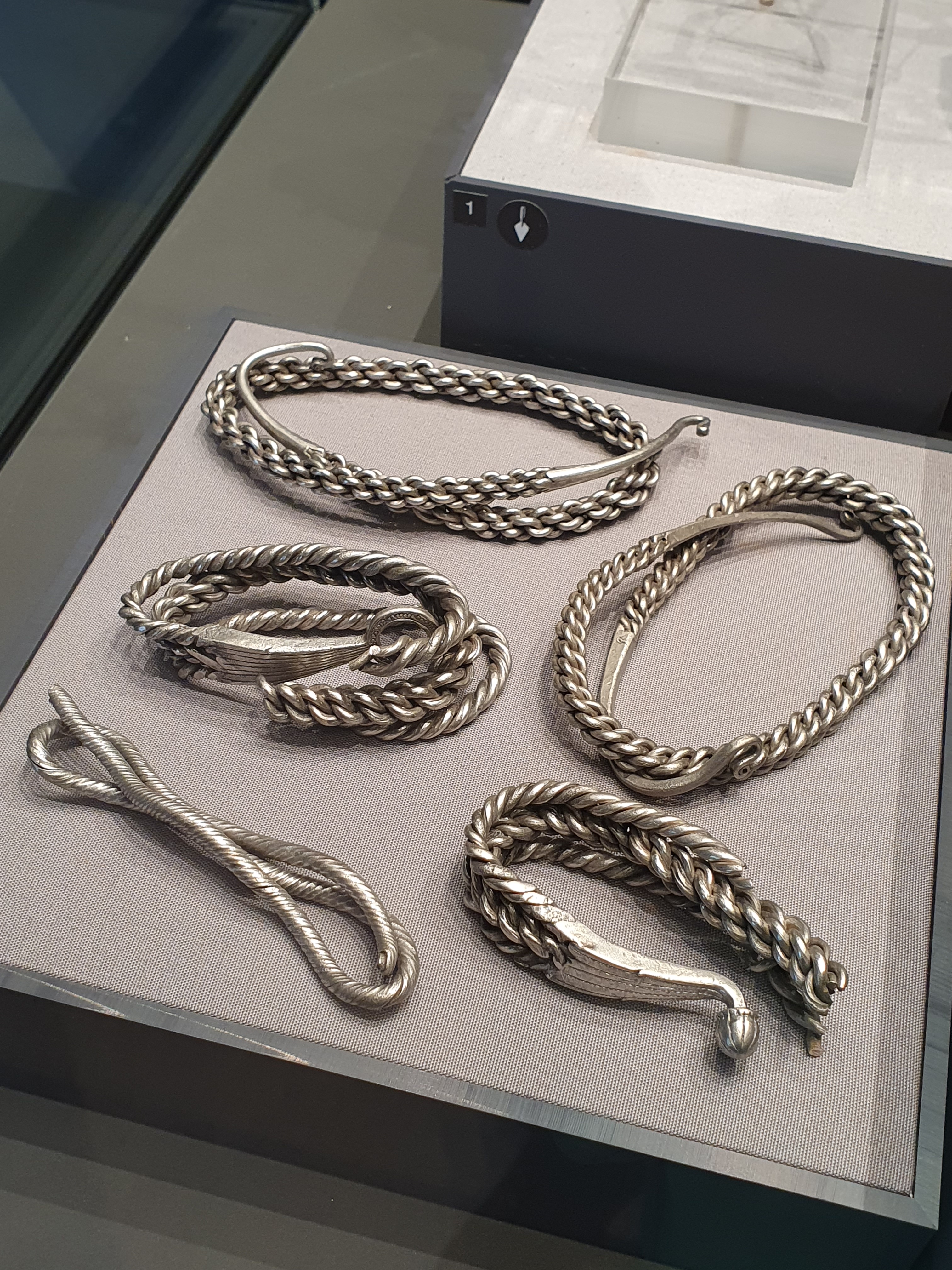

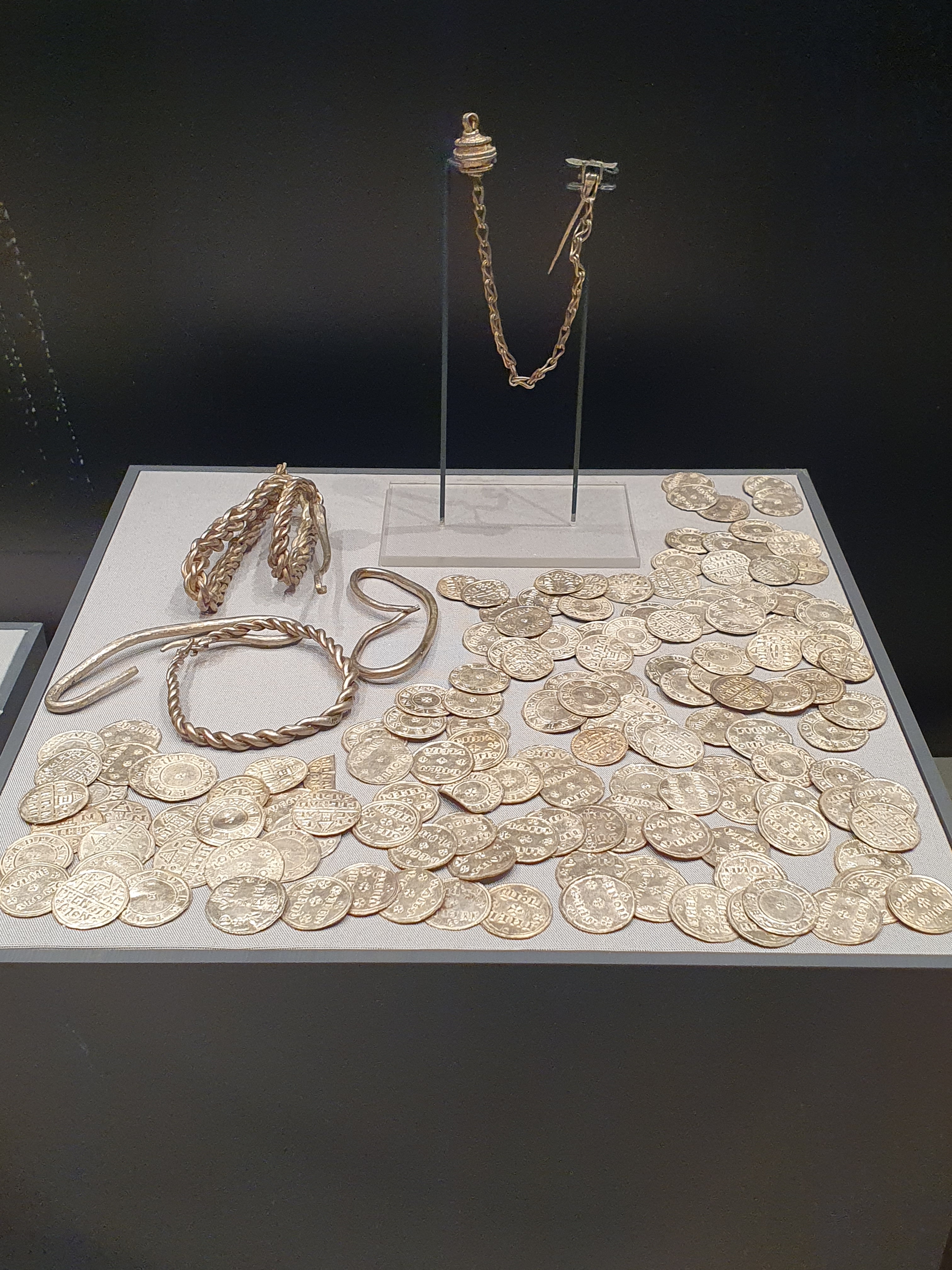
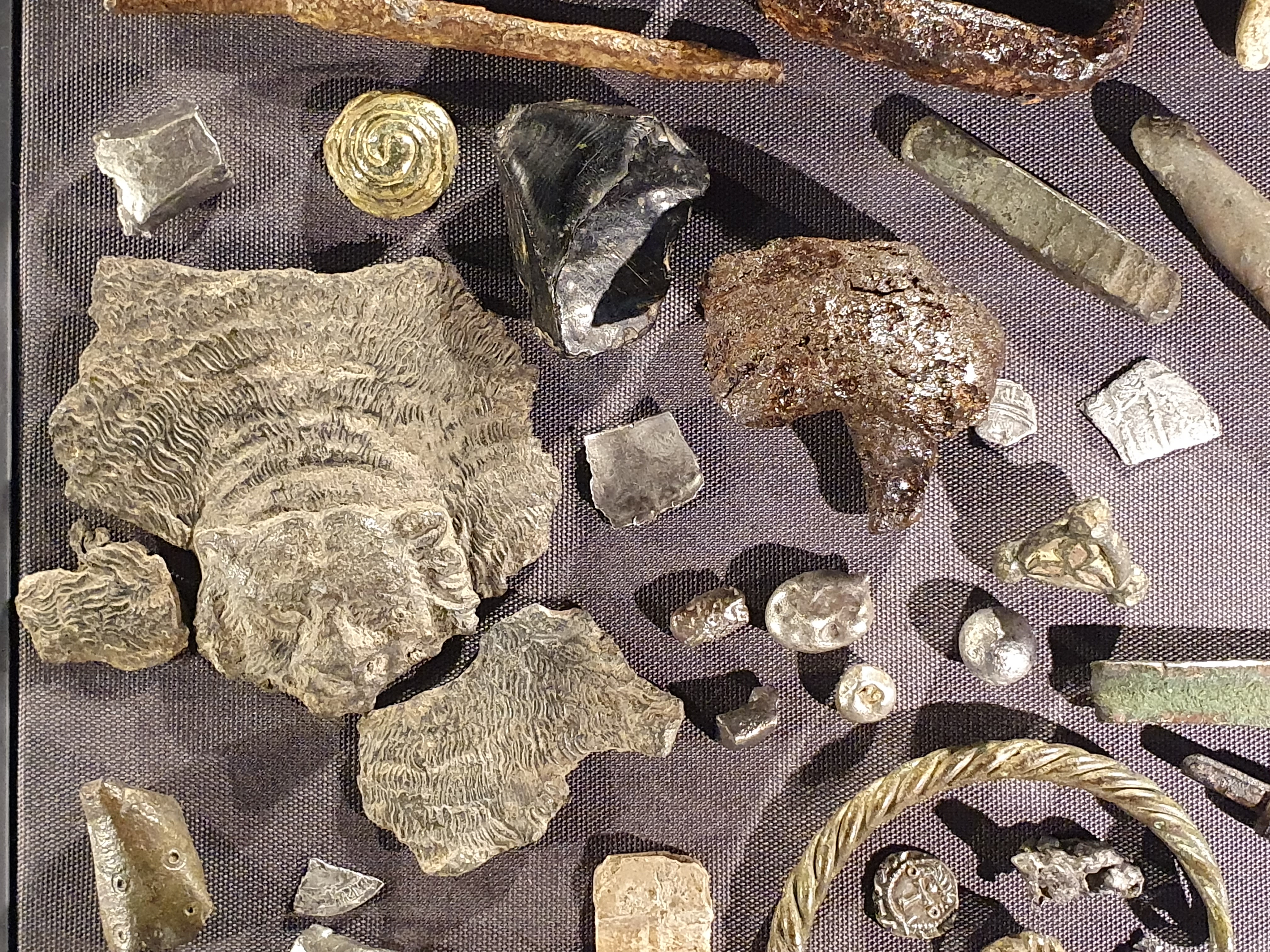
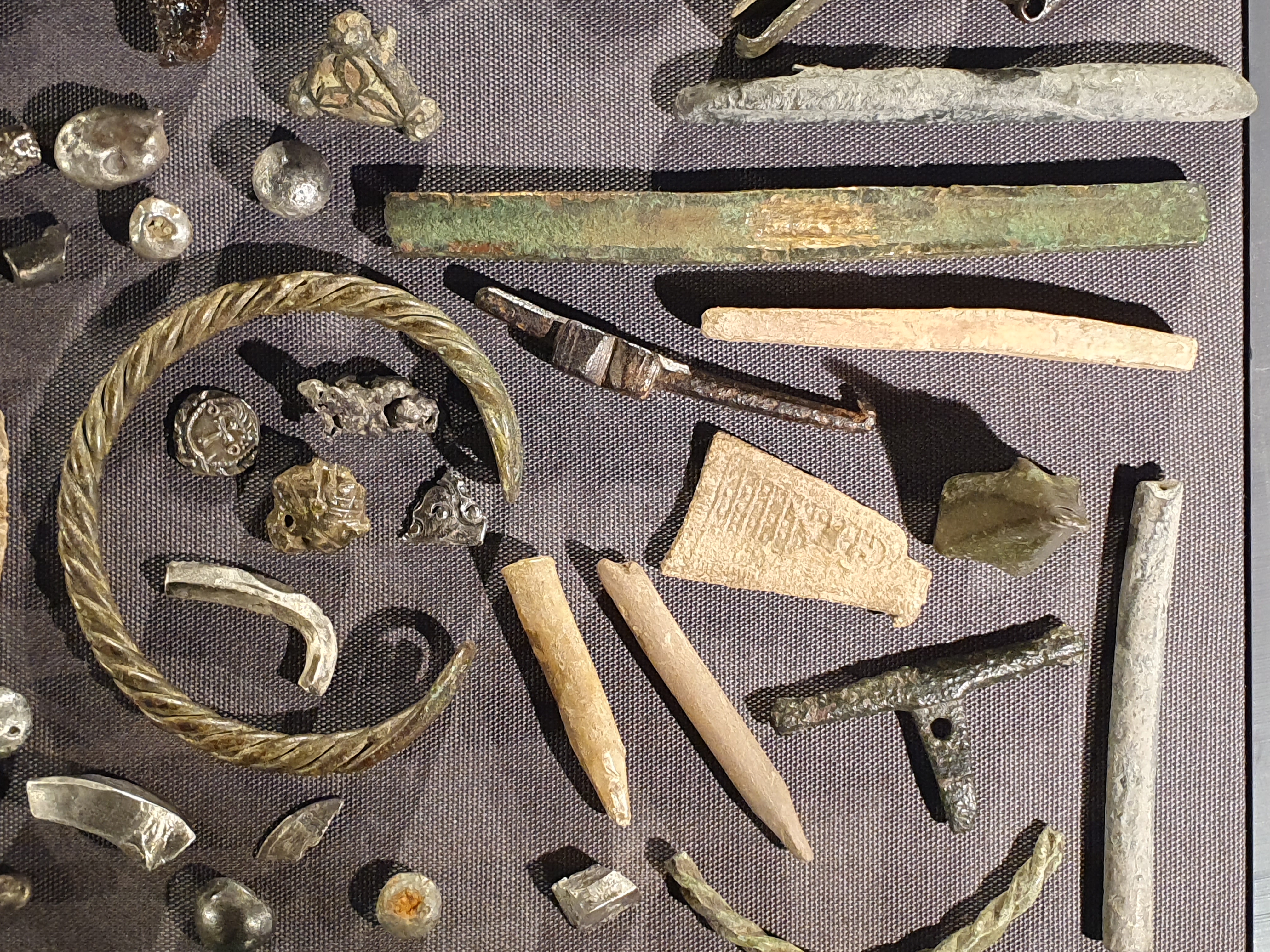
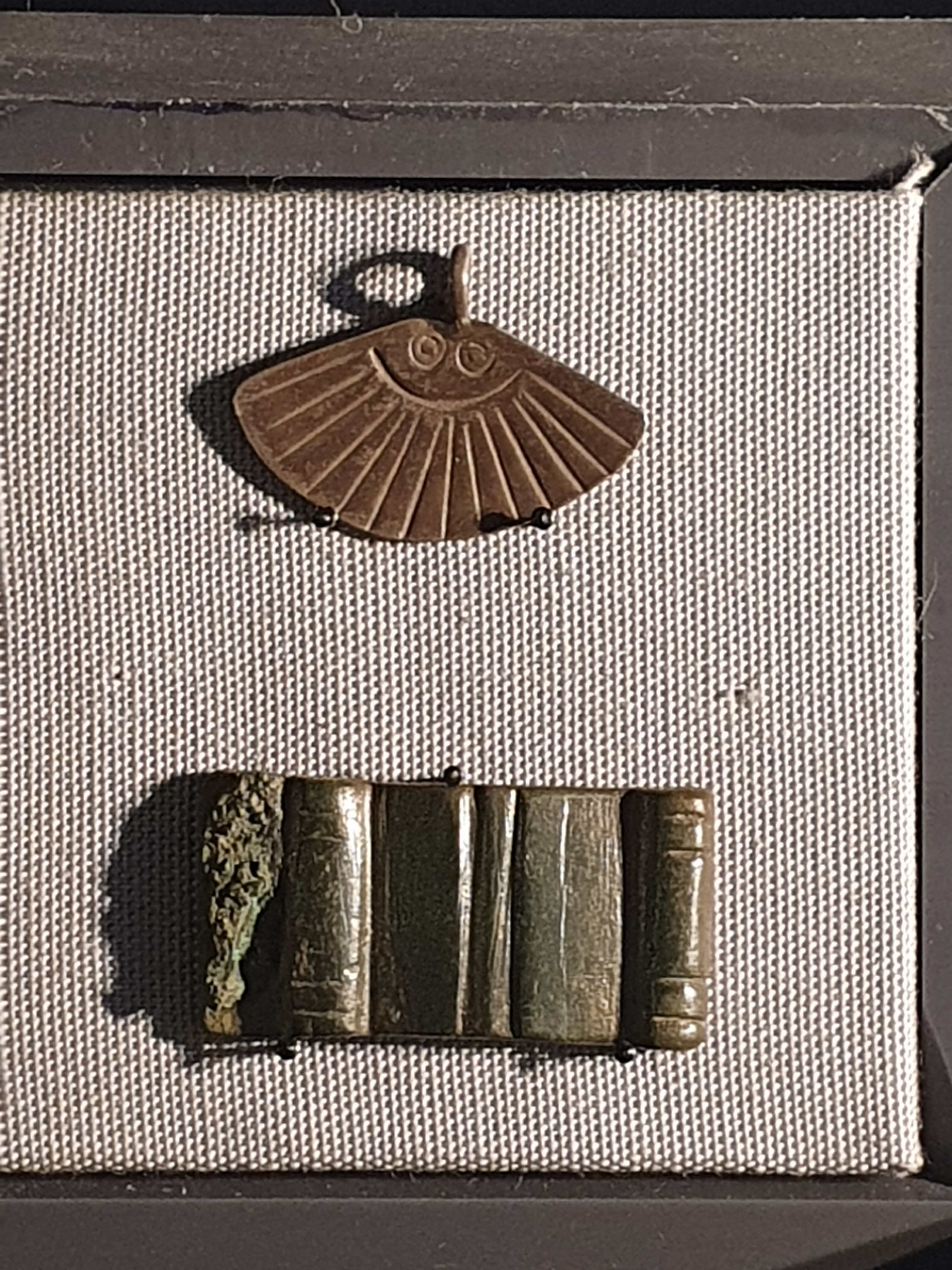
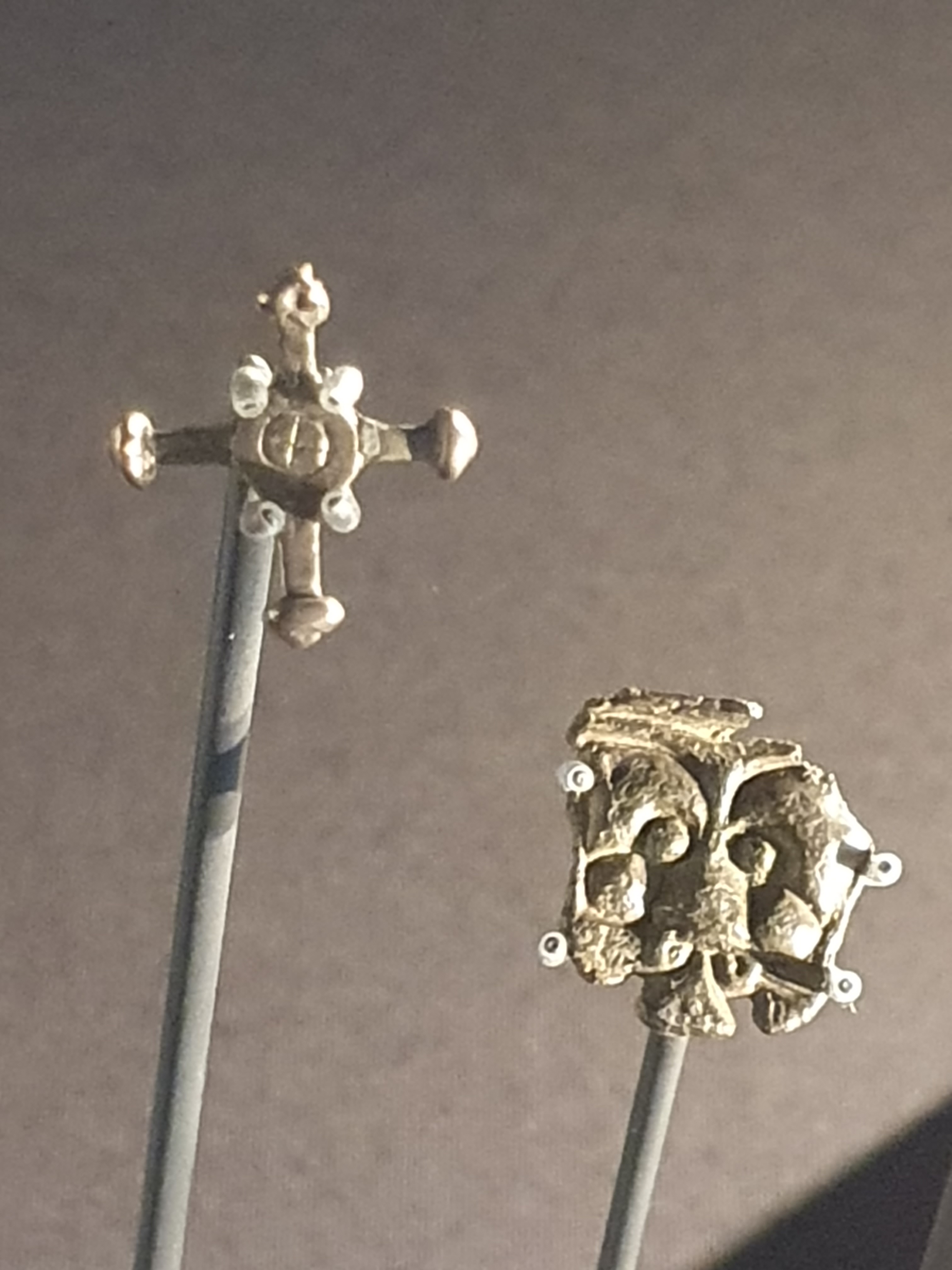
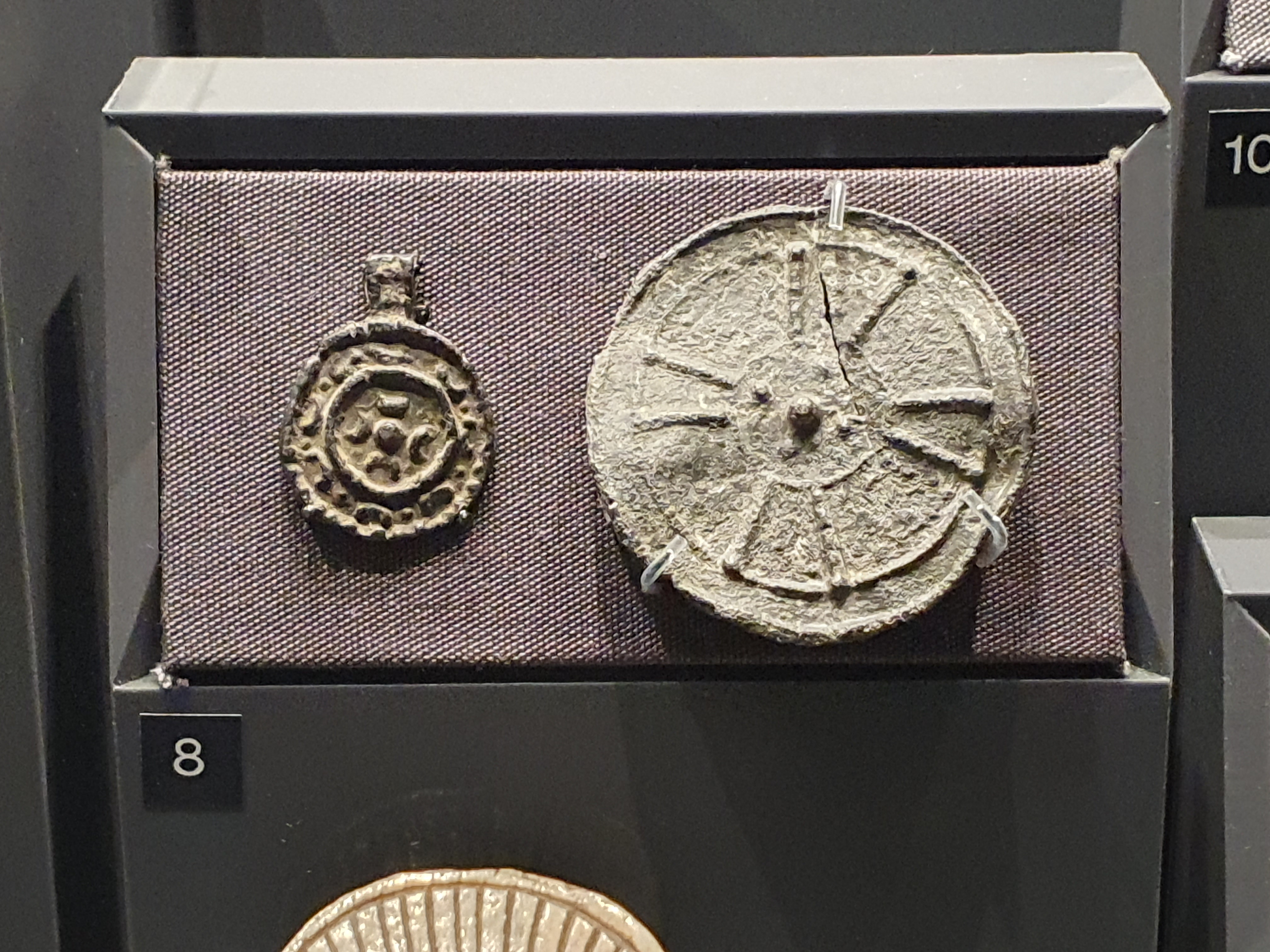
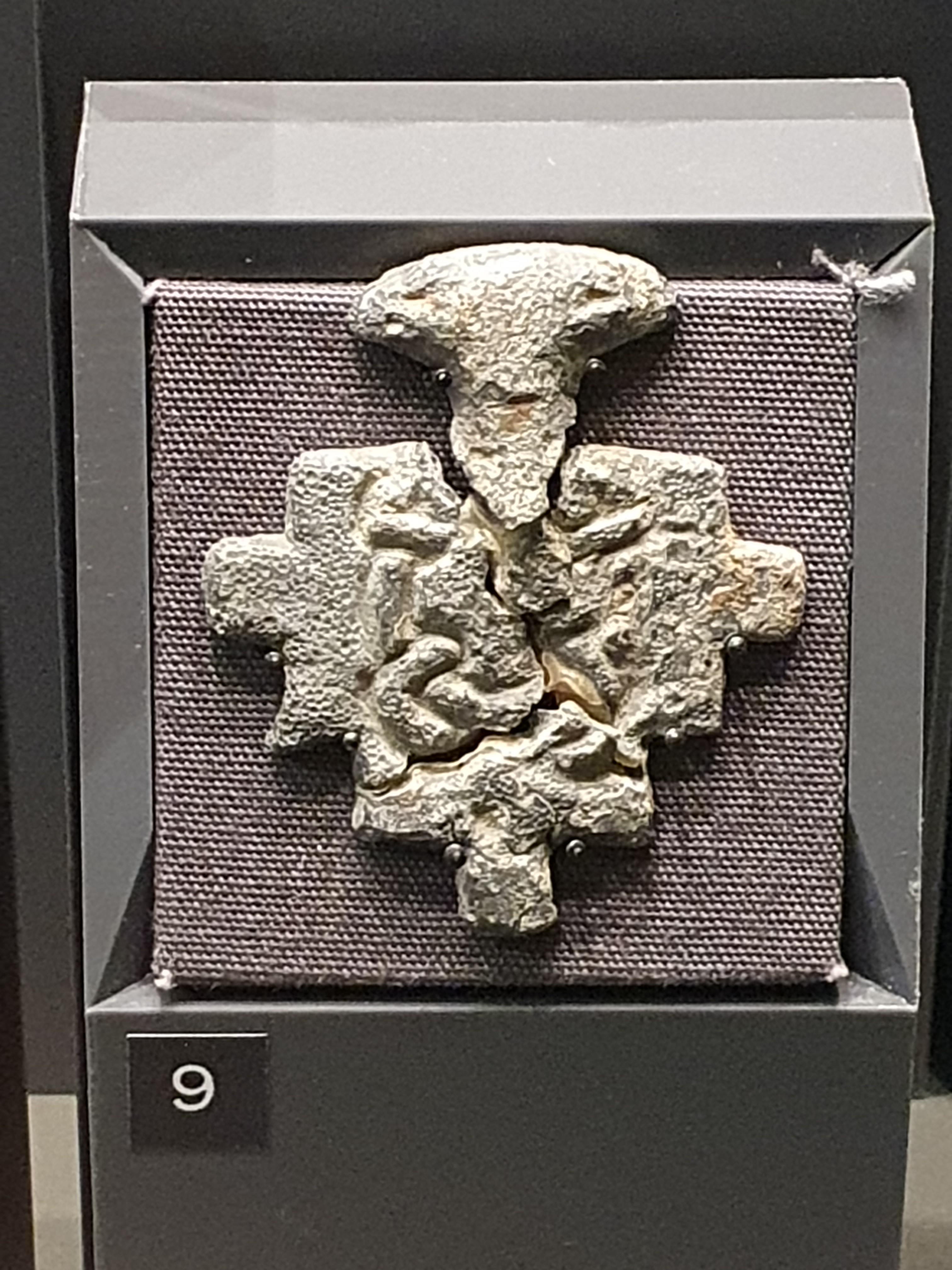

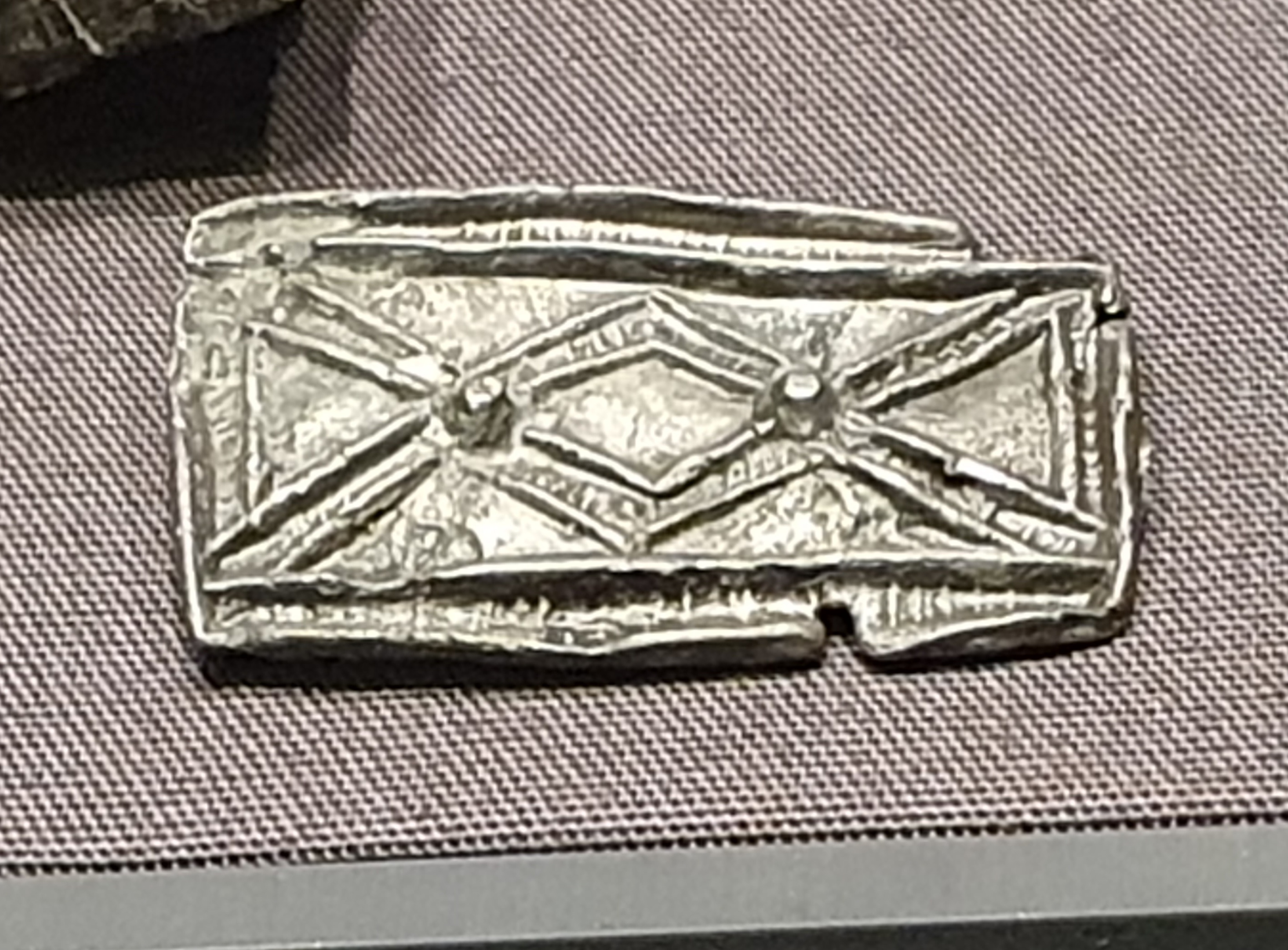
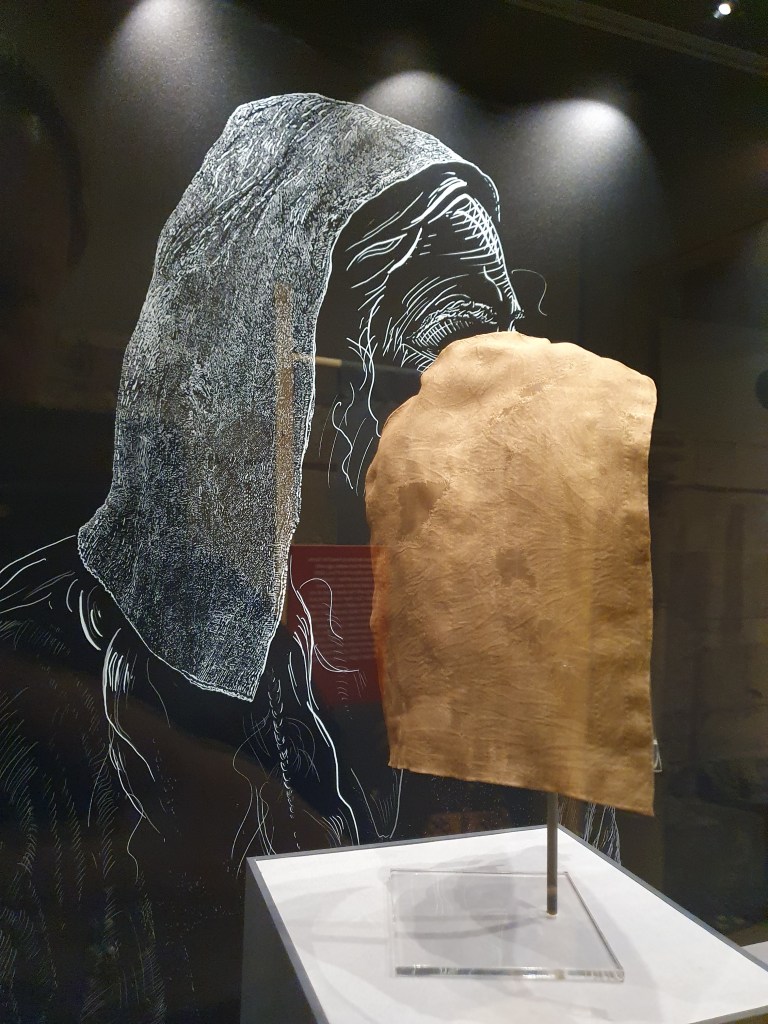
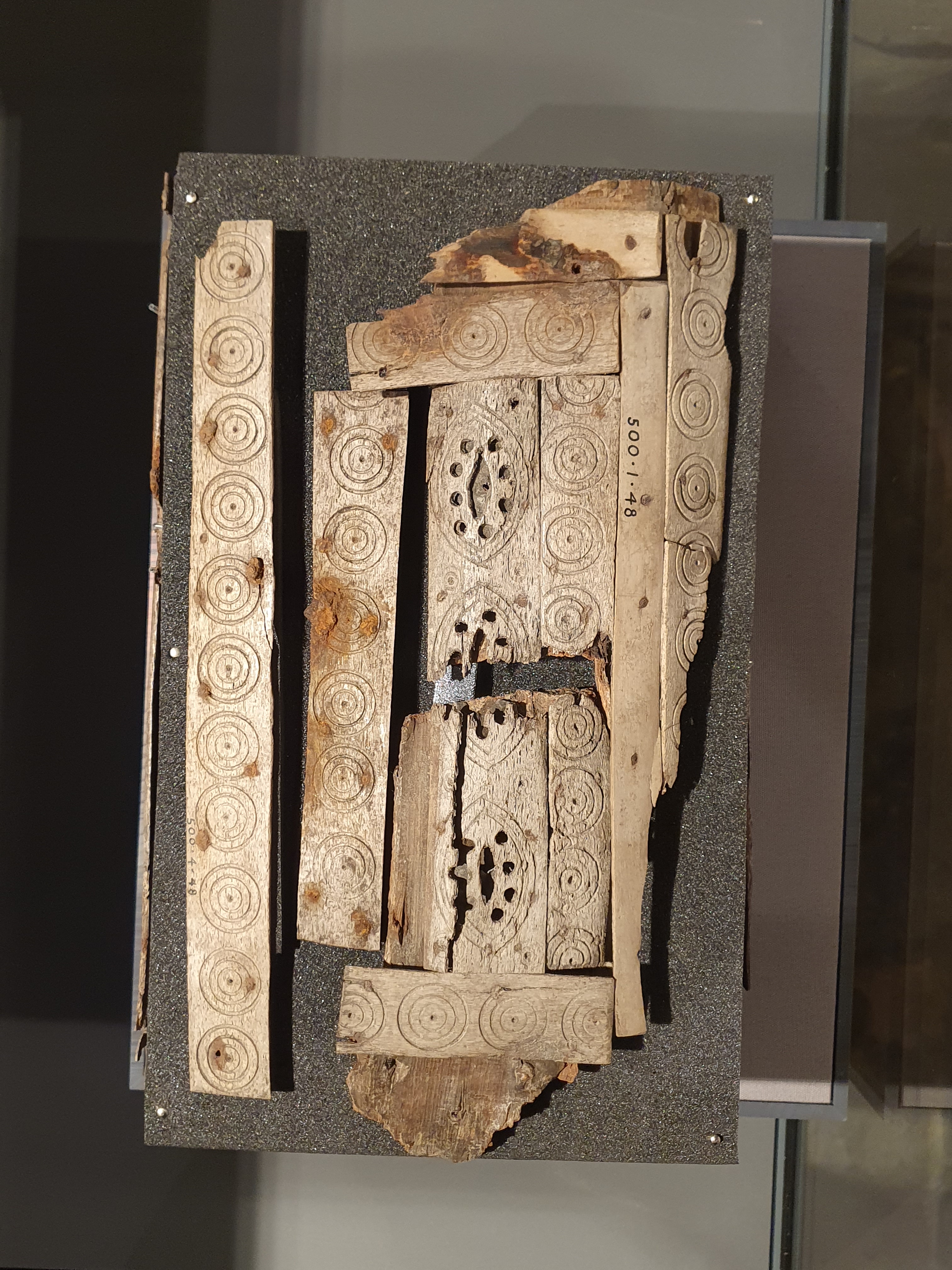
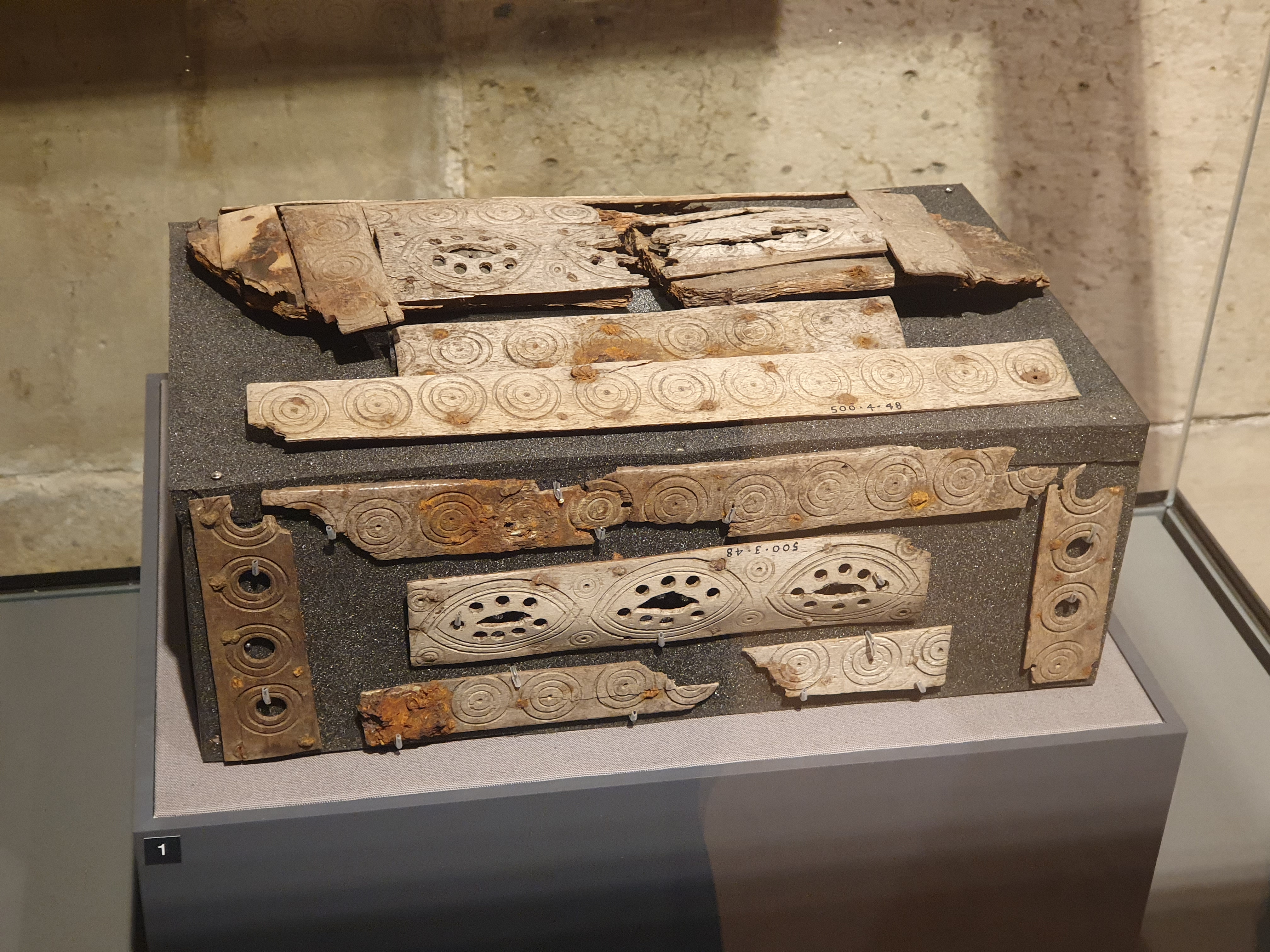
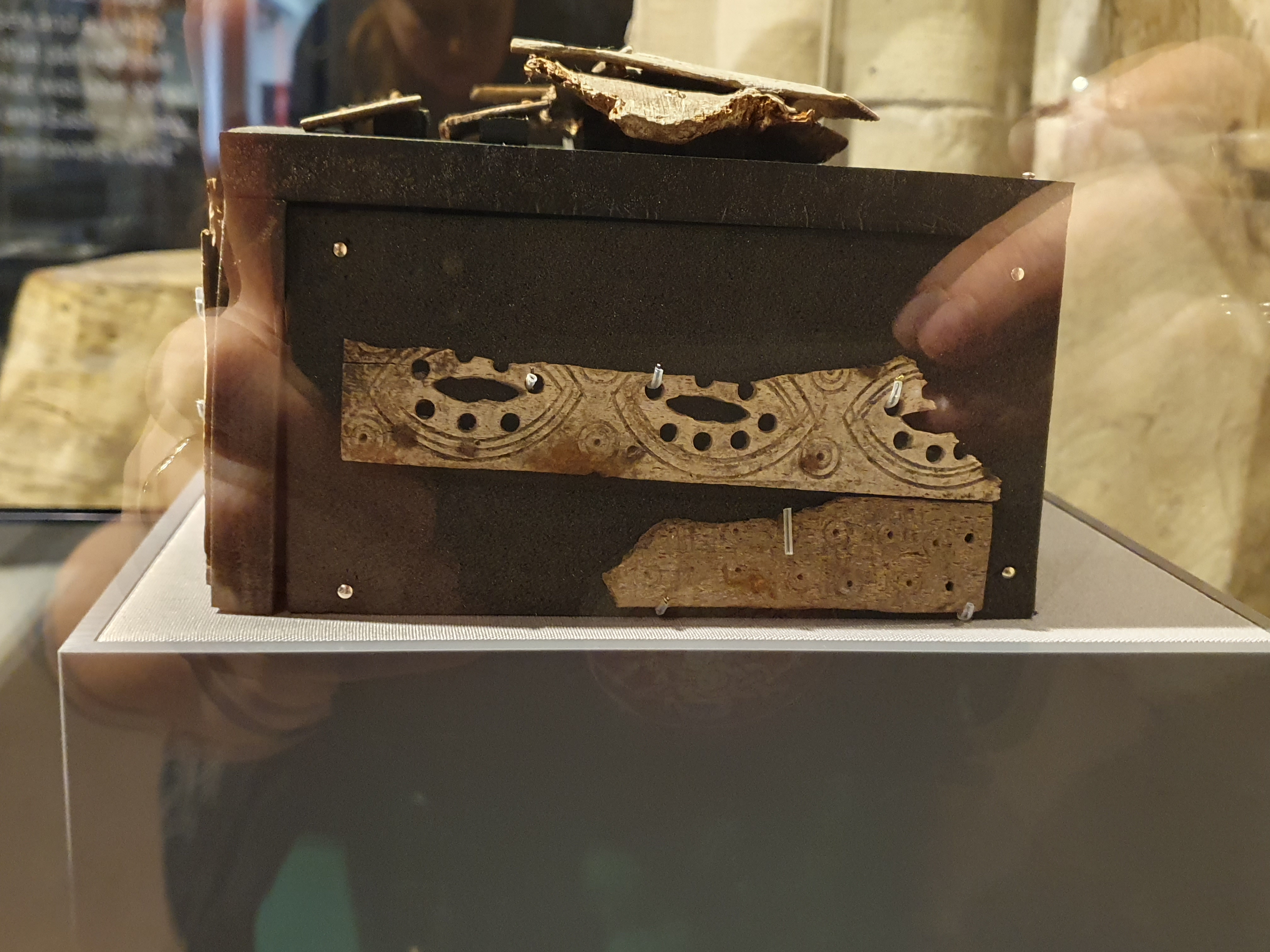
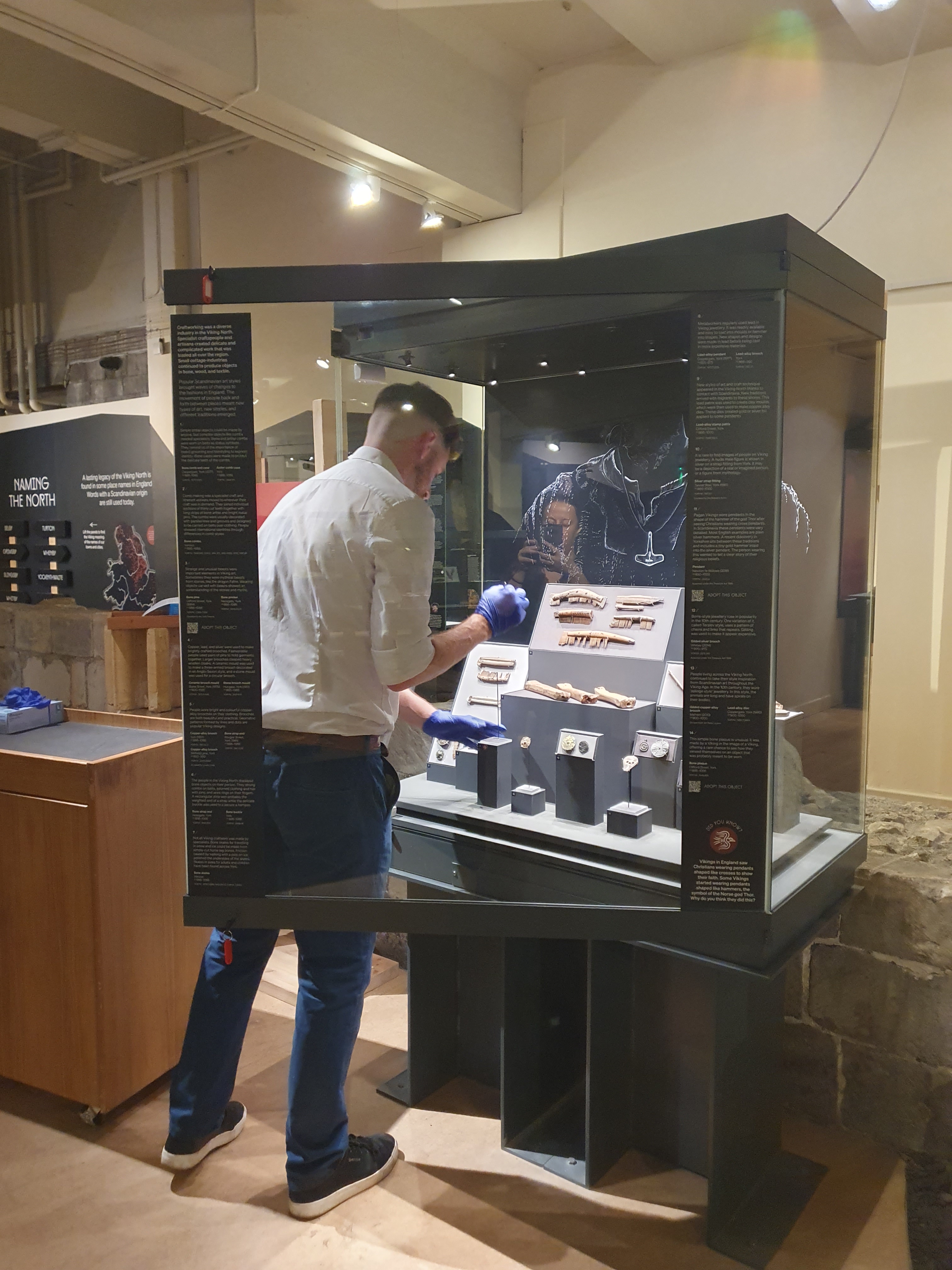

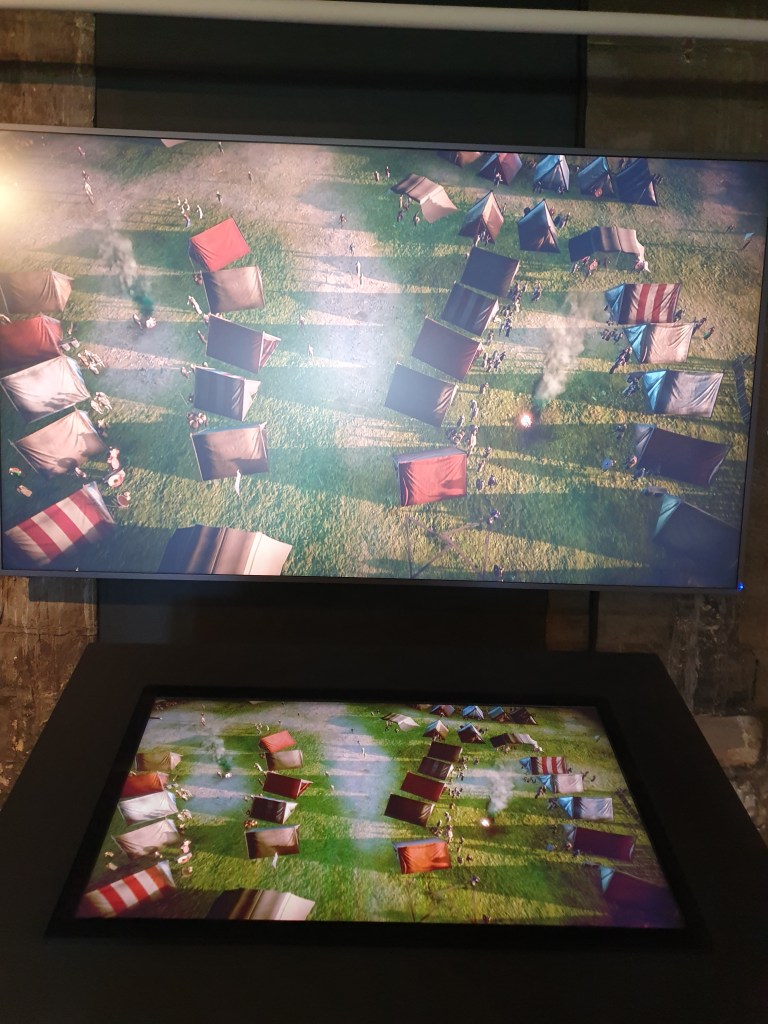
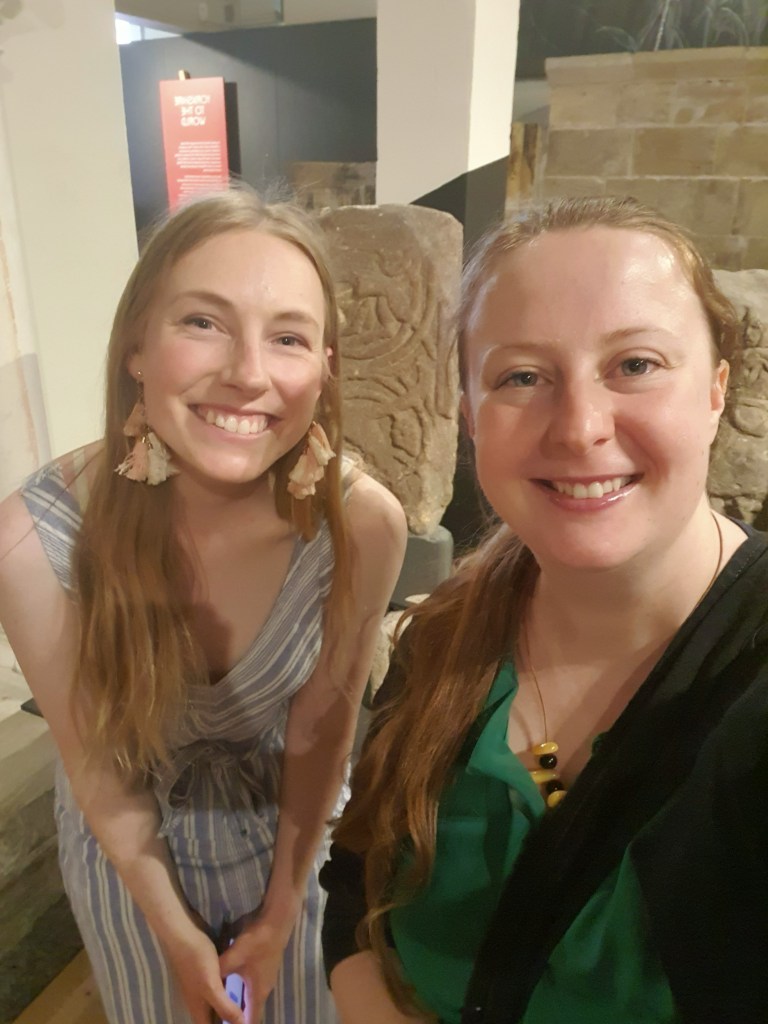
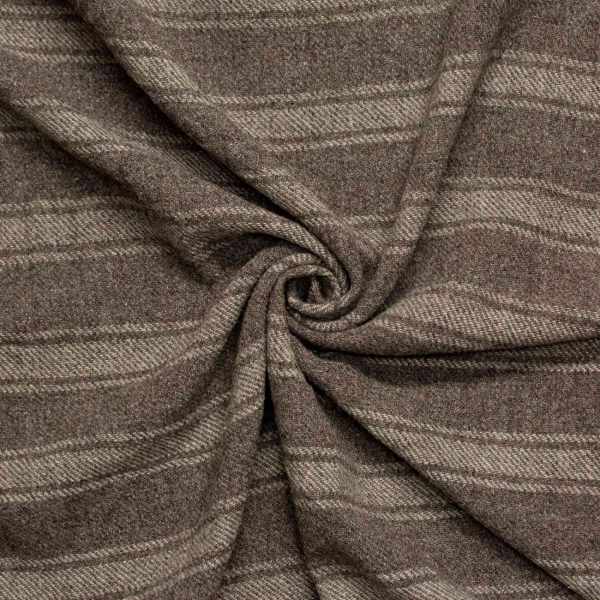
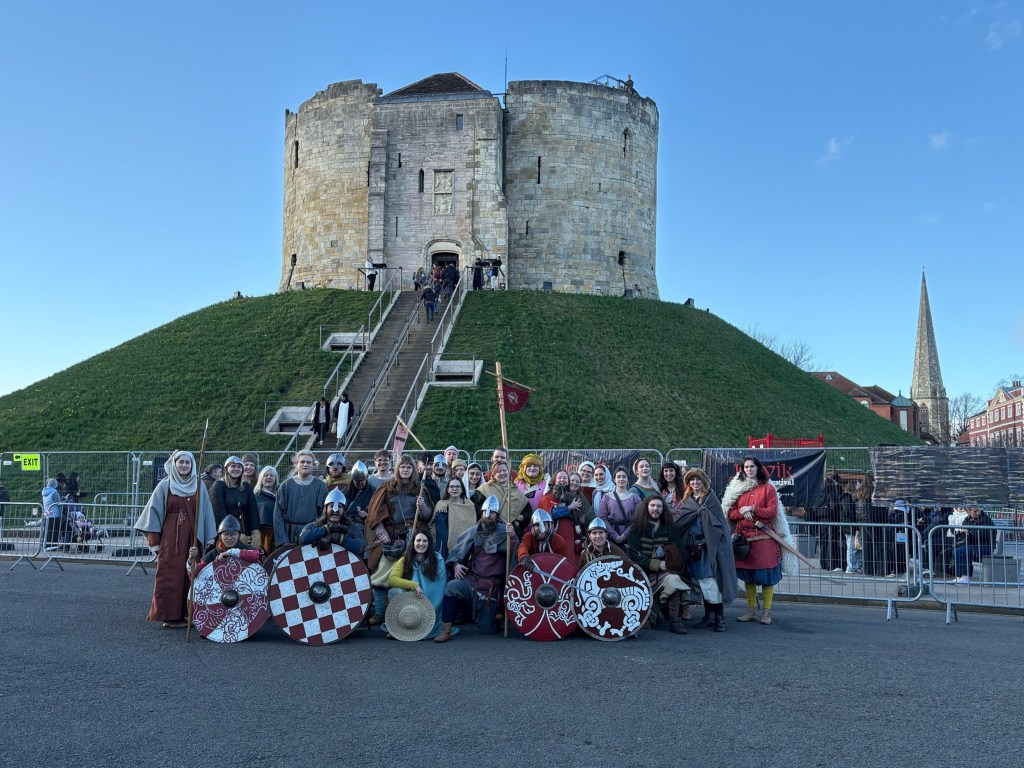
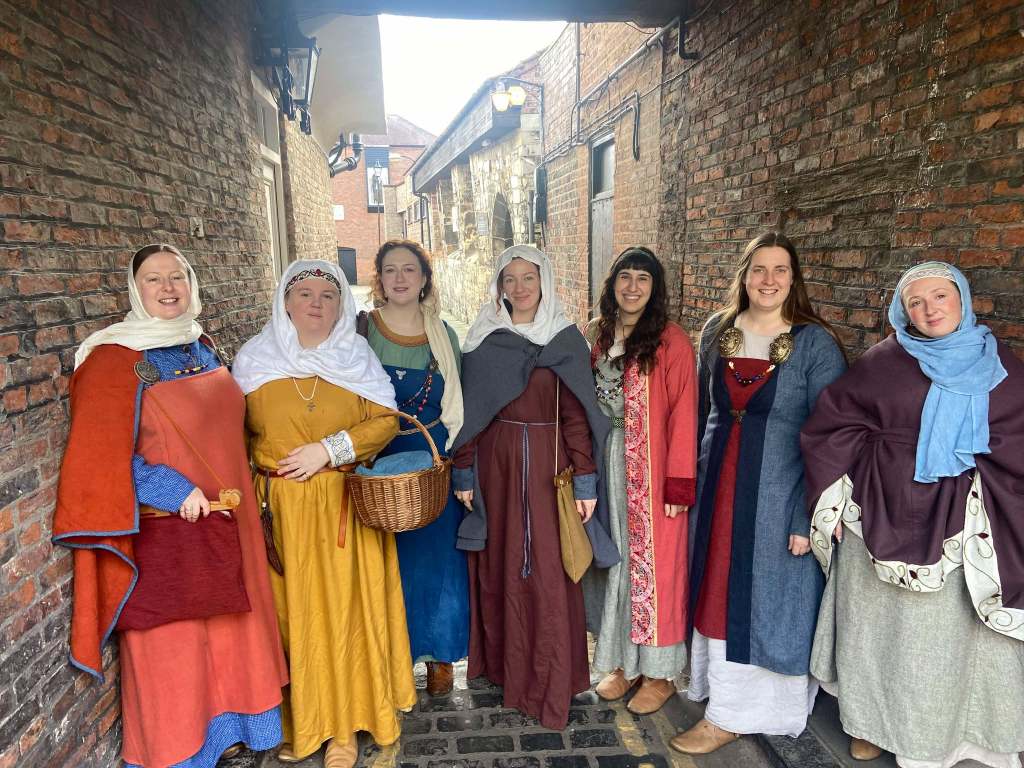
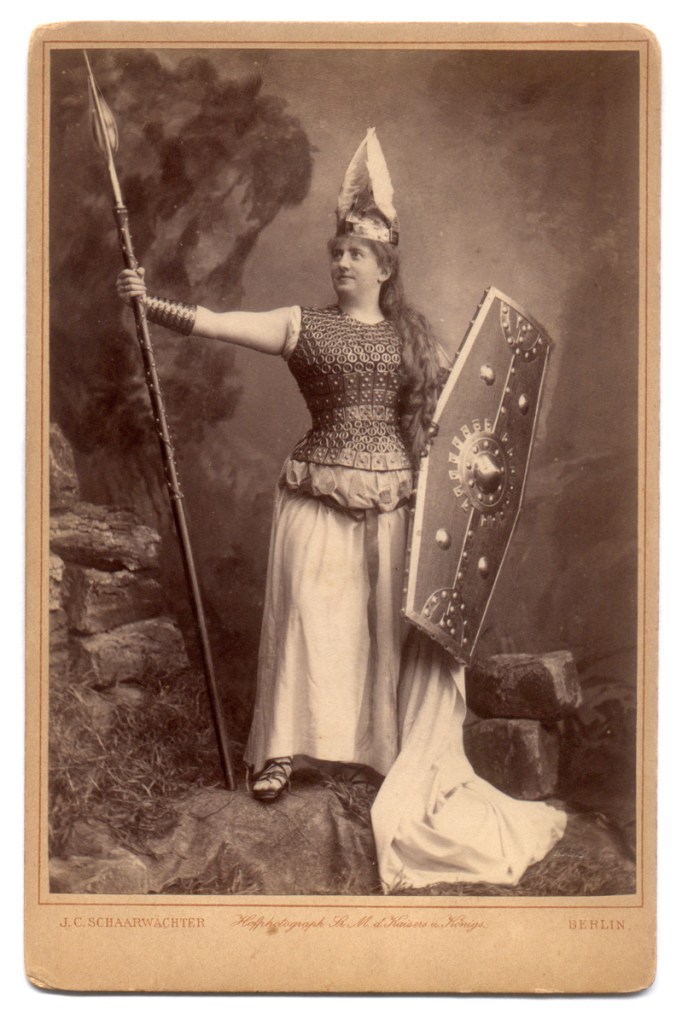
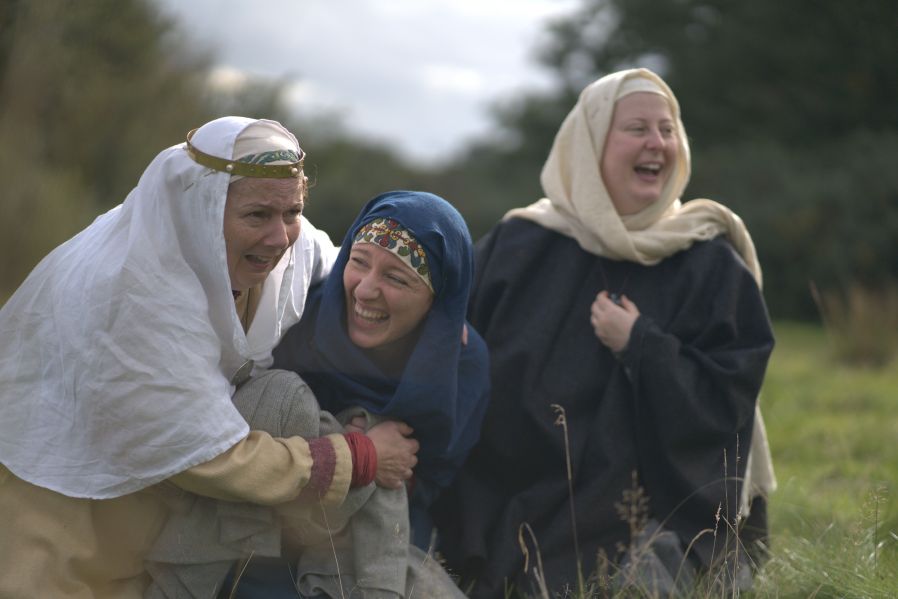

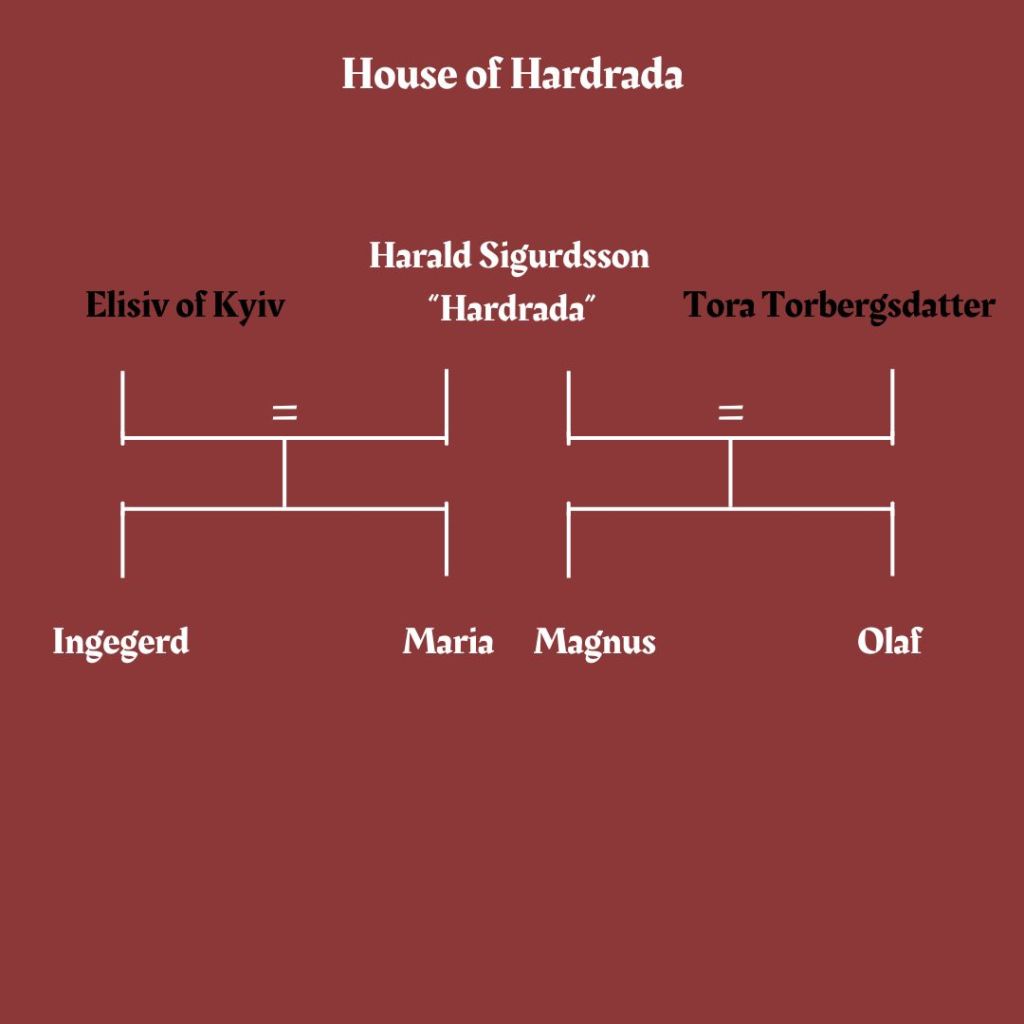
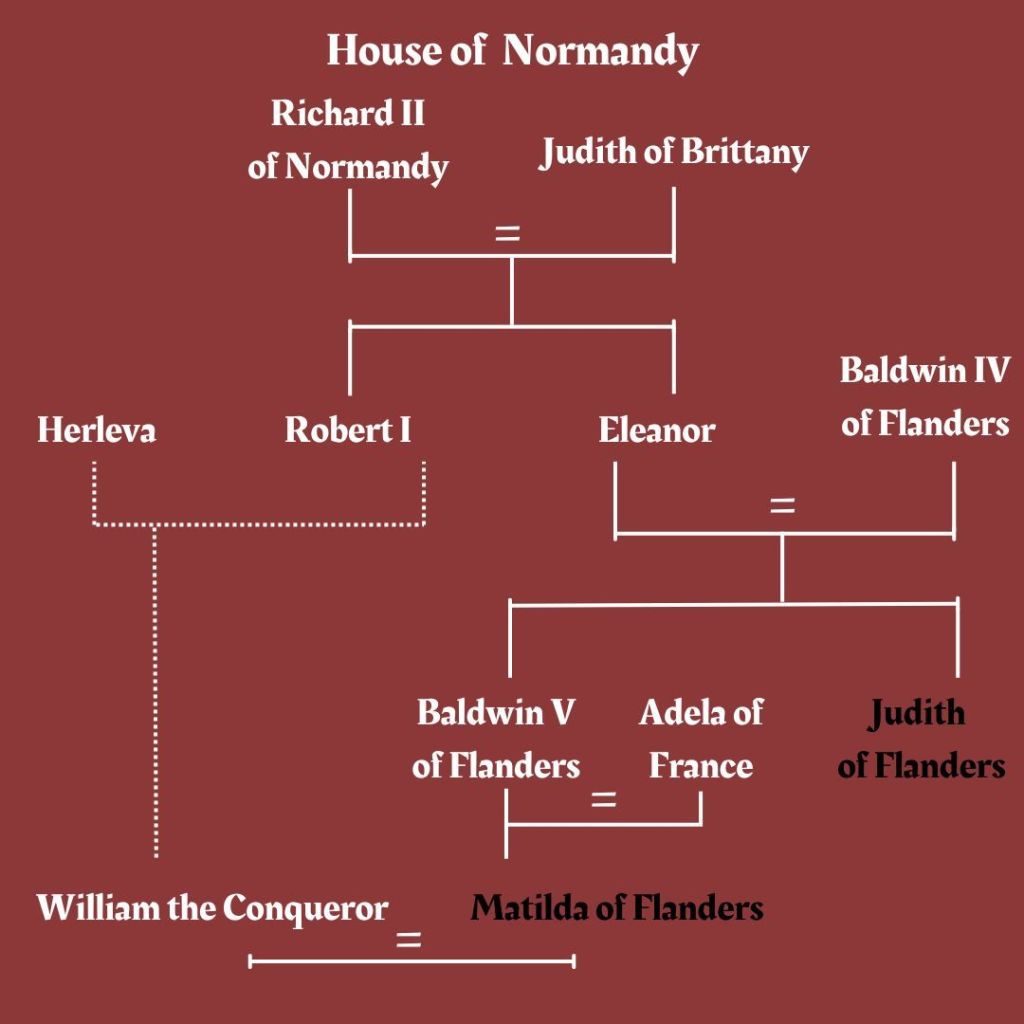
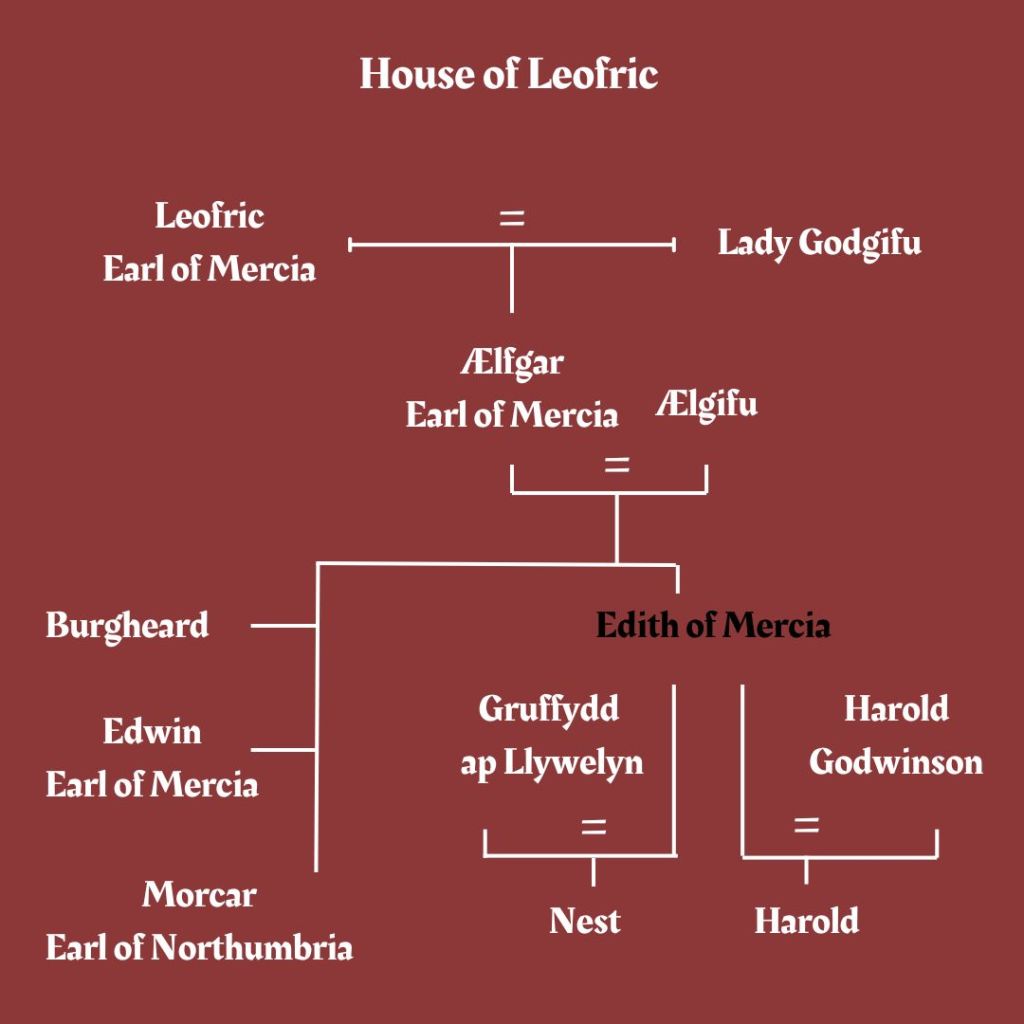
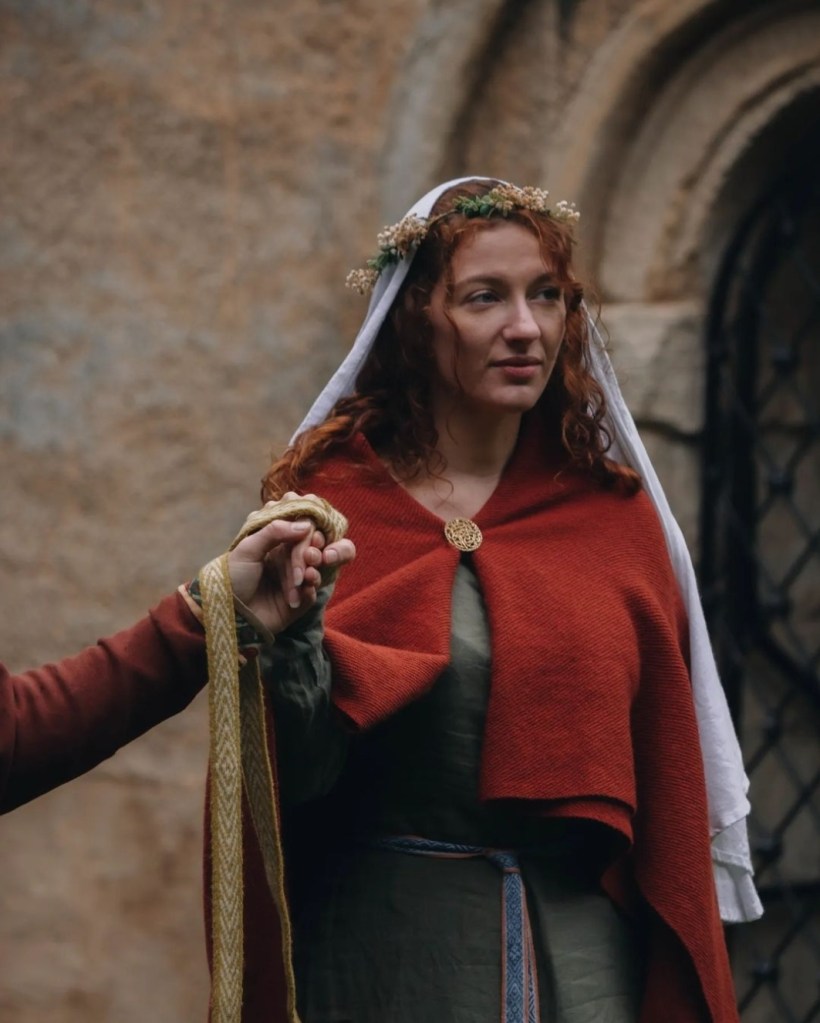
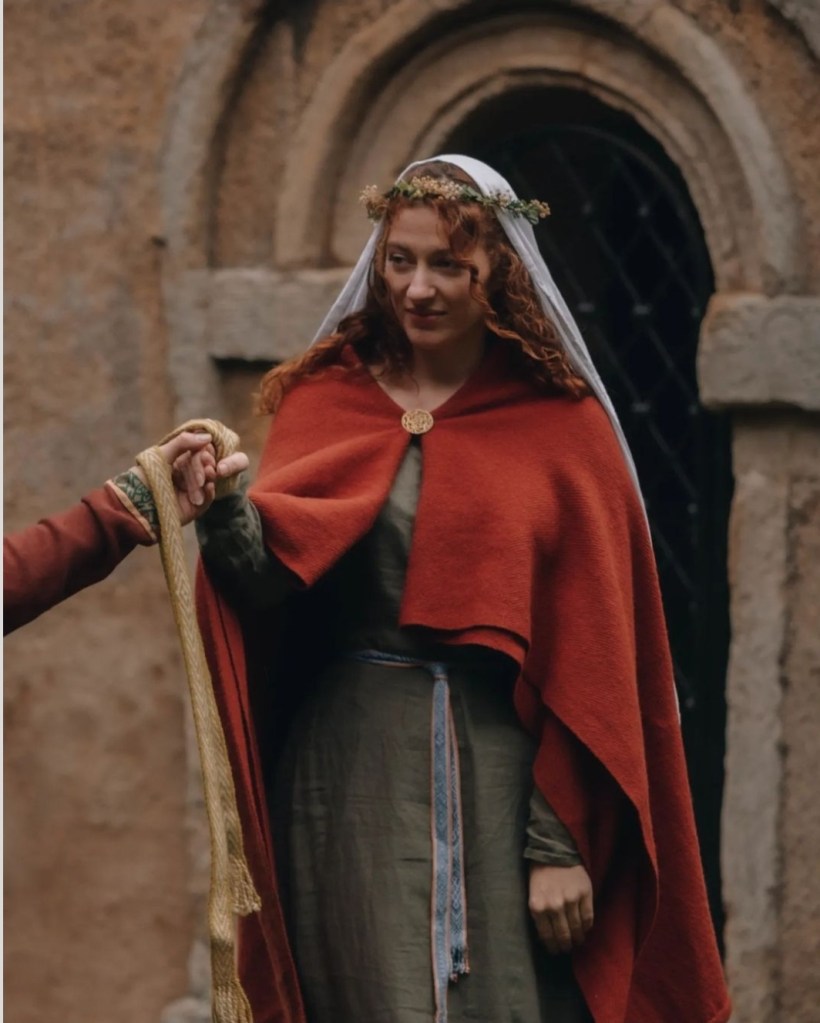
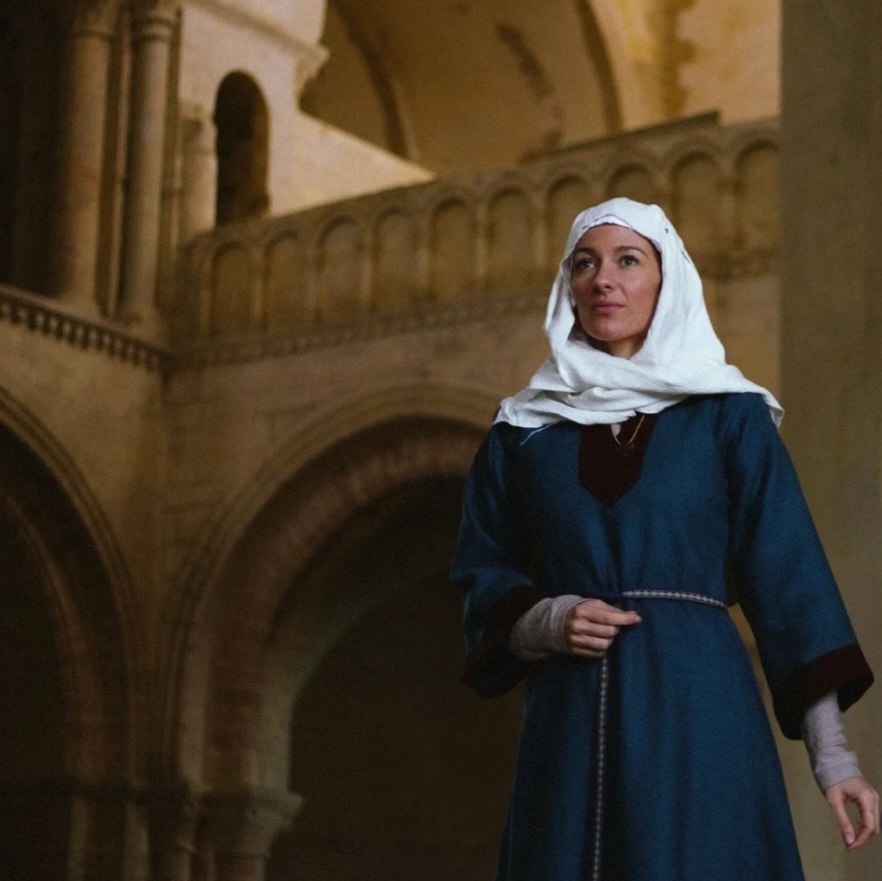
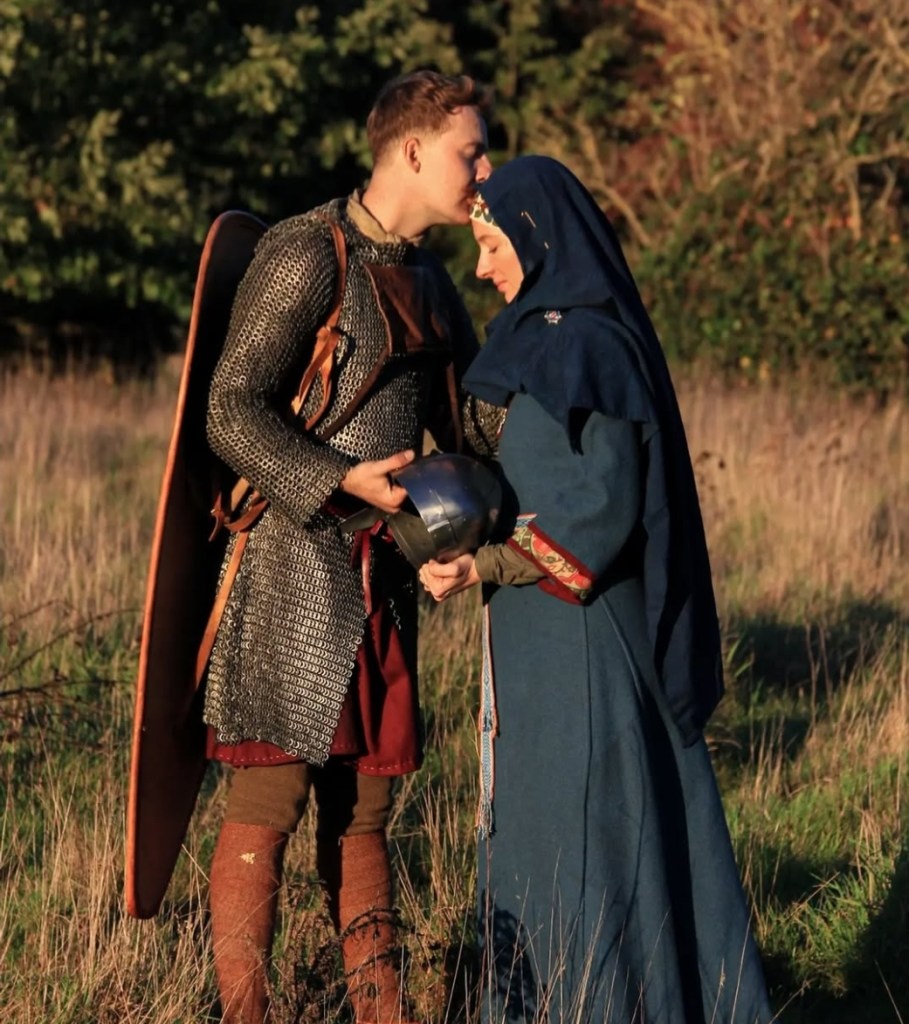
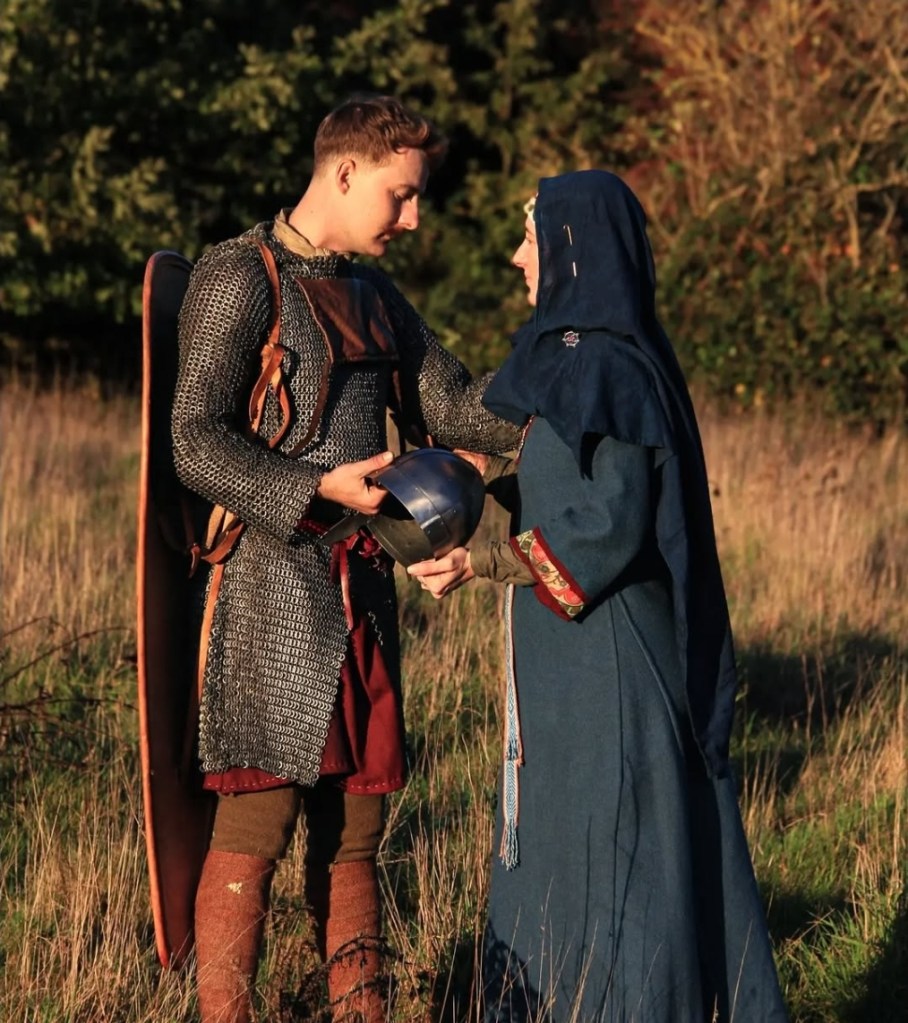
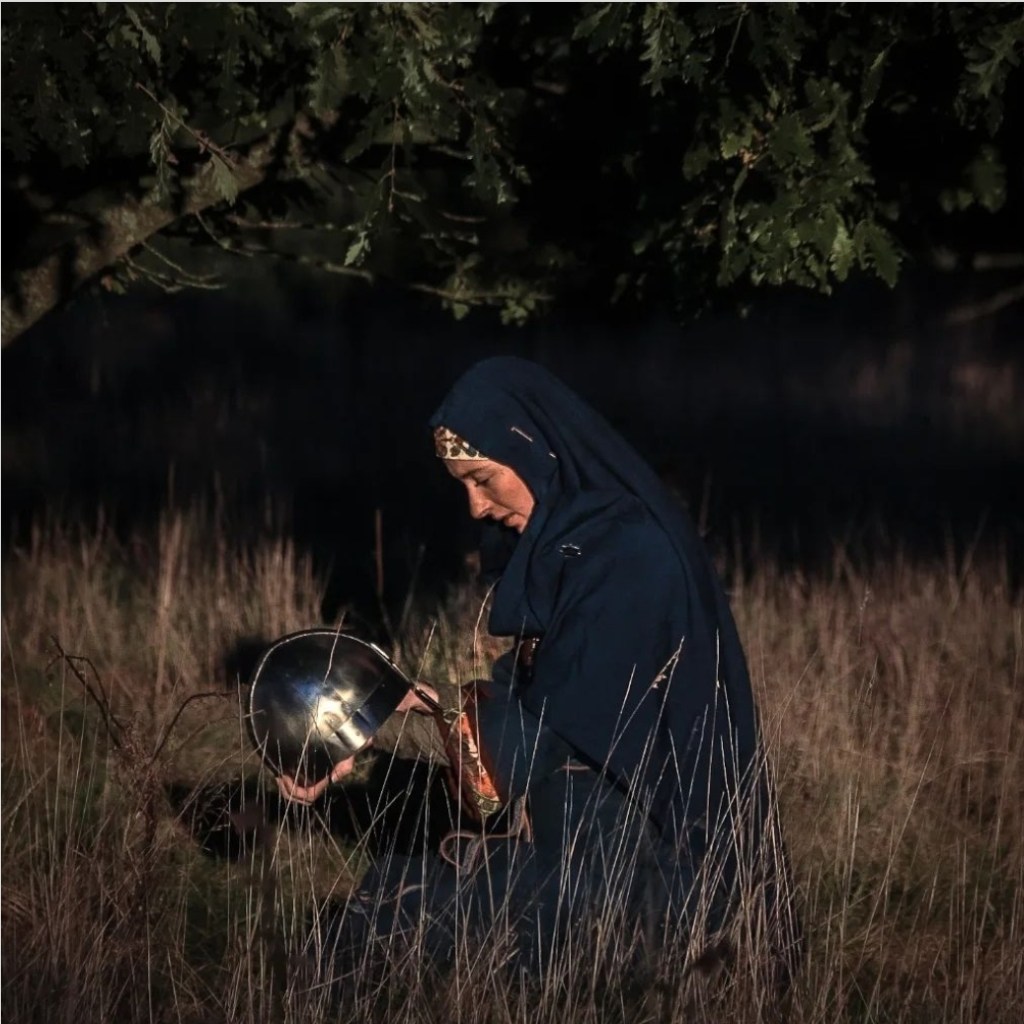
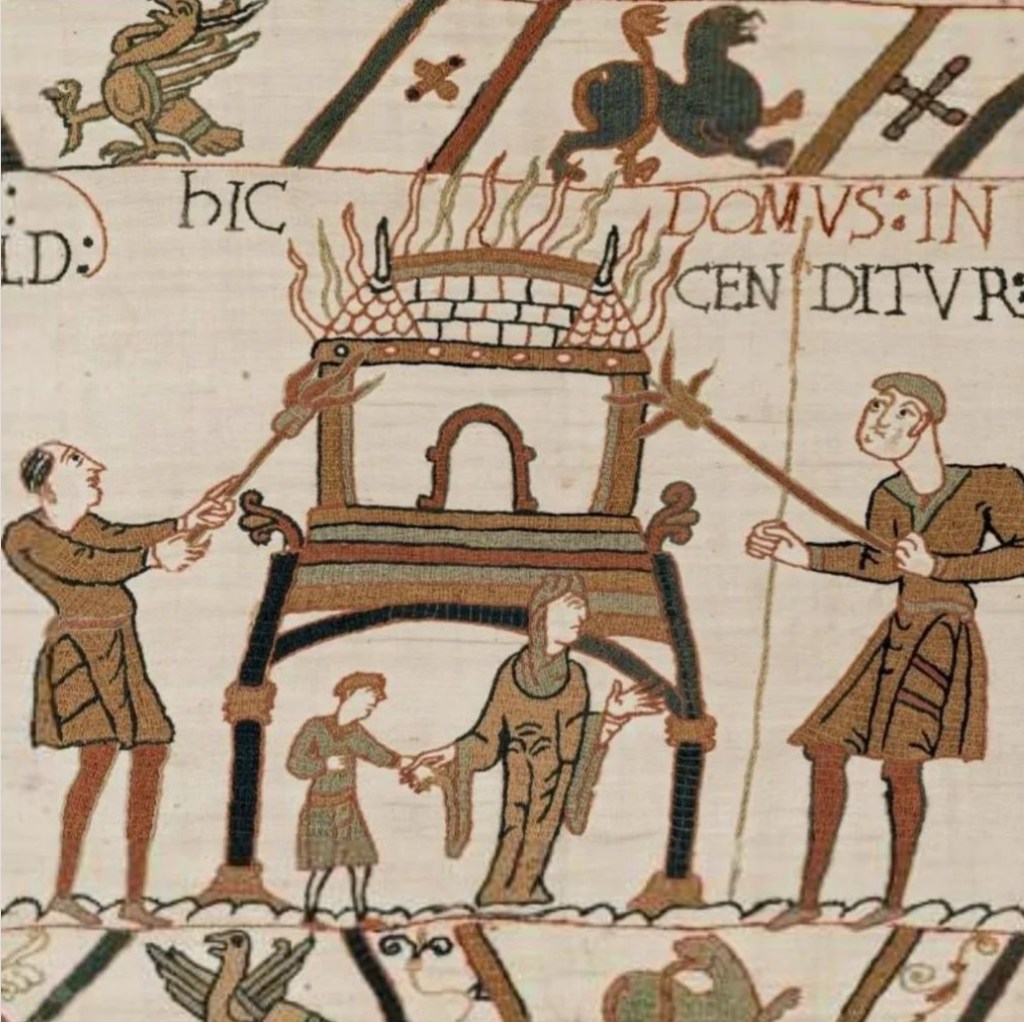
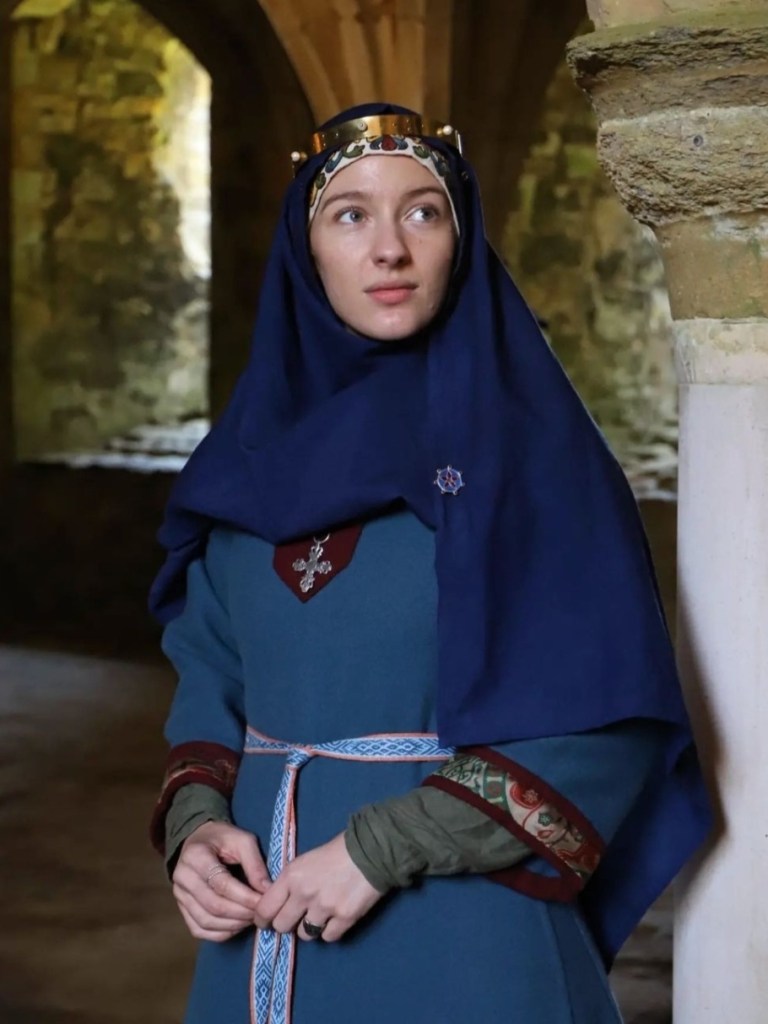

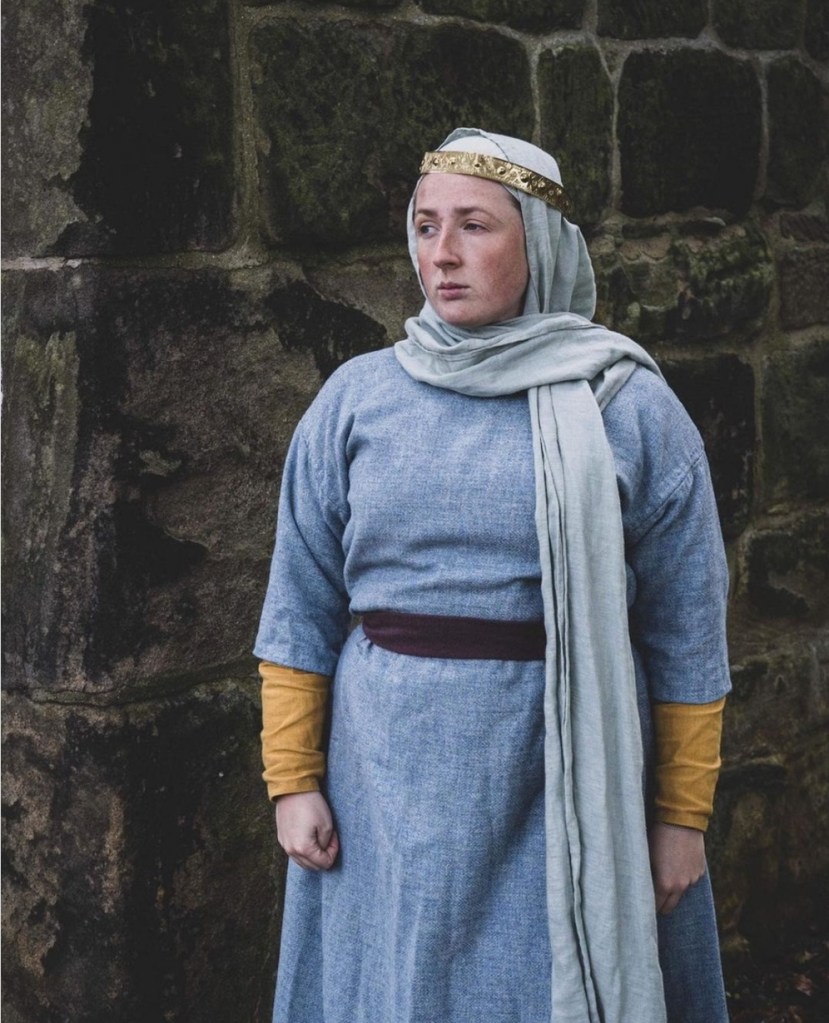
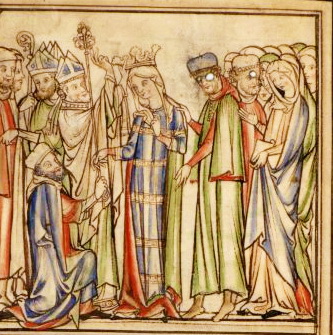
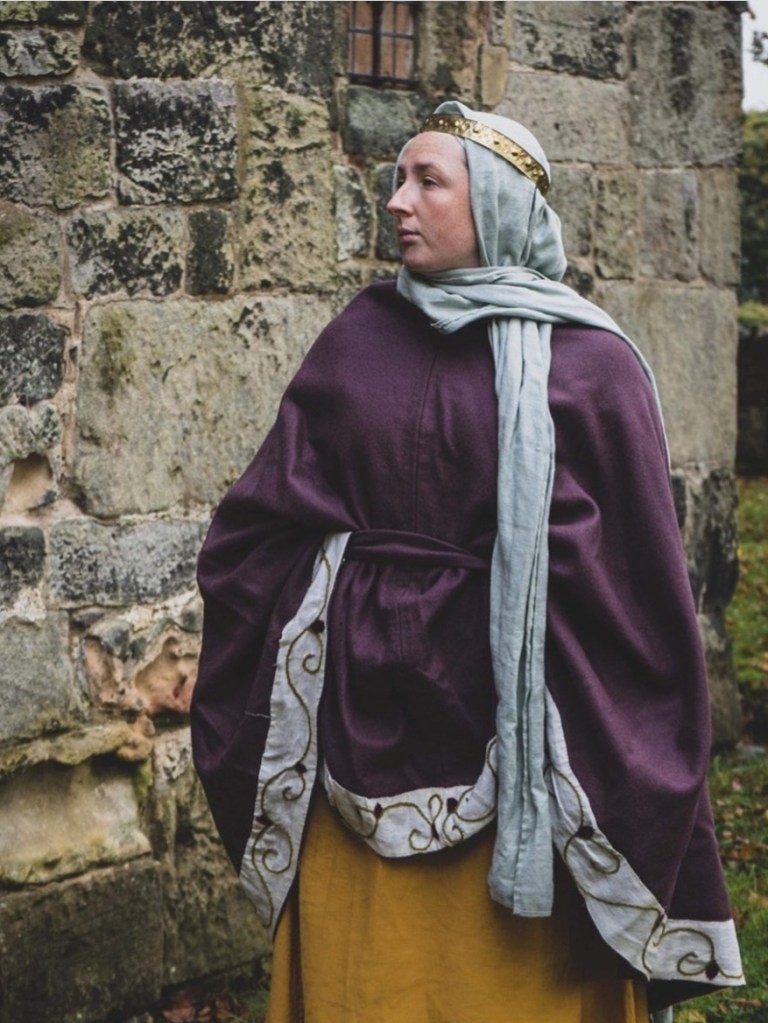

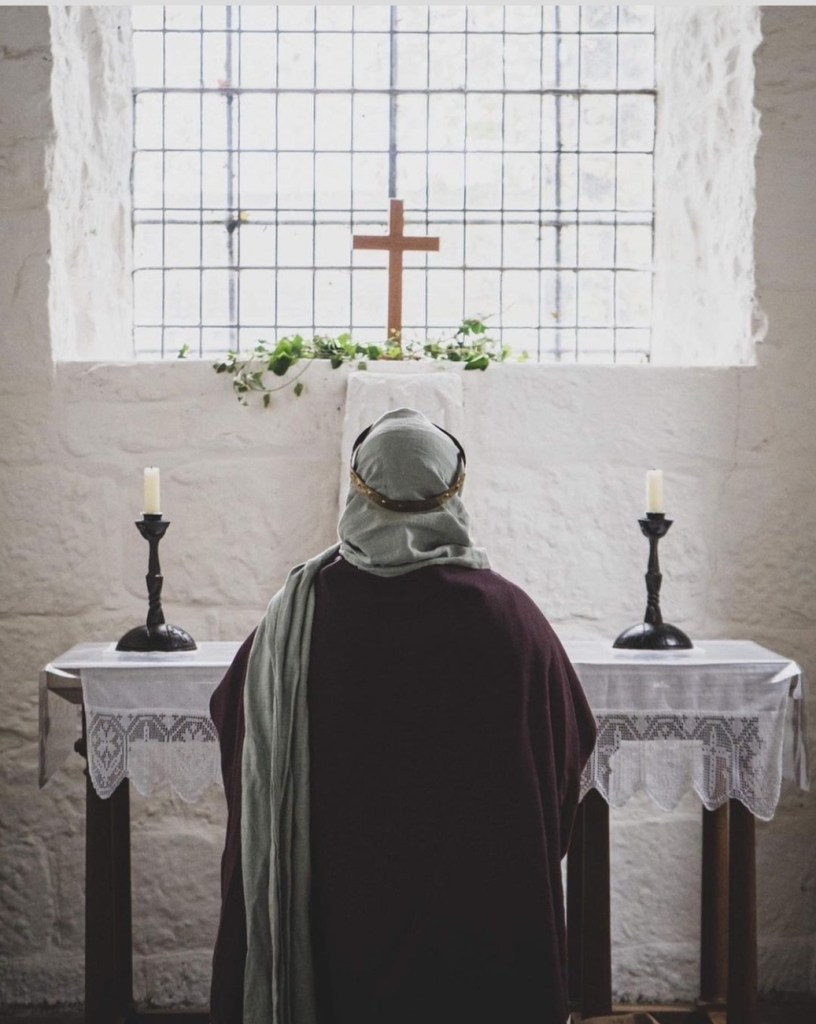
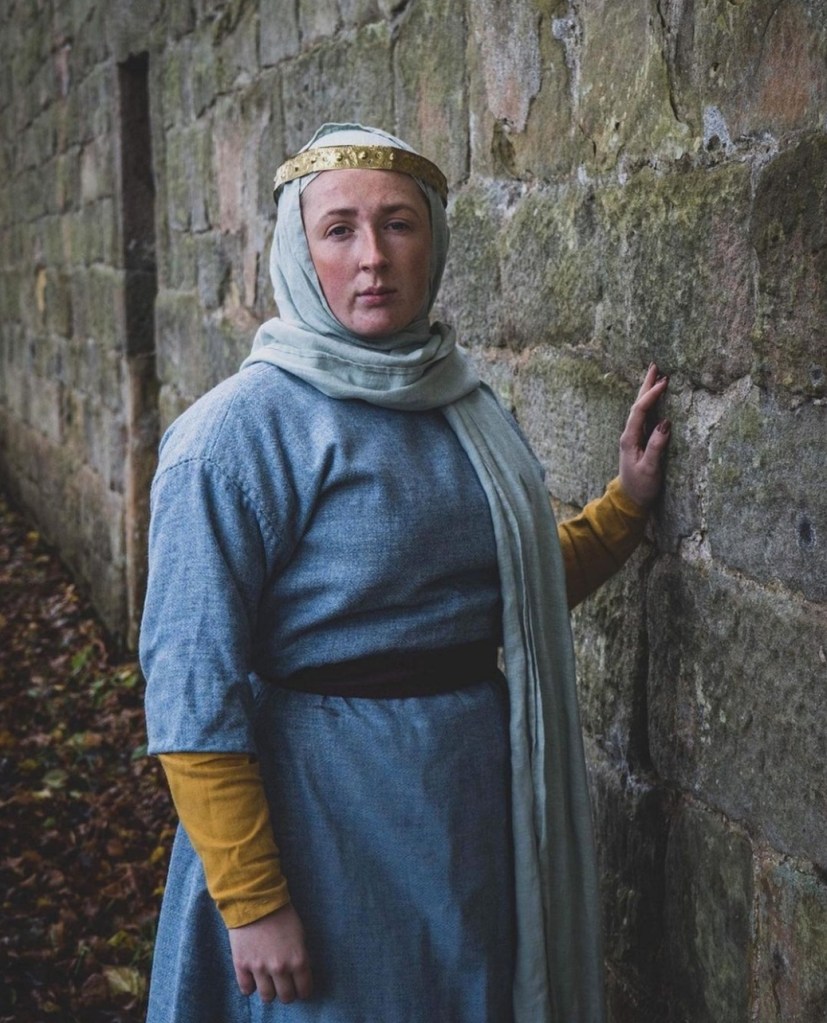
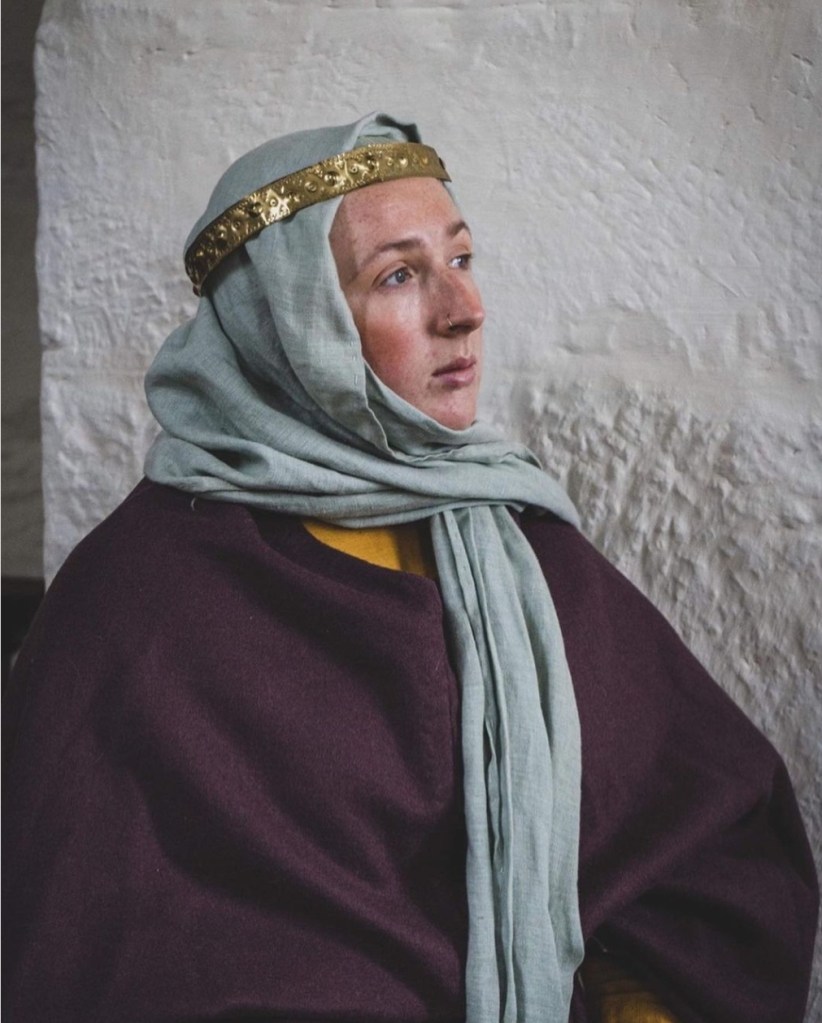
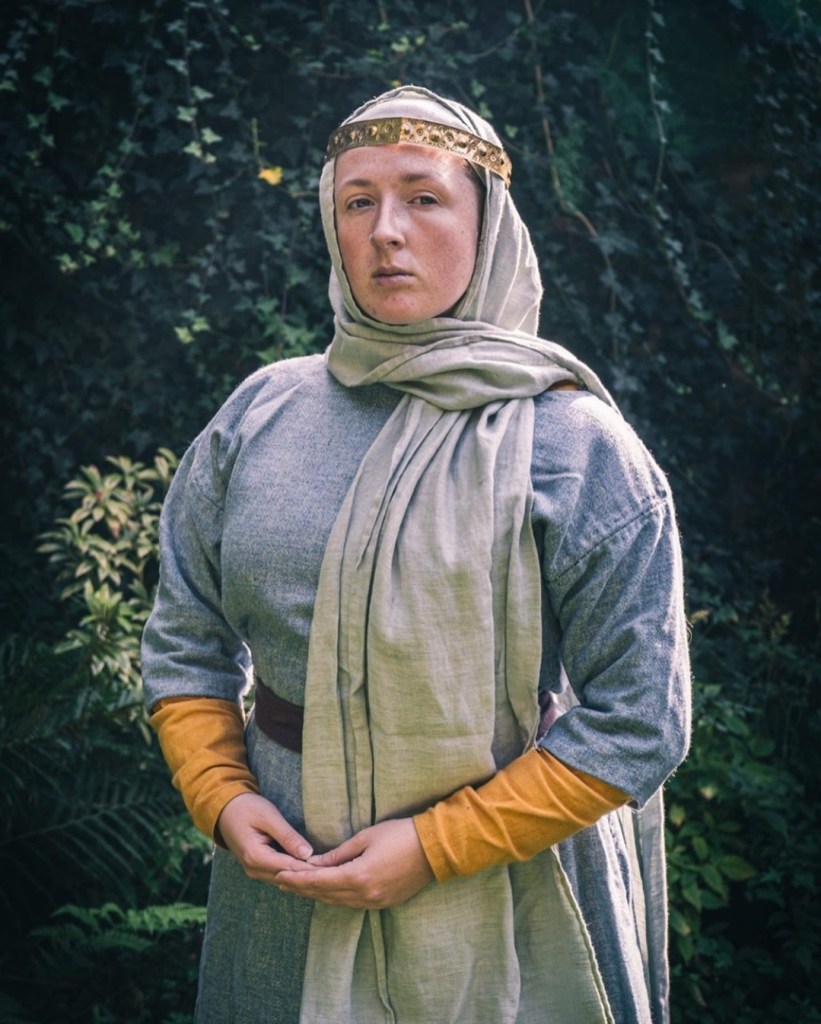
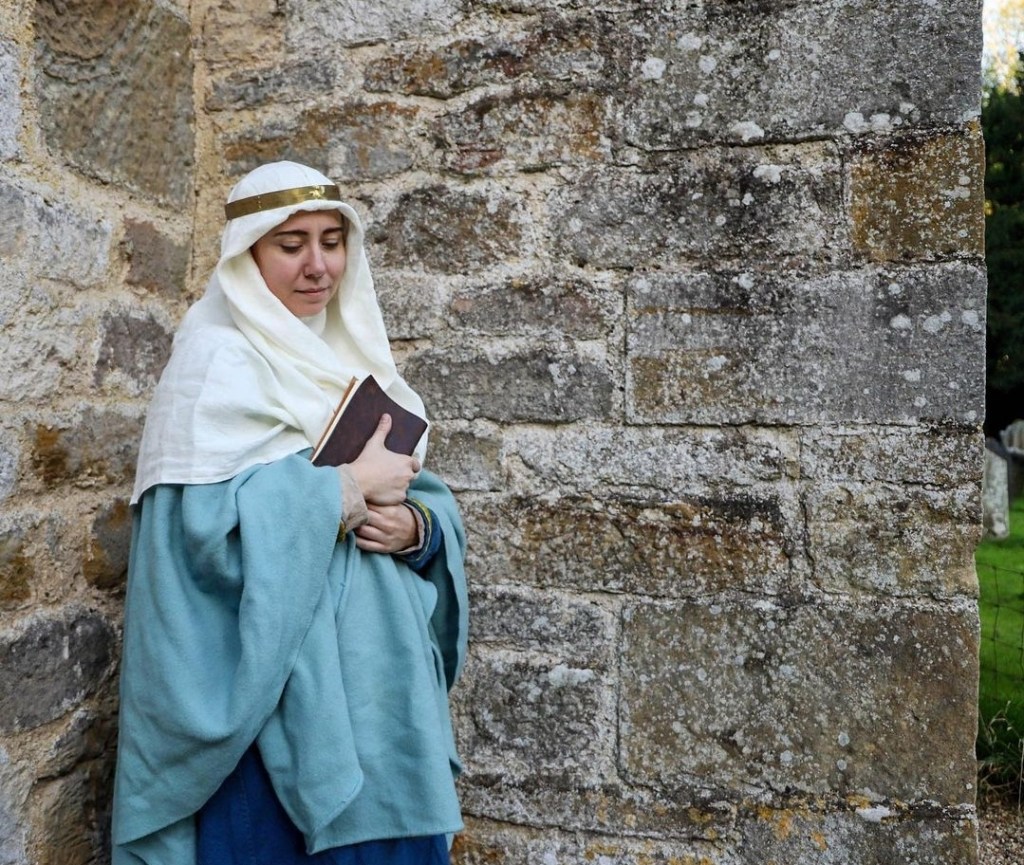
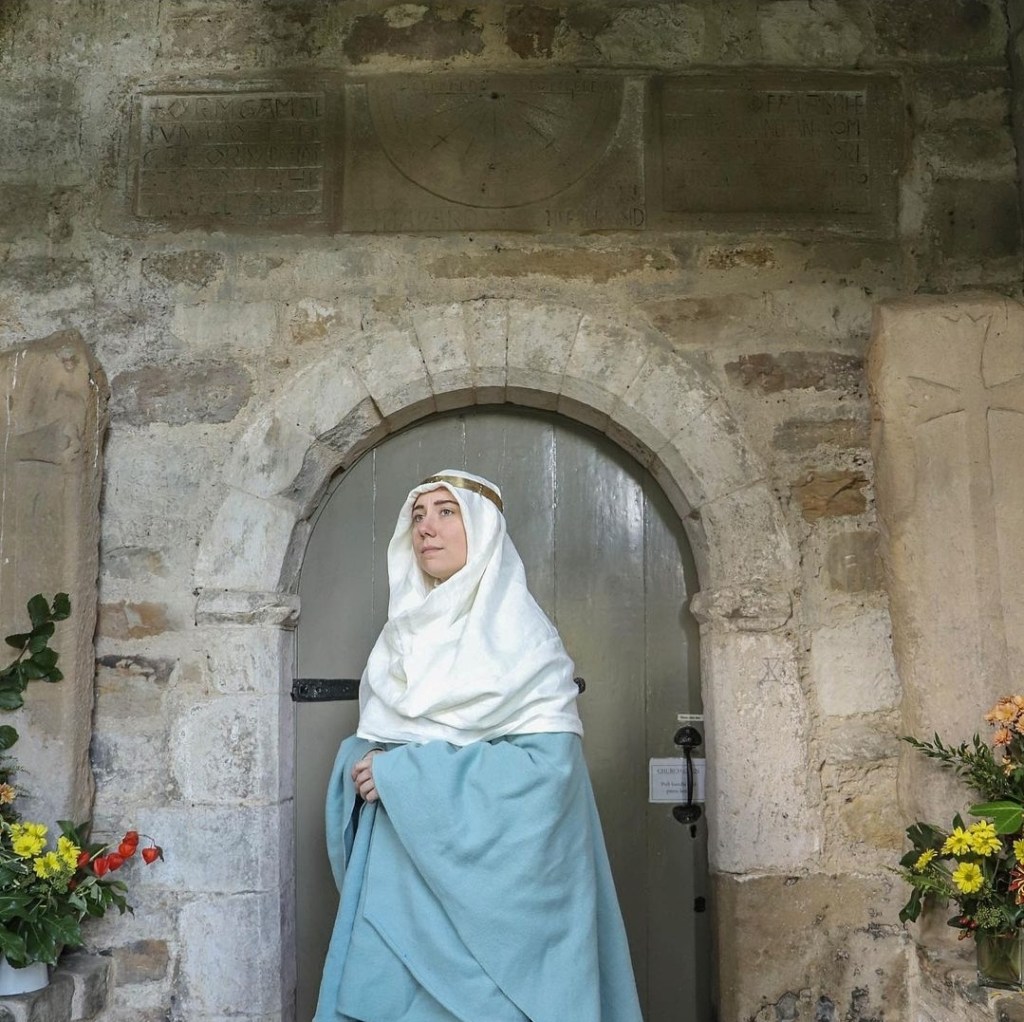
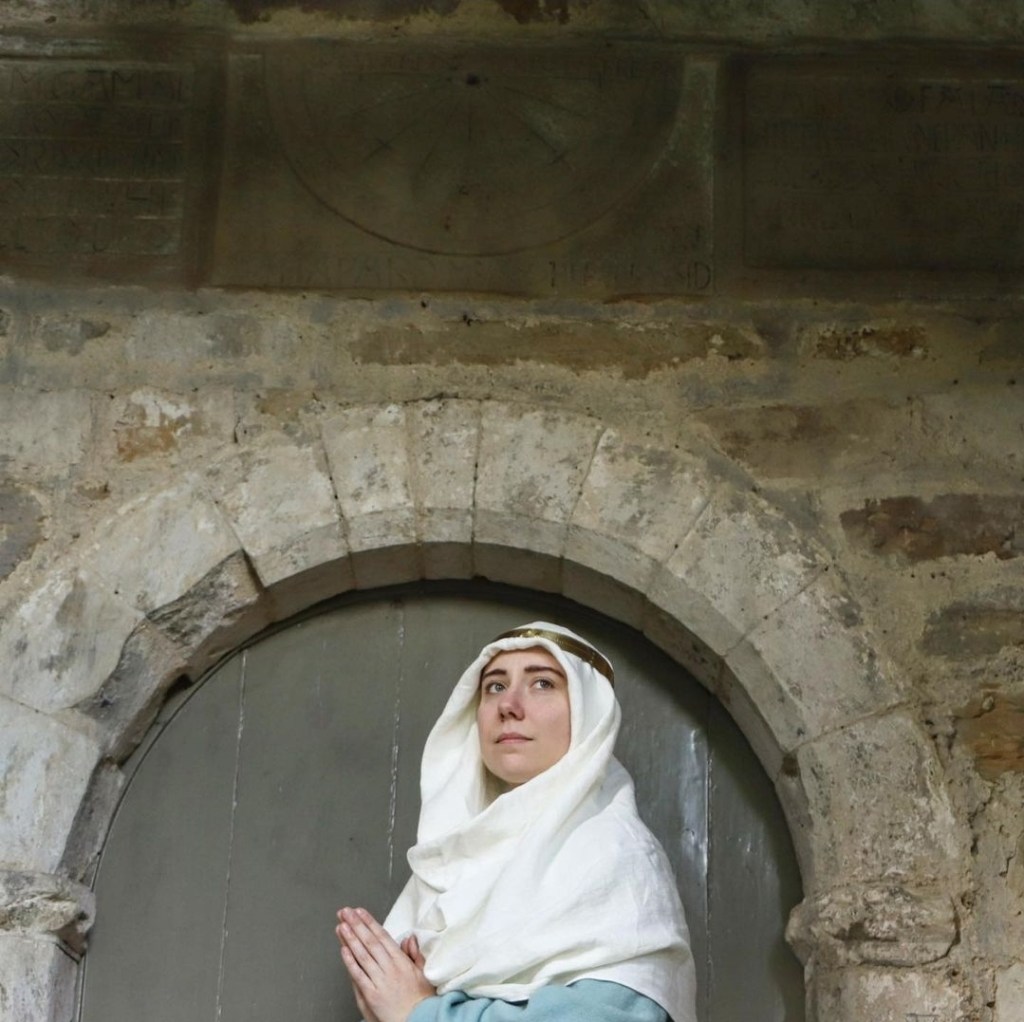
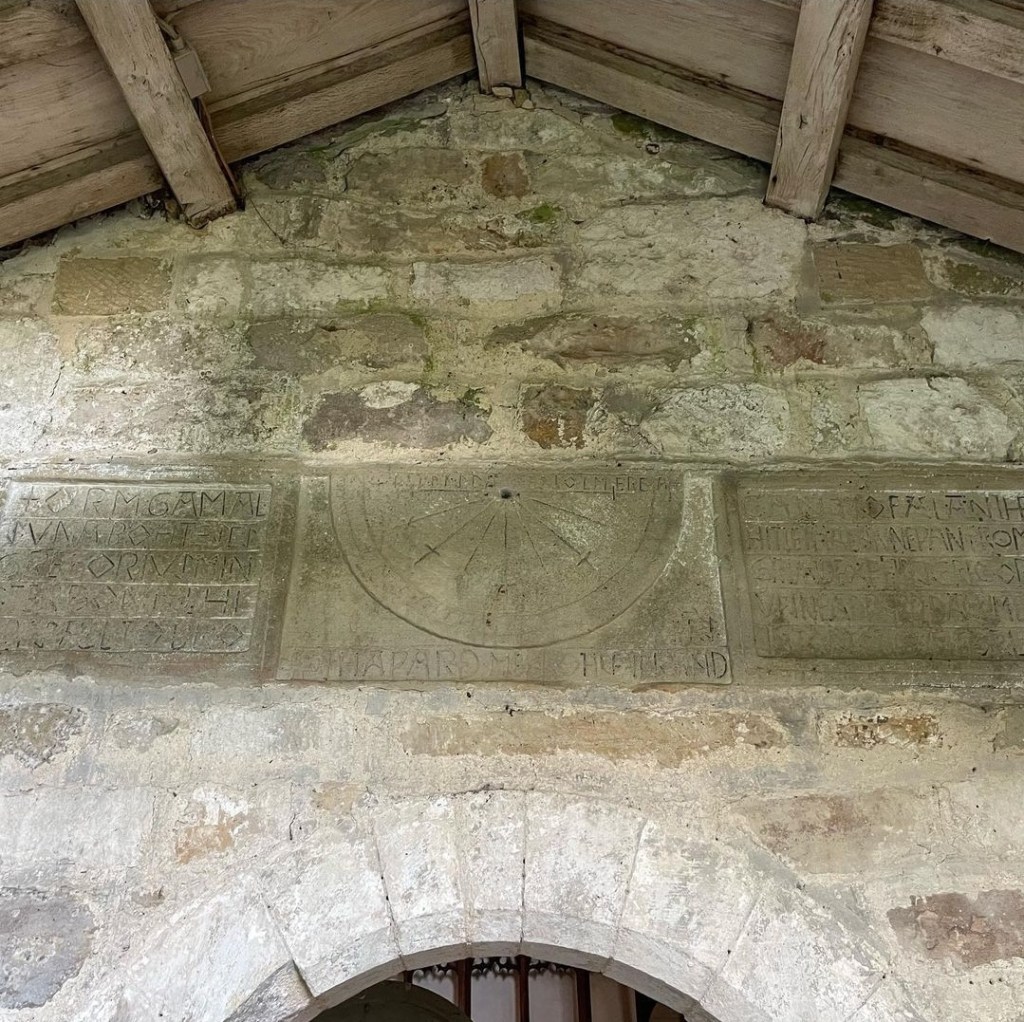
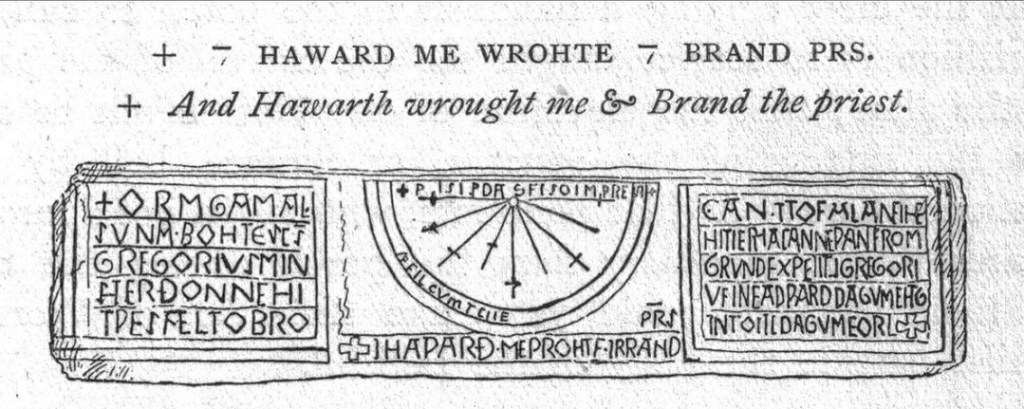
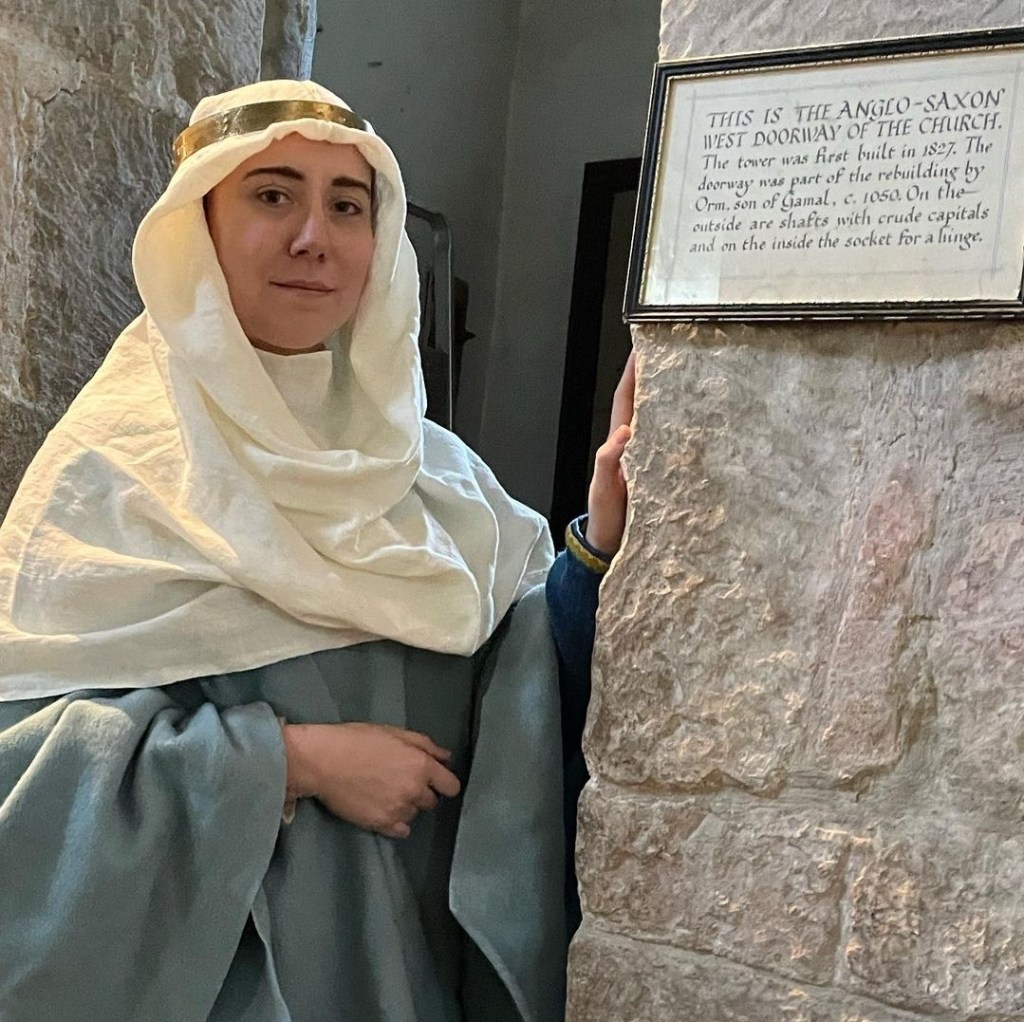
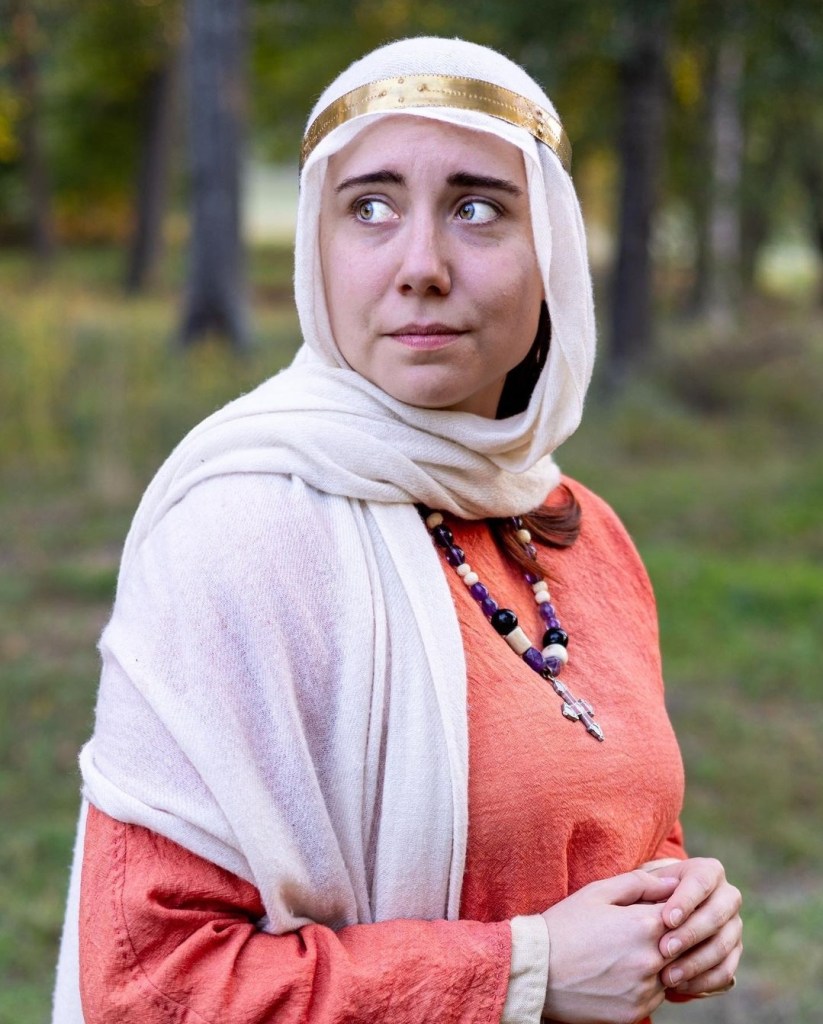
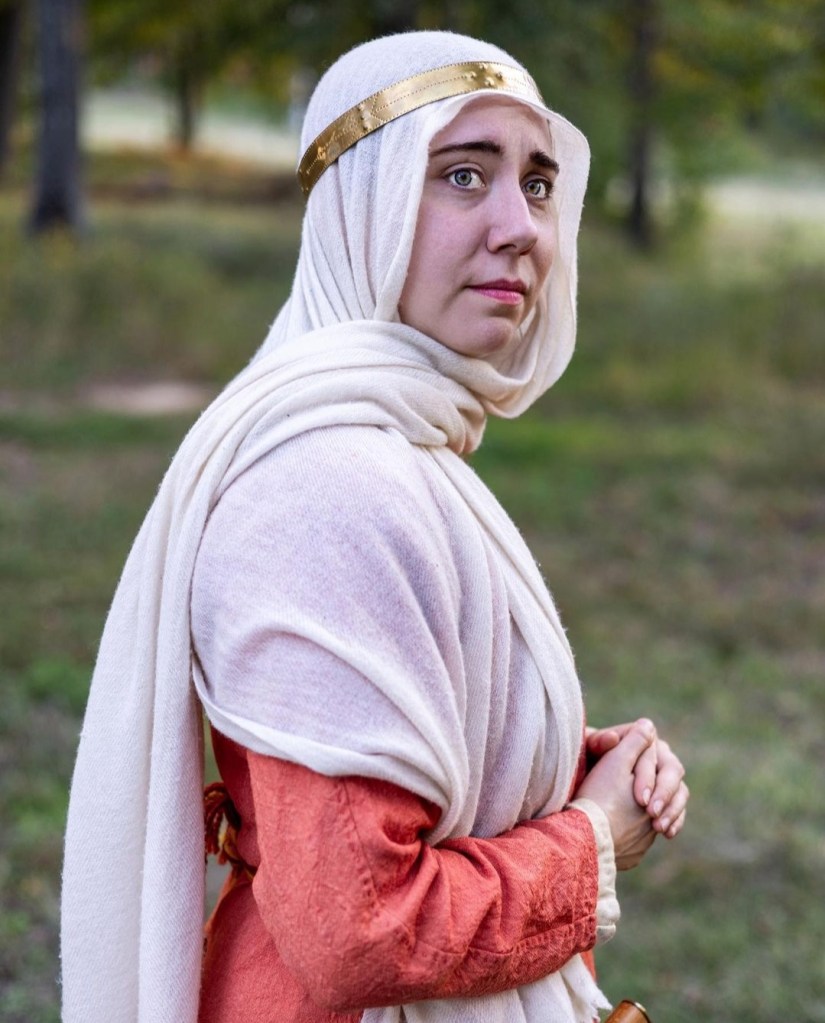
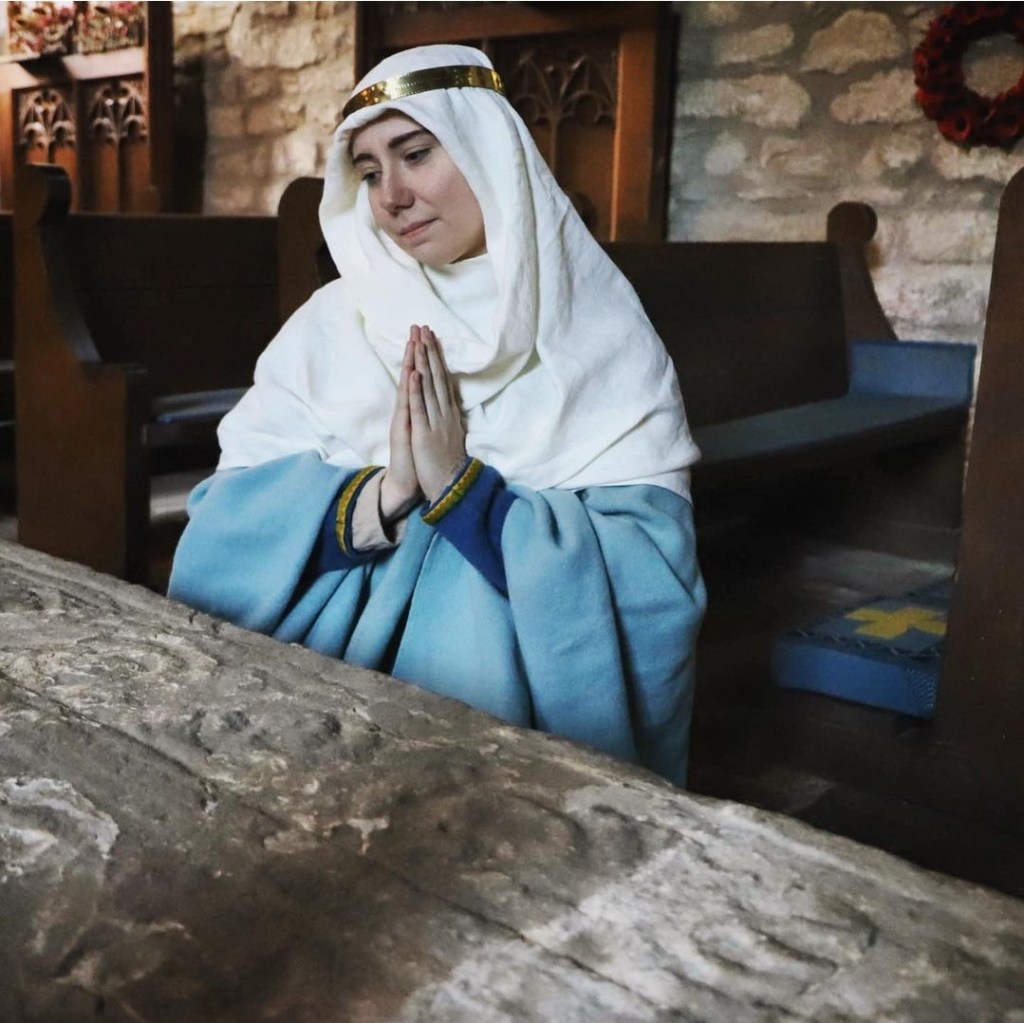
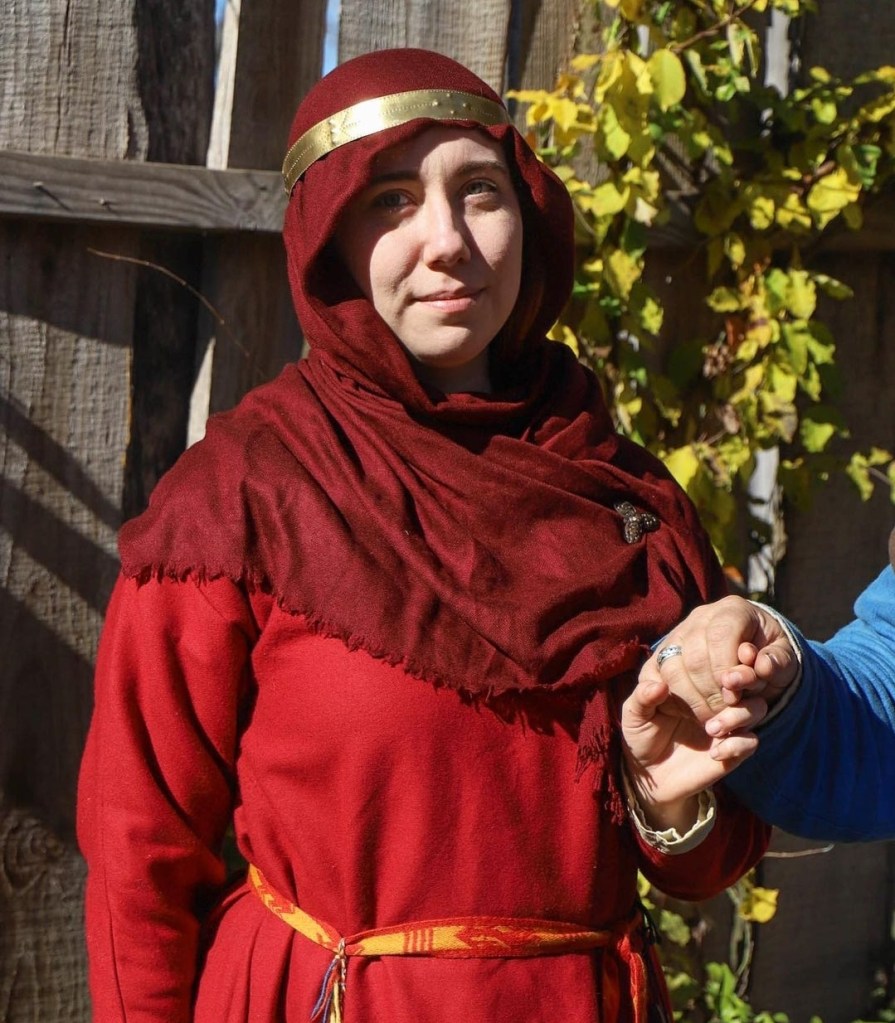
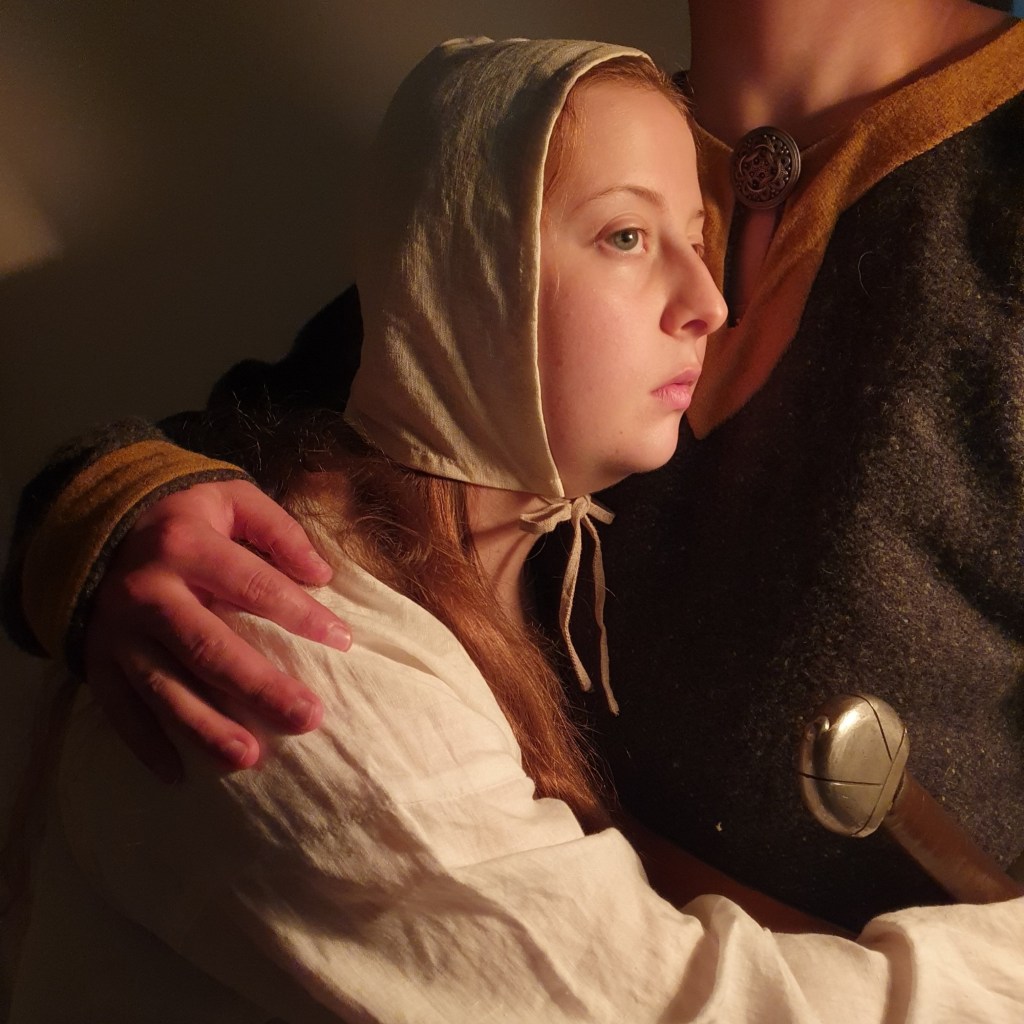
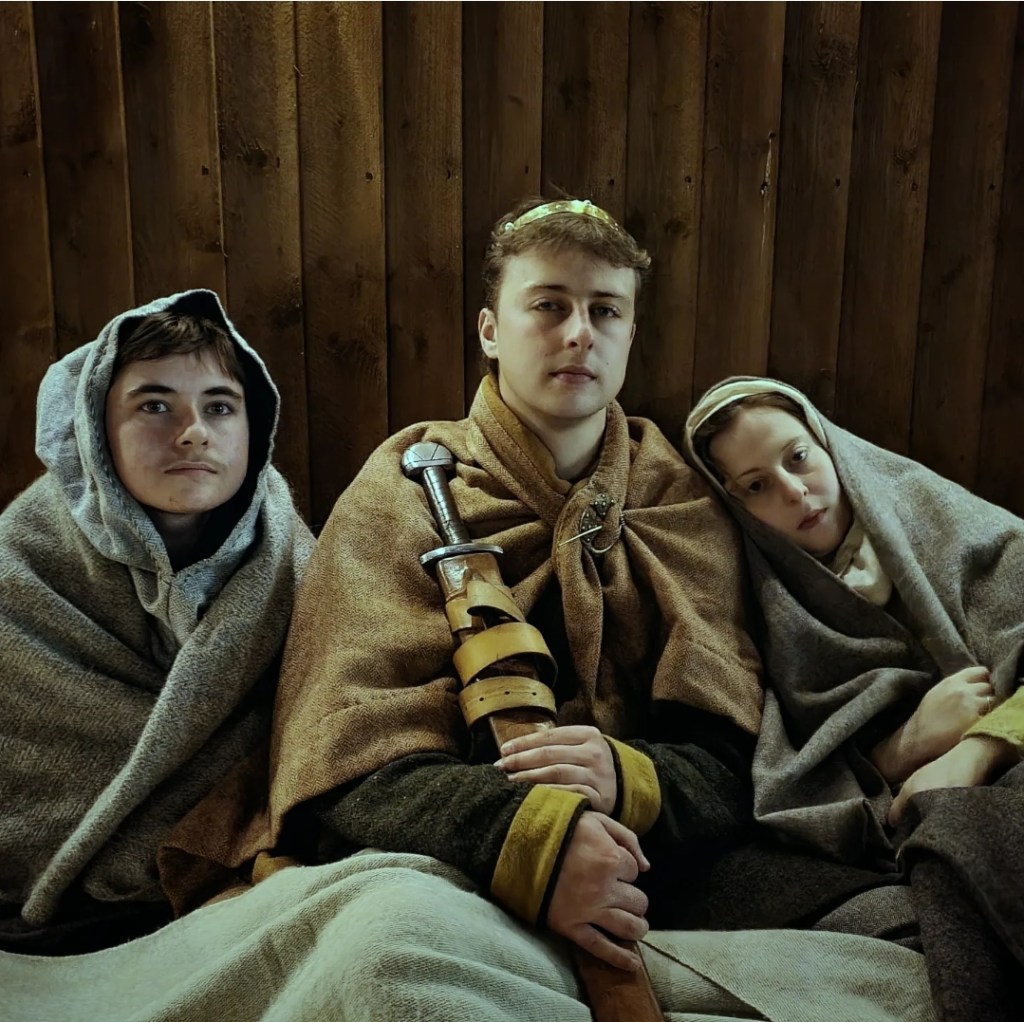
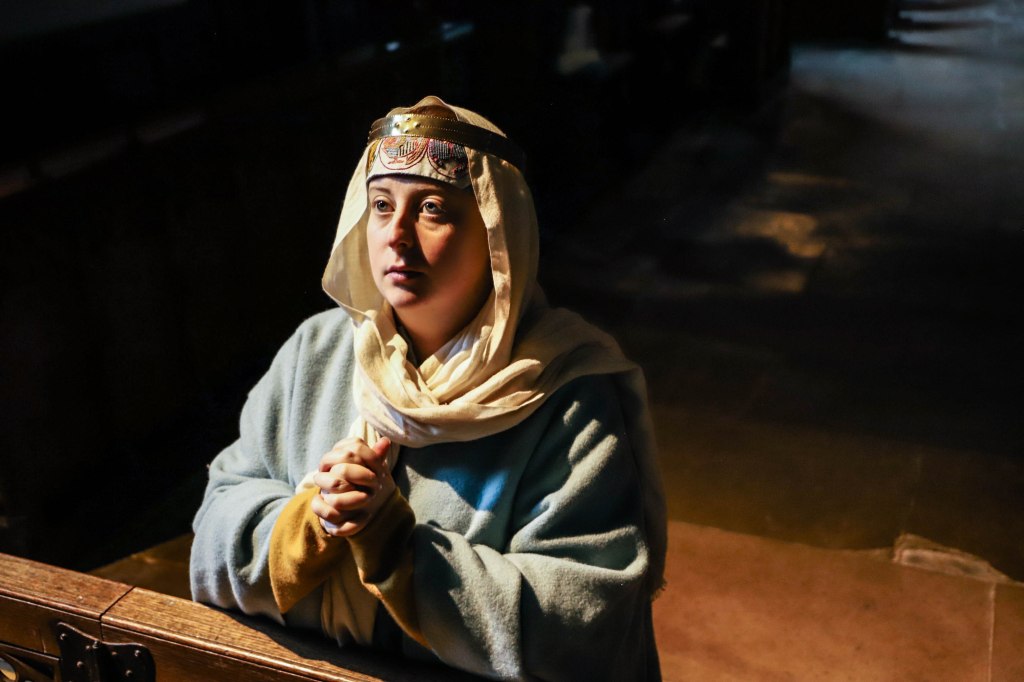
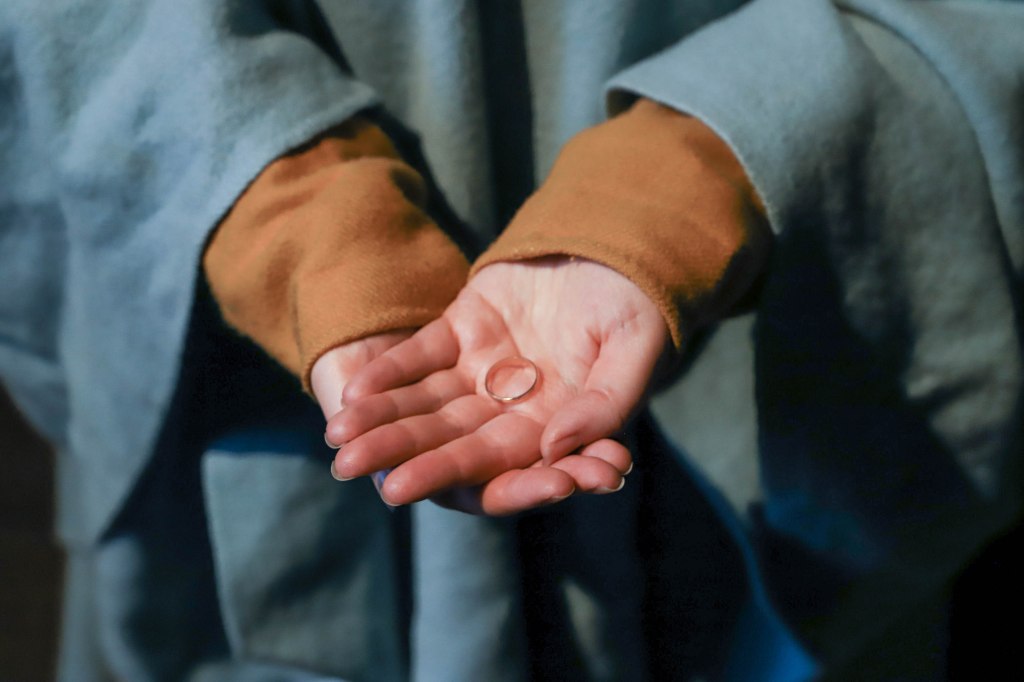
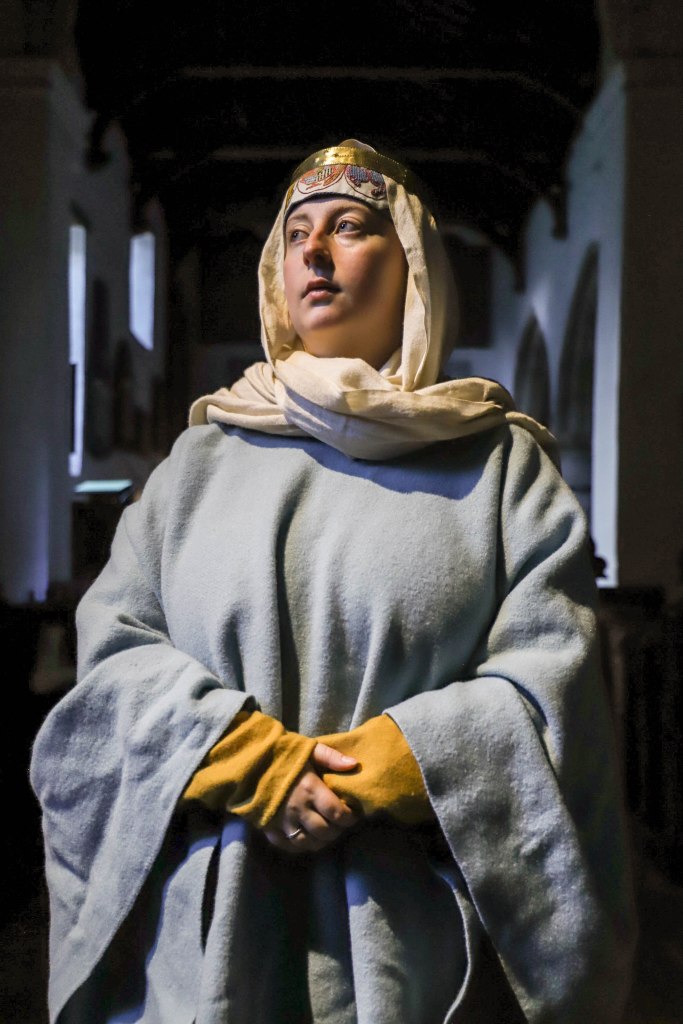

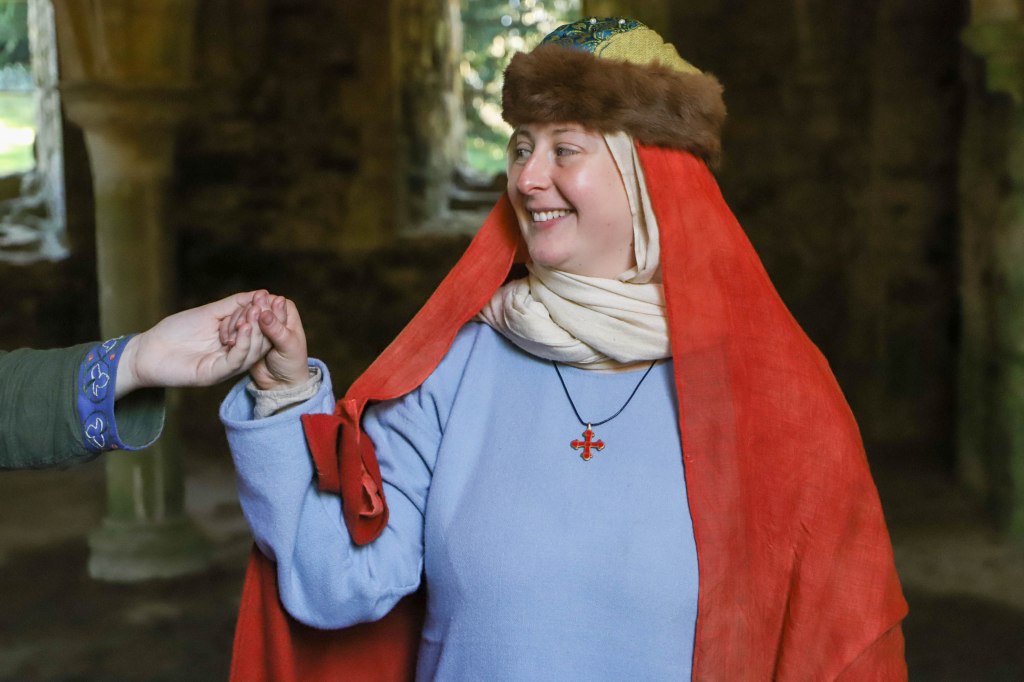
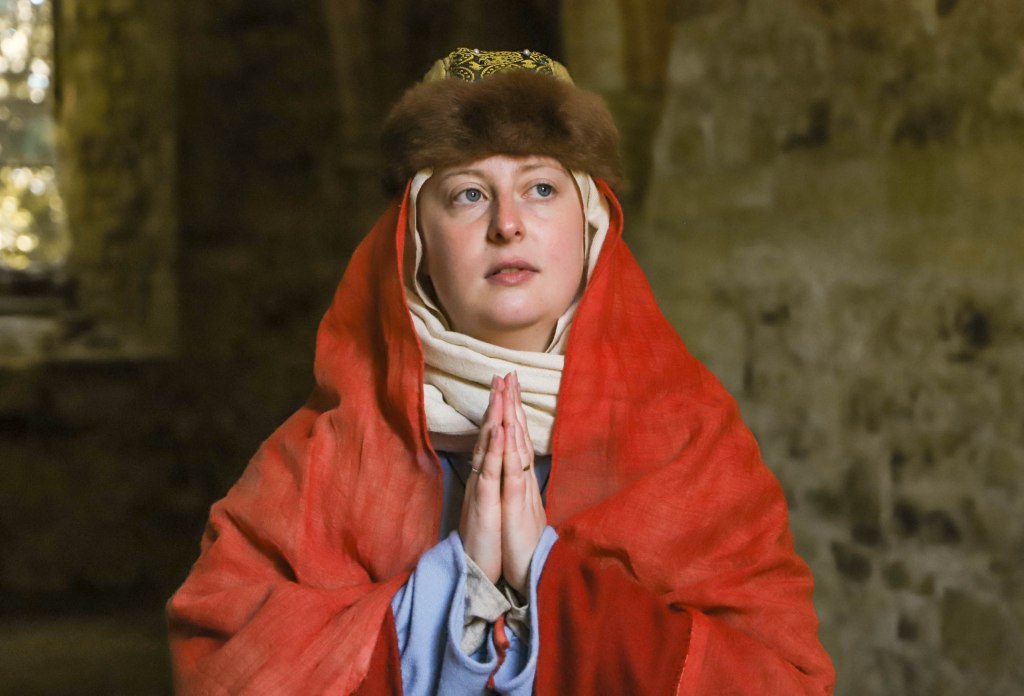
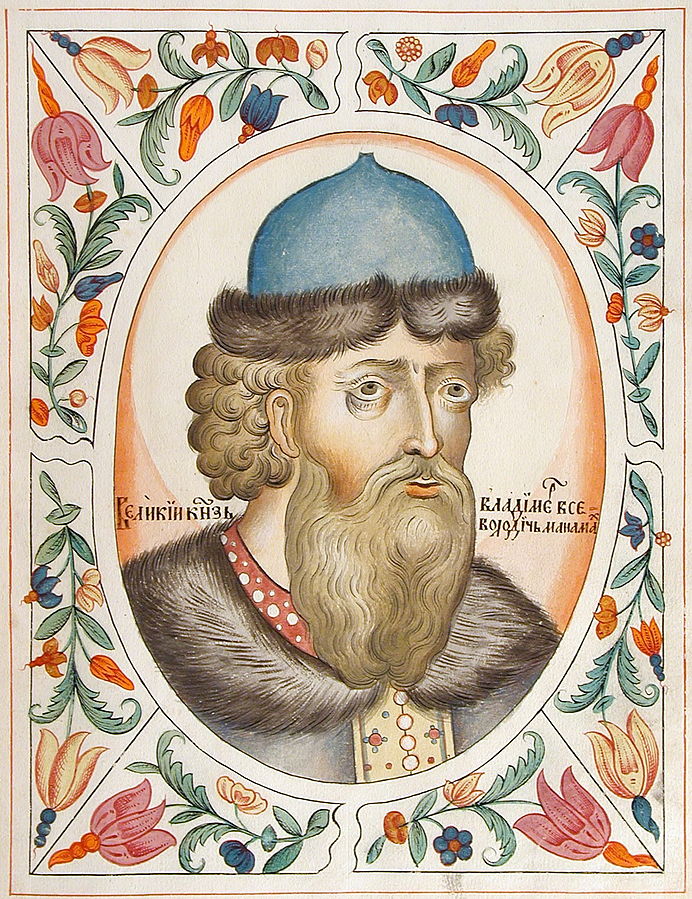
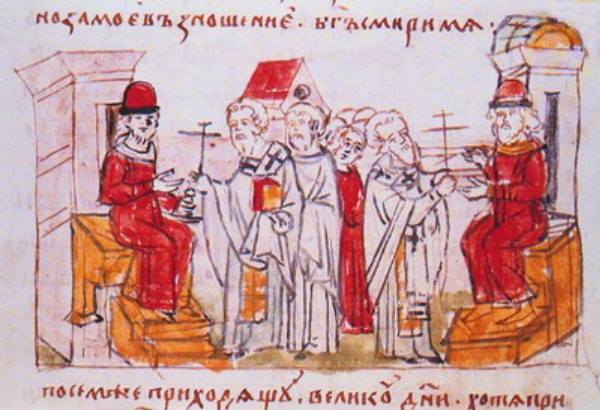
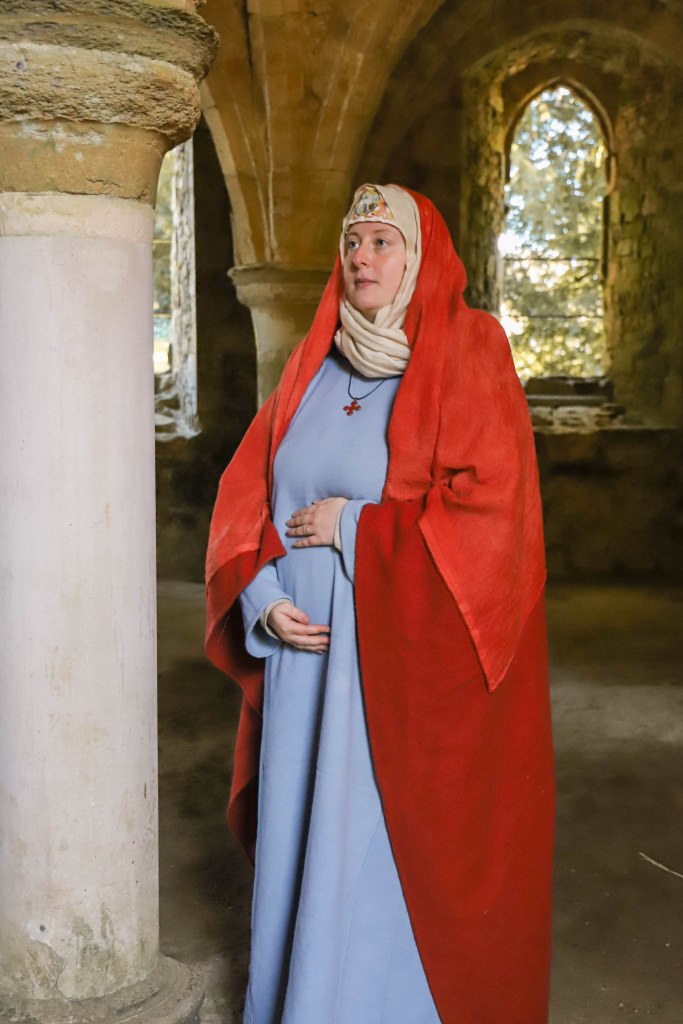
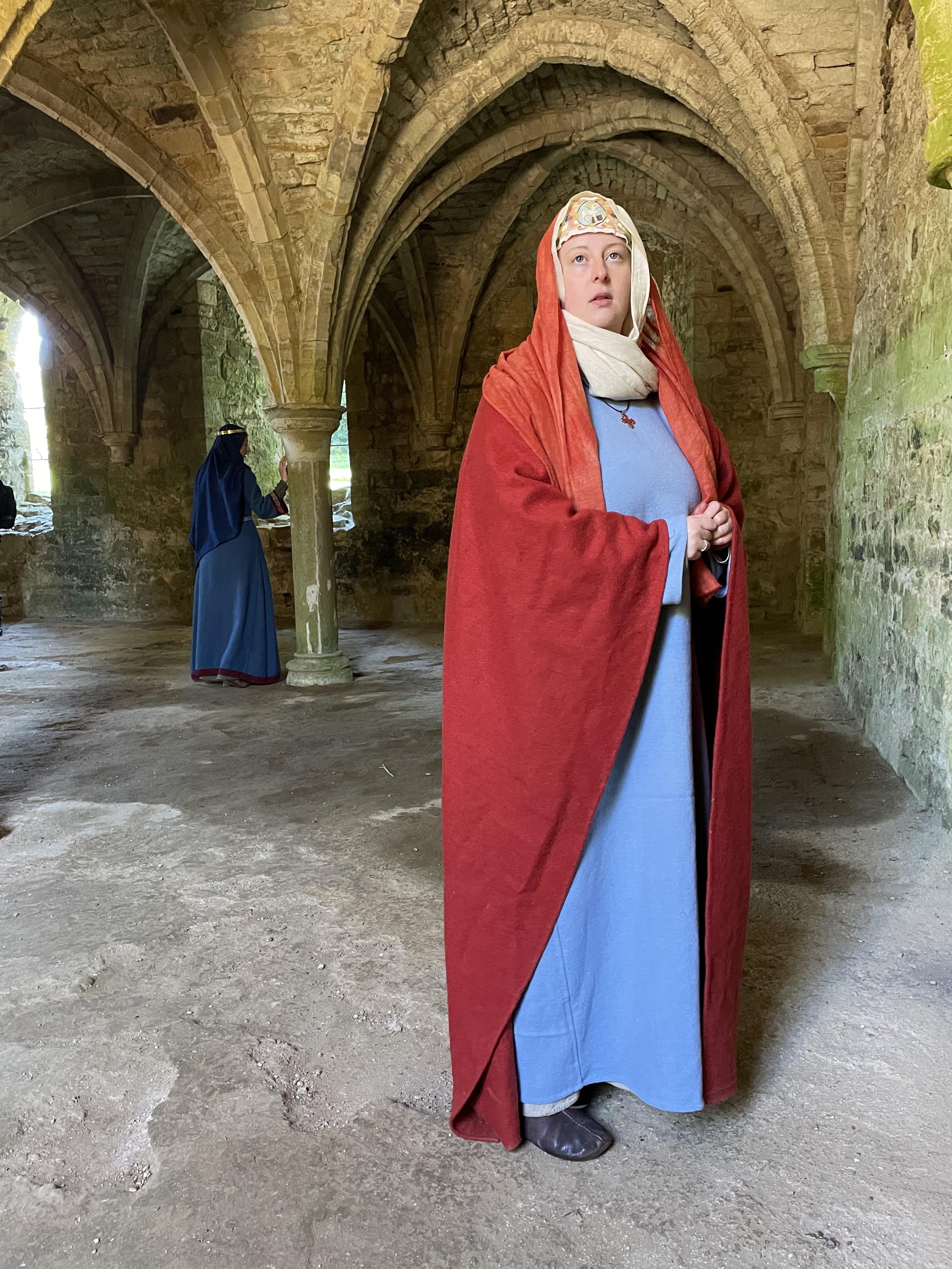
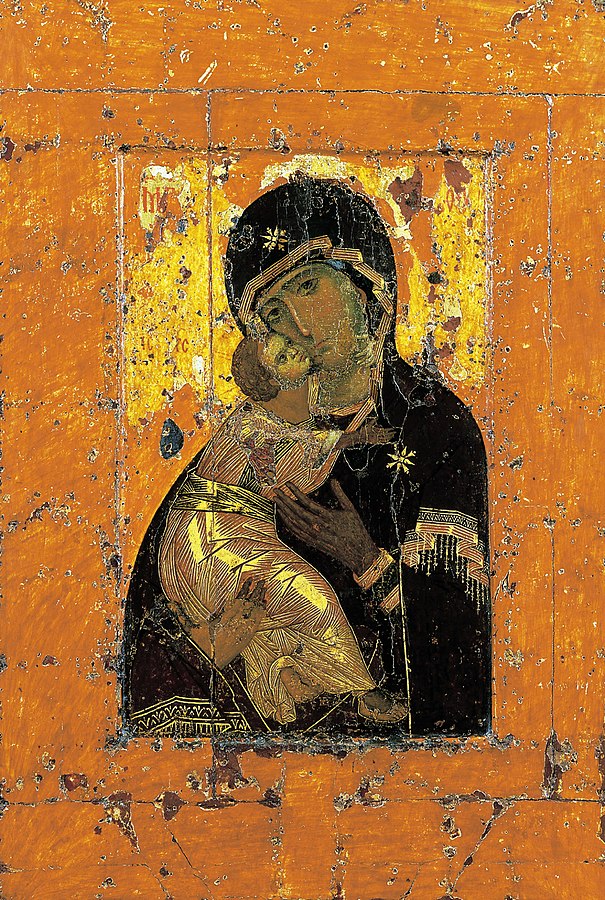

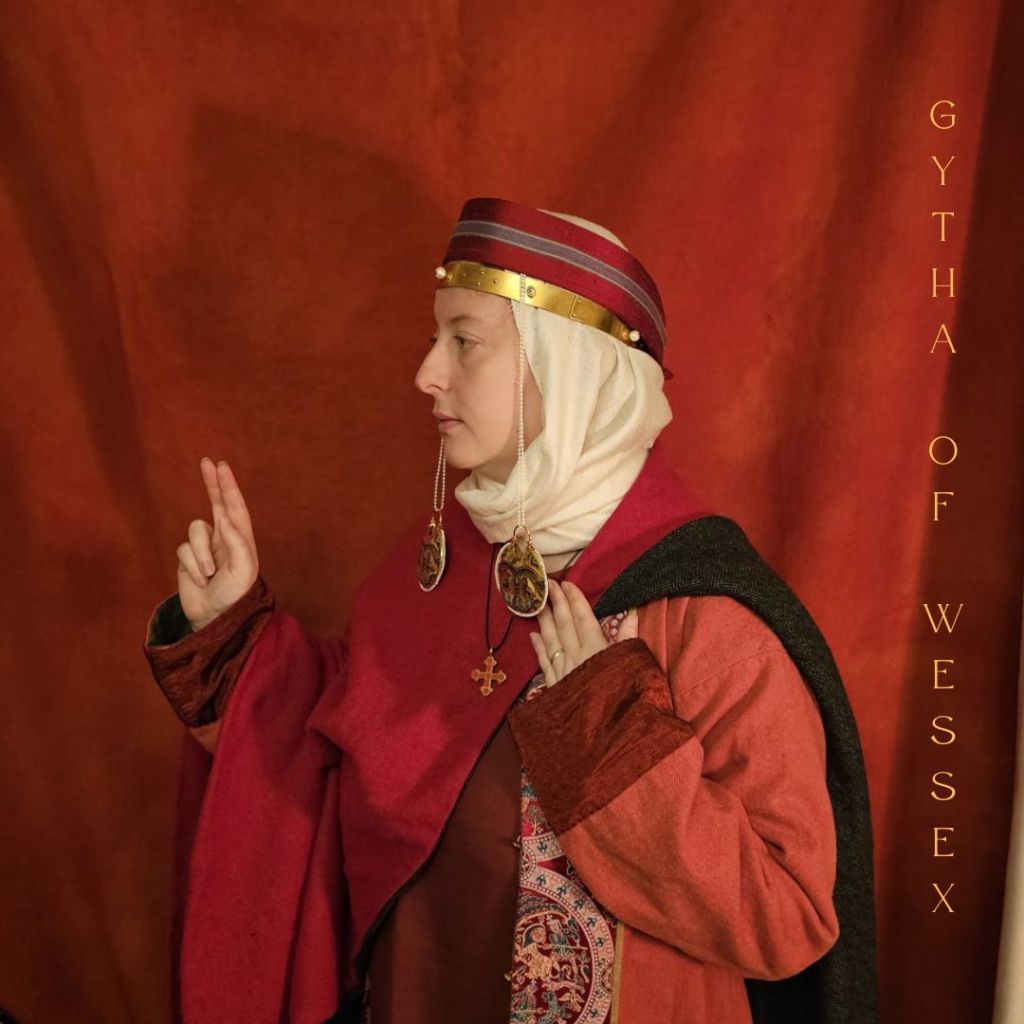
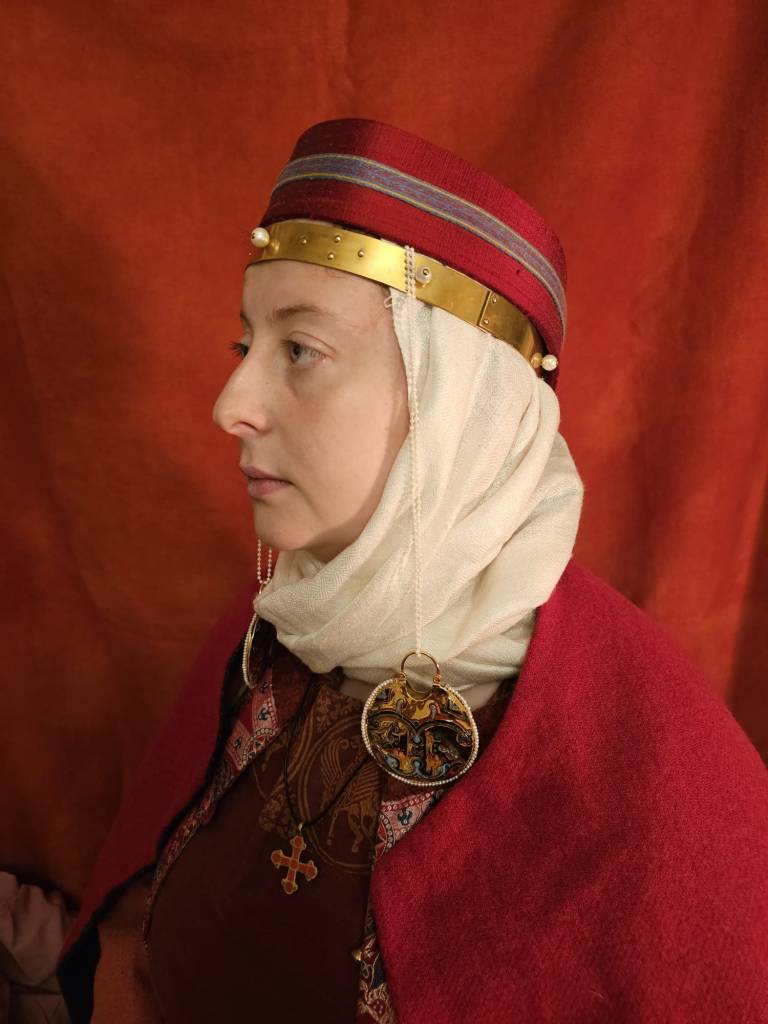
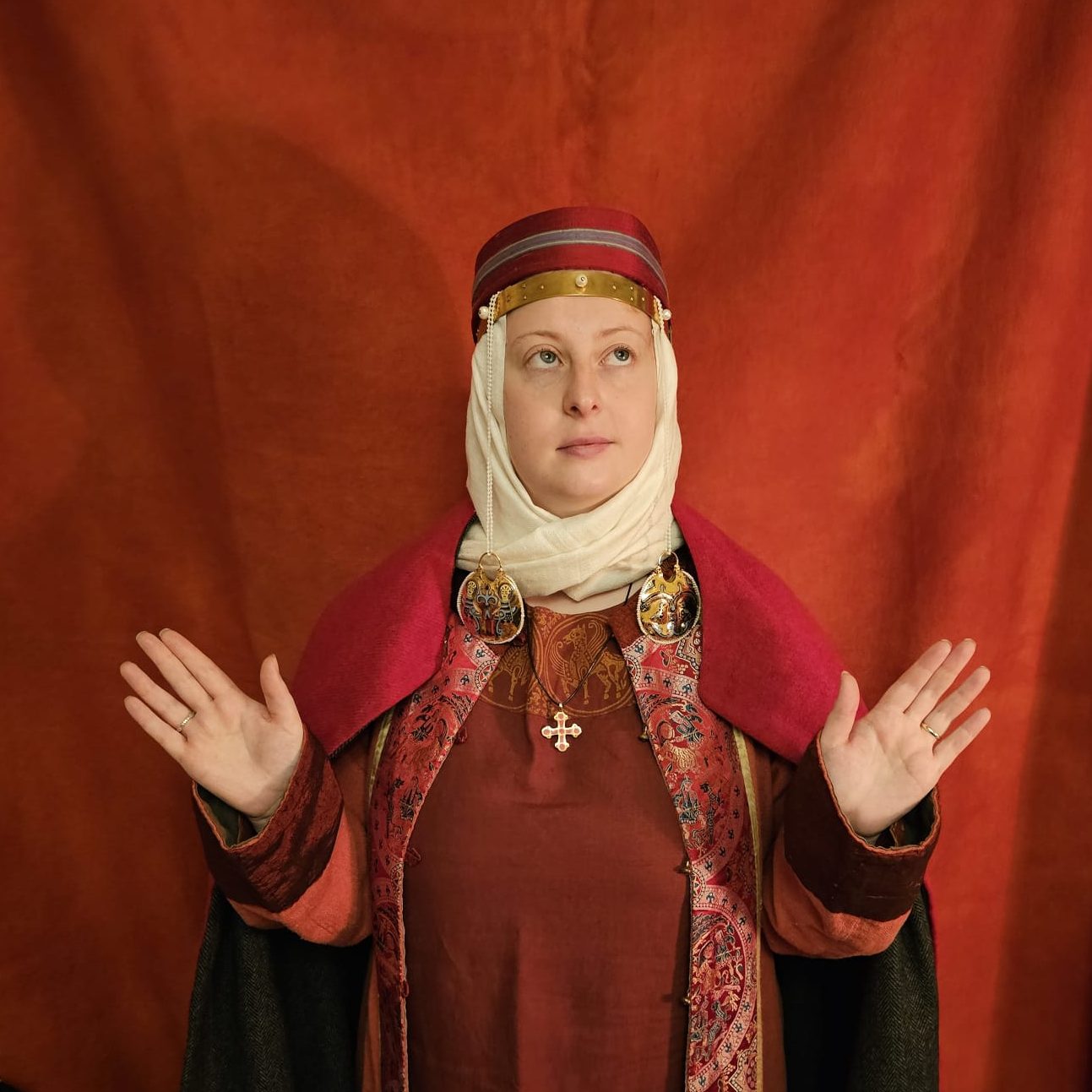

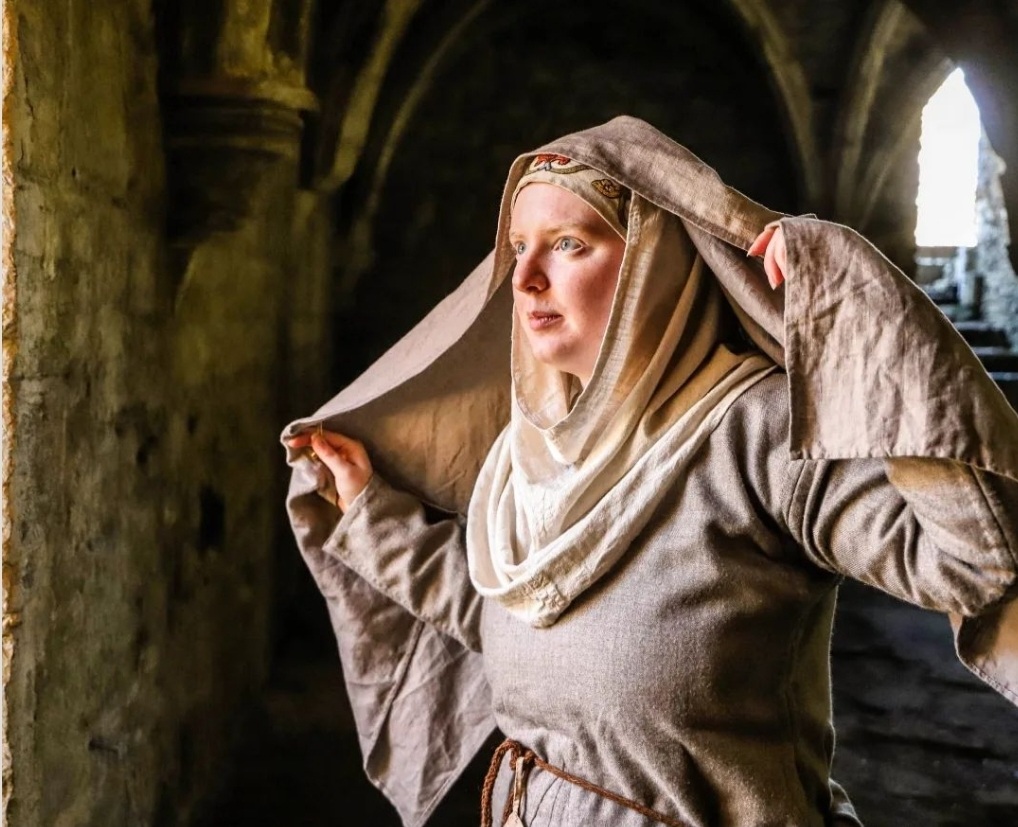
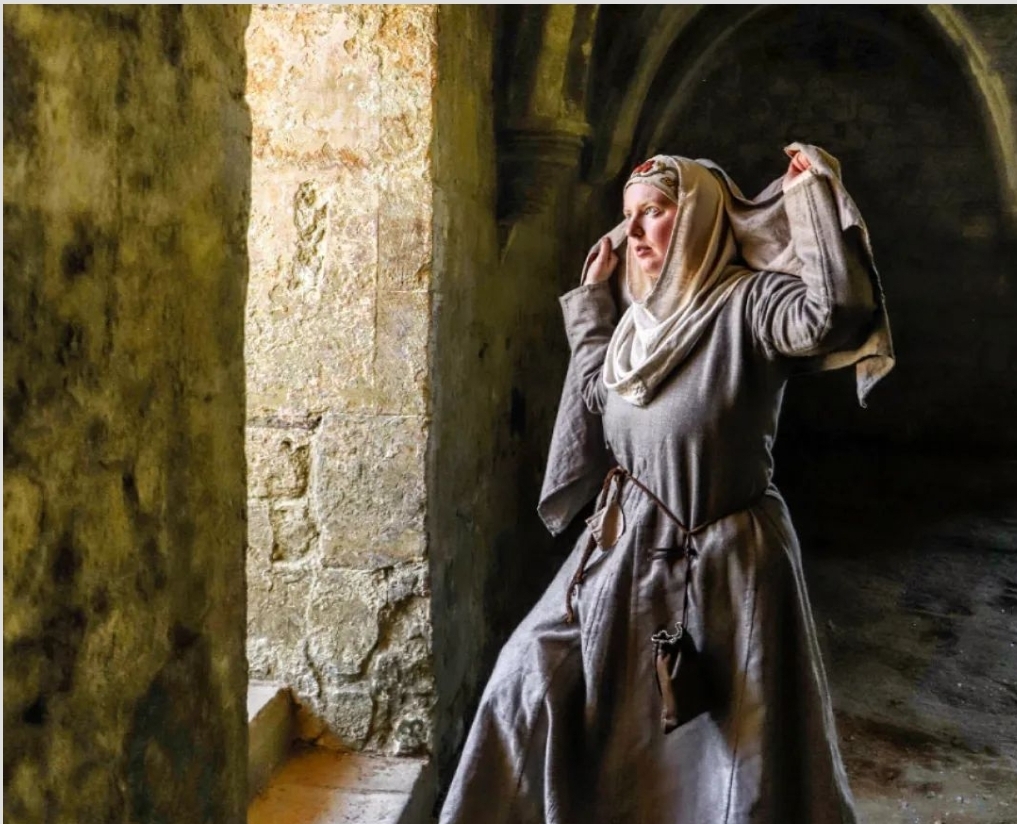

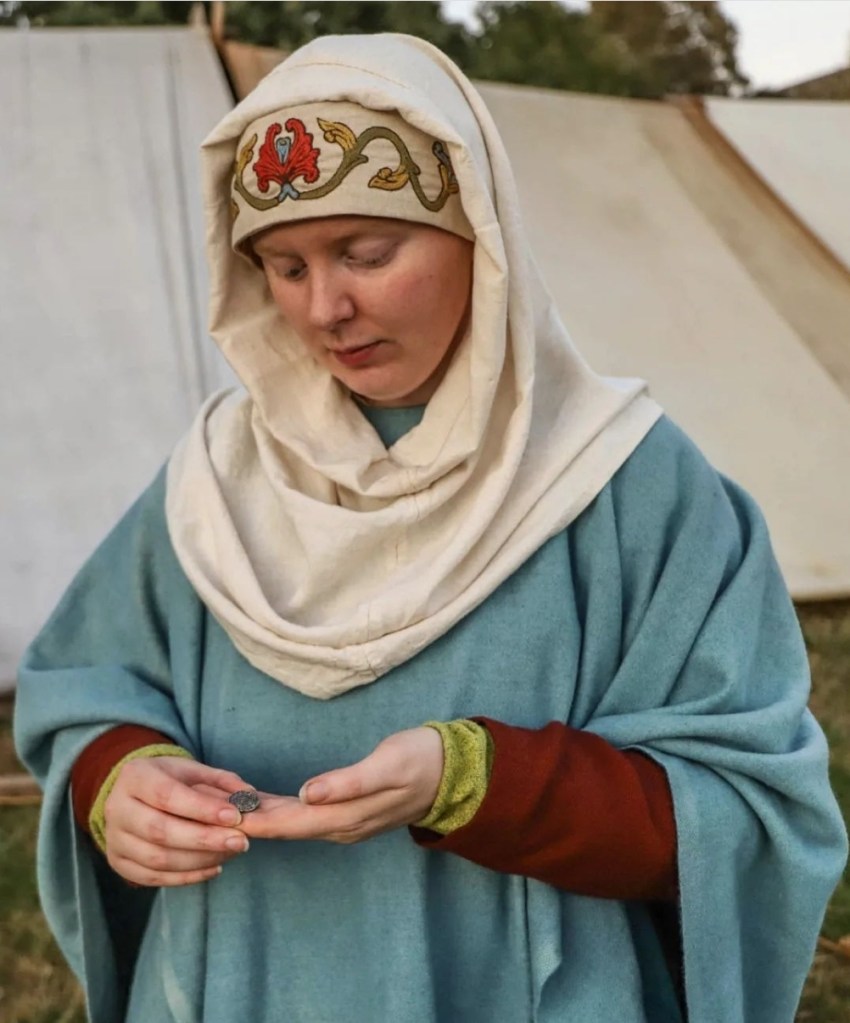
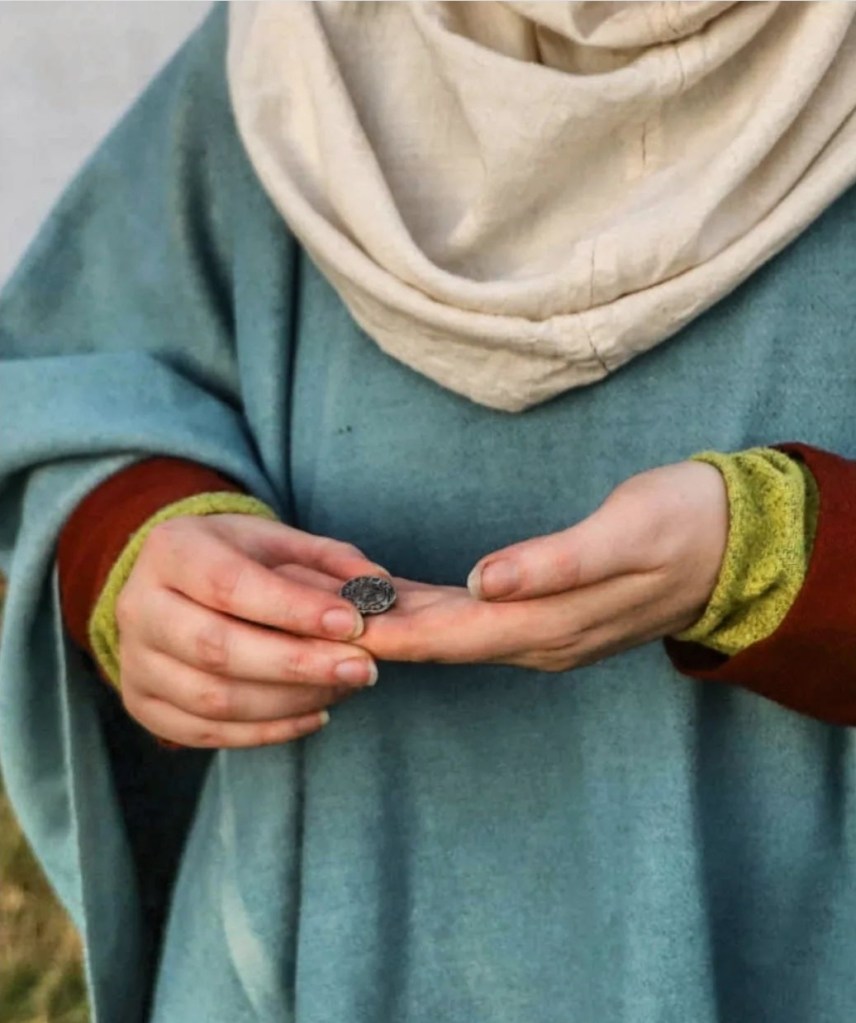

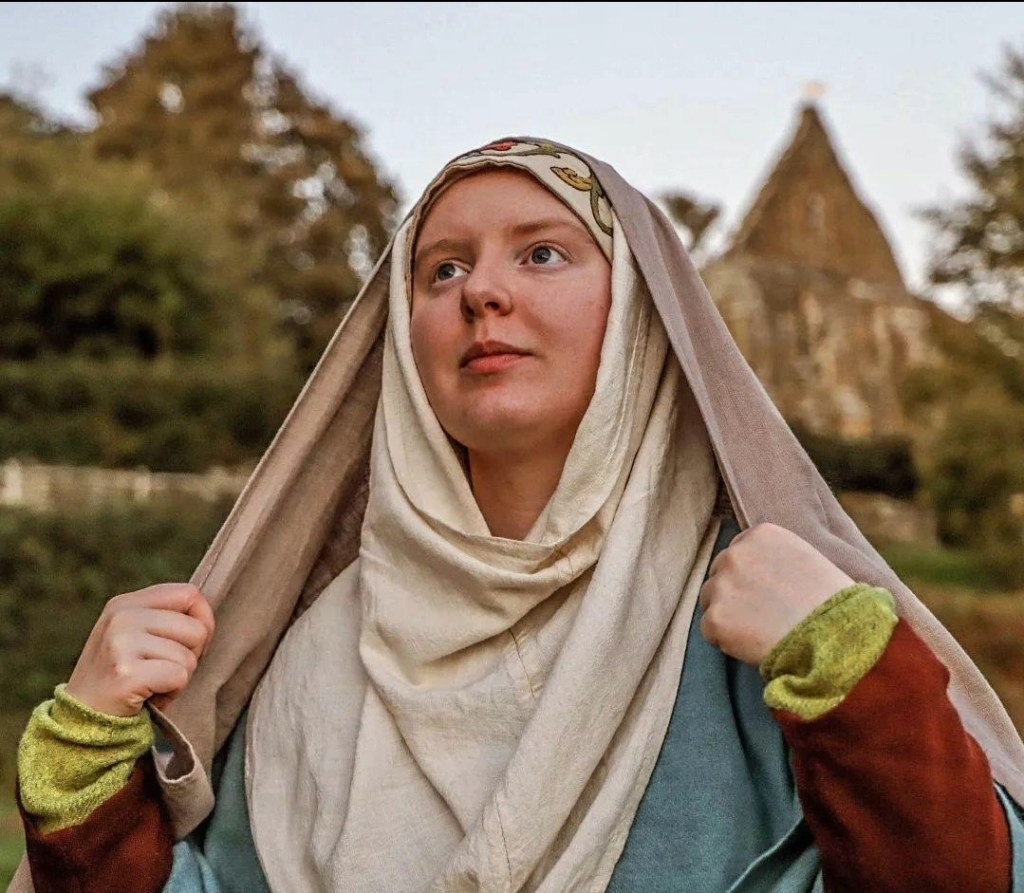
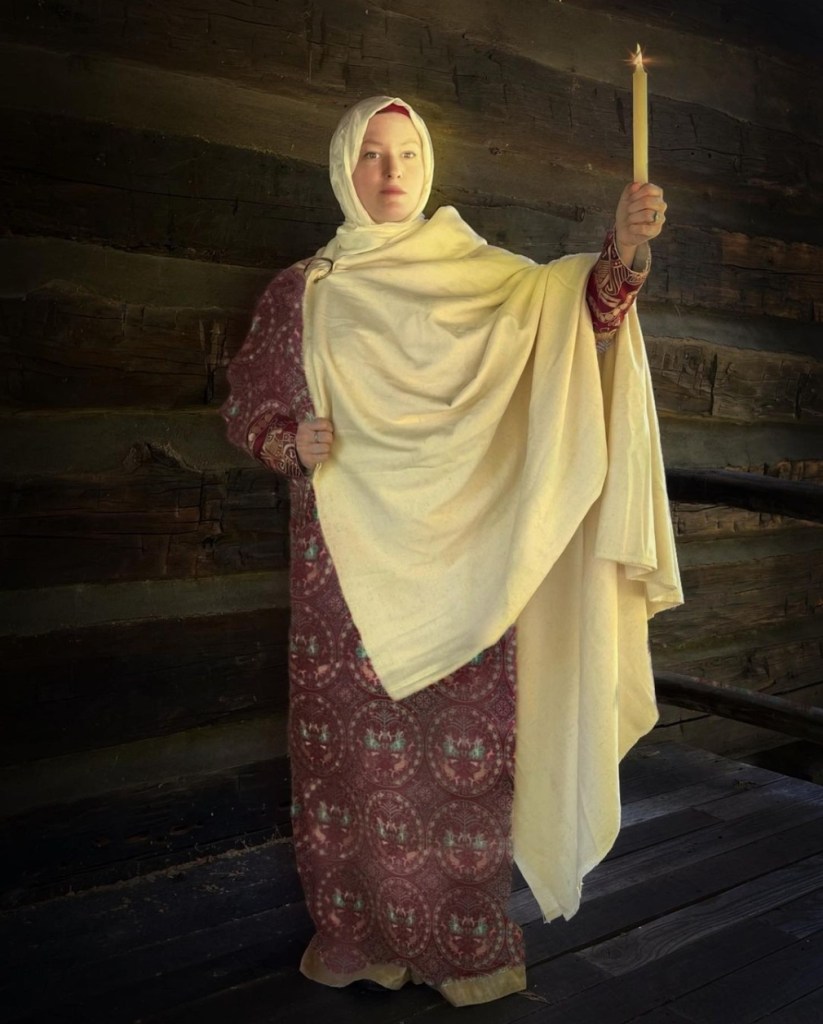
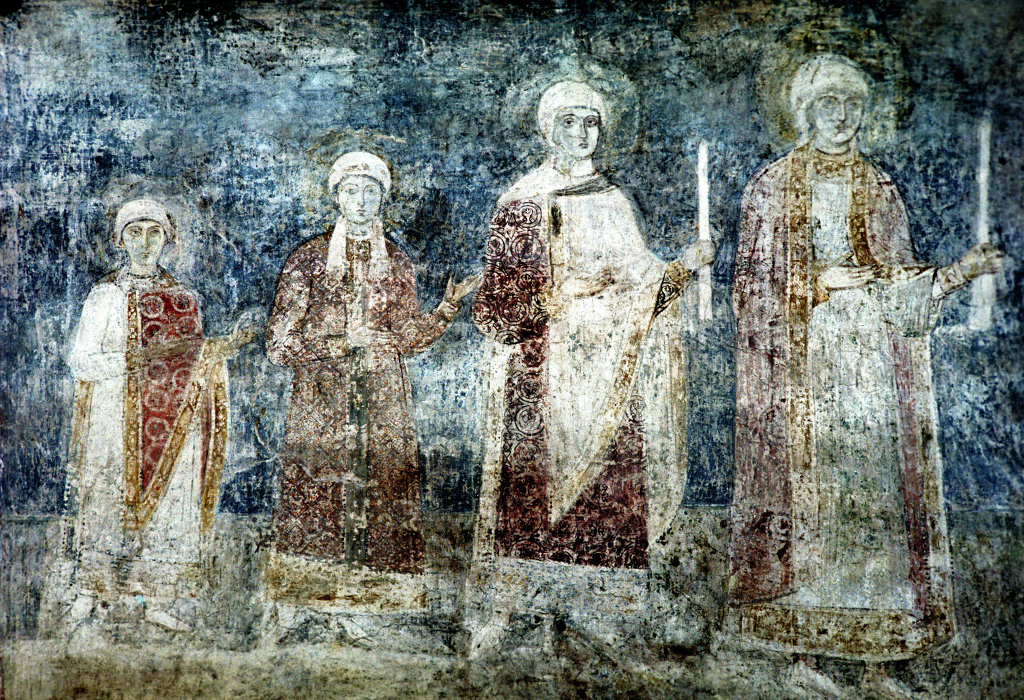
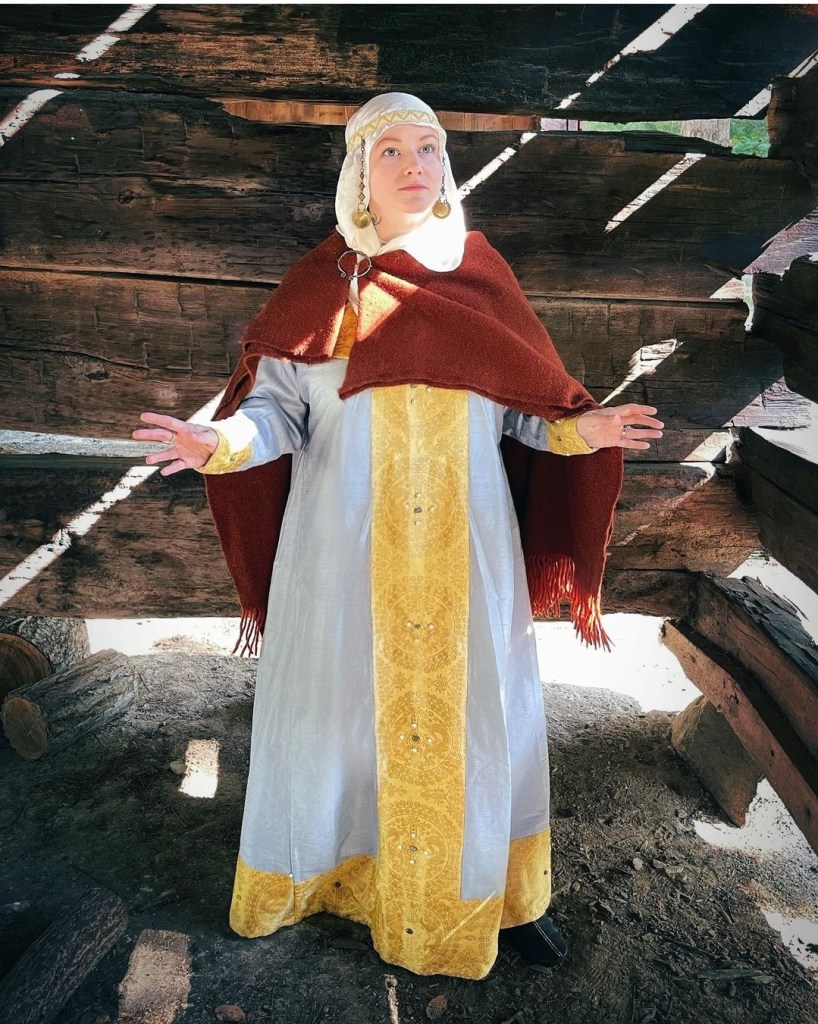
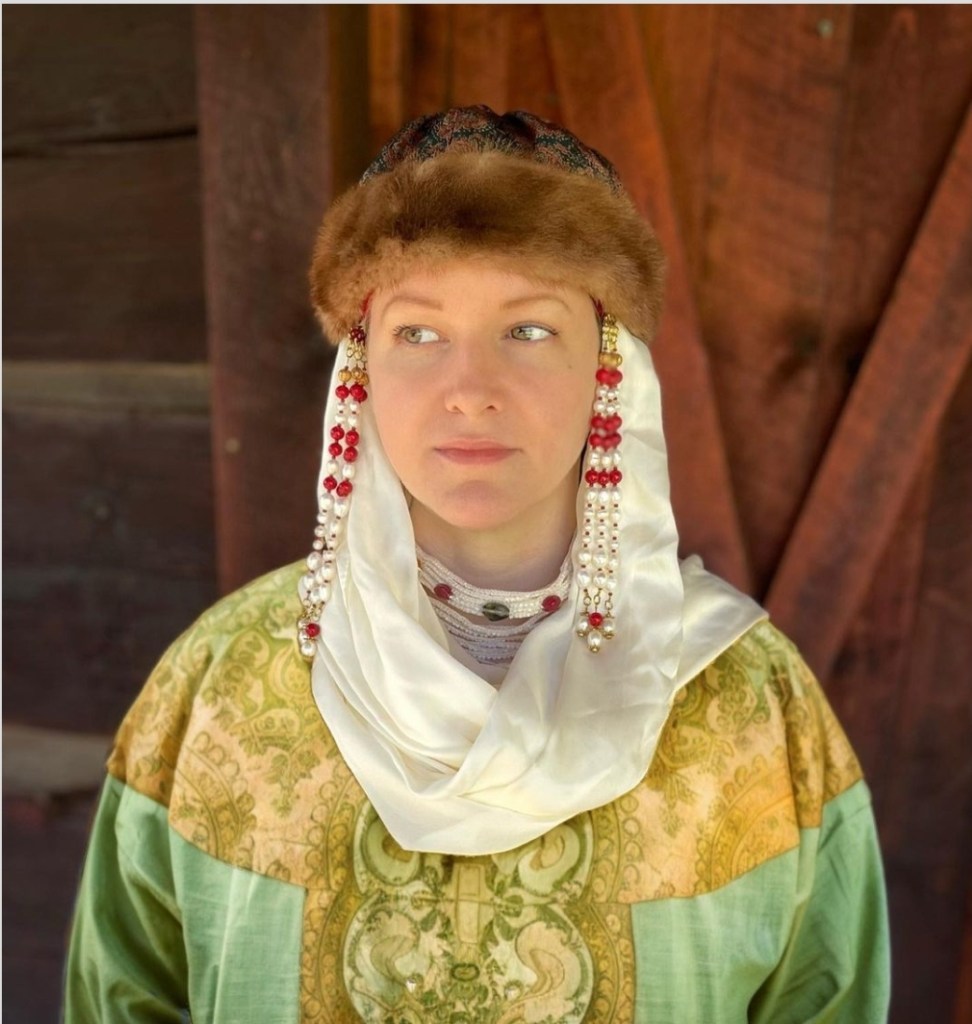
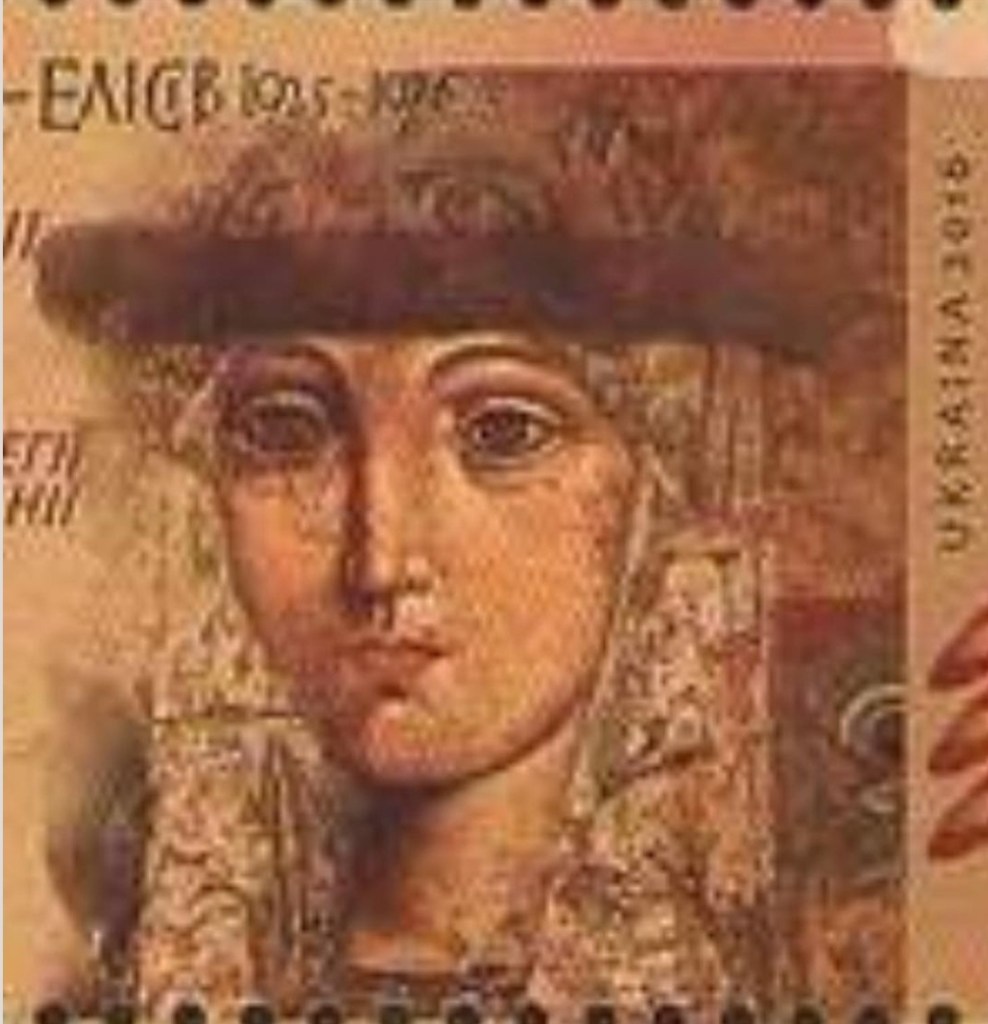
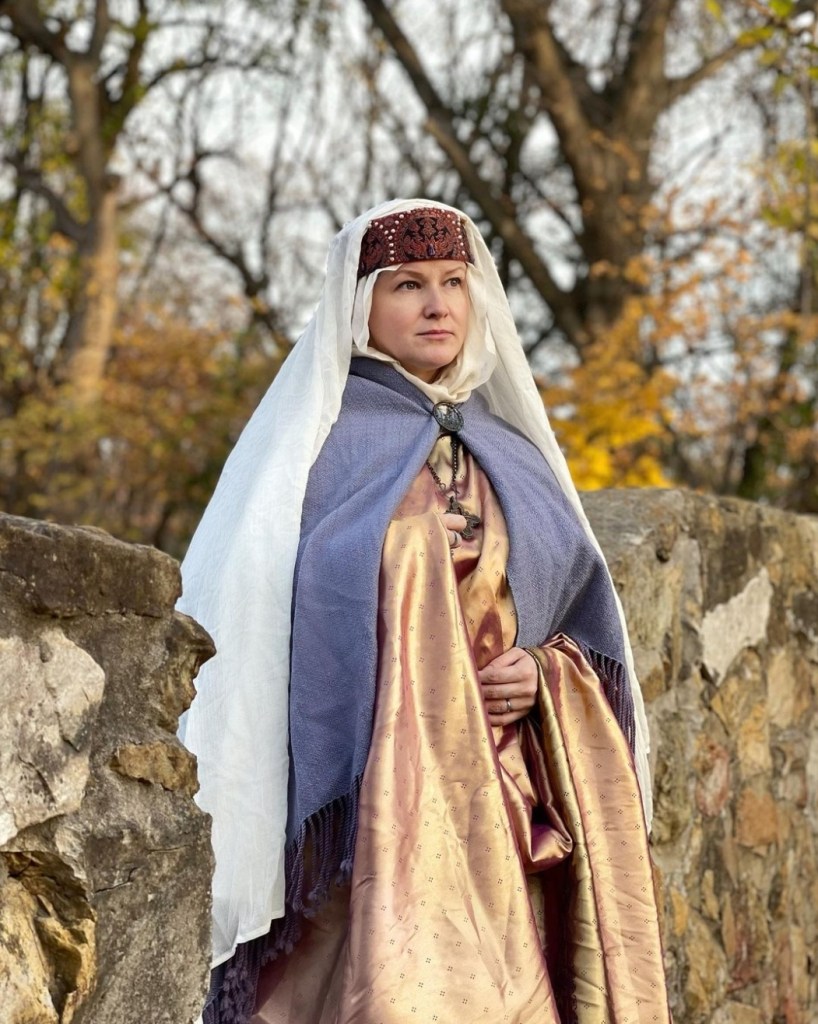
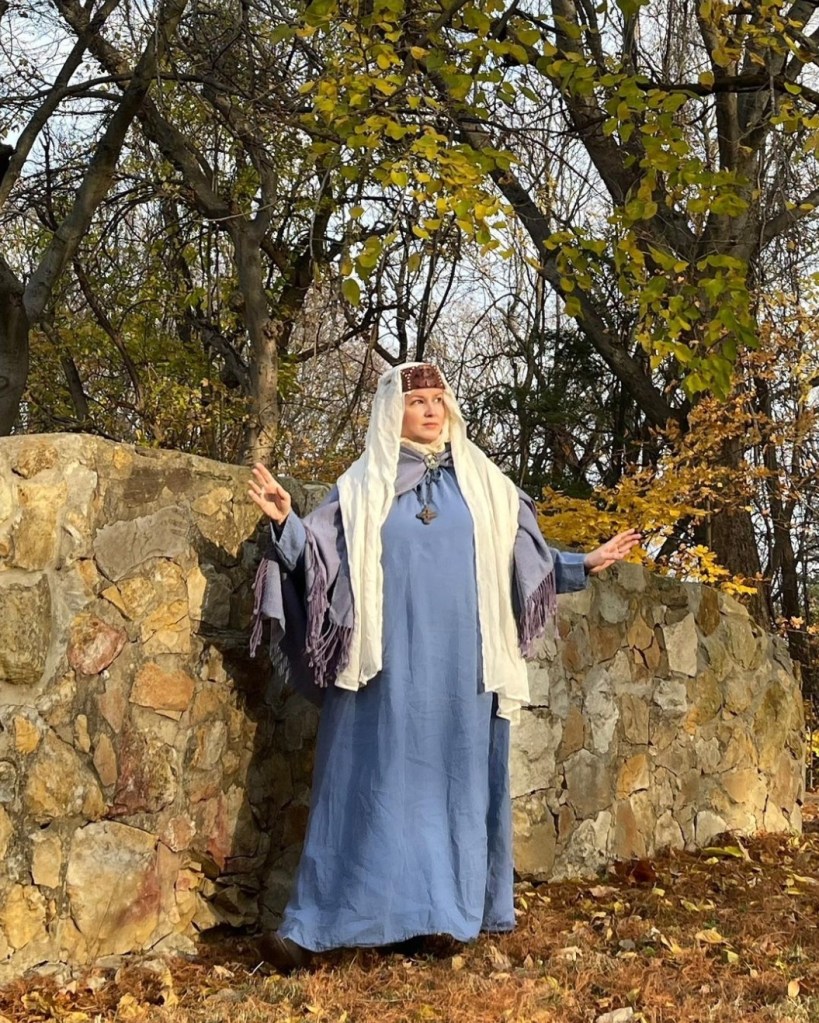
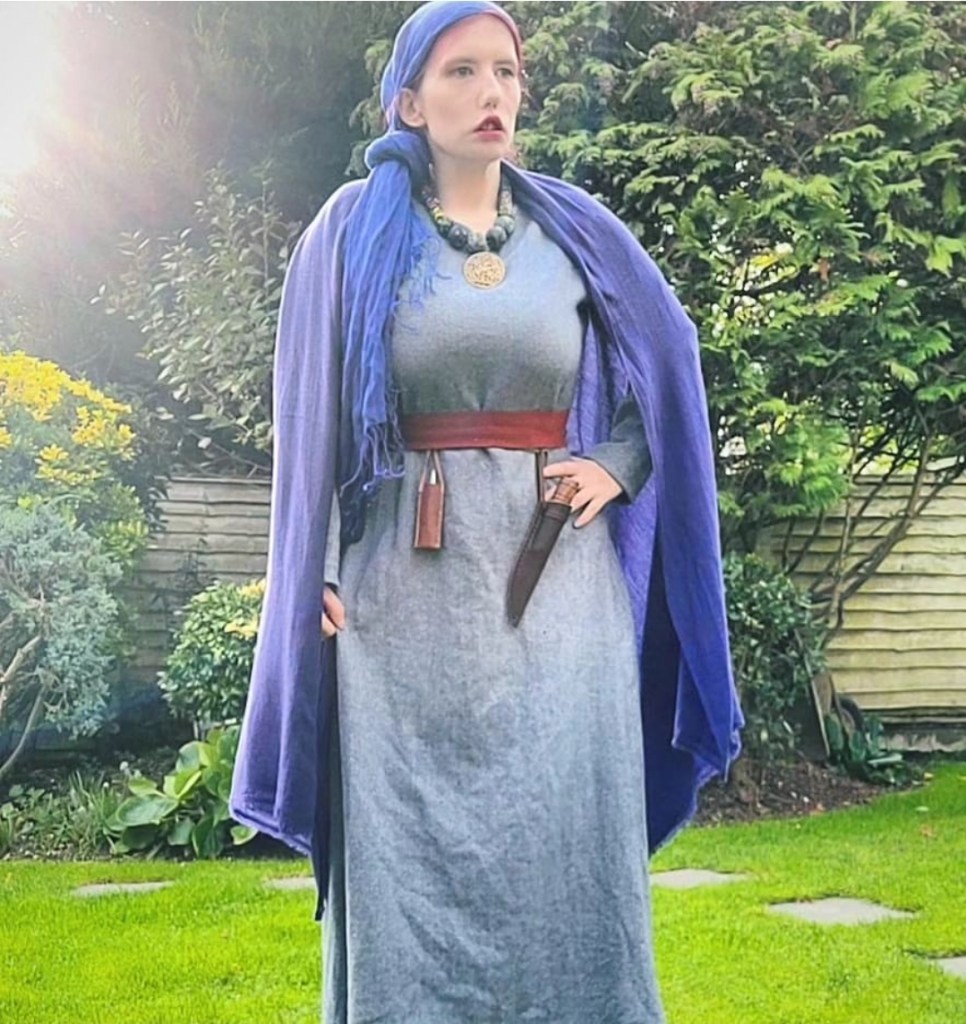
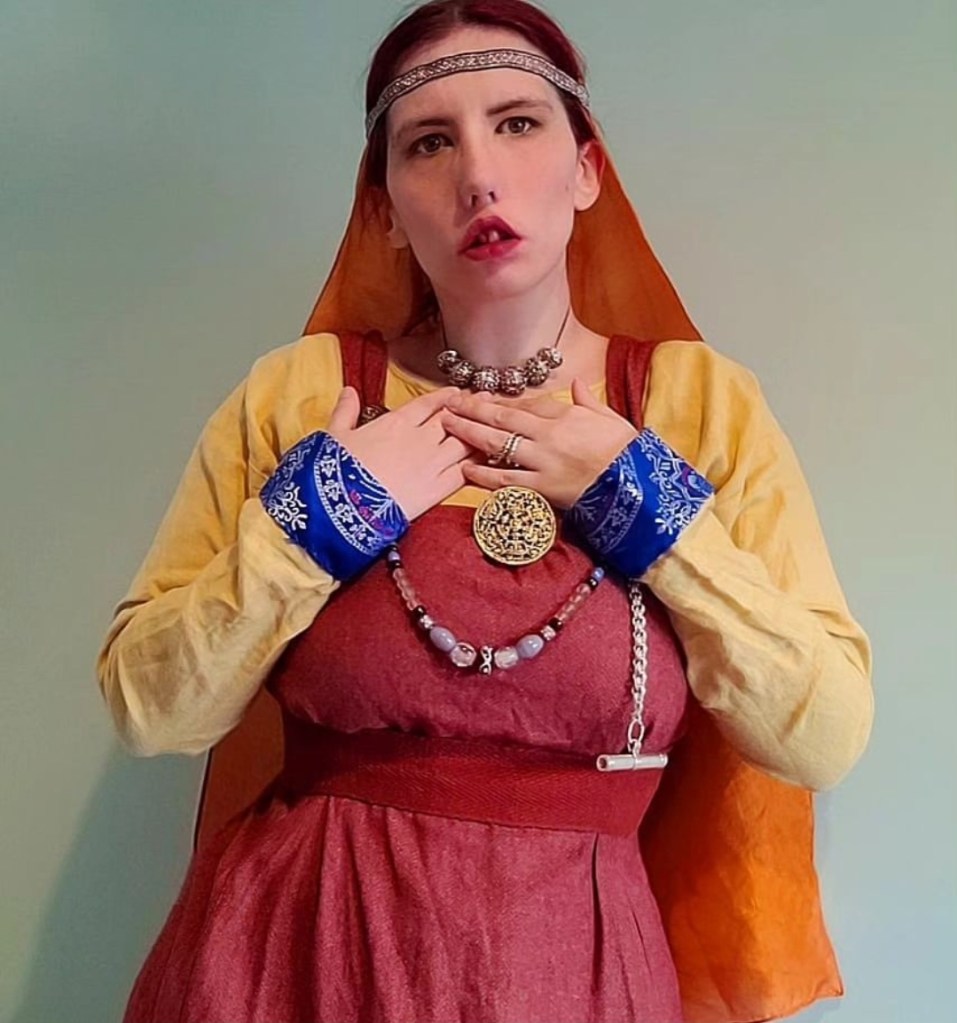
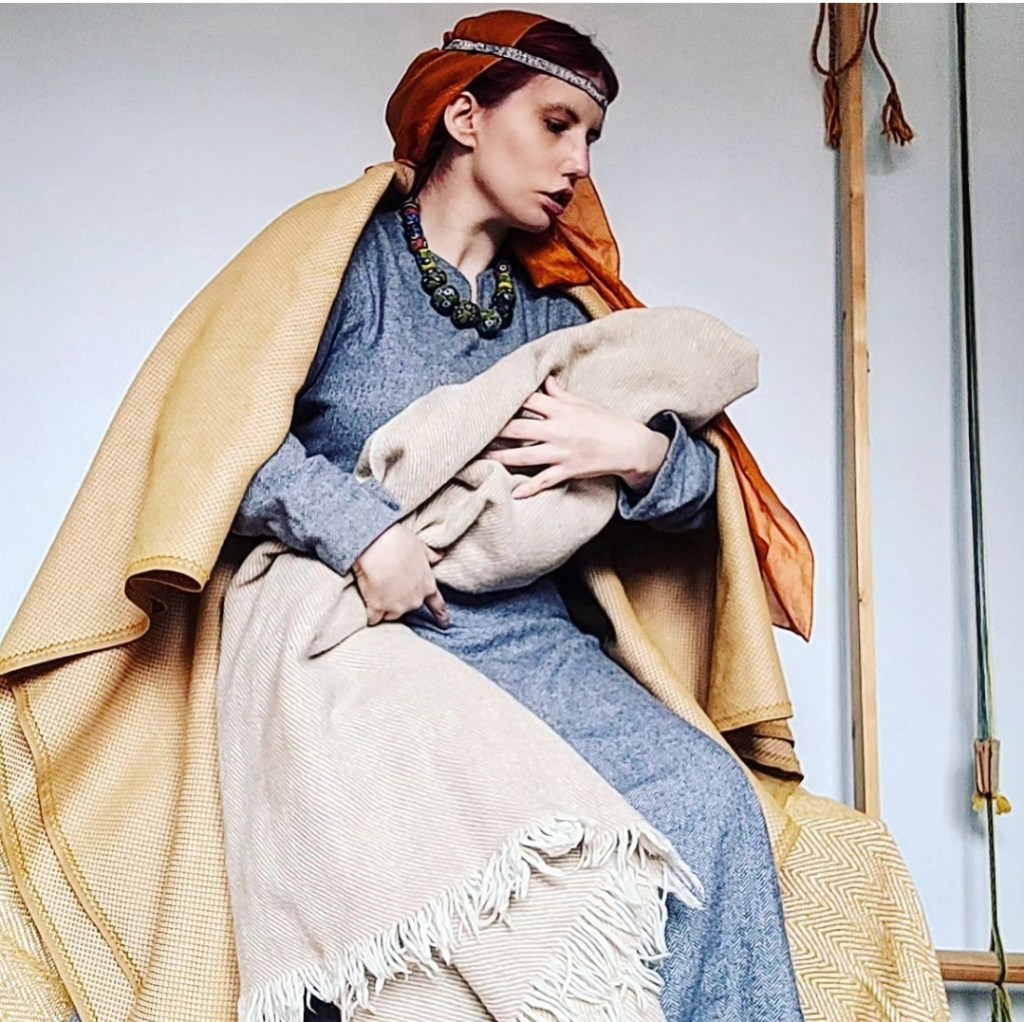
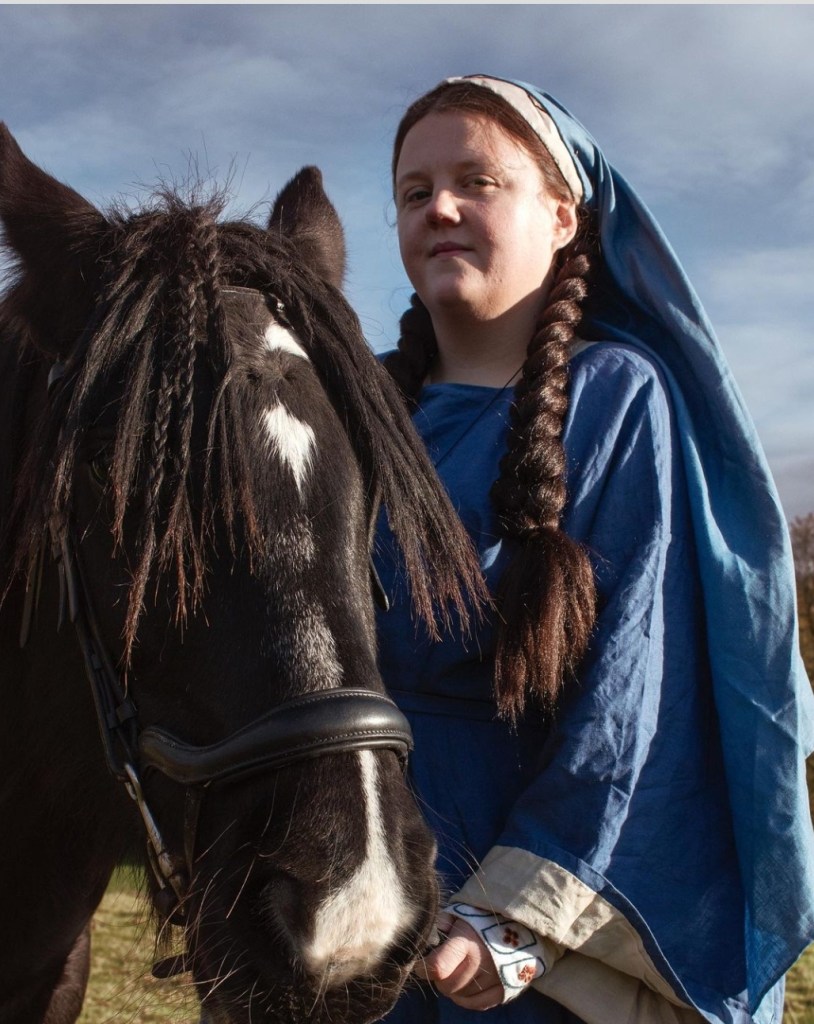

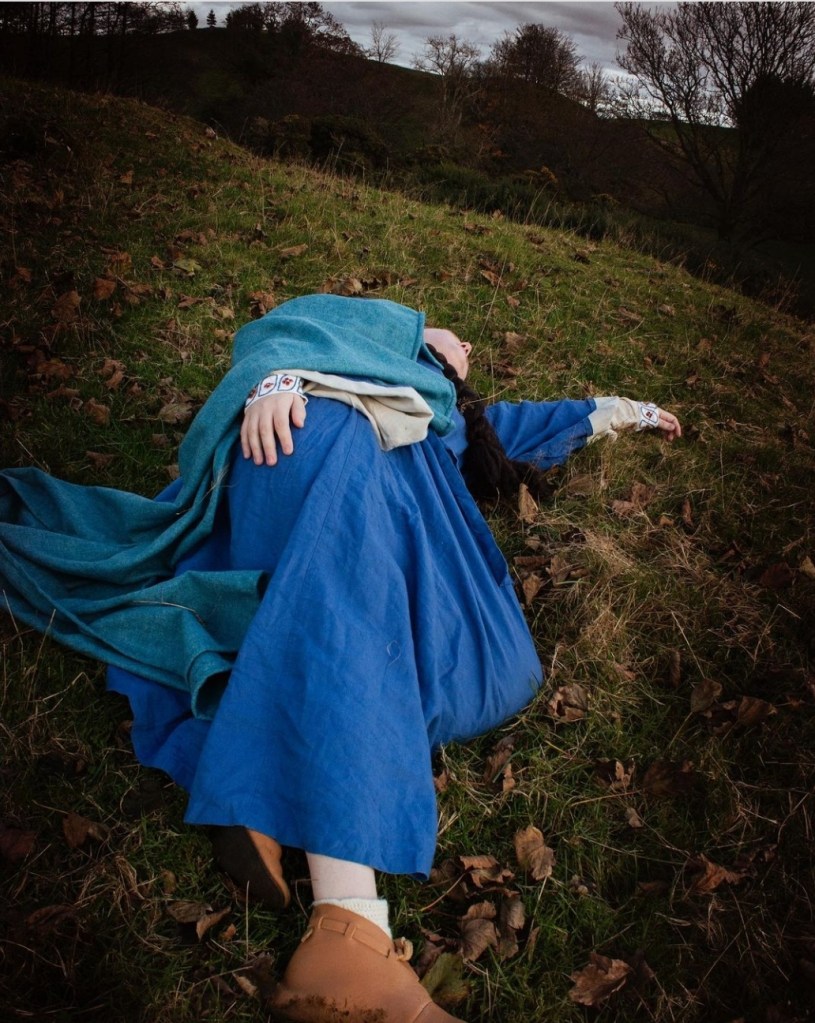
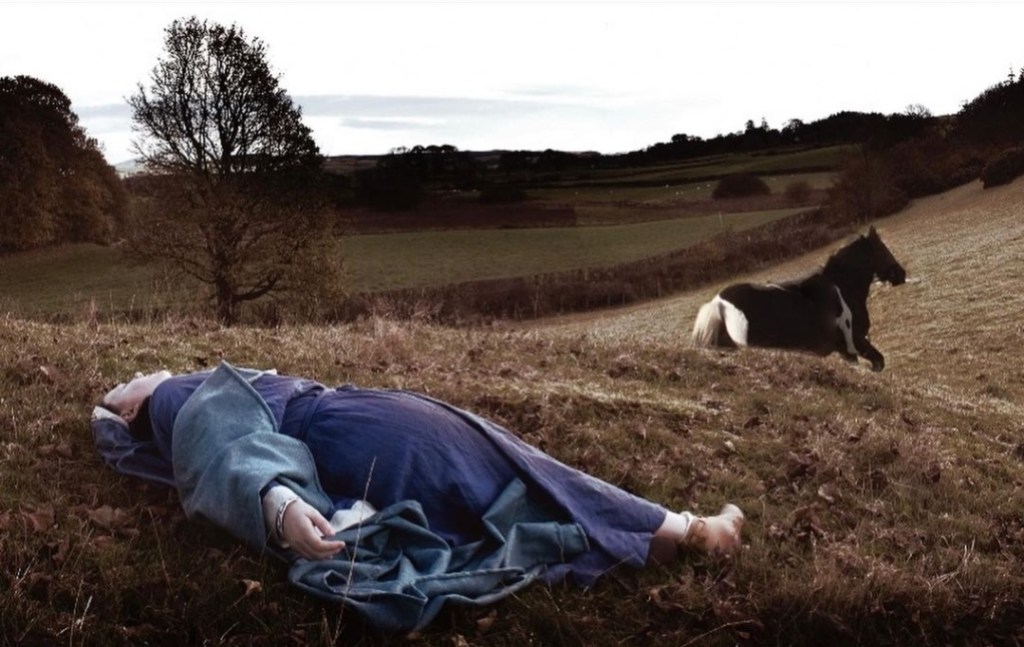
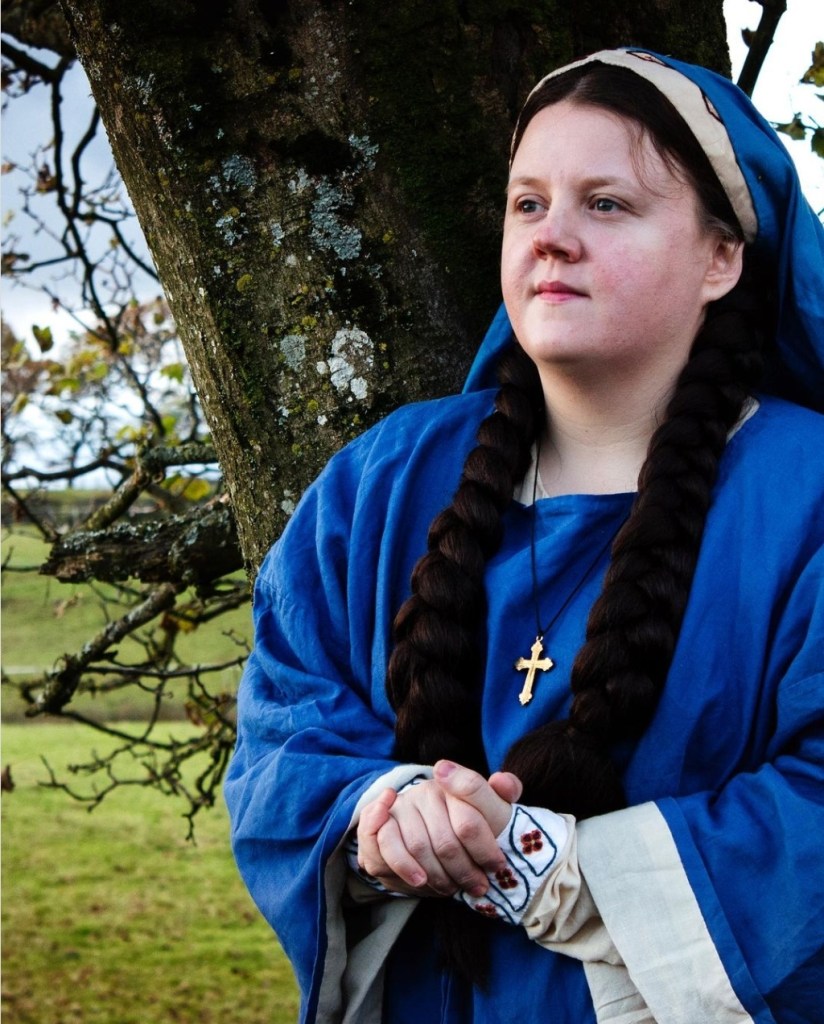
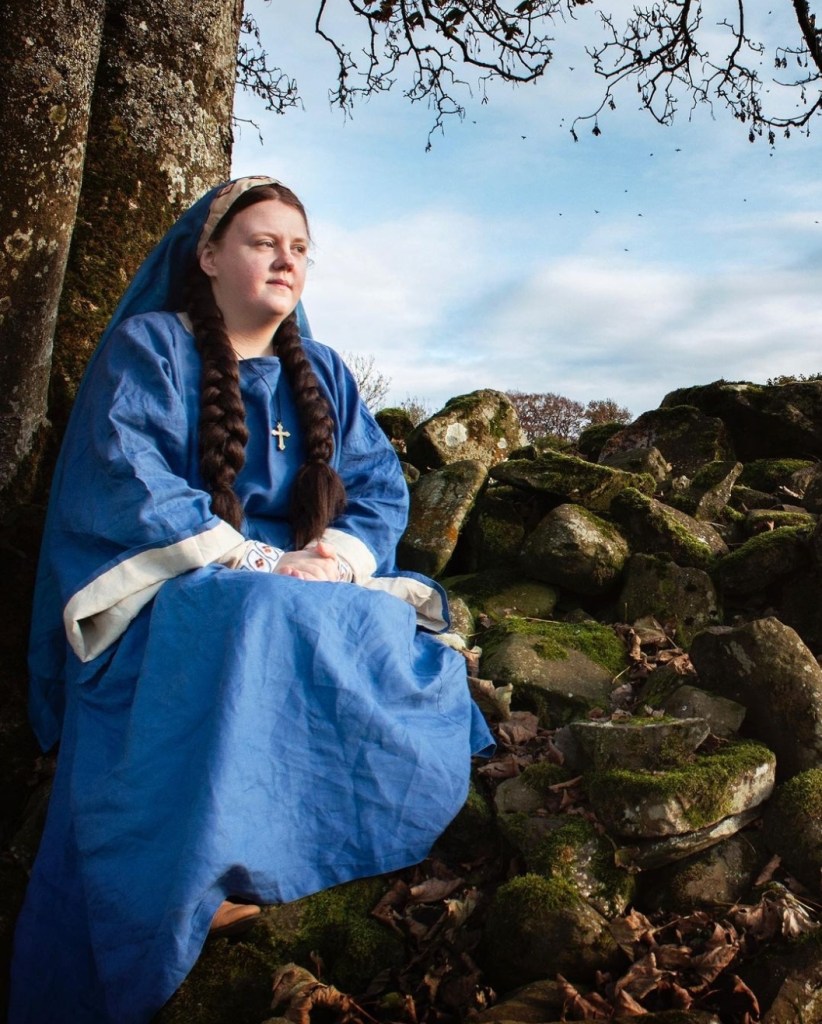
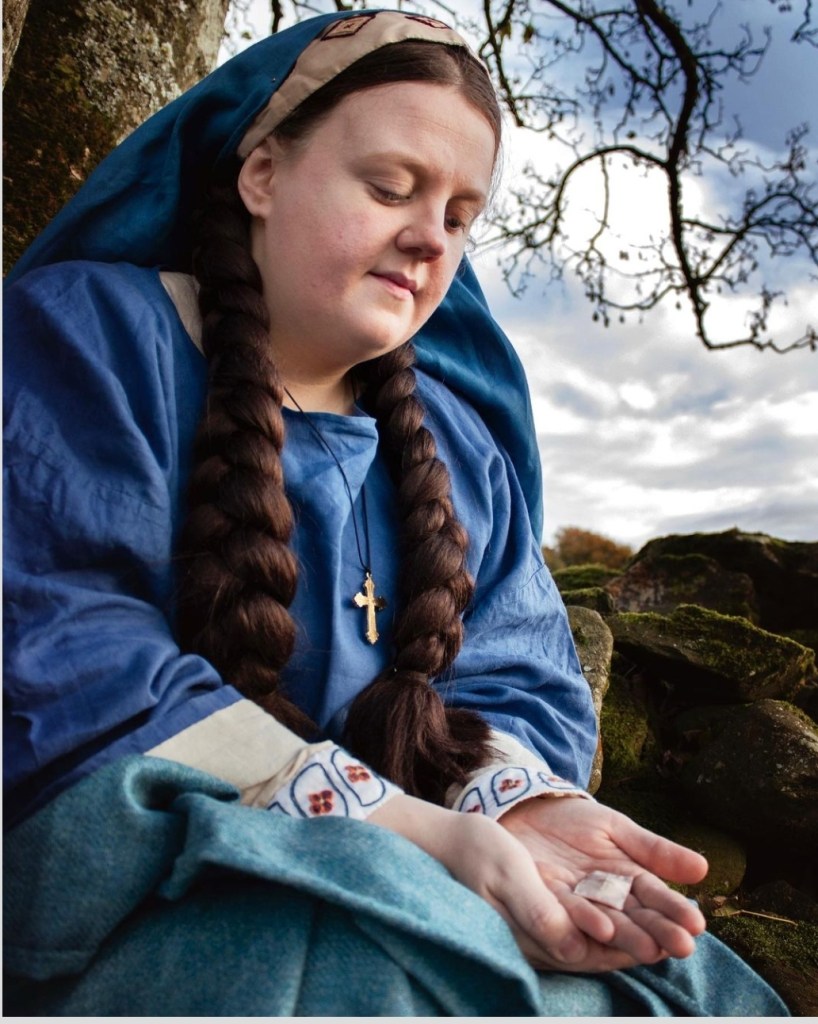
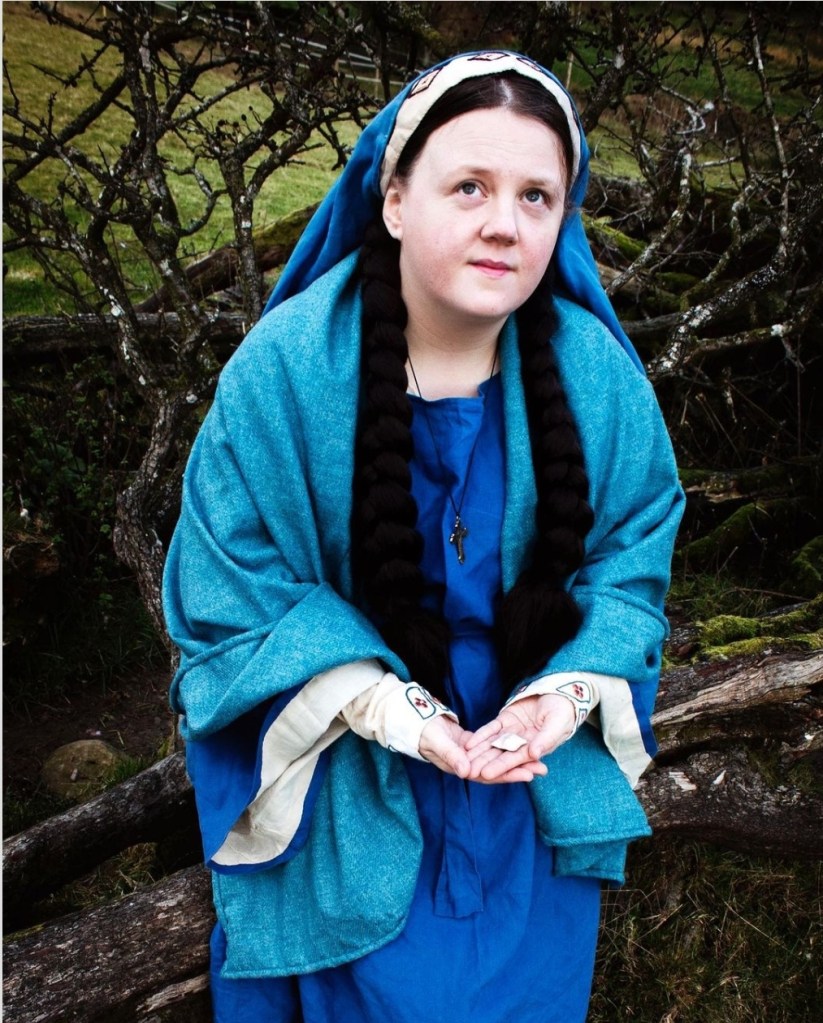
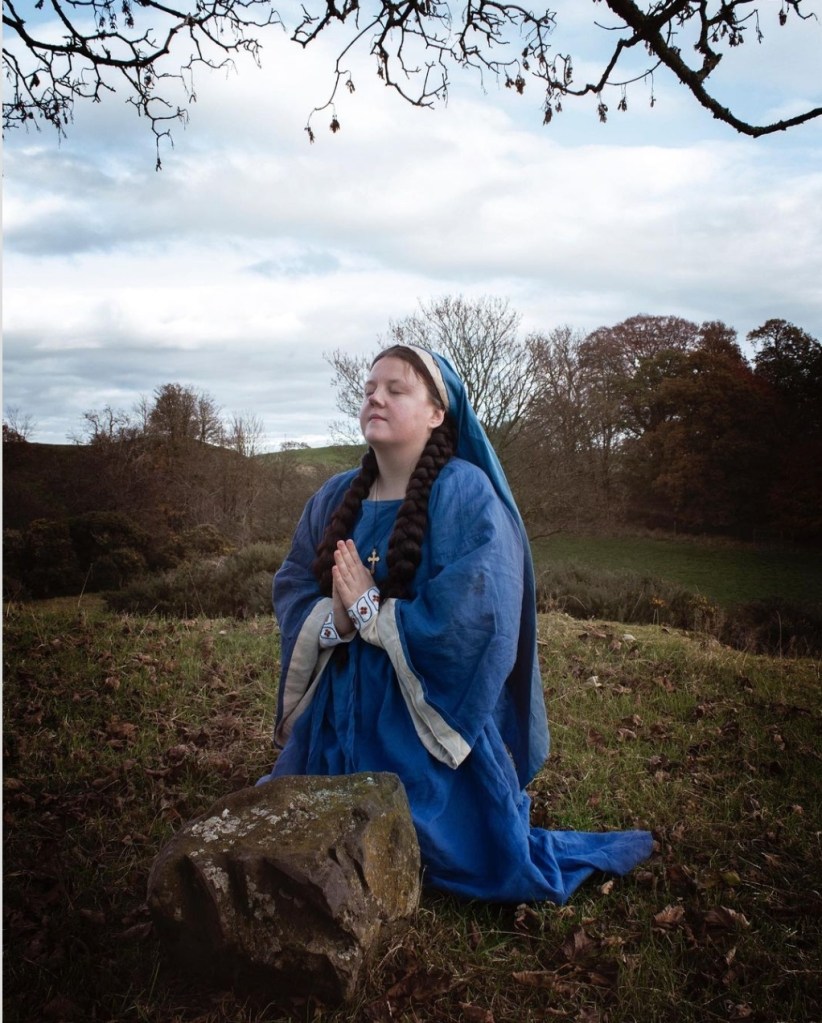
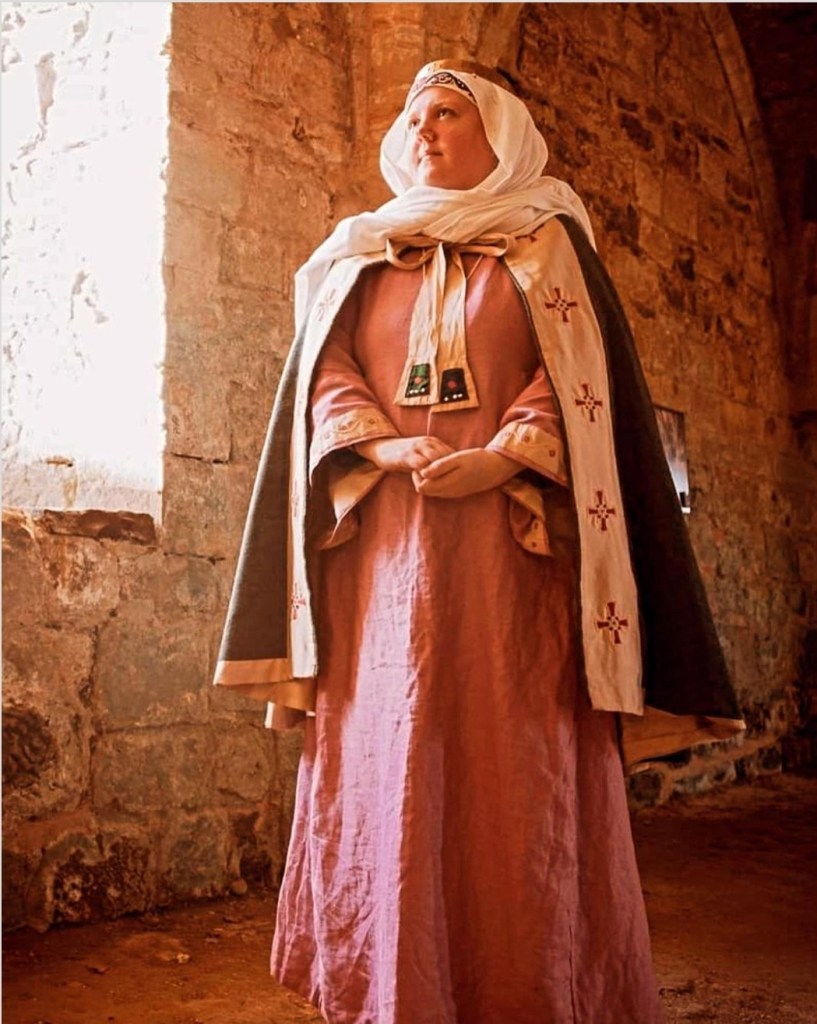
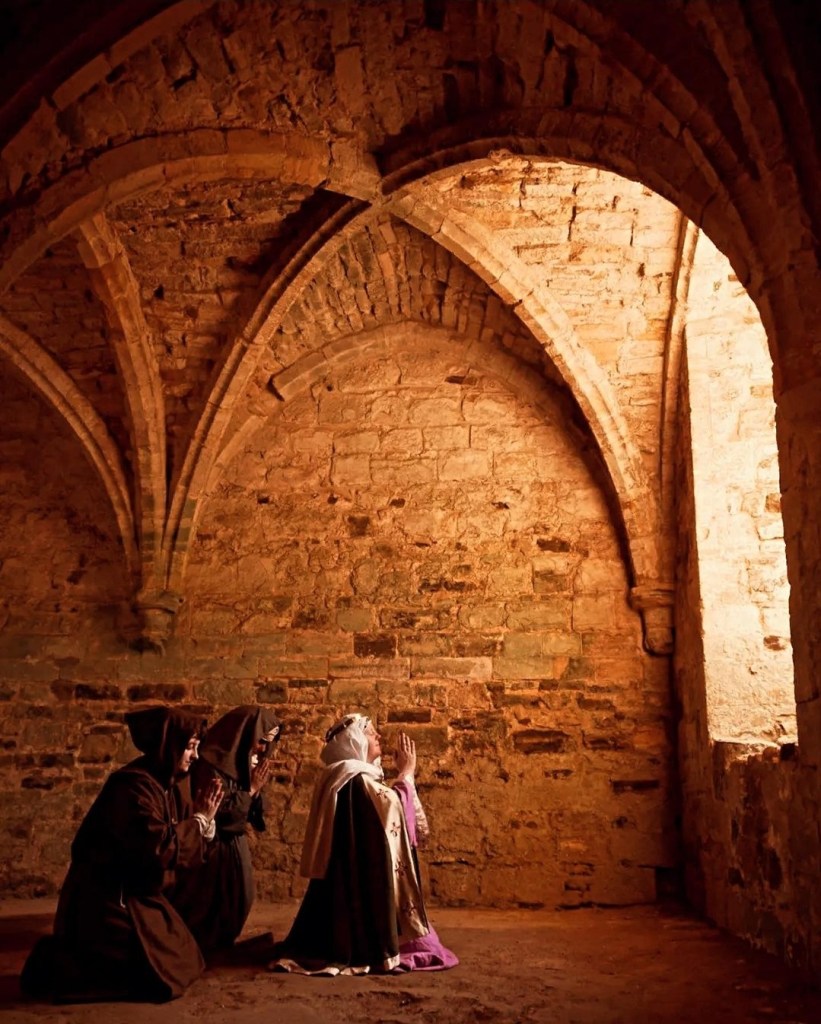

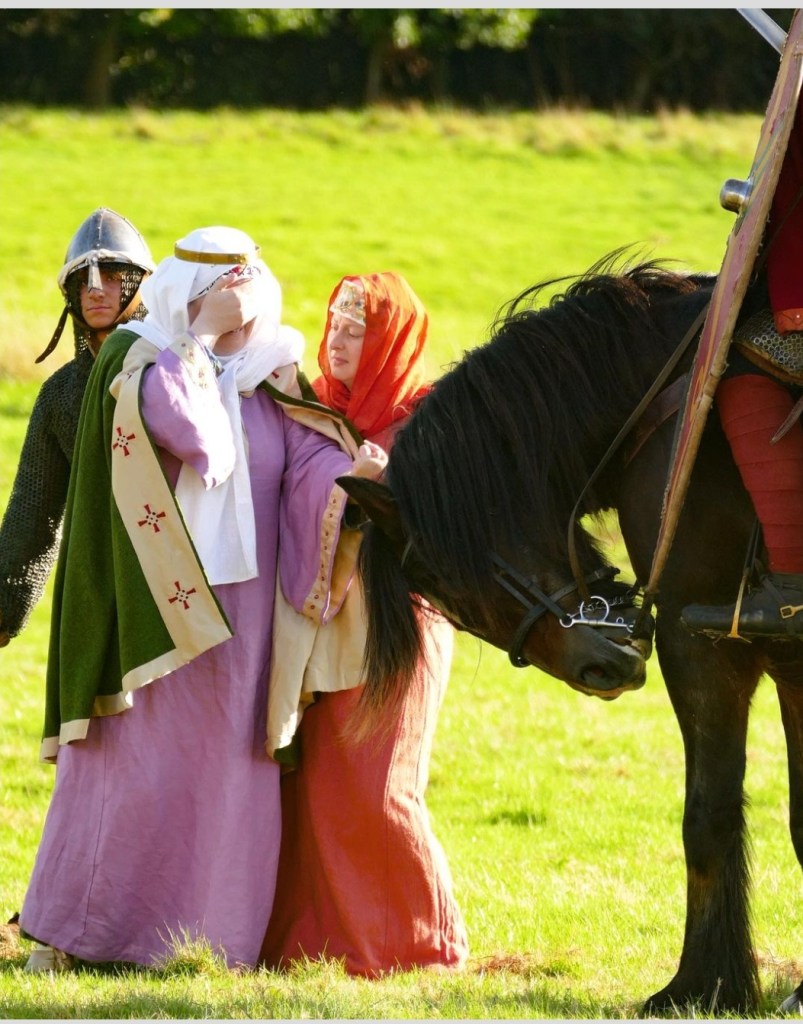
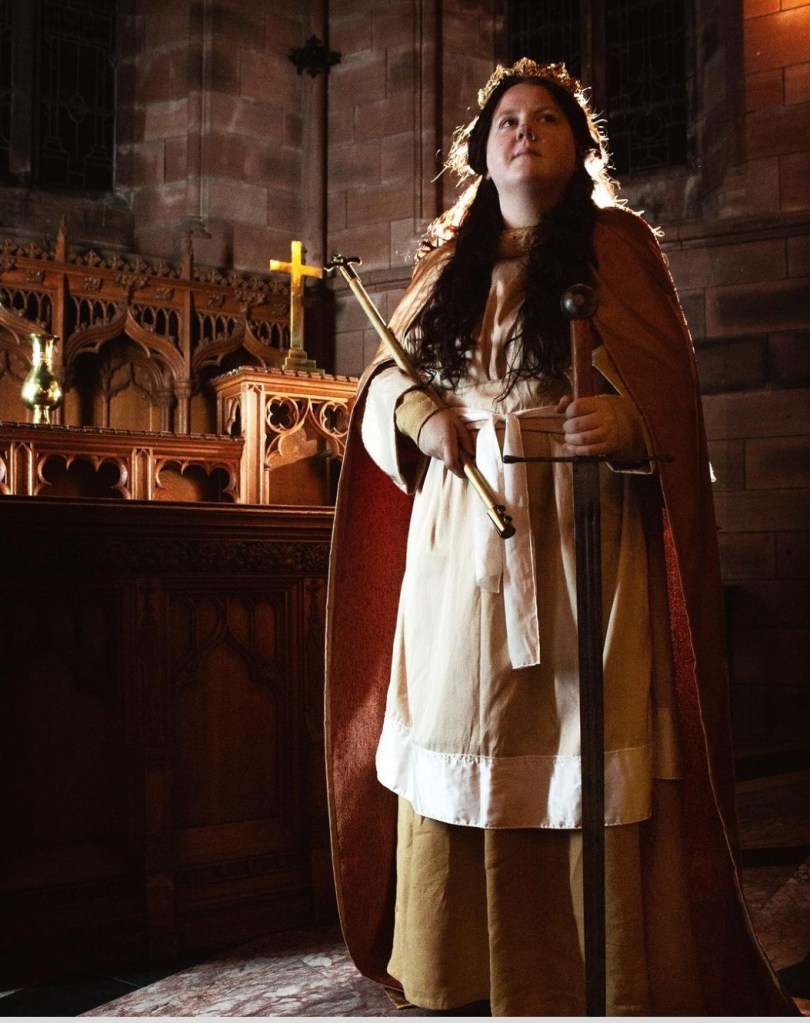
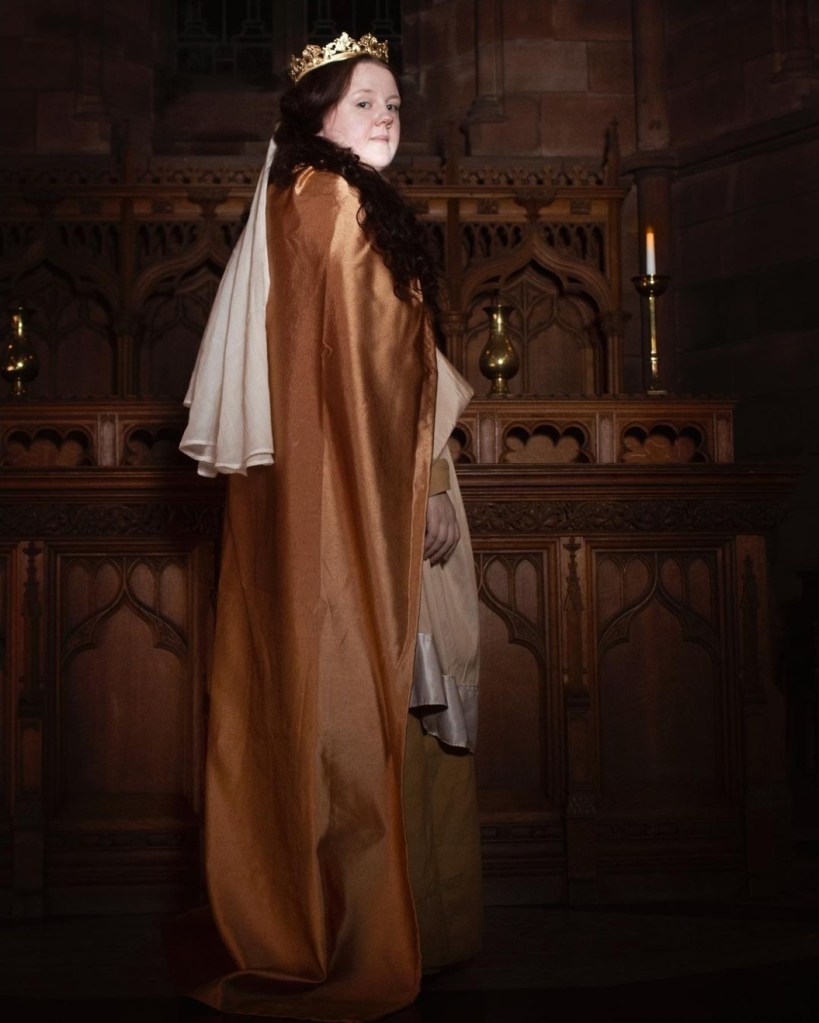

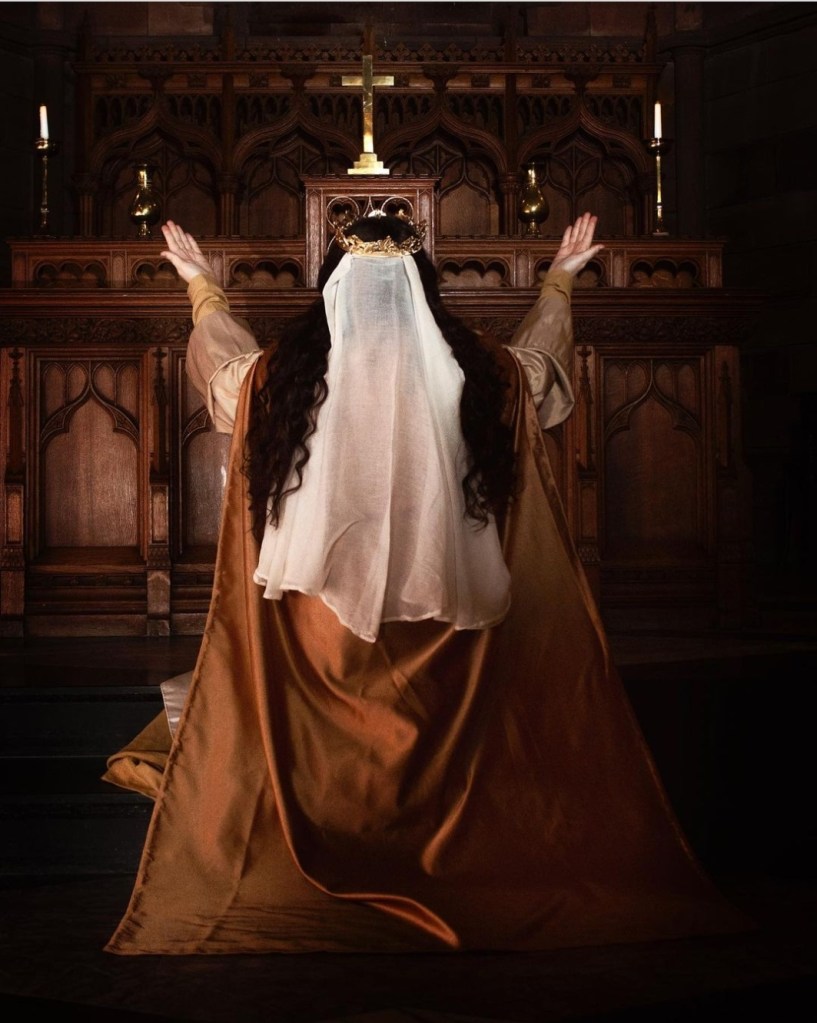
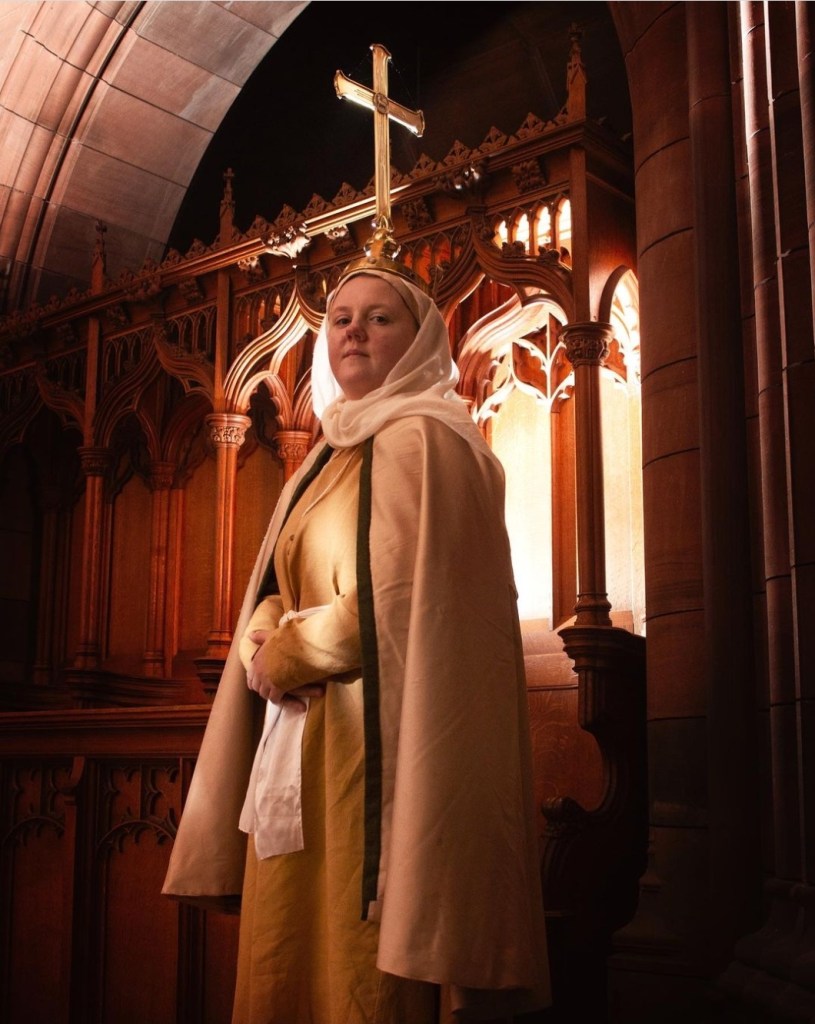
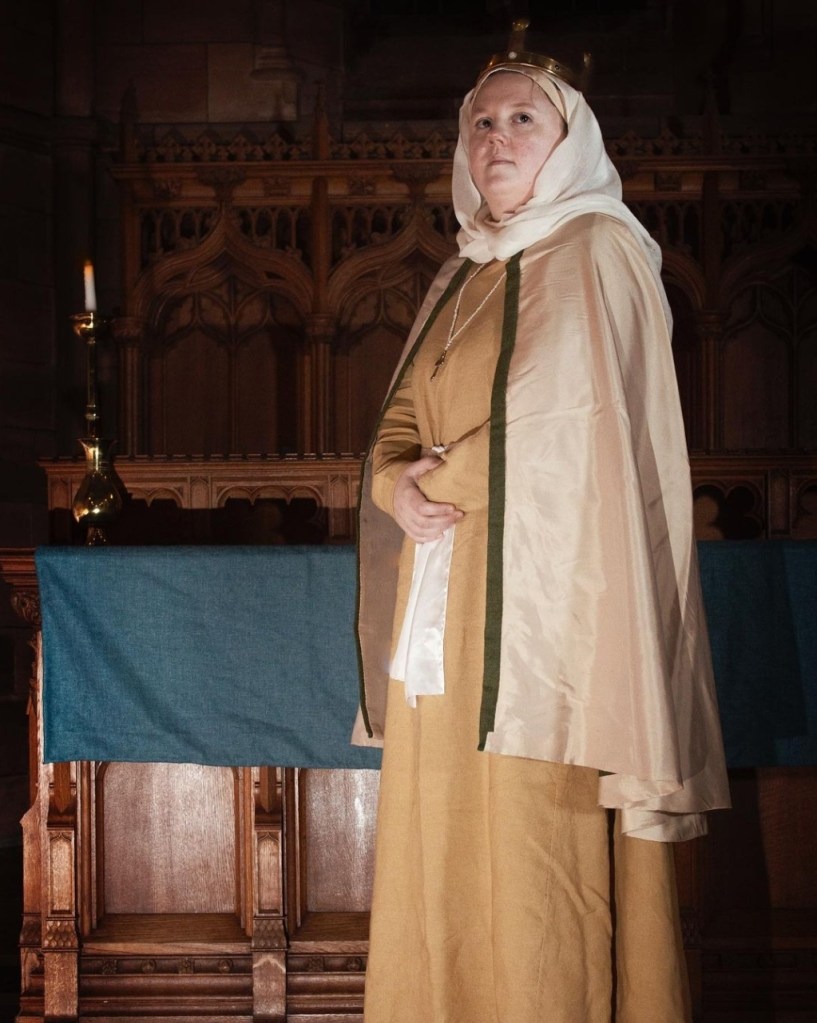
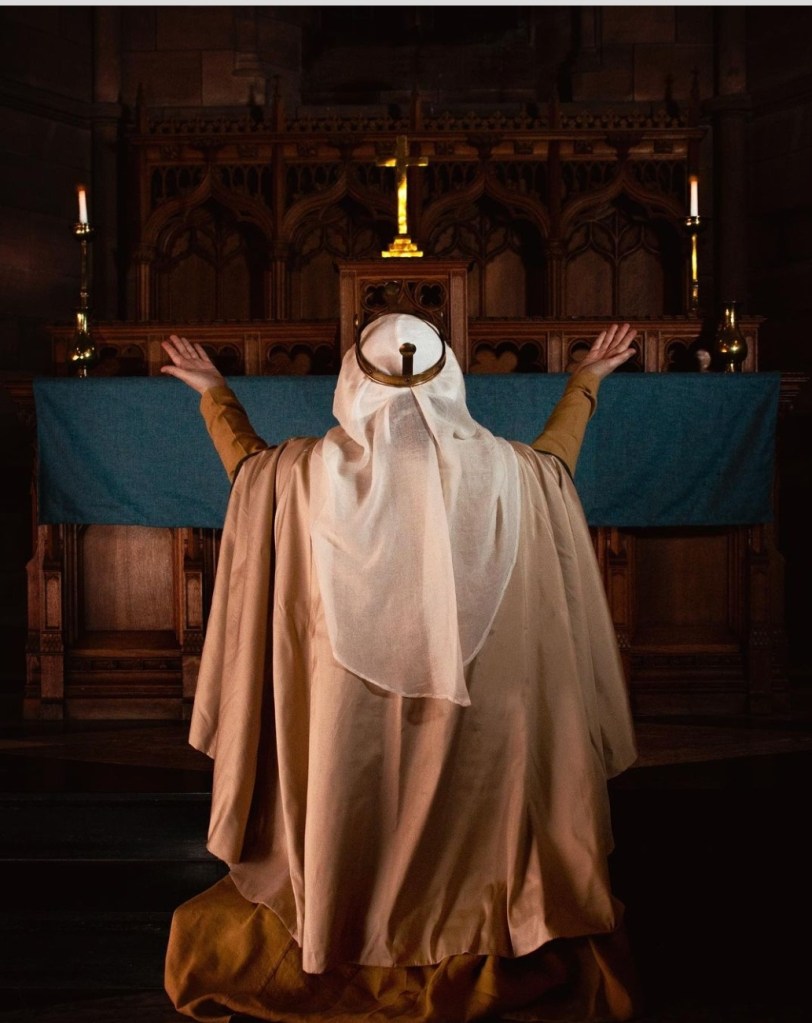
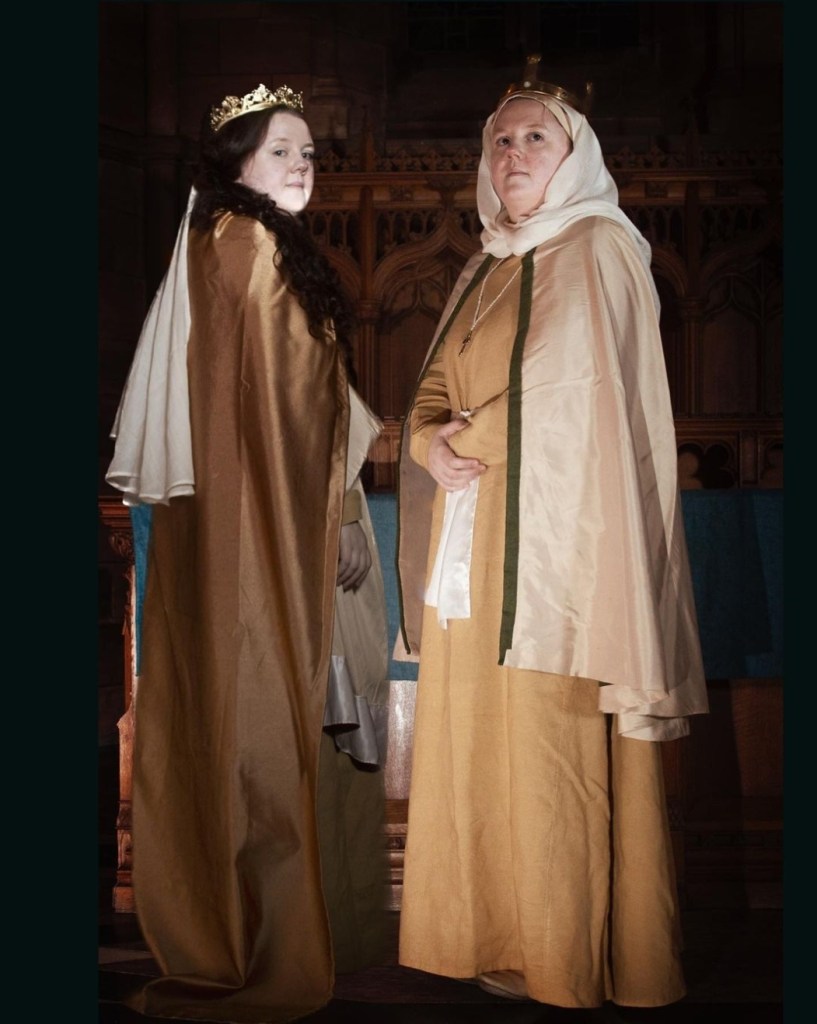
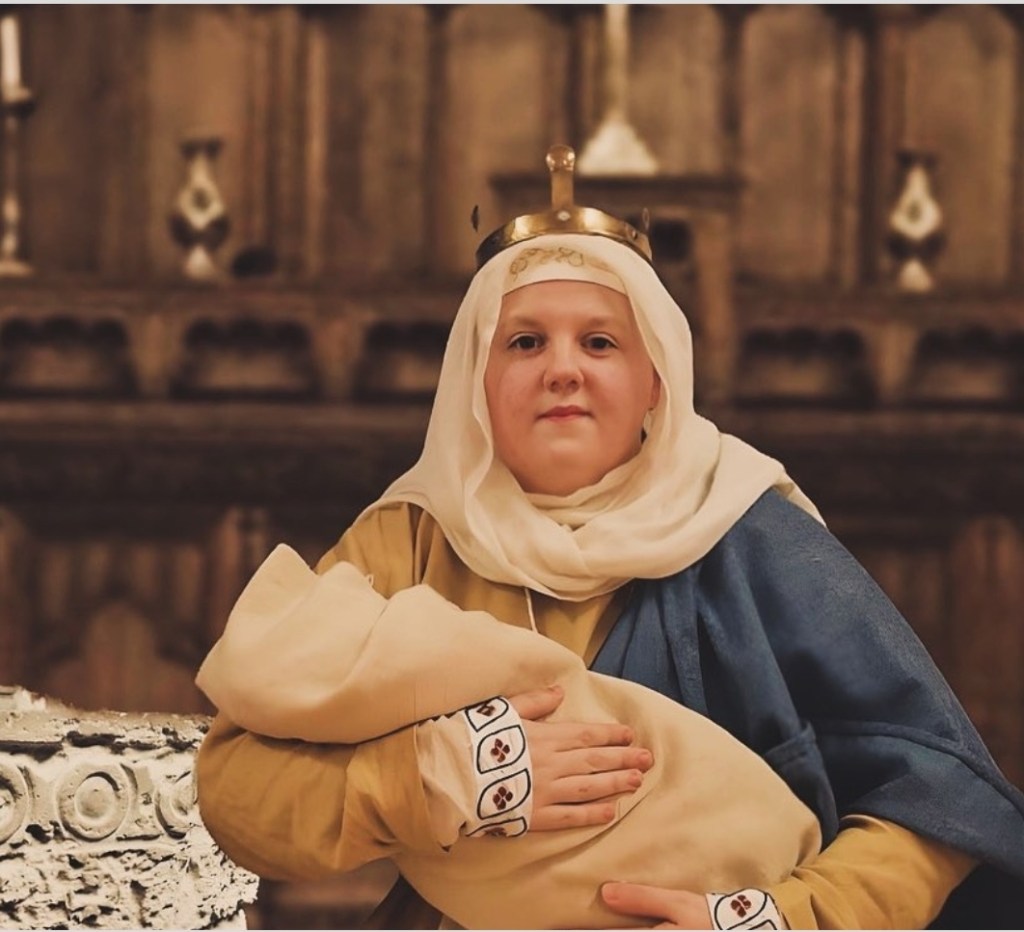
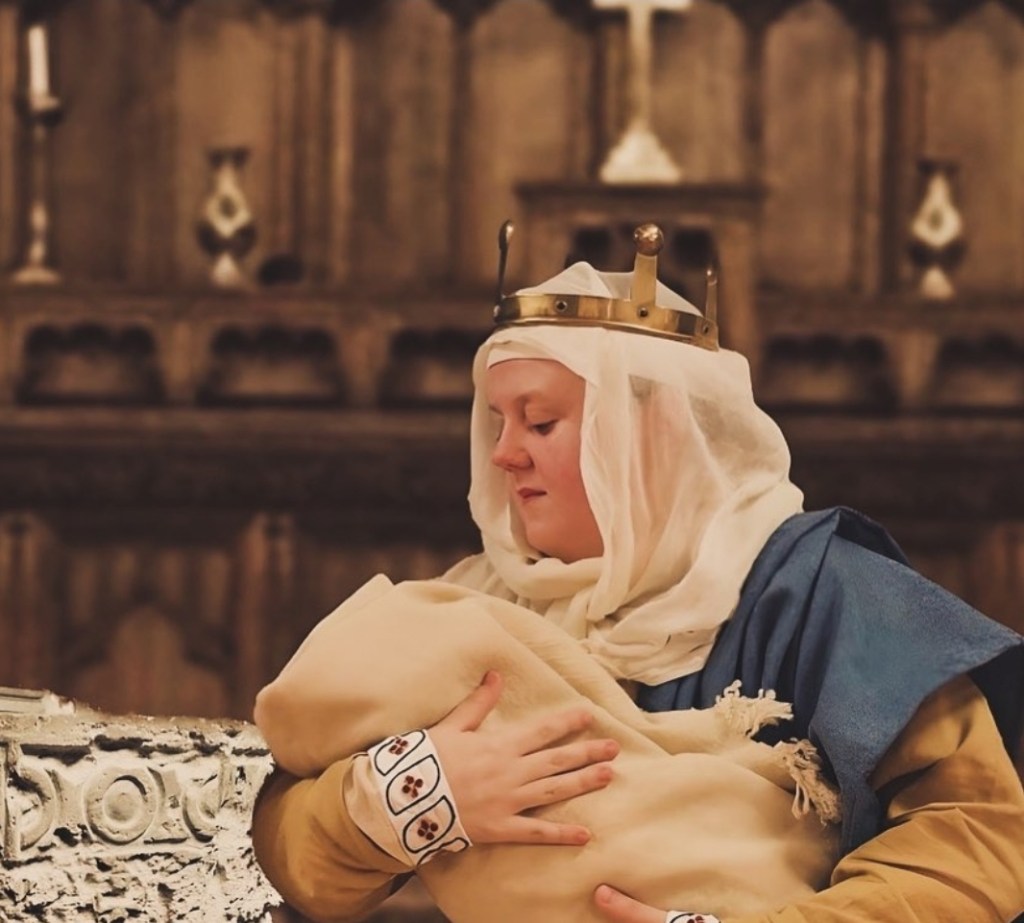
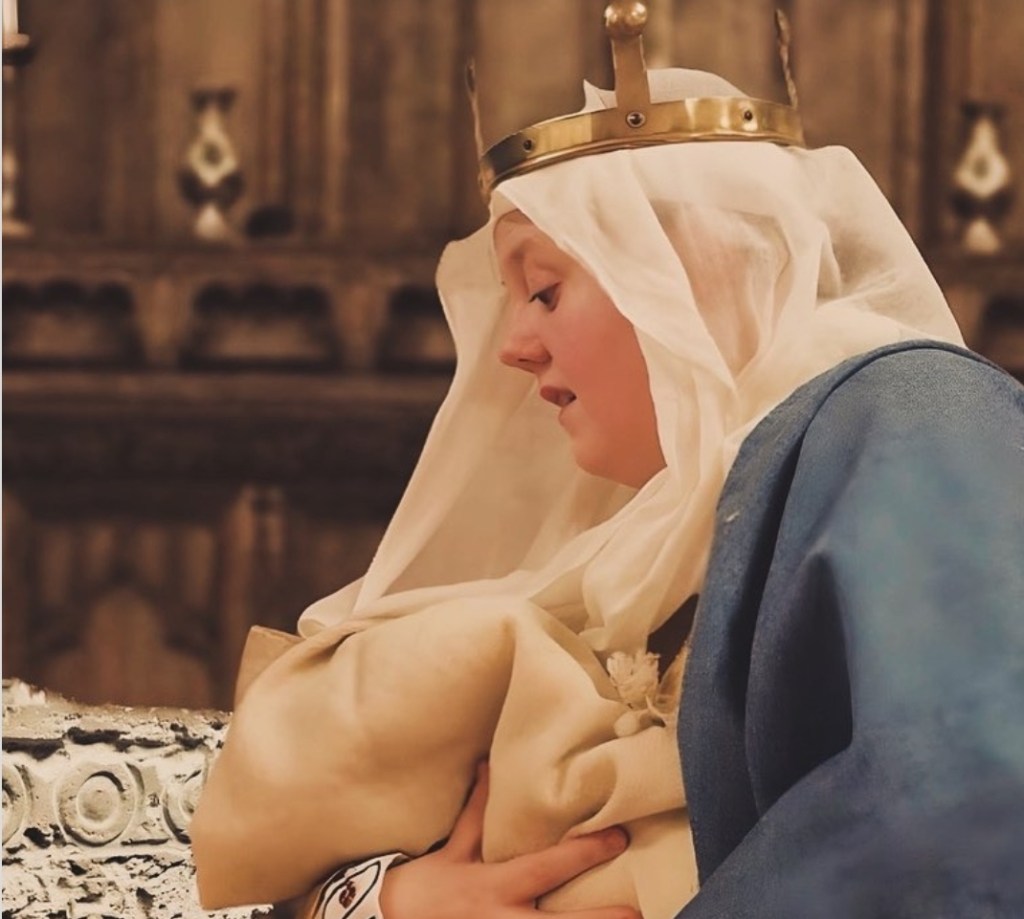
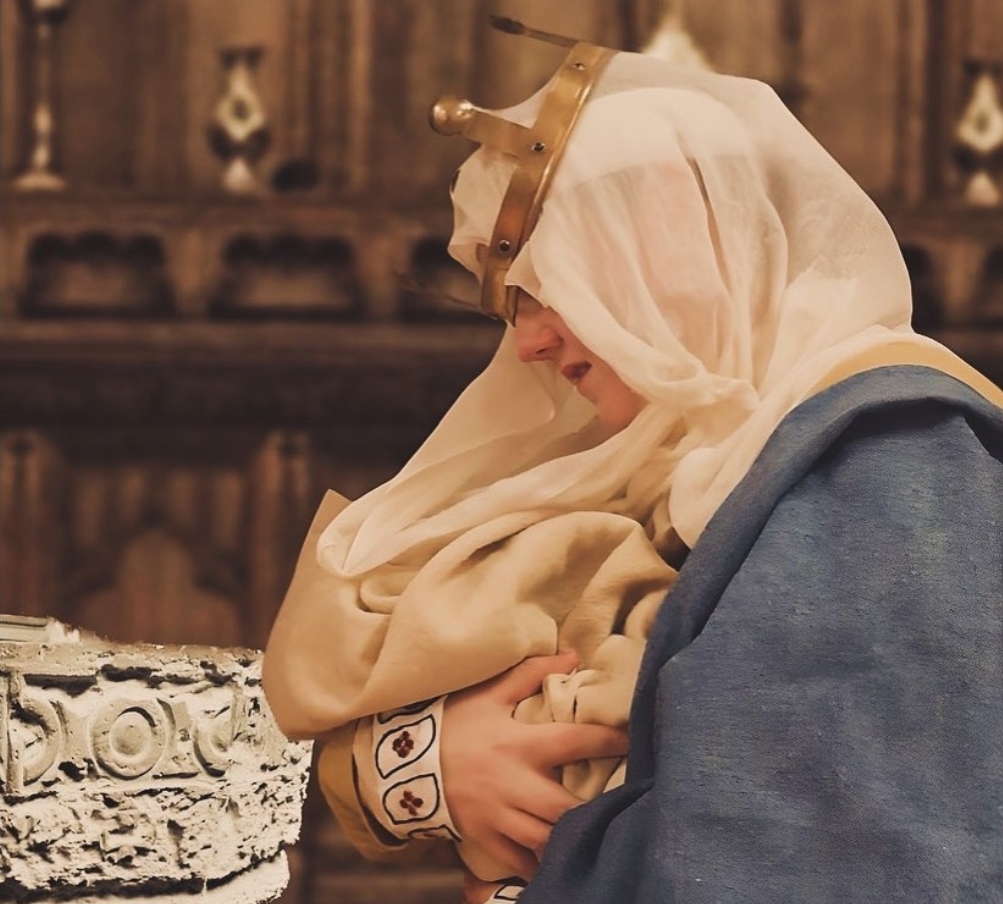
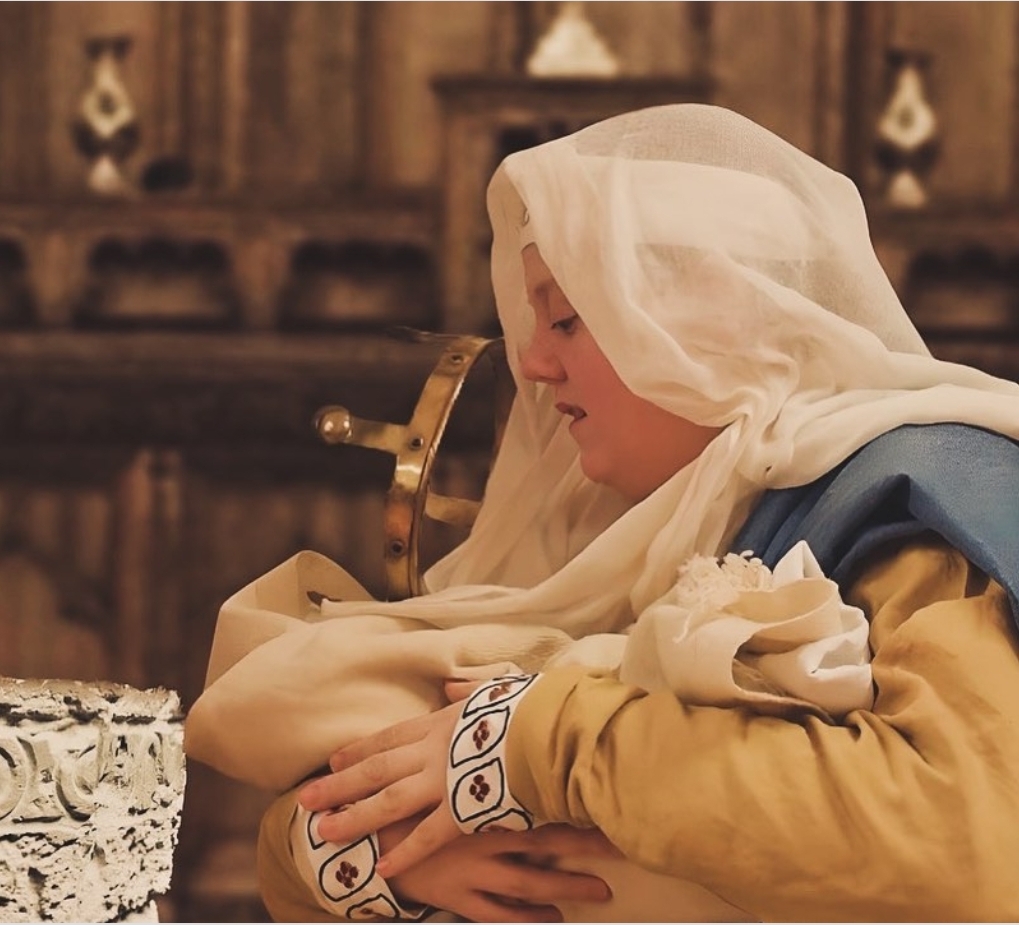
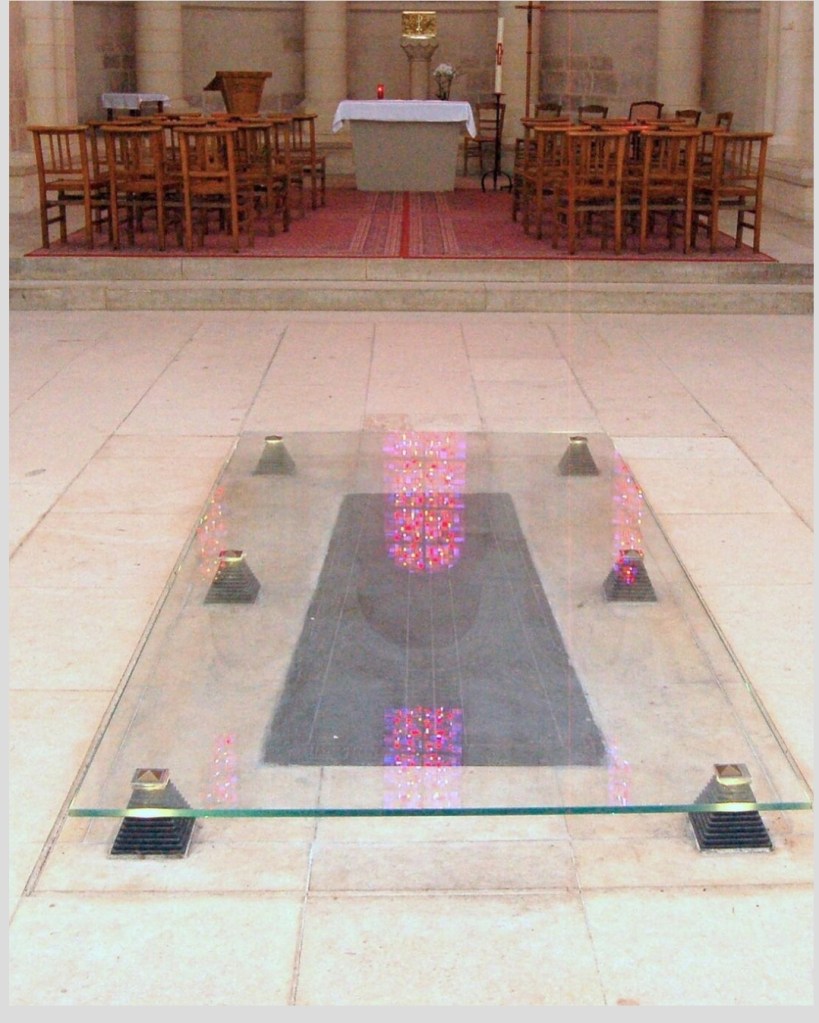

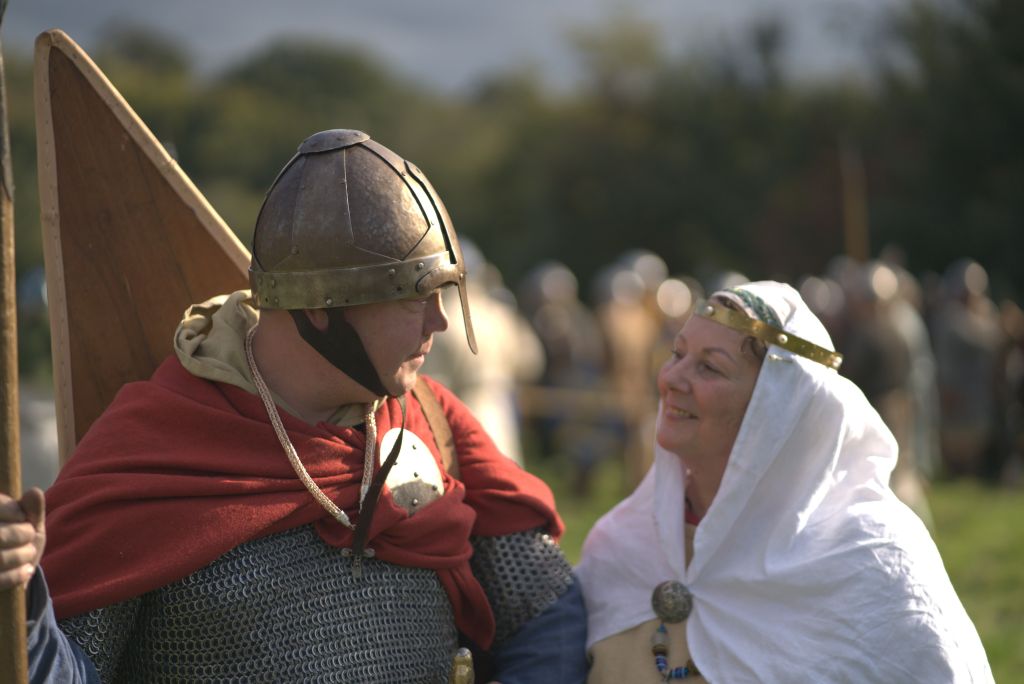


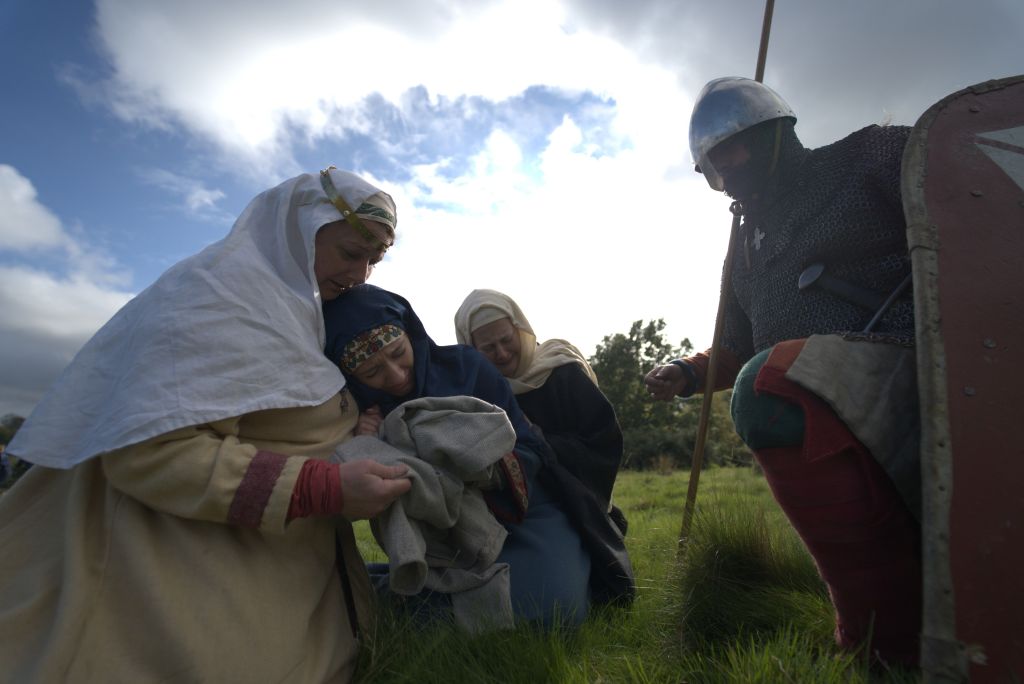

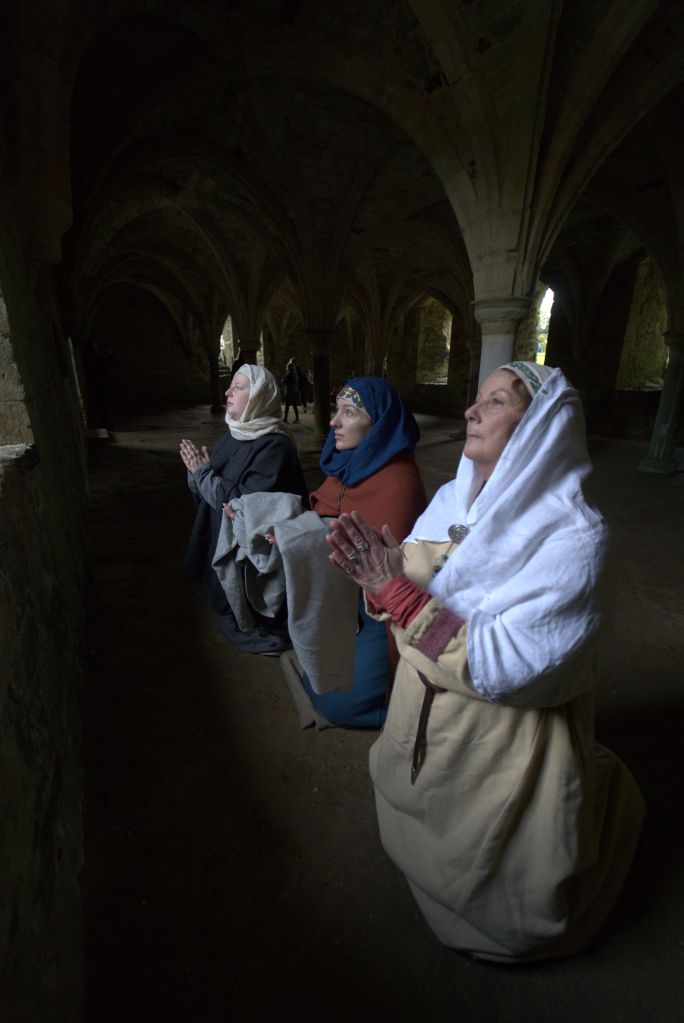
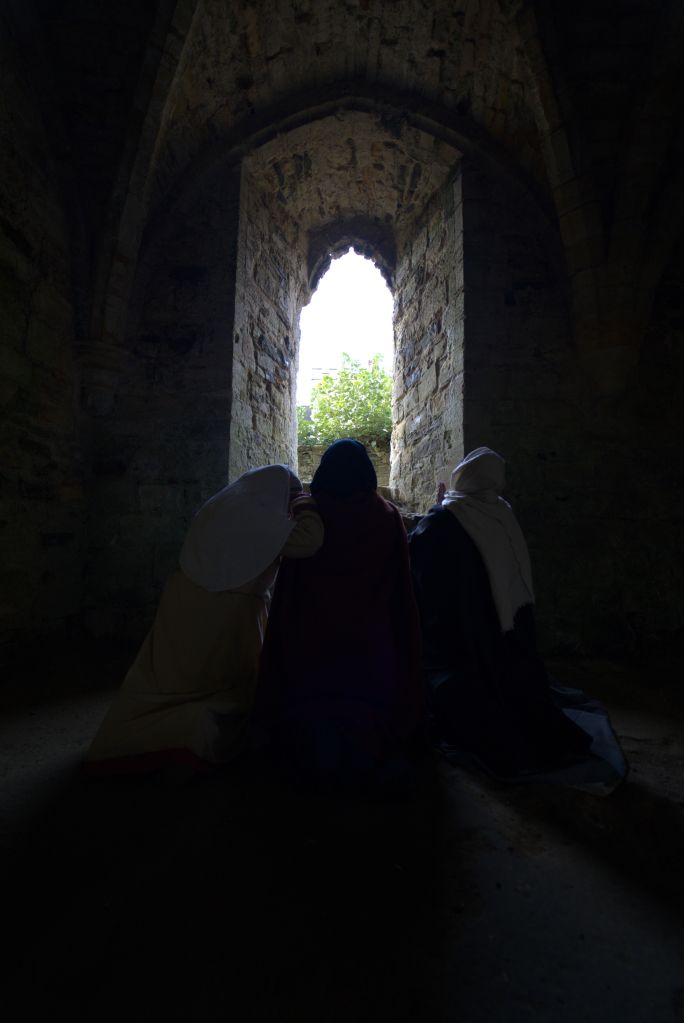

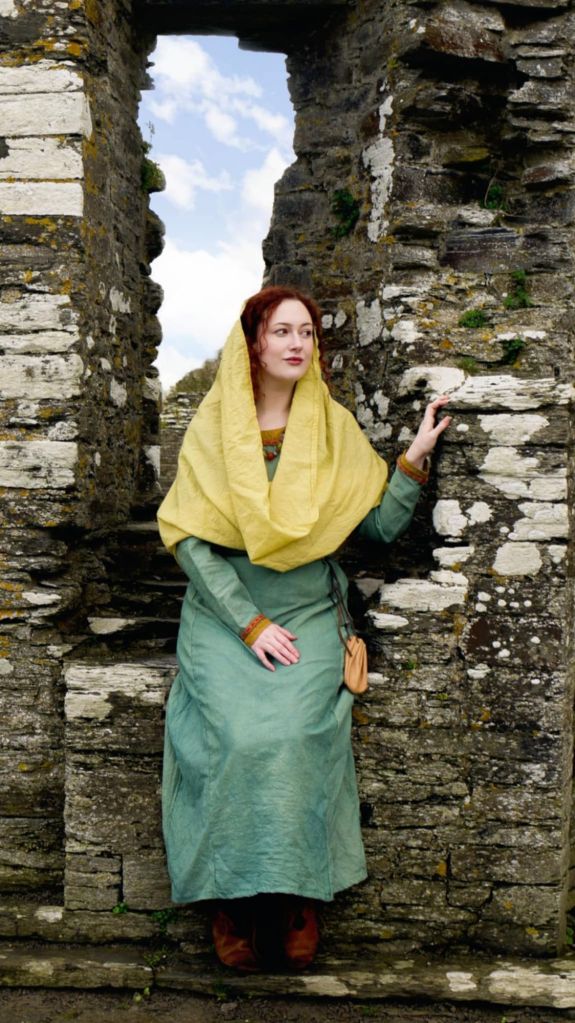
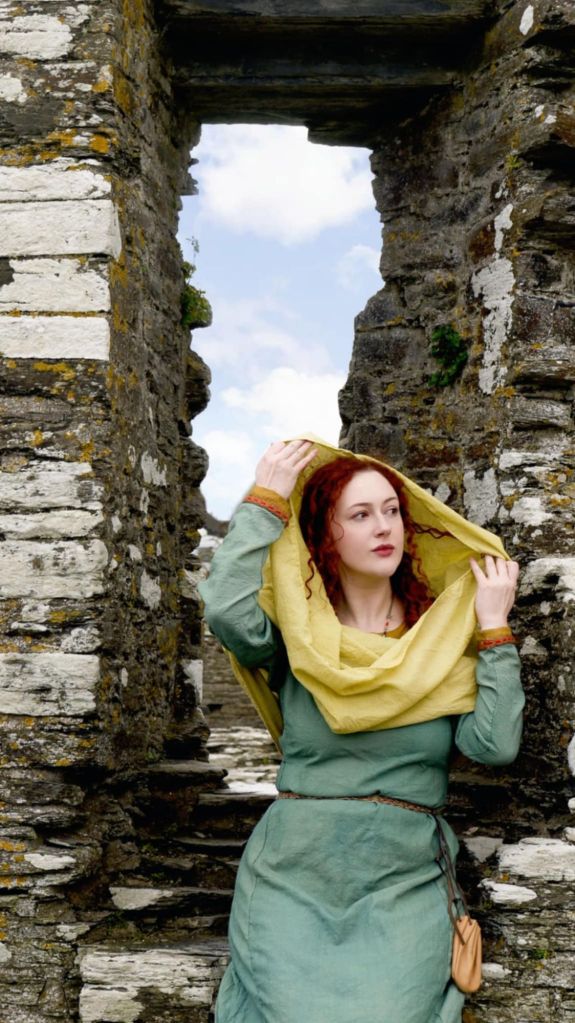
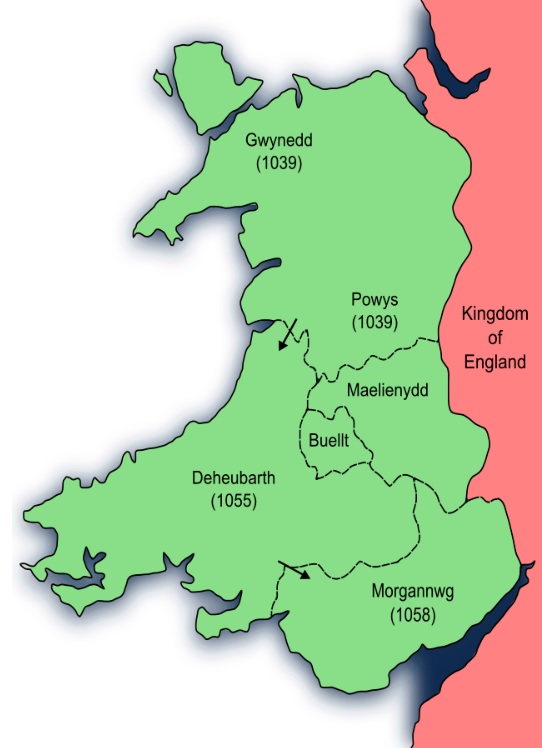



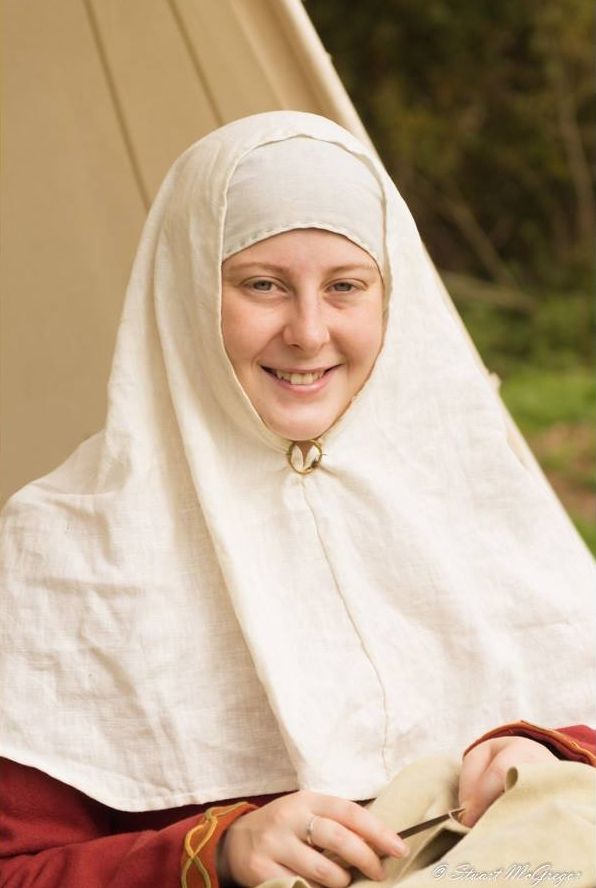
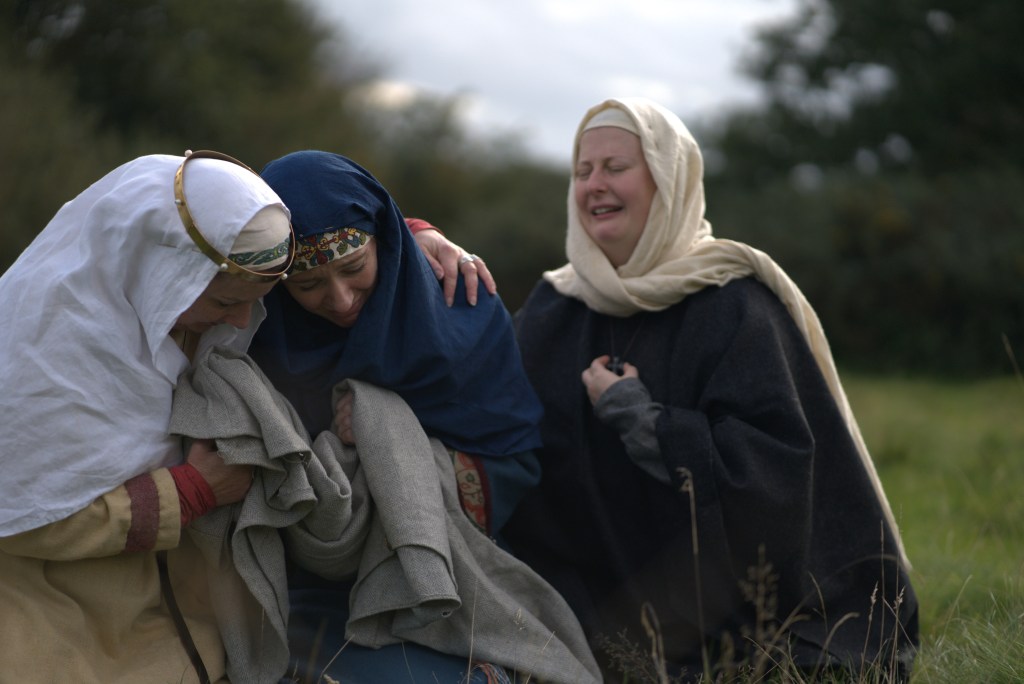
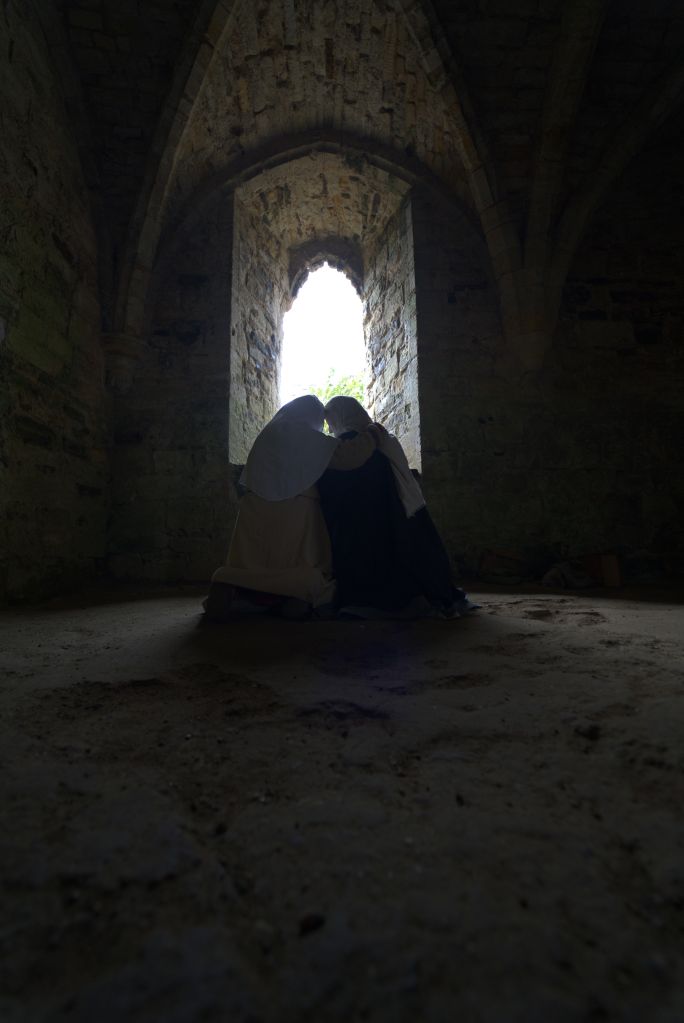
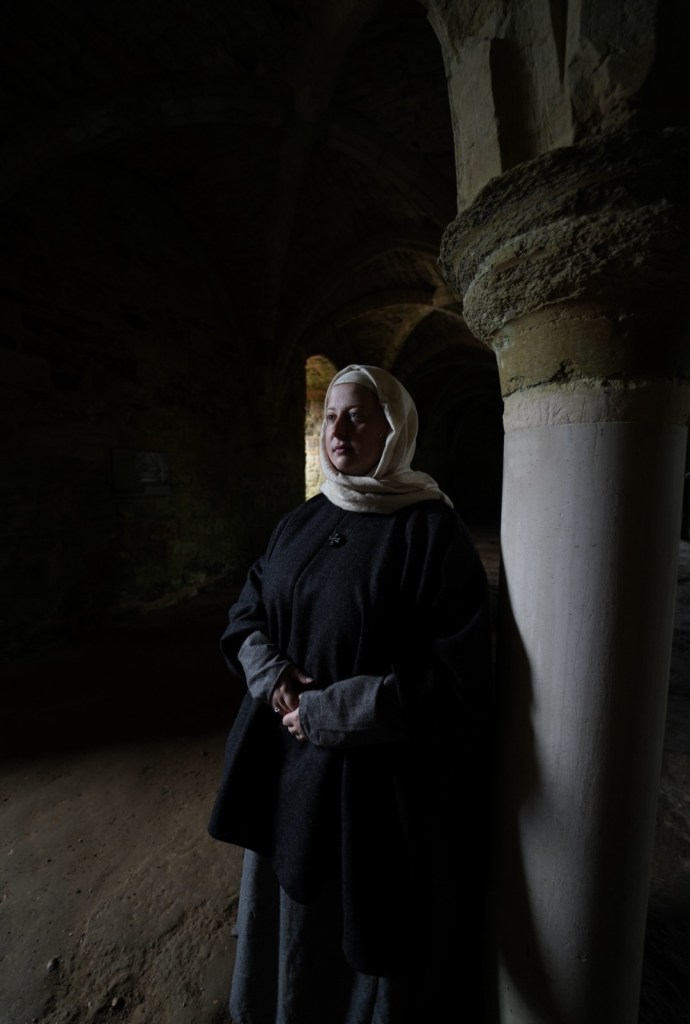
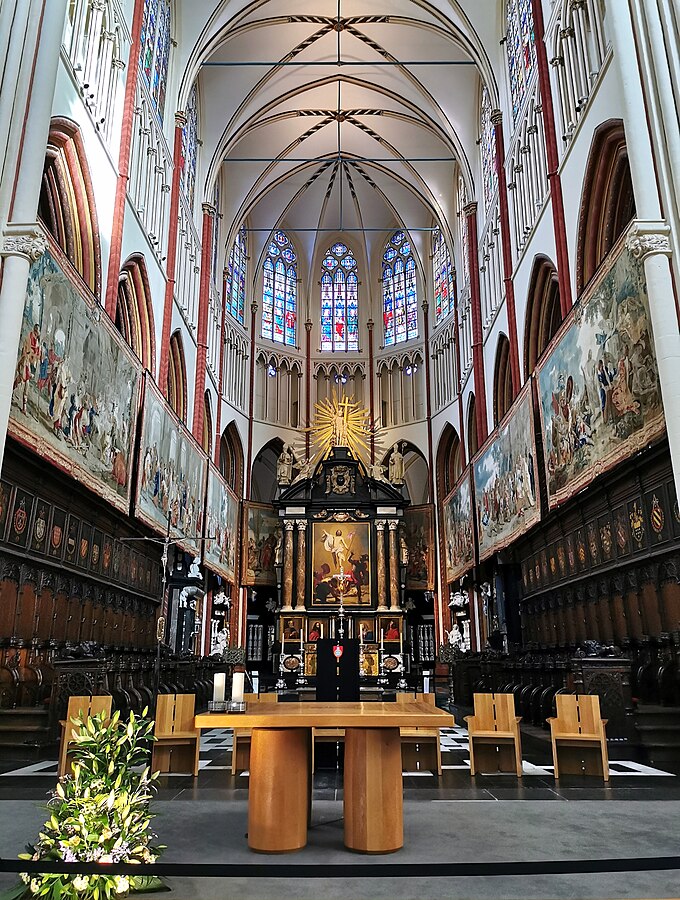
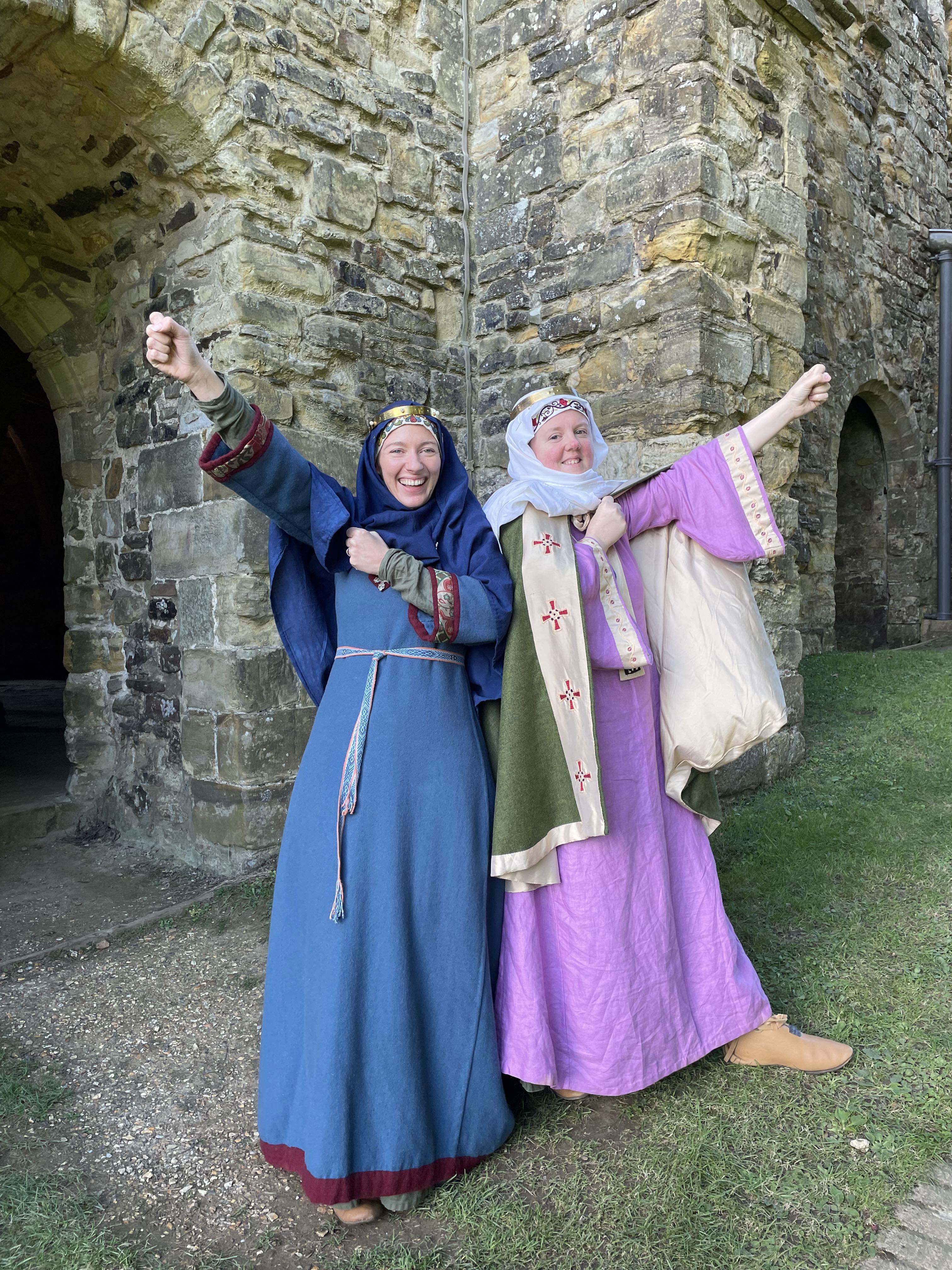
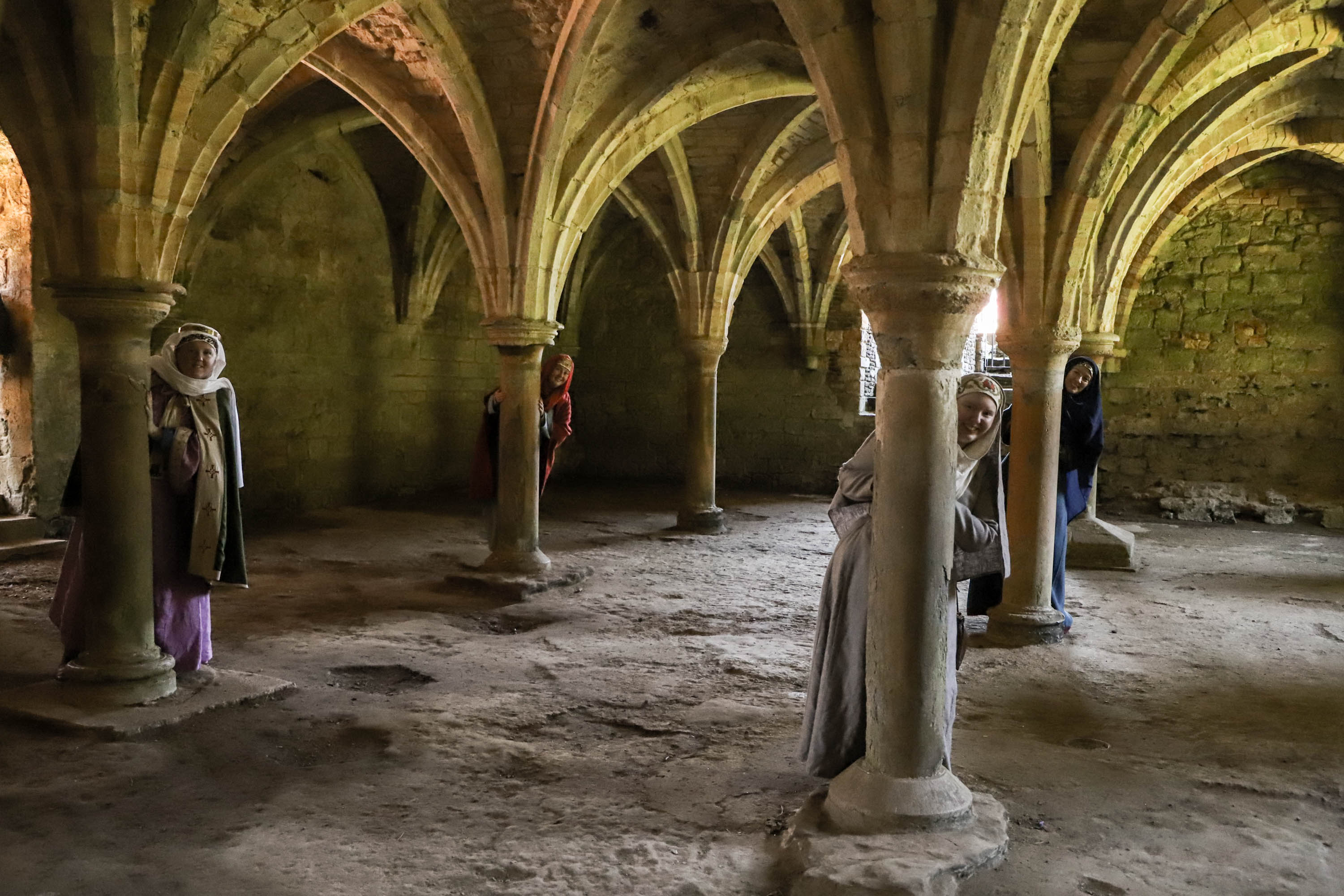
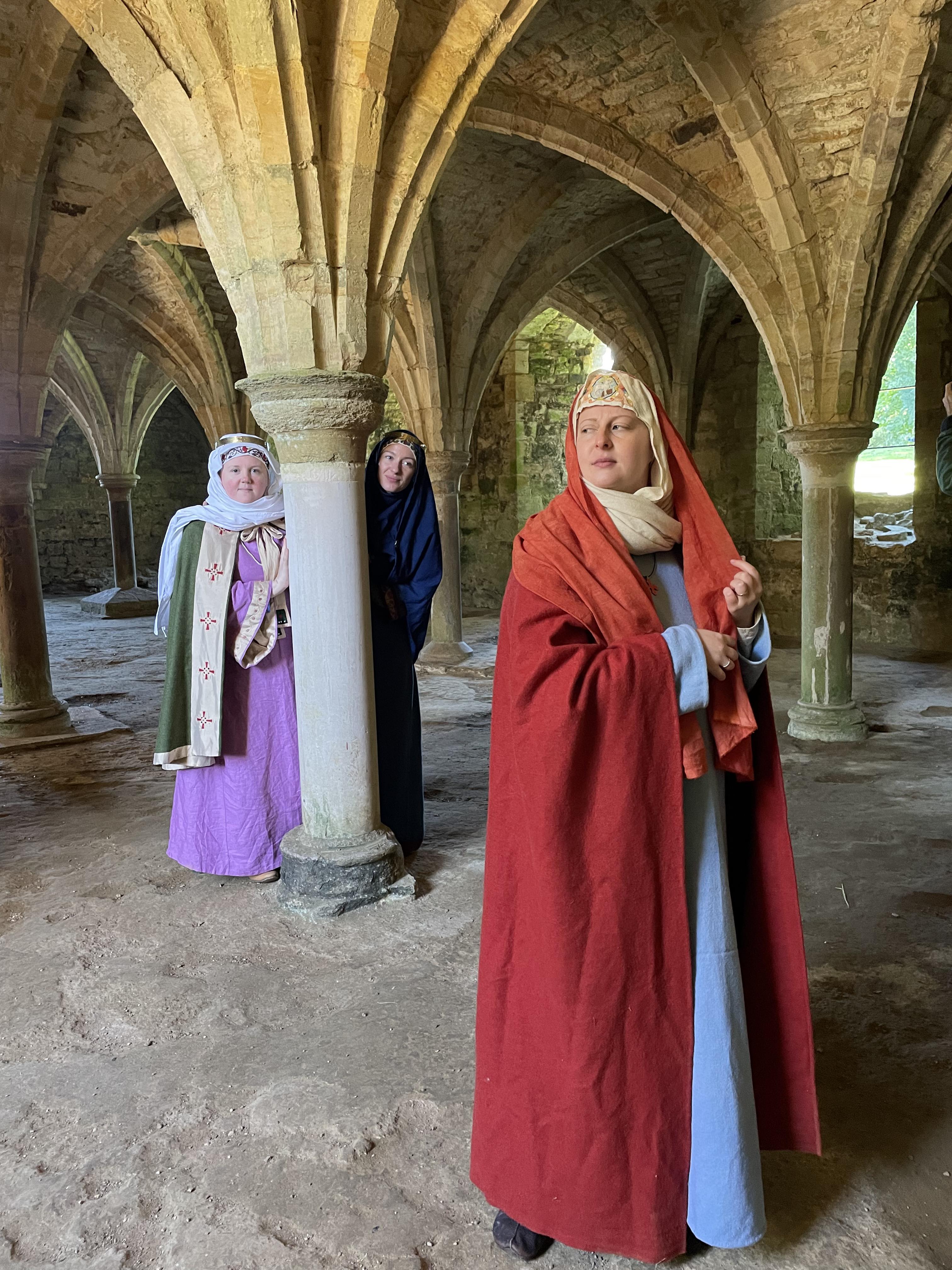
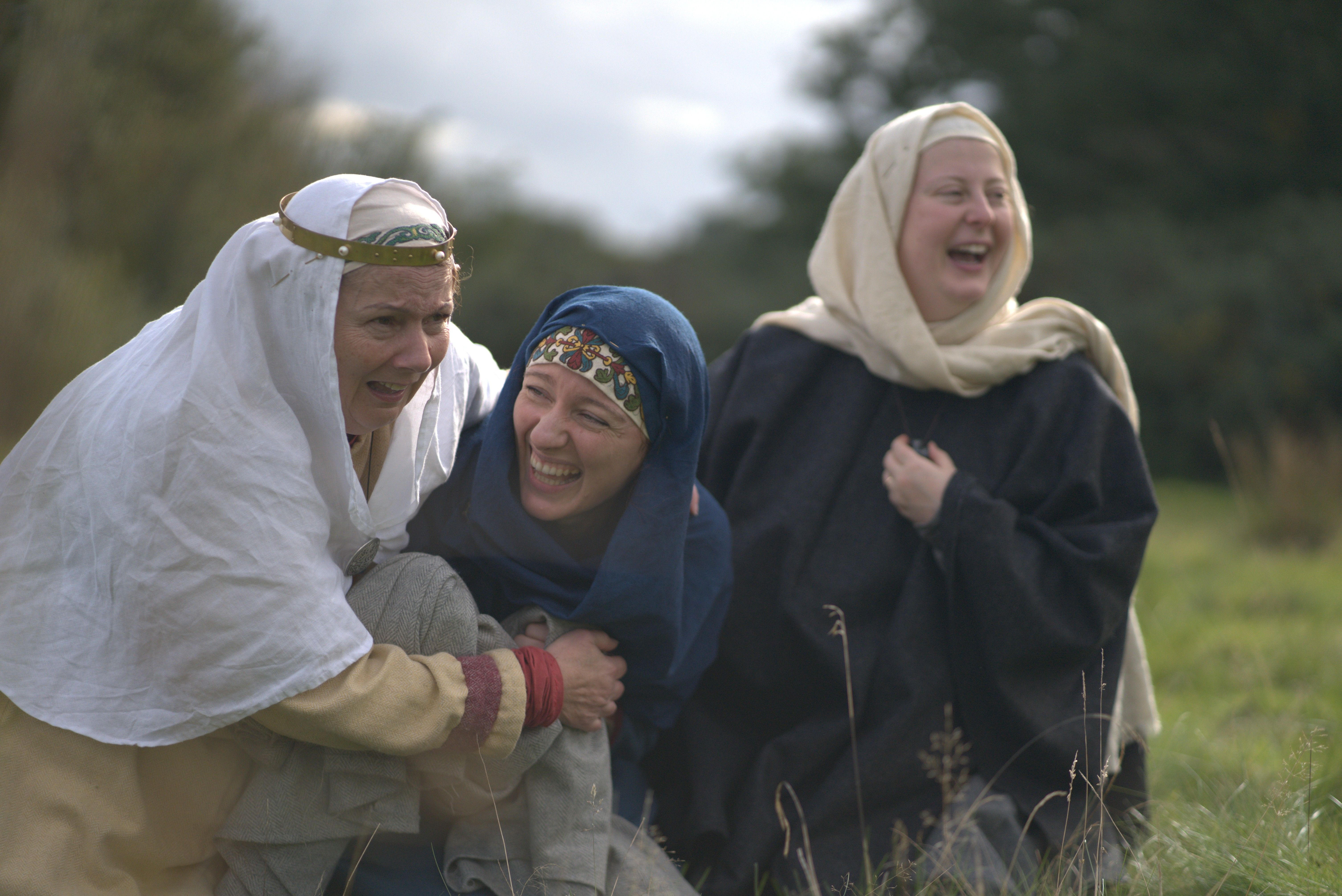
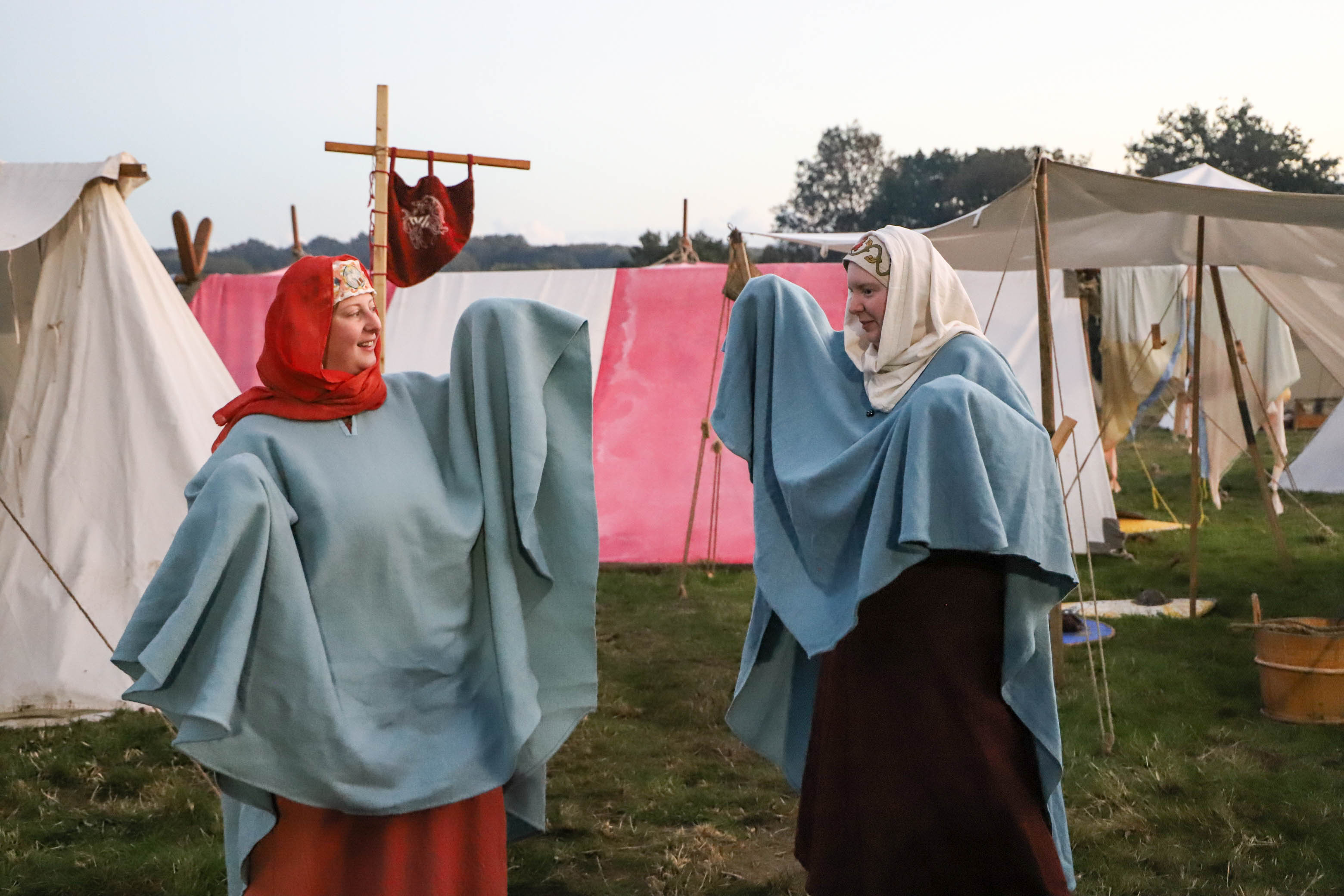
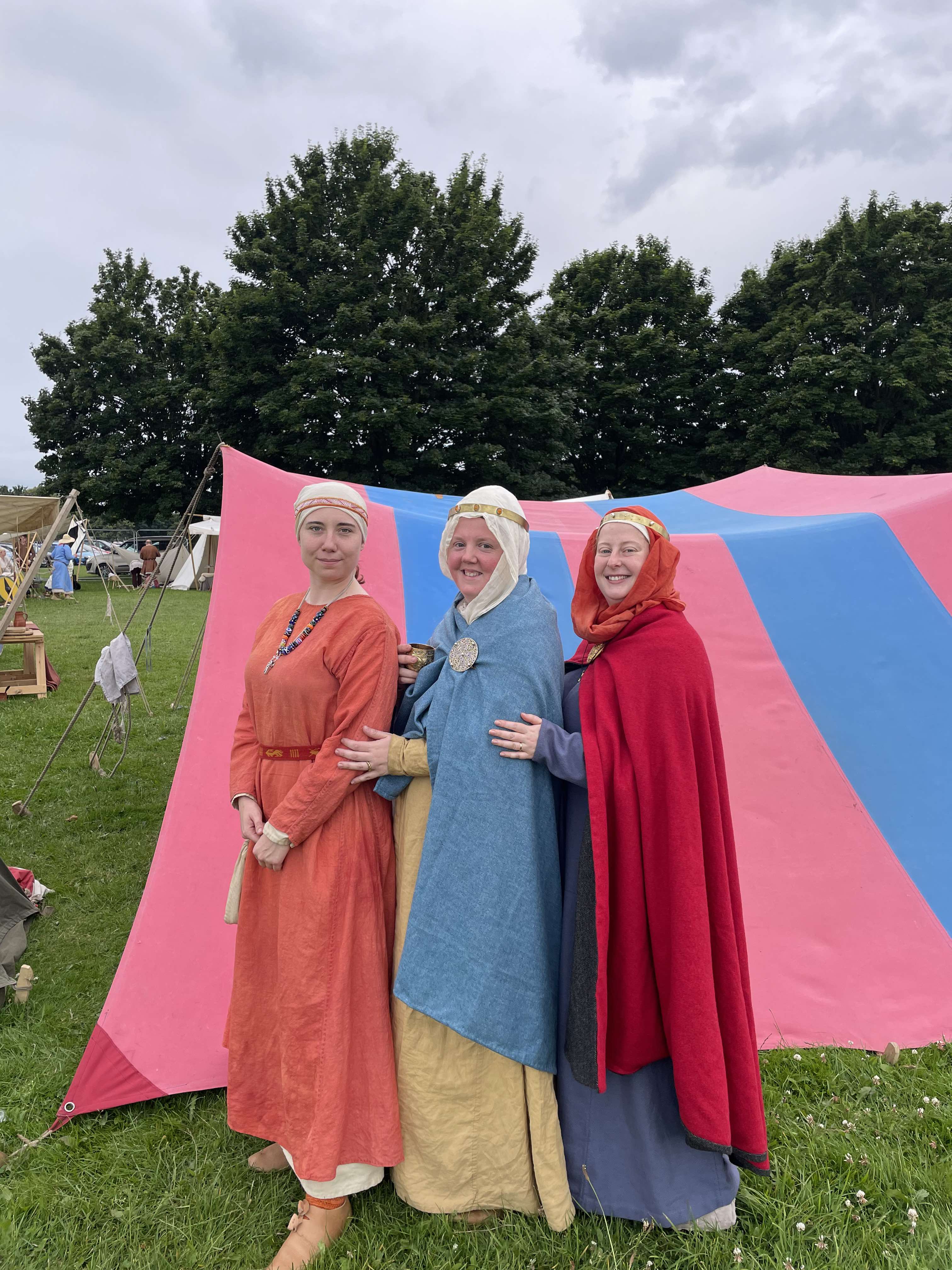
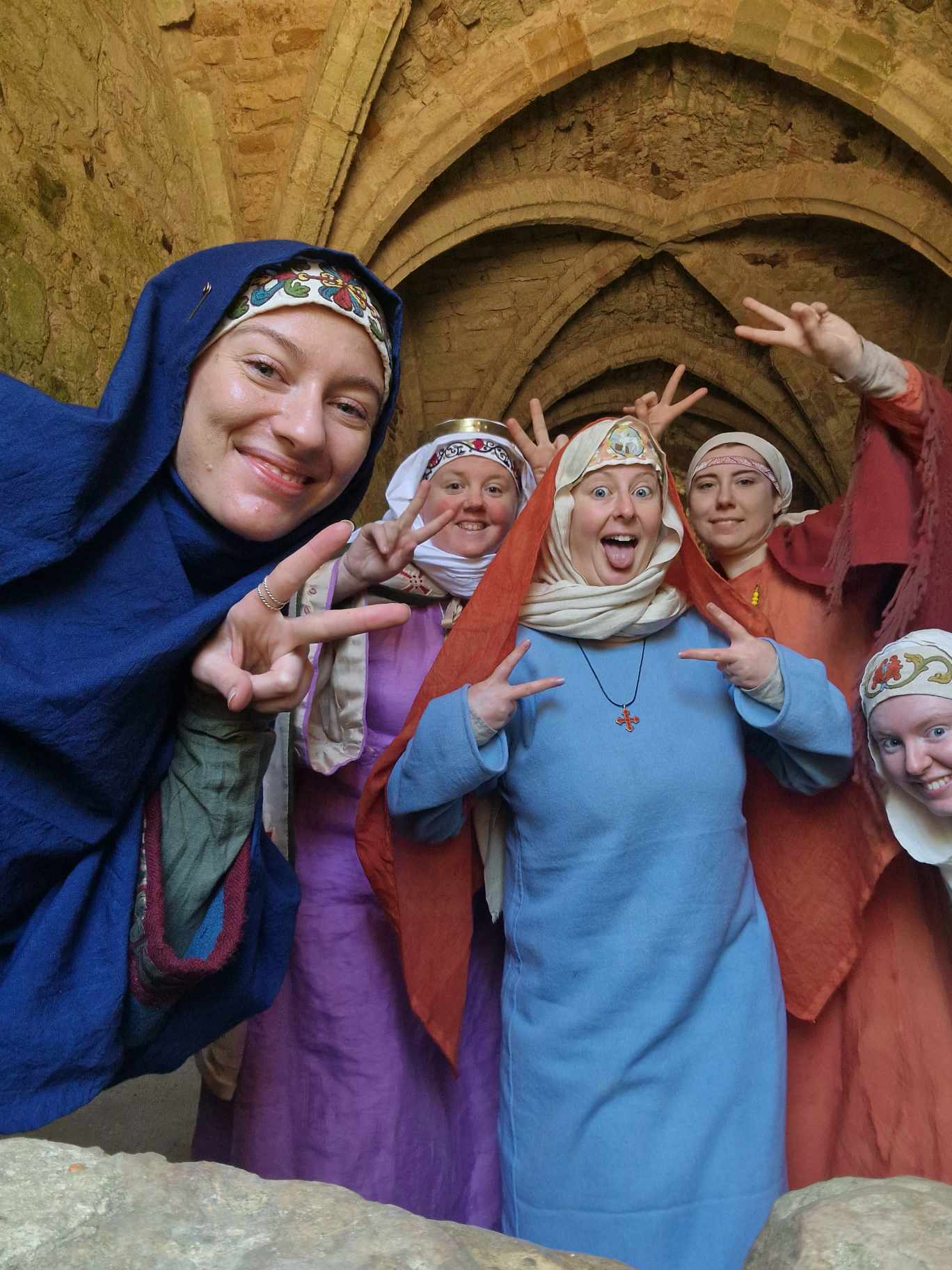
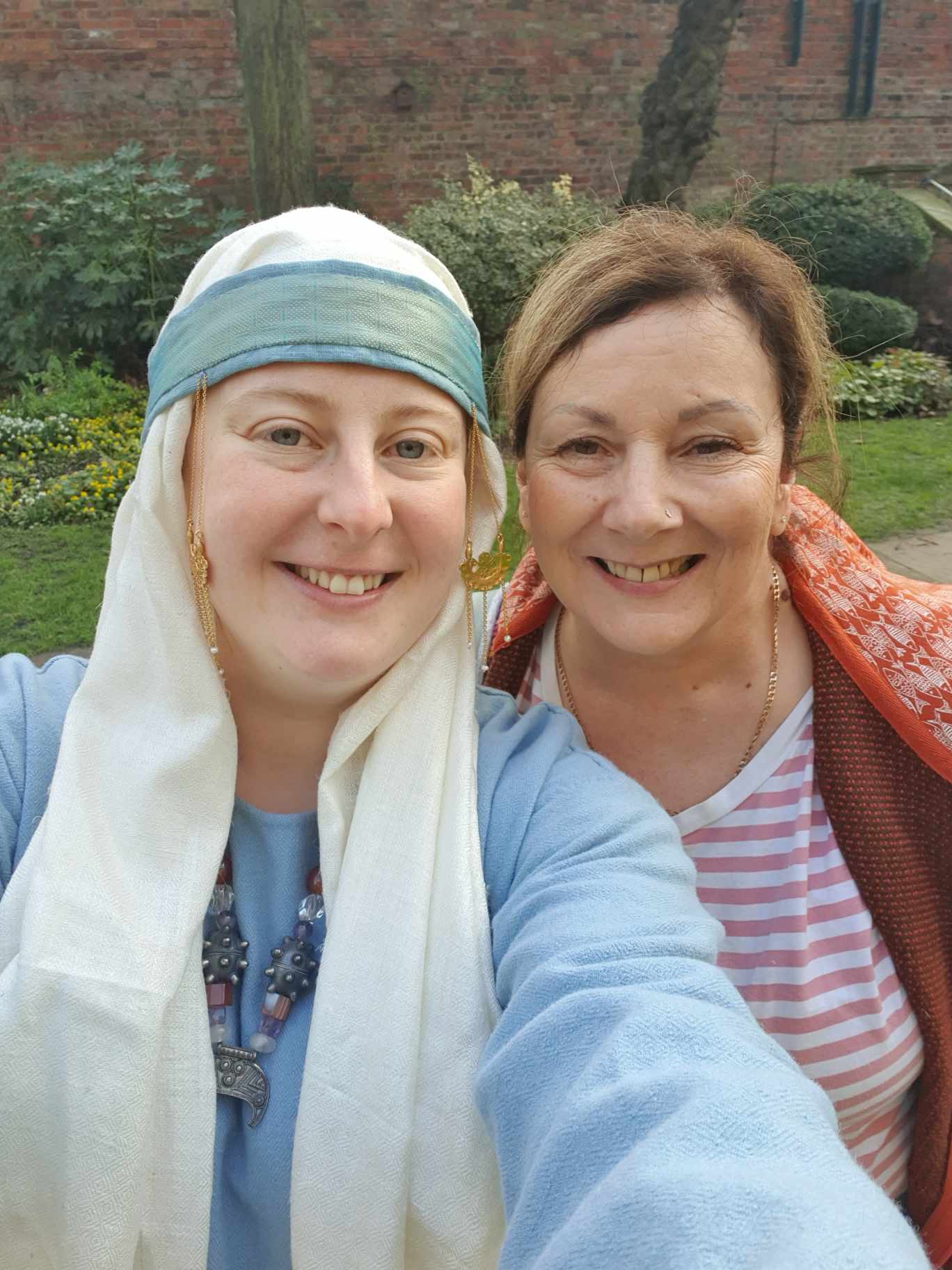
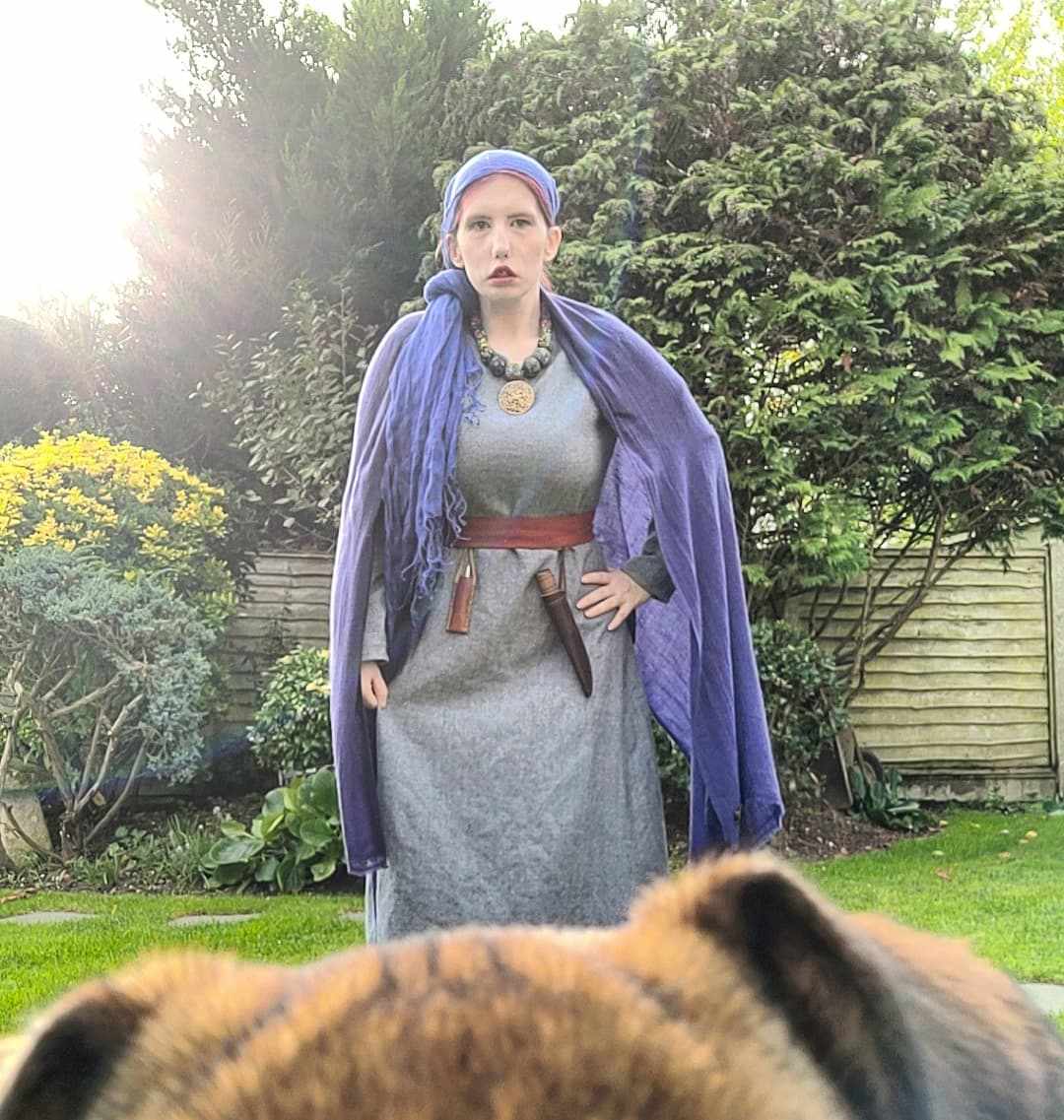
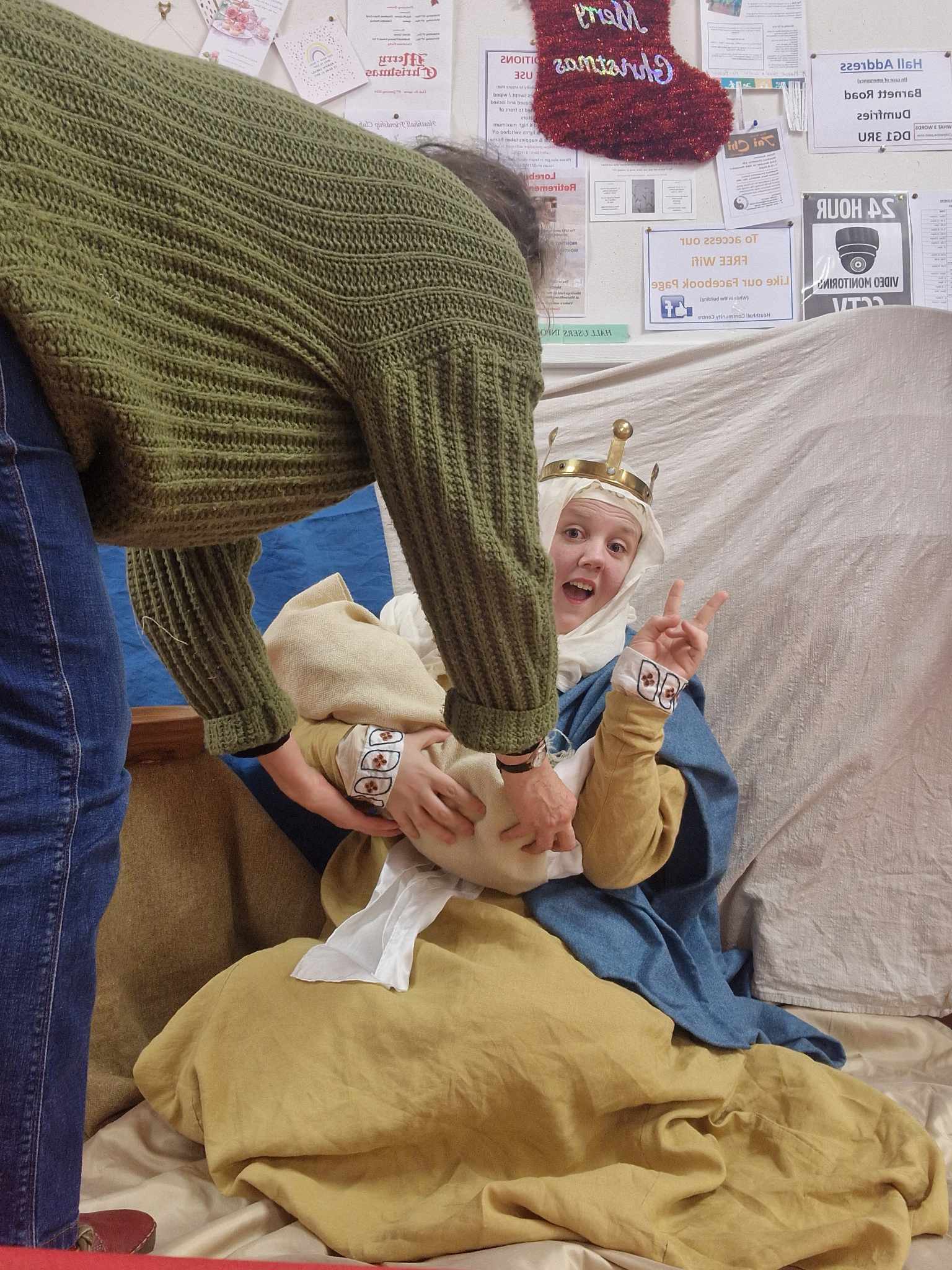
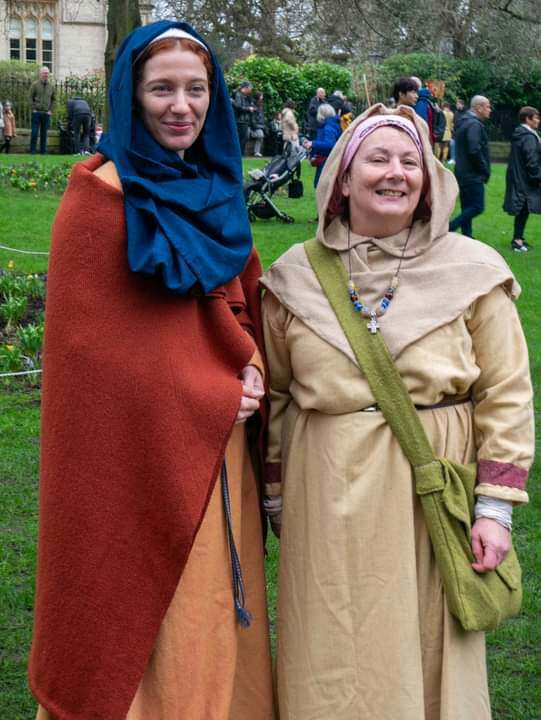
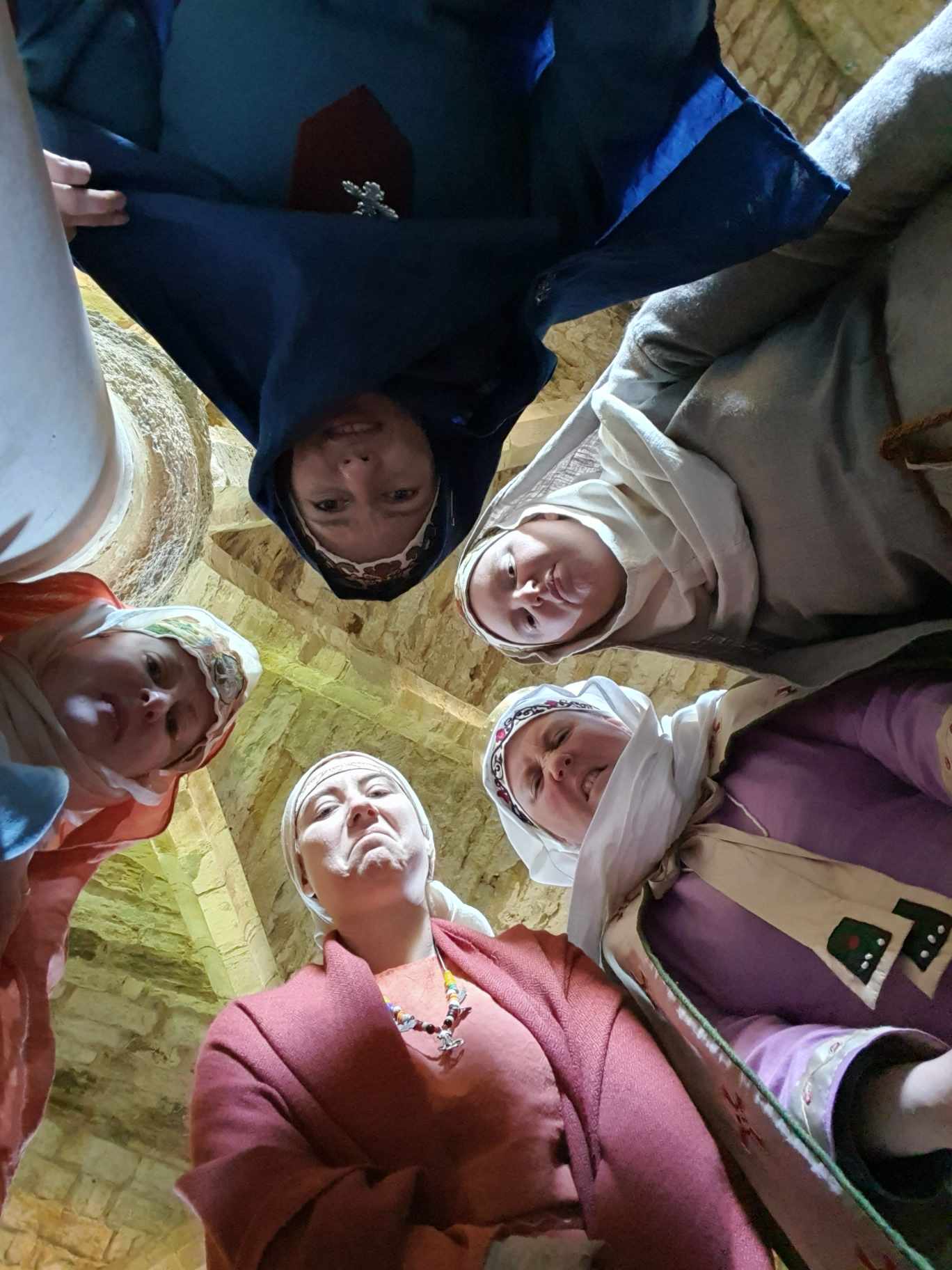
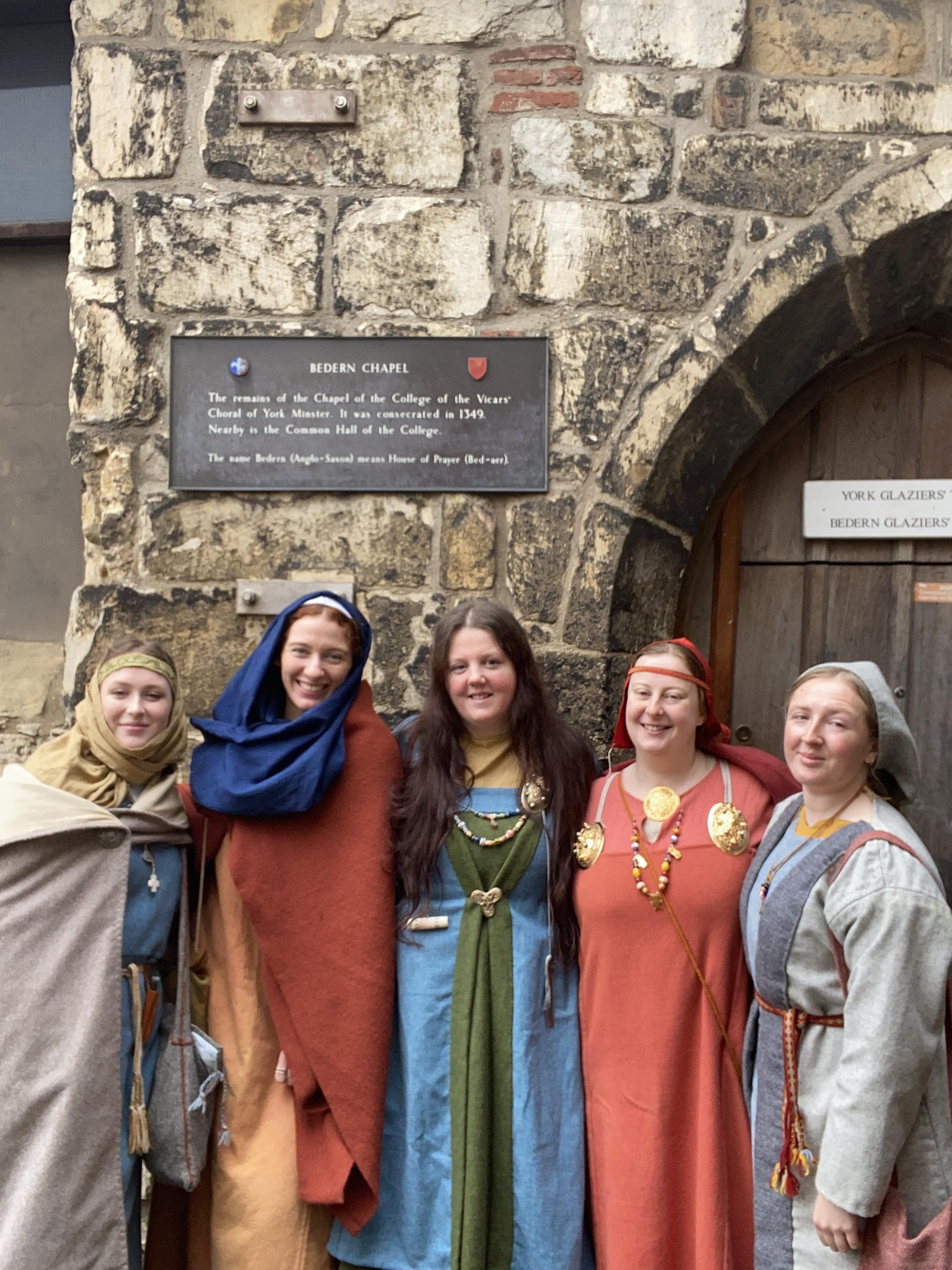
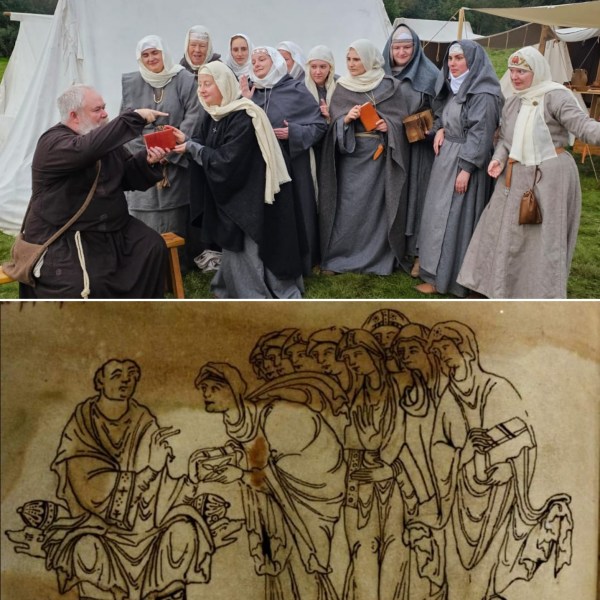

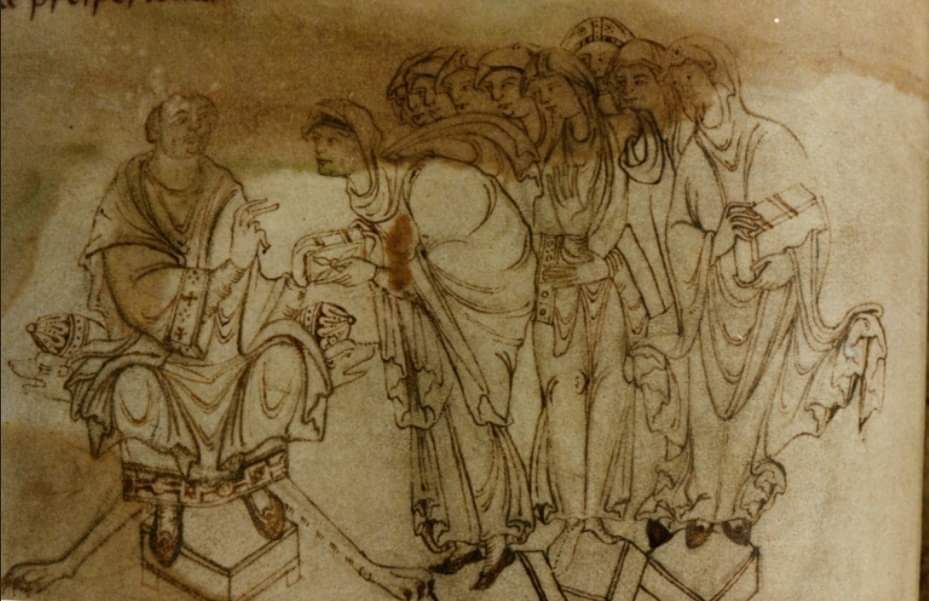
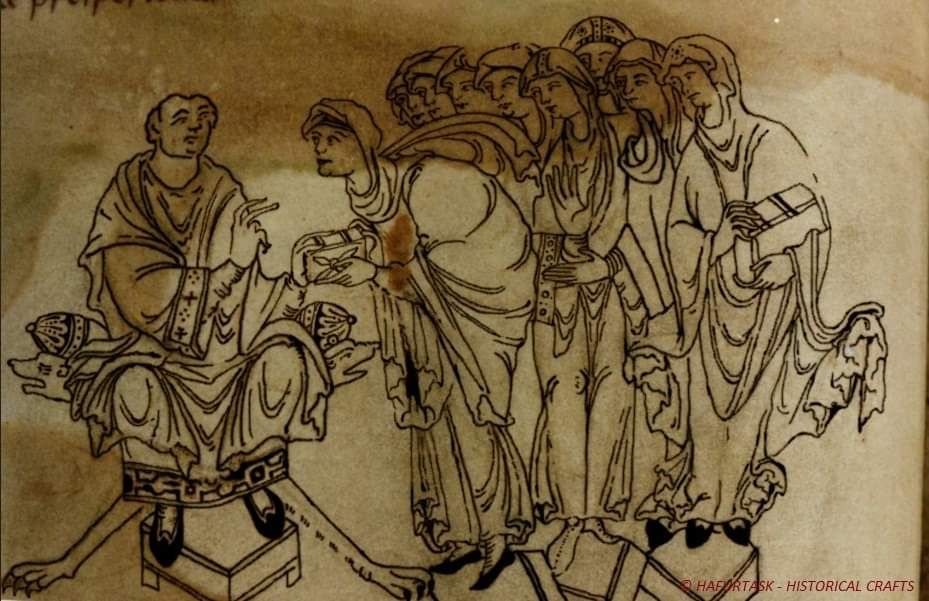
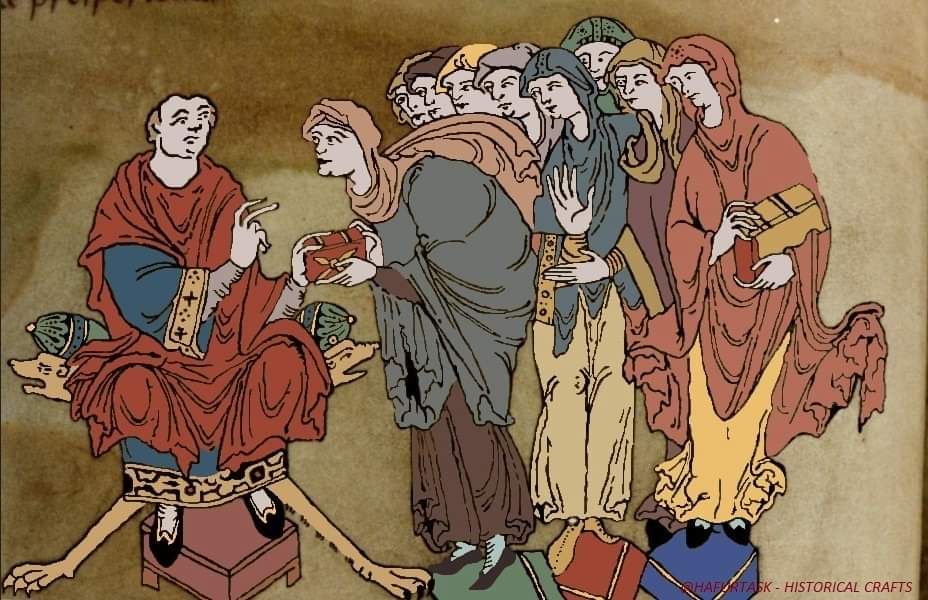
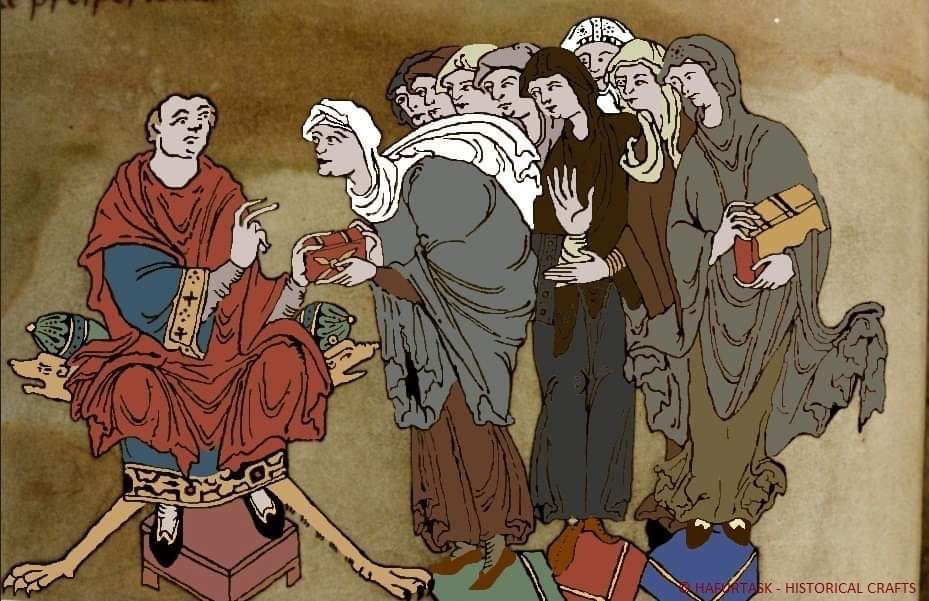


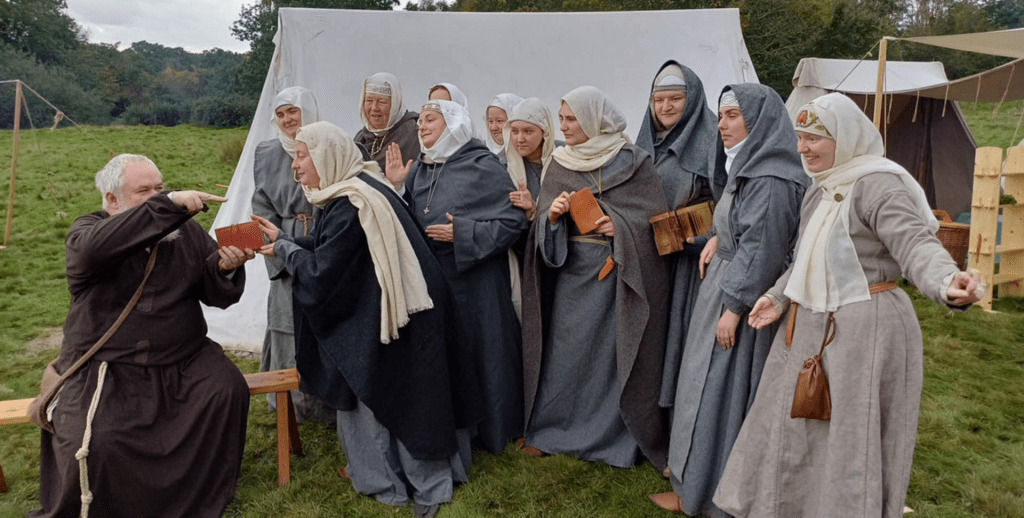
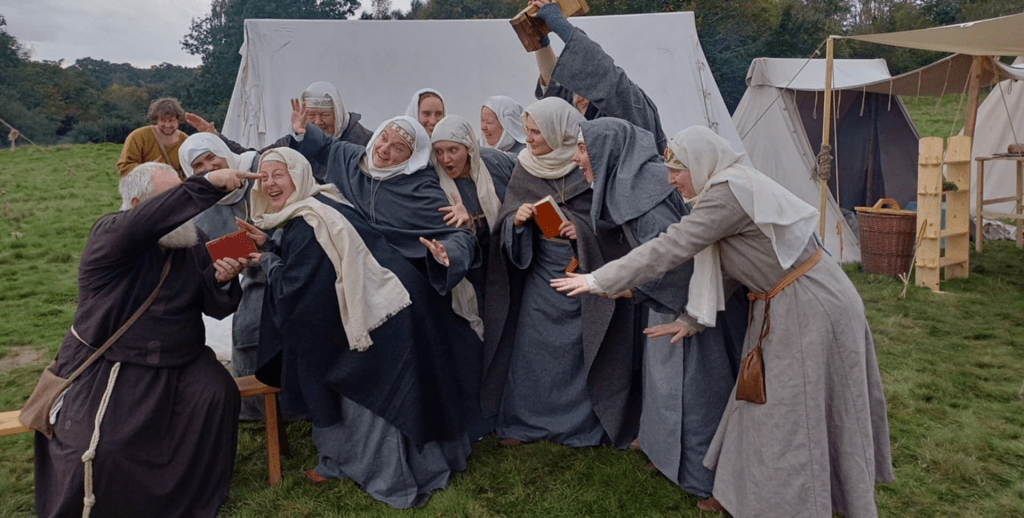
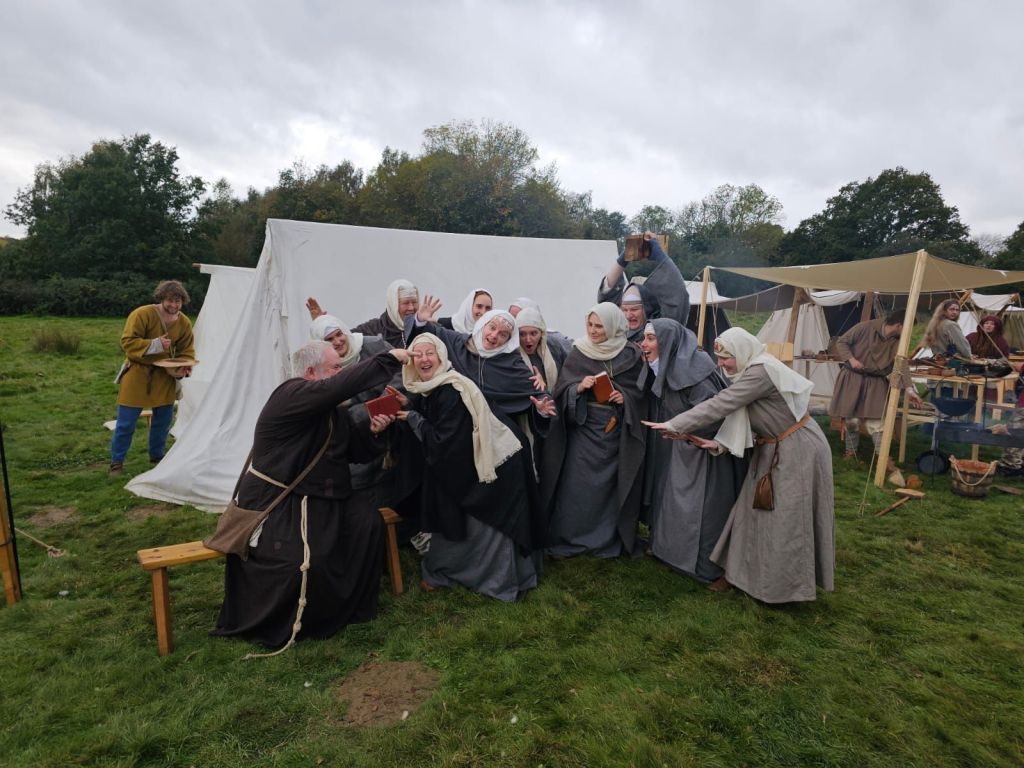

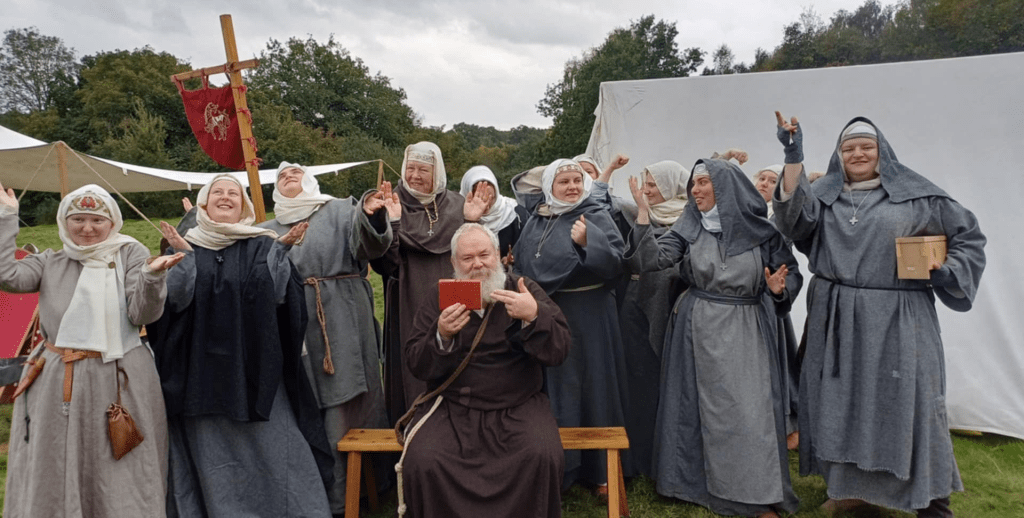
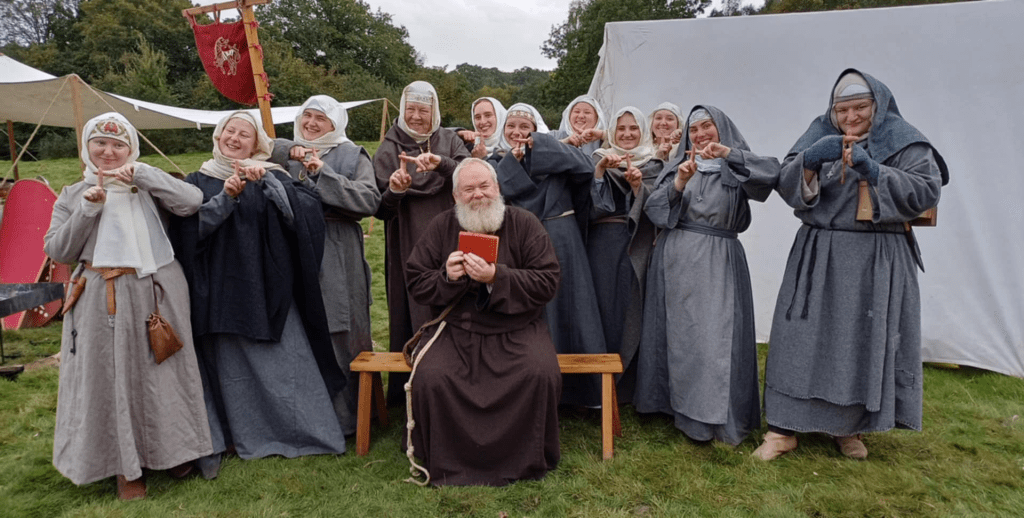
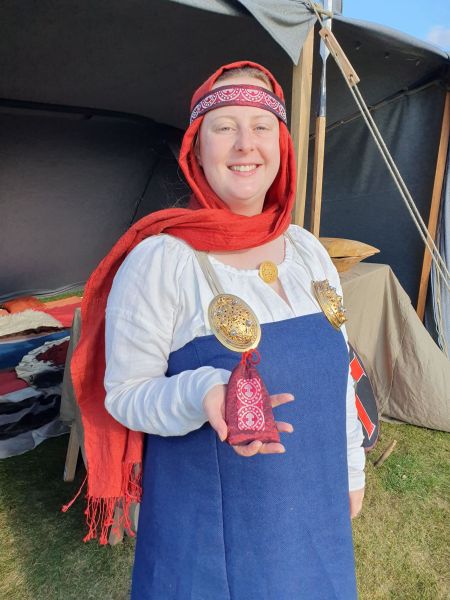
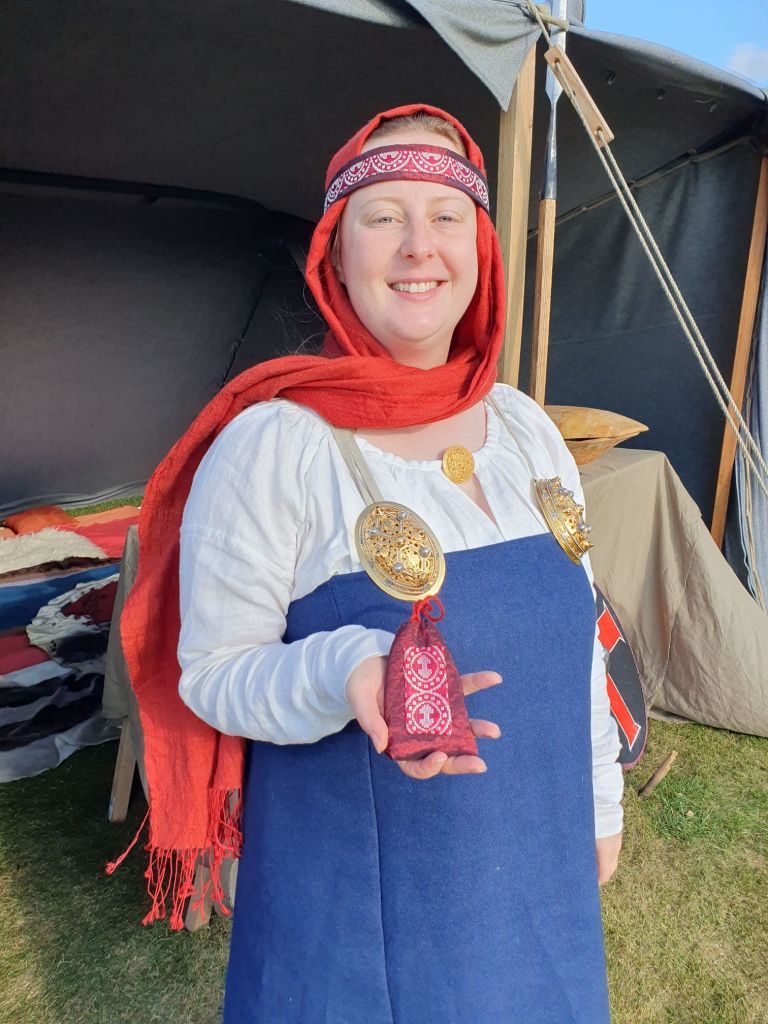
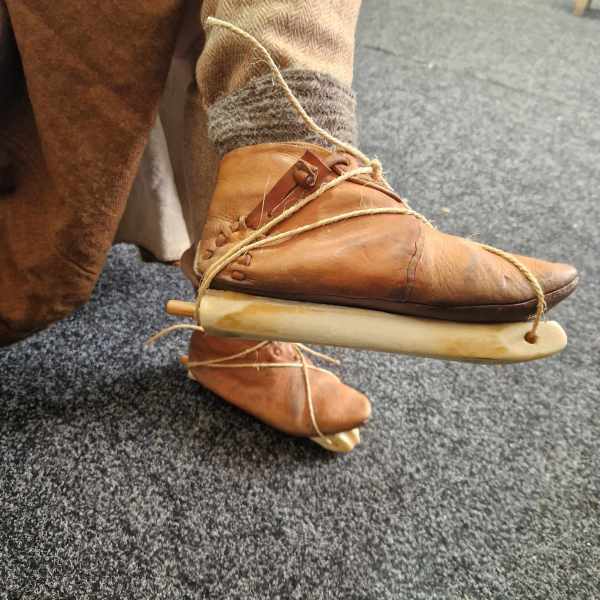
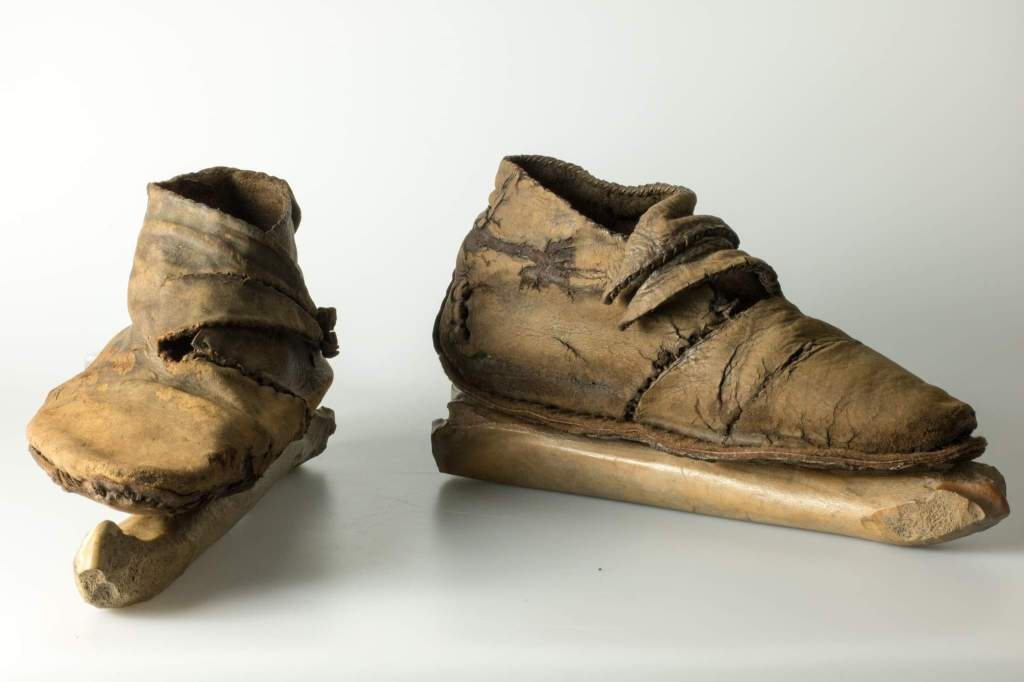
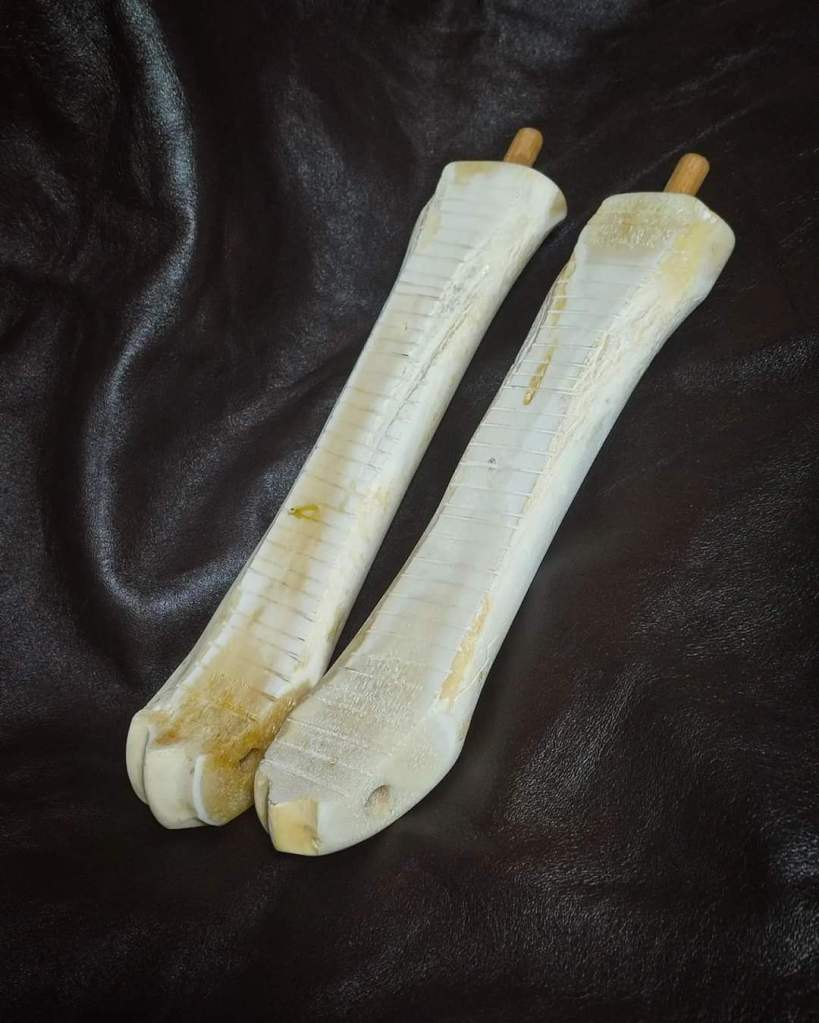

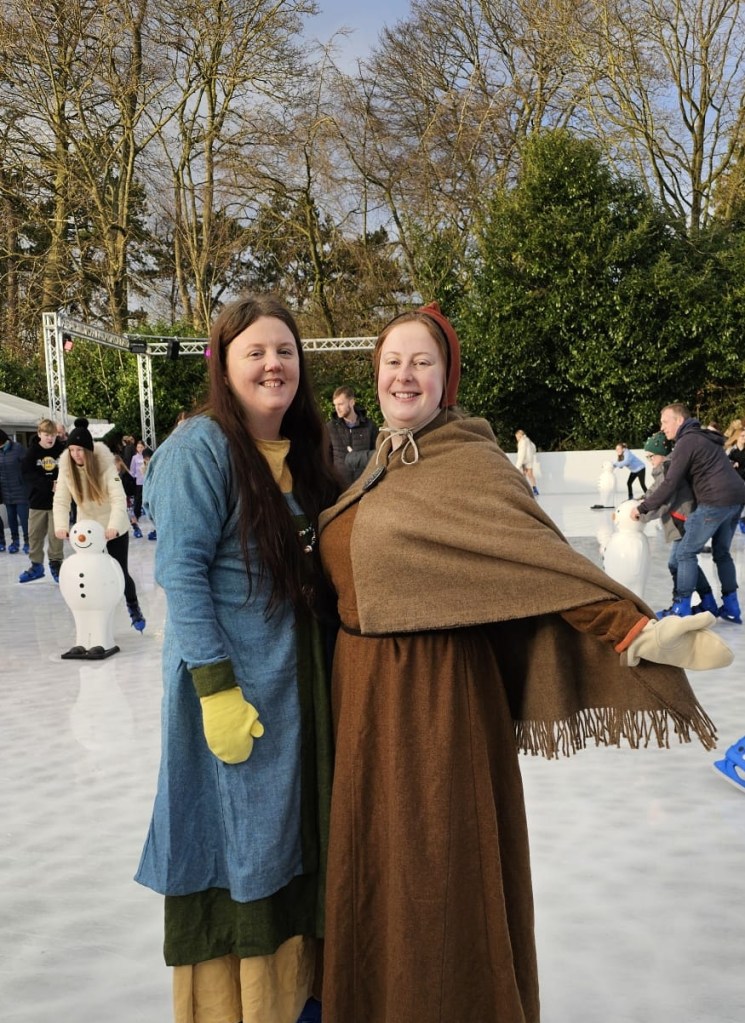
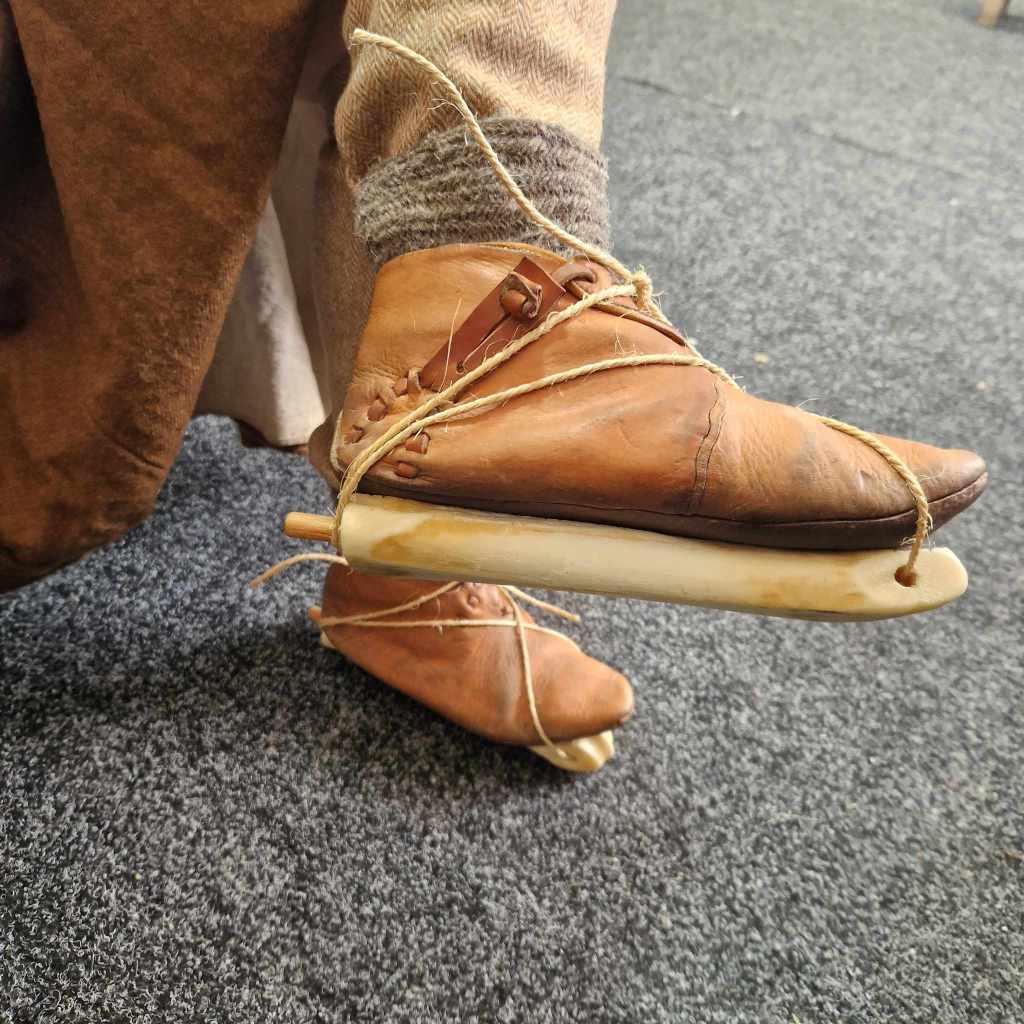
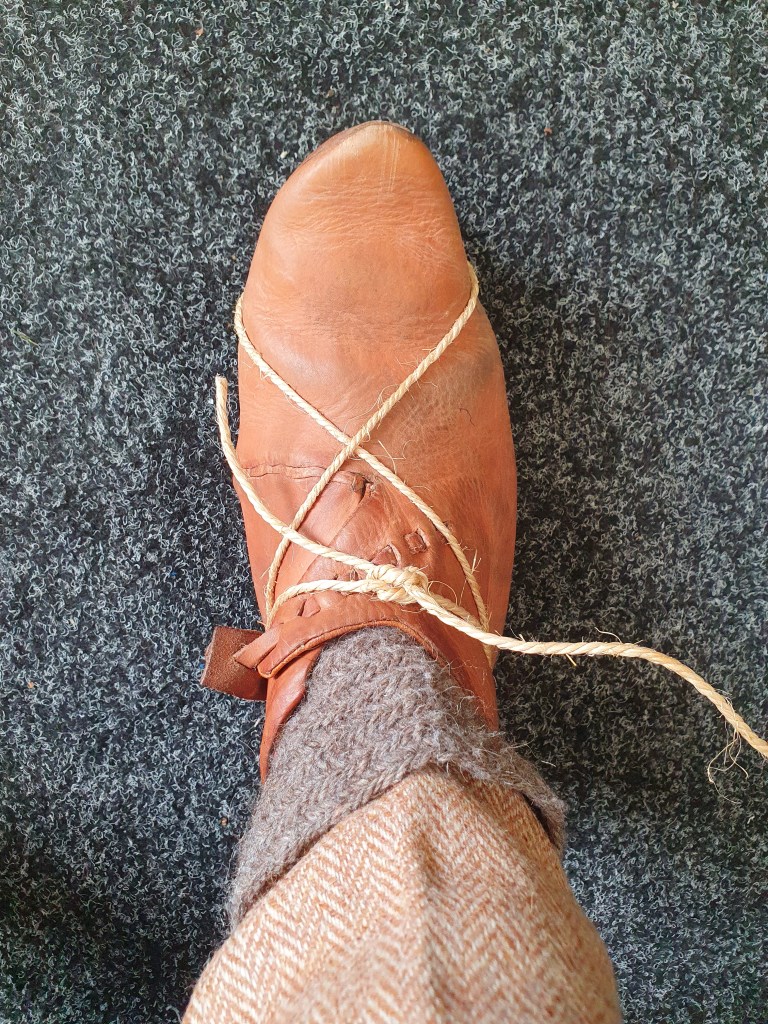
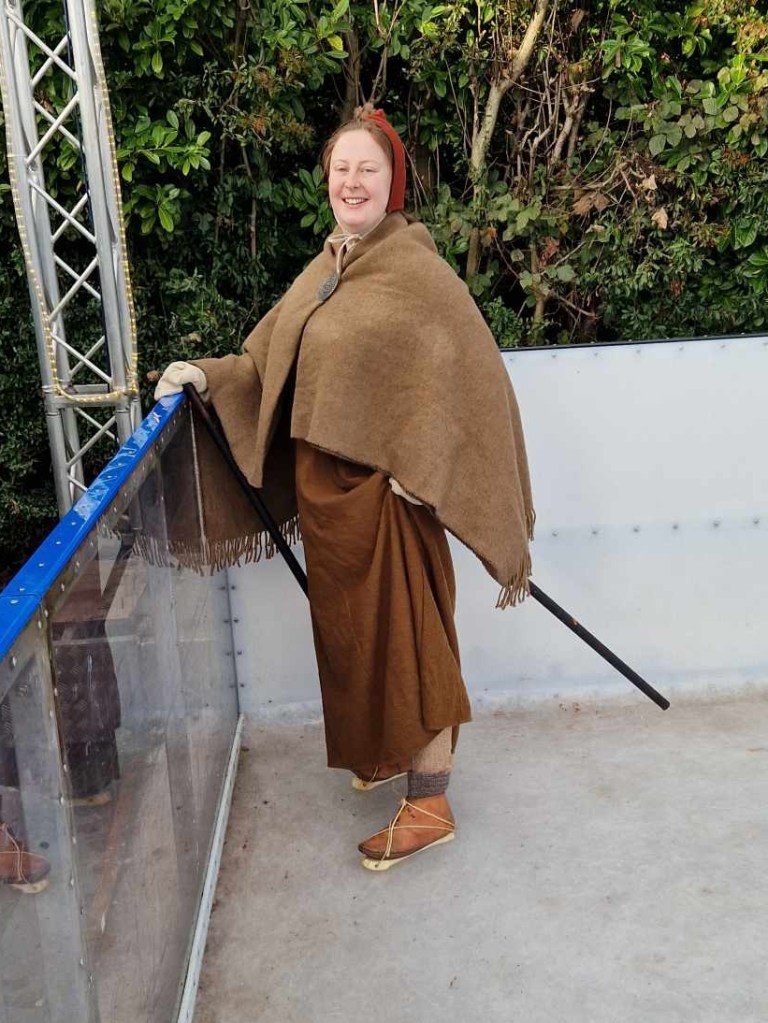

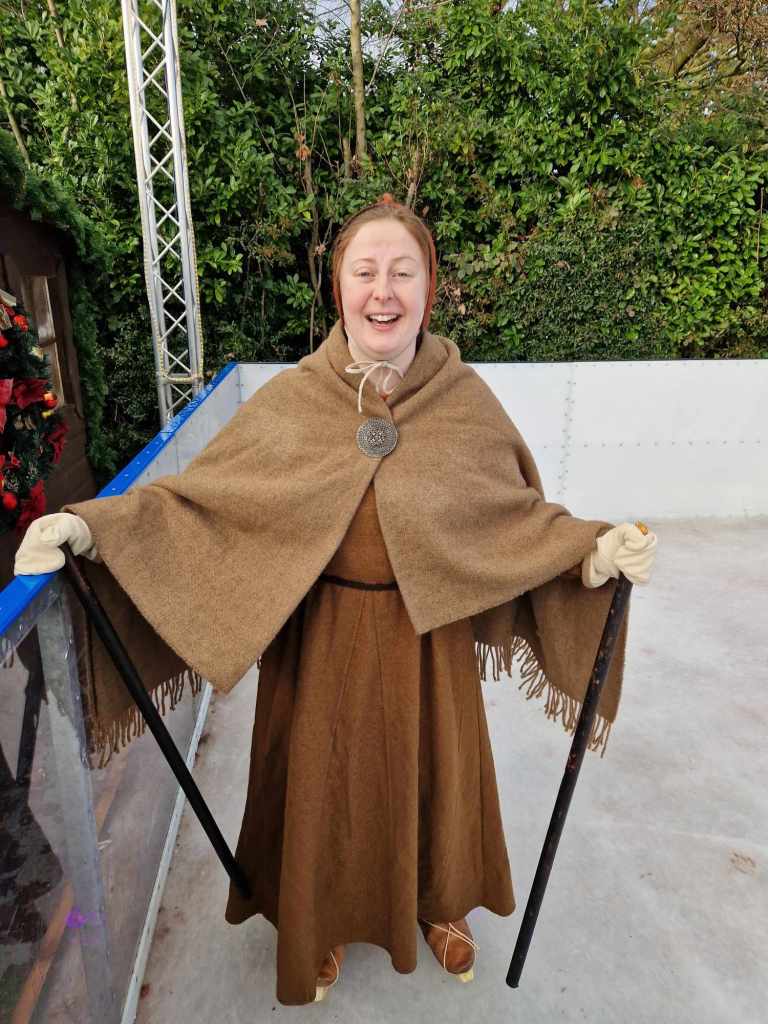

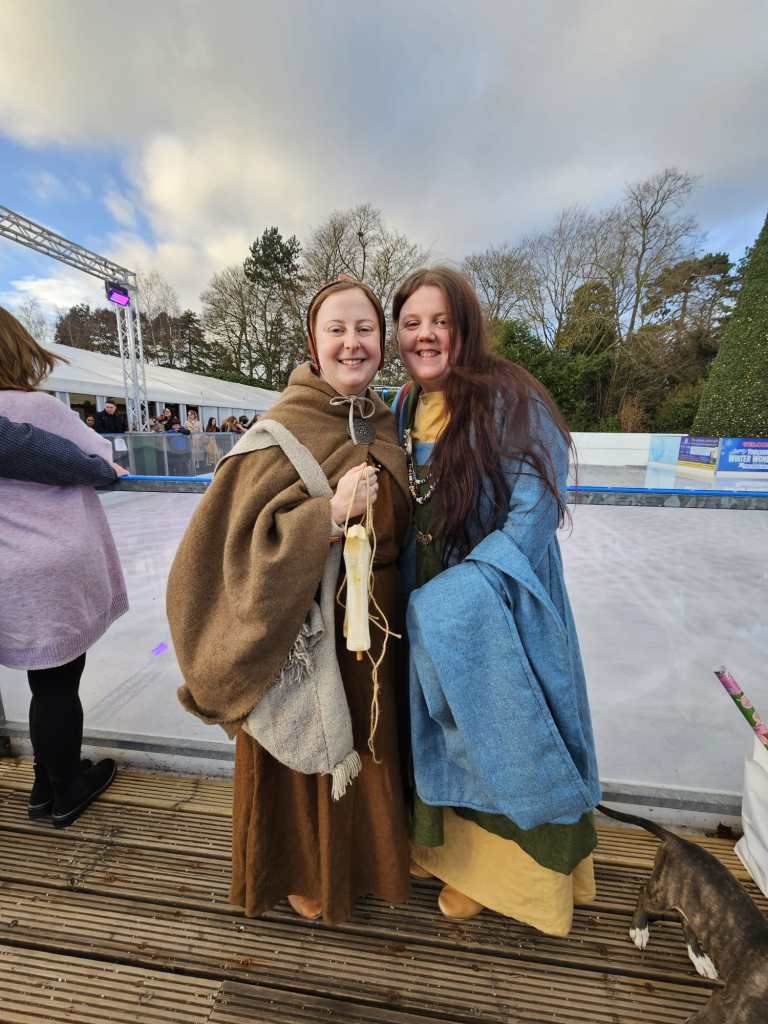
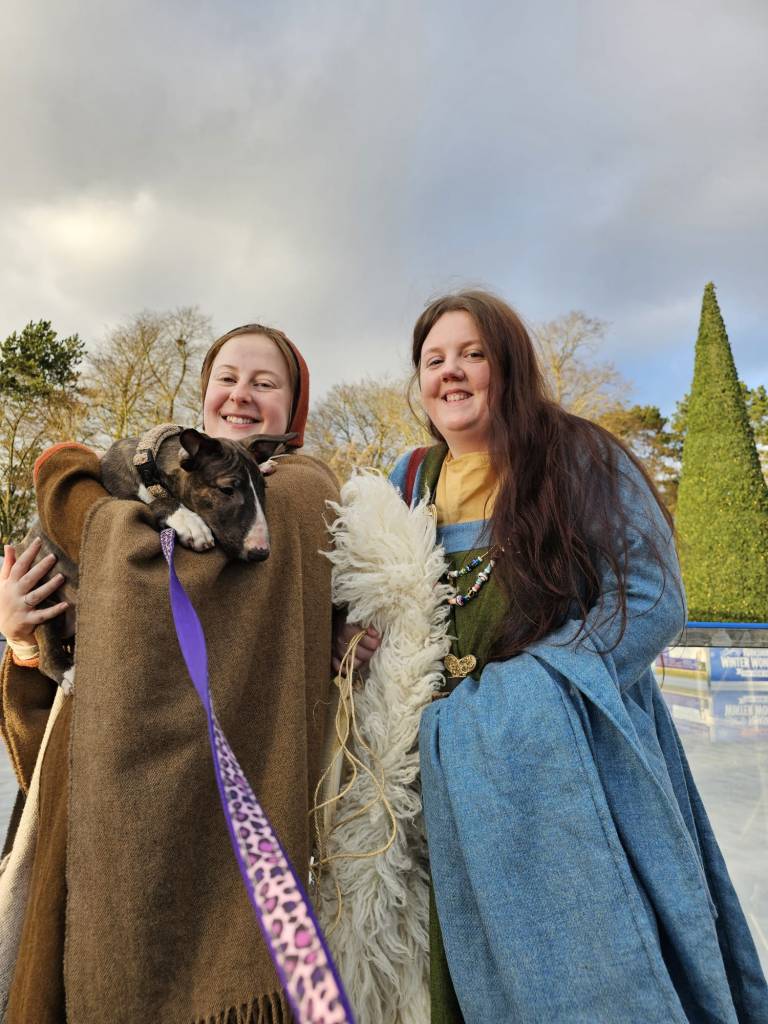

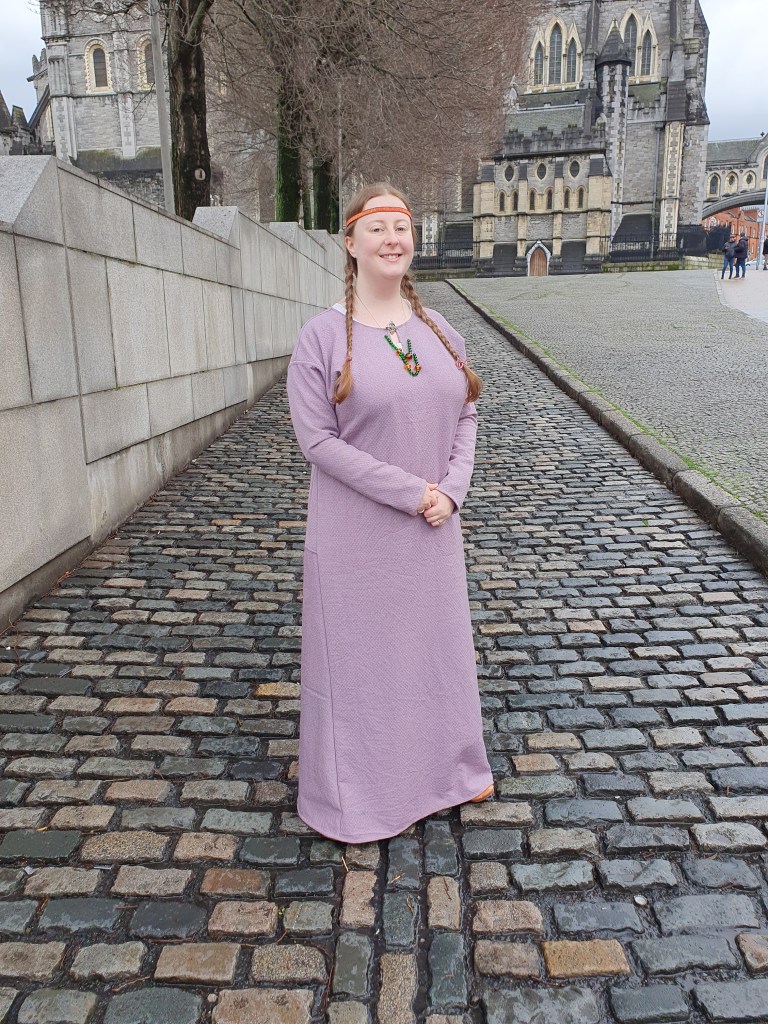

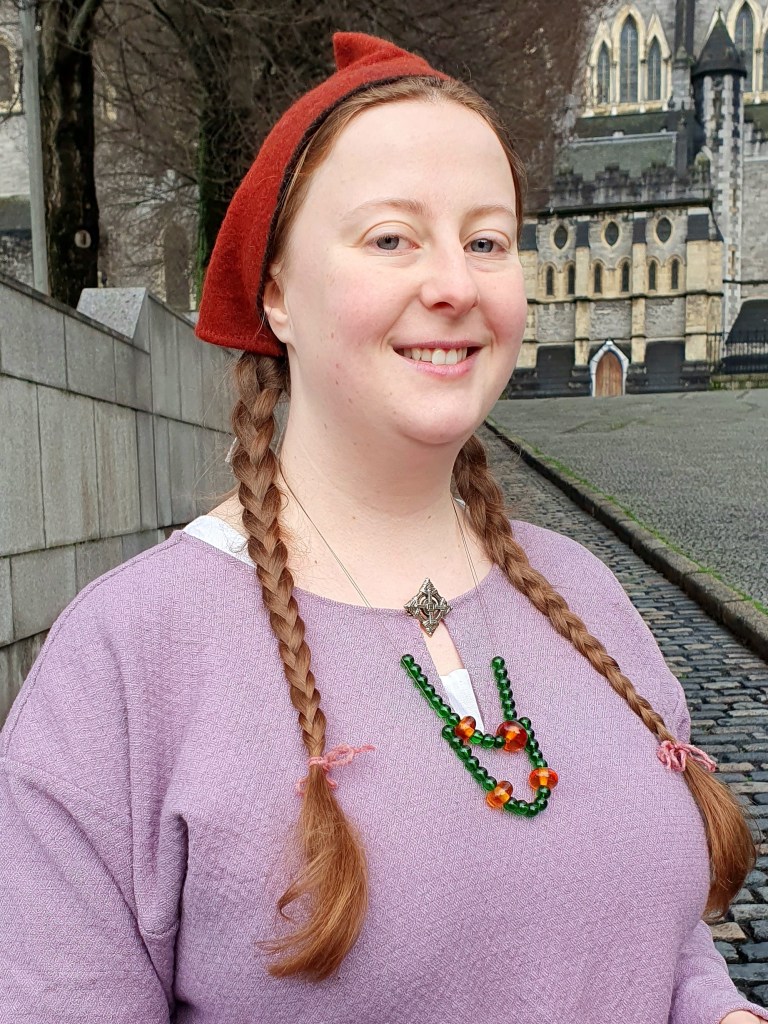

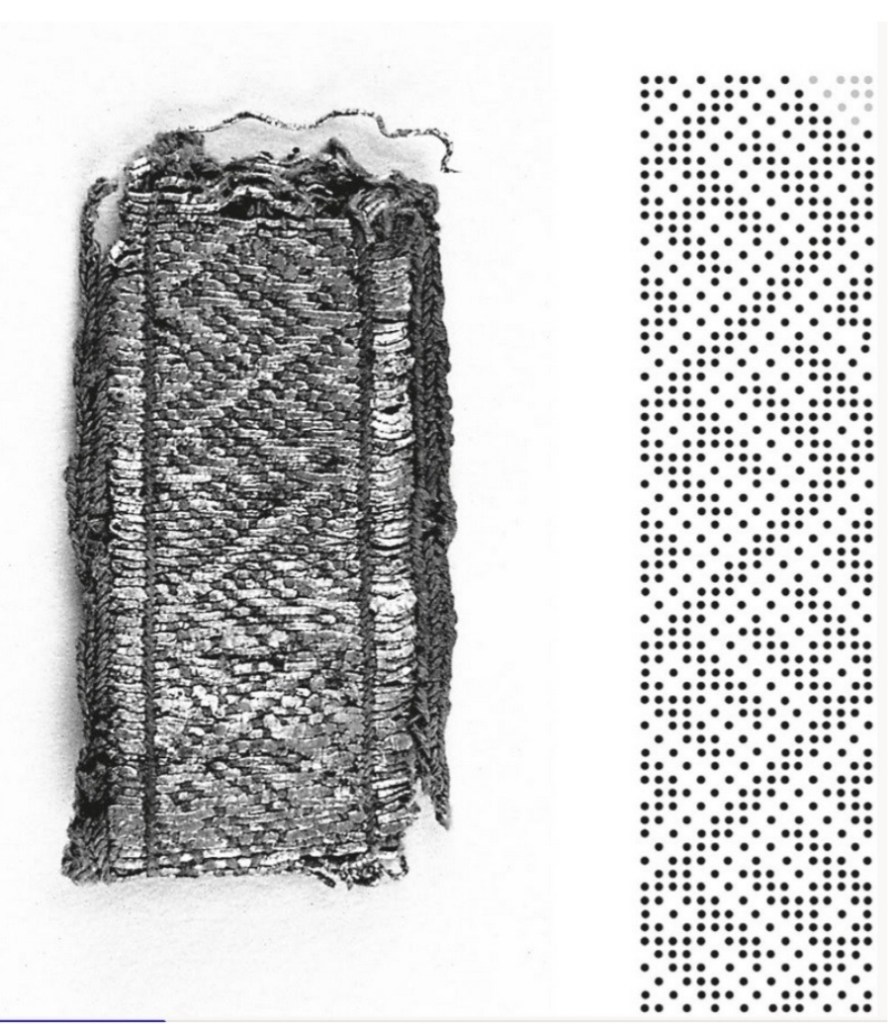
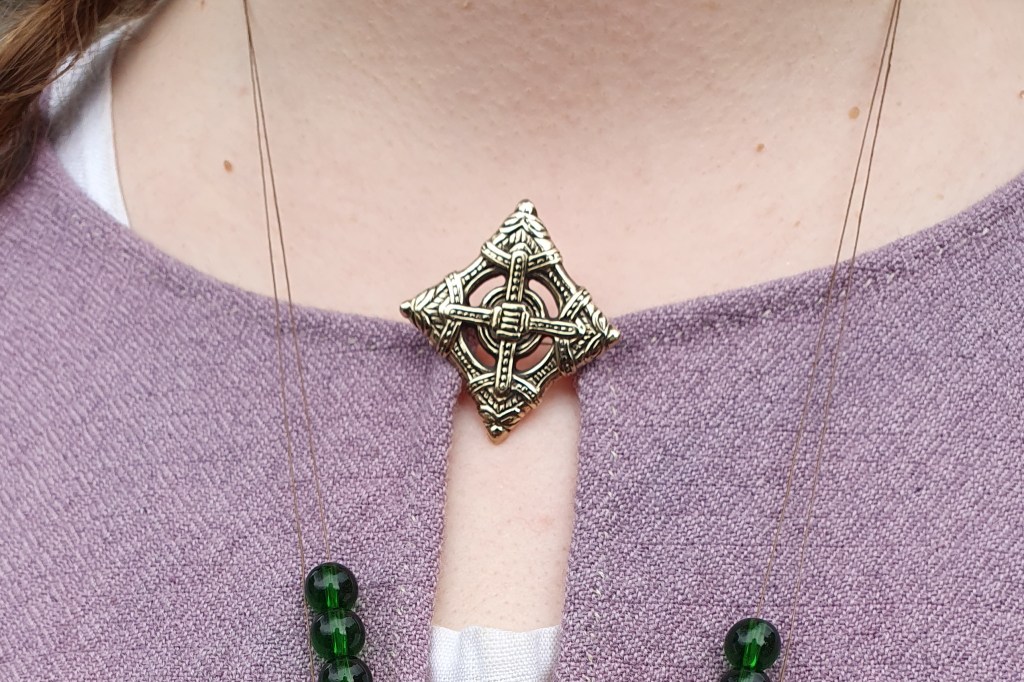
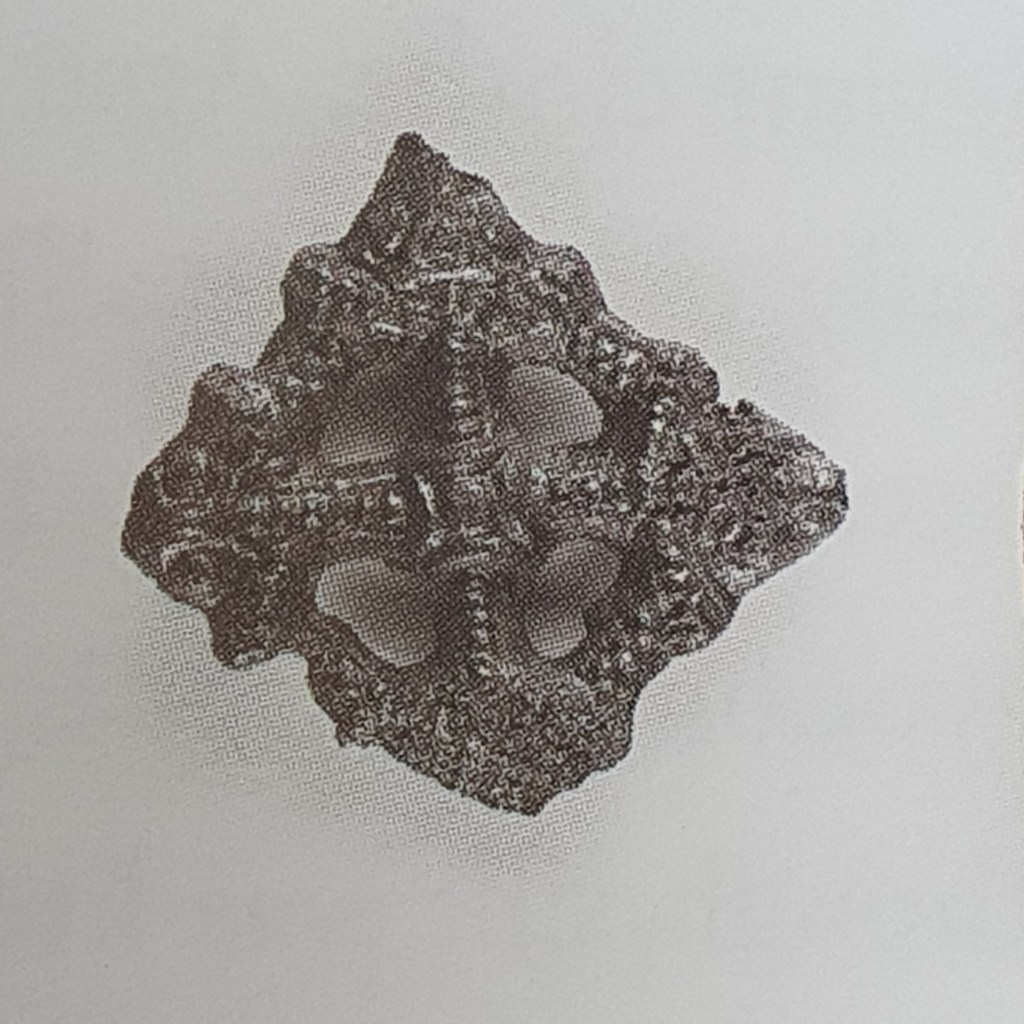
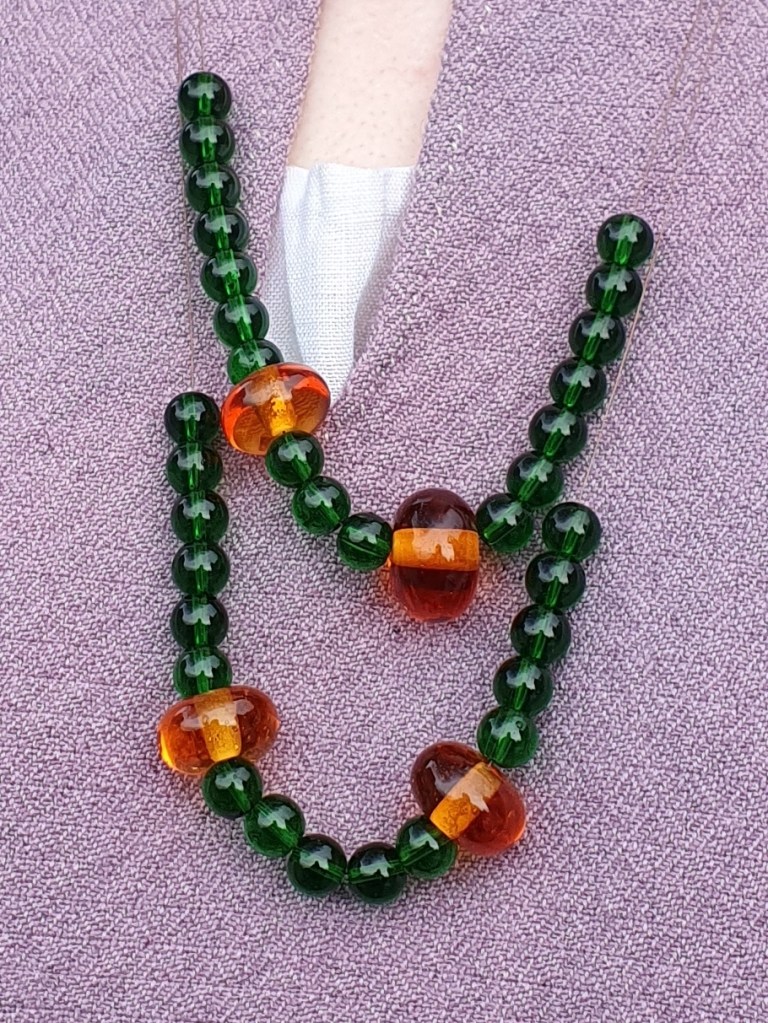
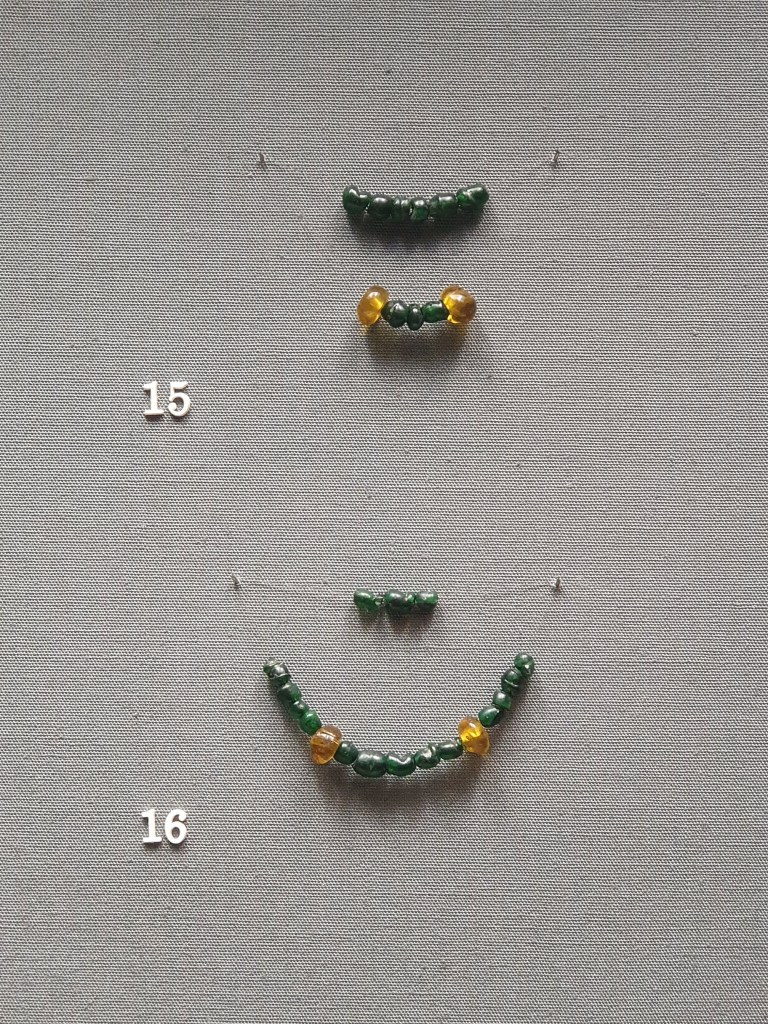
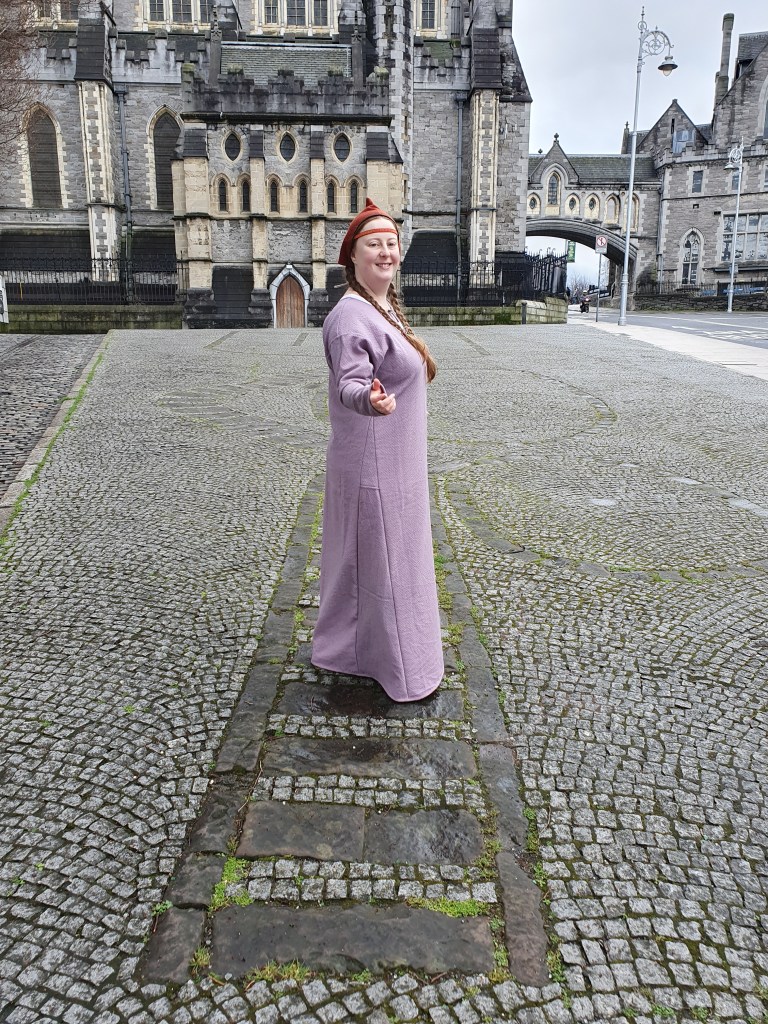
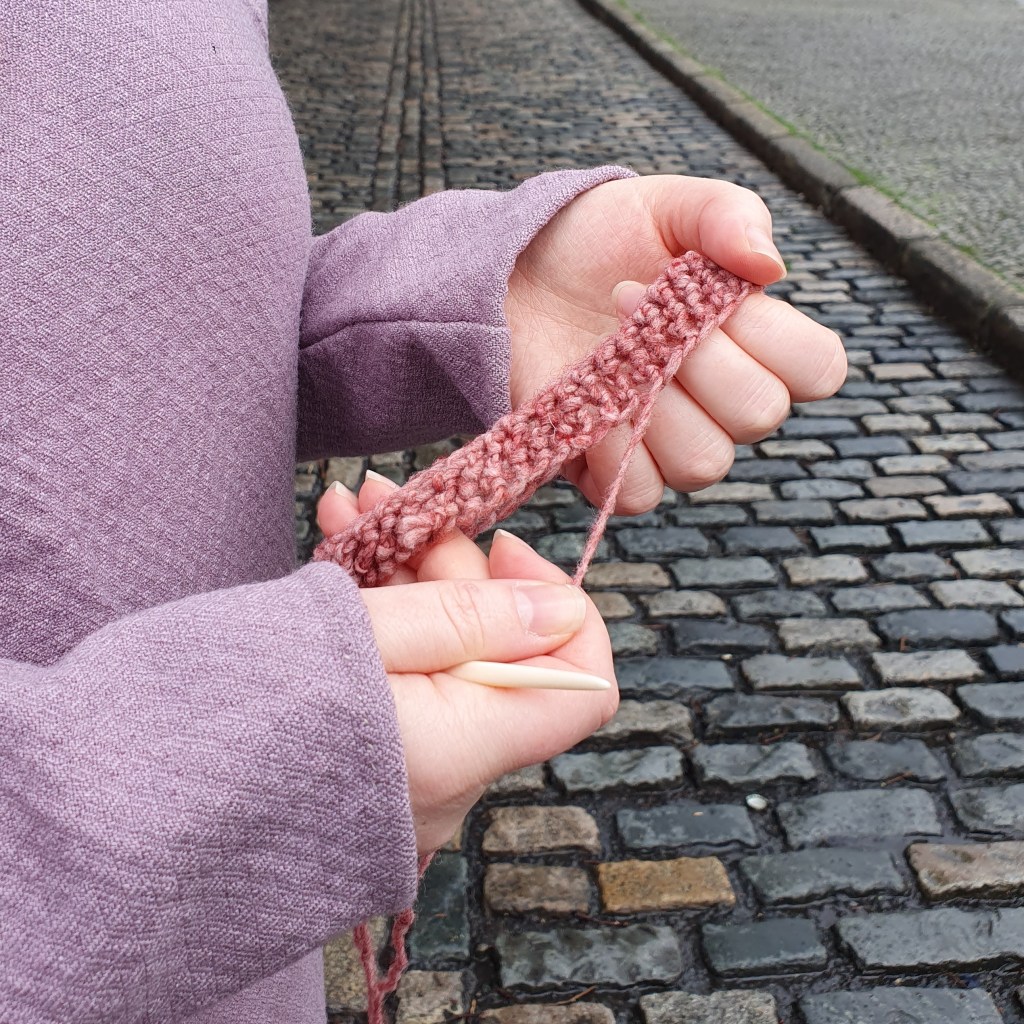
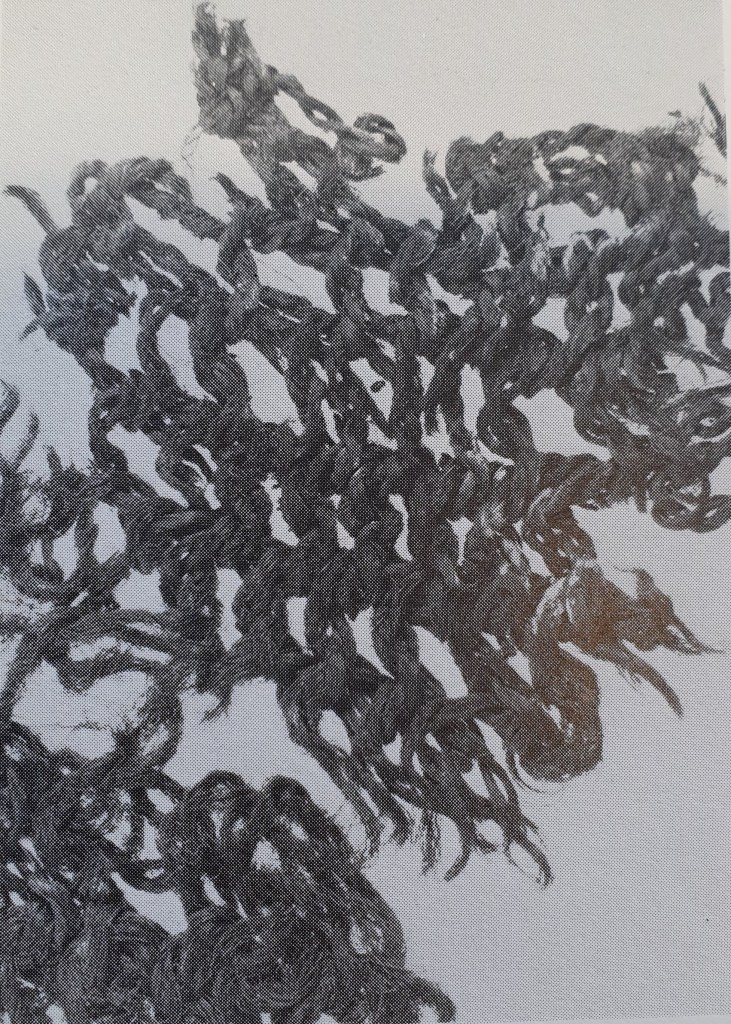


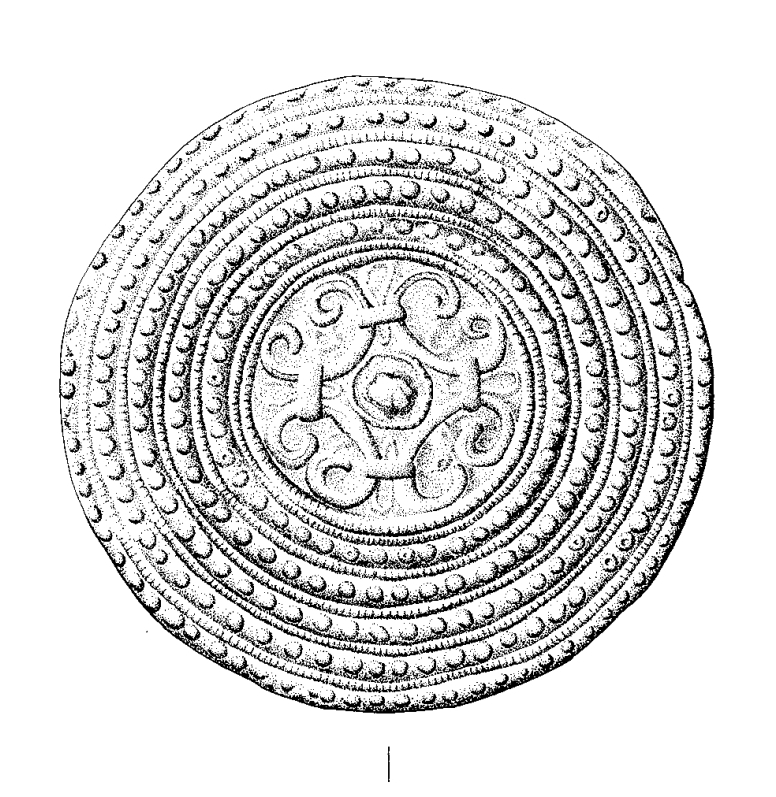
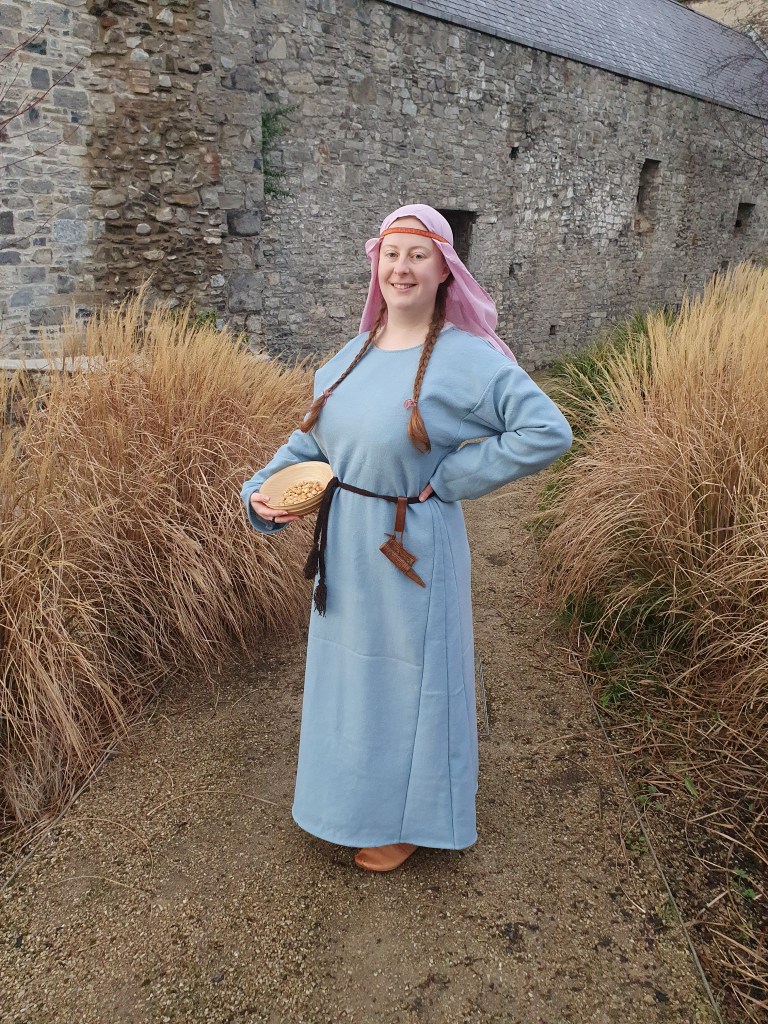
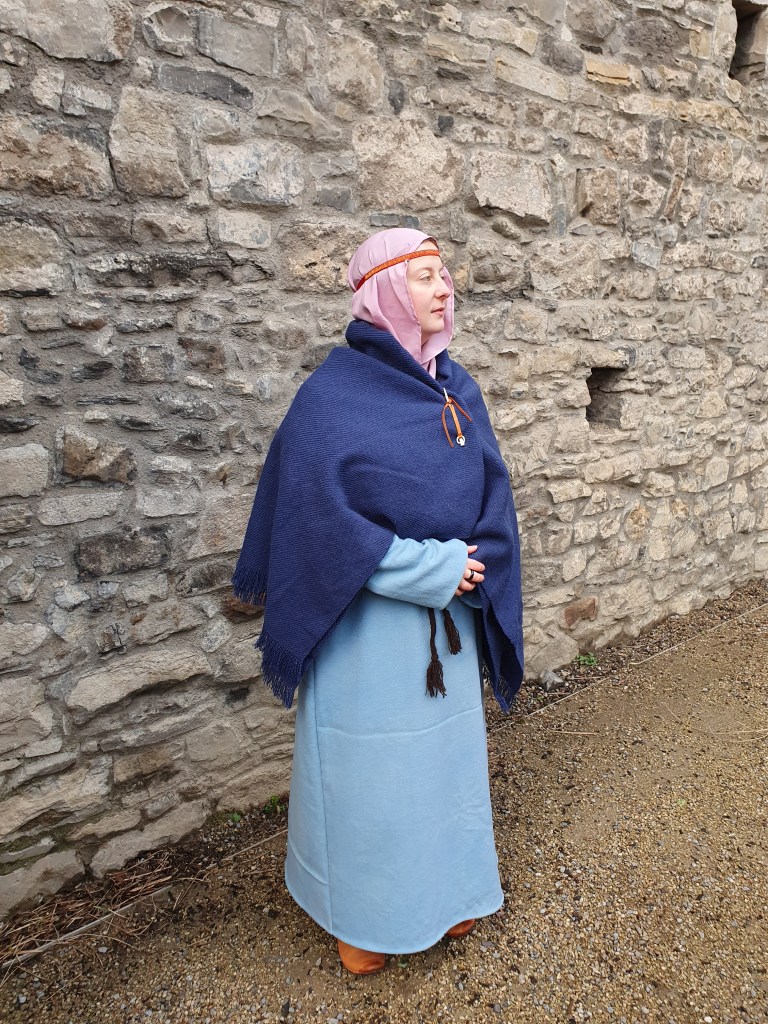
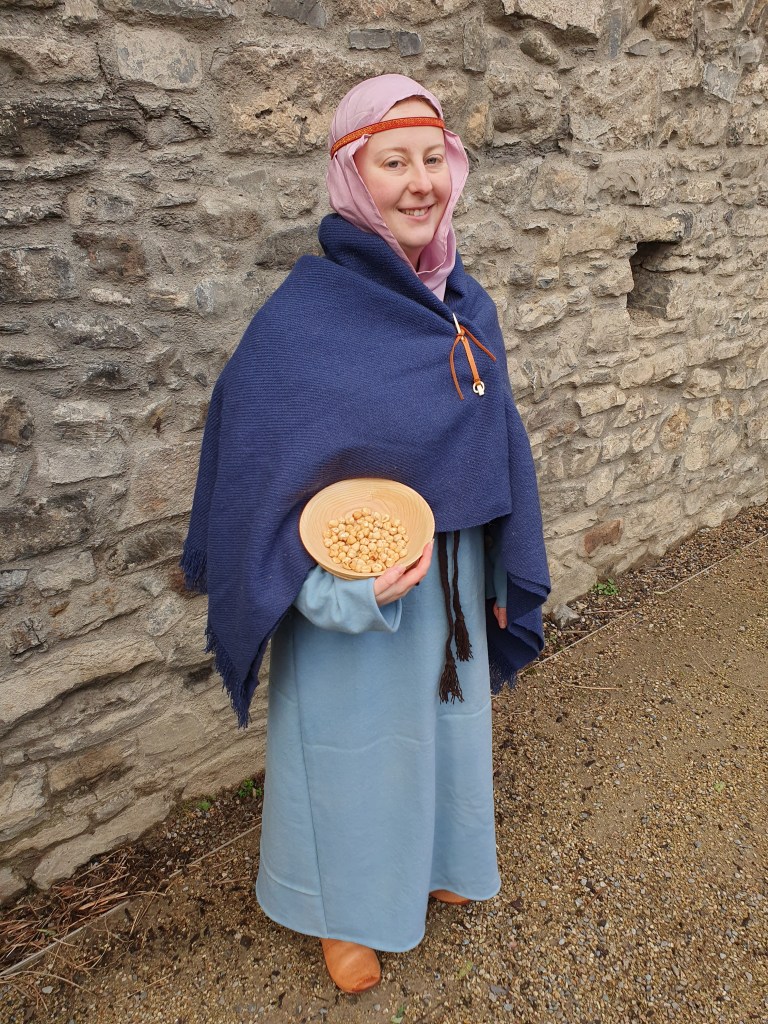
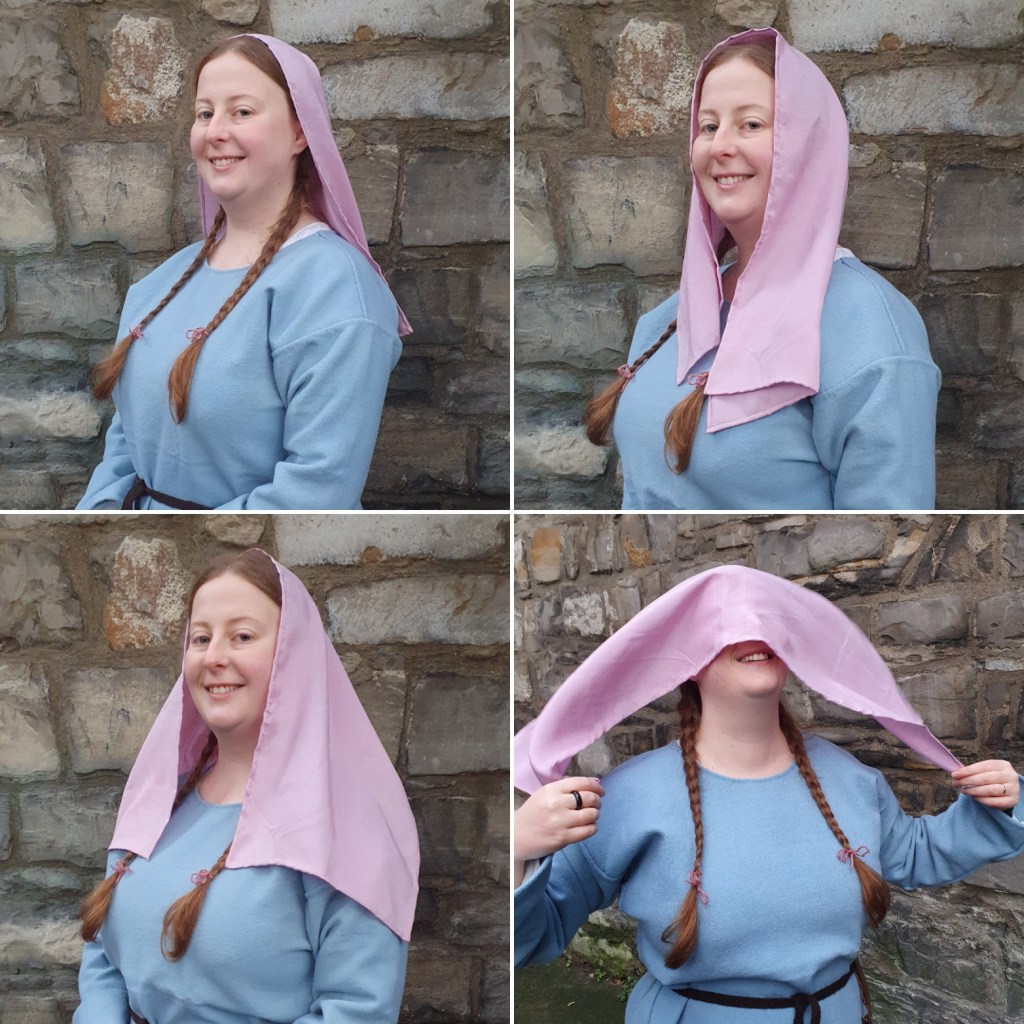
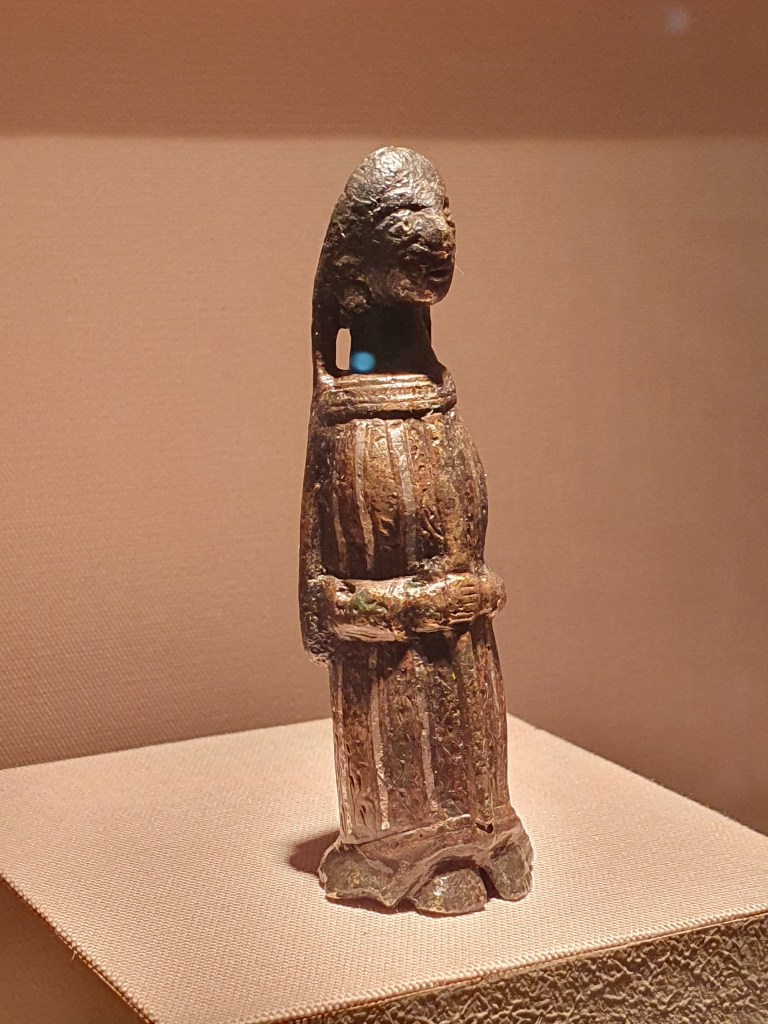
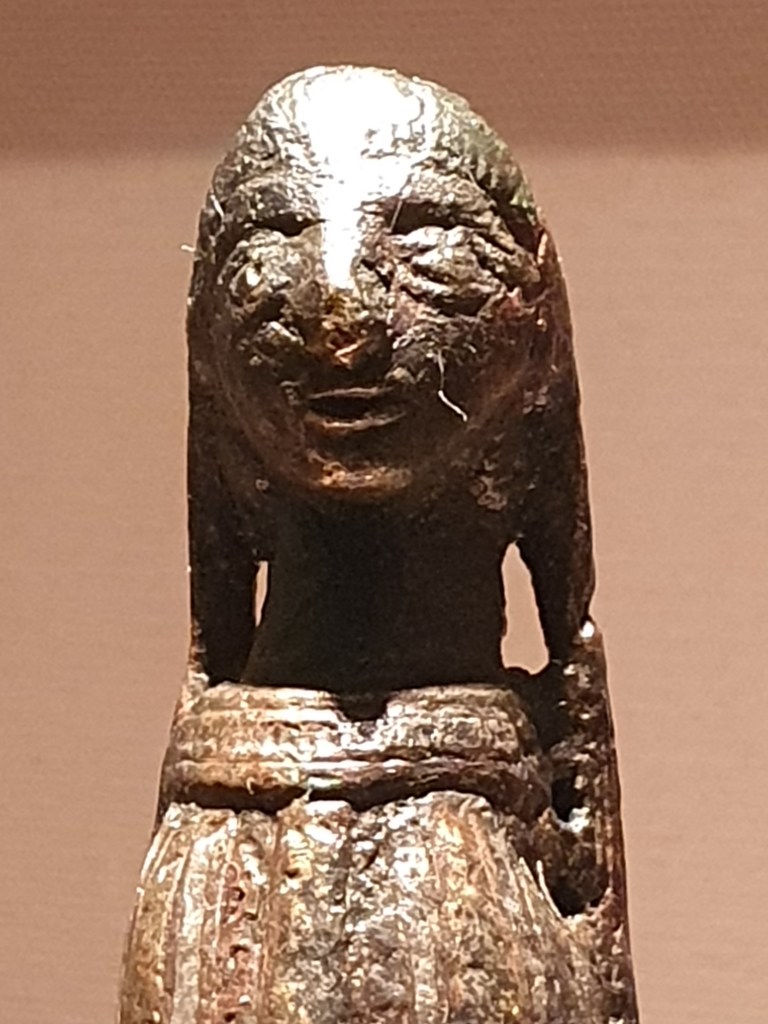
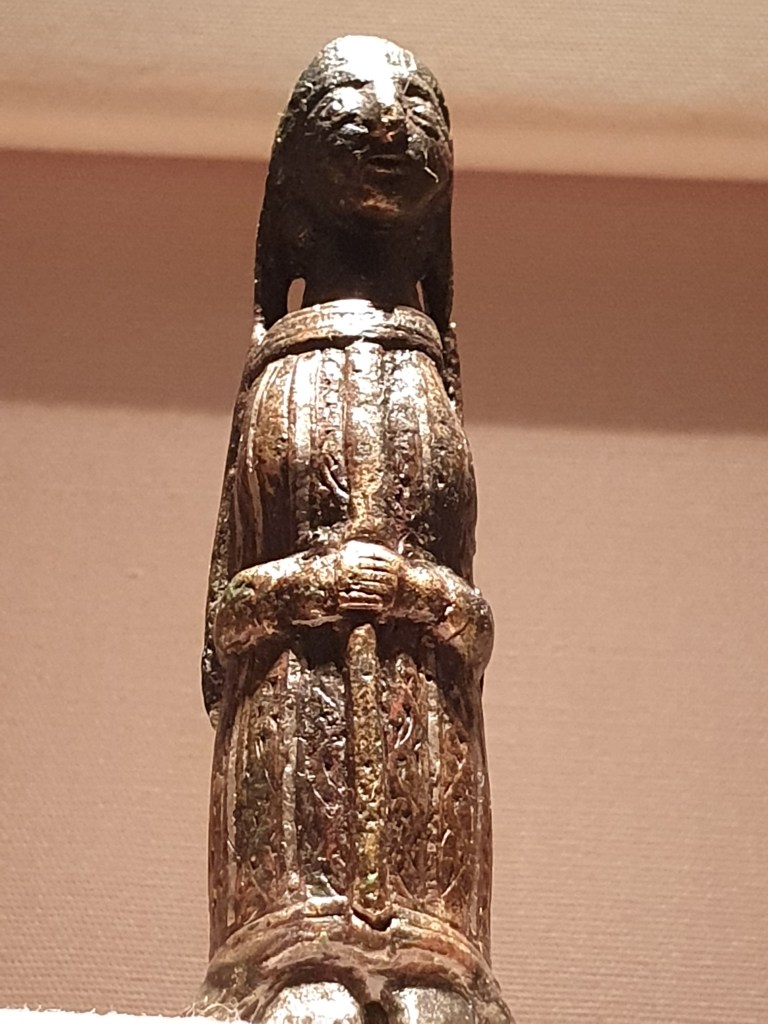
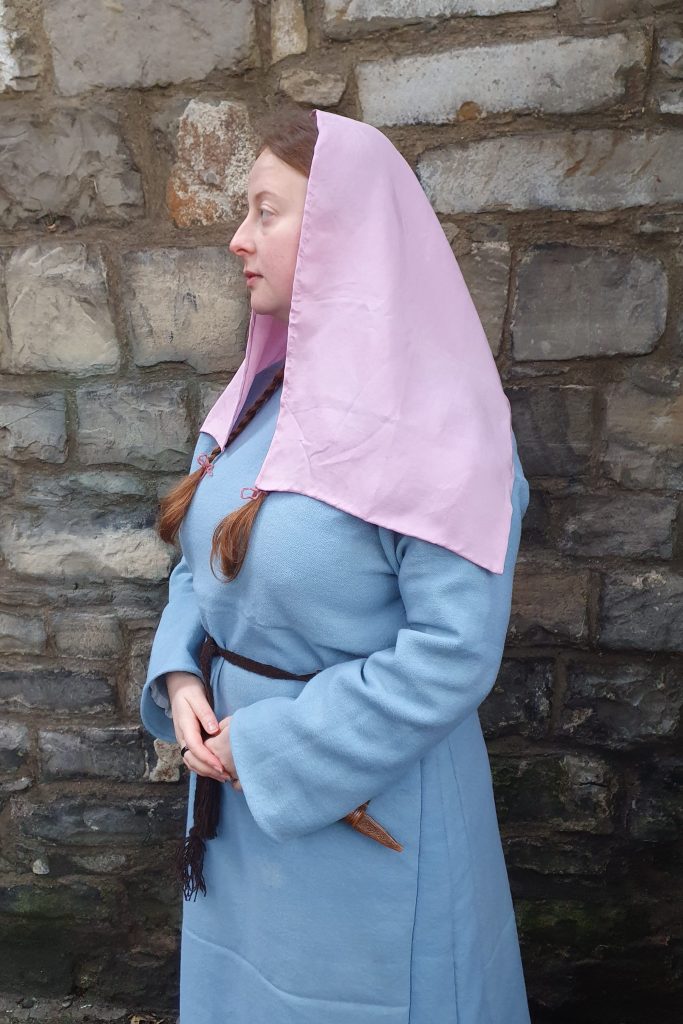


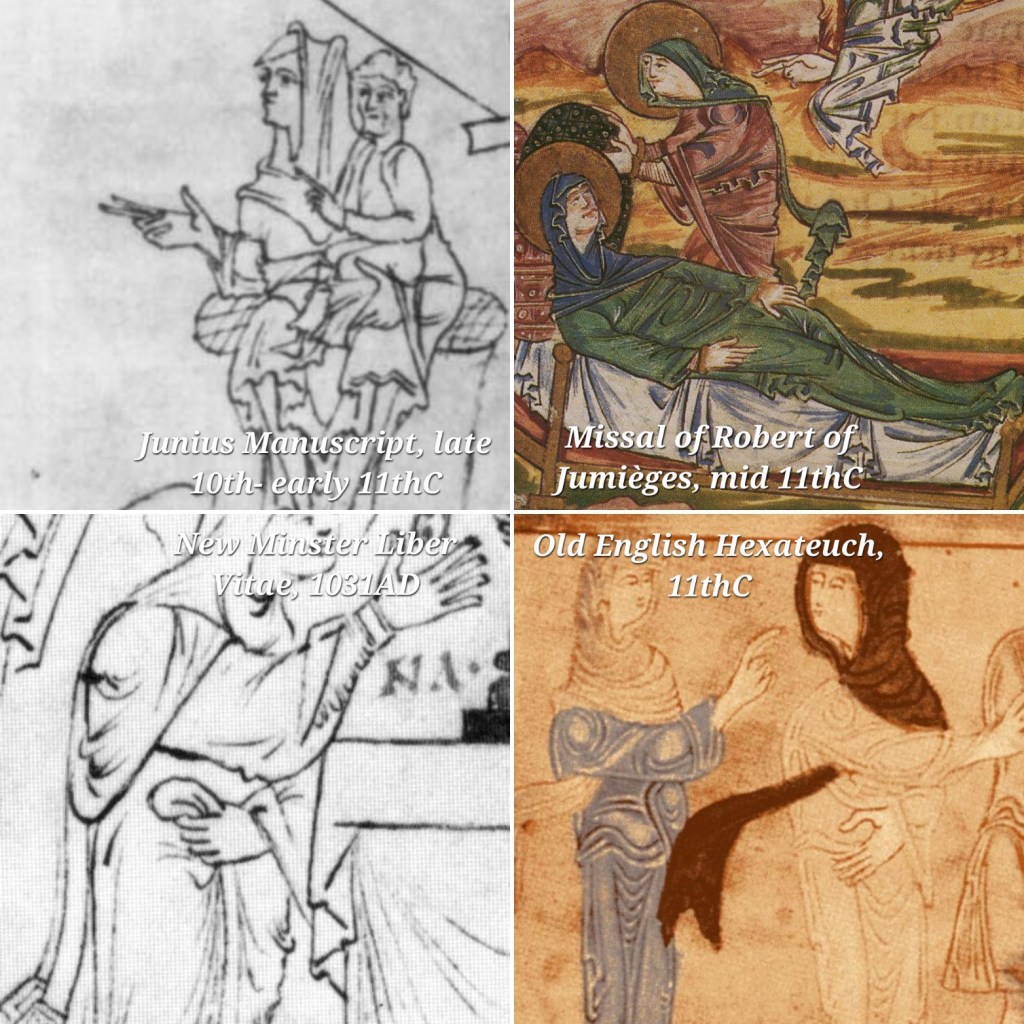
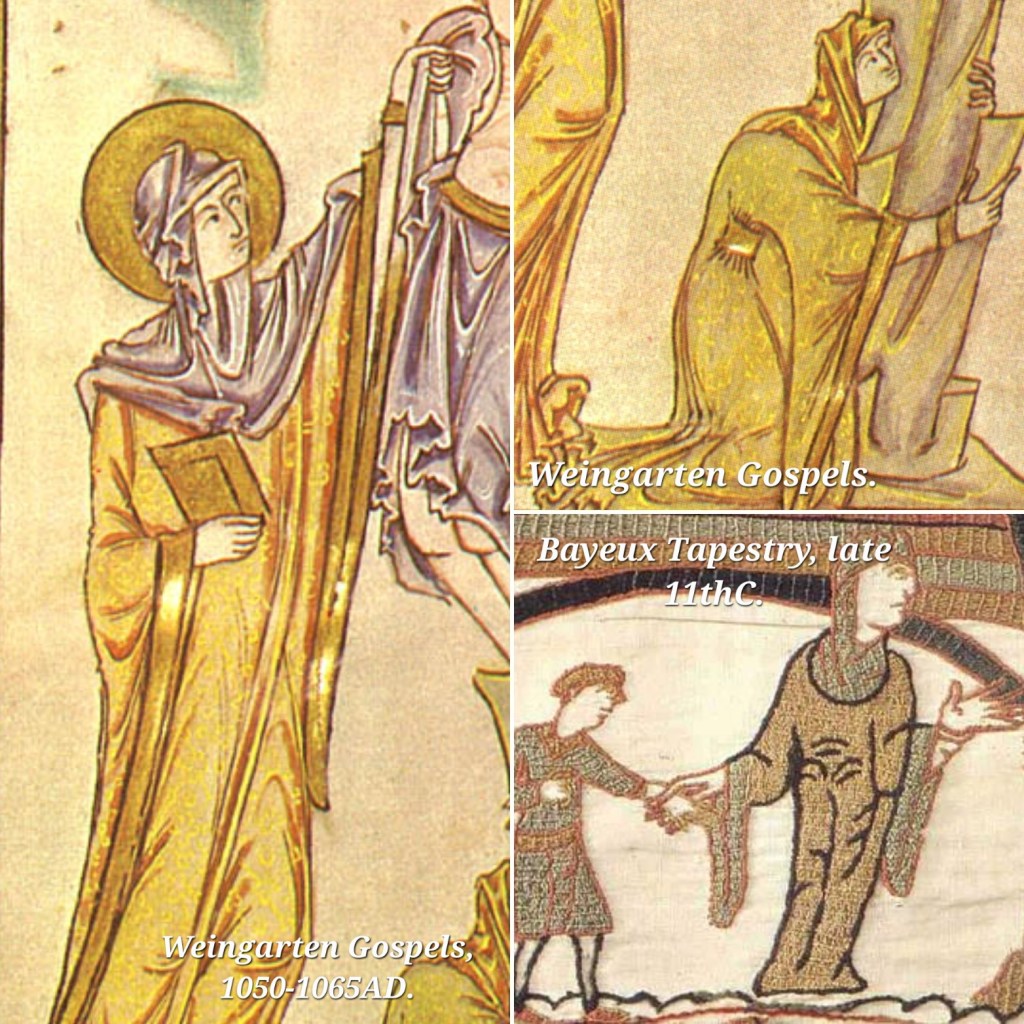
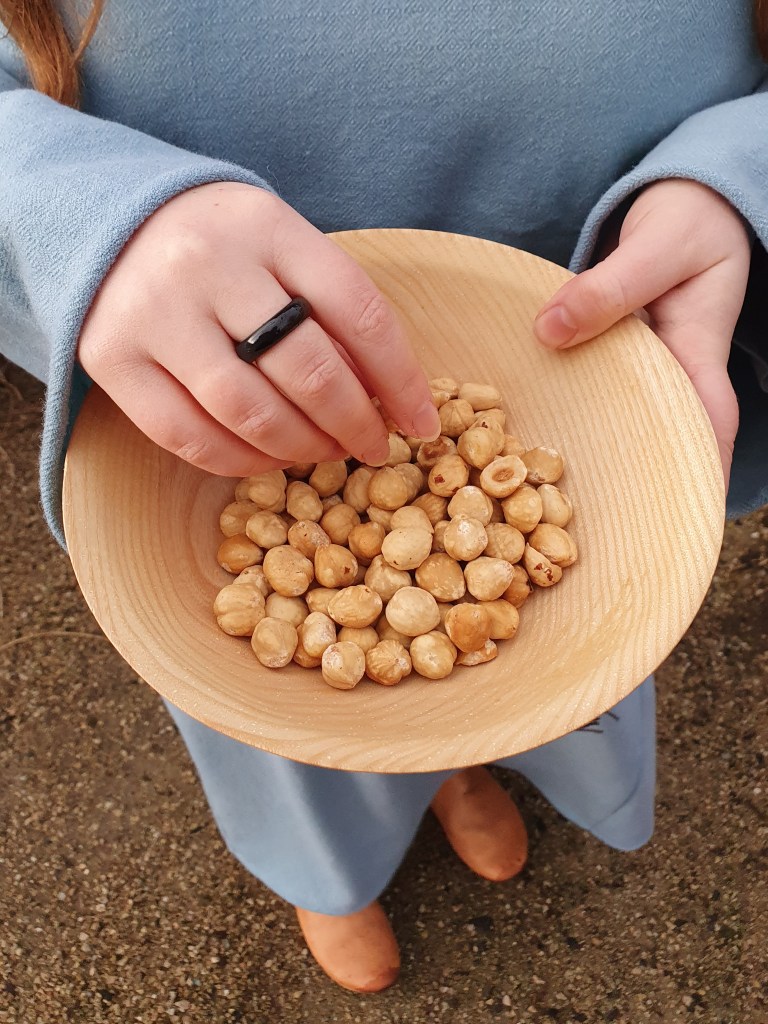


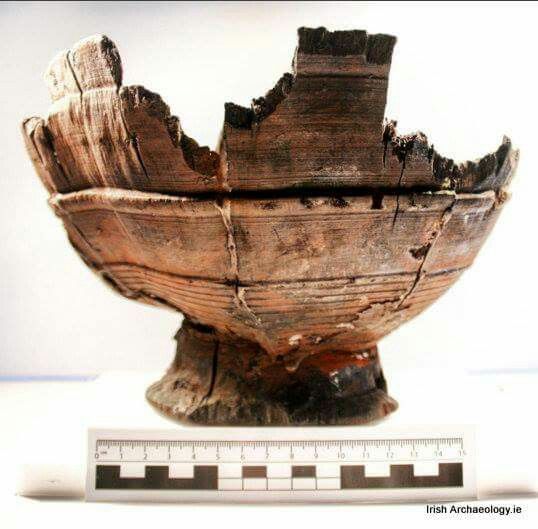
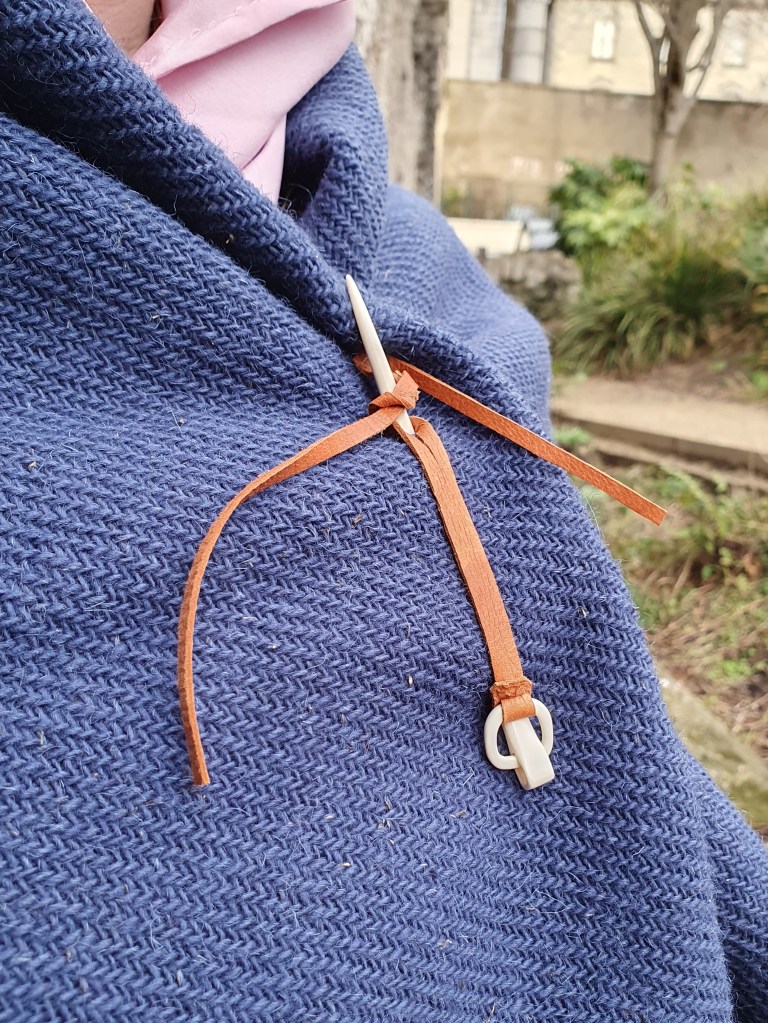


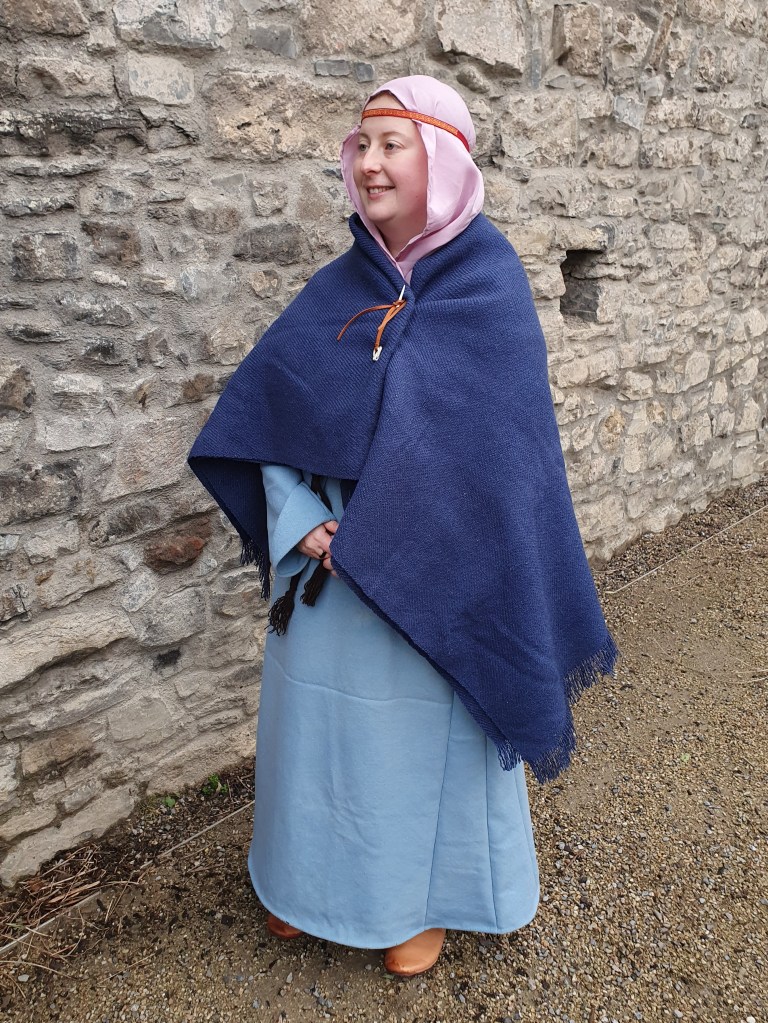
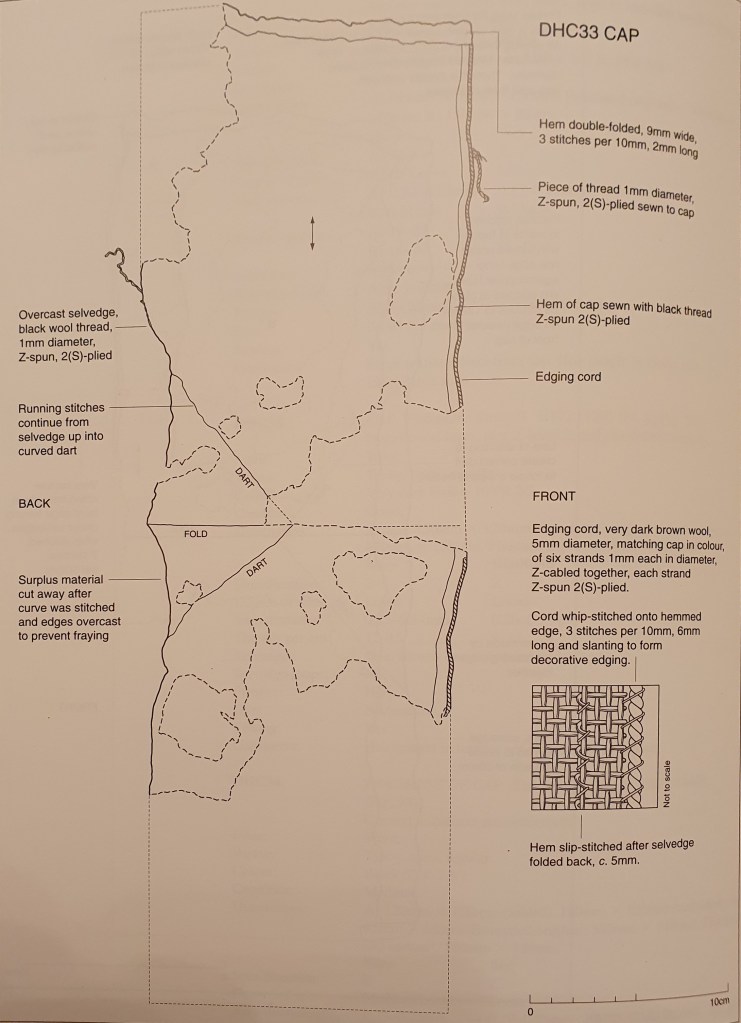

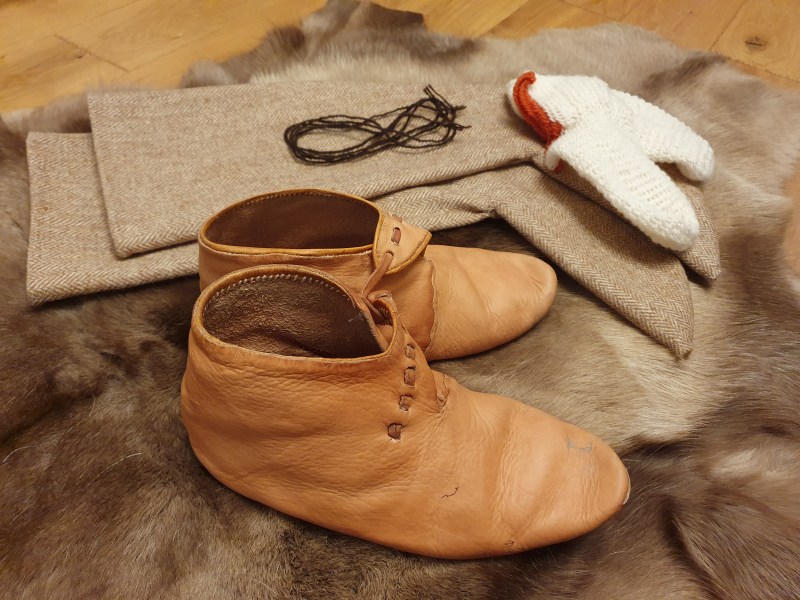
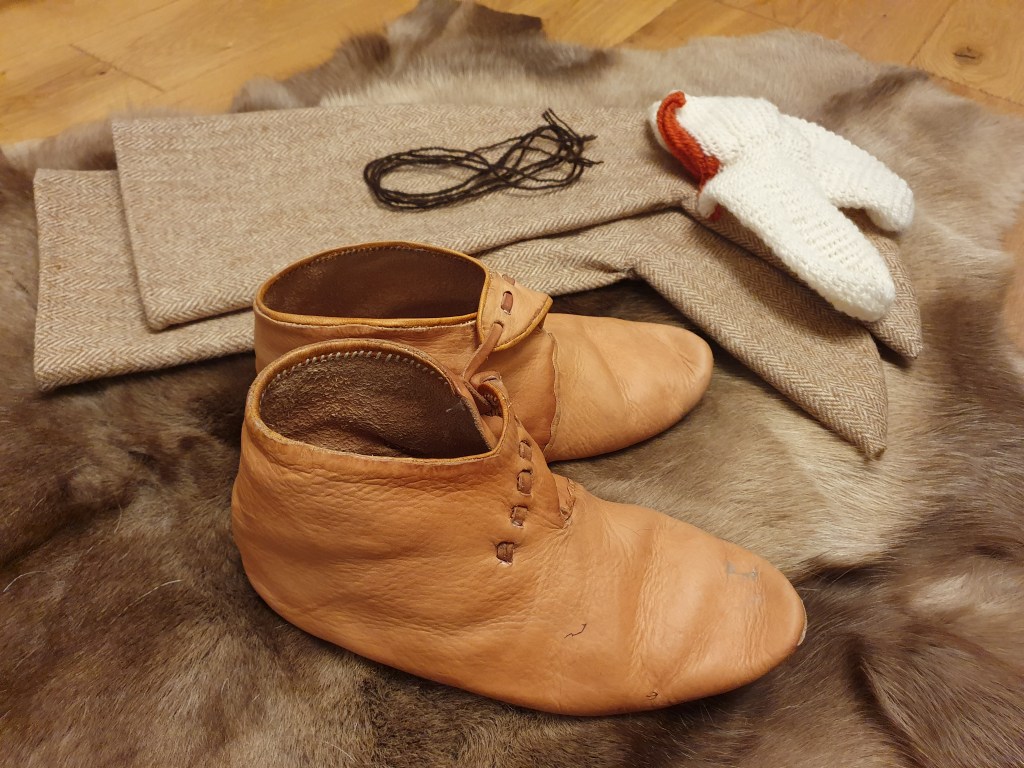
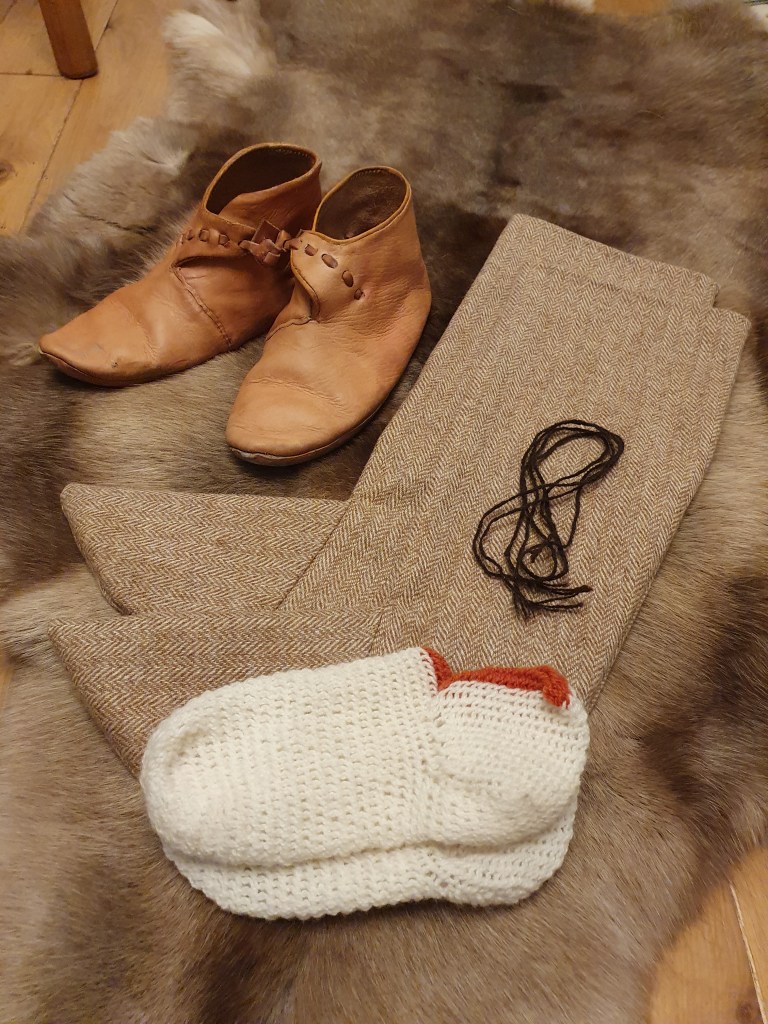

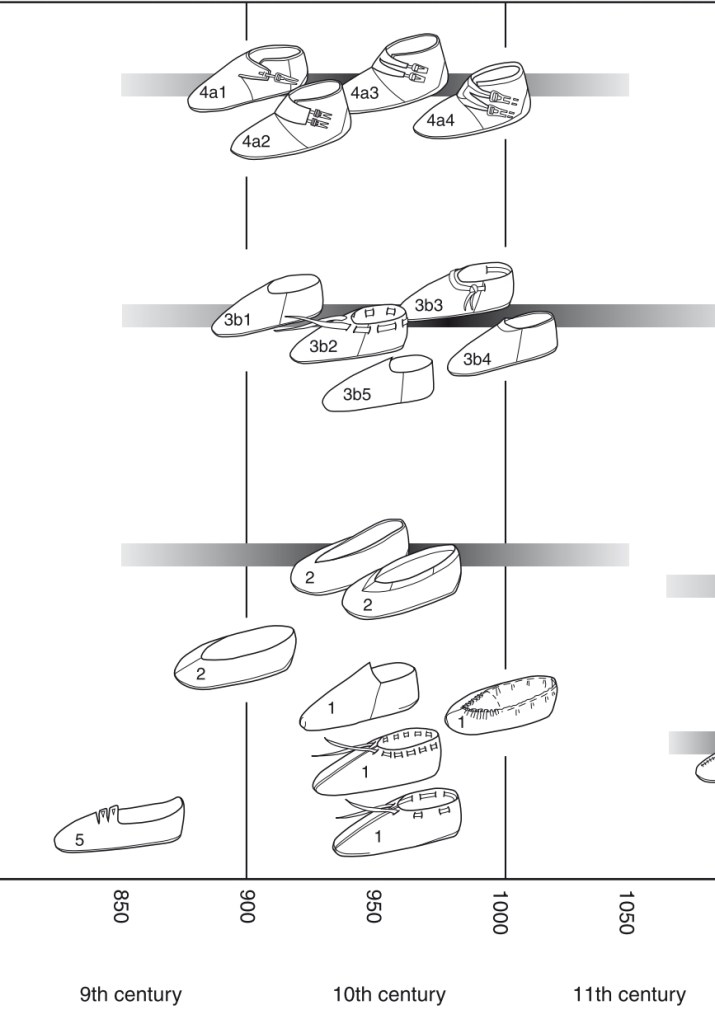

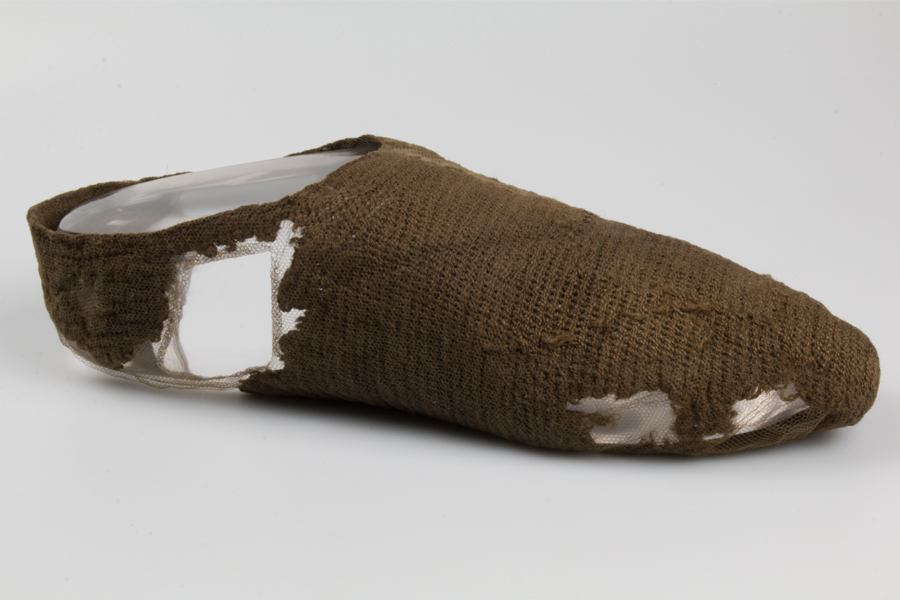


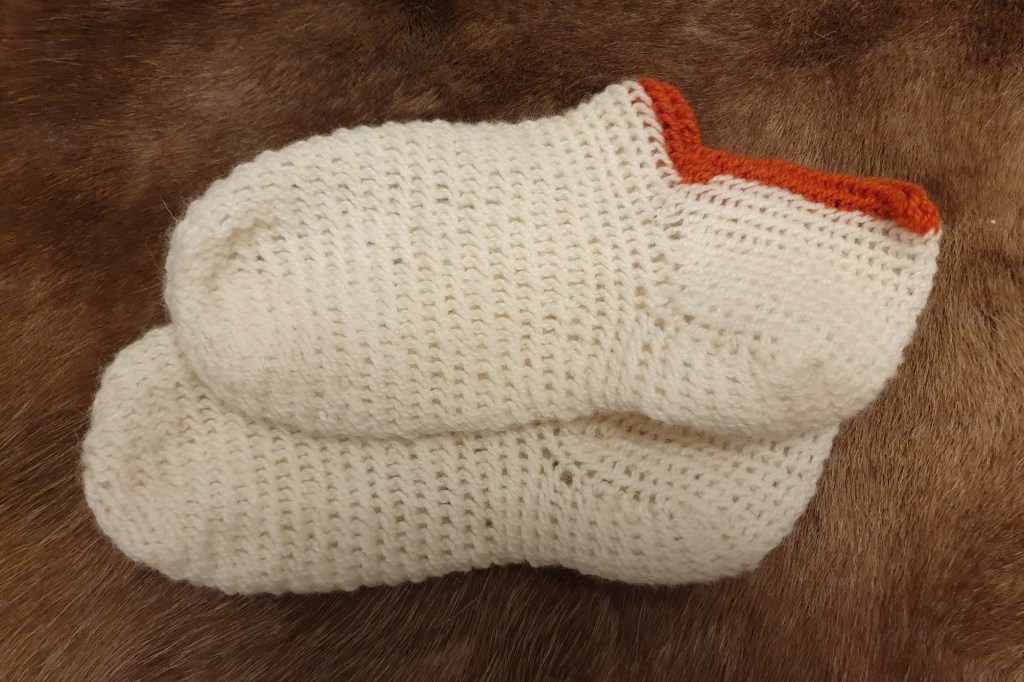
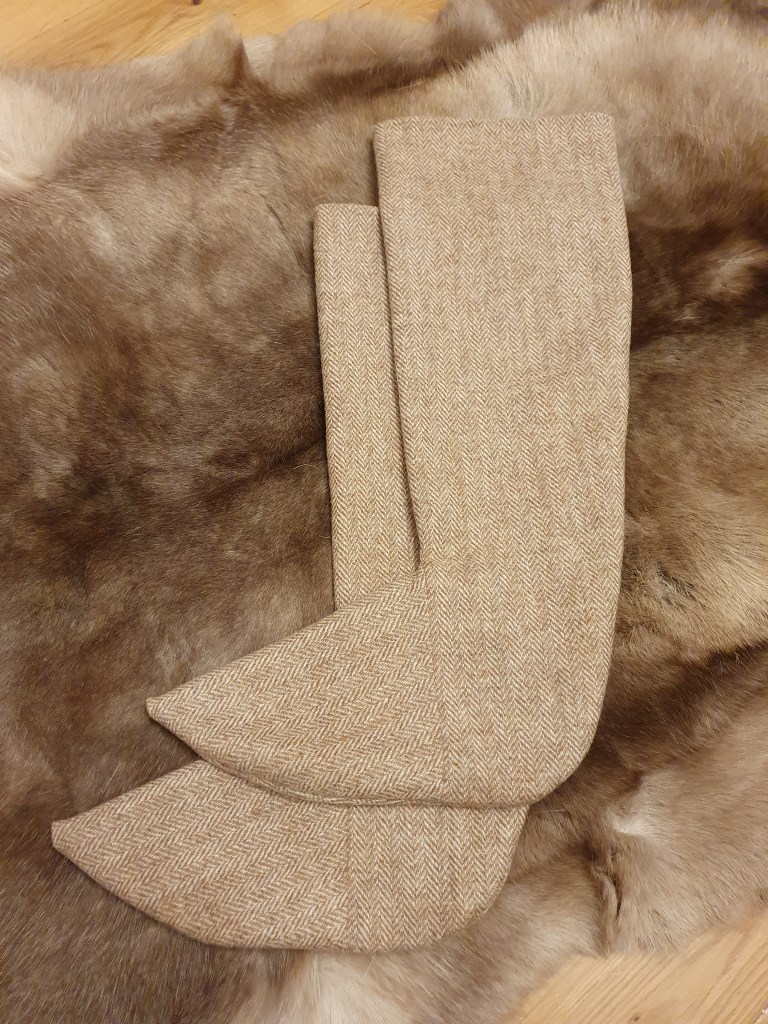
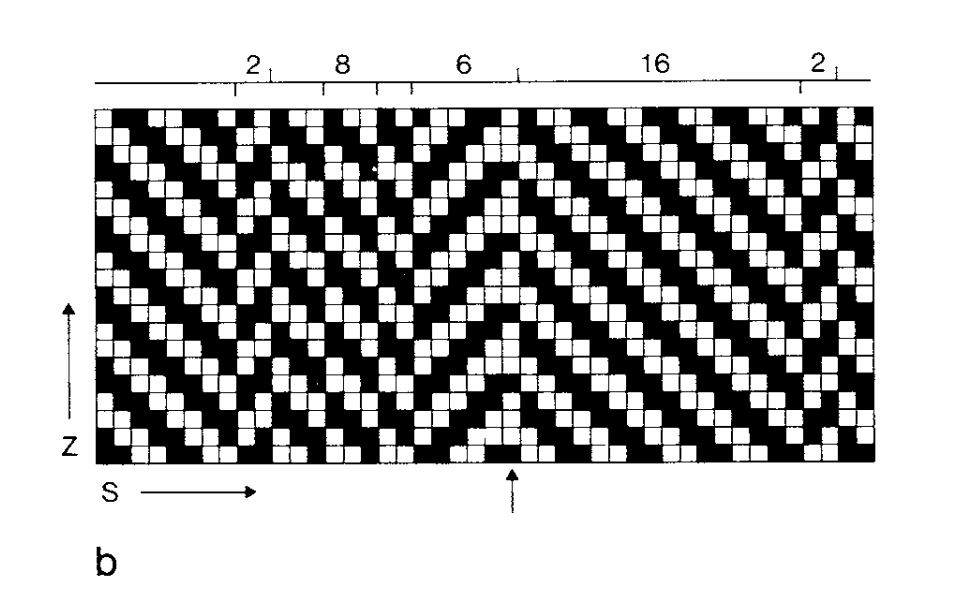
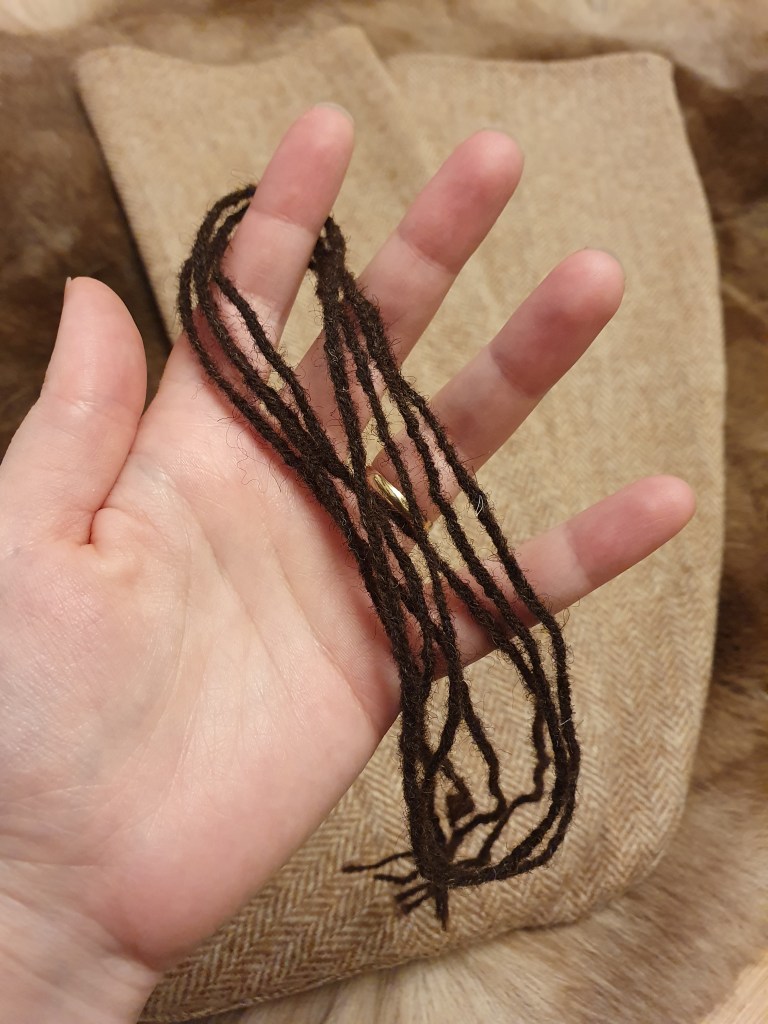

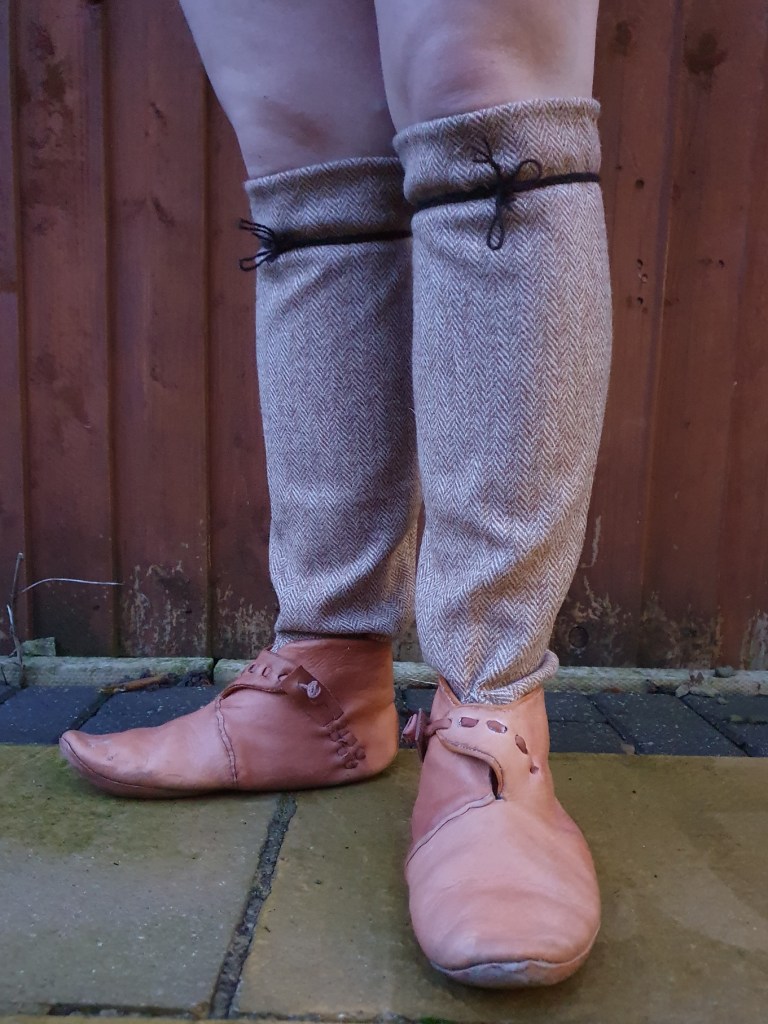

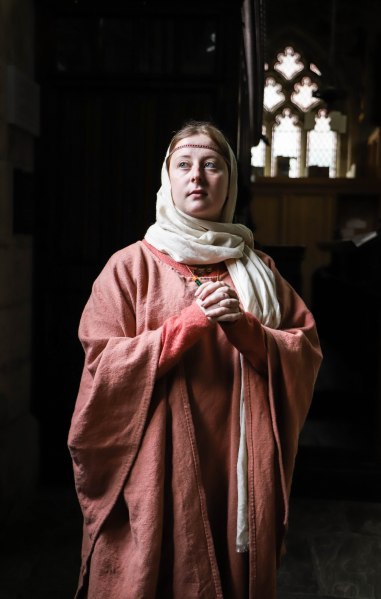
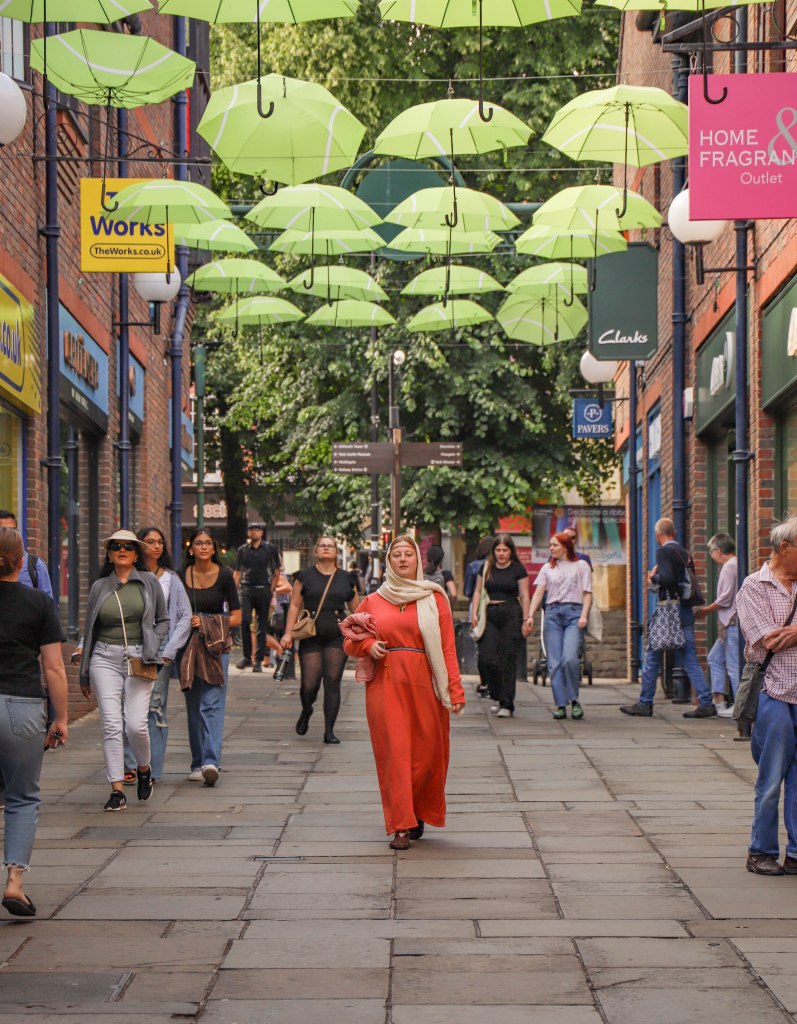
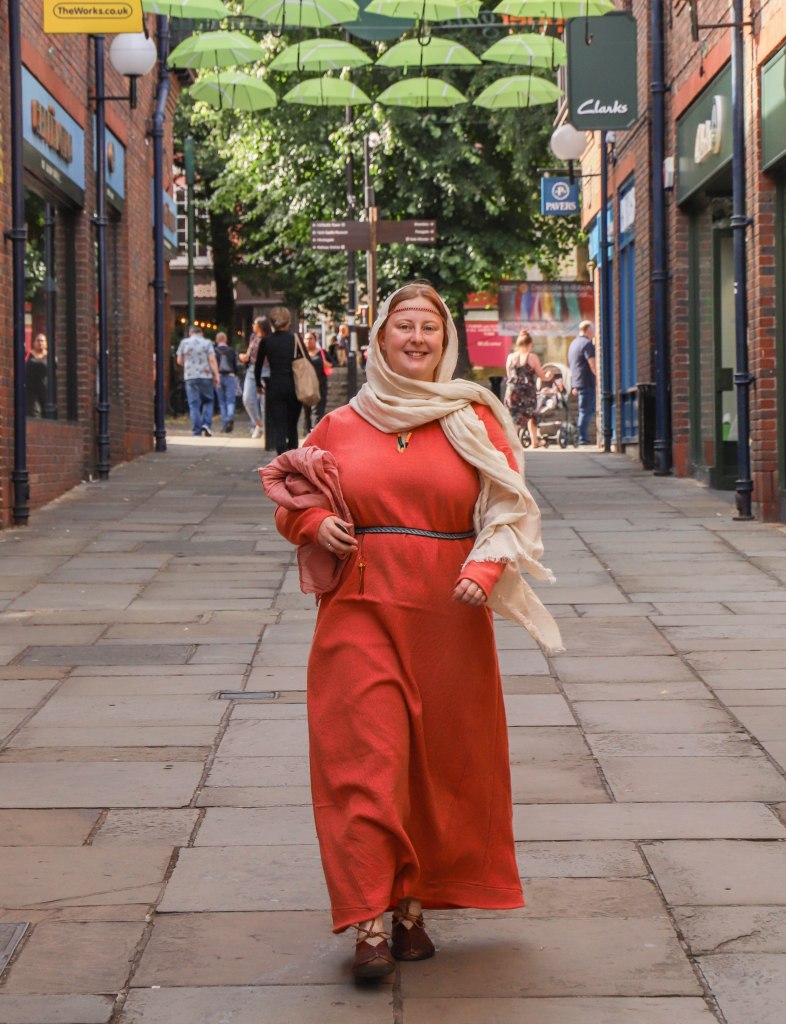

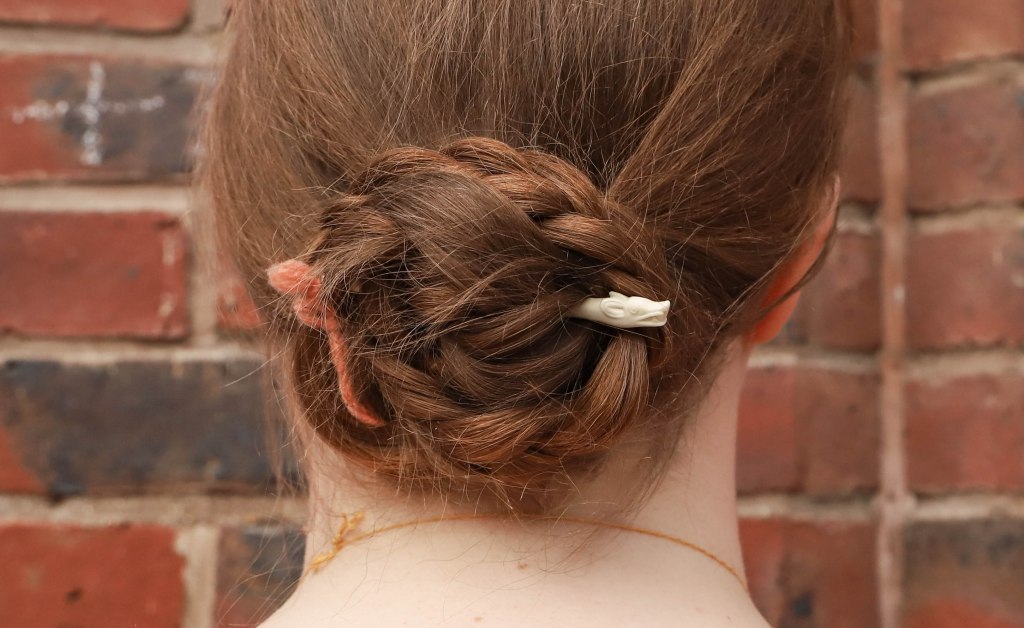
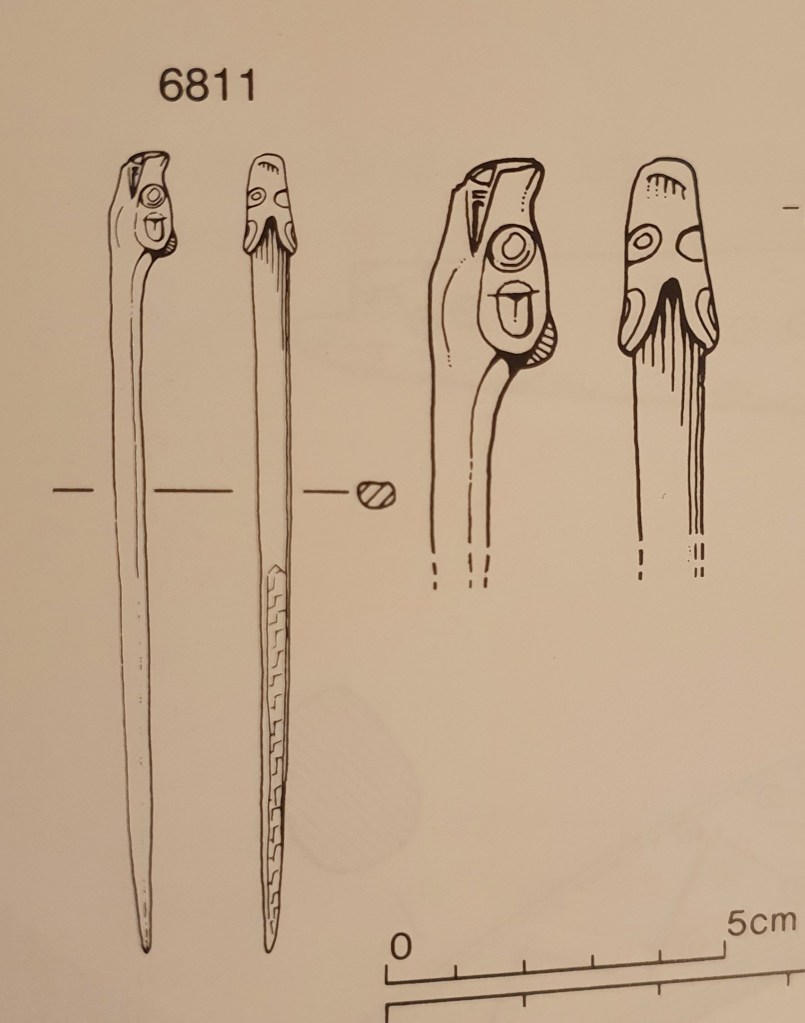

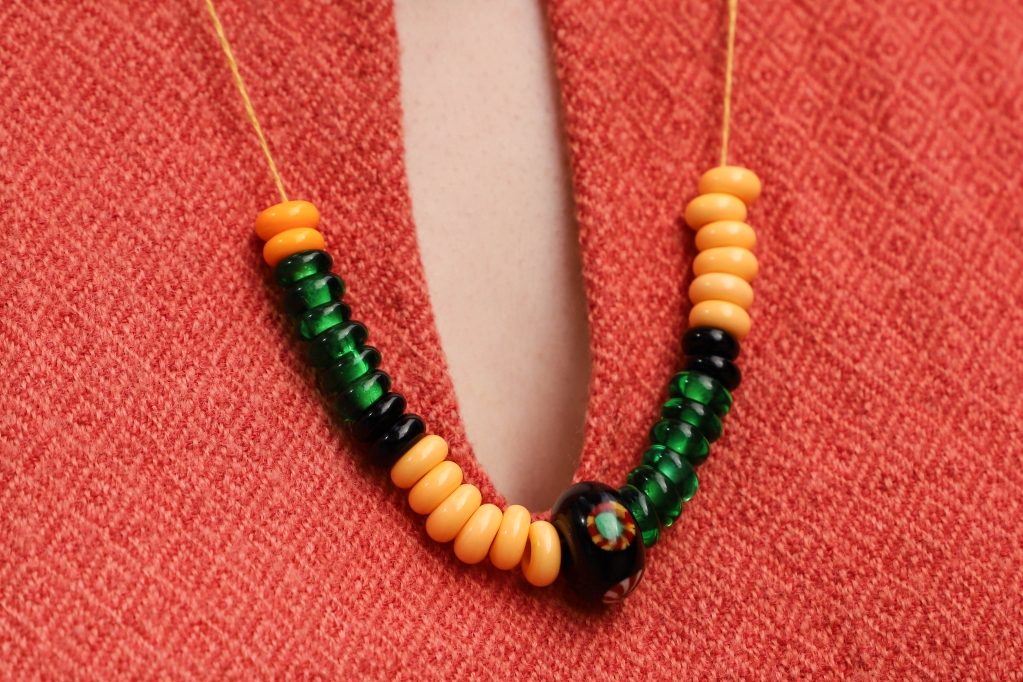
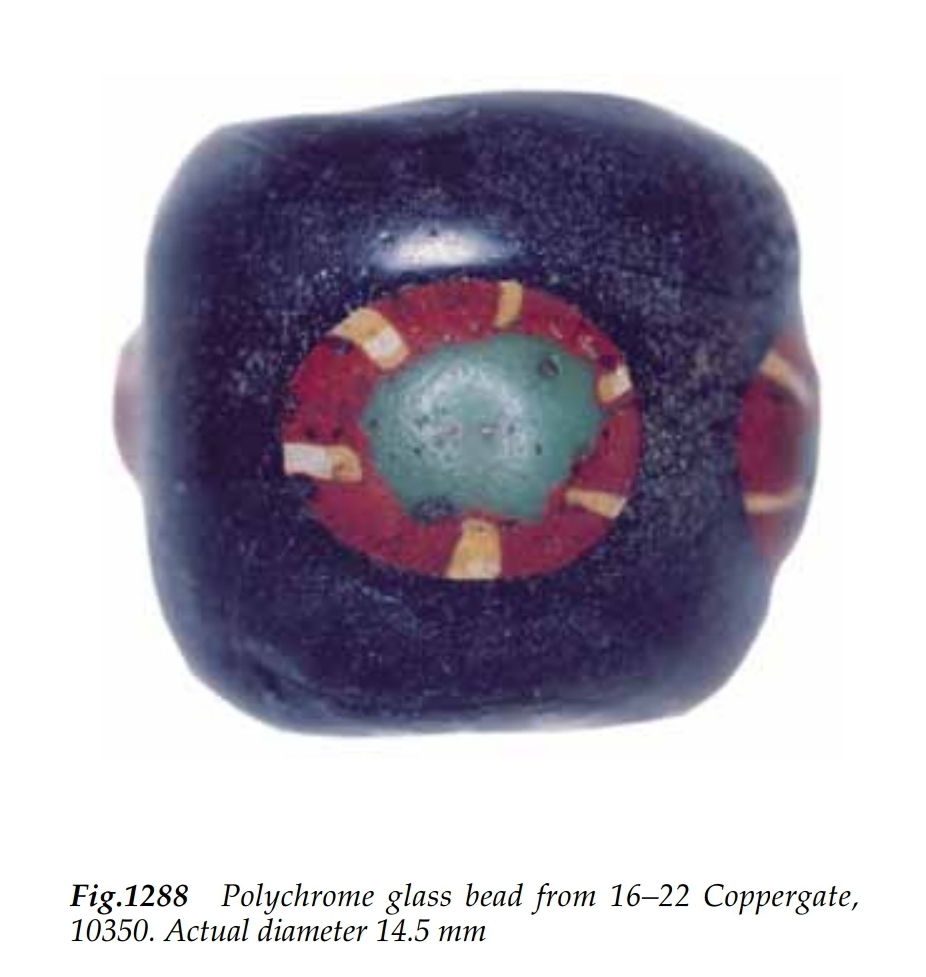
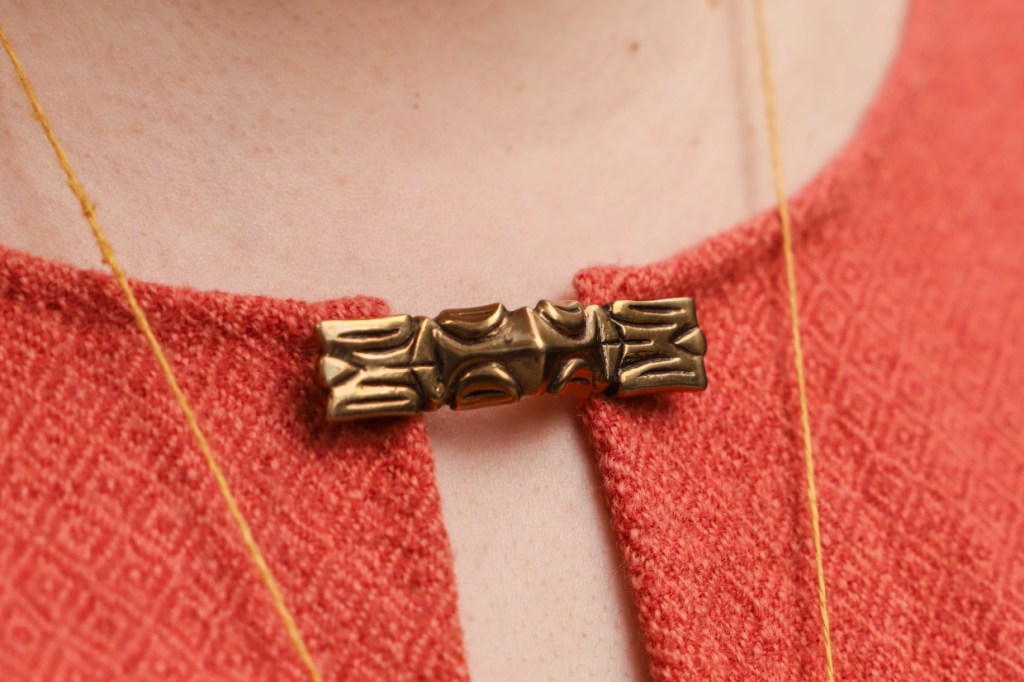
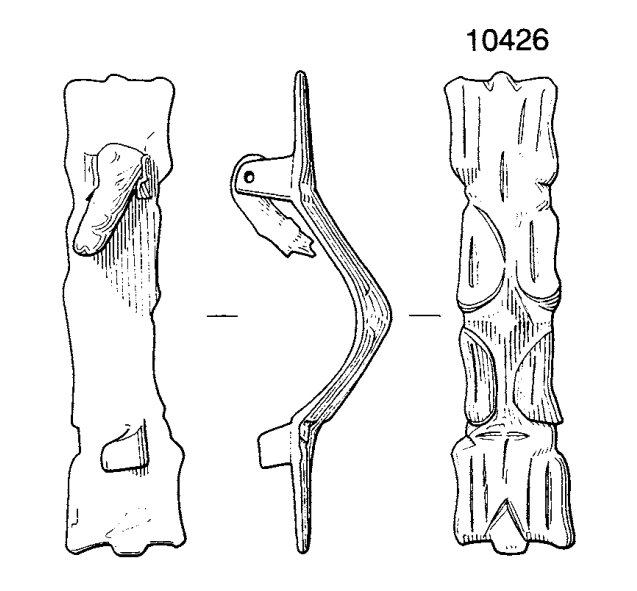
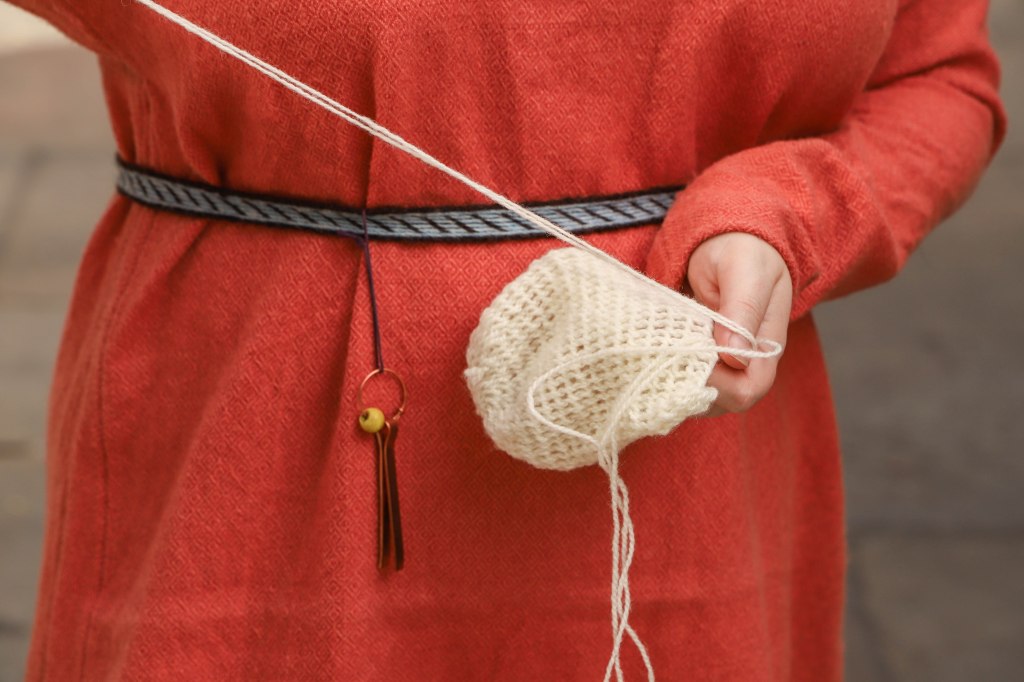
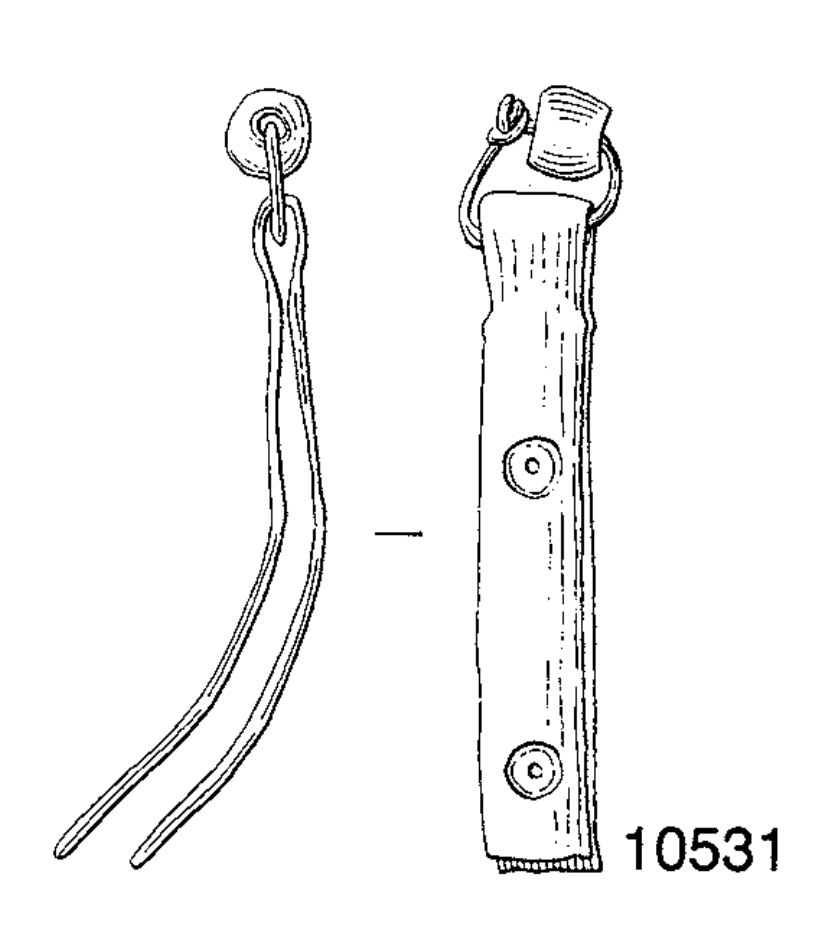
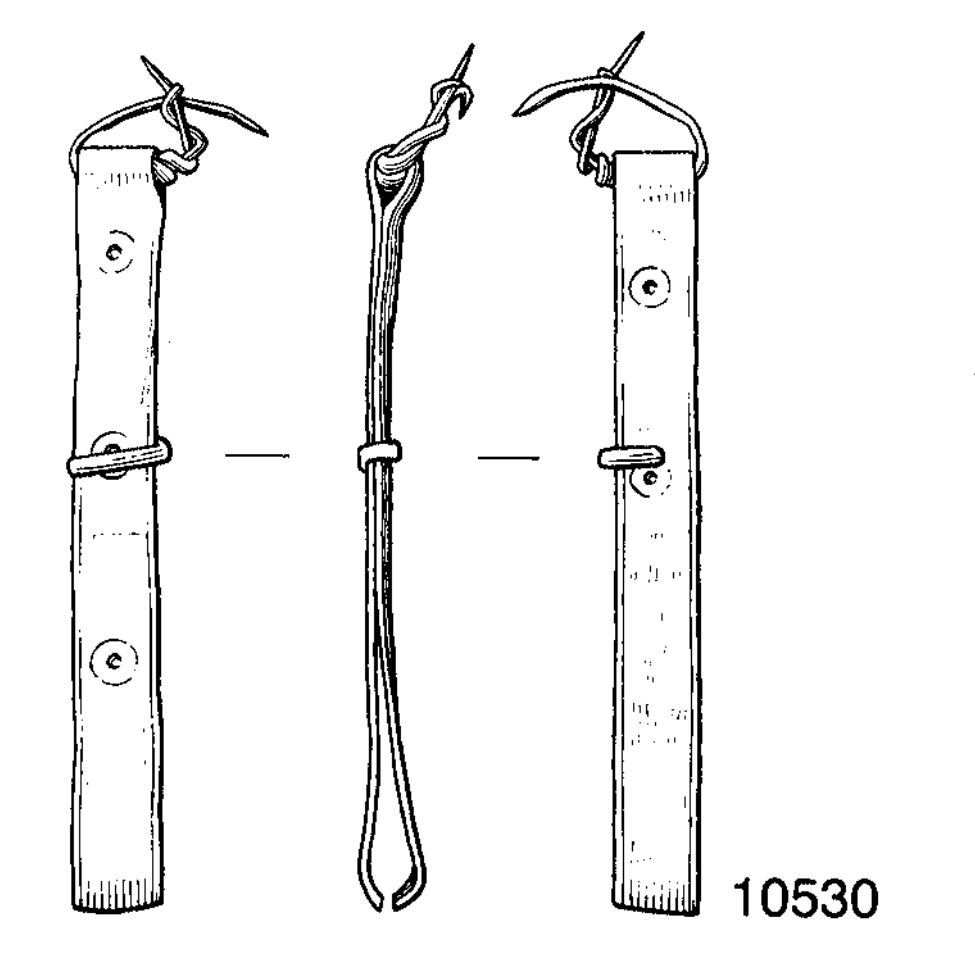
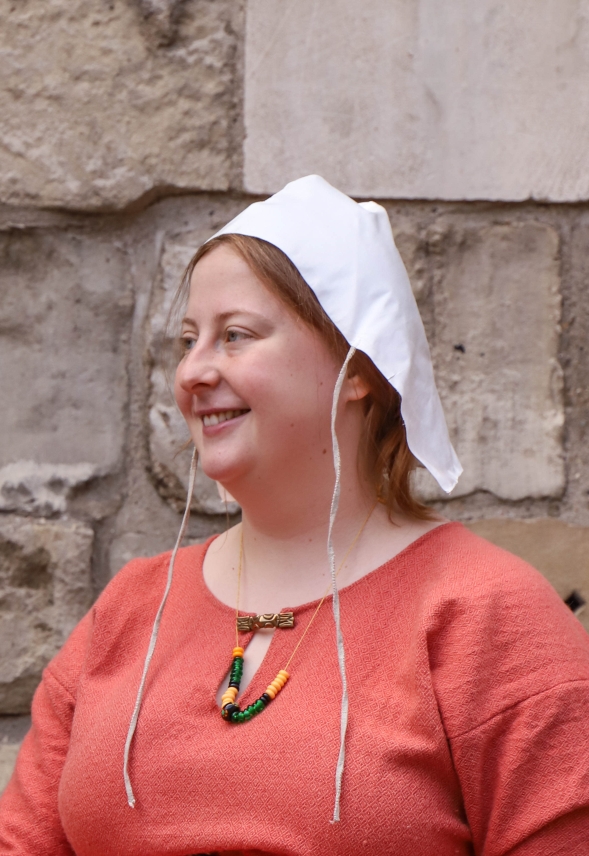
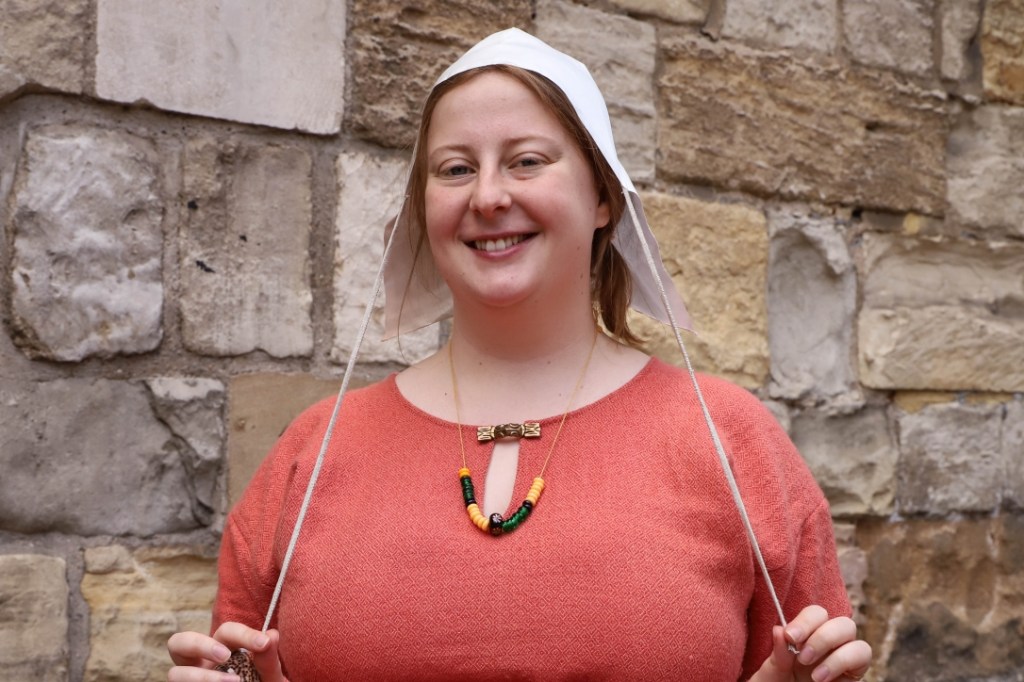

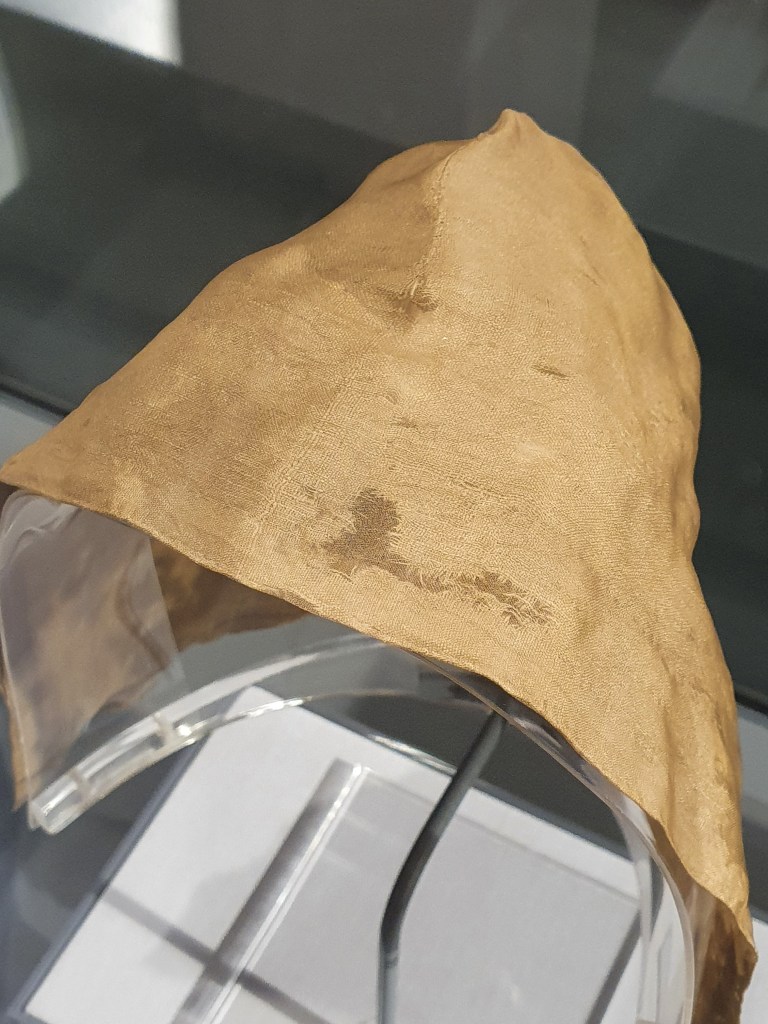
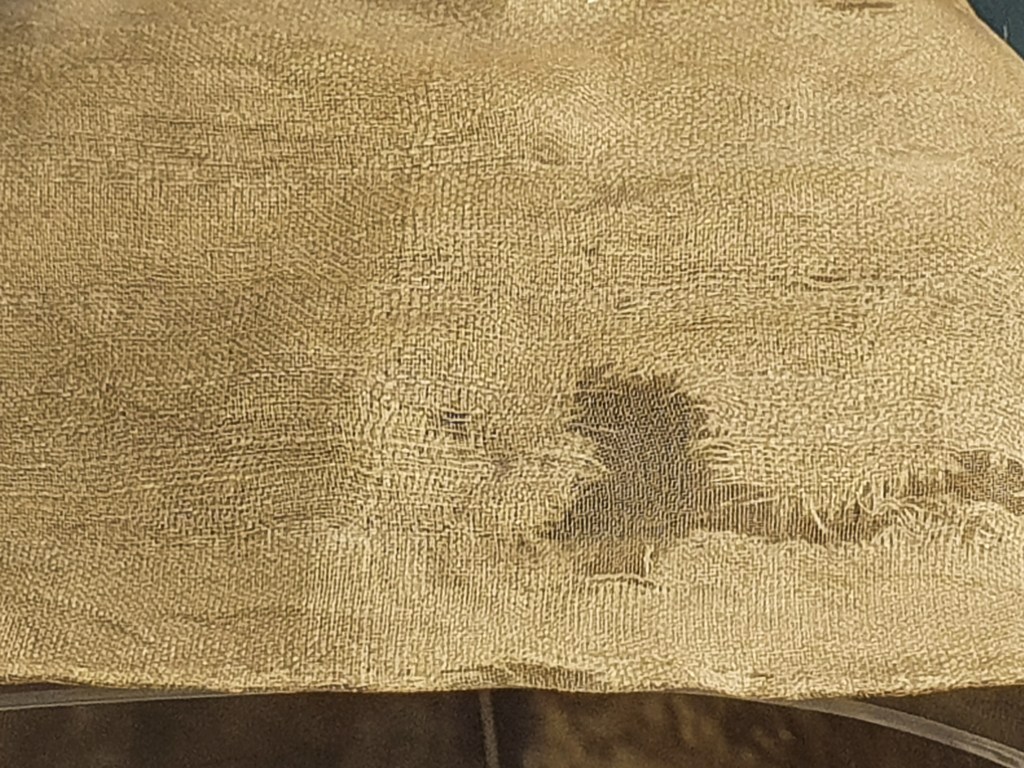
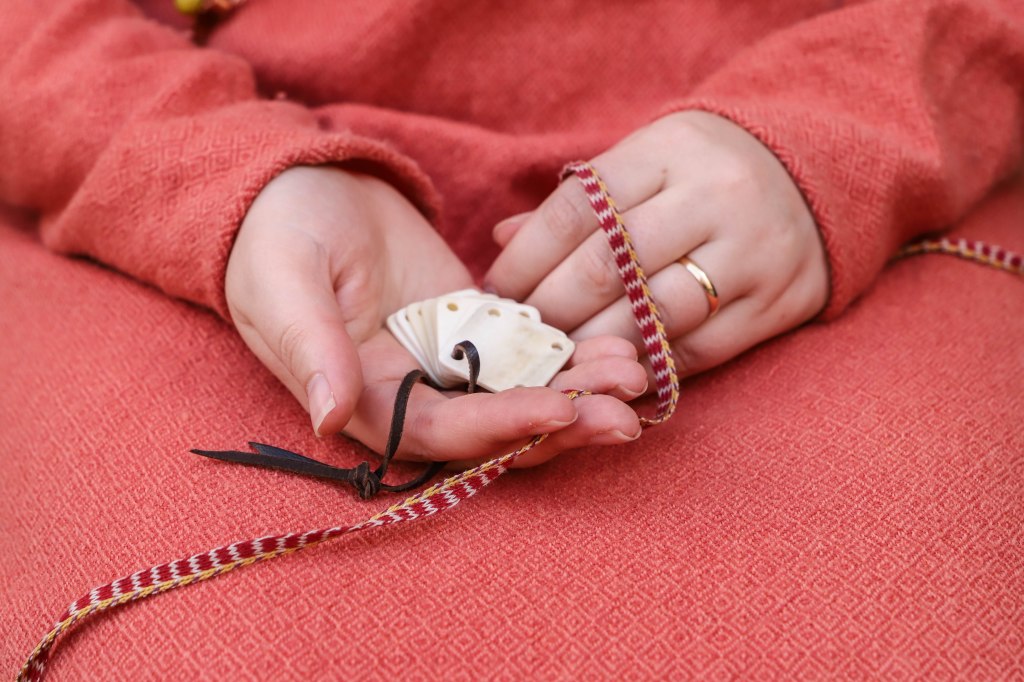
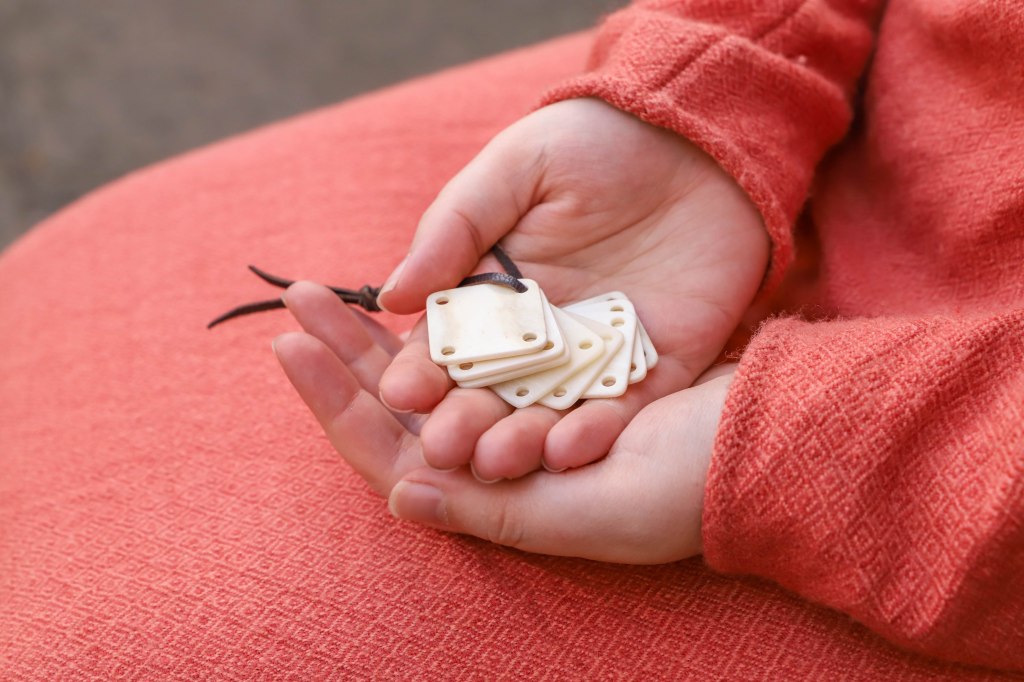

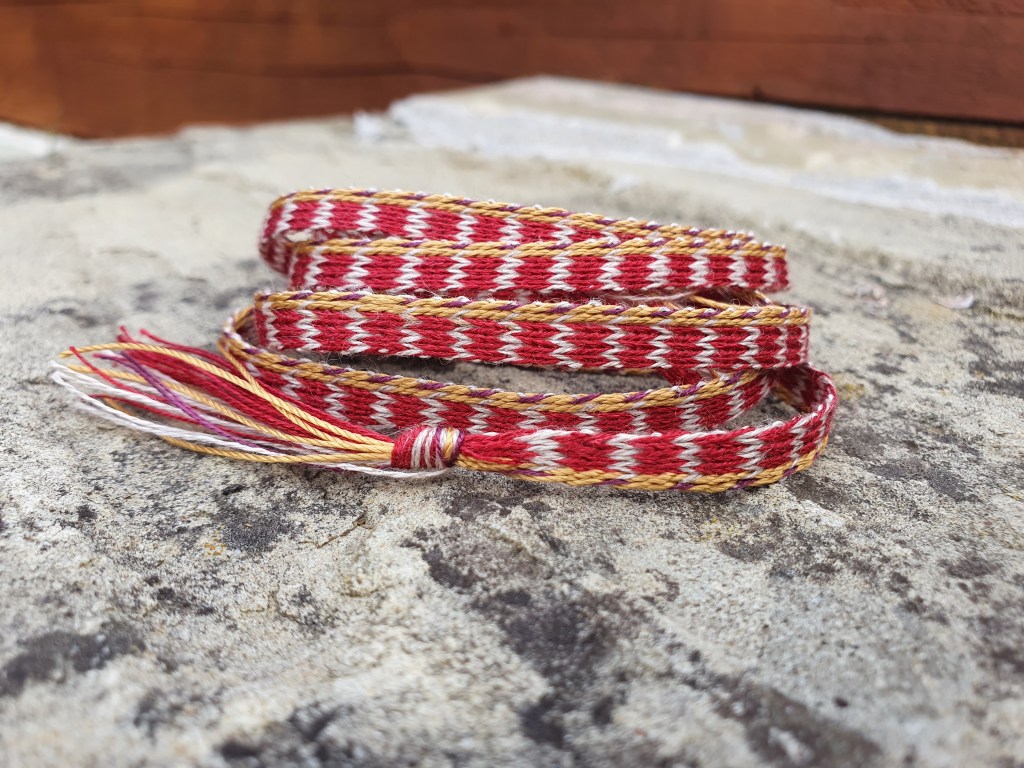

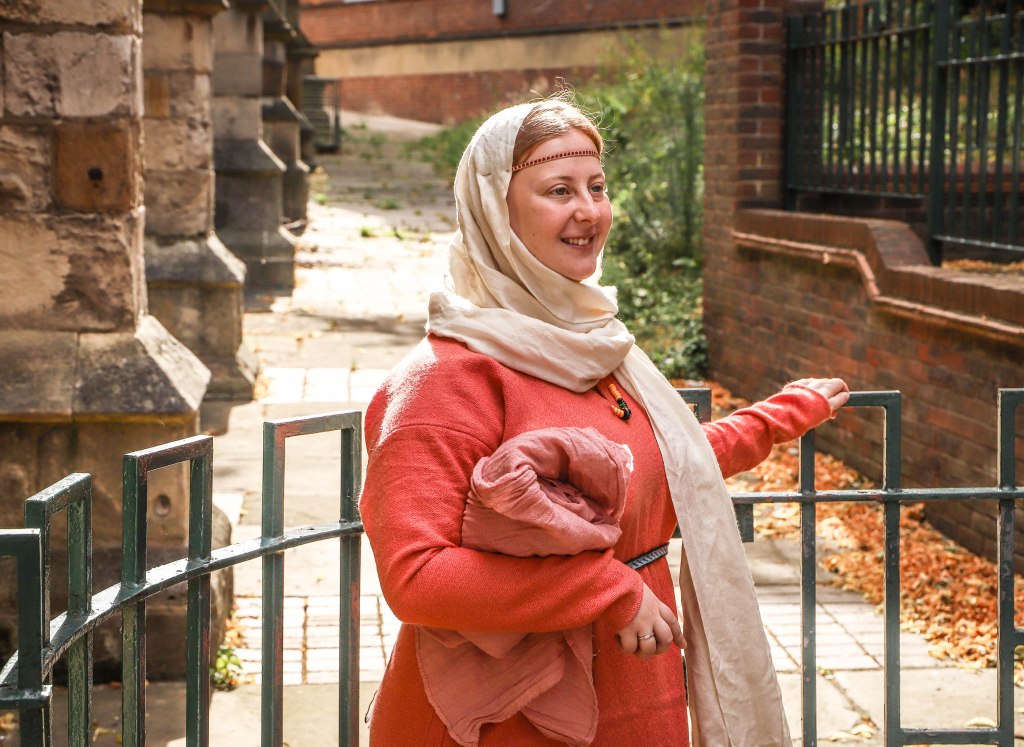
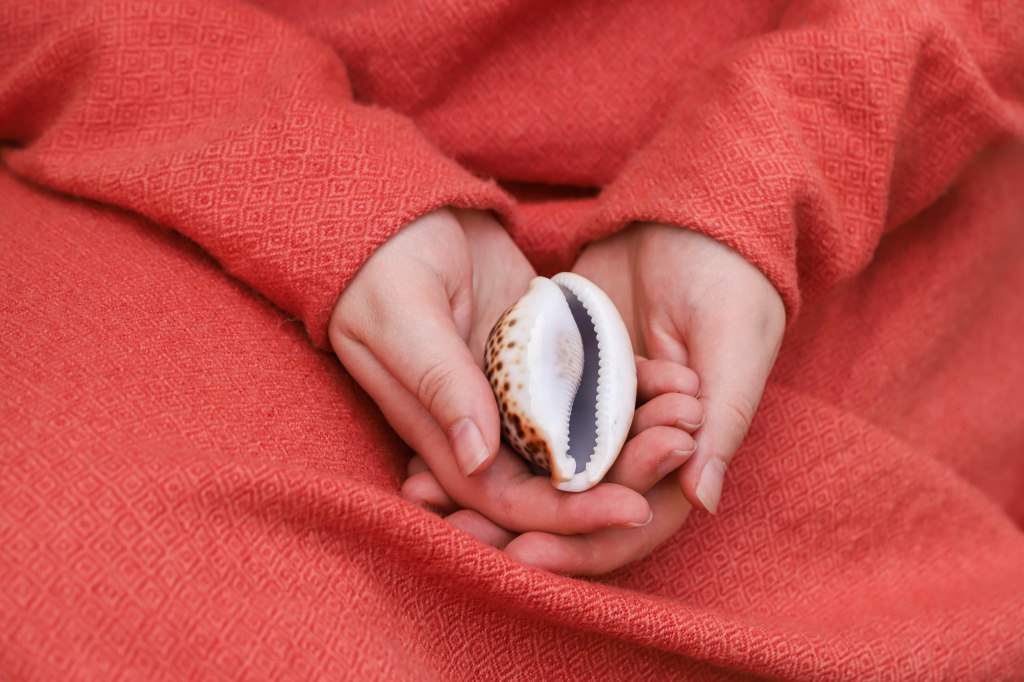
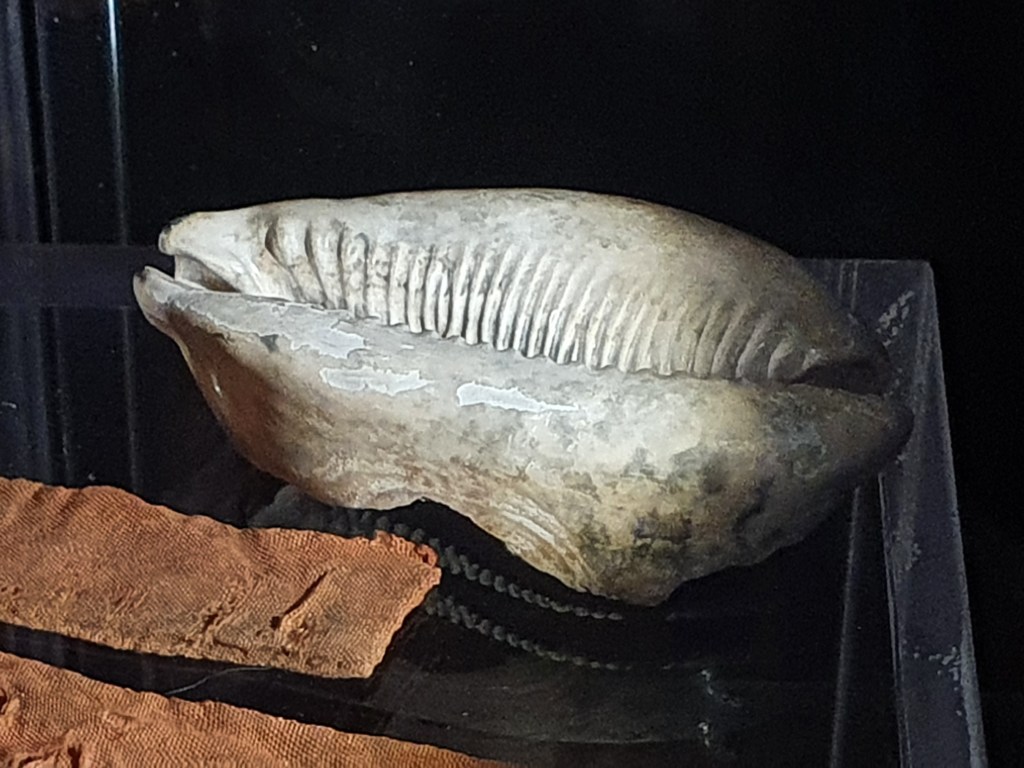
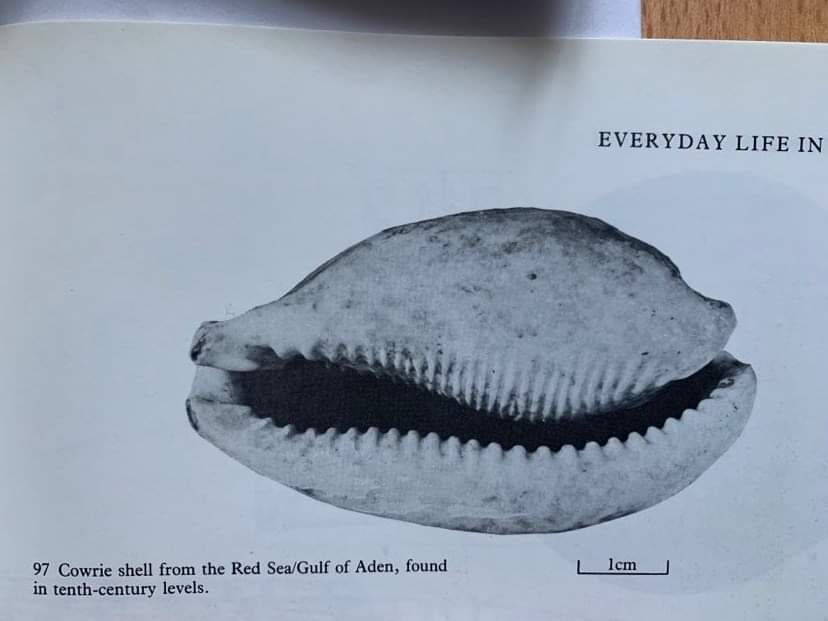
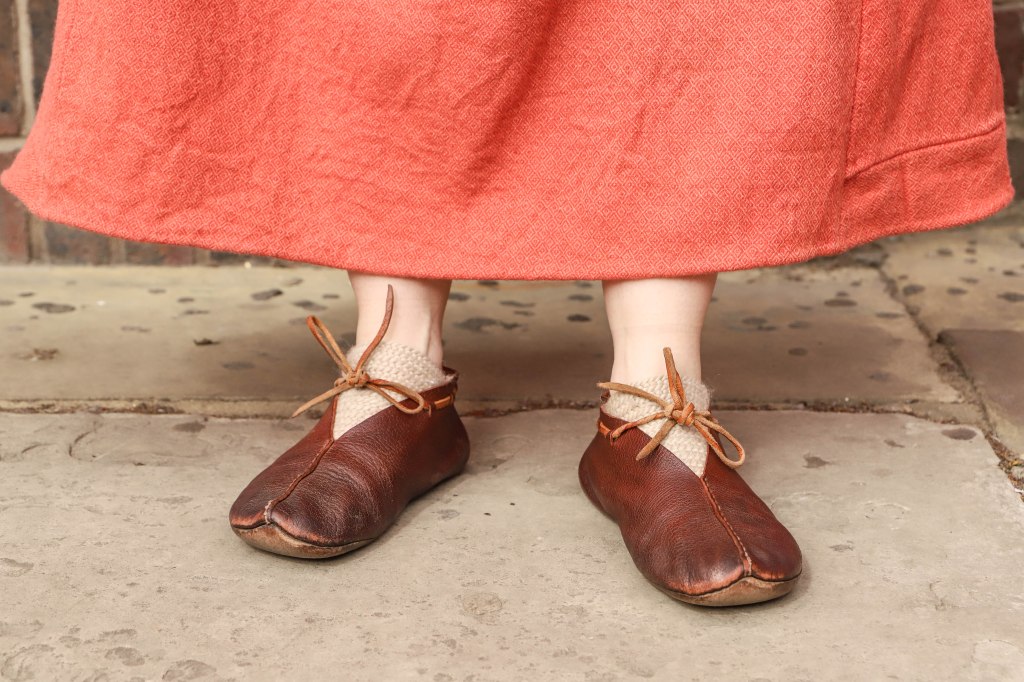
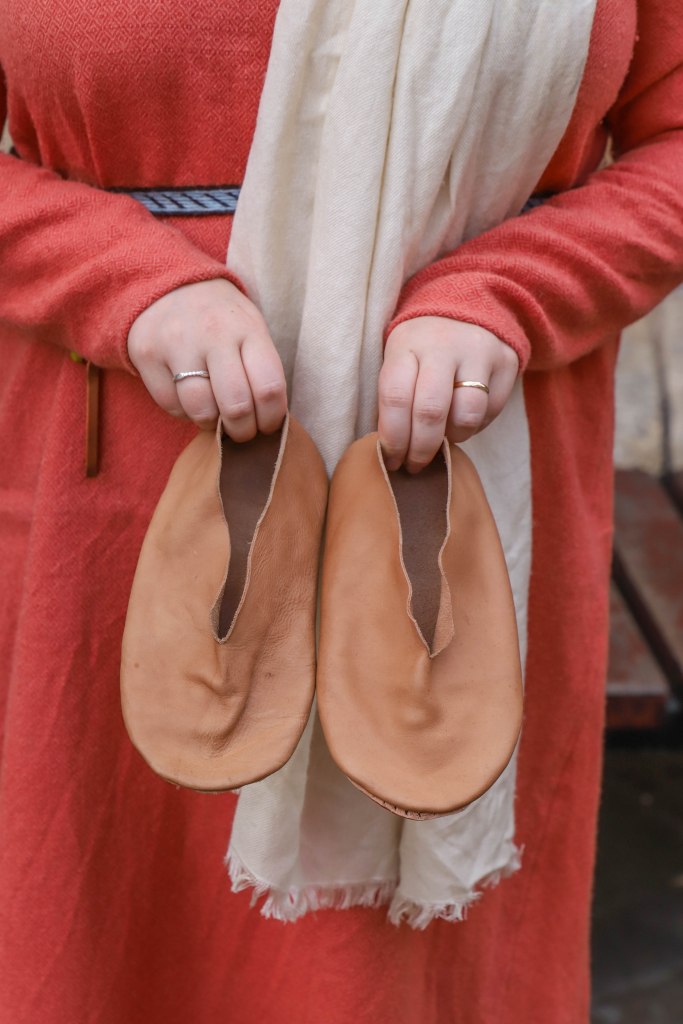
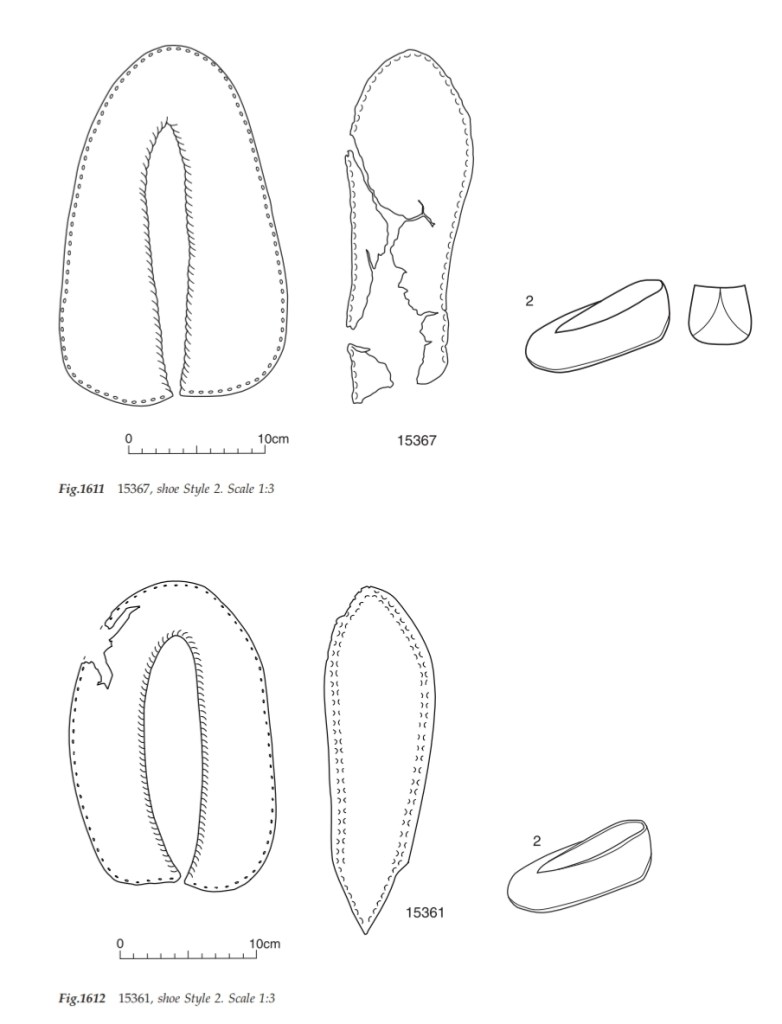
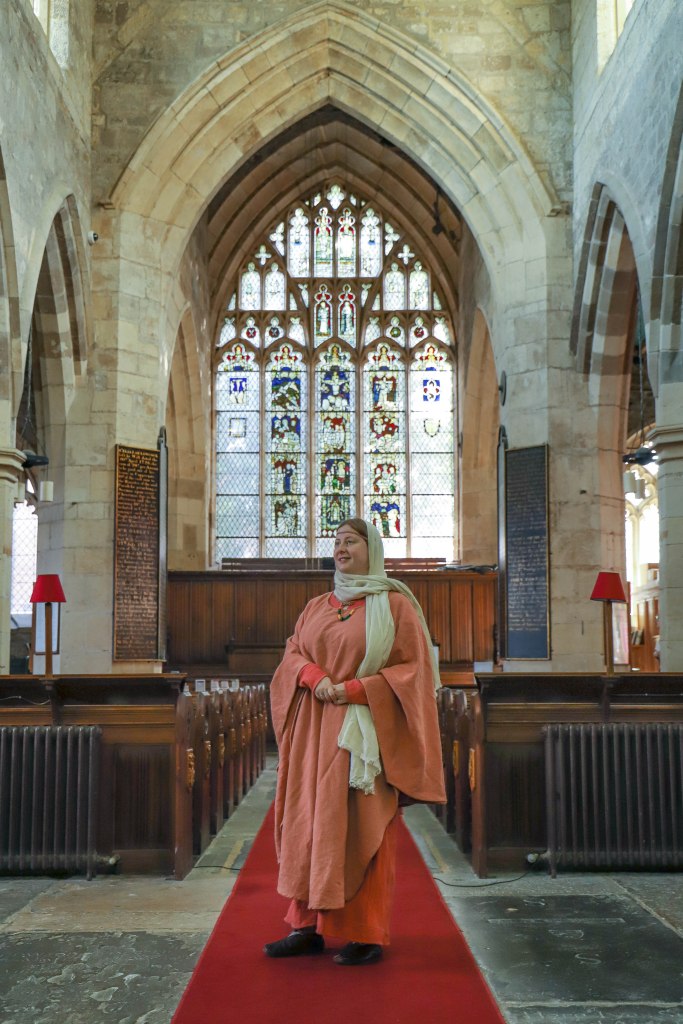
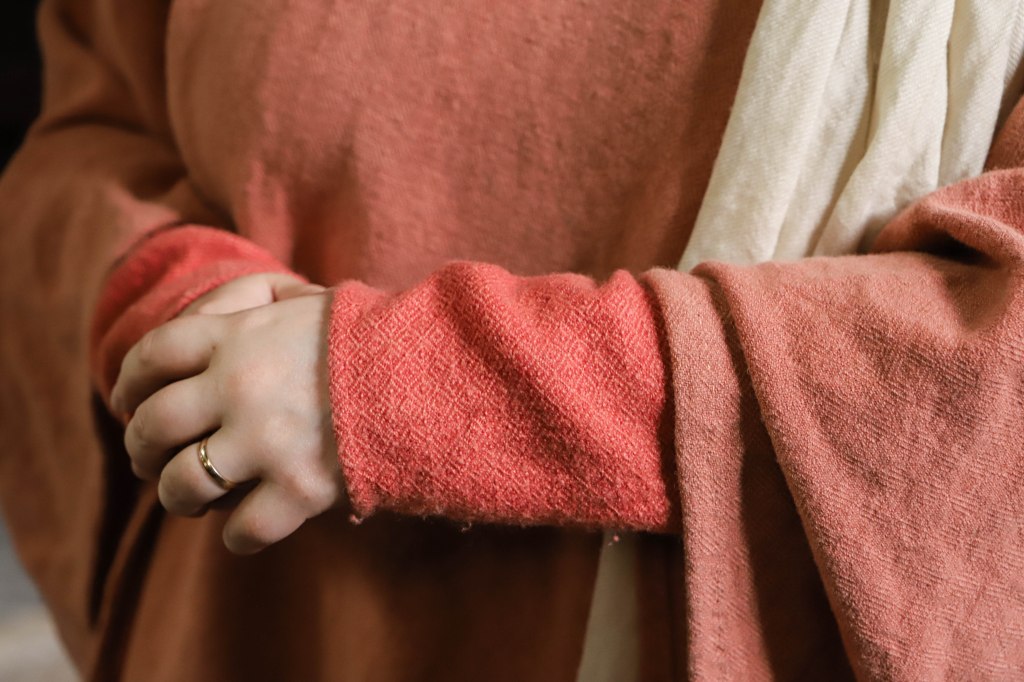
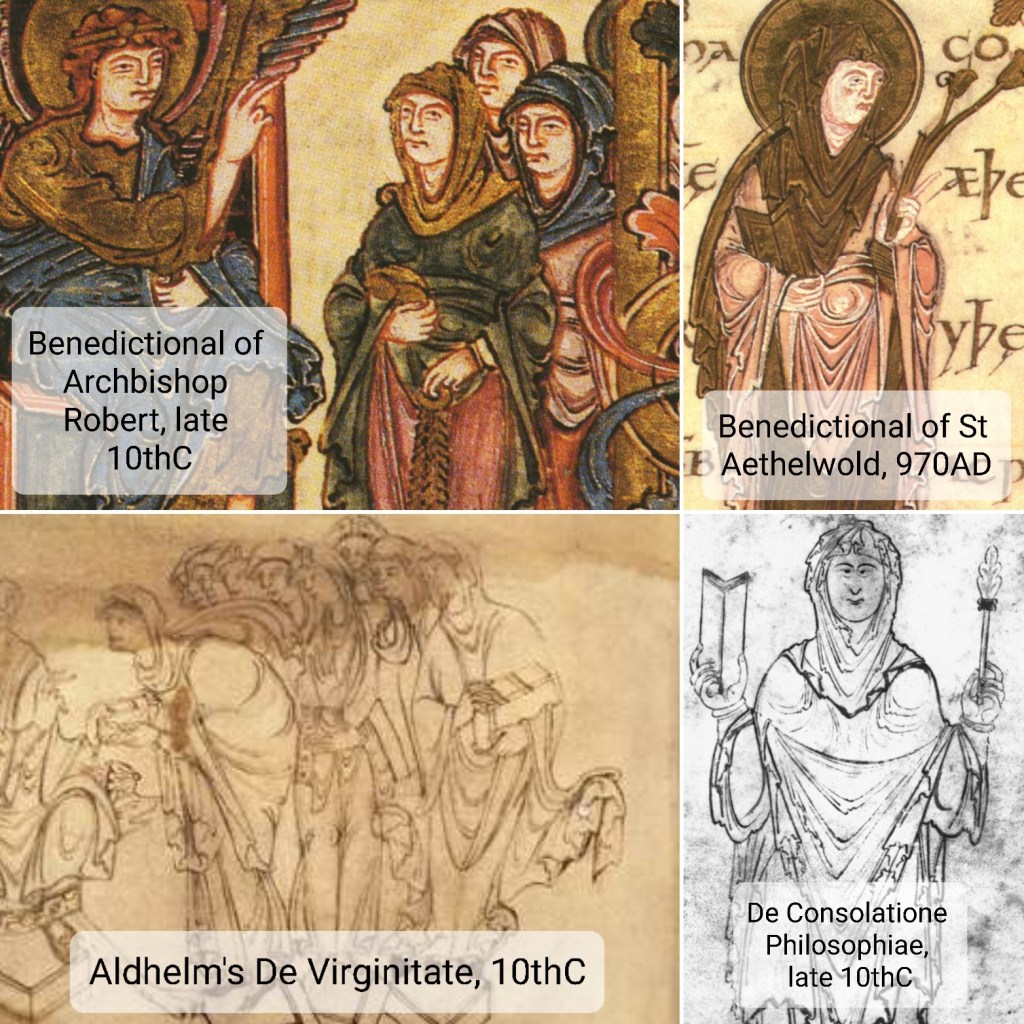
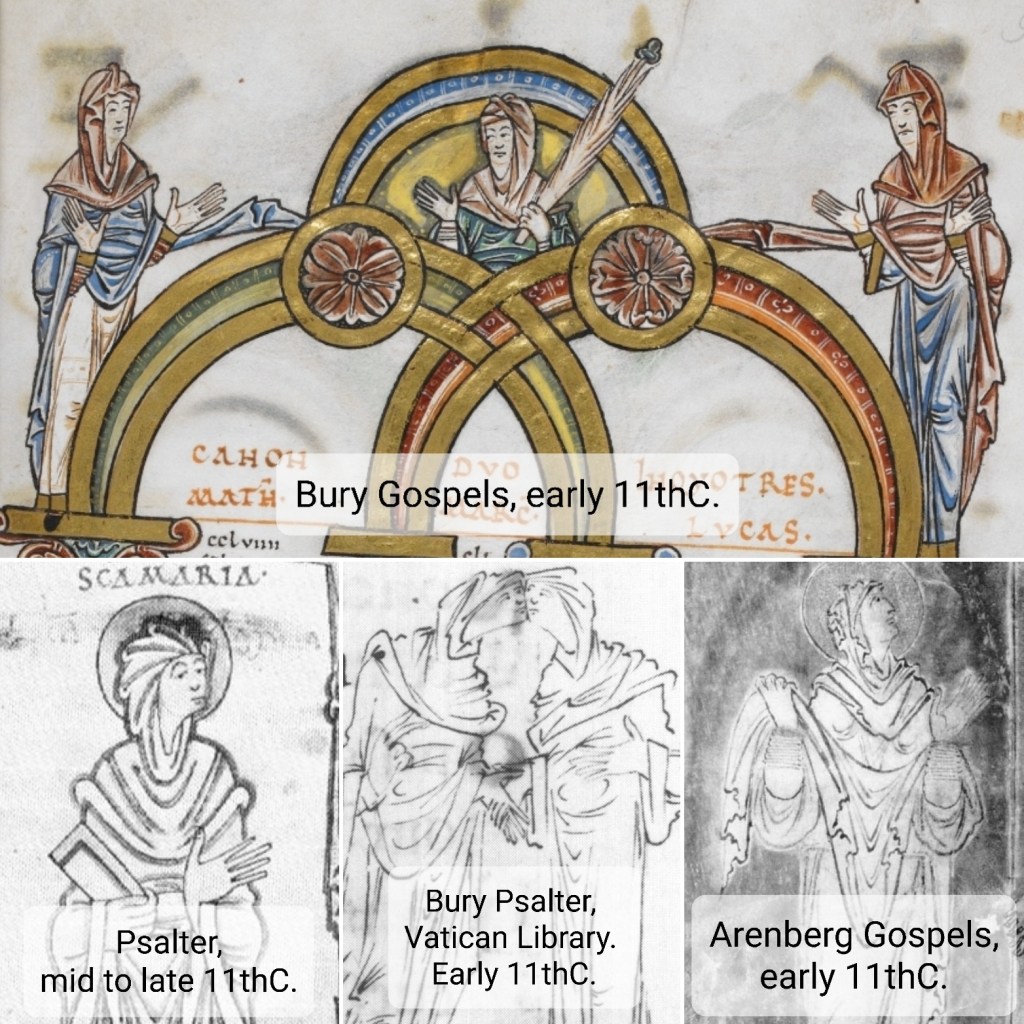
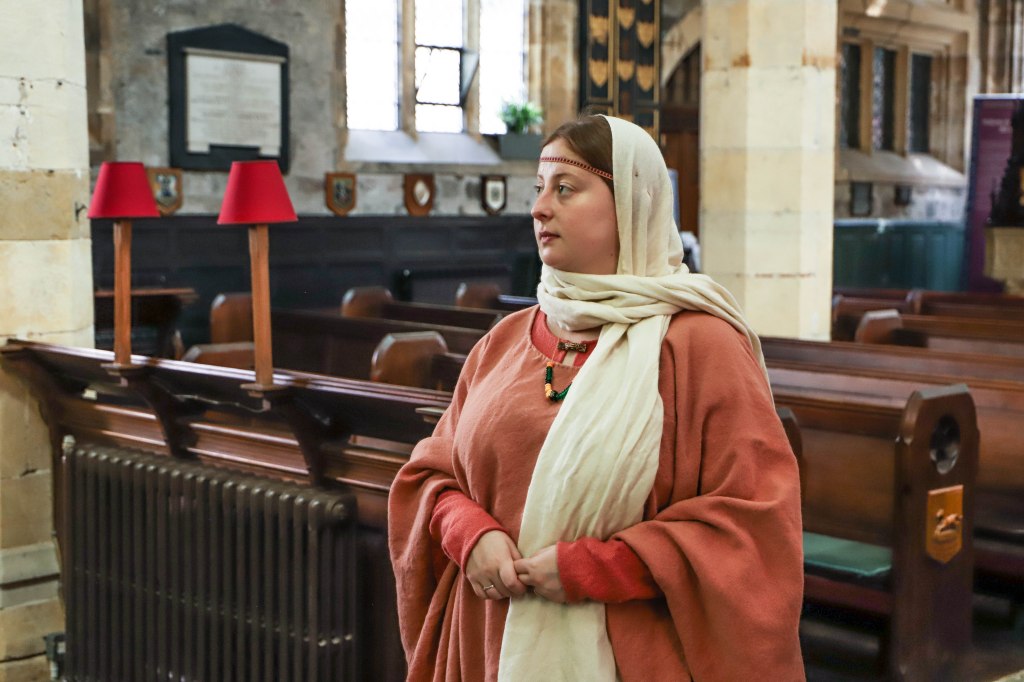
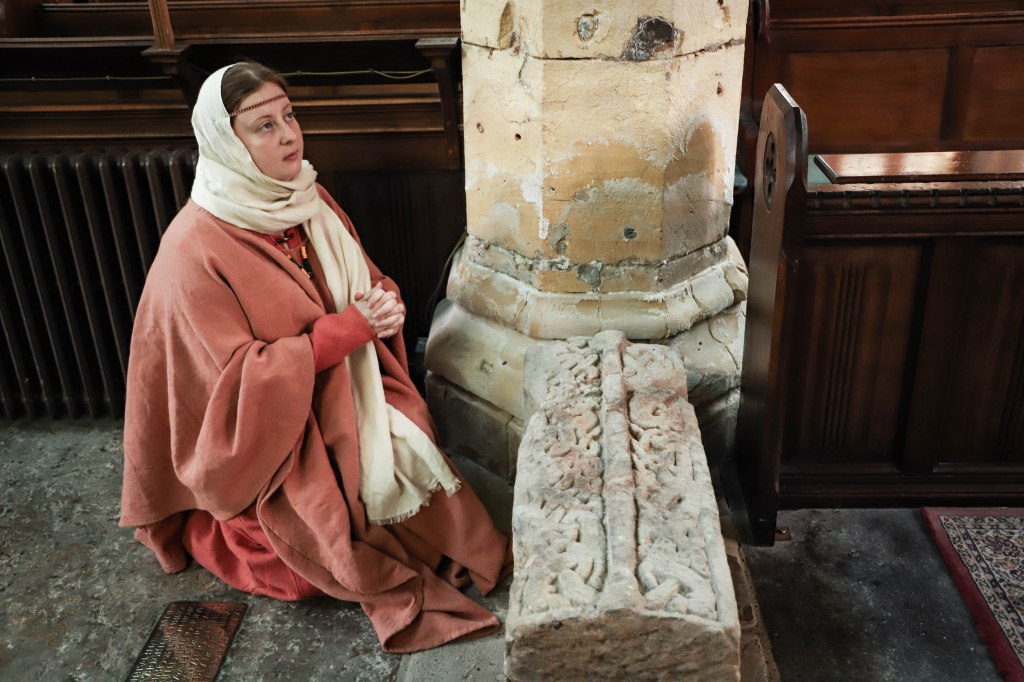
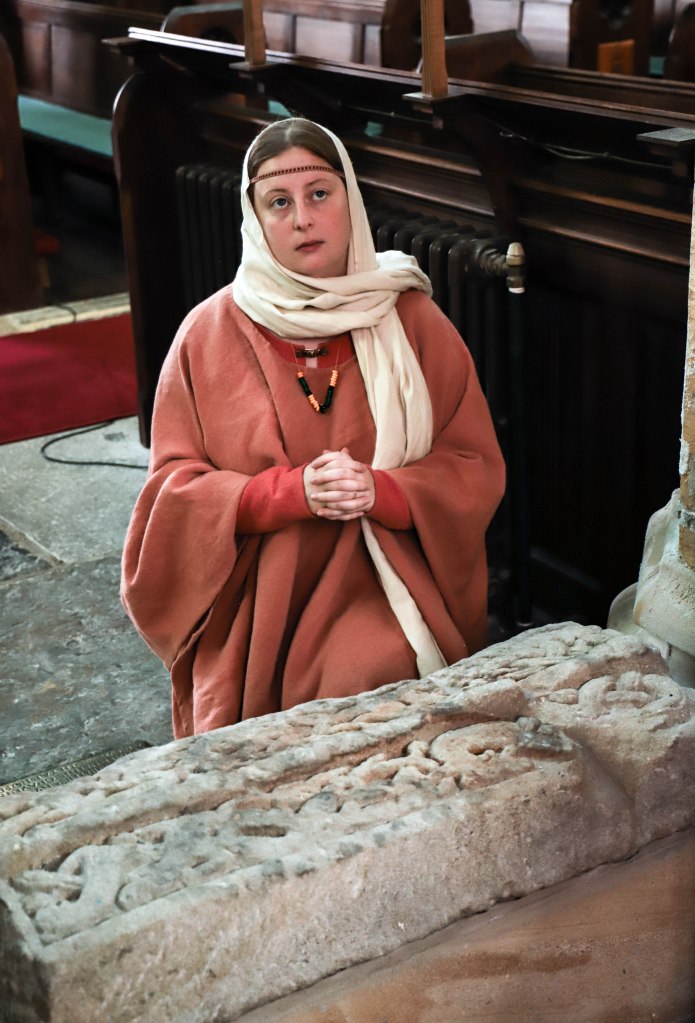
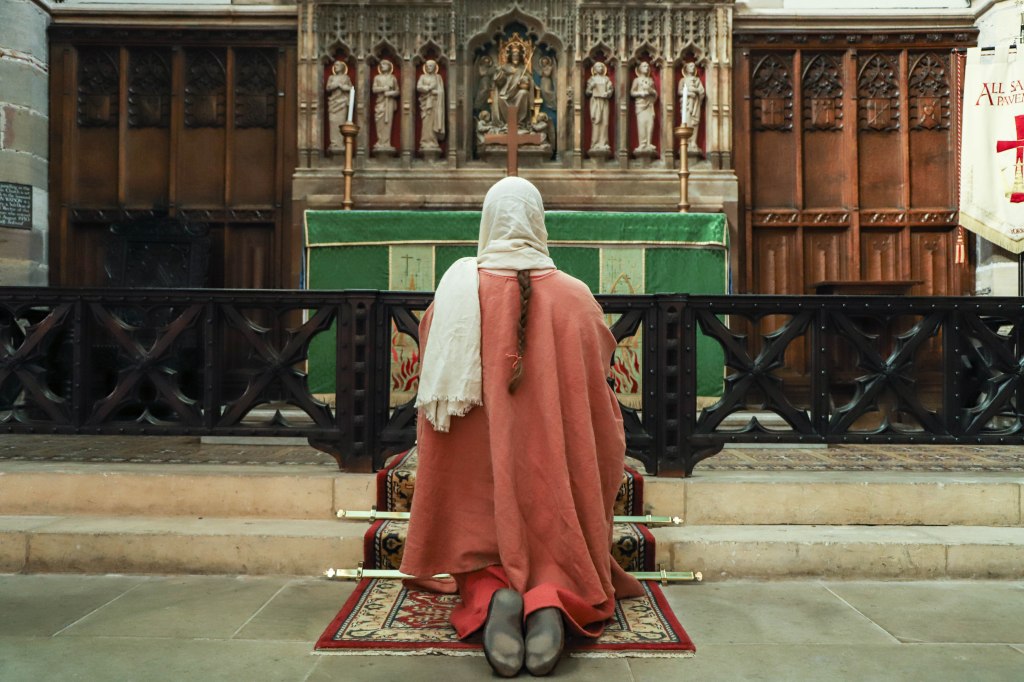
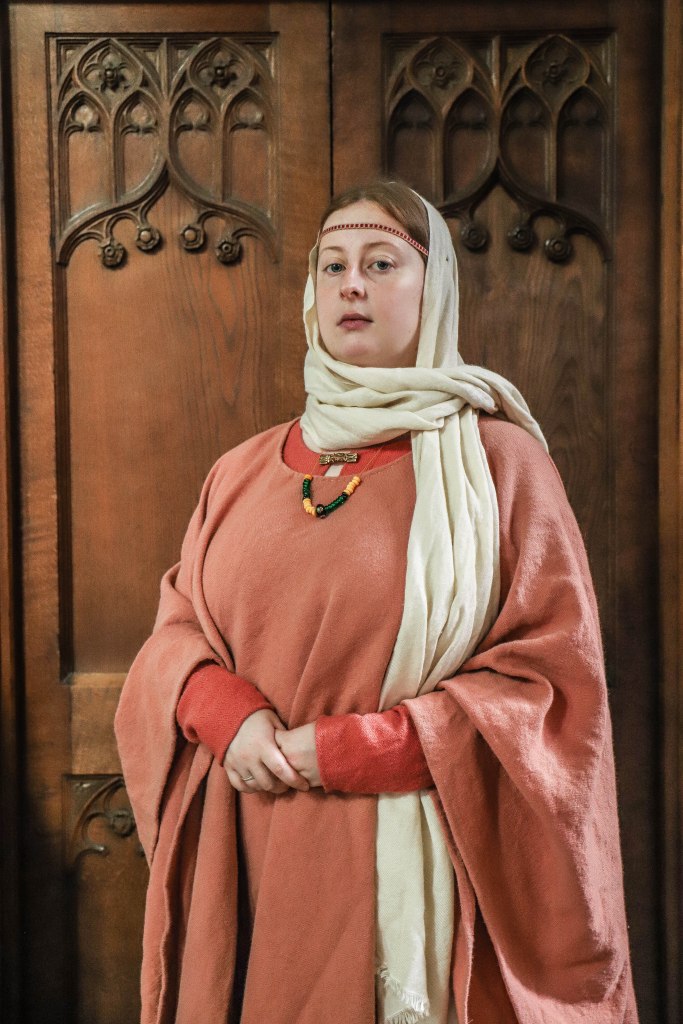
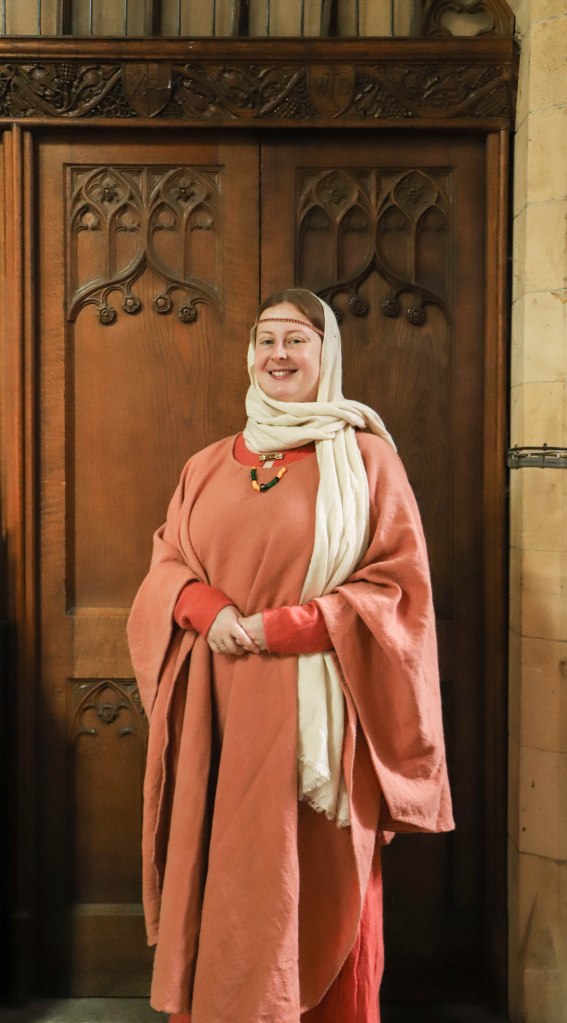
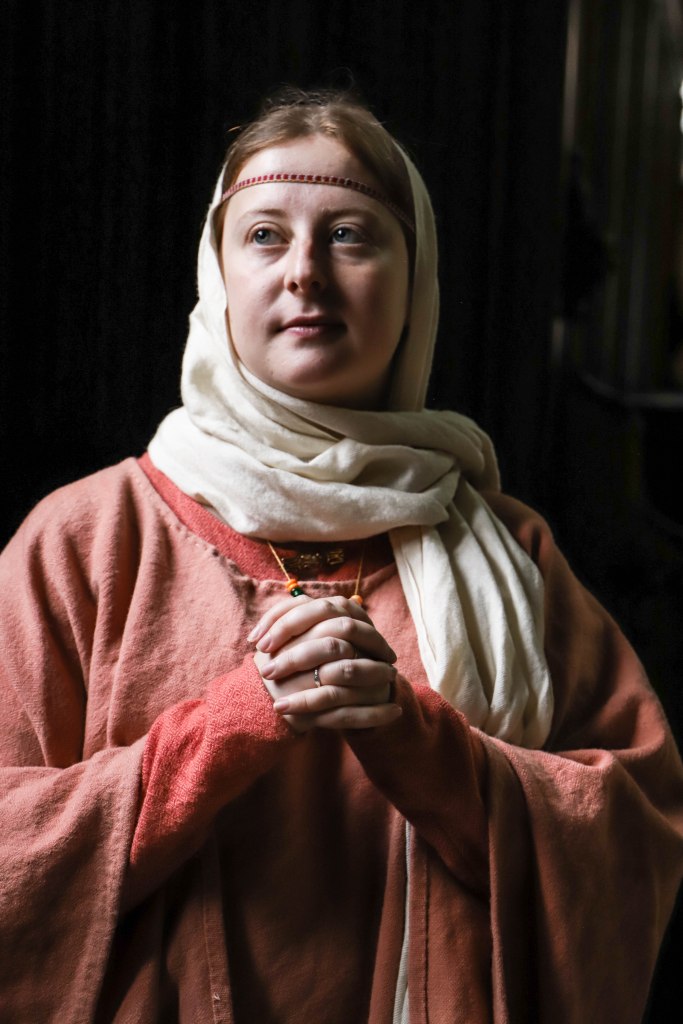
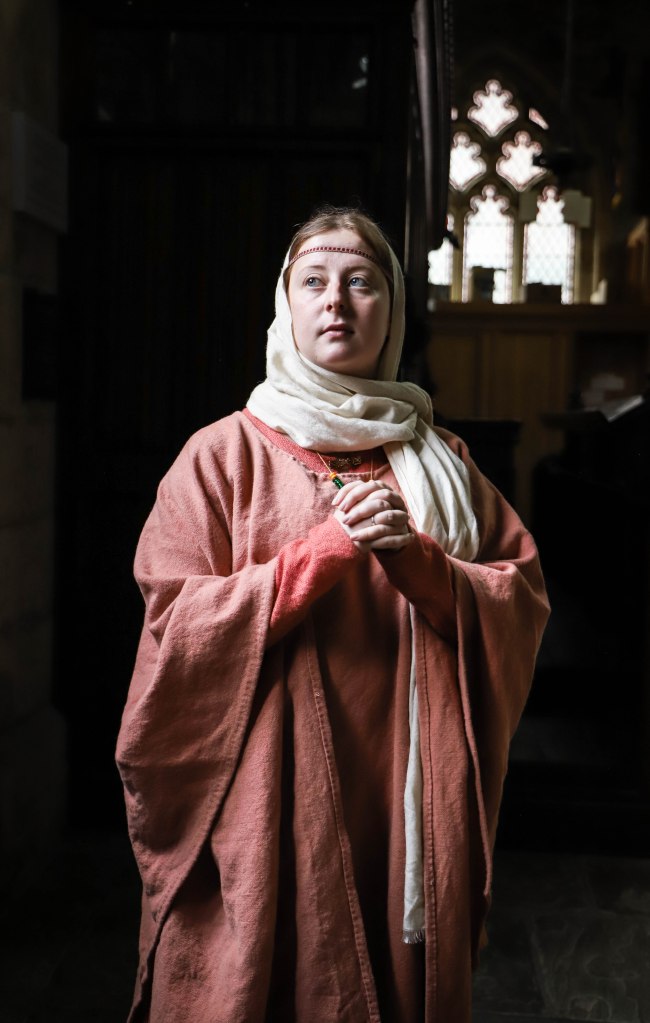

 The Eoforwic Project

