AFI
SOURCE: AFI

India has taken a decisive step toward next-generation undersea warfare with the first public showcase of the complete design of the Jalkapi Extra-Large Autonomous Underwater Vehicle (XLAUV), also referred to as an XLUUV. The programme is being jointly developed by Rekise Marine Private Limited—winner of the iDEX ADITI 1.0 challenge for this design—and Krishna Defence and Allied Industries Ltd. The unveiling of the full configuration signals that the project has moved beyond conceptual studies into a mature, execution-ready phase.
The Jalkapi XLAUV is positioned as India’s flagship indigenously developed unmanned submarine and represents a significant qualitative jump in the Indian Navy’s underwater capabilities. Designed to operate autonomously for extended durations without a human crew, the platform is intended to act as a force multiplier by assuming high-risk, persistent, or repetitive missions that would otherwise tie down scarce manned submarines.
Continue readingSOURCE: AFI

A captivating image of an Indian Air Force pilot in the cockpit of a Sukhoi Su-30MKI has taken the internet by storm, particularly among fans of the legendary manga and anime series Naruto. The pilot, captured during operations or an exercise in France, is seen flashing a peace sign while wearing a flight helmet adorned with the distinctive purple Rinnegan eyes – the powerful dojutsu famously associated with characters like Pain (Nagato), Madara Uchiha, and Sasuke Uchiha in Masashi Kishimoto’s epic storyline.
The Rinnegan, known as one of the “Three Great Dojutsu” in the Naruto universe, grants its wielders god-like abilities, including mastery over all nature transformations, control of gravity, soul extraction, and even resurrection techniques. Its signature appearance – concentric purple circles with ripple patterns – has become an iconic symbol in anime culture, instantly recognizable to millions of fans.
Continue readingSOURCE: AFI
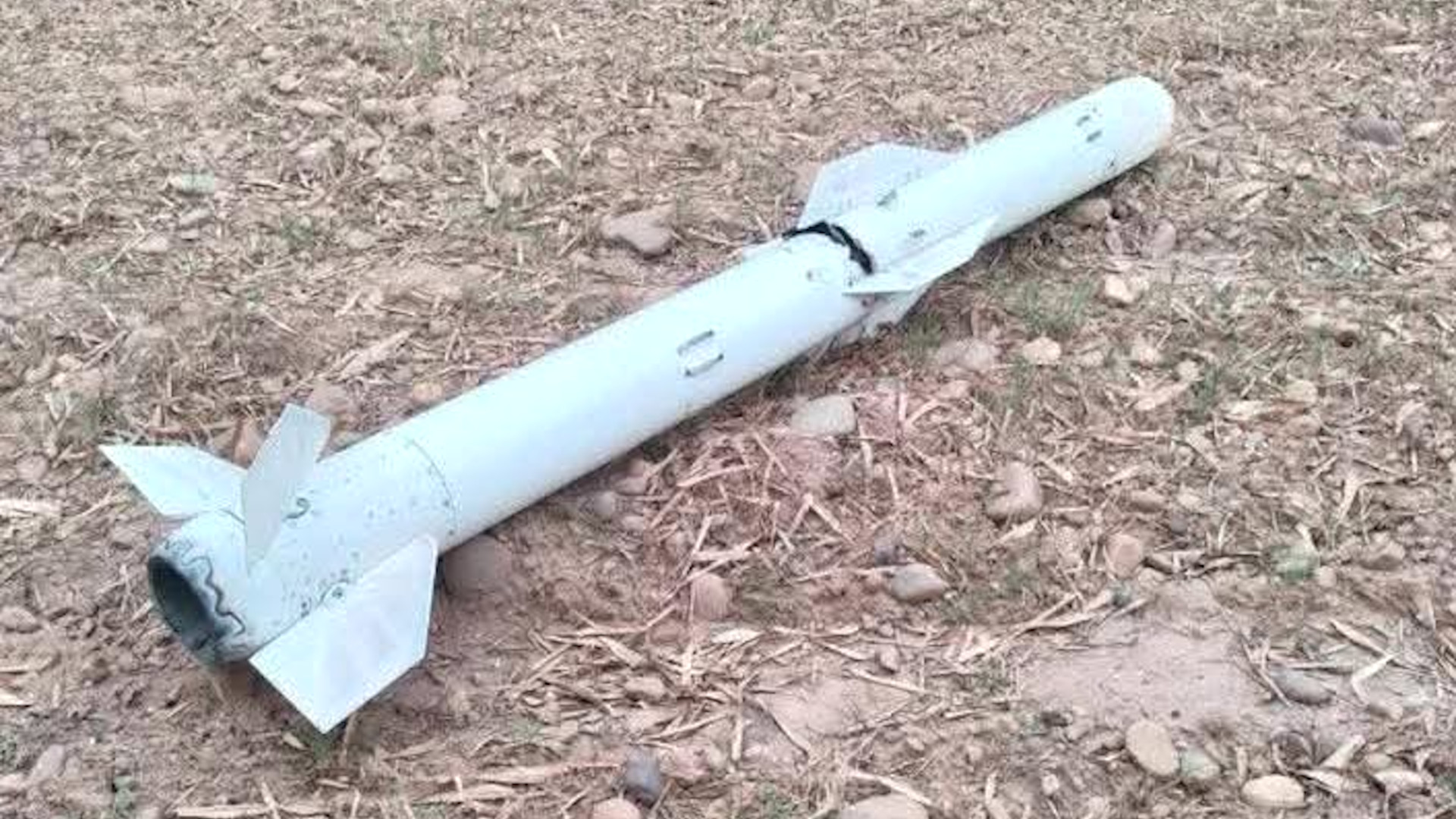
In a twist that has ignited social media frenzy and diplomatic discourse, Indians have responded with sharp wit to China’s assertion that its leadership played a pivotal role in brokering a ceasefire during the brief but intense India-Pakistan conflict known as Operation Sindoor in May 2025. The Chinese Foreign Ministry’s statement, attributing mediation efforts to President Xi Jinping, has been met with widespread ridicule, particularly highlighting the alleged failures of Chinese-supplied weapons used by Pakistan. This online backlash underscores deeper frustrations over perceived poor-quality armaments that reportedly underperformed, leading to creative mockery that has gone viral across platforms.
The episode began when Chinese Foreign Minister Wang Yi, during a press conference in Beijing, claimed that China had actively mediated between India and Pakistan to de-escalate tensions following the four-day skirmish.
Continue readingSOURCE: AFI

A heated and profane radio exchange allegedly between a Taiwanese F-16 pilot and a People’s Liberation Army Air Force (PLAAF) J-15 pilot has taken social media by storm, drawing millions of views and shares for its sharp political jabs and escalating vulgarity. The clip, which surfaced in late December 2025, captures a tense aerial interception over the Taiwan Strait turning into a verbal showdown that highlights deep ideological divides across the strait.
The interaction begins calmly but quickly devolves as the Taiwanese pilot repeatedly calls the Chinese counterpart “poor thing” and “tragic,” mocking perceived subservience to the Communist Party. In response, the Chinese pilot unleashes a barrage of expletives, unable to counter the pointed criticisms about freedom, leadership selection, and authoritarian control. The Taiwanese pilot’s composed delivery, contrasting with the furious outbursts from the other side, has led many online users to declare it a clear rhetorical victory.
Continue readingSOURCE: AFI

The year 2026 will be shaping up to be a decisive inflection point for India’s defence modernisation roadmap. Several long-pending acquisition programmes and strategic capability projects are expected to either receive formal clearances or move into the contract-signing stage.
Collectively, these decisions will define India’s air, naval, and air-defence posture well into the 2040s, while also setting the tone for indigenous development and global partnerships.
Continue readingSOURCE: AFI

India’s Defence Research and Development Organisation (DRDO) is preparing for a significant milestone in its hypersonic weapons program with the planned maiden flight test of the Dhvani Hypersonic Glide Vehicle (HGV) in the first quarter of 2026. This boost-glide system, designed to travel at speeds exceeding Mach 5, represents a major advancement in India’s strategic deterrence capabilities, placing the nation alongside global leaders like the United States, Russia, and China in mastering maneuverable hypersonic technology.
Dhvani operates on a boost-glide trajectory: a rocket booster launches the vehicle to high altitudes, where it separates and glides through the atmosphere at hypersonic speeds, performing sharp maneuvers to evade missile defenses. Advanced thermal protection systems, incorporating ceramics and composites, allow it to withstand extreme re-entry temperatures.
Continue readingSOURCE: AFI

The Government of India has approved the procurement of an indigenous Integrated Air Defence Weapon System (IADWS) worth ?5,181 crore to significantly enhance aerial security over the highly restricted VIP-89 zone in the Delhi-NCR region. According to information accessed by CNN-News18, the decision marks a major step in strengthening protection for one of the country’s most sensitive no-fly zones, which includes key political, administrative, and strategic assets.
The Air Force-centric system has been developed by the Defence Research and Development Organisation and is designed to provide multi-layered air defence coverage against modern and emerging aerial threats. With an effective protective envelope extending up to a 30-kilometre radius around the national capital, the system is intended to counter a wide spectrum of risks, including hostile aircraft, unmanned aerial systems, and other advanced aerial threats expected to proliferate over the next decade.
Continue readingSOURCE: AFI

The Defence Acquisition Council (DAC) has approved the Indian Air Force’s request for the procurement of additional Meteor beyond-visual-range air-to-air missiles, granting Acceptance of Necessity (AoN) even as the long-pending follow-on contract remains under negotiation. The move is seen as a strong endorsement of the IAF’s operational assessment of the missile’s combat value and a signal that the government is keen to avoid capability gaps in India’s air dominance arsenal.
According to officials familiar with the decision, the IAF is expected to procure more than 36 additional Meteor missiles over and above the numbers contracted under the 2016 deal for 36 Rafale fighter jets. The original package included a limited stock of Meteors intended to provide a qualitative edge in beyond-visual-range combat, but operational planning and evolving threat perceptions have since driven the requirement for a substantially larger inventory.
Continue readingSOURCE: AFI
A prominent US think tank has highlighted a moderate risk of renewed armed conflict between India and Pakistan in 2026, driven primarily by heightened terrorist activity and ongoing disputes over Kashmir. The Council on Foreign Relations (CFR), in its annual Preventive Priorities Survey titled “Conflicts to Watch in 2026,” surveyed American foreign policy experts who assessed the likelihood and potential impact of global contingencies on US interests.
The report specifically flags “renewed armed conflict between India and Pakistan due to heightened terrorist activity and repression in Indian-administered Kashmir” as a Tier II contingency, indicating moderate likelihood with moderate impact on American interests. This assessment comes in the wake of a brief but intense military confrontation earlier in 2025, underscoring the fragility of peace between the two nuclear-armed neighbors.
Continue readingSOURCE: AFI

India’s indigenous Akash surface-to-air missile system has evolved significantly with newer variants incorporating a sophisticated dual-guidance mechanism that combines mid-course command guidance with terminal-phase active radio frequency (RF) seeker homing. This hybrid approach, seen in variants like Akash-1S, Akash Prime, and elements of the developmental Akash-NG, dramatically improves the missile’s resilience against electronic warfare (EW) threats, making it exceedingly difficult for adversaries to jam or deceive.
Developed by the Defence Research and Development Organisation (DRDO), these upgrades address modern battlefield challenges where electronic countermeasures—such as jamming, spoofing, or deception—pose significant risks to missile effectiveness. The dual scheme ensures reliable target acquisition and interception even in contested electromagnetic environments.
Continue readingSOURCE: AFI

The Indian Army’s elite Para Special Forces have emerged as frontrunners in adopting cutting-edge unmanned systems, particularly loitering munitions and first-person view (FPV) drones, marking a significant advancement in modern warfare capabilities. Recent developments highlight a rapid induction of these technologies into special operations units, enabling precision strikes, enhanced surveillance, and tactical superiority in diverse terrains.
Loitering munitions, often referred to as kamikaze or suicide drones, allow operators to hover over target areas before executing precise dives onto high-value assets. Systems like the indigenous Nagastra-1, developed by Solar Industries, and imported platforms such as the Polish Warmate and Israeli Harop have been integrated into Para SF operations. These munitions offer man-portable convenience, with ranges extending from 15-30 km for tactical variants to longer endurance for strategic roles. Complementing these are FPV drones, which provide immersive real-time control through goggles, allowing operators to navigate complex environments and deliver payloads with pinpoint accuracy, even against armored targets.
Continue readingSOURCE: AFI

India’s Advanced Medium Combat Aircraft (AMCA) will become the first indigenously developed Indian fighter jet to feature a built-in telescopic ladder, a design element seen on fifth-generation aircraft such as the F-35 Lightning II. While seemingly a minor detail, the inclusion of a telescopic ladder is a deliberate design choice aligned with the operational philosophy, survivability requirements, and maintainability expectations of a true fifth-generation stealth fighter.
Unlike legacy fighters, where ground ladders are routinely used, a fifth-generation aircraft such as the Advanced Medium Combat Aircraft is designed to operate with minimal ground support, often from dispersed or austere bases. A telescopic ladder integrated into the fuselage allows pilots to board and disembark the aircraft without relying on external equipment. This directly supports rapid turn-around times and reduces dependence on ground crews and ancillary gear.
Continue readingSOURCE: AFI
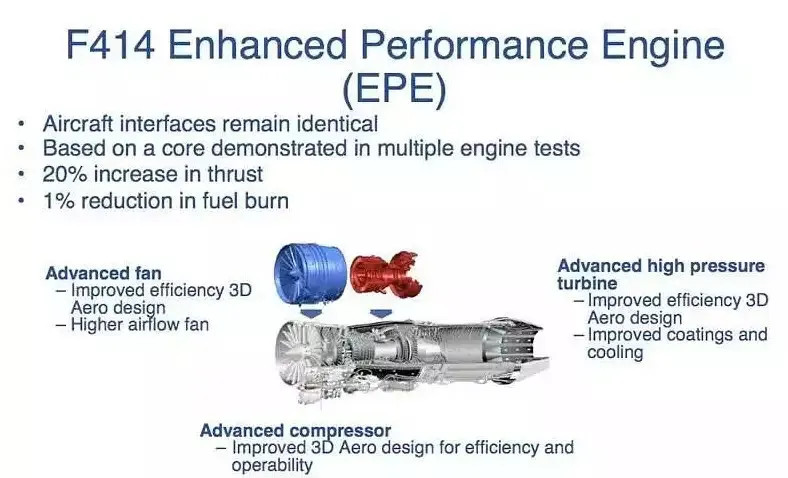
With Hindustan Aeronautics Limited having secured the landmark agreement for the indigenous manufacture of the 98 kN F414 engine, attention is now shifting to how India can extract maximum long-term value from this partnership. Industry watchers argue that Hindustan Aeronautics Limited (HAL) should actively explore the feasibility of taking up development of the higher-thrust F414 Enhanced Performance Engine (EPE), rated at around 116 kN, a variant that GE Aerospace has historically shown strong interest in advancing.
The current F414 agreement is primarily focused on the standard 98 kN-class engine that will power platforms such as the LCA Mk2 and potentially other future Indian fighters. While this is a major step in building domestic aero-engine manufacturing capability, critics note that global fighter development is steadily moving toward higher thrust-to-weight ratios, increased electrical power generation, and better thermal margins to support advanced avionics and sensors.
Continue readingSOURCE: AFI

L&T Precision Engineering and Systems has dispatched the second set of wings for the LCA Mk1A on 28 December 2025 from its Precision Manufacturing & Systems Complex in Coimbatore, achieving a record production cycle time of just 128 days from the start of manufacturing. The milestone reflects accelerating momentum in India’s efforts to ramp up production of the Light Combat Aircraft programme.
The dispatch followed a pre-dispatch review of Wing Set–2 by Shri Abdul Salam, General Manager (LCA), who visited the Coimbatore facility to assess progress firsthand. During the visit, he was received by Ravishankar Thiyagarajan, GM & Head – Aerospace Business, who briefed him on the manufacturing improvements and process optimisations undertaken to compress the production cycle. Shri Abdul Salam appreciated the team’s performance and emphasised the importance of sustaining the achieved cycle time while continuing efforts to reduce it further in future builds.
Continue readingSOURCE: AFI

India’s fourth ballistic missile submarine, the S4*, which has recently commenced sea trials, has marked a major milestone in indigenous defence manufacturing by achieving nearly 80 per cent indigenous content—the highest among the four SSBNs developed so far under the country’s nuclear submarine programme. This achievement reflects the steady maturation of India’s industrial, scientific, and technological ecosystem in one of the most complex and sensitive domains of military engineering.
The S4* represents the most refined platform in the Arihant-class series, benefitting from lessons learned during the construction and operation of earlier submarines. The high level of indigenisation spans multiple critical systems, including hull construction, onboard electronics, propulsion-related subsystems, combat management elements, and a wide range of auxiliary and support equipment. Compared to earlier boats in the class, S4* demonstrates how India has progressively reduced dependence on foreign inputs while improving integration efficiency and overall system reliability.
Continue reading